
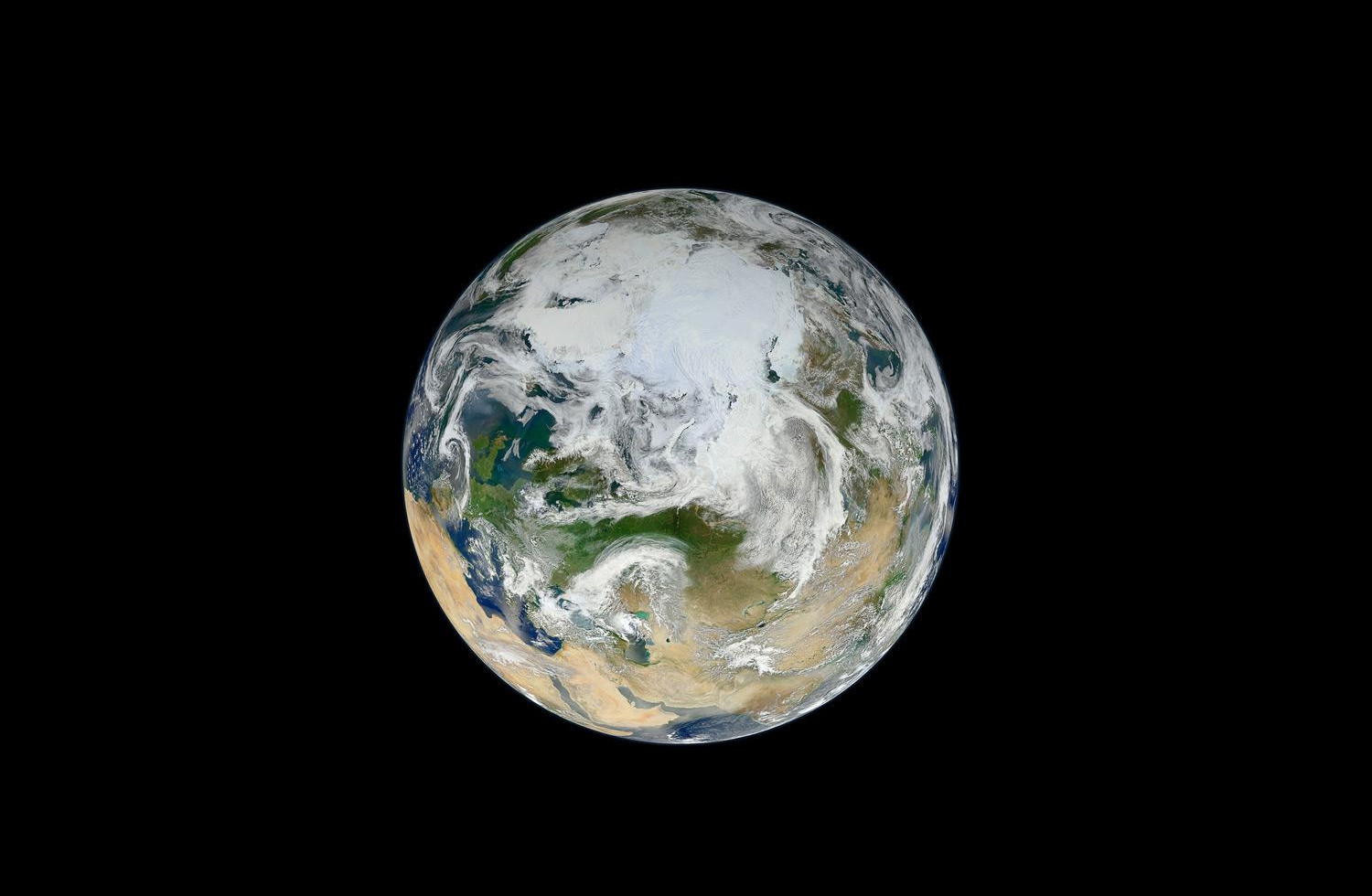
The boundaries of the Arctic
Between the tundra and the ocean, Eurasia and America, where does the Arctic start?
What is the Arctic?
‘The Arctic is the “land of the midnight sun”!’
‘No, it’s where there’s permanent sea ice!’
“No, the Arctic is also where the Inuit live.’
‘It’s where polar bears live!’
‘It’s everything to the north of the Arctic Circle!’
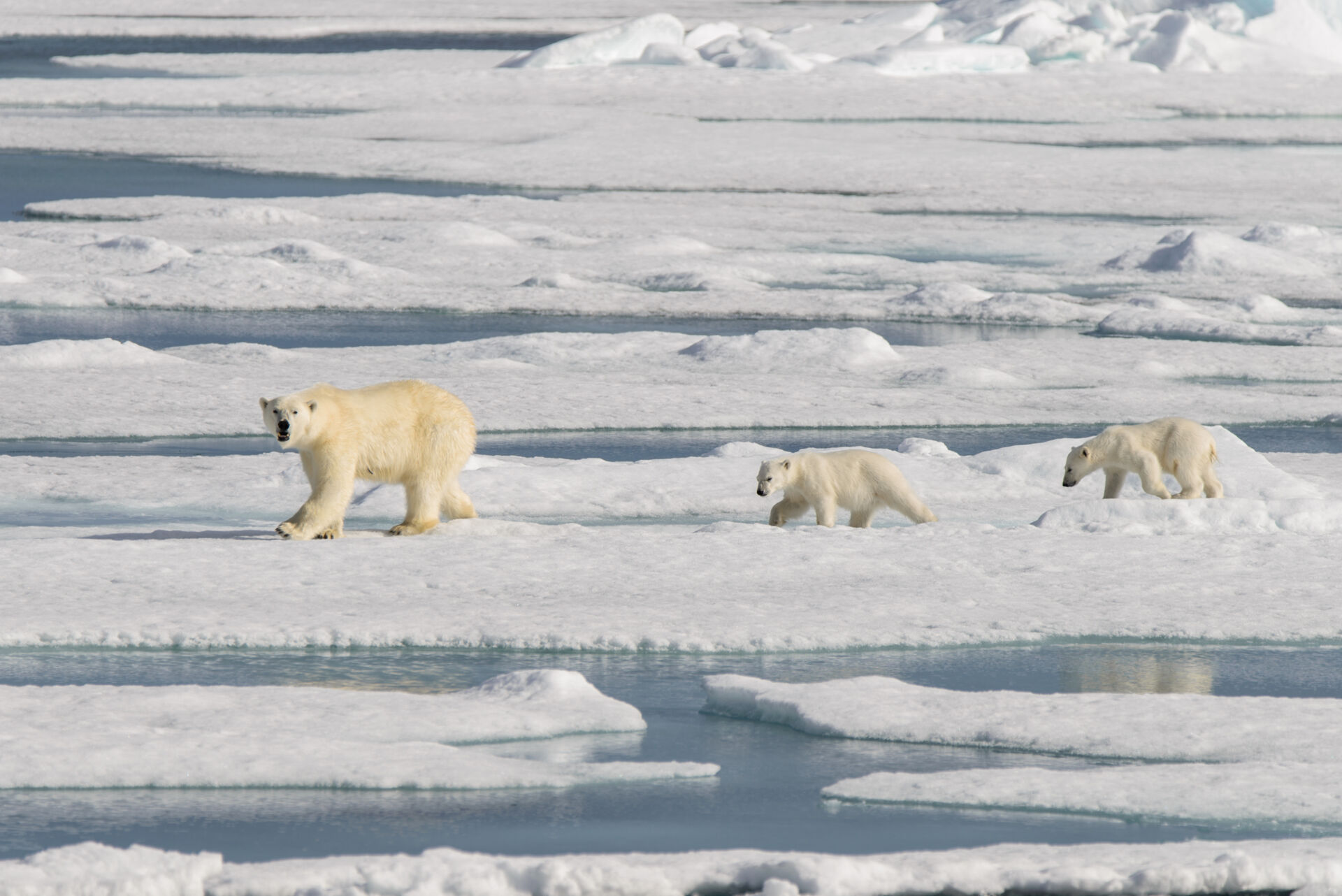
All of these definitions are partly true. It’s hard to say what the Arctic is exactly. There is no continent, unlike in the Antarctic. It’s not surrounded by an ocean that contains and bounds it. The Arctic is an expanse of water (the North Pole is in the open sea) and land, sea ice and continental ice sheets.
We know that the Earth’s axis of rotation is inclined to its orbital plane at an angle of about 23˚27’. We can divide the Earth’s surface into ‘belts’ that correspond to climate zones: the equatorial belt between the tropics, the temperate belt between the tropics and the polar circles, and the Arctic and Antarctic polar regions to the north and south of their respective polar circles.

The image represents the Earth with its tilted axis resulting in a different distribution of solar rays. This determines a different climate for each area between the equator and the tropics, the tropics and the polar circles, and the polar circles and the poles.
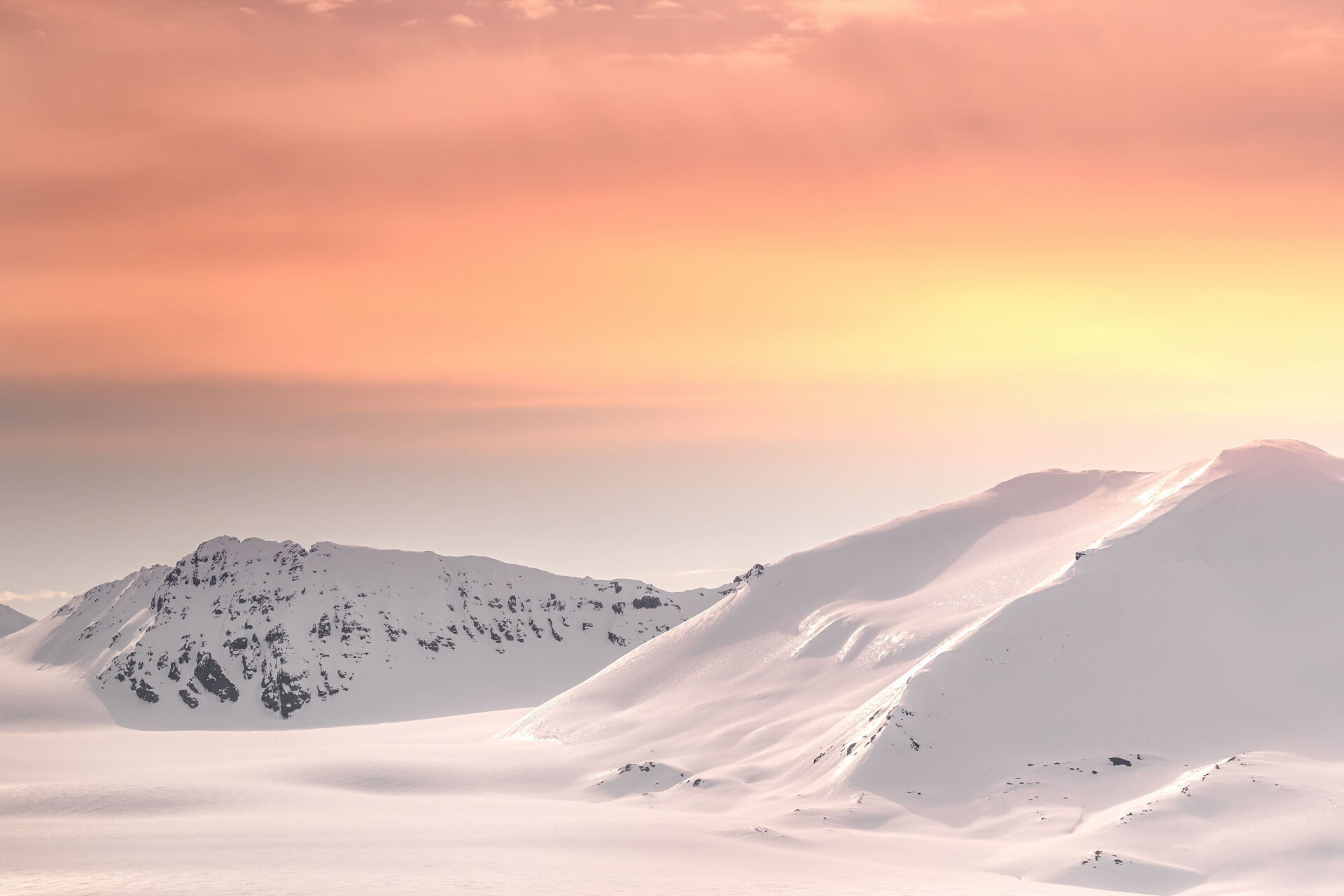
We know that at least once a year to the north of the Arctic Circle the sun does not set (at the summer solstice) and does not rise (at the winter solstice).
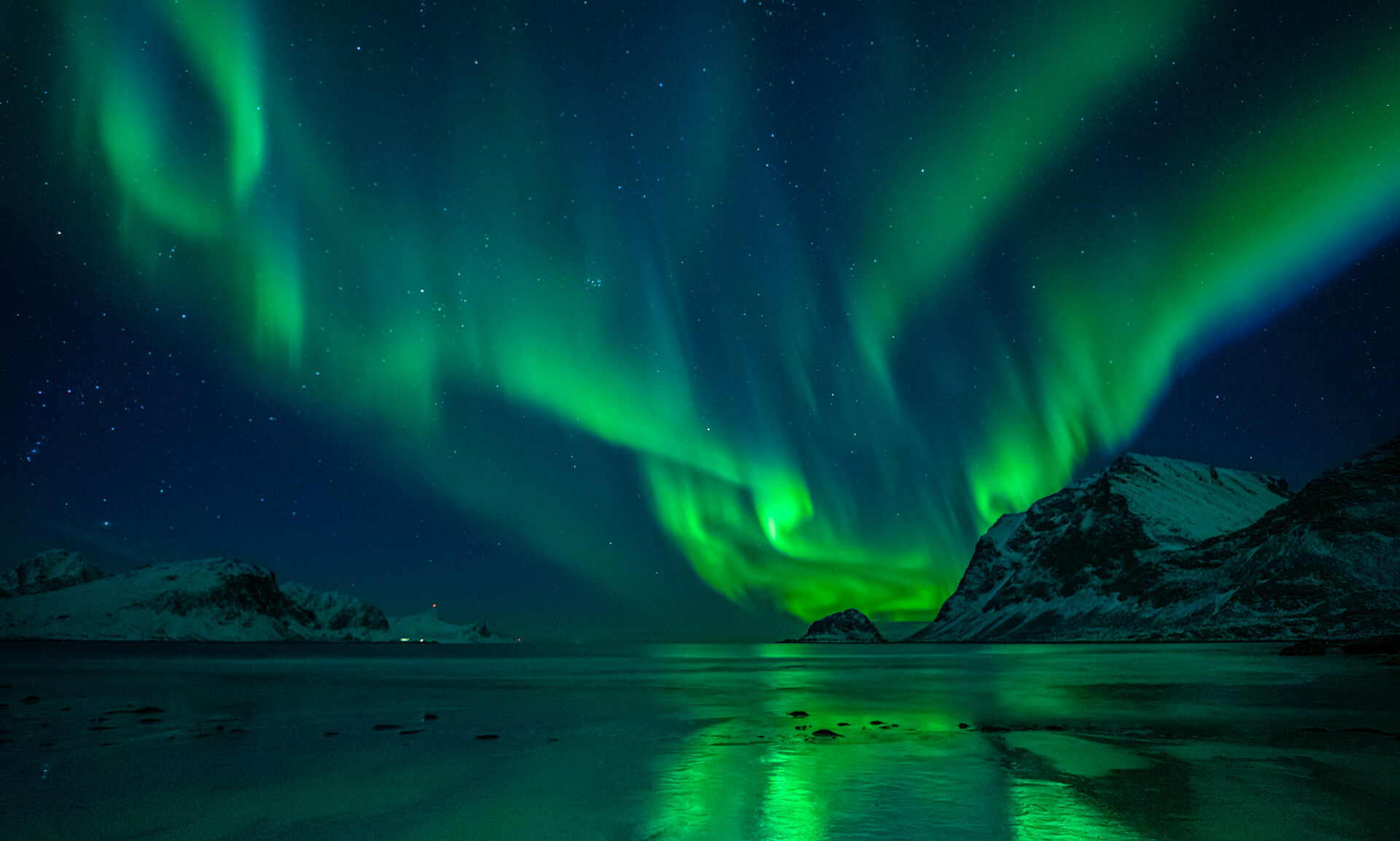
The further north we go, the more days of total brightness or darkness increase, and the Pole itself would go from six months of light to six months of darkness were it not for the light-diffusing atmosphere.
So, astronomy provides a handy definition, but does this help our understanding of how far the Arctic stretches, in terms of ecosystems and their native species?
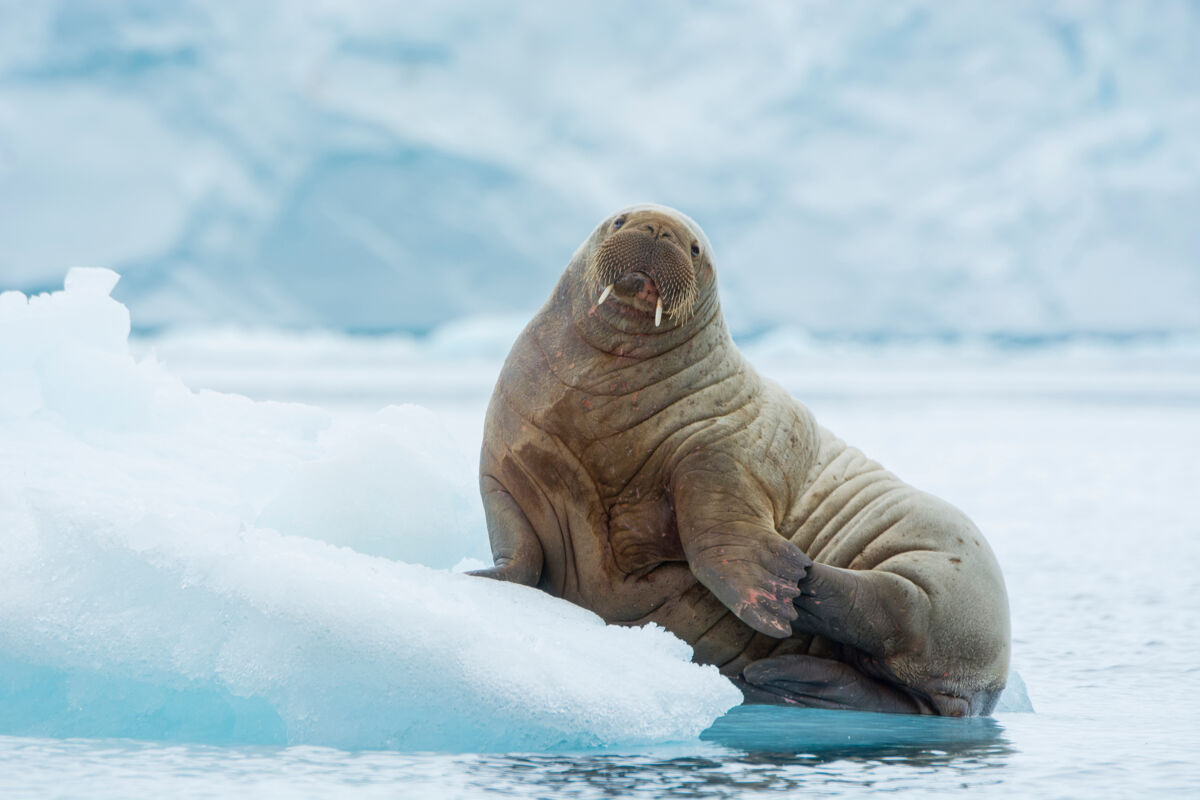
There is more than one Arctic
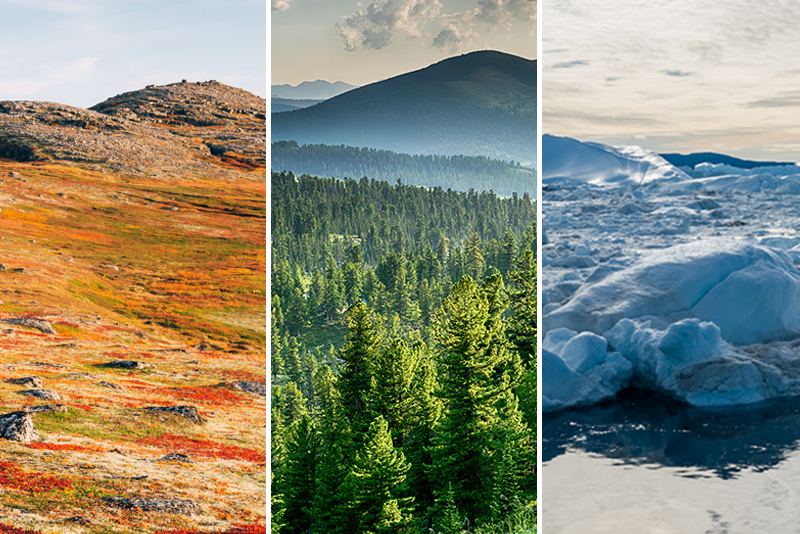
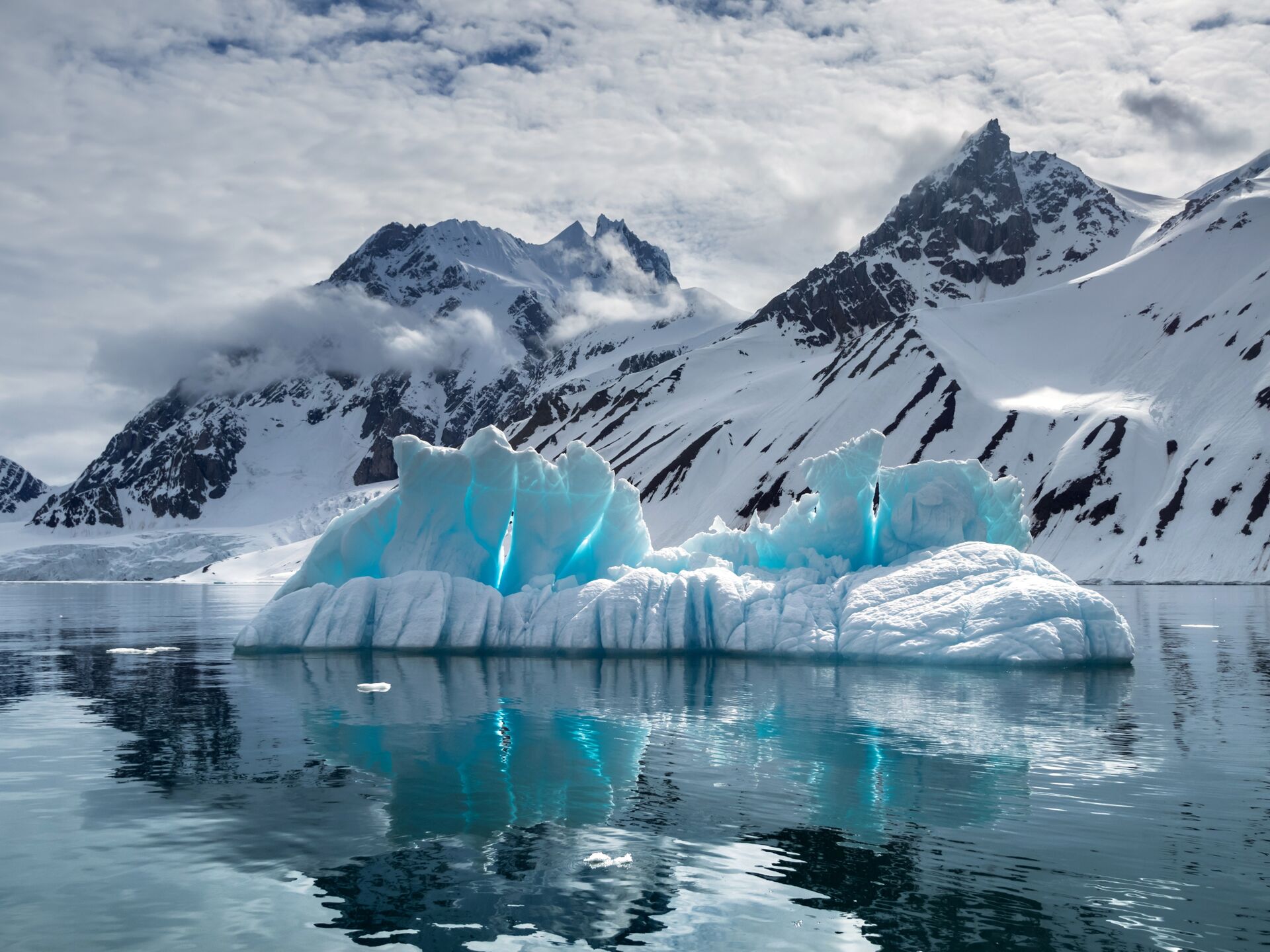
The Arctic includes a moltitude of different environments.
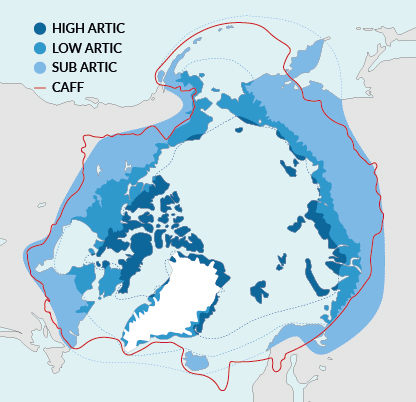
The map shows the arctic area in which the different environments are highlighted: starting from the pole and going towards the southern border of the area, there are the areas covered by ice, the high arctic, the low arctic and the sub arctic.
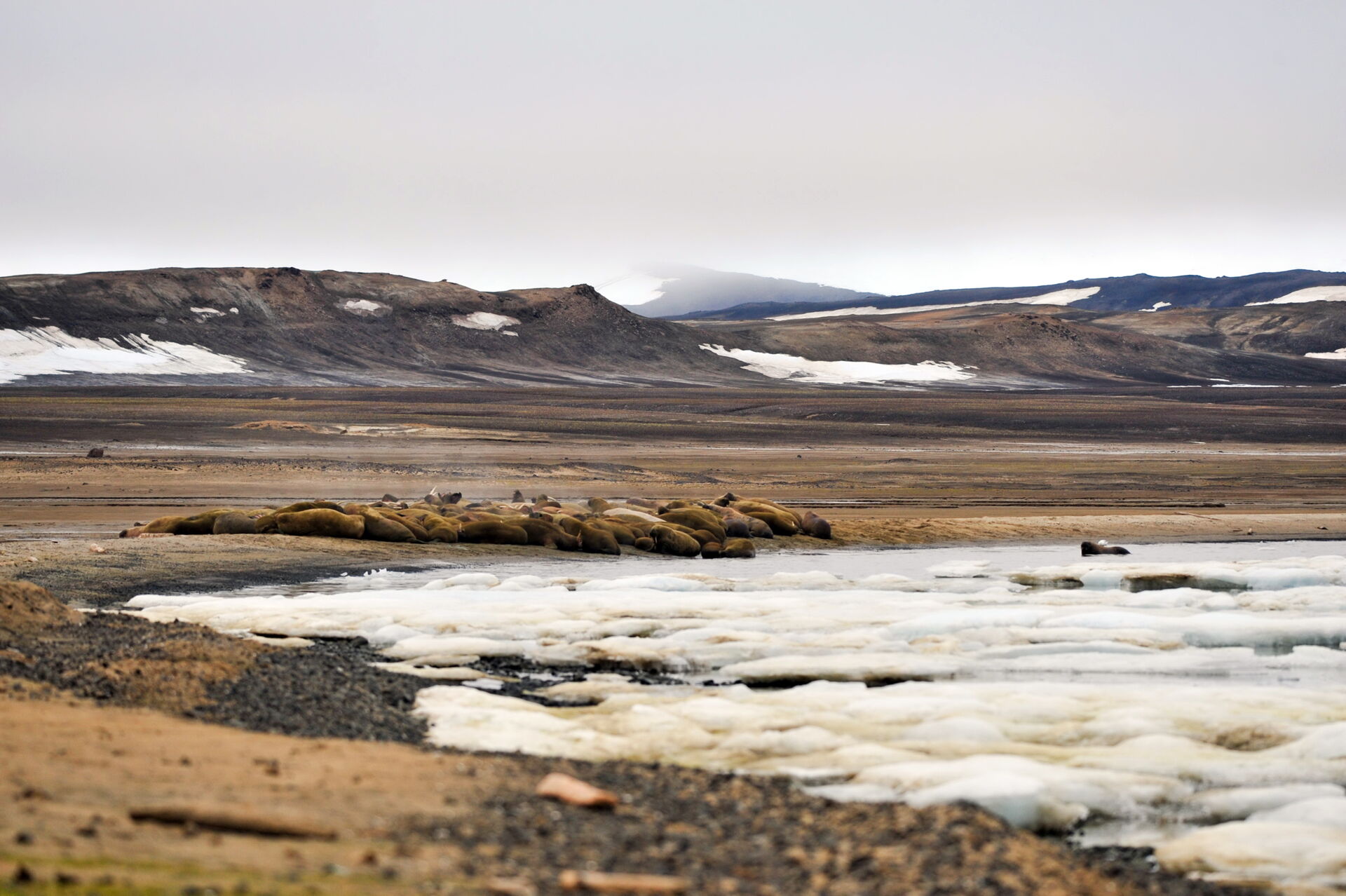
Furthest north, where precipitation is scarce and rocks are covered in ice or small amounts of soil, we have the Arctic desert, an extreme environment with little or no vegetation, a very short summer and temperatures that are, well… polar! The lack of vegetation makes this a difficult habitat for land animals. Yet life survives here too: colonies of cyanobacteria live on the ice and here and there lichen communities hold out on the rocks. These environments are studied by astrobiologists looking for a glimpse of how life was first formed.
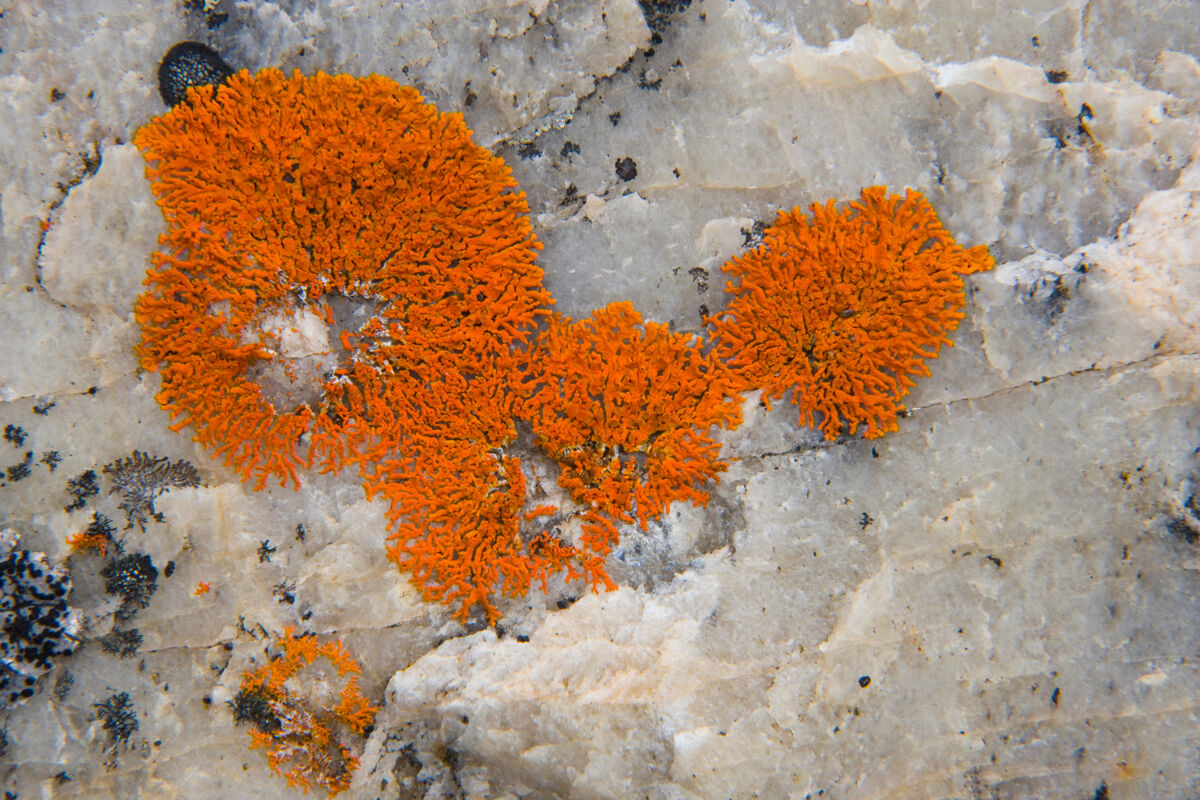
Lichens, Svalbard
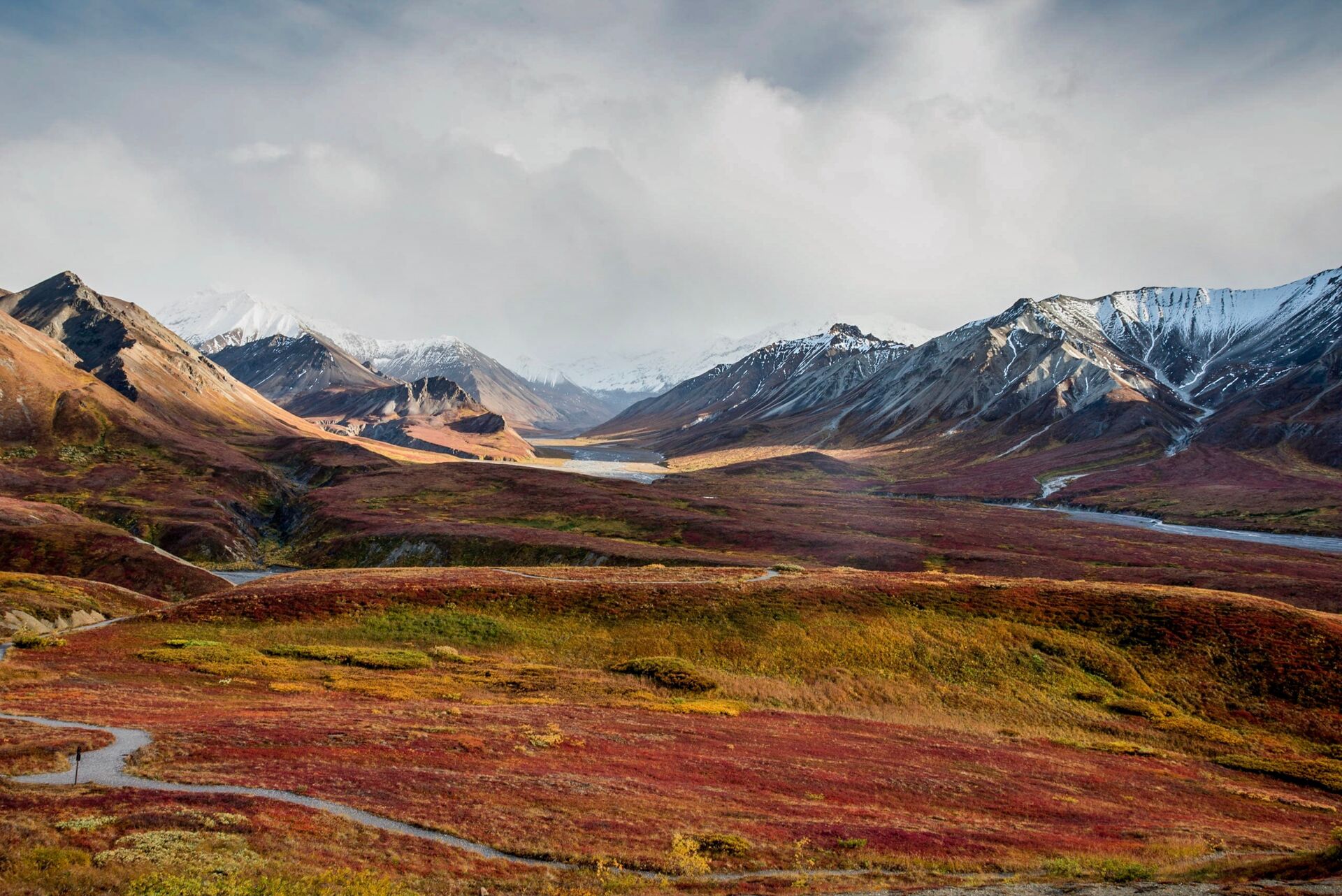
Further south and on dry land are tundra regions with prostrate plants and hardy climatic conditions.
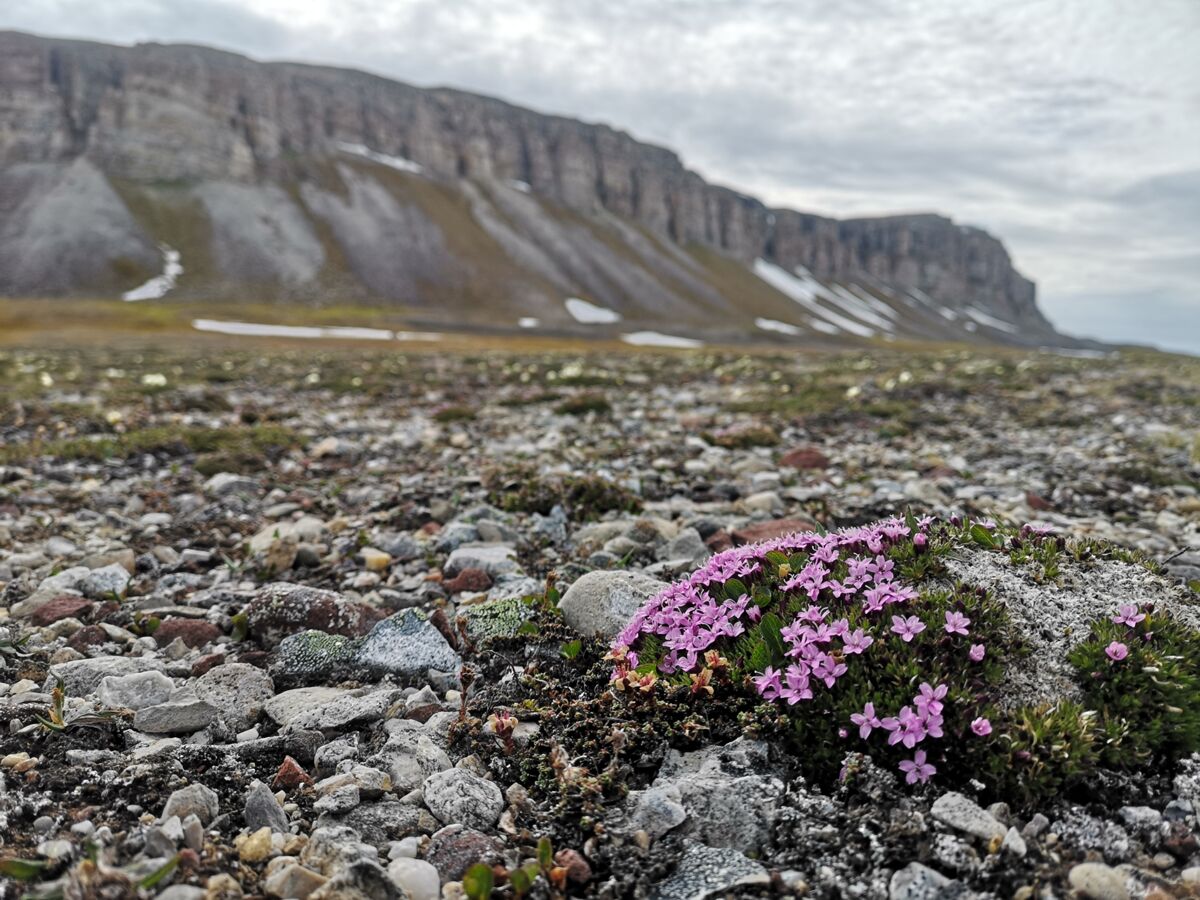
Silene acaulis
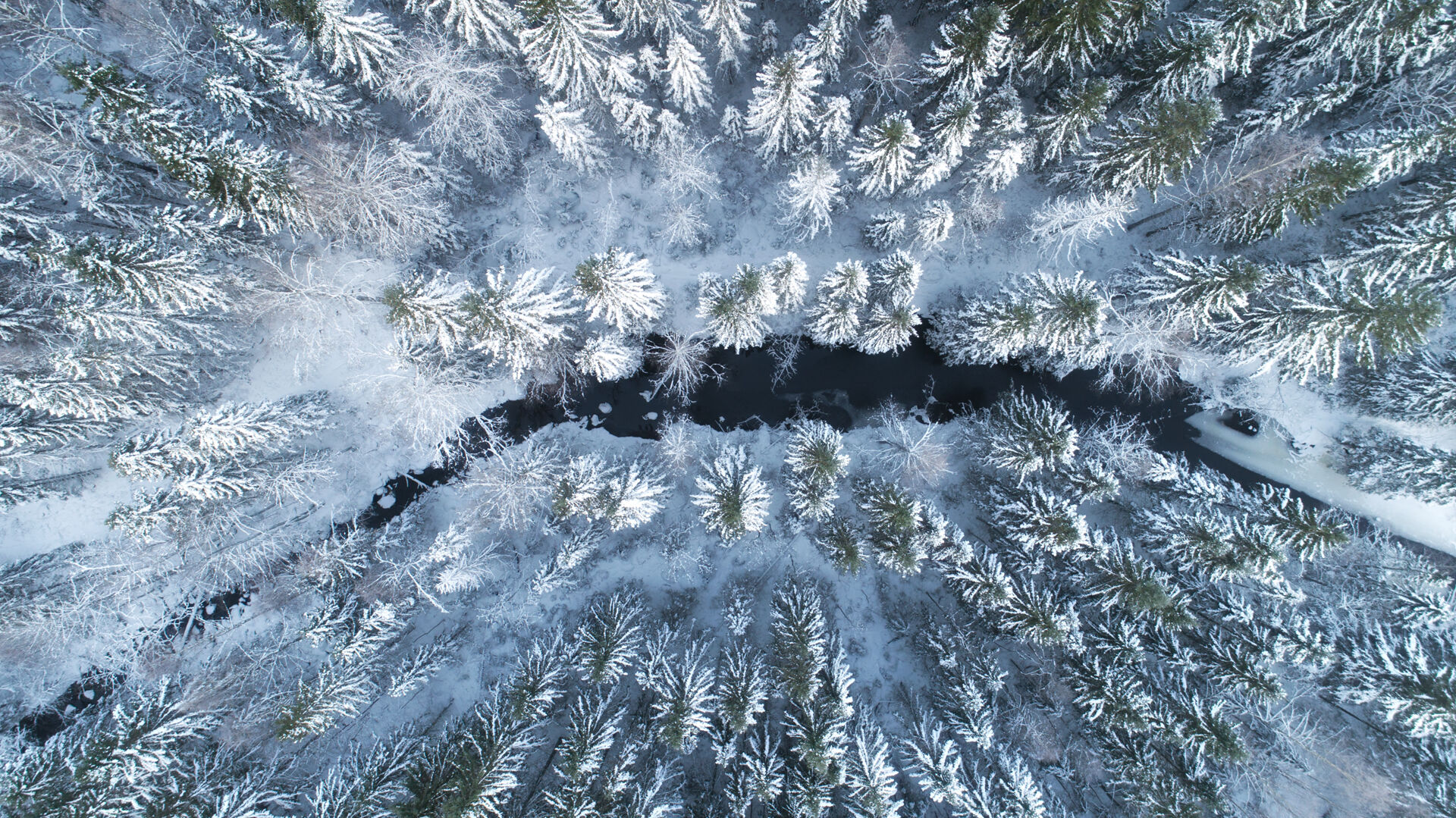
Continuing south, we come to the grasslands and the taiga, or boreal coniferous forest, which is covered with snow for most of the year and surrounds the polar latitudes, signalling the transition to the ‘sub-Arctic’ region.
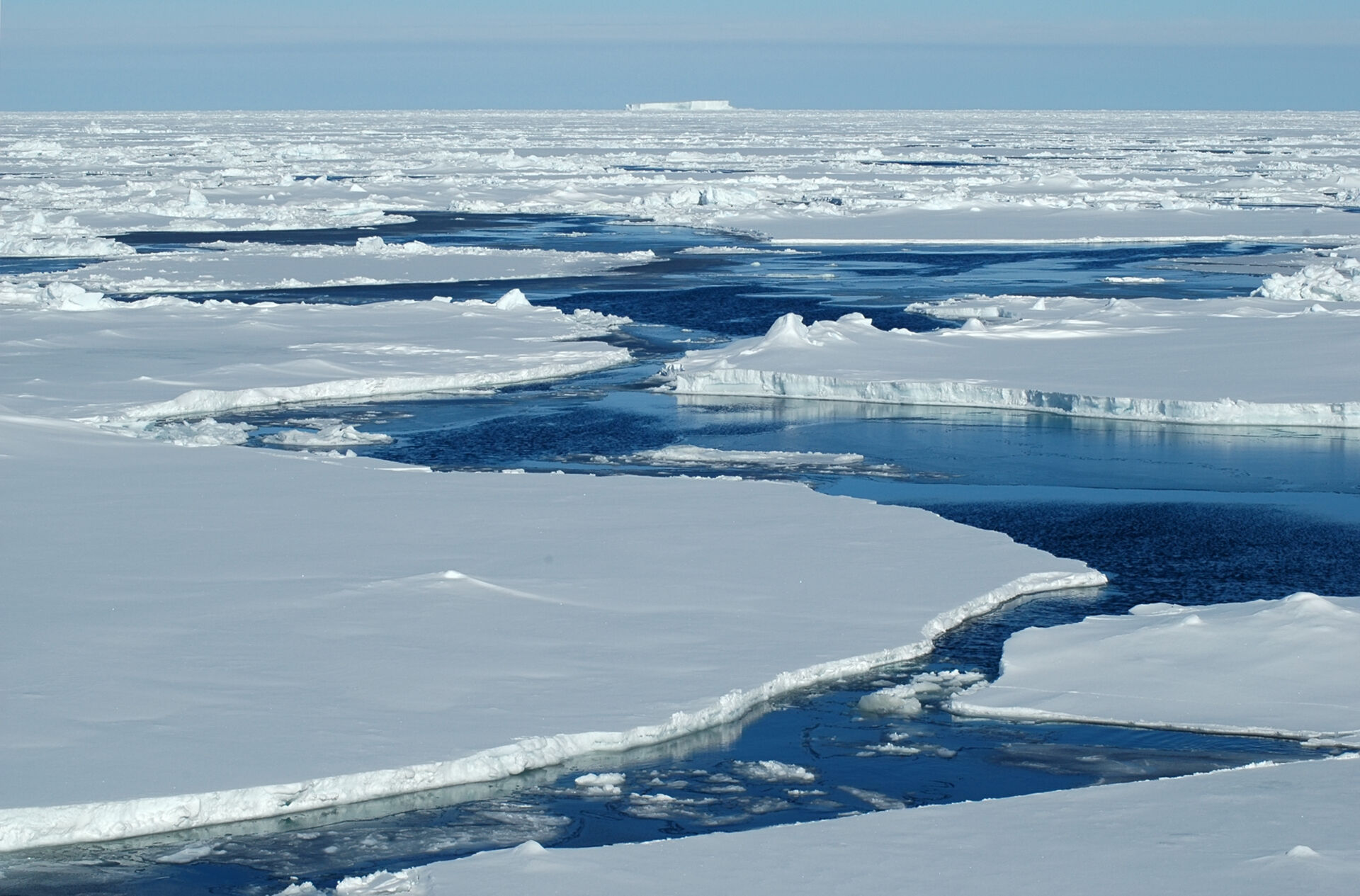
Sea areas covered almost permanently by with ice are home to predatory fish that are different to those found in regions where the surface is ice-free for most of the year. In the central Arctic, for instance, the polar cod (Boreogadus saida) dominates the top trophic levels of the marine food chain.
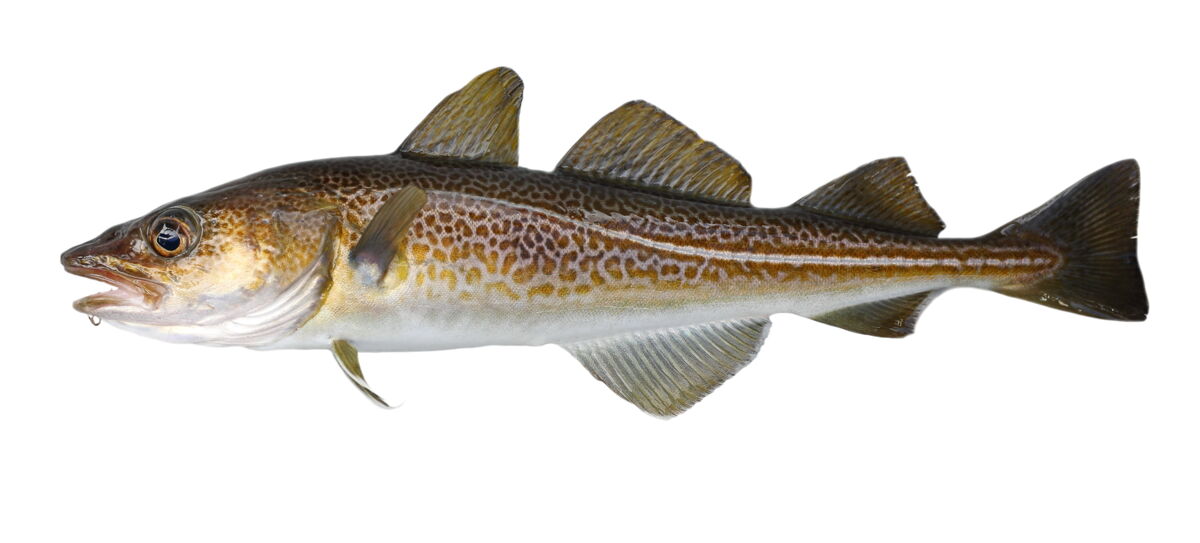
Polar cod
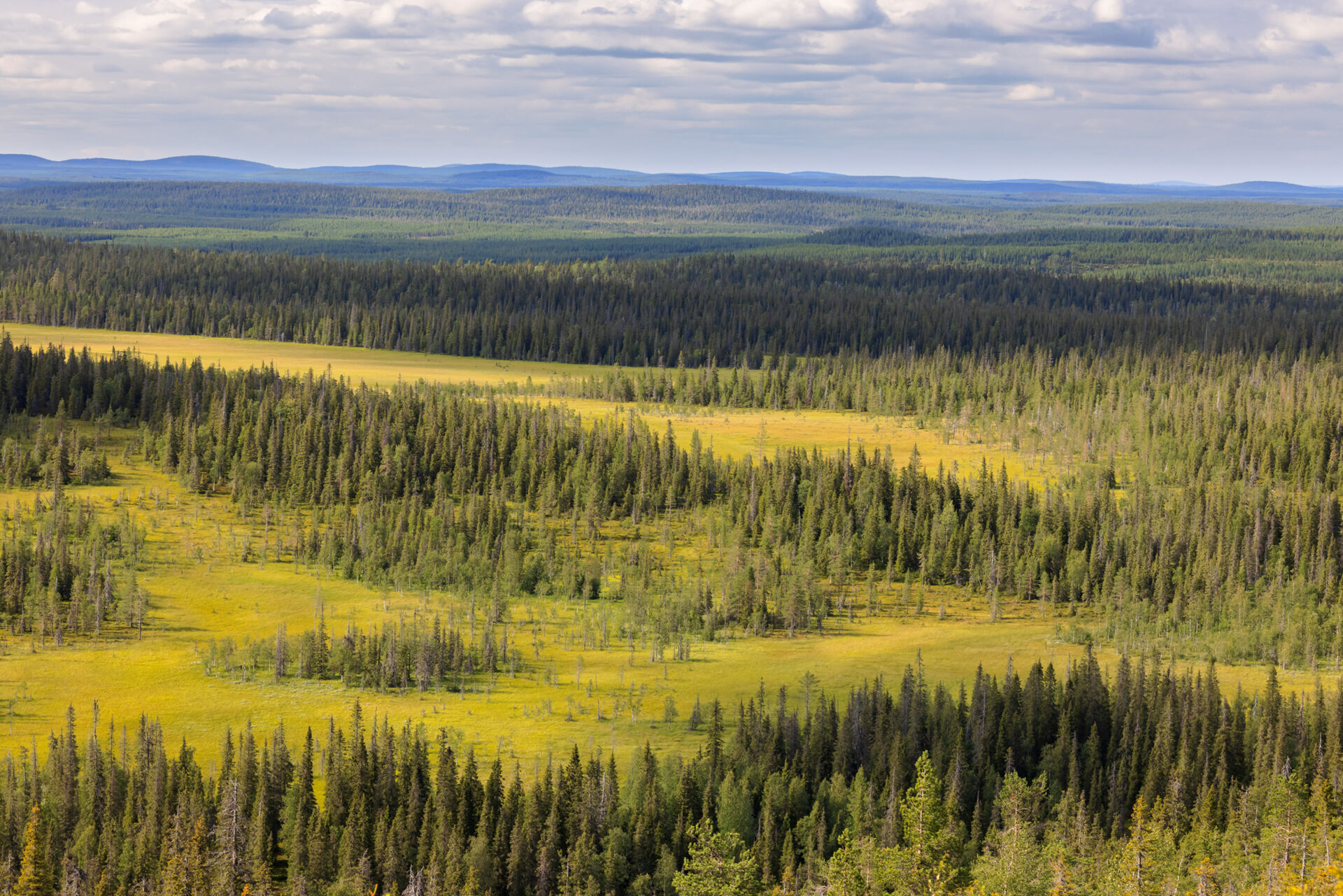
There are differences between the Eurasian and Canadian taiga, but both include various species of fir, spruce, larch, pine and also birches. The undergrowth is made up of a range of shrubs and various species of heather and fern.
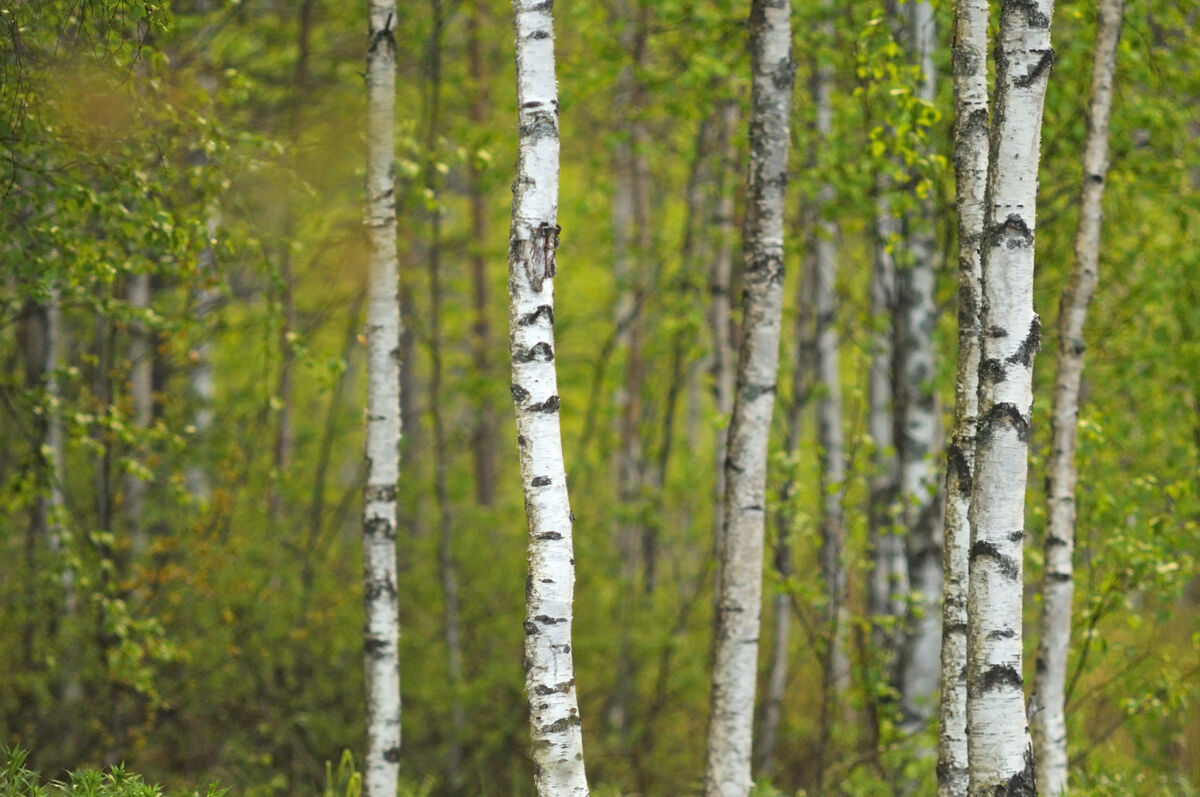
Birches
The taiga is home to typical forest wildlife, including the large northern elk species, but also reindeer, deer, grizzly bears, lynxes, foxes and wolves... A few hundred Amur tigers (Siberian tigers), an endangered native subspecies, can still be found in the Siberian taiga.
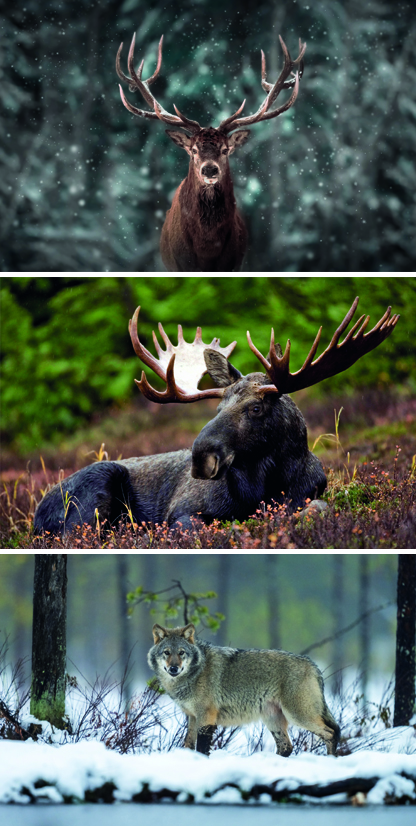
Where the trees stop growing
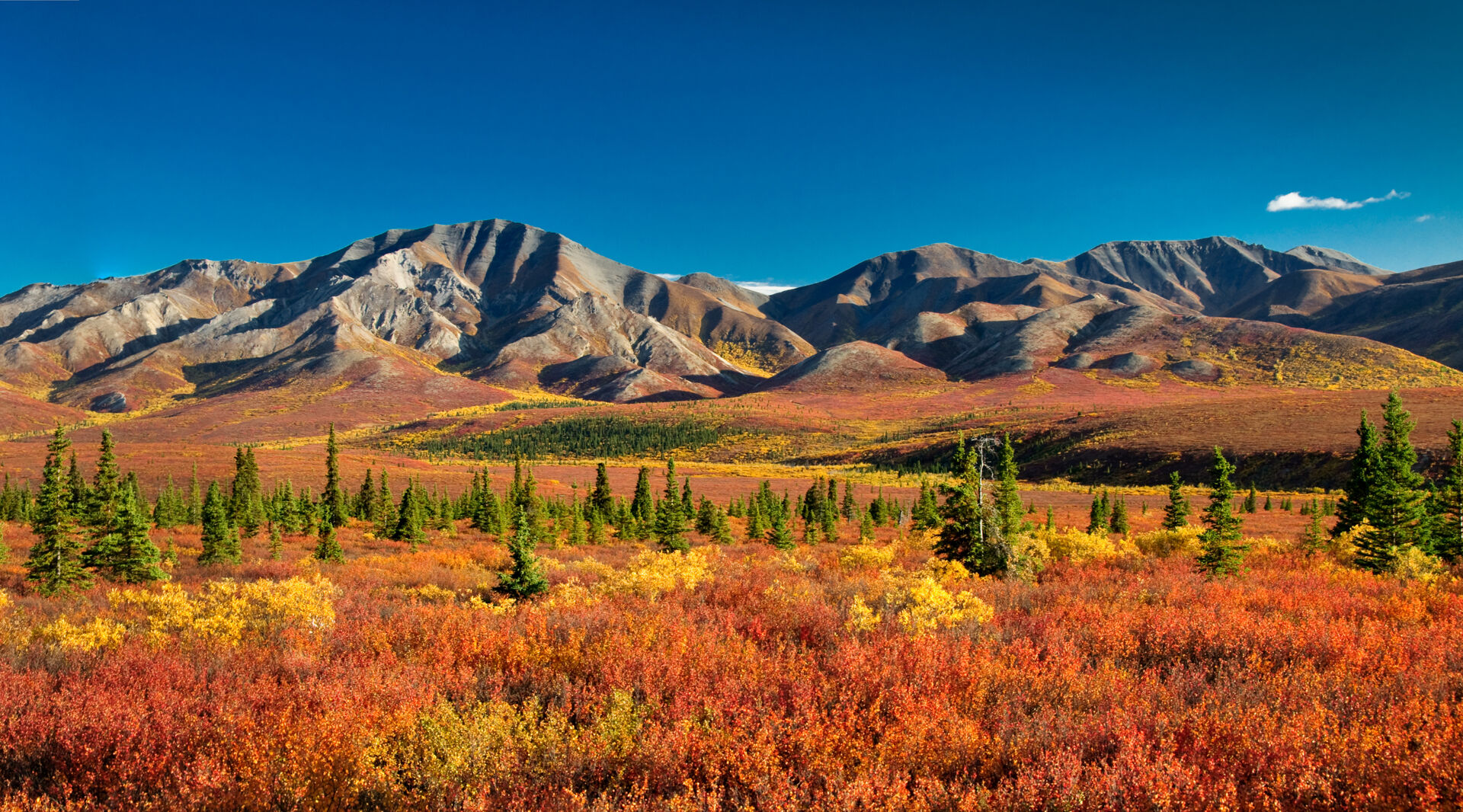
Denali National Park, Alaska
Anyone with experience of the high mountain environment knows that over a certain altitude the trees thin out, leaving only shrubs, then grassland, and further up even the grass grows patchy and gives way to the kingdom of rock, moss and lichen. The same thing happens as we go north, from the sub-Arctic regions towards the pole.
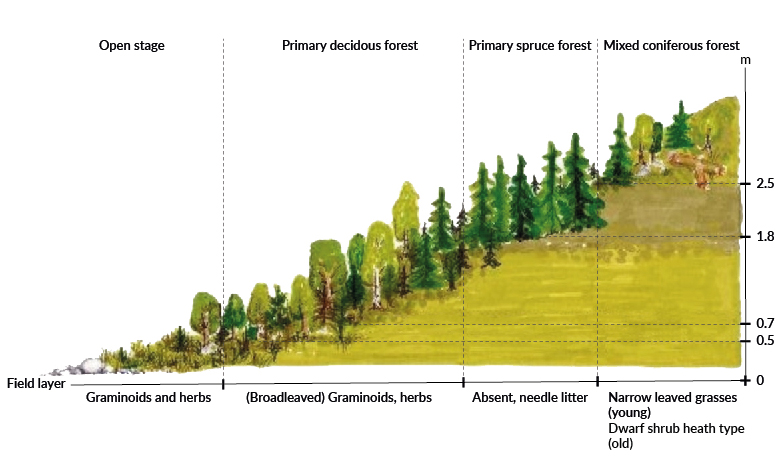
Diagram of the vegetational profile from low altitude to high altitude, where the vegetations pass respectively from an open stage dominated by herbaceous plants which, as they rise, are replaced by deciduous forests, followed by fir and mixed coniferous forests.
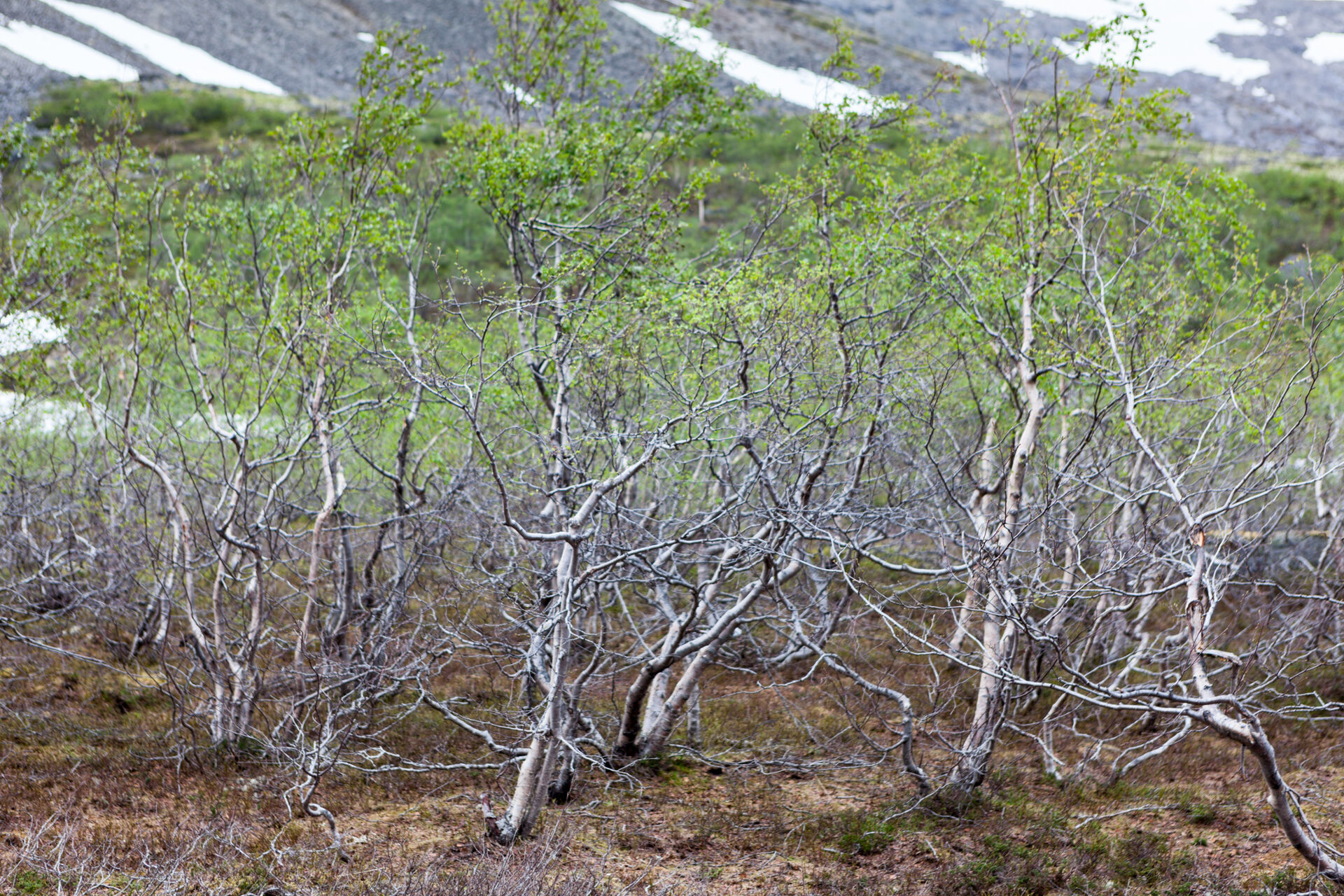
Dwarf birch, Kola Peninsula, Russia
Kekyalyaynen | Rights reserved | Adobe StockThe ability of trees to grow depends on the average temperature in summer, the season when their roots penetrate the soil. In central Siberia, for example, the average annual temperature is lower than on the Svalbard islands due to the extremely cold winters, but the milder summer temperatures mean that conifers grow there, while they are totally absent on the Norwegian archipelago.
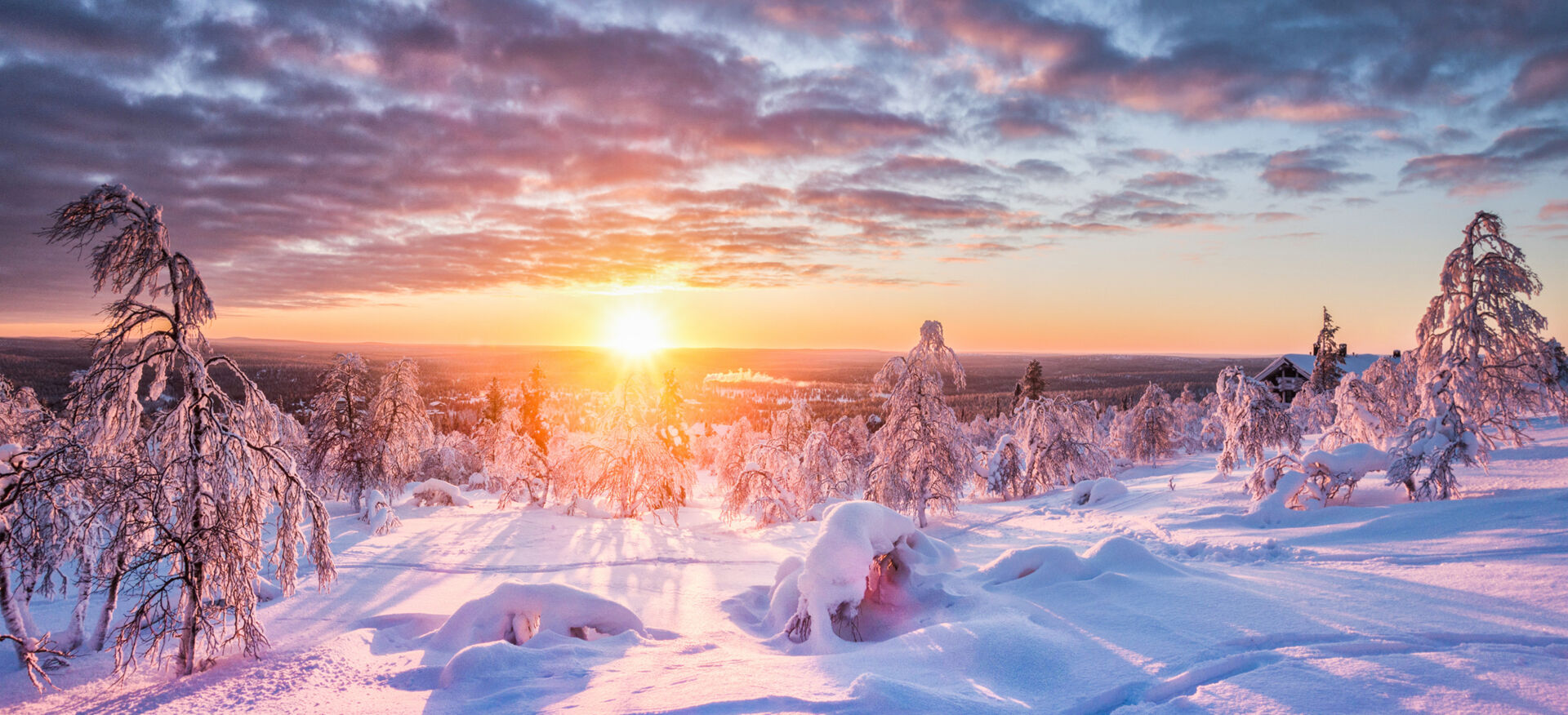
Other factors also influence the ability of trees to take root and survive, including the length of the growing season. Where this is brief, trees have only a few weeks to come to life, develop leaves flowers and seeds, spread their seeds and return to their dormant state.
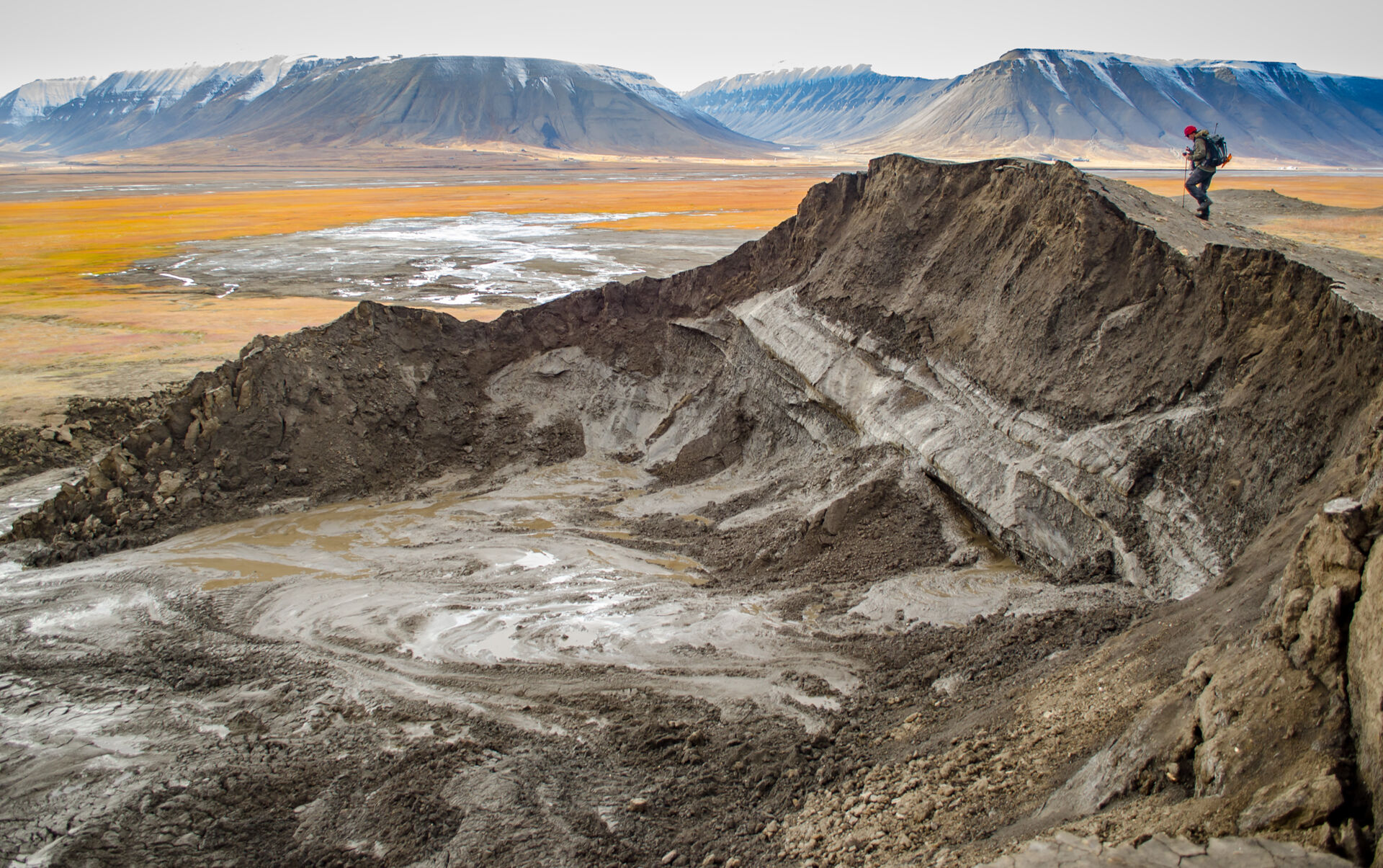
What is more, permafrost soil, that is the permanently frozen soil, is commonly found at high latitudes. An ‘active’ layer, thawing every summer, develops over the permafrost, leaving damp and sometimes marshy soil.
The maximum depth of this active layer determines how far roots can reach down. Trees cannot grow where the active layer is too thin because the roots would be unable to support the plant. Another determining factor is the presence of nutrients such as nitrogen and phosphorus.
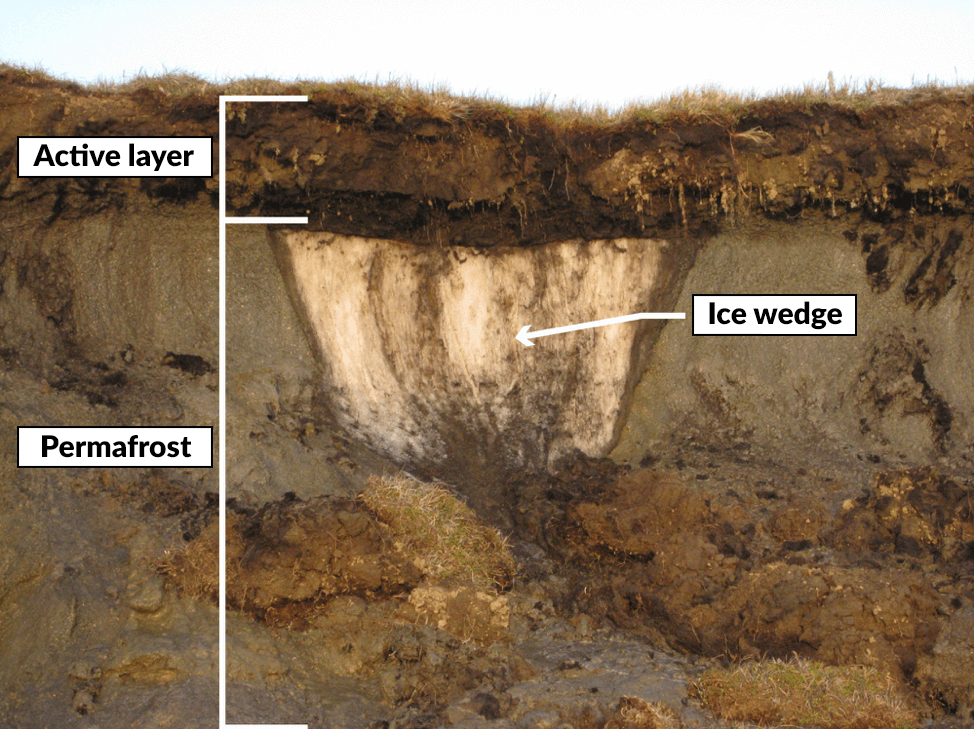
Diagram showing ground levels in the Arctic, characterized by a deeper layer that is perennially frozen, called permafrost, on which the more superficial and thinner active layer is located, which instead thaws in summer.
A sea of ice
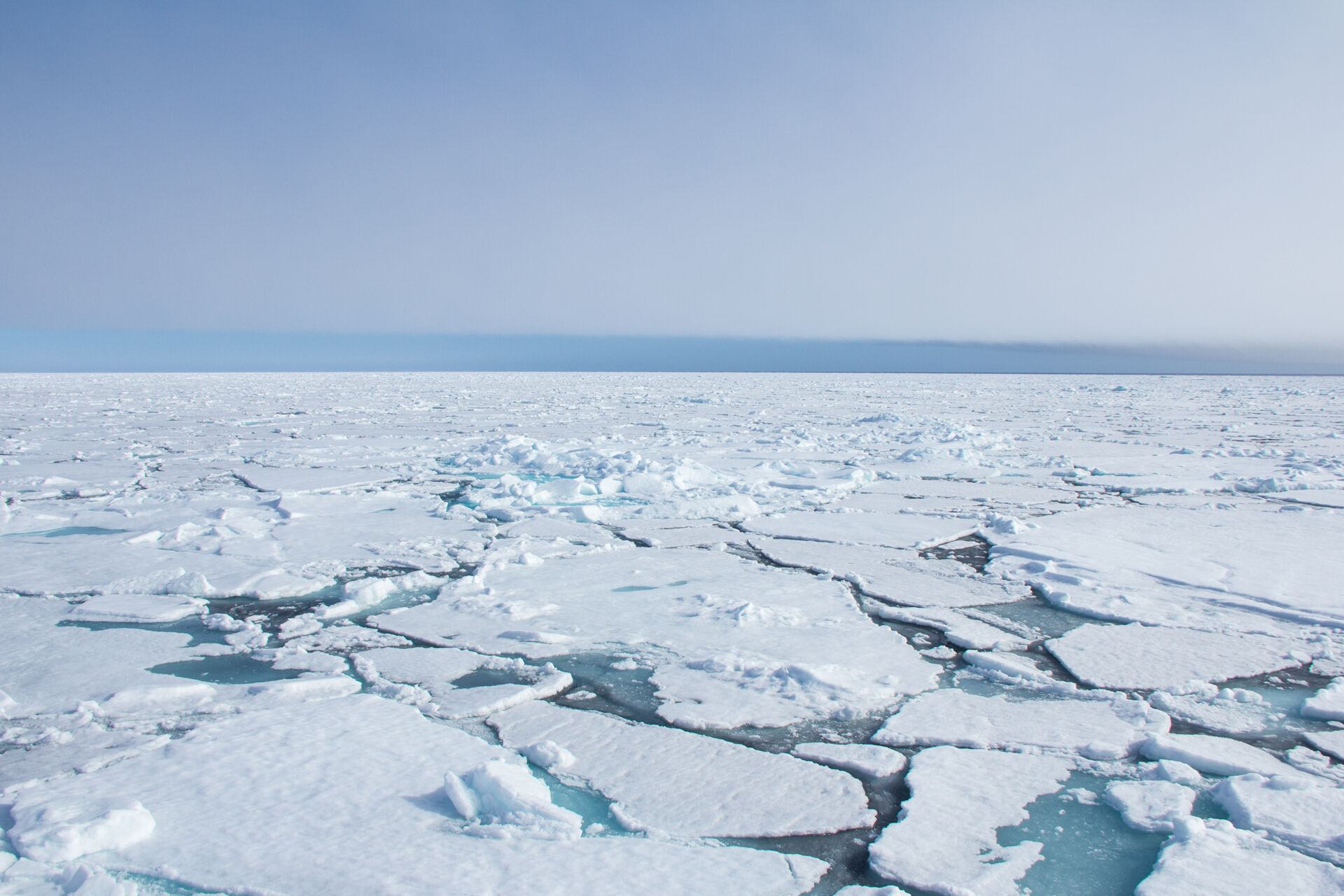
Much of the Arctic is covered by ocean, which in turn is often covered by ice. Sea ice reaches its maximum extent at the end of winter, in March,
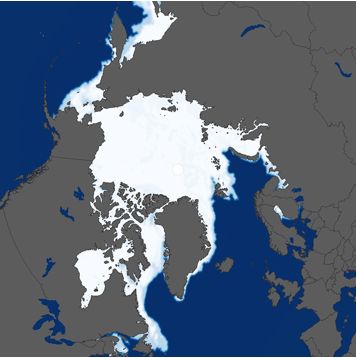
The image shows the maximum extent of Arctic sea ice at the end of March 2016, which touches all the northern borders of America and Russia up to part of the Scandinavian peninsula.
while the sea-ice minimum is reached at the end of the summer, in September.
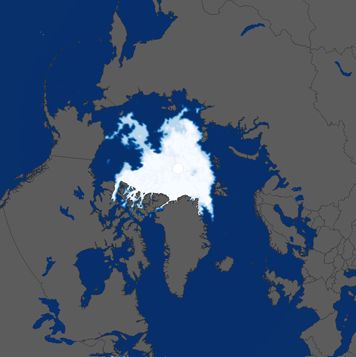
The image shows the minimum extent of Arctic sea ice in September 2016, touching the northern coasts of Greenland and the Canadian archipelagos as well as the Russian archipelagos further north near the Pole.
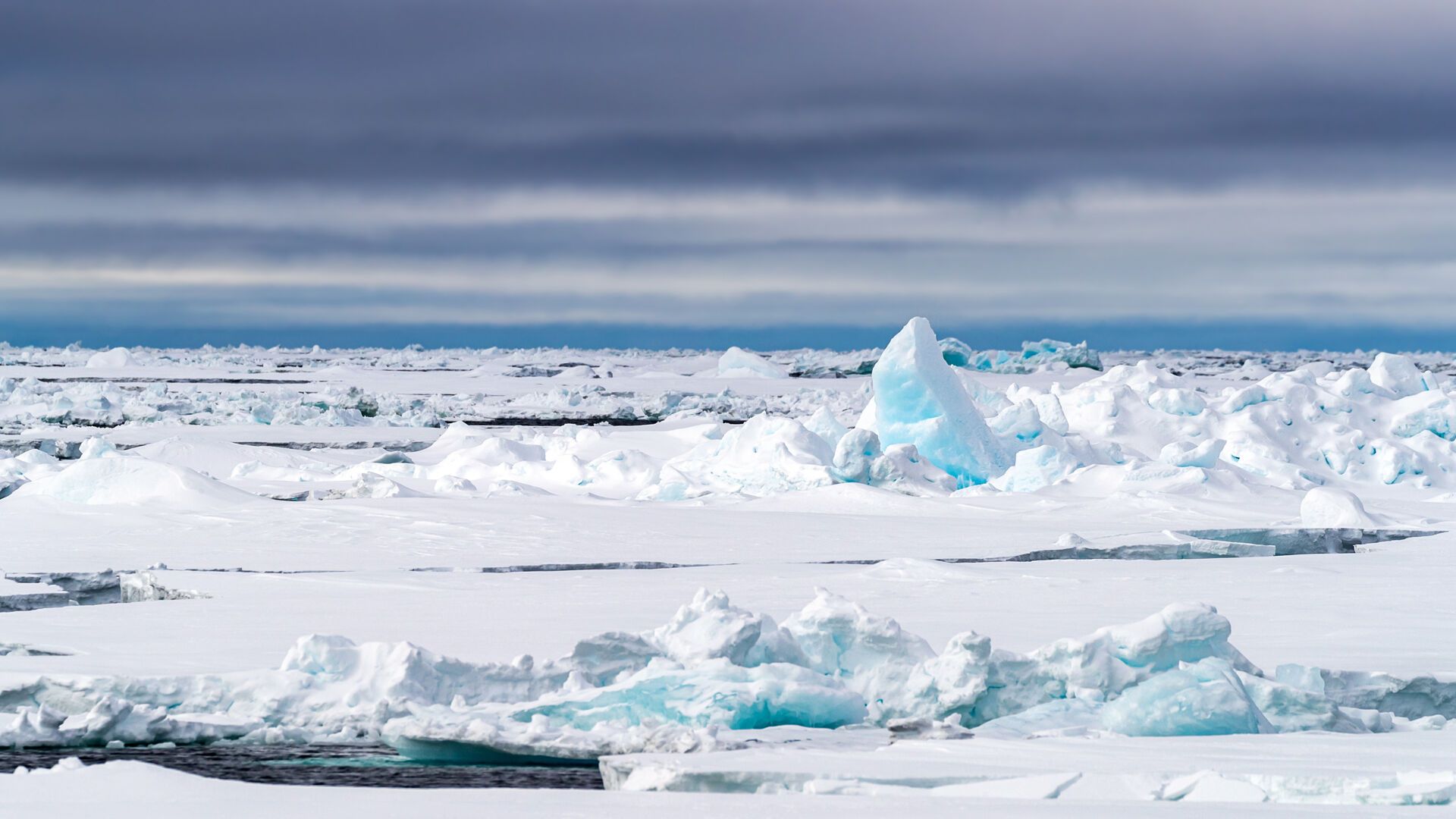
Sea ice is formed when a collection of blocks collides and joins, with raised rims formed by the pressure as the blocks press against one another... Elsewhere, the ice forms a mosaic of fragments of all shapes and sizes that move with the currents...
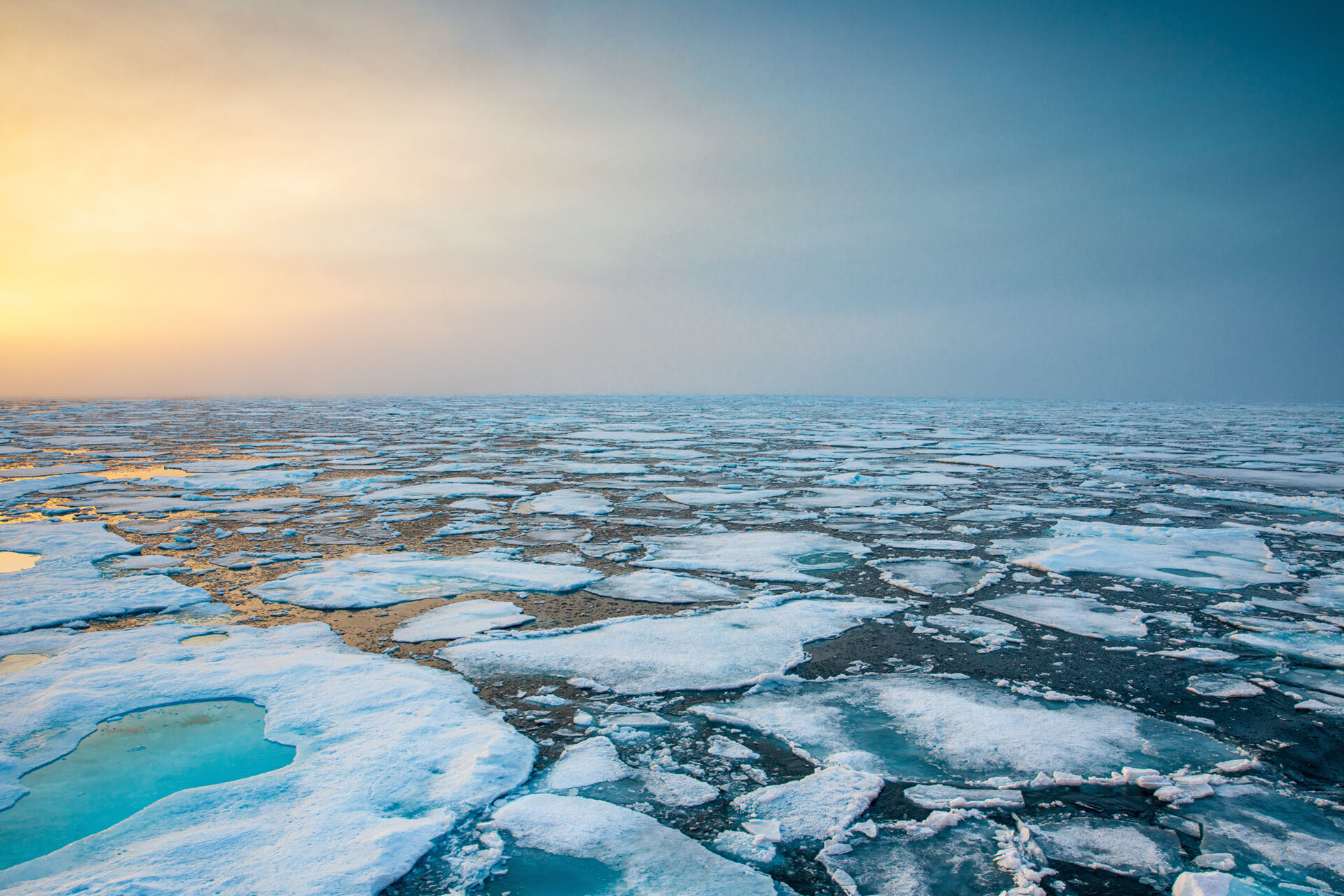
The ice is first formed as a very thin sheet of frozen seawater, which gradually increases in thickness and extent. As it freezes, the seawater releases its salt, leaving the ice much ‘fresher’ than the seawater from which it is formed.
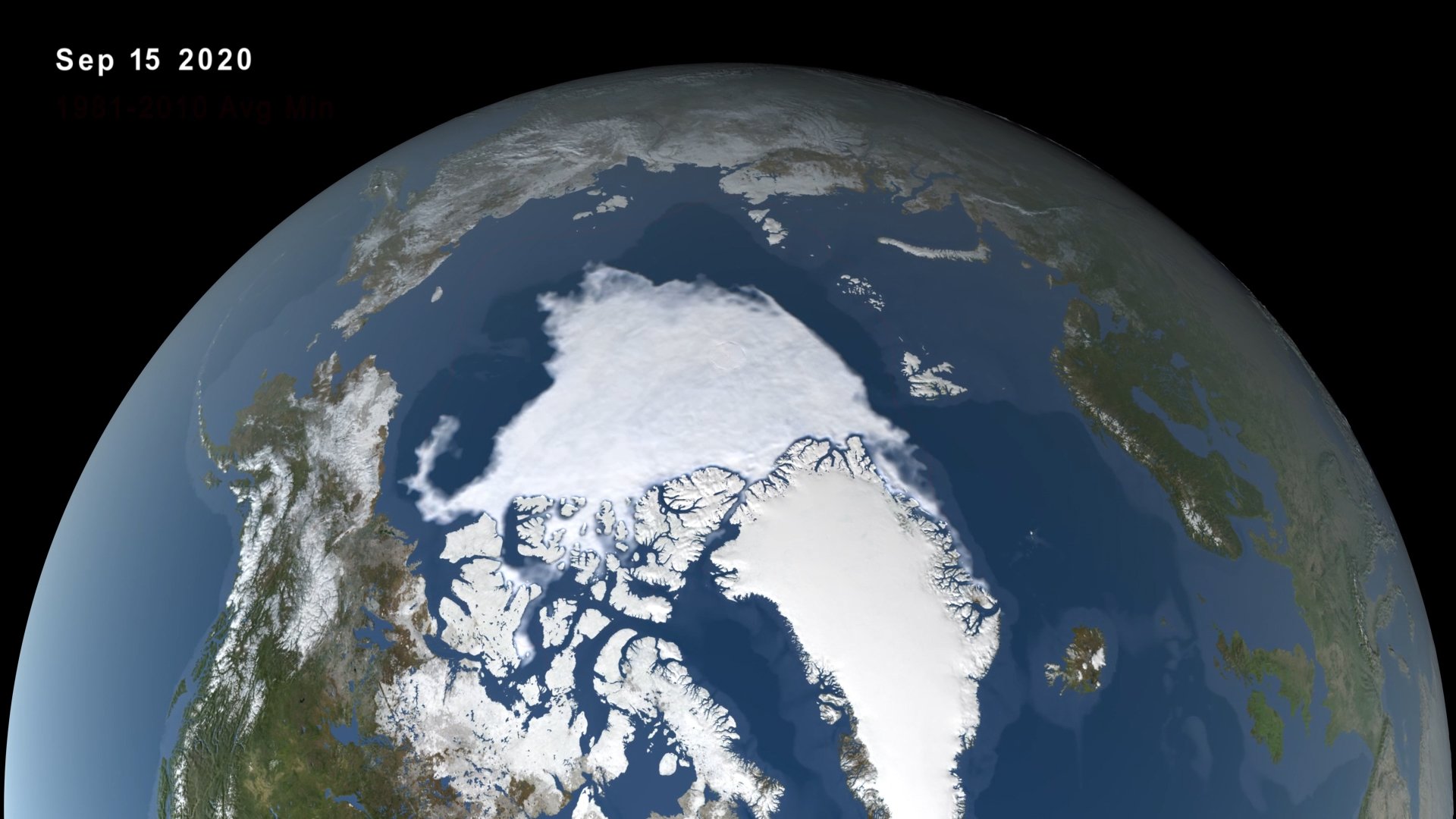
However, over recent decades the average extent of the sea ice has shrunk, as has its thickness. In 2007 and again in 2012, Arctic sea ice reached its historic minimum, which will presumably be exceeded in the coming years. All of the 15 lowest sea-ice minimums since satellite recording of the extent of the polar ice-cap began have been recorded in the last 15 years.
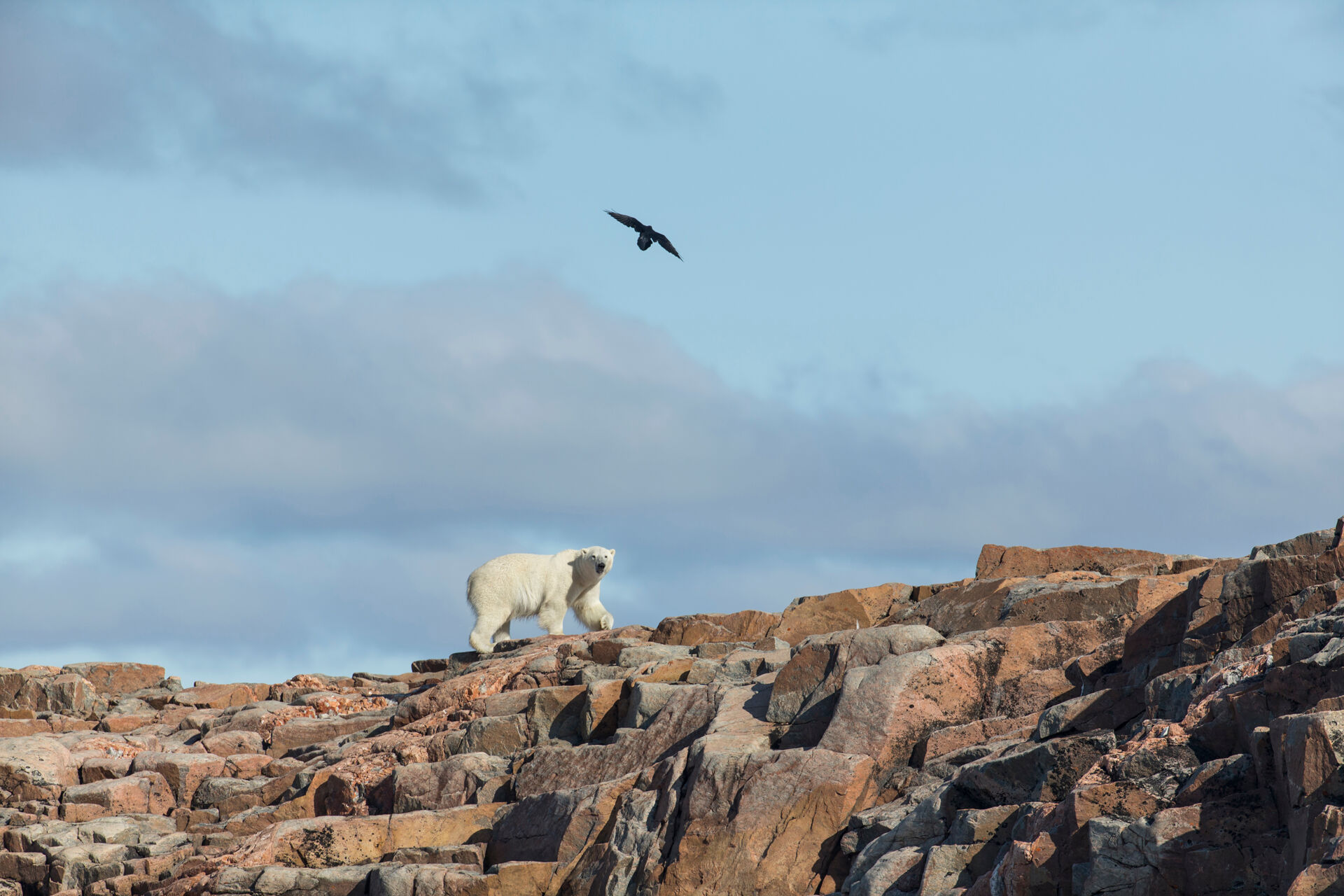
Polar bear in summer exploring cliffs in search of nests and eggs
Paul Souders, Danita Delimont | Rights reserved | Adobe StockThis rapid shrinkage of sea ice is having profound effects on the entire Artic ecosystem, currently based around the presence of ice: polar bears, for instance, are increasingly making their way onto dry land in the absence of sea ice and preying on bird colonies.
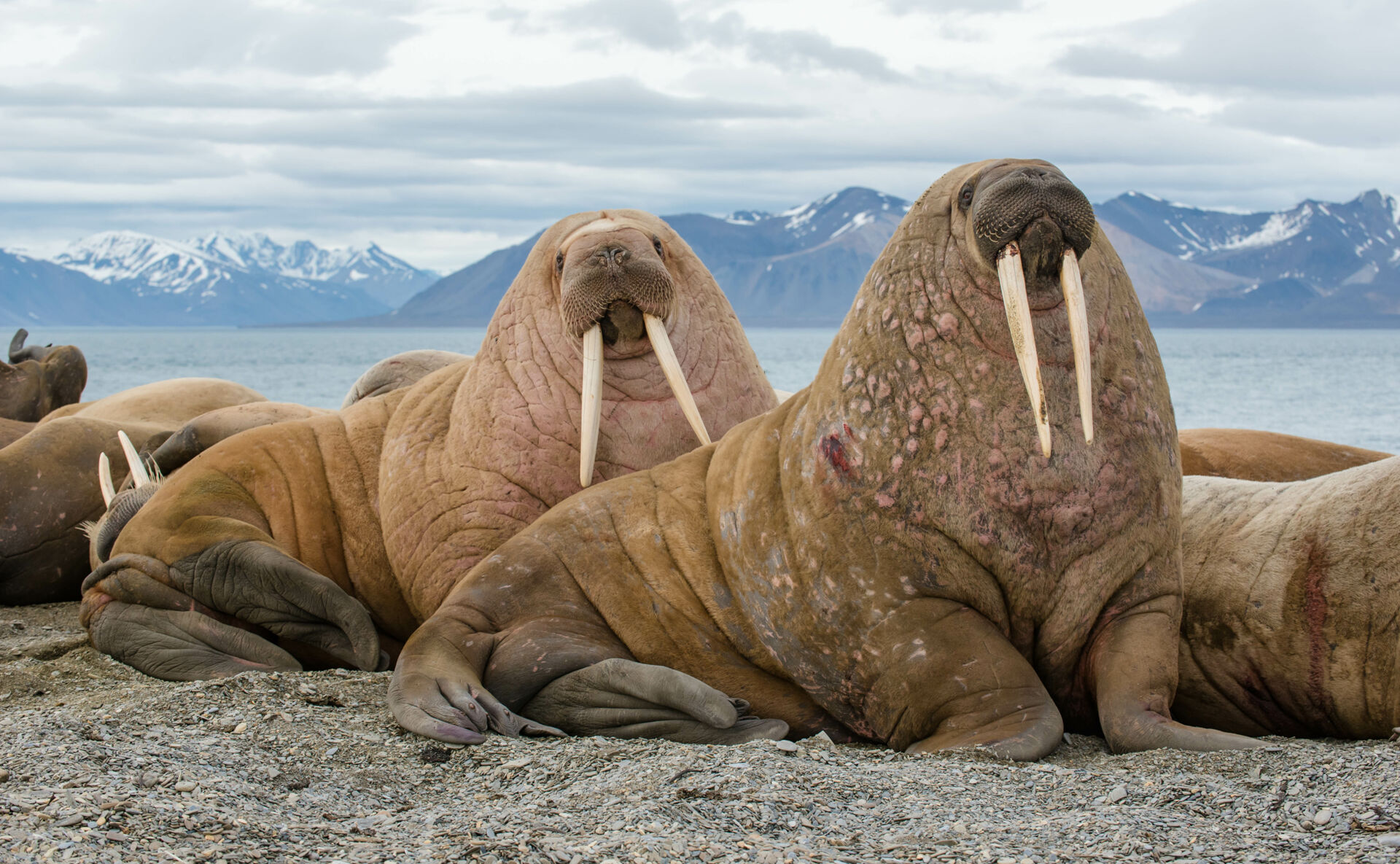
But the entire marine ecosystem is being affected by the disappearance of the sea ice, changing the distribution of species of organisms found: species normally found further south are moving towards the poles and it is still unclear how the Arctic ocean system as a whole will respond to rising temperatures.
The importance of the Arctic for the Earth’s climate
Carlo Barbante (National Research Council - CNR) explains how the Arctic is not really a proper ‘continent’, but rather a grouping of very similar climate zones, ranging from steppe to taiga to tundra.
He underlines the importance of what happens in the Arctic, because it certainly does not stay in the Arctic, but often has impacts on the entire northern hemisphere and the planet in general. The Arctic is currently undergoing very rapid and major changes linked to global warming, and these have considerable effects even at lower latitudes.
Lastly, he explains that it is essential to put adaptation measures in place and adopt emission reduction strategies in the Arctic, given that we will have to put up with the reality of global warming for the next three decades anyway.

