
Tundra
The Garden of the Arctic
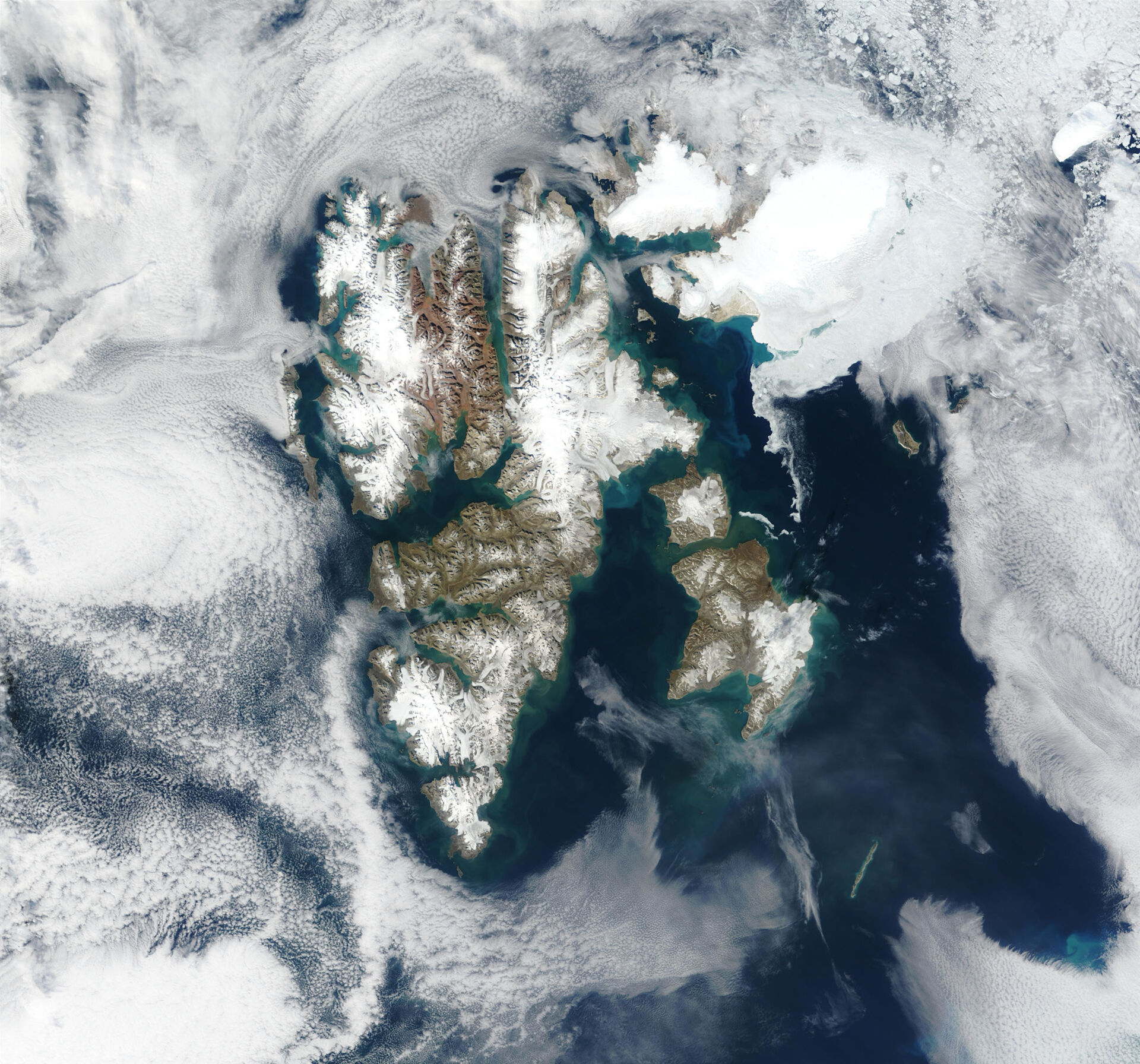
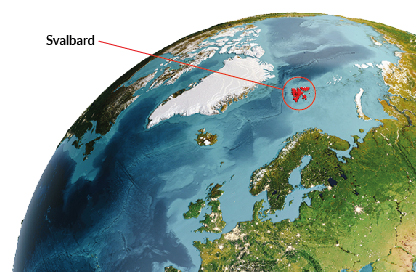
Svalbard is one of the remotest places on the planet, ranging from 74 to 82 degrees north latitude. The archipelago lies almost 1000 km from the northernmost point of Scandinavia and about 1300 km from the North Pole.
From October through to March, the sun remains below the horizon and light disappears altogether from the end of November to the start of February. Snow completely covers the ground from October to June, with summer temperatures just a few degrees above freezing, although in recent years they have been rising rapidly.
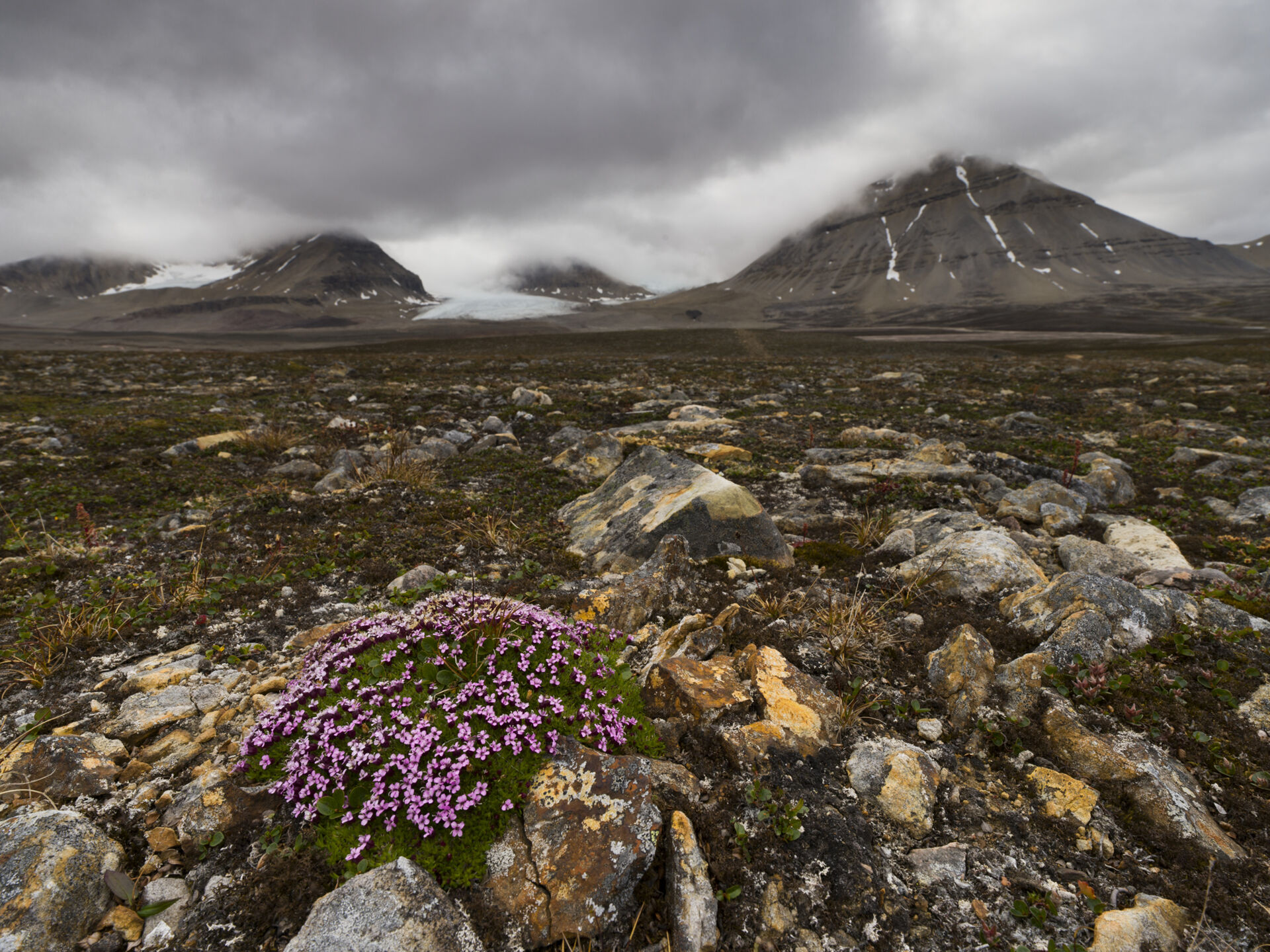
The tundra extends from just above the shoreline, at sea level, to the foot of the glaciers, growing on nutrient-starved soil.
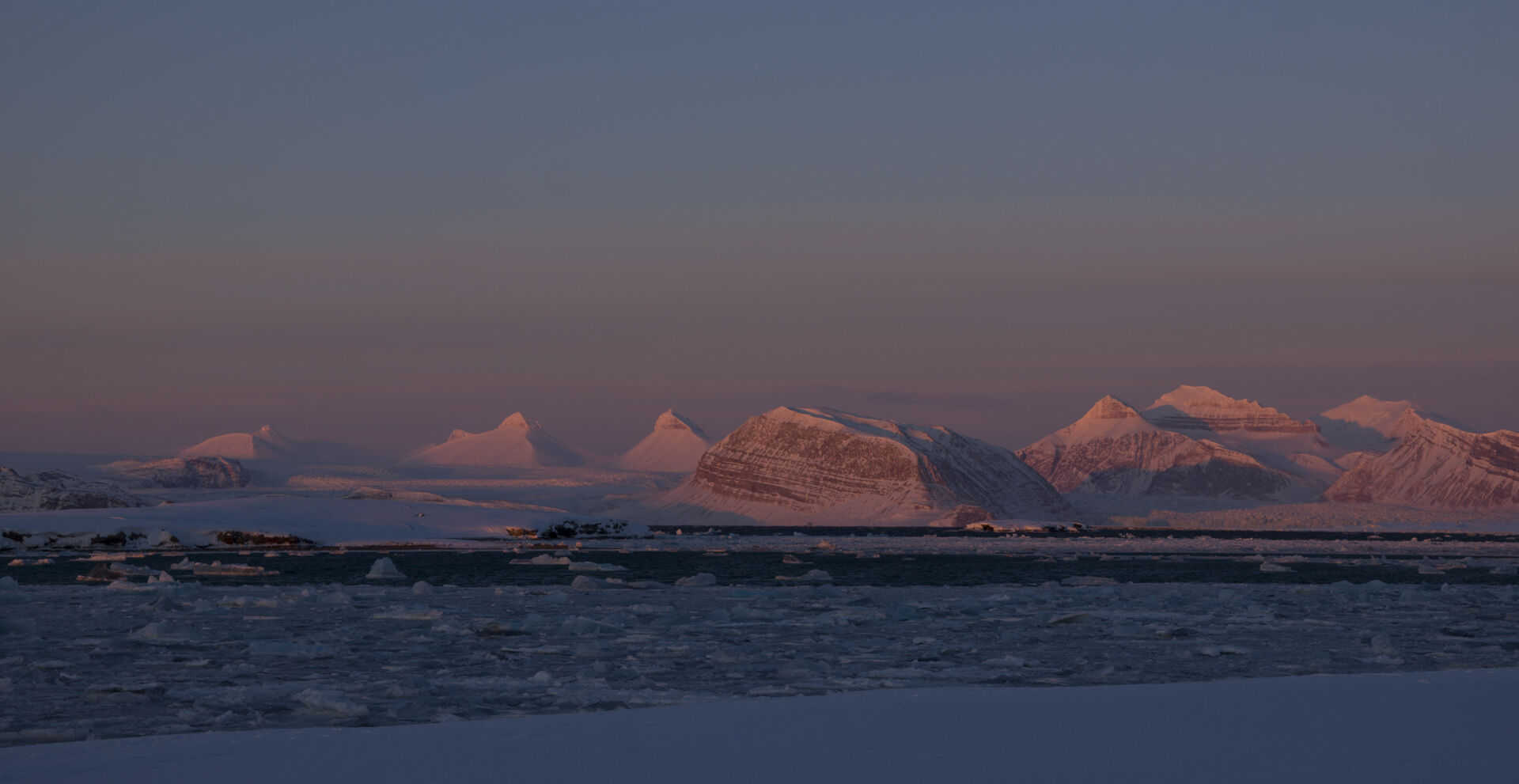
Kongsfjorden landscape
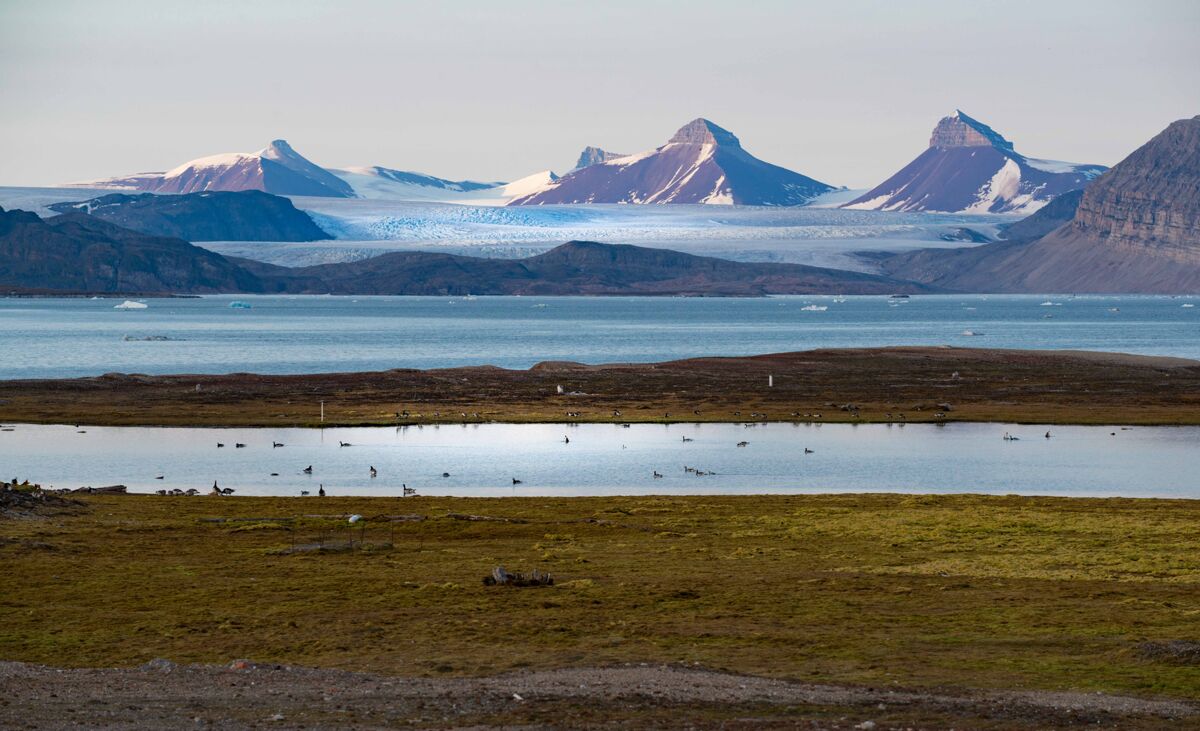
Even in such harsh conditions, the tundra teems with life, above all during the short summer period. At these latitudes, the vegetation lies prostrate on the ground and bushes do not grow: this behaviour allows plants to protect themselves below the snow, where the wintertime temperature is warmer than in the air.
Various types of tundra can be found on Svalbard: from ‘polar deserts’ in dry and windswept areas, to recently thawed areas, colonised by pioneer plants, through to moist tundra where mosses and Eriophorum (cottongrass) species predominate.
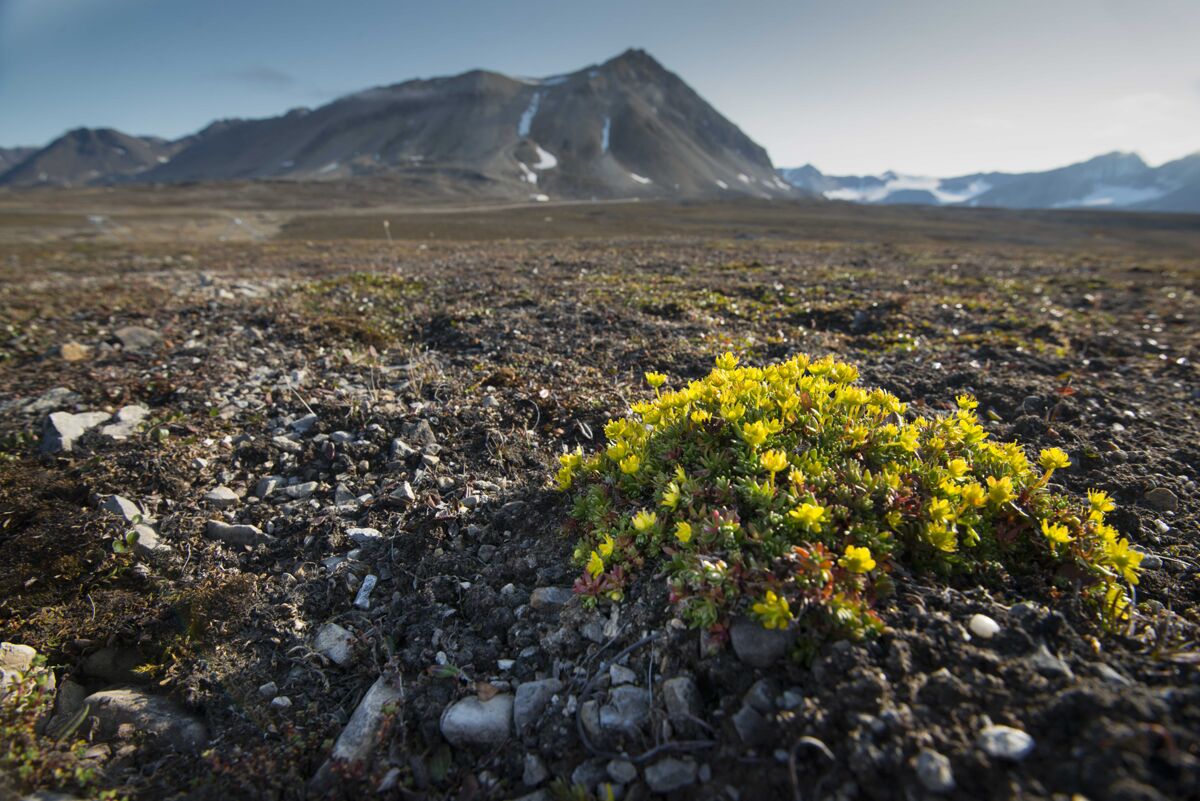
In mesic tundra, (with moderate moisture content) vascular plants with tiny but beautiful flowers alternate with mosses, fungi and lichens. Local variations in climate and environmental conditions can cause one species to predominate over the others.
Tundra plant life can carry out photosynthesis, taking CO2 from the atmosphere and thus forming a carbon sink. In doing so, it also feeds the soil’s humus generated from the remains of old biomass, in this way supporting the animal community.
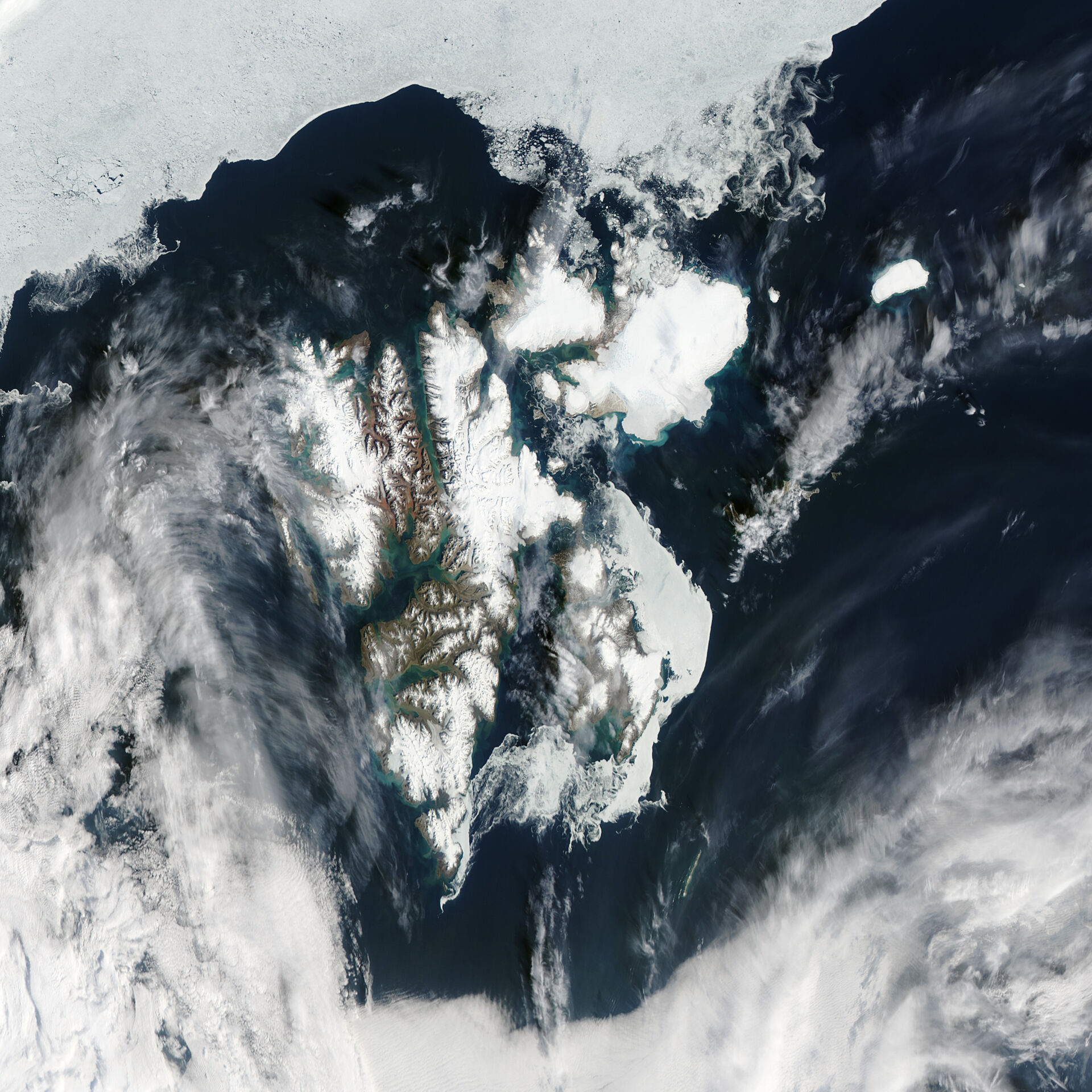
Climate conditions are more favourable for tundra on the west coast of Svalbard, reached by the last traces of the North Atlantic Current. Land ecosystems on Svalbard returned after the last ice age, about 10,000 years ago, when part of its surface became ice-free.
Genetic analysis reveals that Svalbard plant species have their origins in Greenland, America and Russia. Some endemisms have developed, albeit recently.
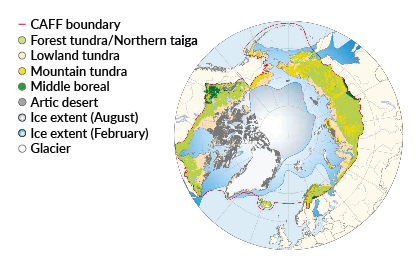
Map of tundra distribution over arctic ecosystem areas. Going south from the pole, we can find: areas occupied by ice and the arctic desert; lowland tundra covering a small portion of northernmost areas of Canada and Russia; mountain tundra distributed in small areas mostly north of Russia and Alaska. Northern taiga forest mixed with tundra extends over the vast remaining areas.
Tundra flower varieties
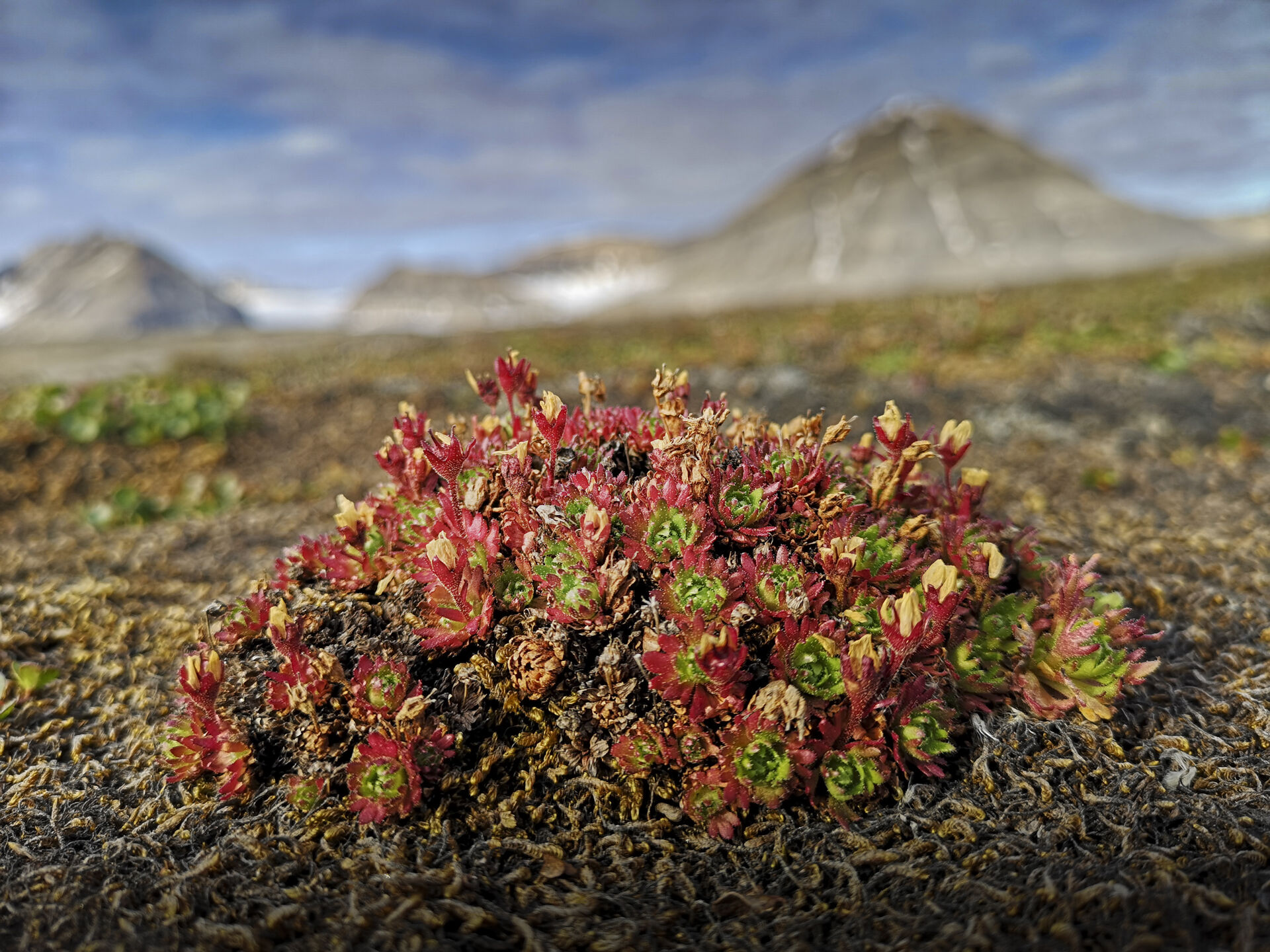
Saxifraga cespitosa, Kongsfjorden (Svalbard). July 2021
Silvia Giamberini | Rights reservedThe Arctic is home to many varieties of Saxifraga, a very large genus including about 440 species worldwide that has adapted well to cold and dry climates by developing needle-shaped, hairy or succulent leaves to reduce evapotranspiration of water.
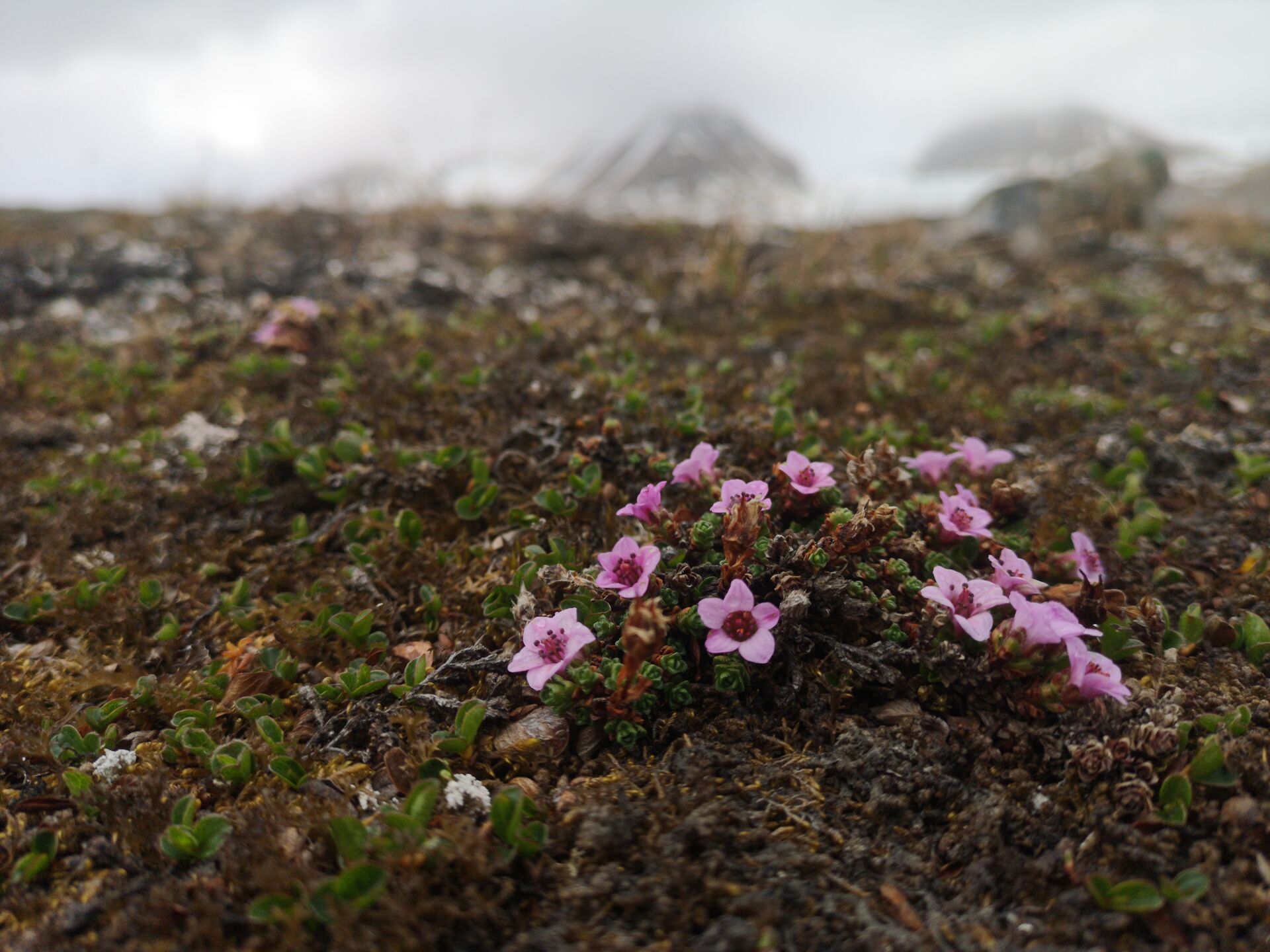
Saxifraga oppositifolia
Silvia Giamberini | Rights reservedThe genus is also widespread in the Alps. The name Saxifraga is derived from Latin and literally means ‘stone breaker’. This might seem to reflect these plants’ ability to live in mountain areas, however the name comes from the fact that some species of Saxifraga are used to treat kidney stones!
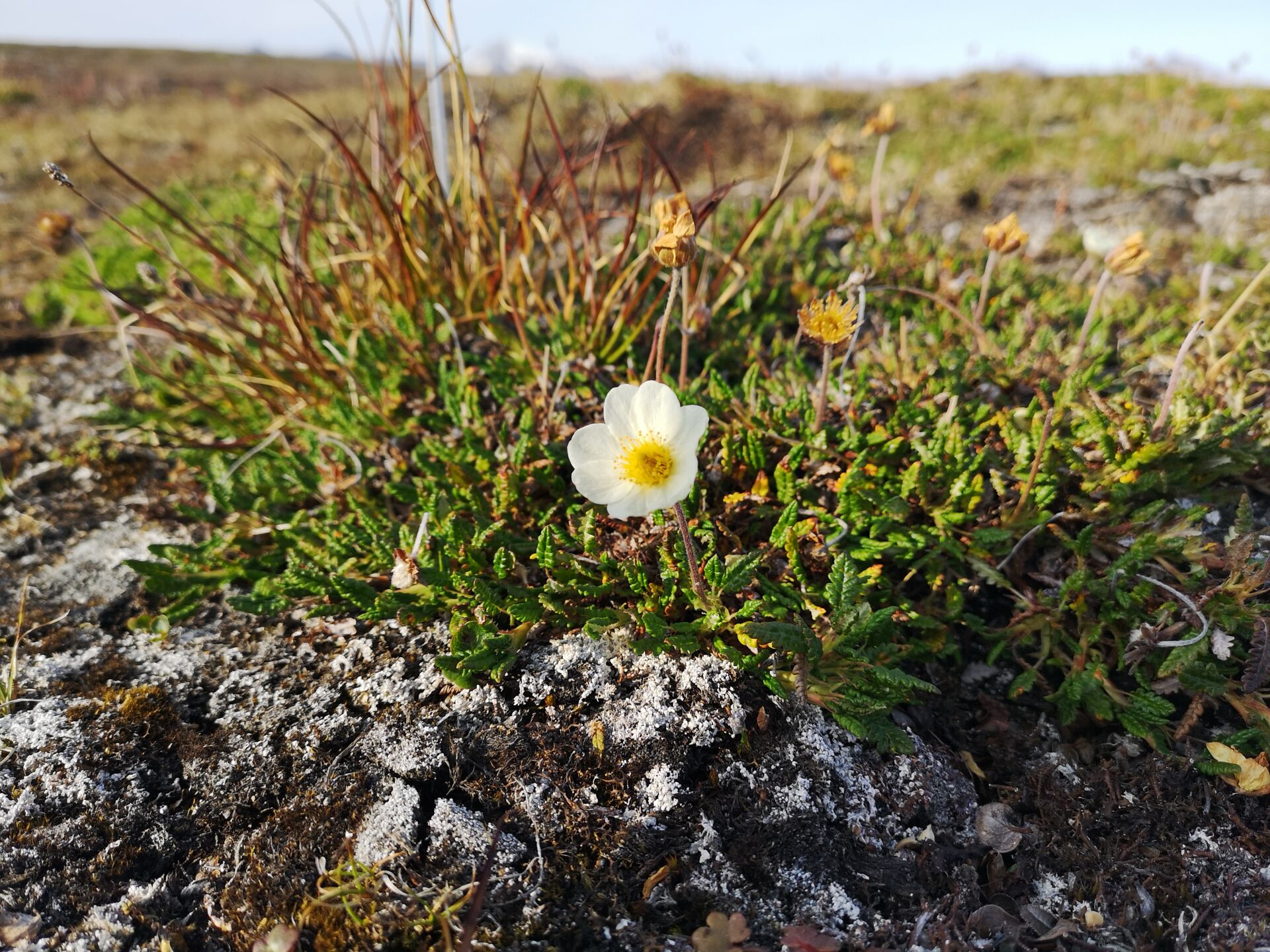
Dryas octopetala, Bayelva basin, Broegger peninsula, Svalbard, July 2019
Silvia Giamberini | Rights reservedThe mountain avens (Dryas octopetala) lives both in the Arctic and the Alps. This prostrate shrub grows in rocky areas where it finds stable debris, thus ‘colonising’ new environments and reinforcing the soil with its dense network of roots.
The numerous samples of Dryas pollen, recovered from the ice cores used in paleoclimatic, studies have given their name to the periods when glacial conditions returned between 14,000 and 12,000 thousand years ago, during the last deglaciation. It belongs to the rosaceae family, although its flowers have eight rather than five petals (hence its name).
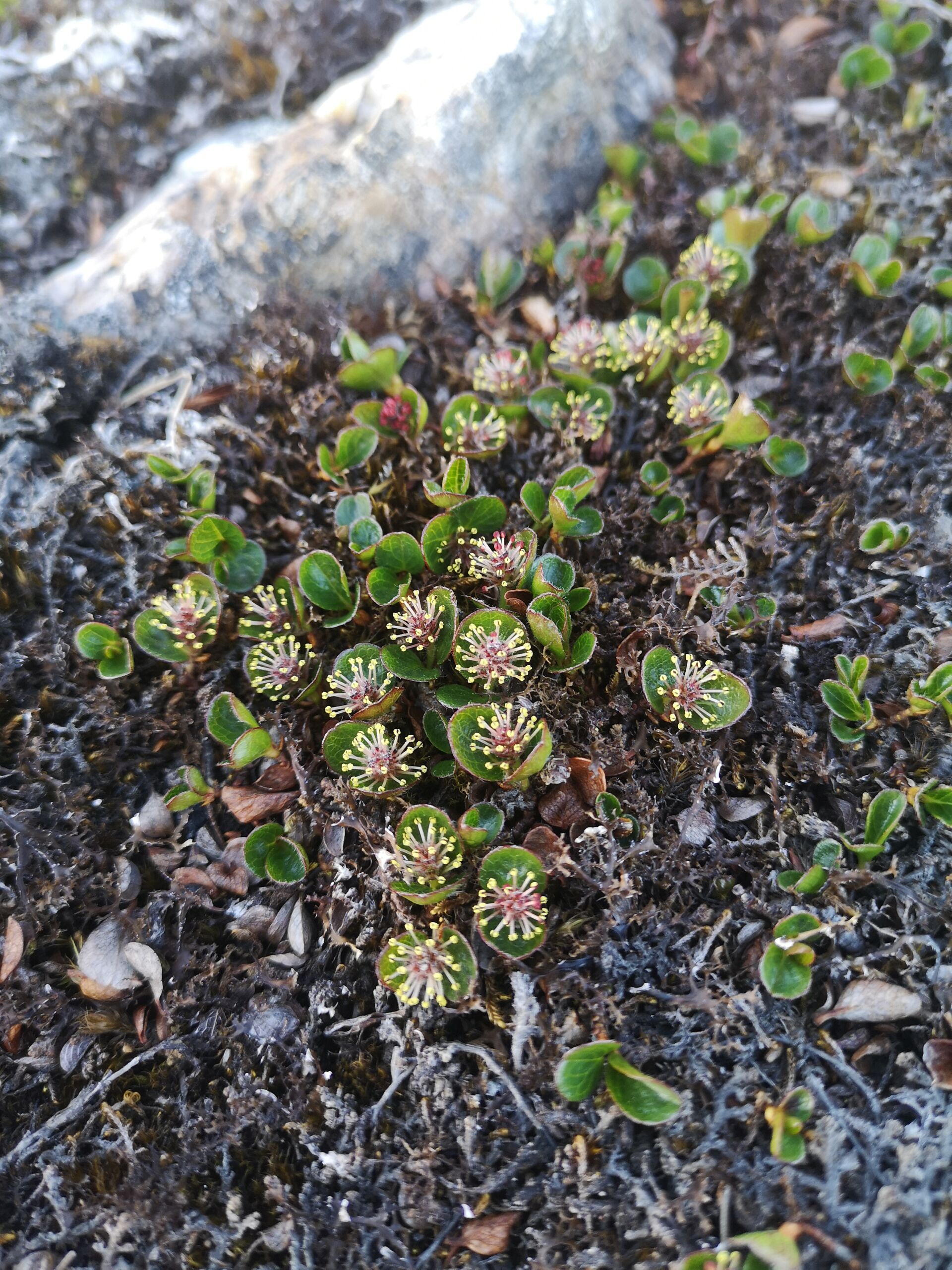
Salix polaris in flower. Bayelva, Svalbard
Silvia Giamberini | Rights reservedThe polar willow (Salix polaris) is common throughout the High Arctic tundra and in the colder mountainous areas of the boreal forest belt. A prostrate plant with very small leaves and flowers, this dwarf shrub has developed a survival strategy that involves extending its branches into the surface soil. Fossil pollen finds, made in southern Europe, confirm the timing and extent of the ice ages.
Mosses, lichens, crust
Most High Arctic tundra is made up of perennial grasses, small shrubs, lichens, mosses and biological soil crusts (biocrusts).
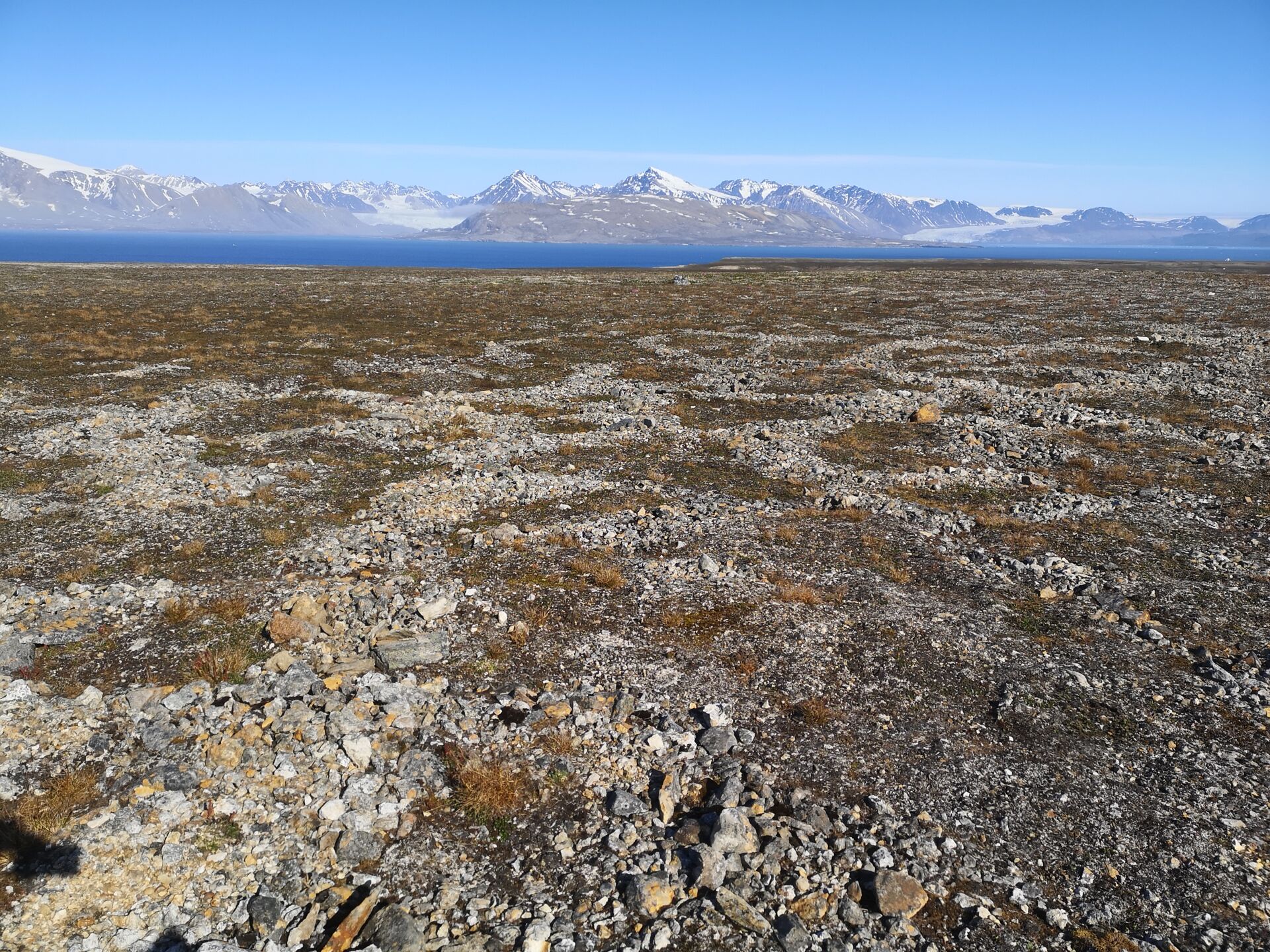
Polygonal soil in the Tundra, Kongsfjorden Svalbard. July 2021
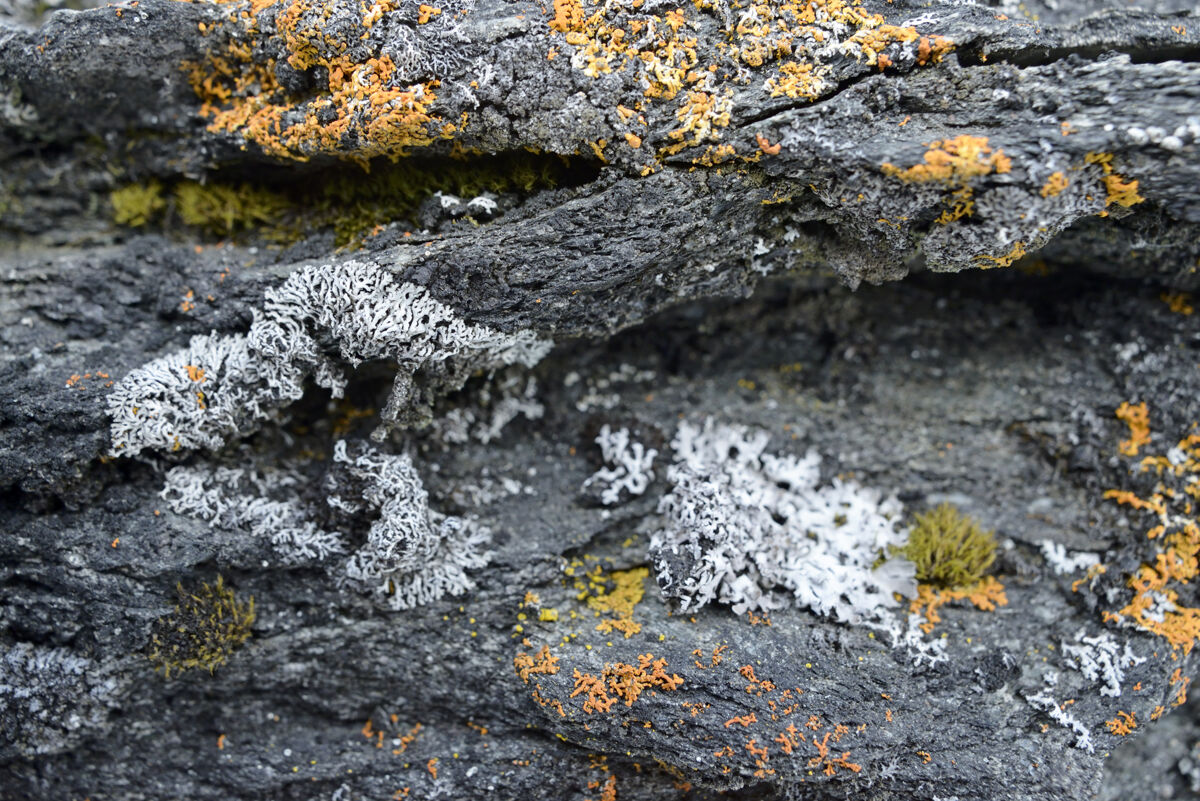
Lichens, Norwegian tundra
Lichens are composite organisms that arise from a symbiotic joining of one or more autotrophic organisms (algae and/or cyanobacteria) with a fungus. This greatly increases their chances of survival, allowing them to grow even in harsh conditions with very little or no soil.
Lichens in the Arctic tend to colonise the rocks of glacial moraines and are thus ‘pioneer species’, like biocrusts.
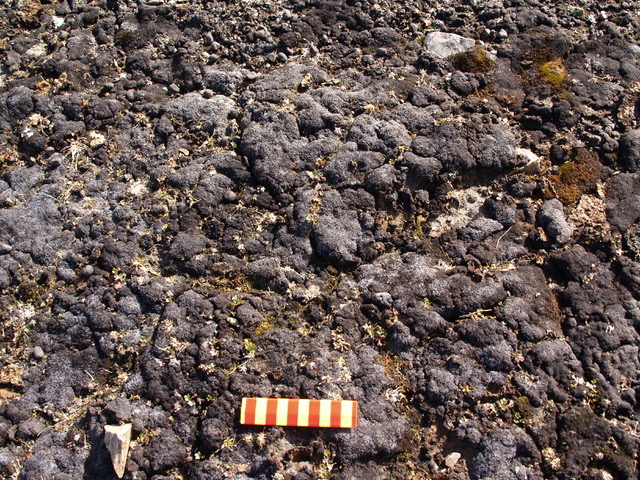
Well-developed biocrust mainly made up of cyanobacteria. Tarfala (Sweden). Reference 10 cm
‘Biocrust’ (literally: biological soil crust) is considered to beis the main primary producer and nitrogen fixator in the polar deserts of the Arctic and Antarctica. It is made up of a range of highly specialised autotrophic, heterotrophic and saprotrophic organisms that create a veritable microscopic ecosystem with its own trophic chain and a high level of biodiversity.
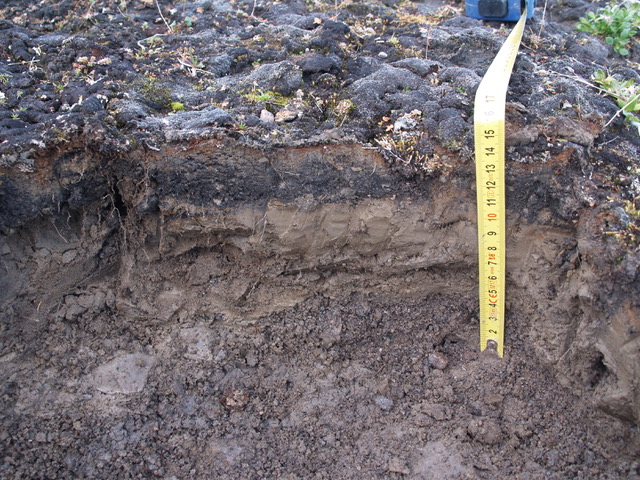
Profile of soil built up under biocrust cover. Ny-Ålesund (Svalbard)
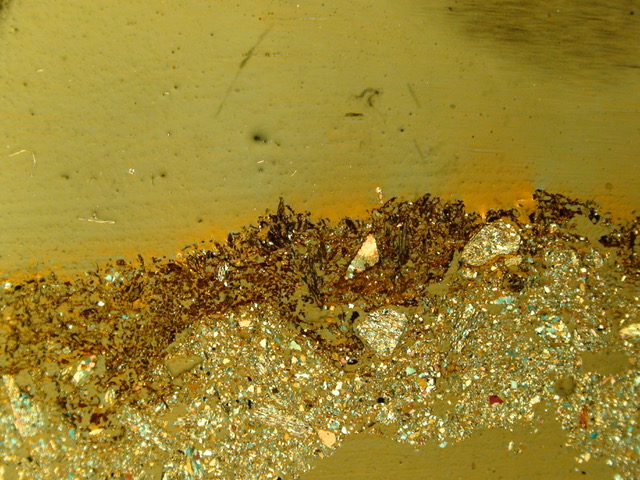
Optical microscope photos using polarised light. Thin section of a biological soil crust Ny-Ålesund (Svalbard). The interaction of the surface biological component (brown colour) with mineral soil particles (lighter) is clearly visible
Biocrust is made up of closely bound soil mineral particles, cyanobacteria, algae, micro-fungi, lichens and bryophites, in different proportions depending on the habitat and above all the different edaphic conditions promoting their development and distribution.
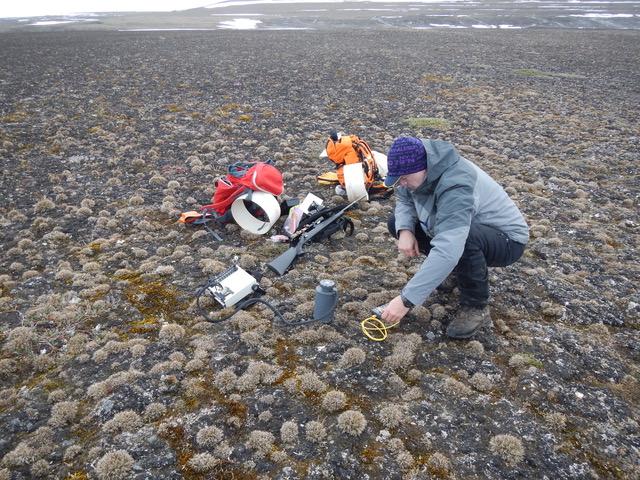
Dense biocrust cover. CO2 emissions measurement Villum research station (Greenland)
Biological soil crusts play an important ecological role, including carbon and nitrogen fixation, as well as soil stabilisation. They alter albedo and soil moisture and affect vascular plant germination and nutrient levels.
Who inhabits in the tundra?
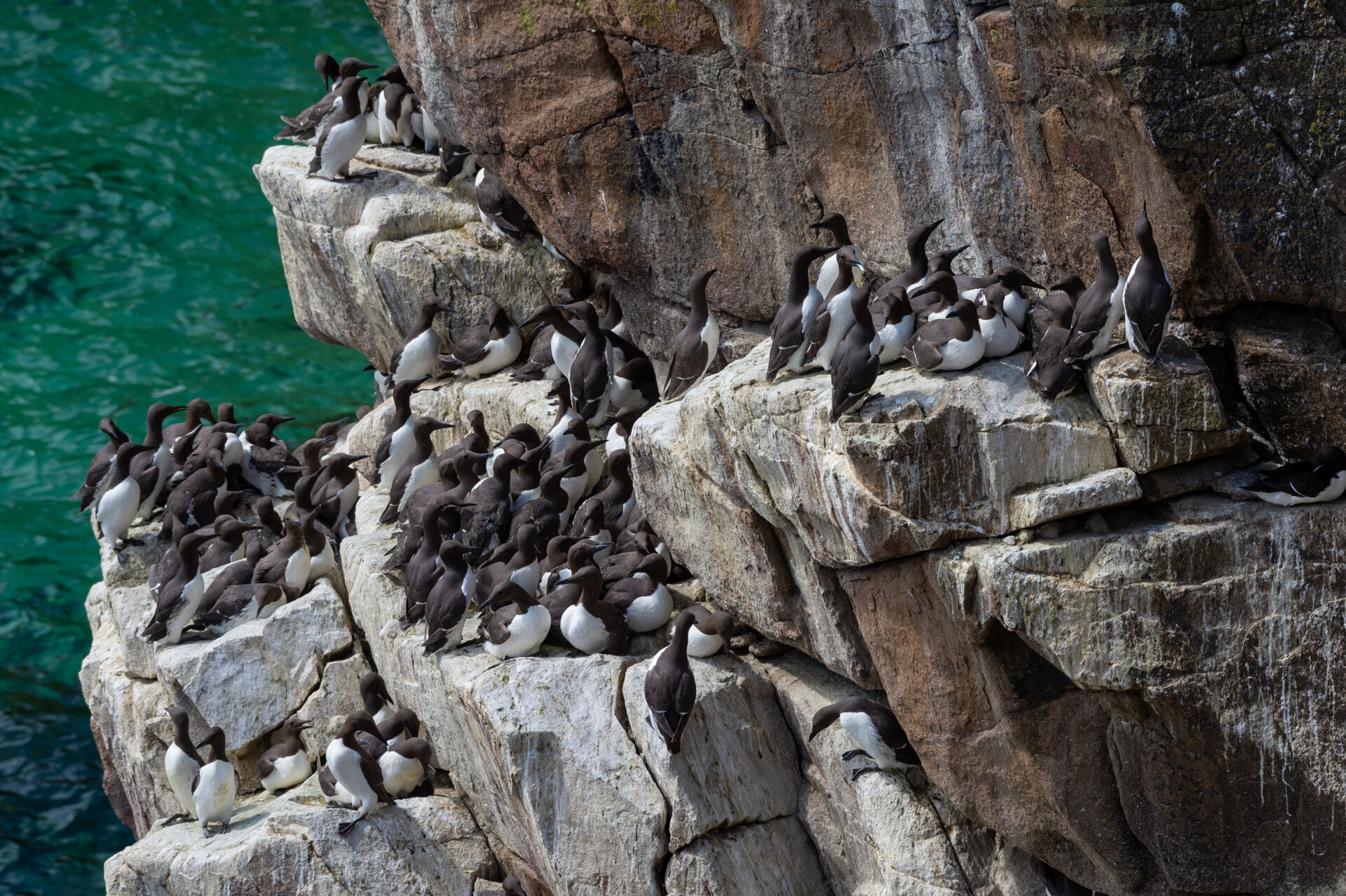
Guillemot colony
Andrea De Zan | Rights reservedThe High Arctic, during its short summer, is home to an amazing variety of migratory birds, all choosing these remote locations to breed, after which they return to overwinter along the coasts of northern Europe. Some birds, like the Arctic tern, even travel as far as Antarctica!
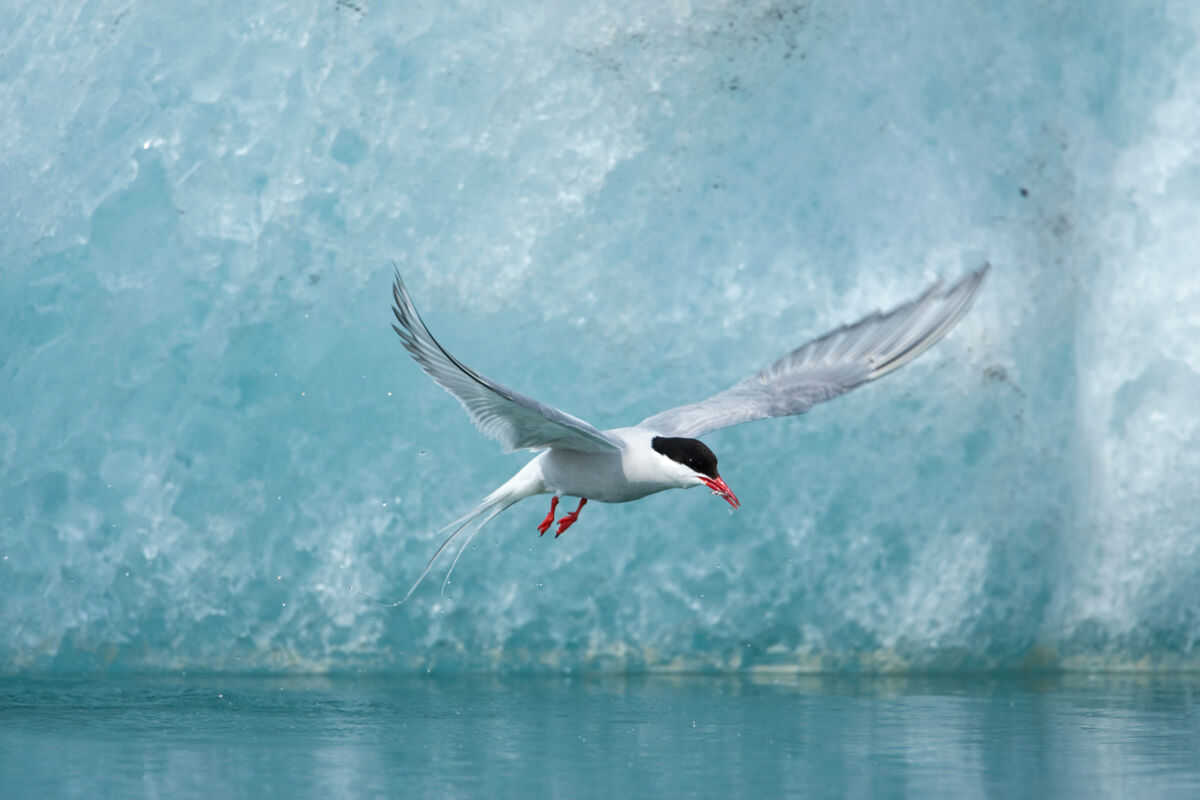
Arctic tern (Sterna paradisaea)
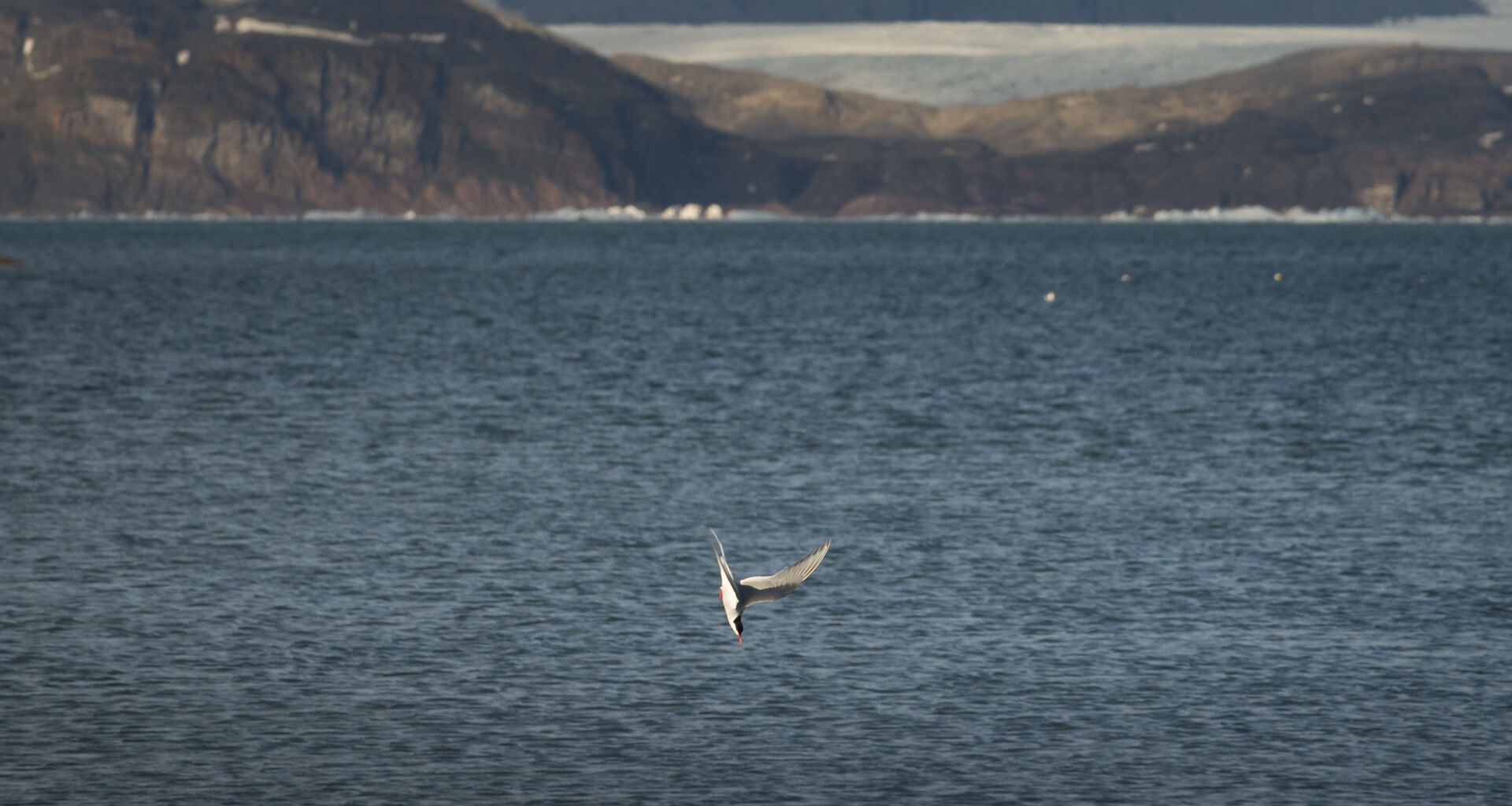
Artic stern, Ny Ålesund, Svalbard. July 2021
Silvia Giamberini | Rights reservedMost birds in the Arctic are seabirds or shorebirds (terns, gulls, or puffins) that prey on fish or invertebrates. Many are drawn to wetlands, such as the various species of anatidae and waders.
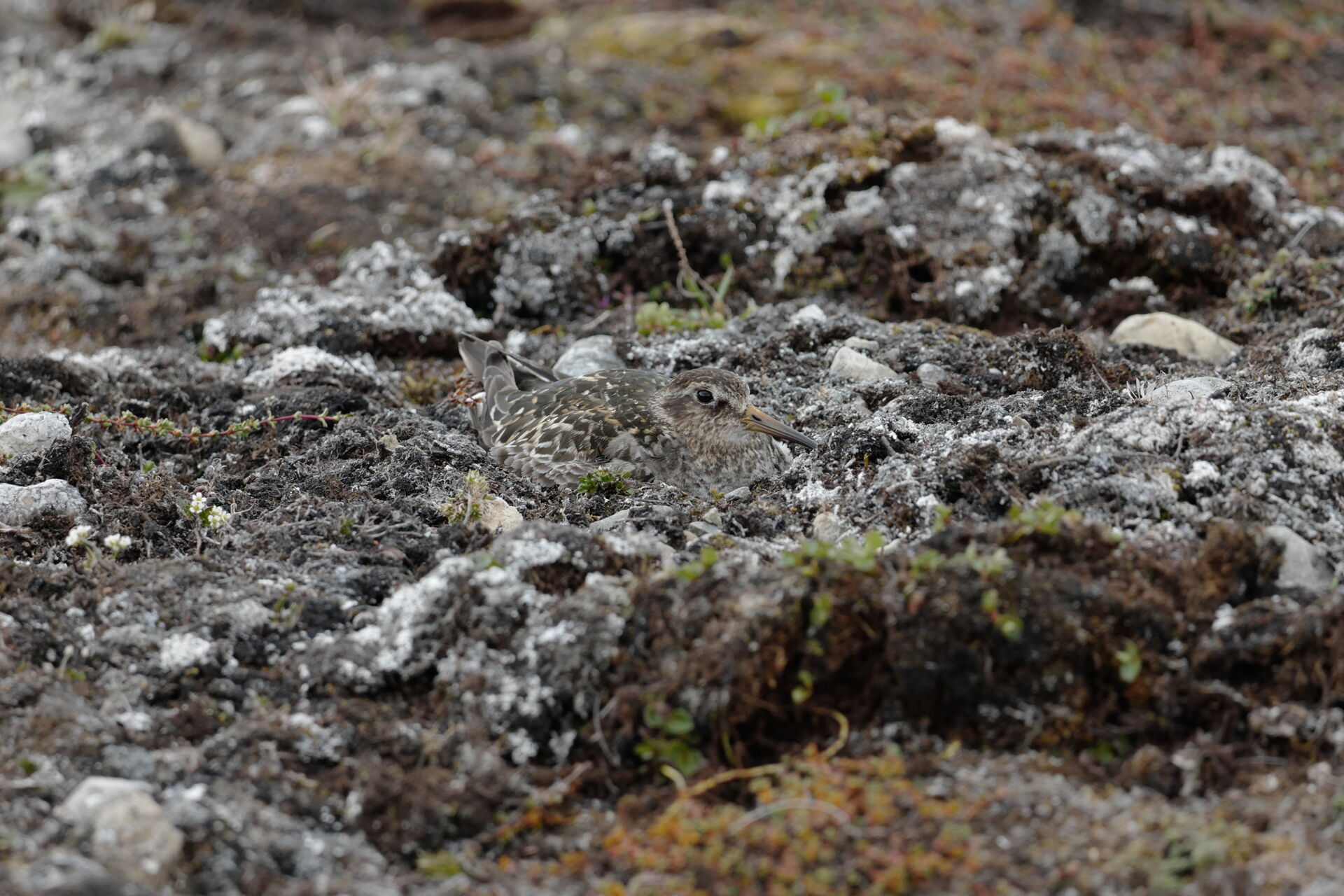
Can you see the purple sandpiper? Ny-Ålesund (Svalbard) July 2021
Silvia Giamberini | Rights reservedBirds adopt a range of strategies against predators such as foxes: one is camouflage, as in the case of the purple sandpiper (Calidris maritima).
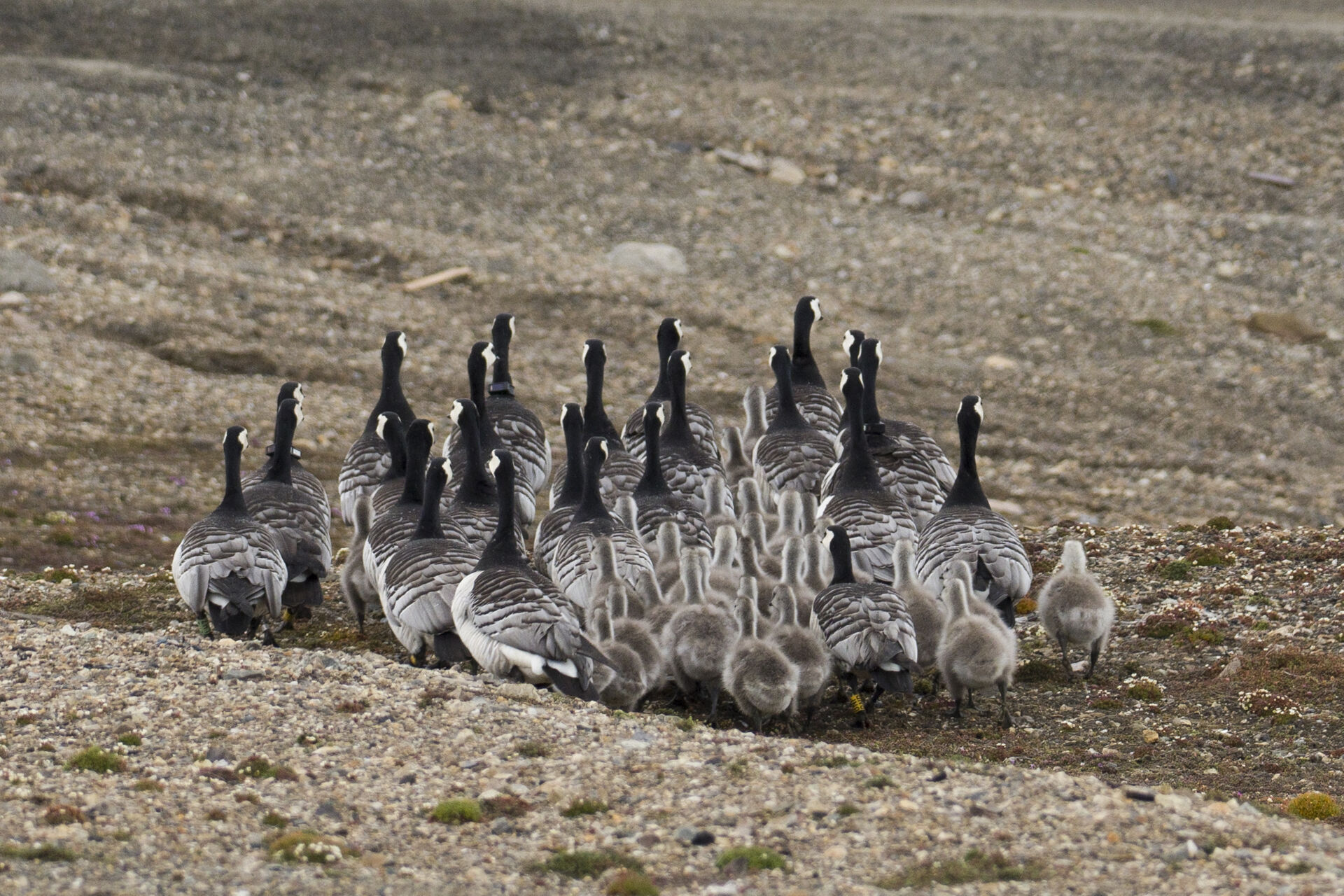
Barnacle geese moving in a group to protect their young
Silvia Giamberini | Rights reservedAnother strategy is to choose isolated nesting sites or to find strength in numbers as part of a community where the chicks are protected, as in the case of the barnacle goose.
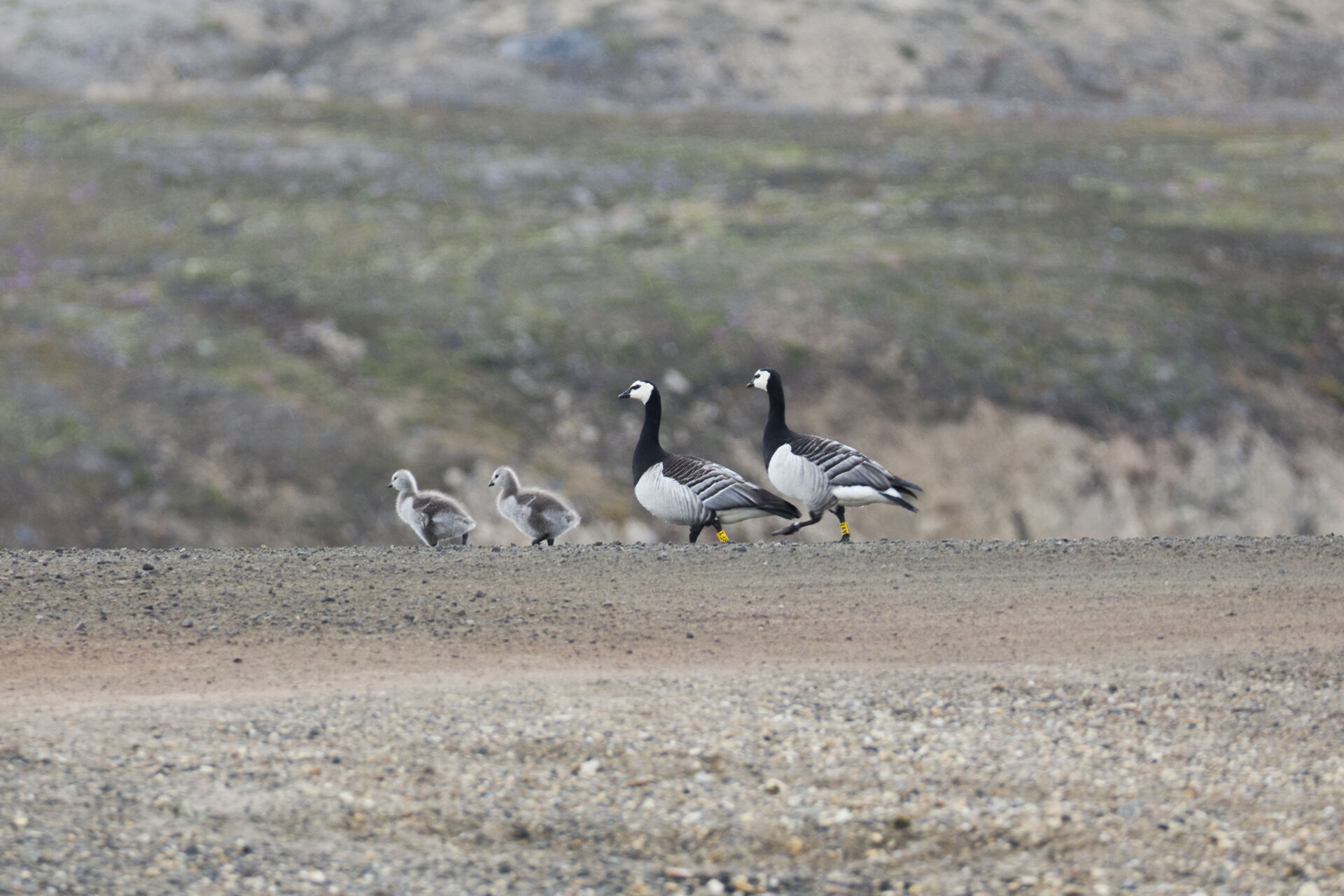
Many of these birds form stable mating pairs, both members performing incubating duties: the demands of reproduction are just too great and require the utmost care from both parents, as in the case of human beings!
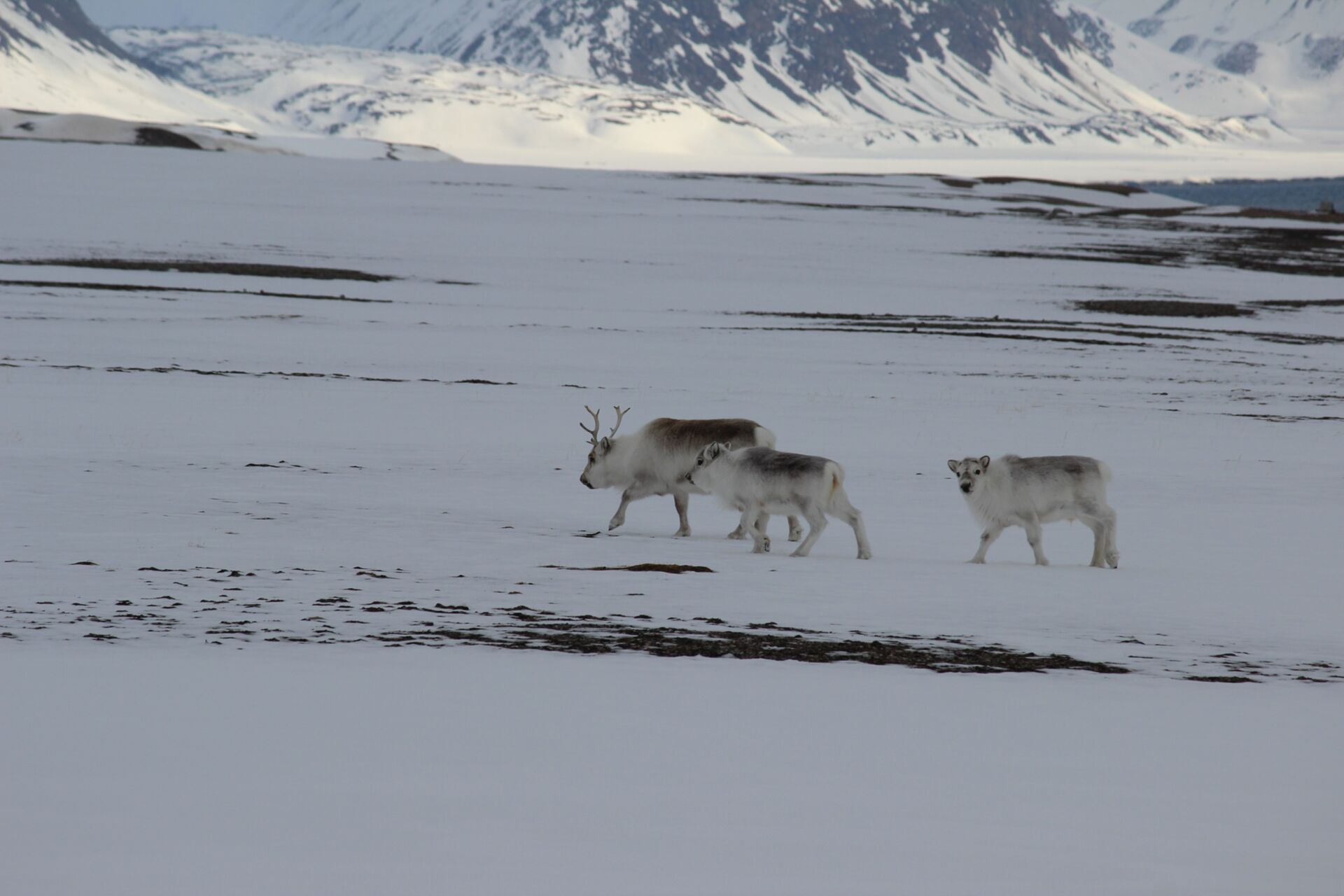
Svalbard
Luigi Mazari Villanova | Rights reservedBut the tundra is also home to sedentary animals. These include birds such as the beautiful rock ptarmigan, as well as foxes and reindeer.
Sedentary animals have developed wintertime adaptation strategies: changing coat (thick and white in winter, brown in summer), a stockier body, or even feathered legs in the case of the ptarmigan!
The Svalbard reindeer has a squatter body and shorter legs to avoid heat loss.
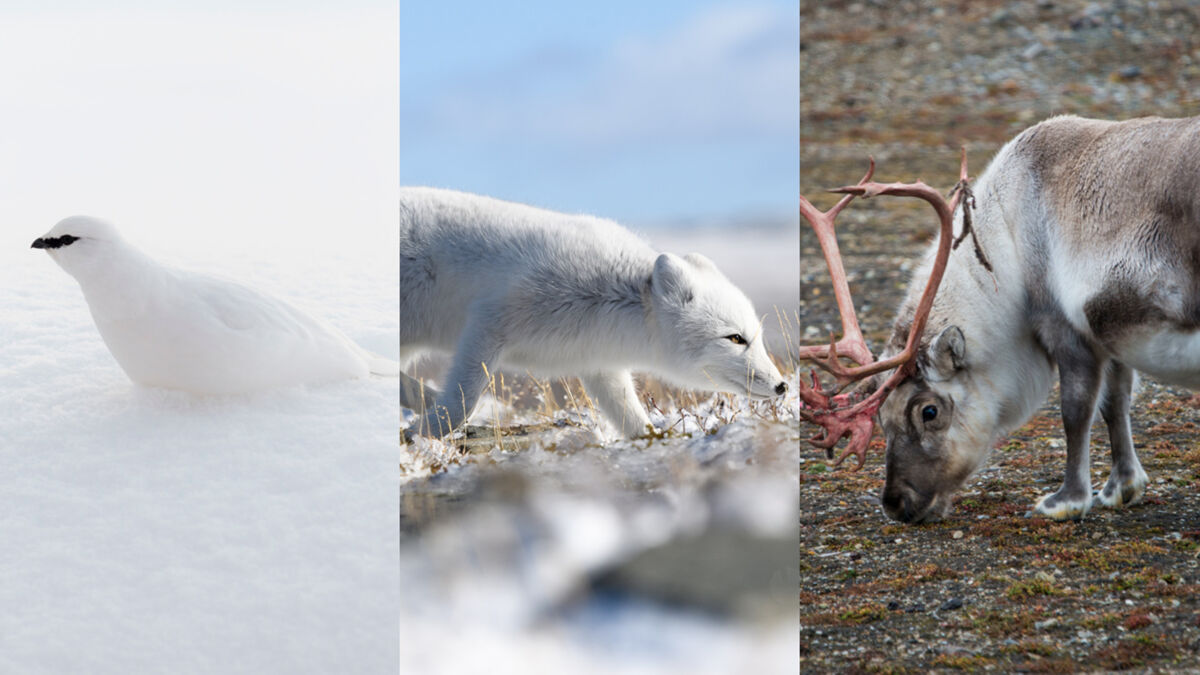
Left to right: Rock ptarmigan; Arctic fox; Svalbard reindeer in summer coat
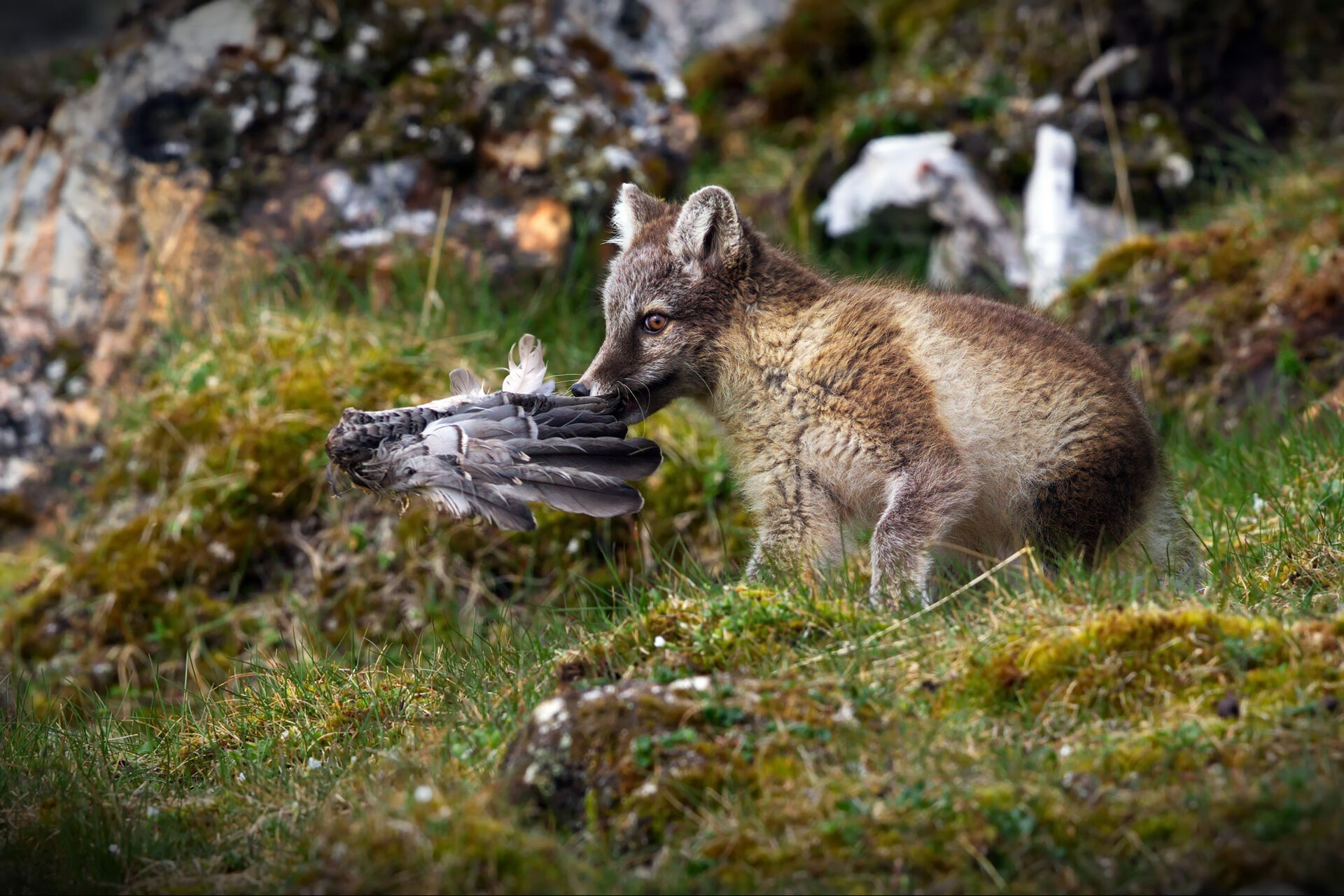
The fox builds up food reserves during the winter, hiding eggs and prey under the frozen ground that can later be recovered from under the snow.
Like all predators, however, the fox plays an essential role in maintaining biodiversity: without it, some populations would grow too much compared to others, resulting in an unbalanced ecosystem.
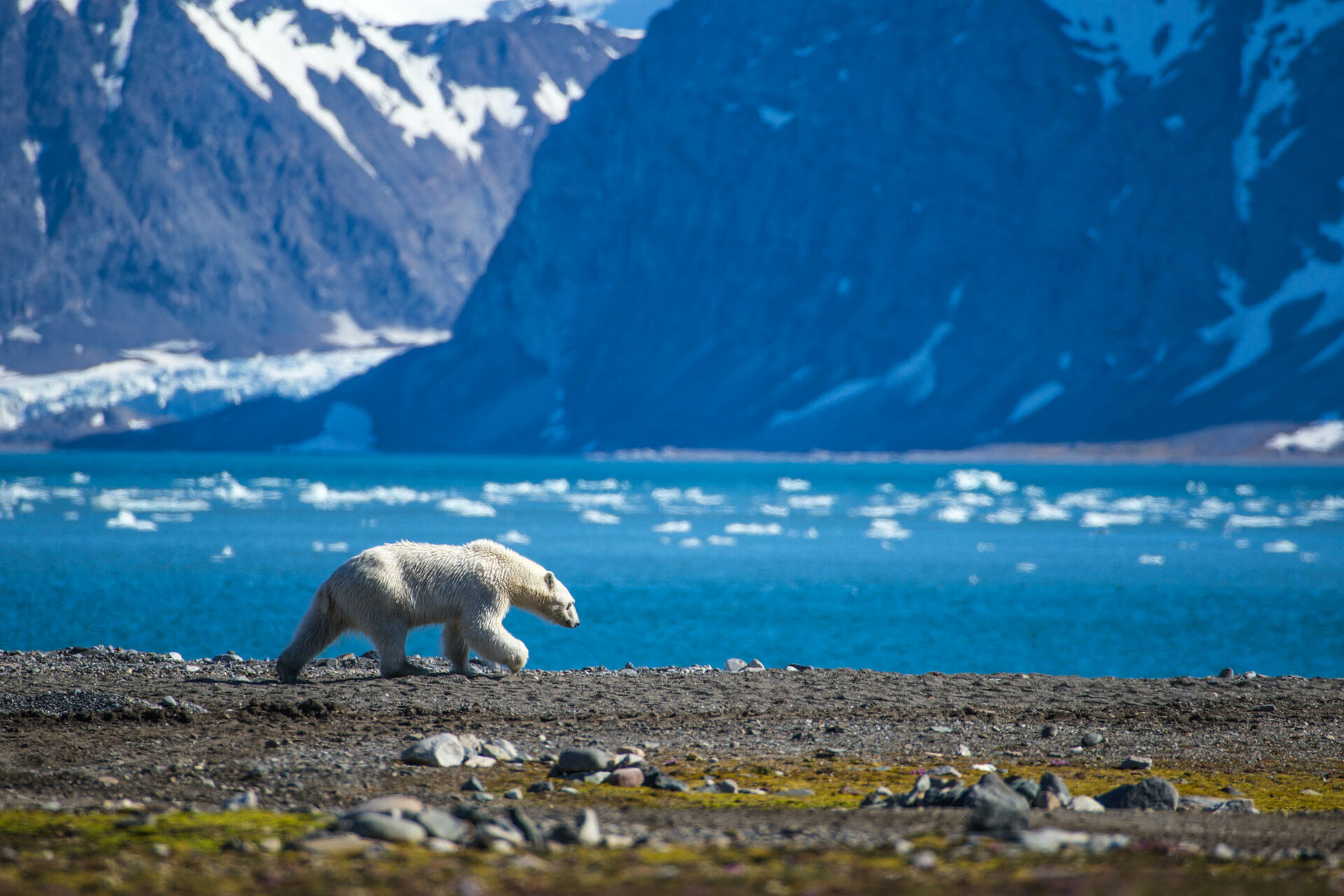
The polar bear lives in these areas but only crosses the tundra when changing location. The animal hunts on the sea ice, feeding mainly off seal, even if, due to climate change, it is changing its feeding habits: in summer 2022, polar bears have been observed hunting reindeer, which in the past was thought totally an unusual behaviour.
Nutrients and fertilisation
Animals living in the tundra fertilise it with their faeces and urine, while the food preferences of herbivores (for example reindeer and barnacle geese) have an impact on the composition of the plant life.
In this nitrogen- and phosphorous-poor environment, it is not unusual to see broad expanses of green due to fertilisation under cliffs where birds nest, as well as near ponds, or even around animal carcasses!
Measuring carbon dioxide exchanges on Svalbard
Marta Magnani (National Research Council - CNR) explains how the CNR research group takes periodical field measurements near the Arctic Station on Svalbard. At this location, carbon dioxide exchanges and some ecological, climate and environmental factors are measured that are useful for building numerical models. These models help us to understand how the tundra might respond to climate change, the effects of which we can unfortunately already see.
The vegetation’s CO2 cycle
Tundra vegetation has an important role as a primary producer, absorbing CO2 and transforming solar energy by photosynthesis into chemical energy, the driving force of life on our planet, through the food web.
When plants conclude their annual cycles and their leaves, flowers and fruit fall to the ground, the organic substances they contain are consumed by decomposers (fungi, bacteria) and partly contribute to soil enrichment. The life cycle of plants thus helps to store organic carbon in the soil.
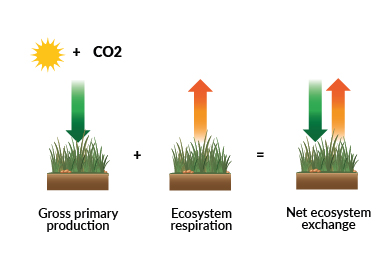
CO2 flux diagram.
Since the plants and microorganisms living in the soil breathe to obtain the energy needed to perform their vital functions, they in turn also emit CO2. If at the end of the vegetation’s life cycle some of that carbon goes into the formation of new soil, that ecosystem is said to be a ‘carbon sink’.
If, however, the amount of CO2 released into the atmosphere every year by respiration is greater than the amount stored, then the ecosystem is said to be a ‘source’ of CO2.
Soils that are CO2 sources obviously gradually deplete their stored carbon and may eventually fall victim to desertification.
Arctic soil and the measurement of CO2 exchange
Ilaria Baneschi (National Research Council - CNR) explains how the life of all ecosystems, and our own life, depends on the soil.
She focusses on Arctic soils, because they are so sensitive to the environmental changes linked to global warming.
One of the main characteristics of Arctic soils is the presence of permafrost in the subsoil. She describes how samples are taken near Ny-Ålesund on Svalbard from the ‘active layer’ of soil over the permafrost, where the bio-geo-chemical processes regulating ecosystems occur.
Source or sink?
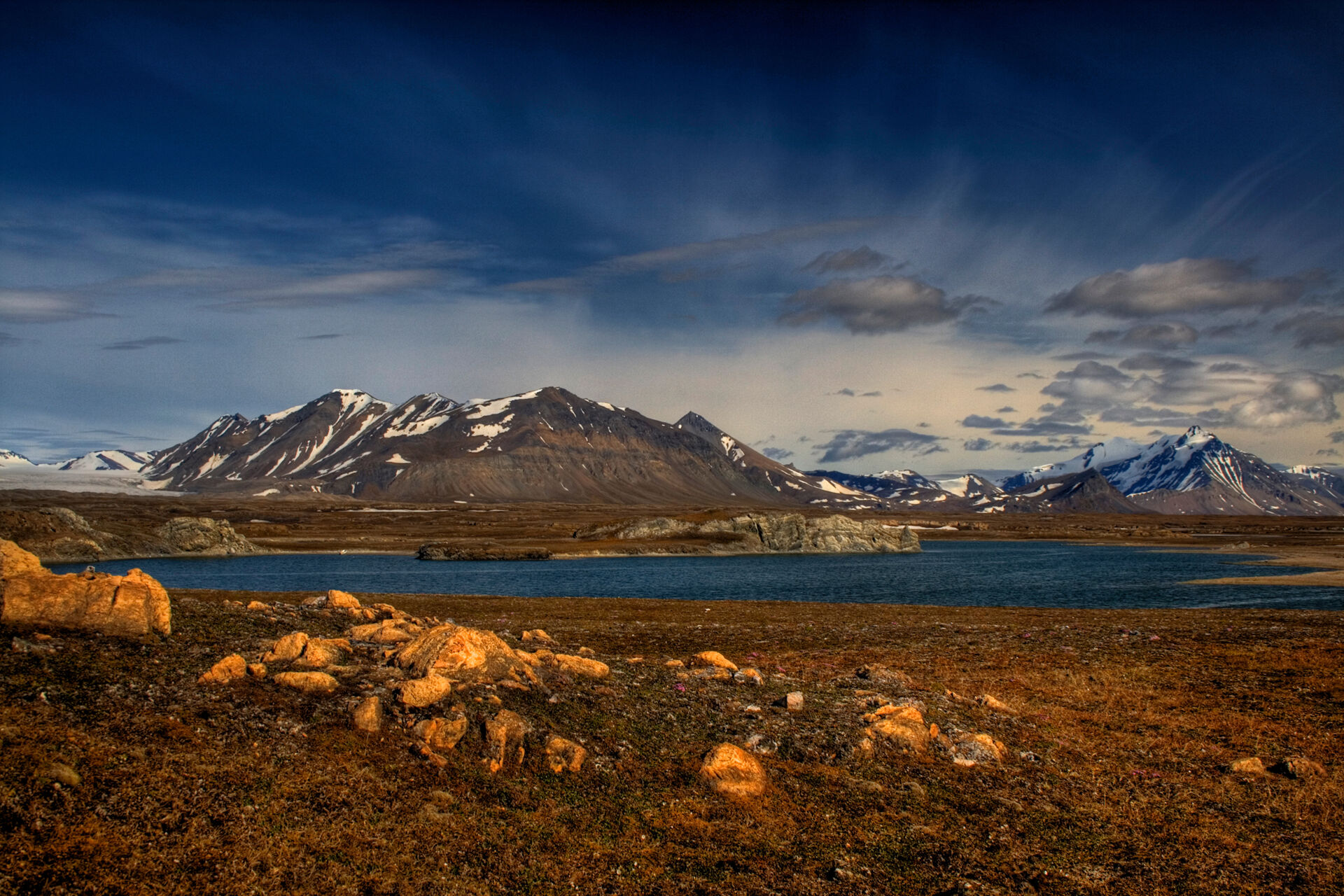
How does the tundra behave? Since the last ice age, the tundra has acted as a weak carbon sink. Slowly but relentlessly its underlying soil has become enriched with organic substances.
Increasing temperatures and rises in the concentration of CO2 in the atmosphere have led to evident ecosystemic changes. Increased CO2 promotes increased plant biomass: the growing season tends to lengthen, bringing about an expansion in the range of higher biomass species such as shrubs. All of this contributes to greater absorption and storage of CO2.
Kongsfjorden (Svalbard). July 2019
Silvia Giamberini | Rights reservedAt the same time, however, rising temperatures lead to a thicker ‘active layer’ in summer, in other words the portion of the soil above the permafrost layer thawing in summer-early autumn, only to refreeze roughly between October and June. This in turn leads to increased activity by decomposer bacteria.
The resulting intensification of microbial respiration transforms the tundra, potentially making it a CO2 source rather than a carbon sink, thus further increasing the greenhouse effect and global warming.
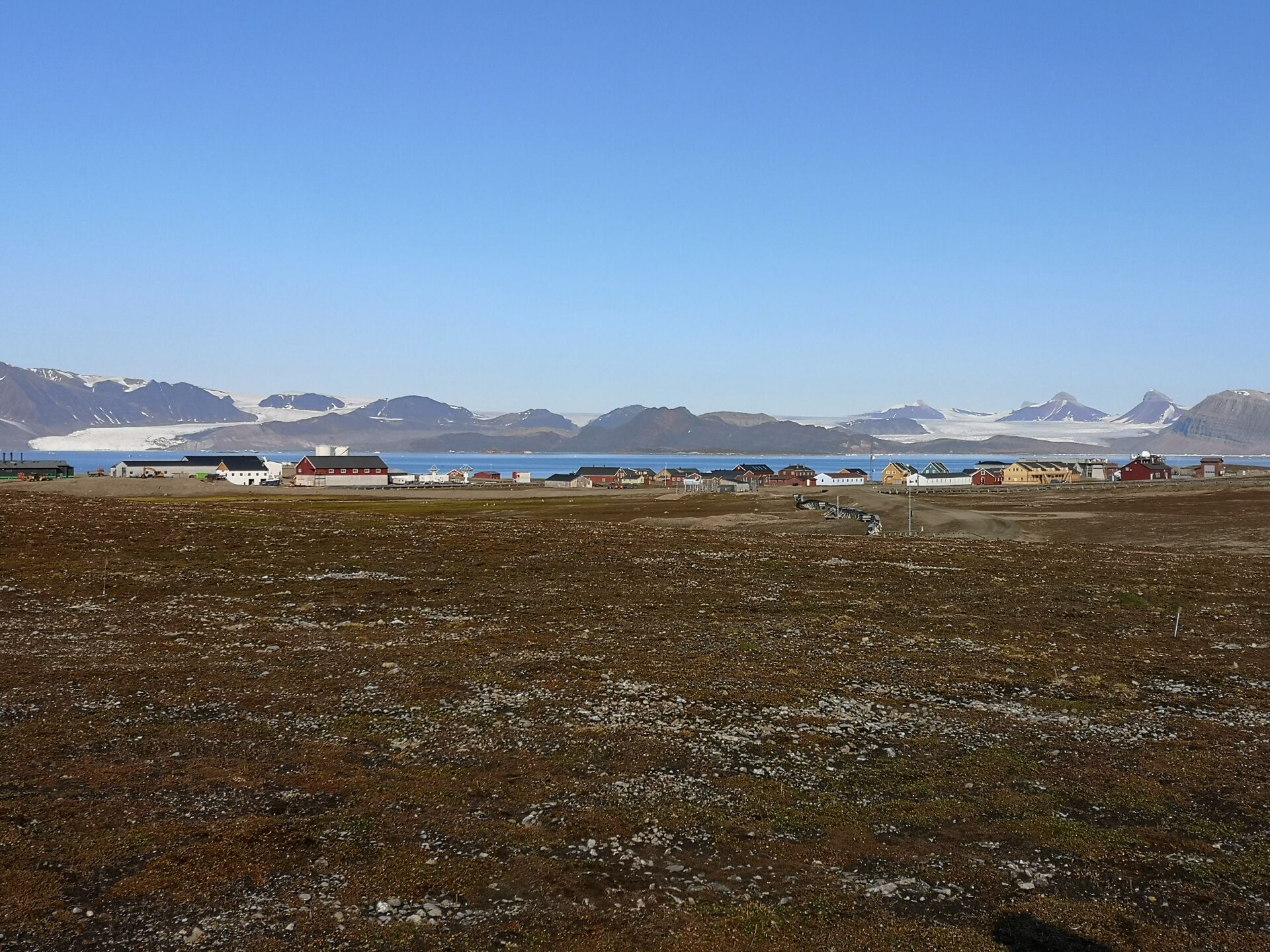
The Ny-Ålesund research base, with tundra in the foreground
Silvia Giamberini | Rights reservedIt is vital to discover whether the tundra will continue to be a carbon sink or become a CO2 source. Researchers all over the Arctic are measuring the CO2 fluxes from the tundra, including a group of Italian researchers at the CNR Arctic base on Svalbard.
Arctic tundra: absorber or emitter
Marta Magnani (National Research Council - CNR) explains how it is not yet clear whether the Artic tundra (which is currently a weak absorber of carbon dioxide) will become a carbon dioxide absorber or emitter in the near future, due to rising temperatures. To be able to answer the question, the key factors affecting carbon dioxide exchange between soil, vegetation and the atmosphere must first be identified. These factors are the ‘drivers’ of carbon dioxide emission or capture. Drivers can be studied by field measurements or with the help of models based on mathematical equations. Numerical models aim to replicate the working of ecosystems and some of their components. This helps to understand the processes driving their dynamics and predict their future evolution.
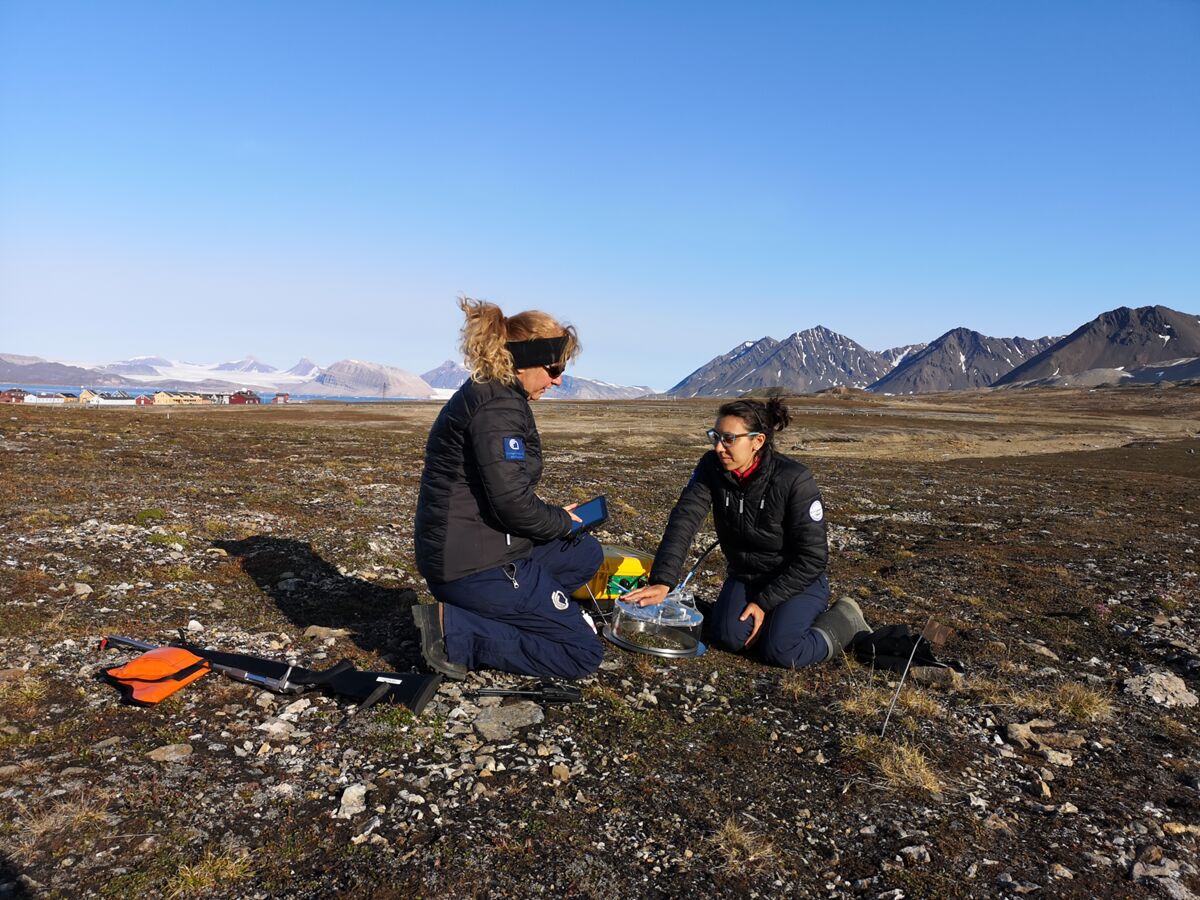
Two researchers measure CO2 fluxes from the Arctic tundra near the research station in Ny-Ålesund, Svalbard (Norway)
A transparent chamber is placed on the ground and the CO2 in the air trapped inside is then depleted by the action of photosynthesis. A laser linked to the chamber measures fluctuations in the concentration of CO2 over time, allowing the ‘net exchange’ of CO2 between soil, vegetation and the air to be calculated.
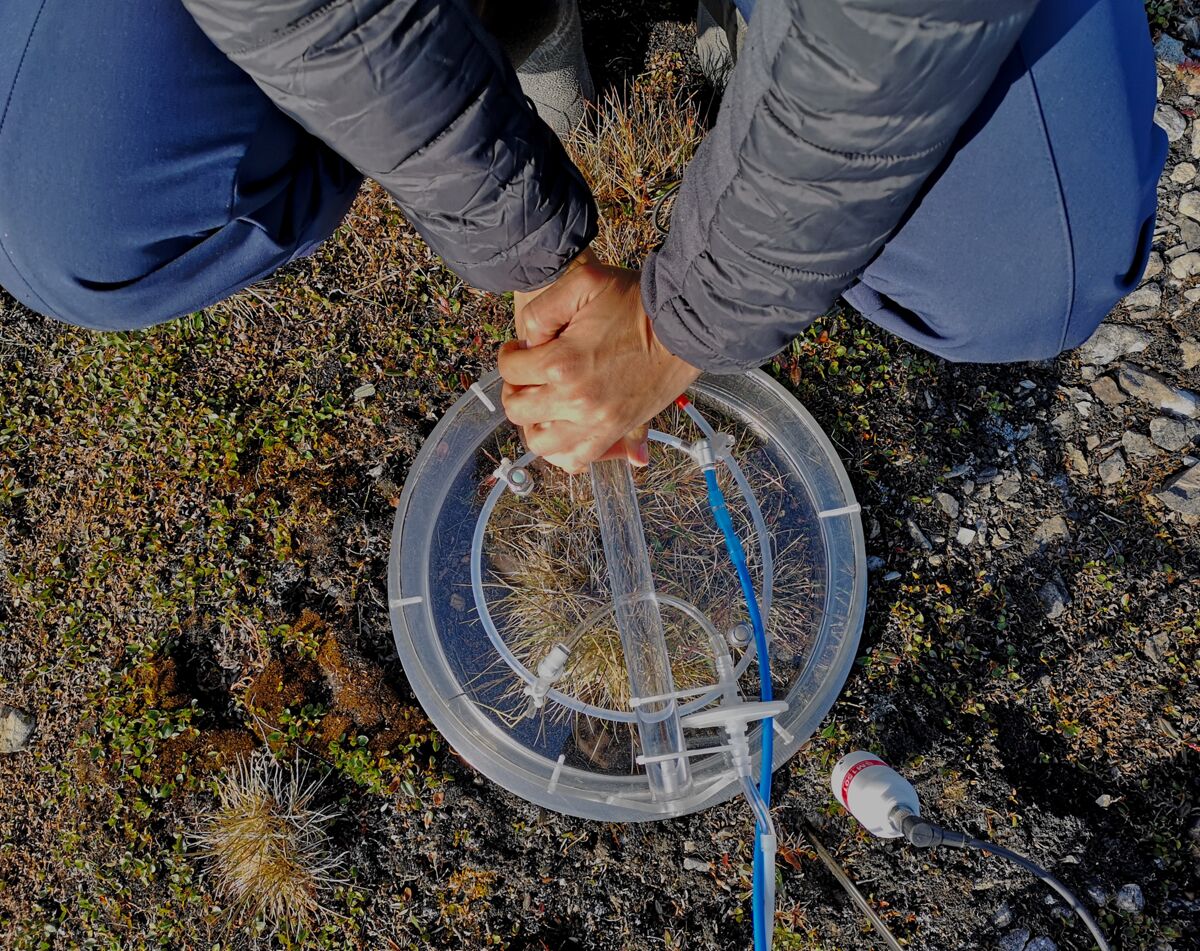
Close-up of the transparent chamber used to measure CO2 exchange
Photosynthesis can be prevented by covering the chamber with a dark coating. This allows increases in the concentration inside the chamber, due to vegetation and soil respiration alone, to be measured. The difference with the net exchange figure yields gross primary production, or the CO2 flux used by the vegetation for photosynthesis.
How the measurement is made
Angelica Parisi (National Research Council - CNR) shows the instruments used to measure carbon dioxide fluxes in terrestrial systems, particularly in Arctic tundra and Alpine grasslands, and explains how measurement is done.
She explains that, apart from these instruments, probes are used to measure soil temperature and relative humidity, as well as a weather station to record meteo and climate parameters: air temperature, relative humidity and sunshine.
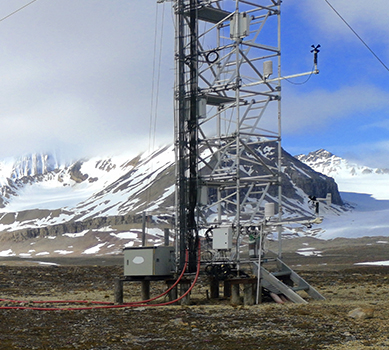
Micrometeorological station measuring soil-atmosphere CO2 fluxes
Another way to measure CO2 exchanges uses the Eddy Covariance technique. By combining measurements of the fluctuations in the concentration of CO2 in the atmosphere and measurements of the vertical component of the wind, the value of the CO2 flux along the vertical component is obtained. This corresponds to the average flux between the soil and the atmosphere in the area covered by the instrument, which varies depending on the wind speed and direction.
The Eddy Covariance method
Gianna Vivaldo (National Research Council - CNR) explains how eddy covariance is a method known since the 1950s for studying the exchange of energy and matter between an ecosystem and the atmosphere. It was first used in agriculture but is now widely applied in the micrometeorological field to study forests, grasslands and lakes.
She also explains how eddy covariance allows measurements to be made not just when the ground is snow-free but also in winter when it is snow-covered. This yields data with high temporal resolution even when weather conditions would not allow human field measurement.
What will happen with climate change?
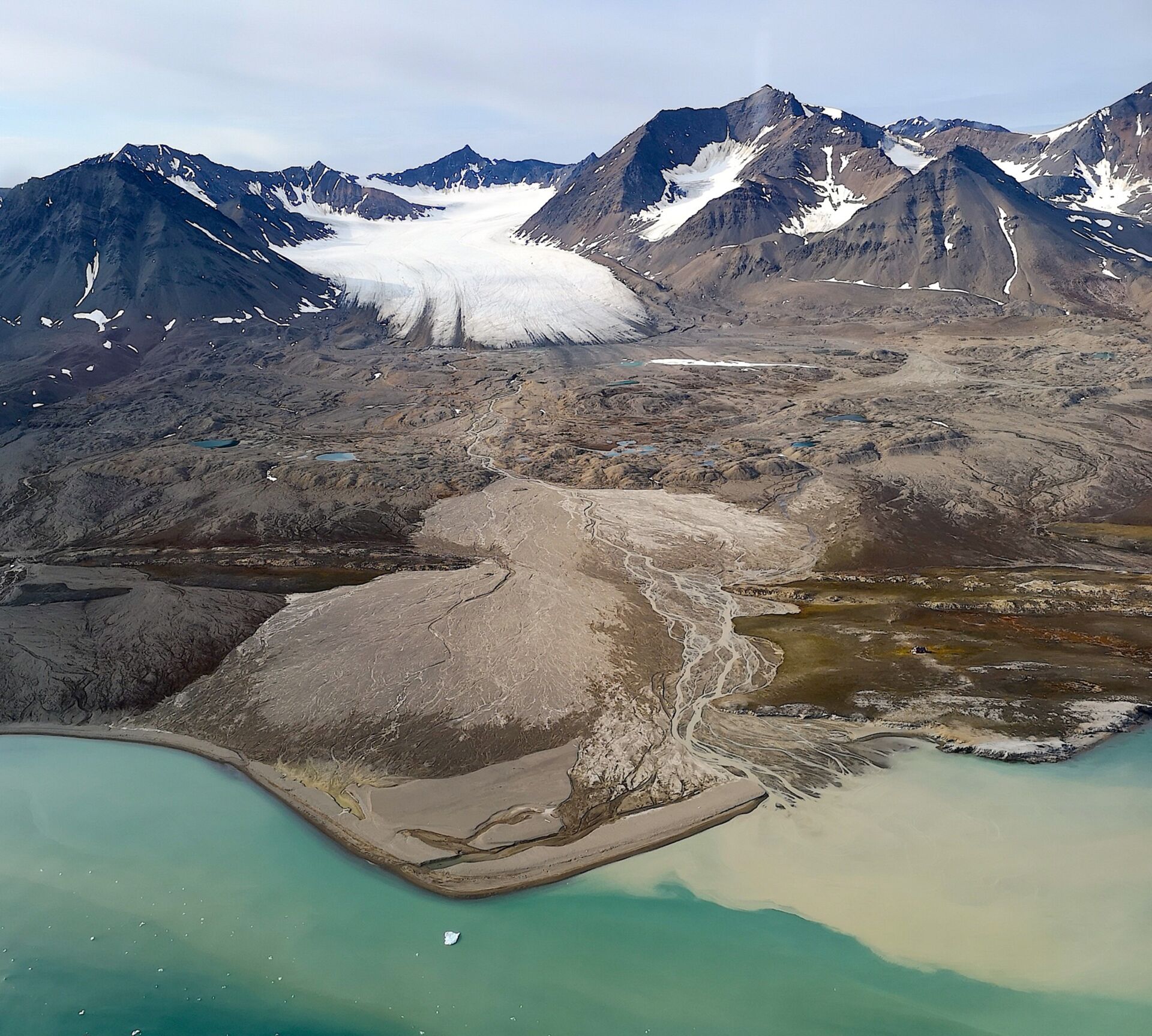
Lovenbreen Glacier, Kongsfjorden (Svalbard). July 2021
Silvia Giamberini | Rights reservedTemperatures are rising in the Arctic much faster than elsewhere. Other more immediate changes are threatening the delicate balance of Arctic terrestrial ecosystems, apart from the danger that the tundra might become an immense CO2 source.
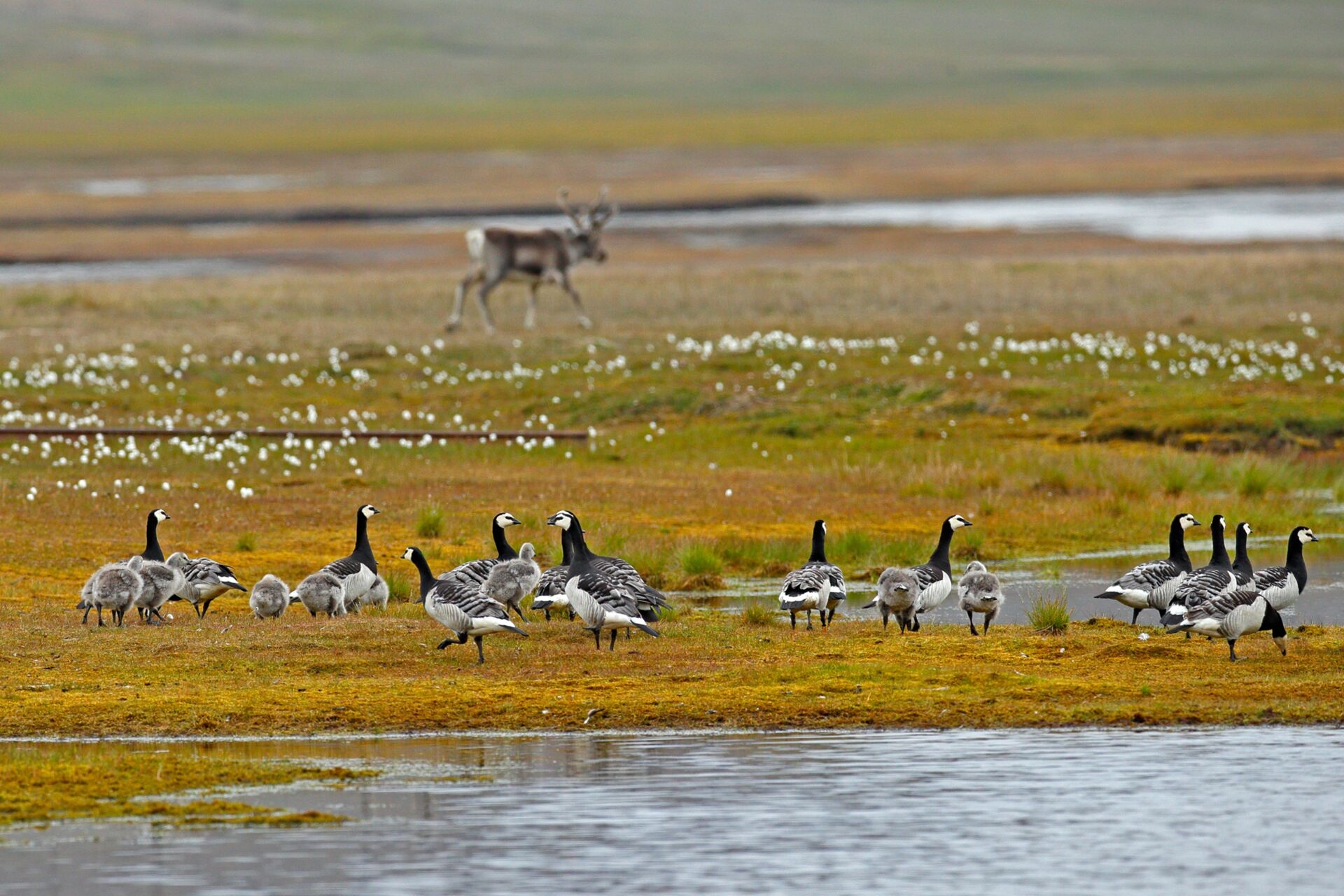
Plant or animal invasive species from warmer regions, brought here by migrating birds or human beings, could survive with rising temperatures.
Early onset of the growing season has an impact on the quality of the diet of herbivorous migrating birds, such as geese, feeding on fresh grass at the beginning of the summer season.
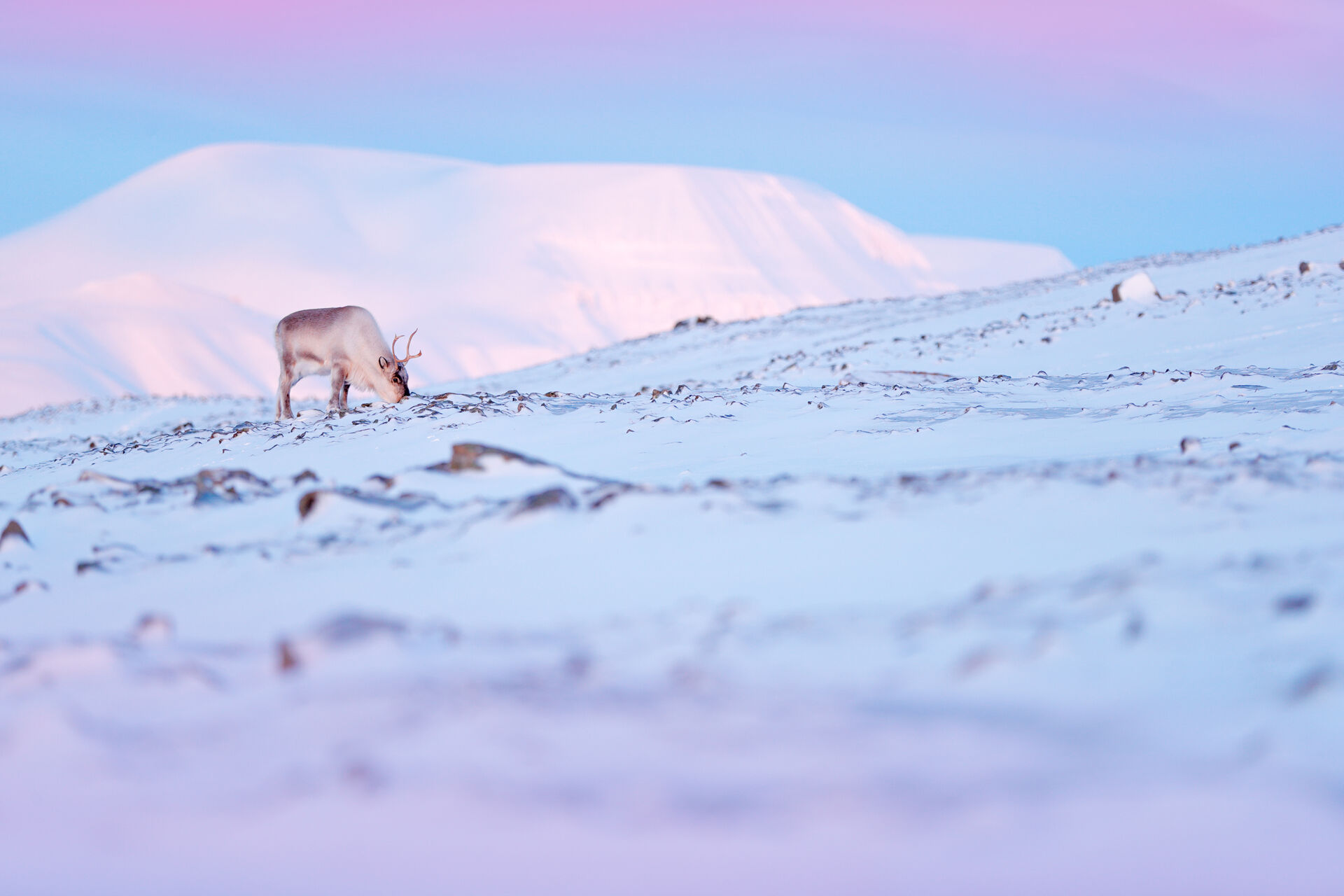
Furthermore, snow melted by unexpected temperature rises could refreeze to form a glassy barrier and prevent reindeer from reaching the lichens they feed on in wintertime.
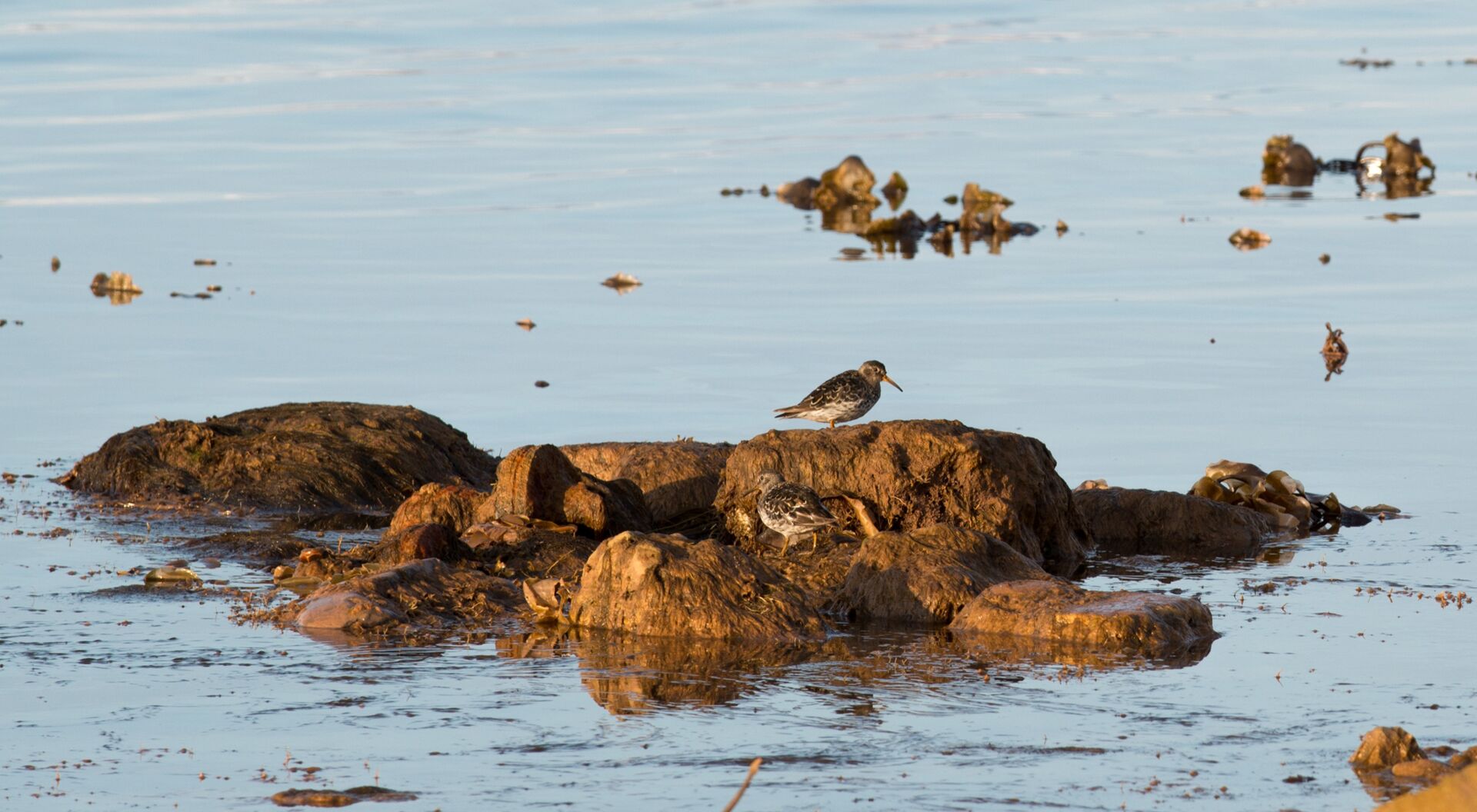
Purple sandpiper
Silvia Giamberini | Rights reservedFinally, rising sea levels could causes the disappearance of the intertidal zone providing migratory birds with one of their breeding grounds.
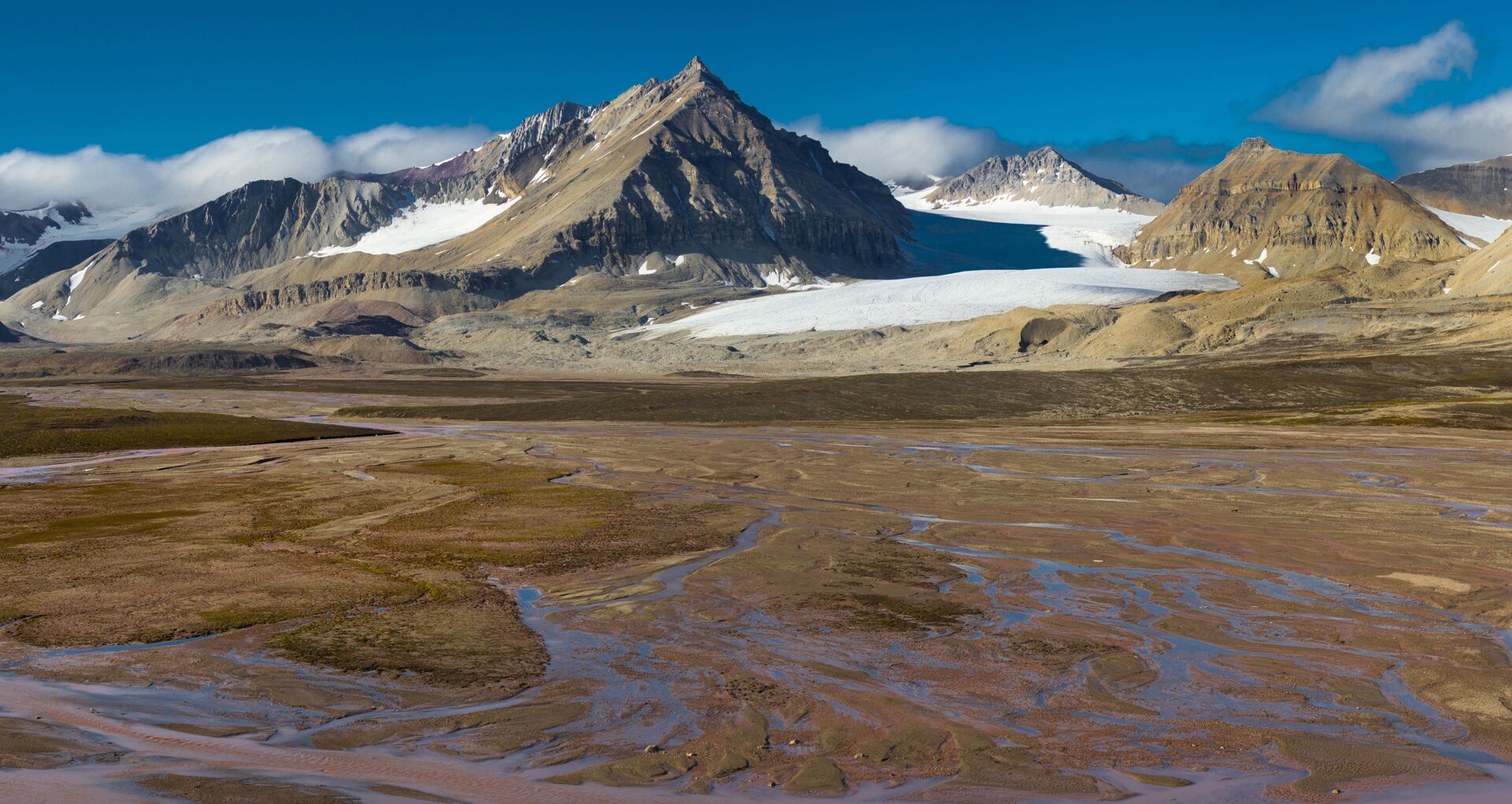
View of the Bayelva Basin, Ny-Ålesund
Silvia Giamberini | Rights reservedCareful studies are required to fully grasp the importance and fragility of this splendid ecosystem, its role in regulating the climate and biodiversity, and the need to mitigate climate change to avoid losing its enormous wealth.

