
The Mediterranean in a human perspective
The natural history of the Mediterranean basin has been shaped by the development of human civilisations.
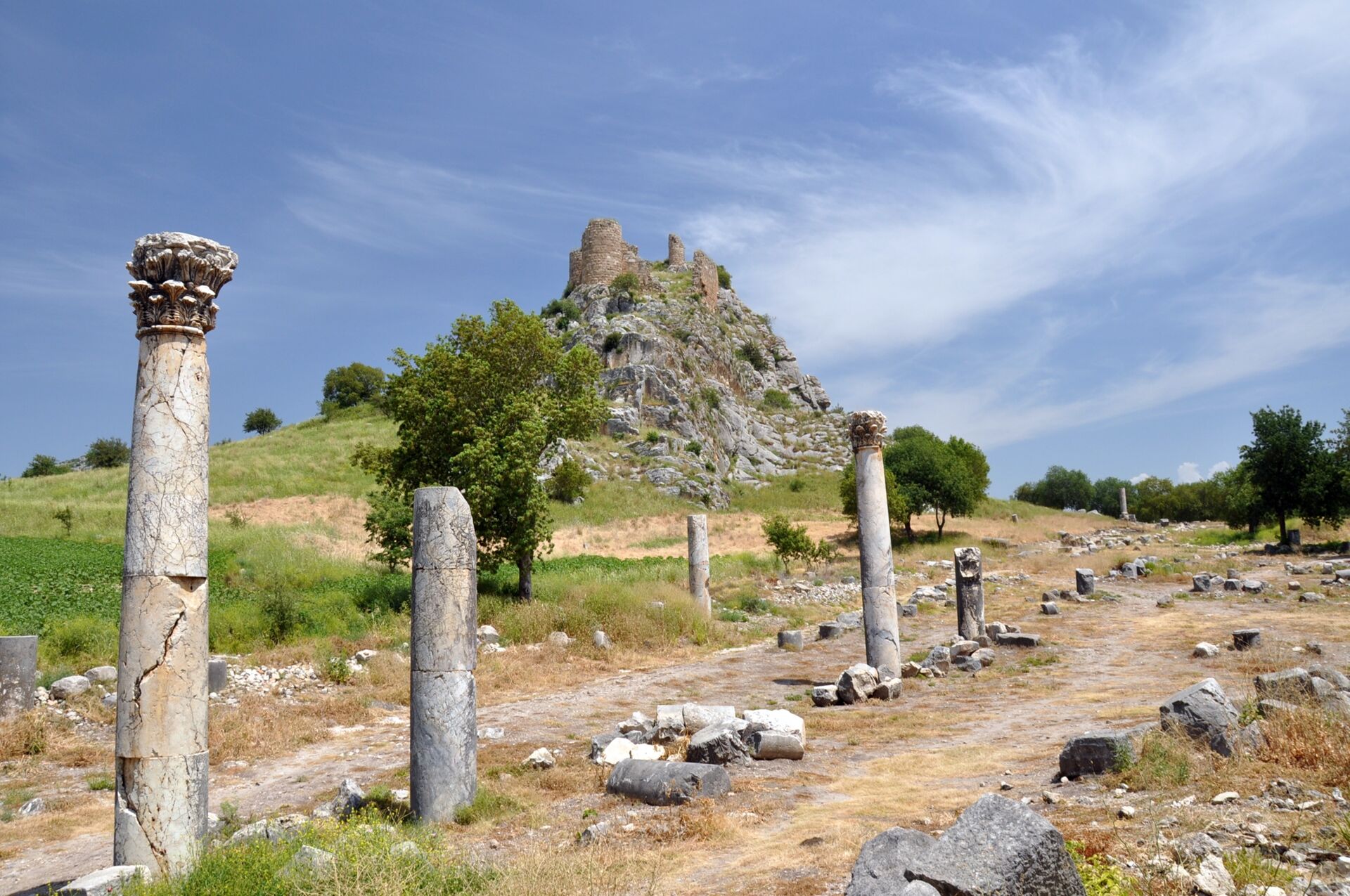
A history in which human beings have played a major role in ecosystem change and acted as ‘poets’ of the natural resources that are here bound up with customs, myths and art as nowhere else in the world.
The bioclimate of Mediterranean environments
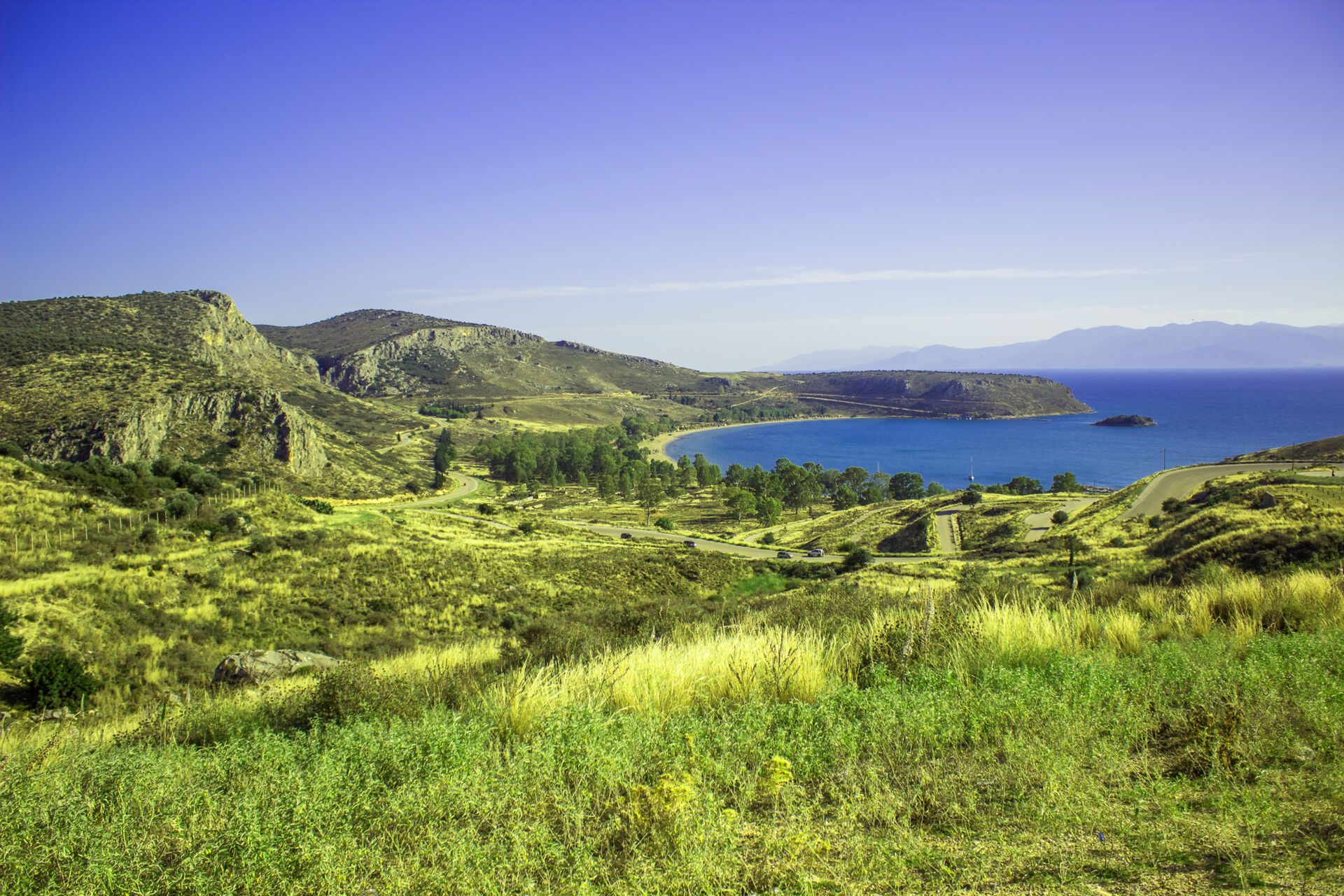
Mediterranean environments tend to have mild winters and hot, dry summers.
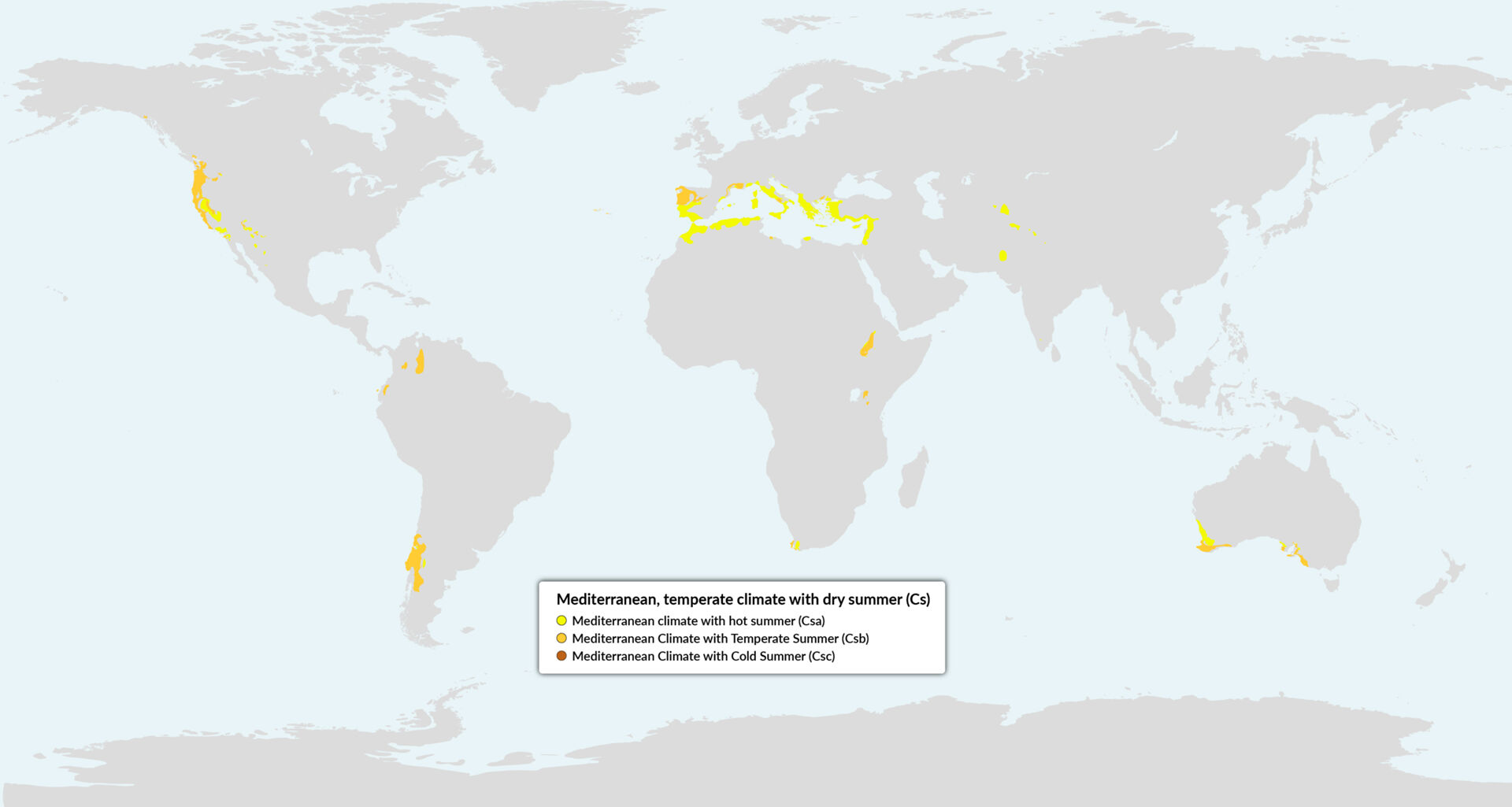
Map of the Mediterranean climate in the world: the climate characterizes not only the areas of the Mediterranean basin but is also found in California (west coast of the United States), in South America (part of the coast of Chile and part of the border between Chile and Argentina), in Africa (Ethiopia, areas near Lake Victoria and a small area in South Africa), on the coasts of south-western Australia and finally in Asia (Pakistan and small neighboring areas).
CC0Apart from the environments from which they derive their name, found around the Mare Nostrum between Southern Europe, North Africa and Western Asia, Mediterranean-type climate environments are found in California, Chile, South Africa and South Western Australia.
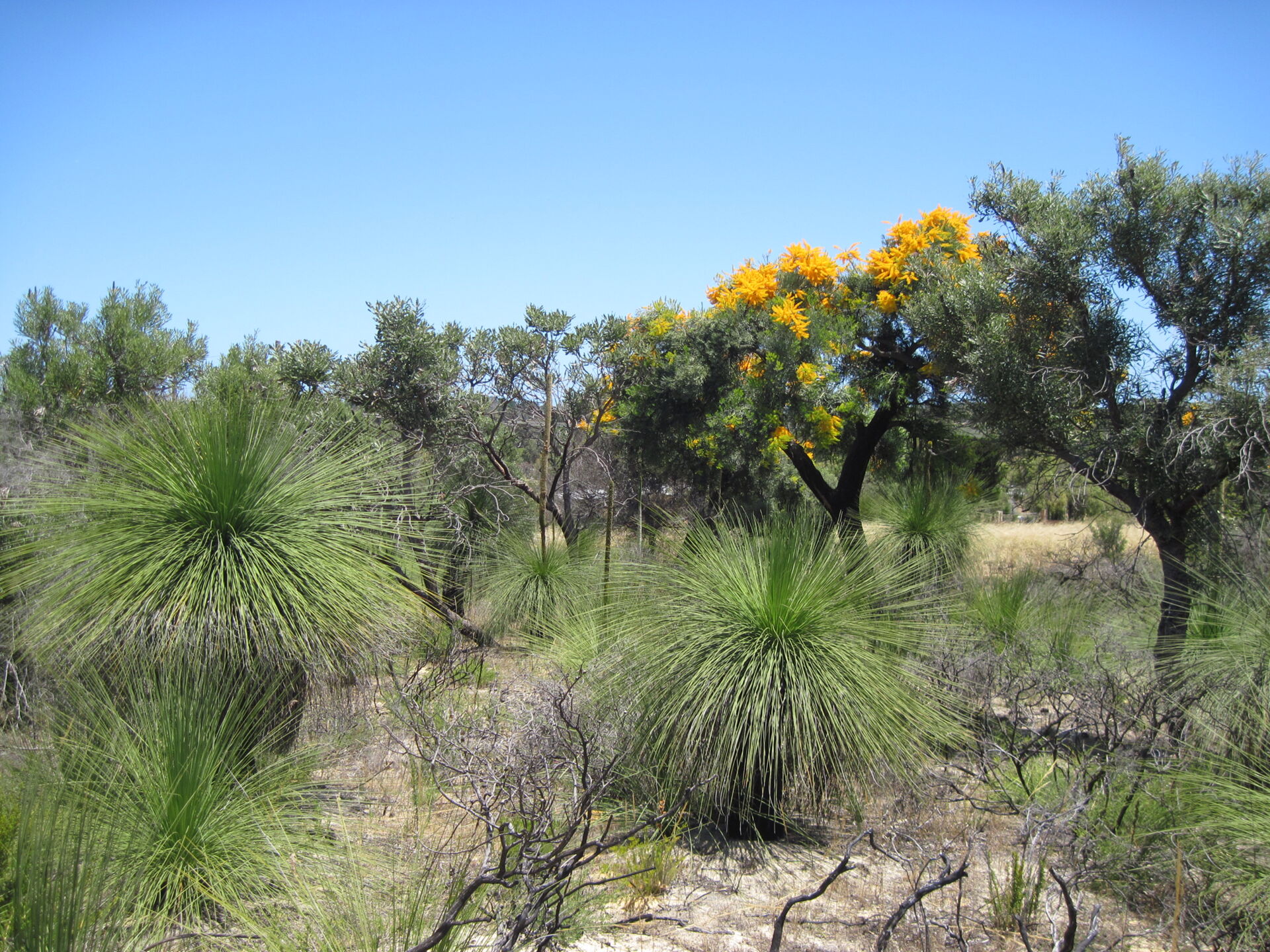
Sparse woodland formation near Geraldton in Australia, with balga grass tree (Xanthorrhoea preissii), a distant relations of the Mediterranean asphodel (Asphodelus spp.) in the foreground, as well as a fully blooming Western Australian Christmas tree (Nuytsia floribunda), a hemi-parasitic species of the Loranthaceae family similar to the oak mistletoe (Loranthus europaeus).
Lorenzo Cecchi | Rights reservedAlthough each of these environments has its own specific flora and fauna, similar climate factors trigger similar adaptation strategies, generating the same extraordinary wealth of shapes, colours and tastes, albeit in different groups of organisms.
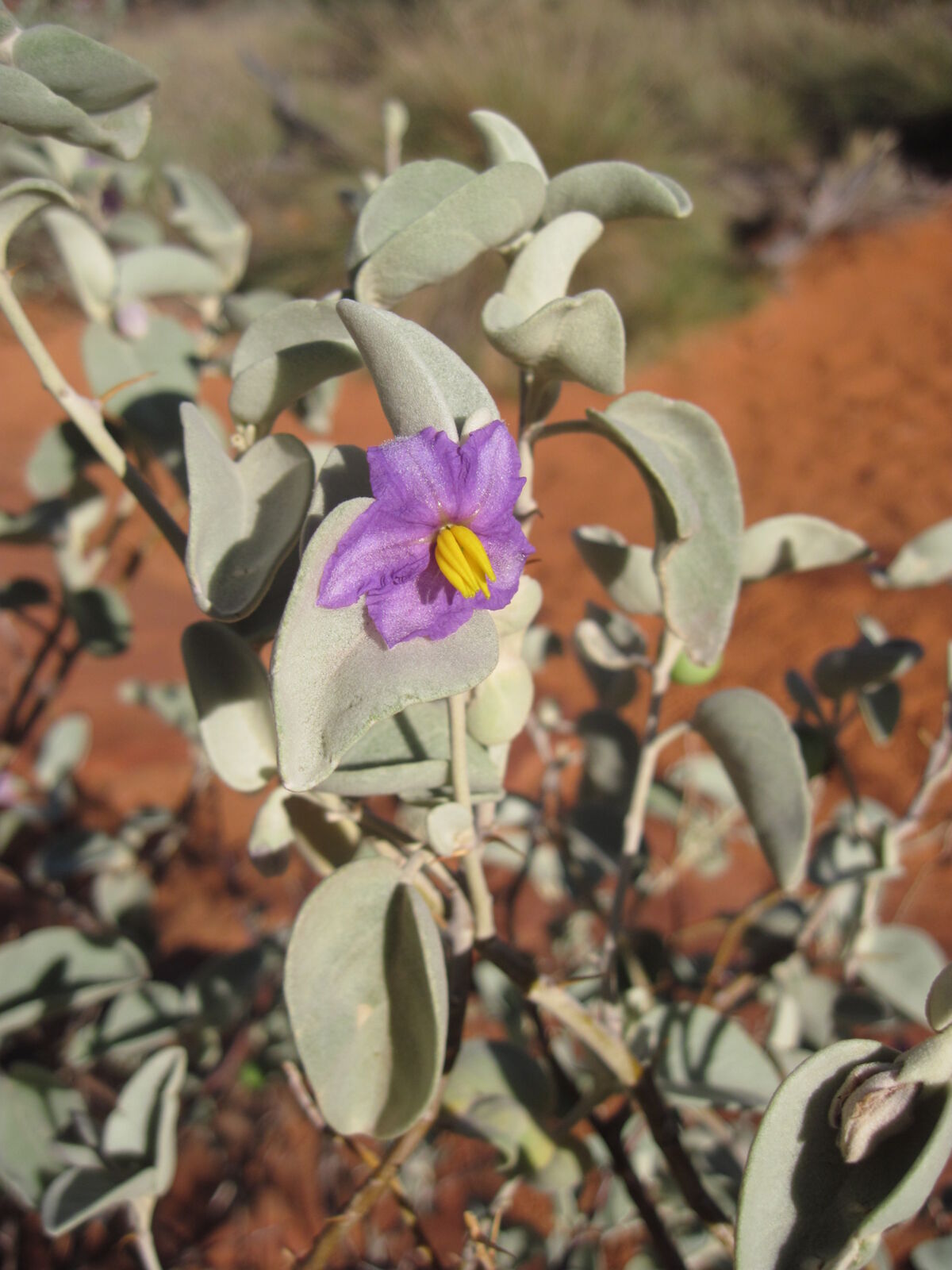
Some examples of this are the Australian wild tomato (Solanum orbiculatum) and the true tomato (S. lycopersicum), originally from South America. Despite their geographical separation, they are both notably well adapted to dry conditions, their fruit are very similar and both can be cooked and eaten.
The effects of thousands of years of human action
Human interaction with the Mediterranean environments of Australia, South Africa and California also went on for thousands of years, but only in Europe this led to such an extensive domestication of nature.
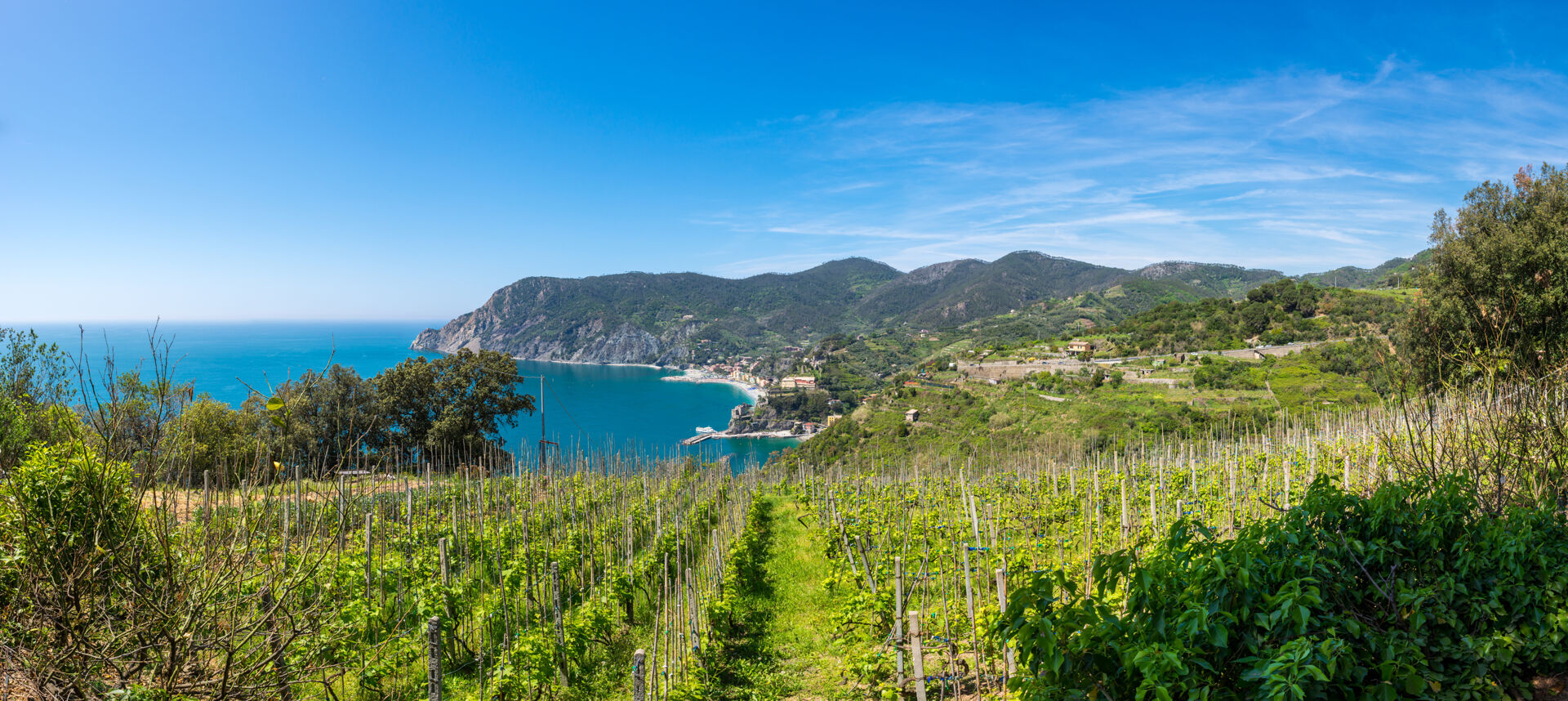
Here the introduction of animal rearing and agriculture produced substantial and at times even dramatic changes in the ecosystems and landscapes.
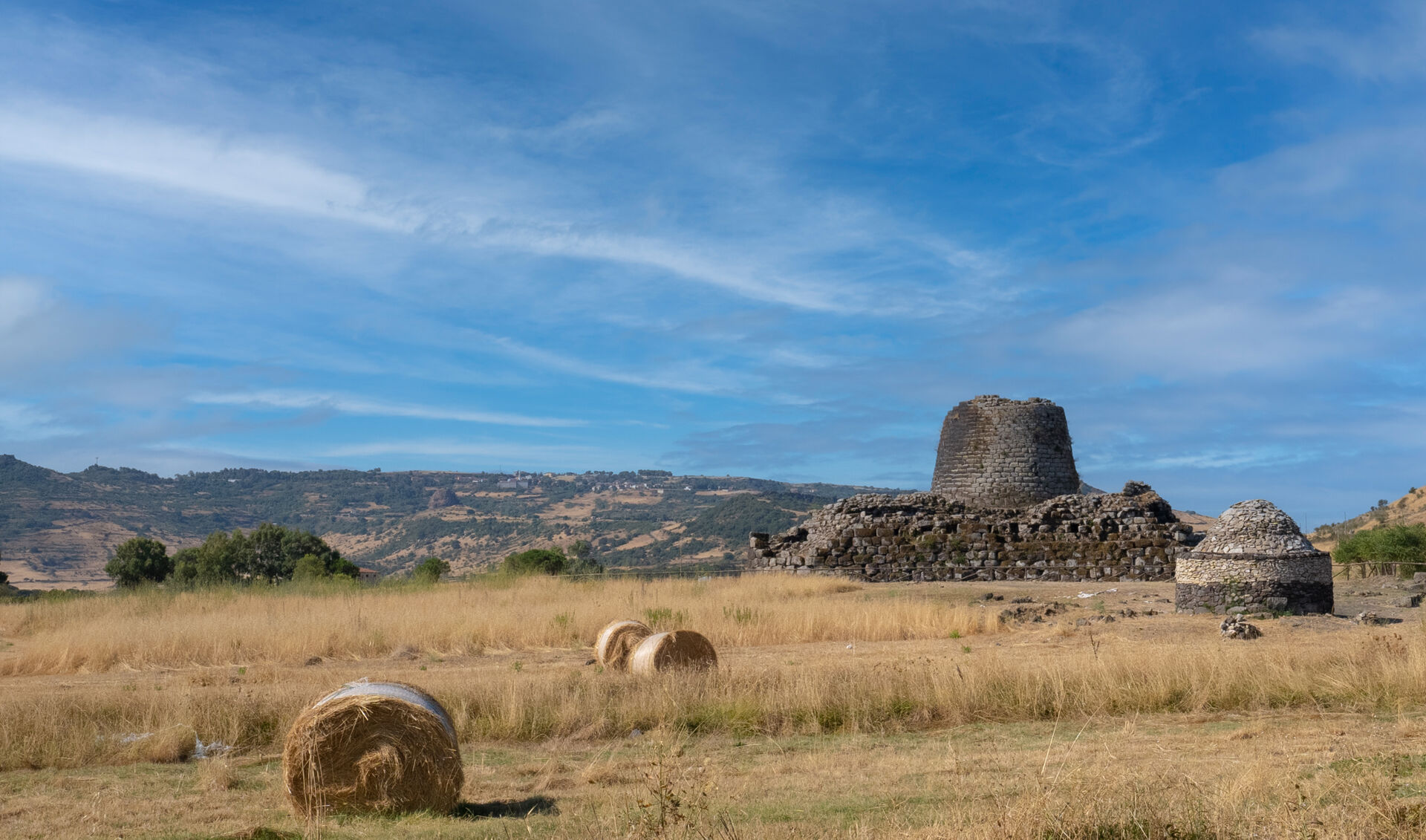
Once they stopped being hunter-gatherers and started living in the permanent settlements of the Neolithic period, also helped by the milder climate that followed the last glacial period, human beings gained access to vastly richer and more stable resources than in the past.
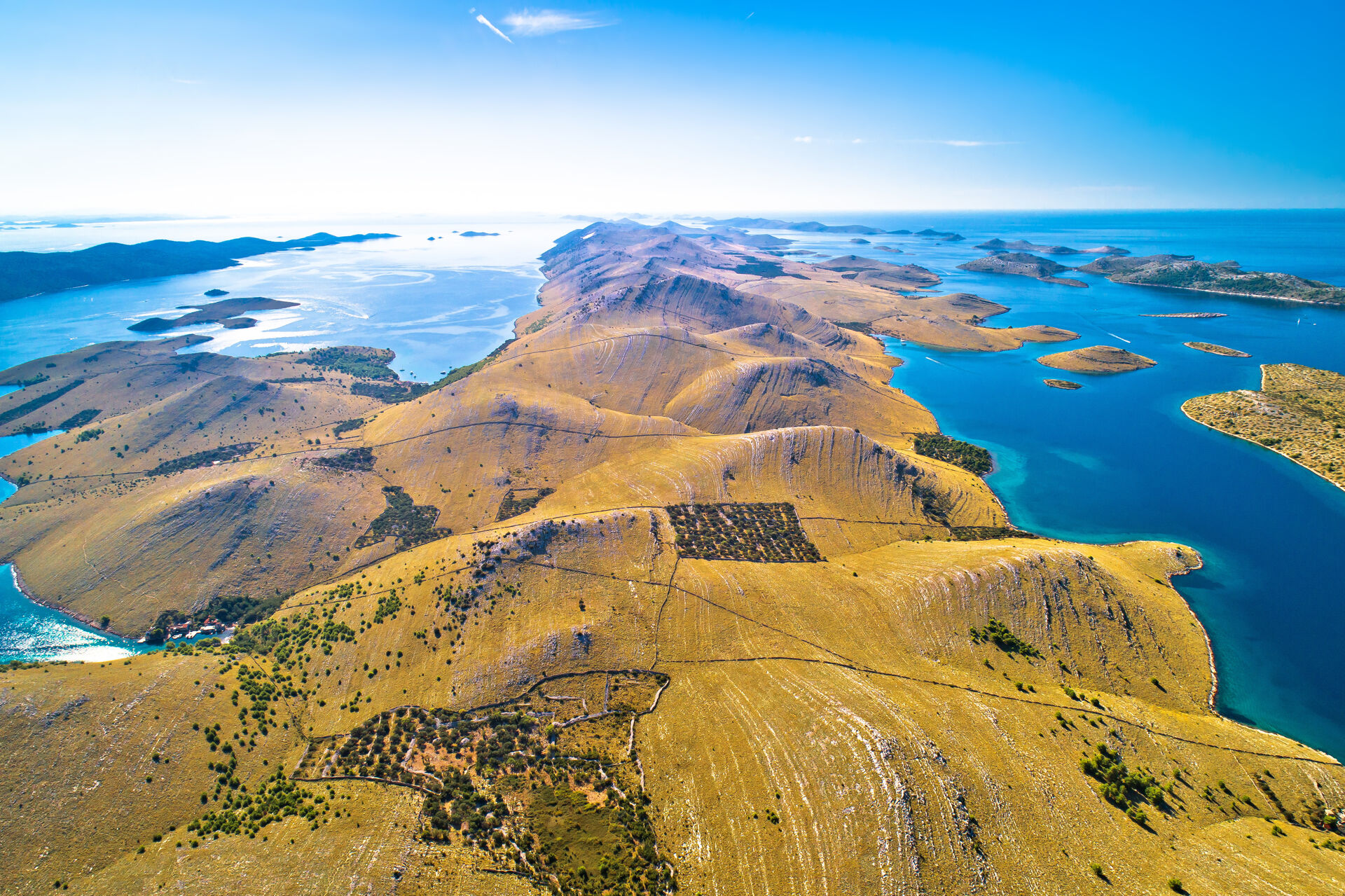
However, the use of fire to clear space for grazing and agriculture coupled with exploitation of resources that were always concentrated in the same places wrought often irreversible changes in the environment.
The biggest changes were to habitats: the reduction of some ecosystems rather than others, soil erosion, introduction of exotic species, selective transformation of flora and fauna in line with human needs and the development of domesticated breeds and varieties.
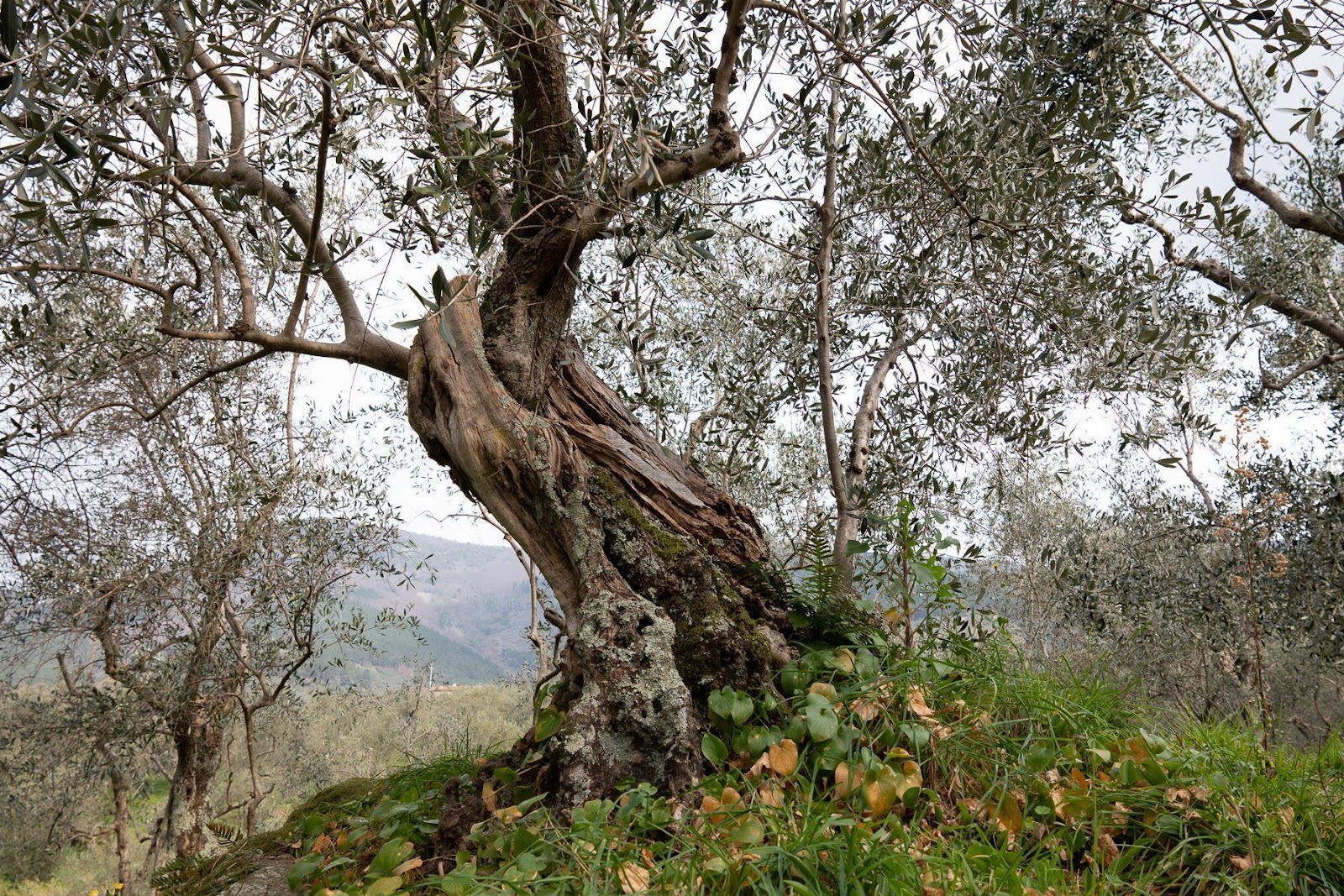
Olive Trees on Monte Serra, Calci (Tuscany)
Antonello Provenzale | Rights reservedPlants such as grapevines and wheat, as well as olive, carob, fig, manna ash and almond trees, are as important to botanists as they are to the history of humanity.
These typically Mediterranean species are capable of withstanding hot dry summers while yielding generous amounts of fruit and the sugary, fatty or starchy foods basic to the human and animal diet.
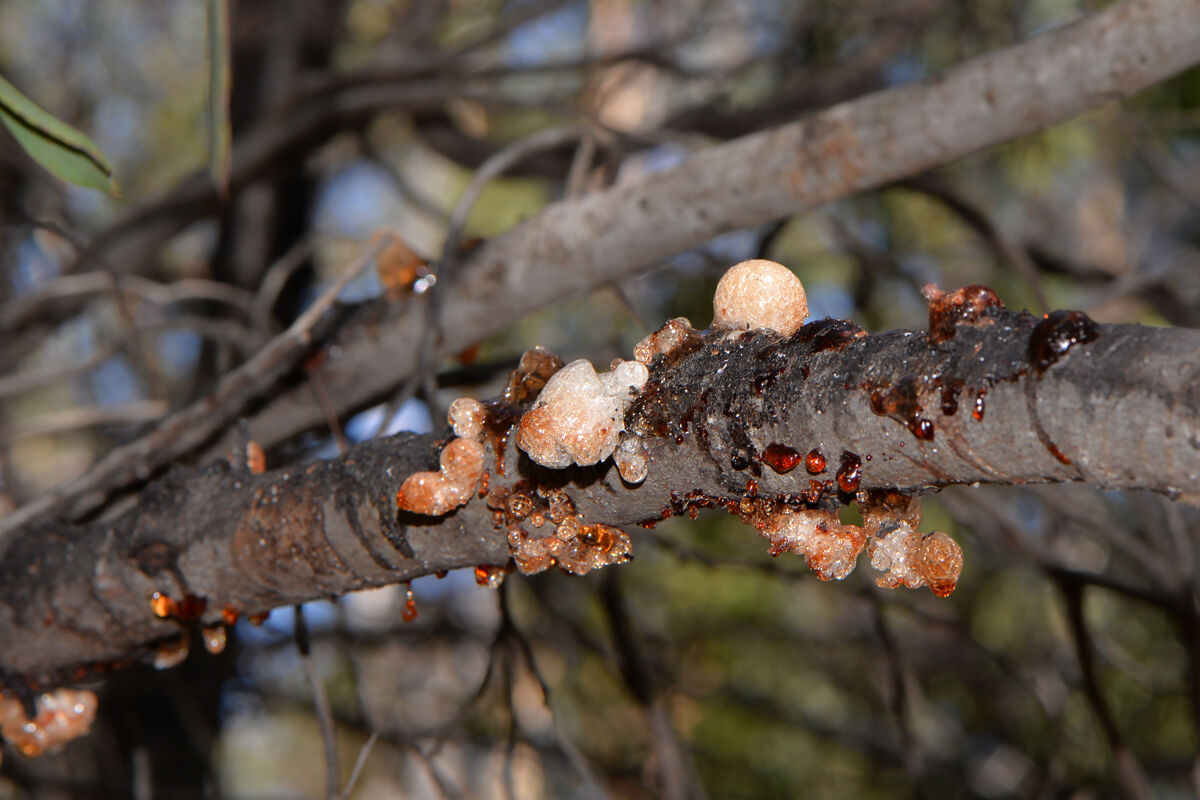
Manna produced by one of the many species of acacias of Australian bush or mallee (Acacia microbotrya)
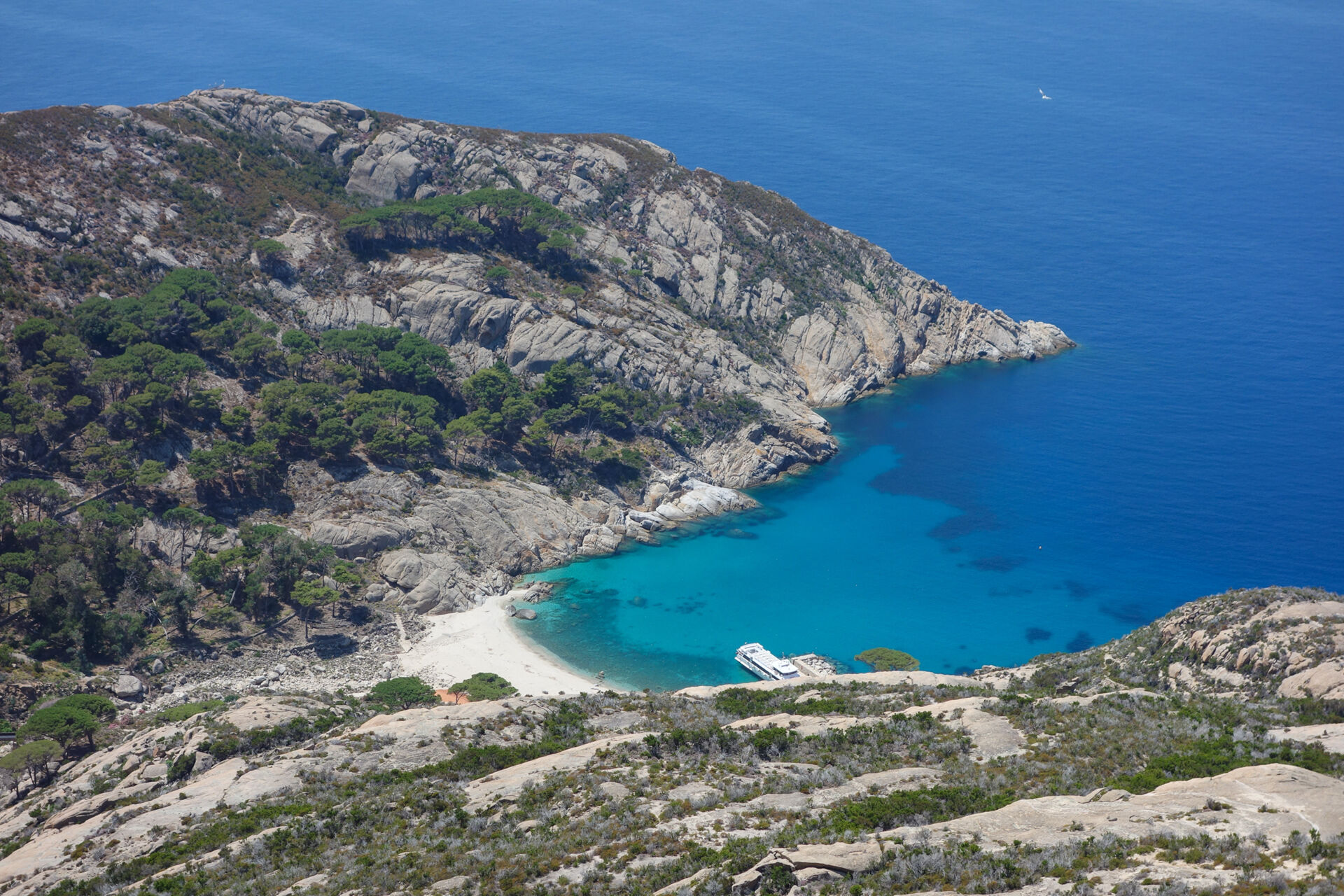
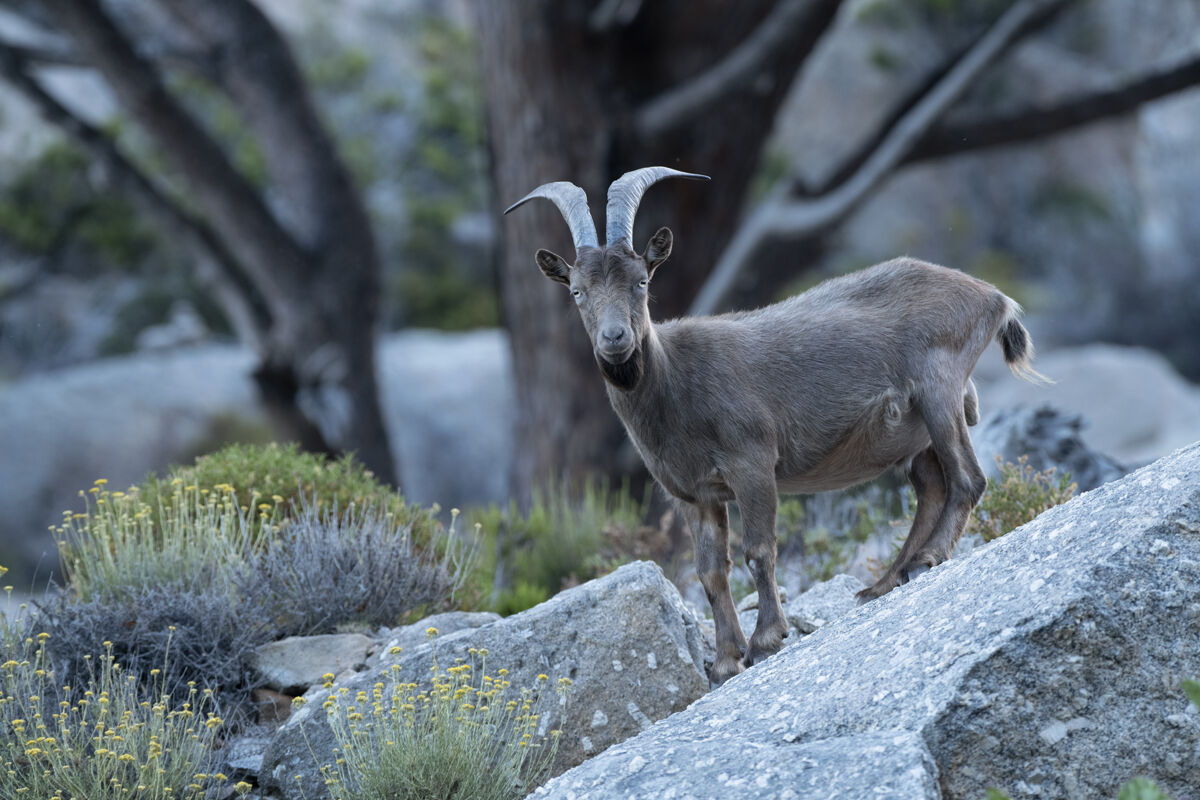
Human activities have had a considerable impact on Mediterranean fauna. One example is the introduction of the goat (Capra hircus) to the island of Montecristo.
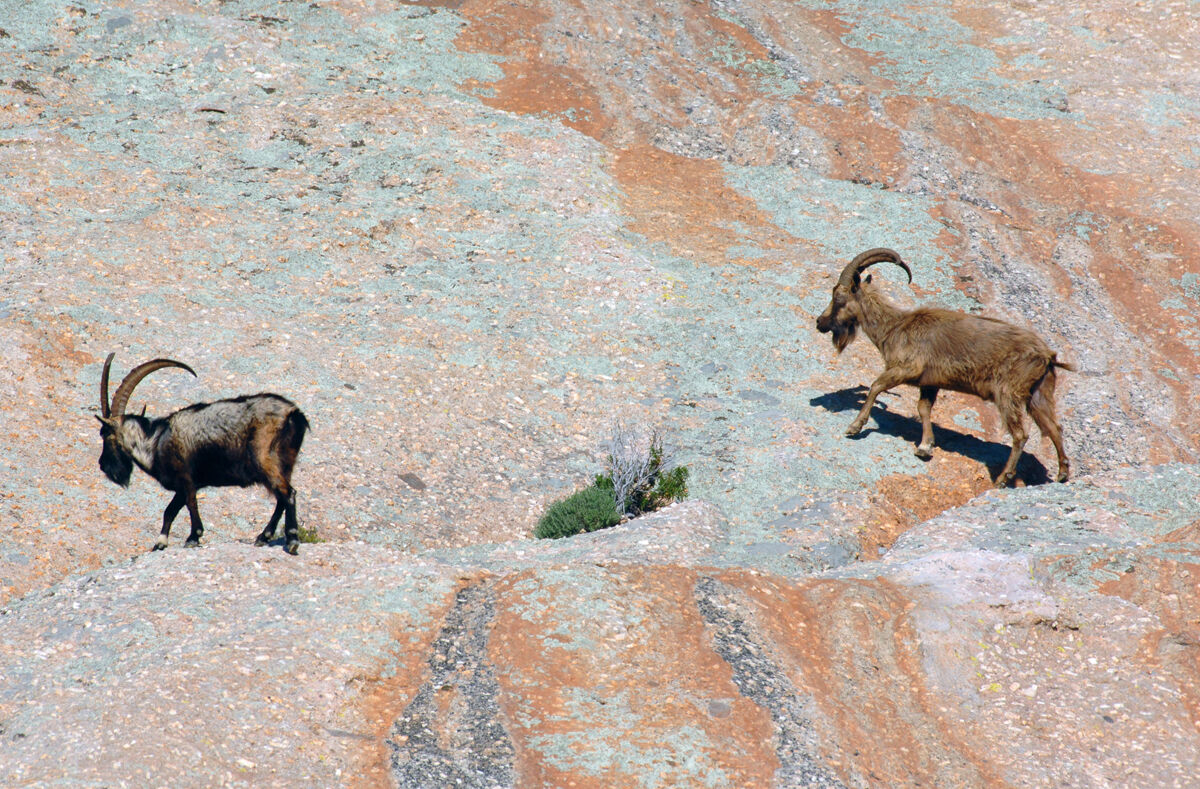
Exemplars were brought to the island in ancient times, probably from livestock involved in early attempts at domestication, and still retain many characteristics of the wild West Asian ibex (Capra aegagrus), widely considered to be the direct ancestor of the domesticated species.
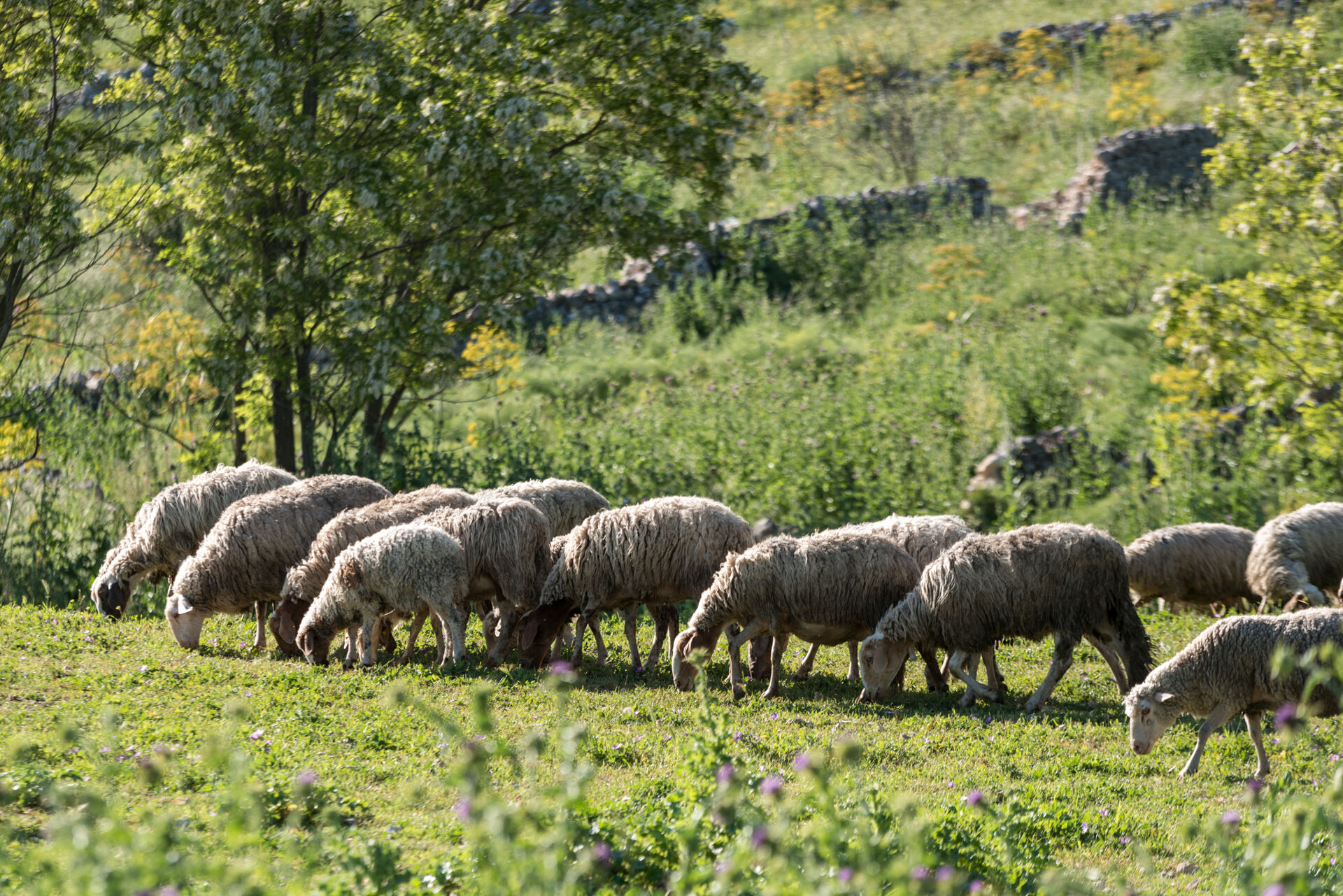
Grazing sheep
buonvento | Rights reserved | Adobe StockSheep, on the other hand, were among the first animals to be domesticated, probably as early as the start of the Neolithic period.
Undemanding, mild-mannered and very adaptable, sheep are possibly only second to goats in their ability to adapt to dry pastures and a wide variety of foods.
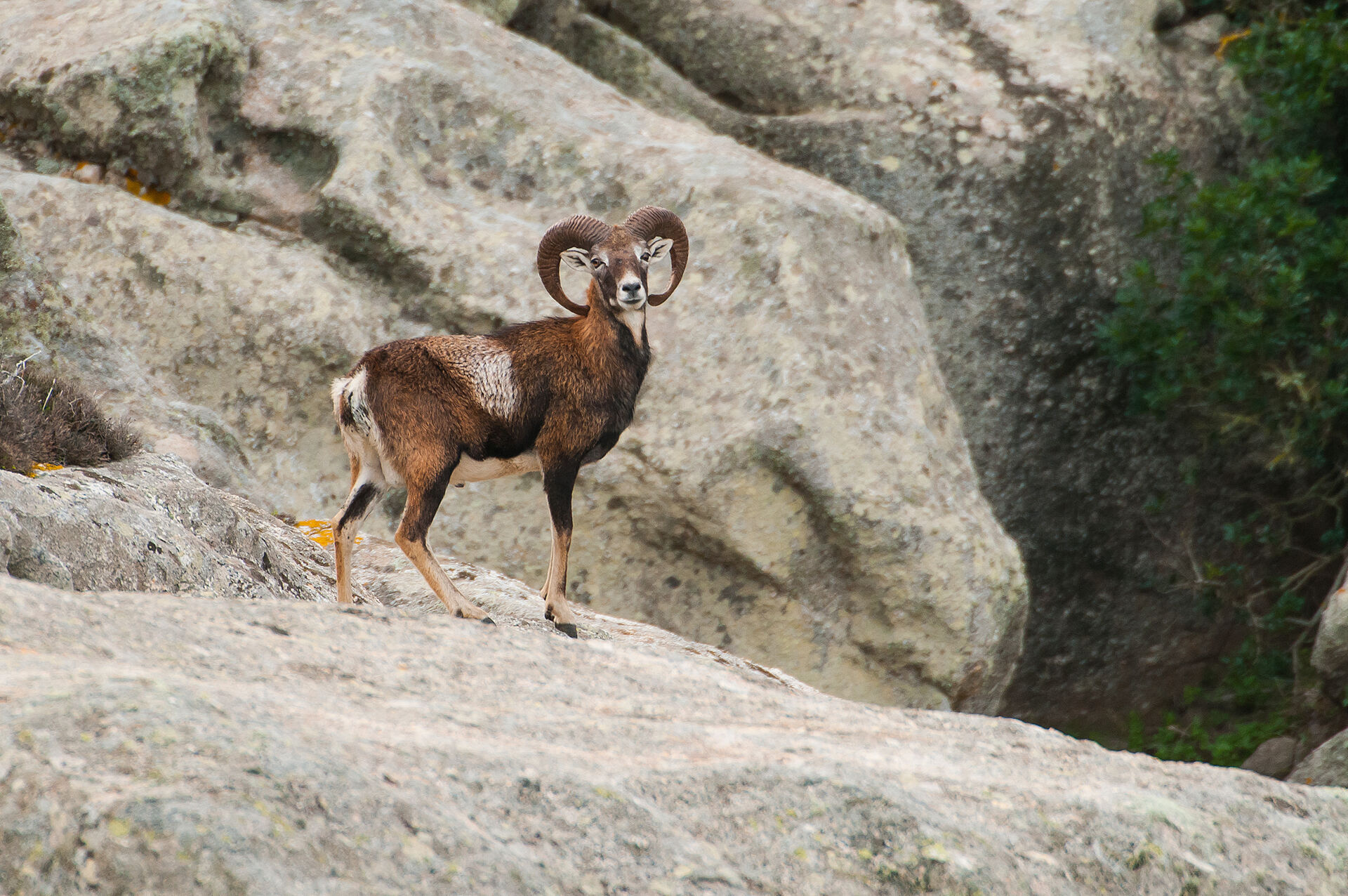
Mouflon, Sardinia
maurosanna | Rights reserved | Adobe StockThe mouflon (Ovis orientalis musimon) is another interesting case. As genetic research has shown, this typically Sardinian animal is in fact a descendant of ancient domesticated herds that later became wild.
Mediterranean scents
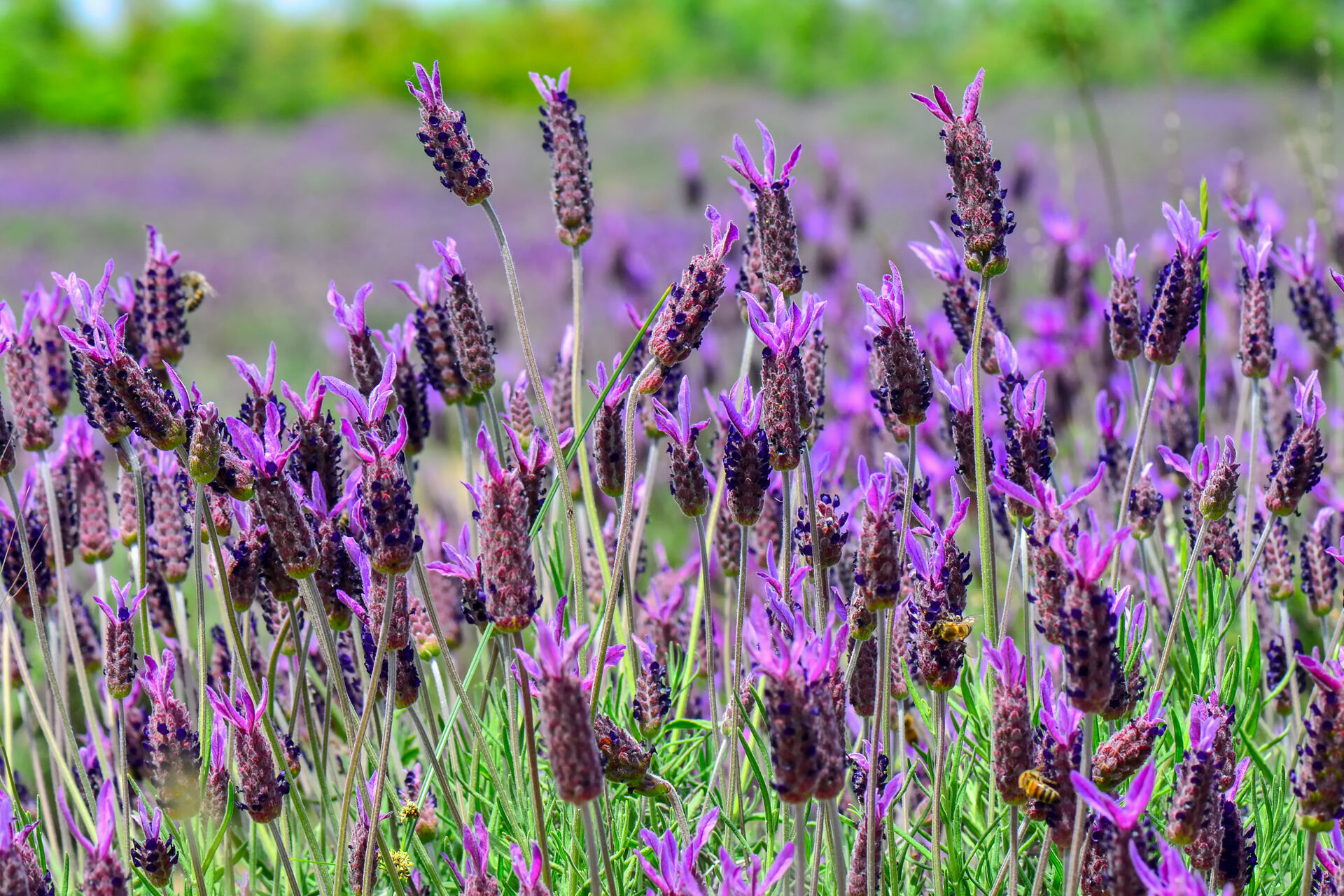
Lavender (Lavandula stoechas)
Yasin | Rights reserved | Adobe StockMediterranean environments are notable for their strong scents.
Together with wheat, vines and olives, plant species influencing the culture and development of ancient civilisations included the ‘aromatic’ plants, deserving of special mention.
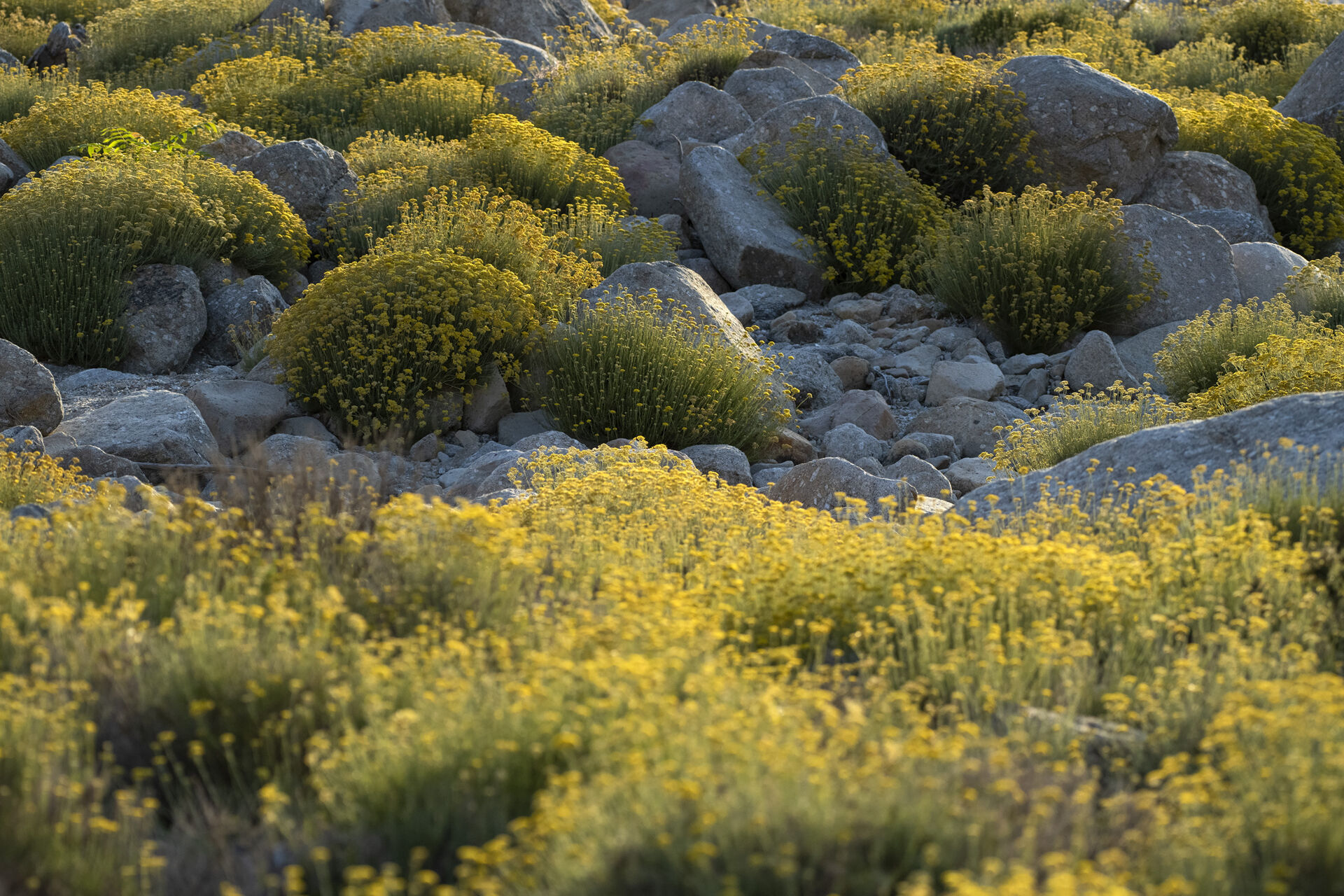
Curry plant (Helichrysum italicum)
Giacomo Radi | Rights reserved | Adobe StockAromatic plants are often shrubs or woody species growing in rocky soil that have come to typify these environments thanks to the scent of the essences they developed for defensive purposes. They have become an integral part of the diet and culture of Mediterranean peoples.
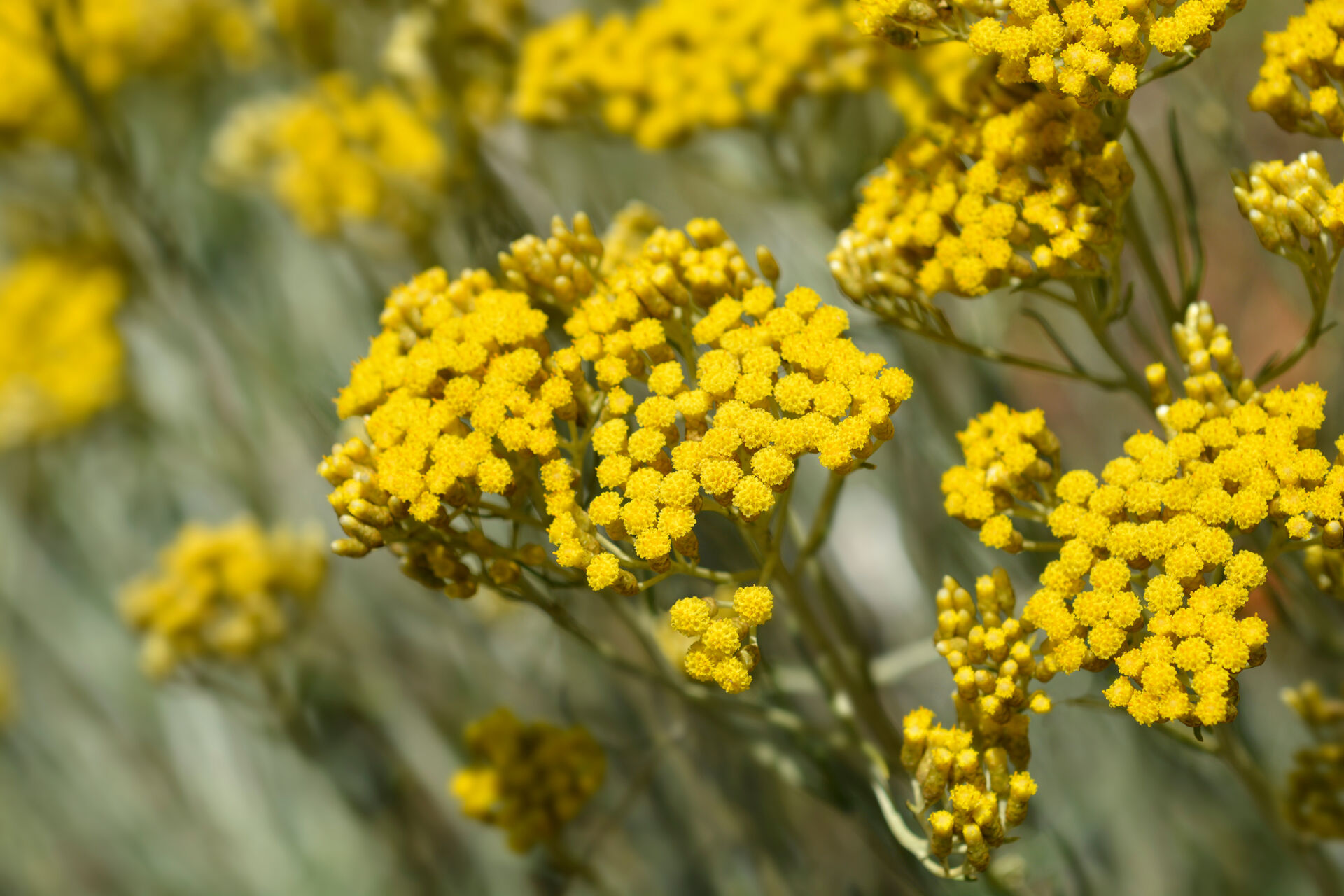
Curry plant (Helichrysum italicum)
nahhan | Rights reserved | Adobe StockSuch plants include rosemary (Salvia rosmarinus), sage (Salvia officinalis), thyme (Thymus serpyllus), lavender (Lavandula stoechas and other species) and the curry plant (Helichrysum italicum and other species).
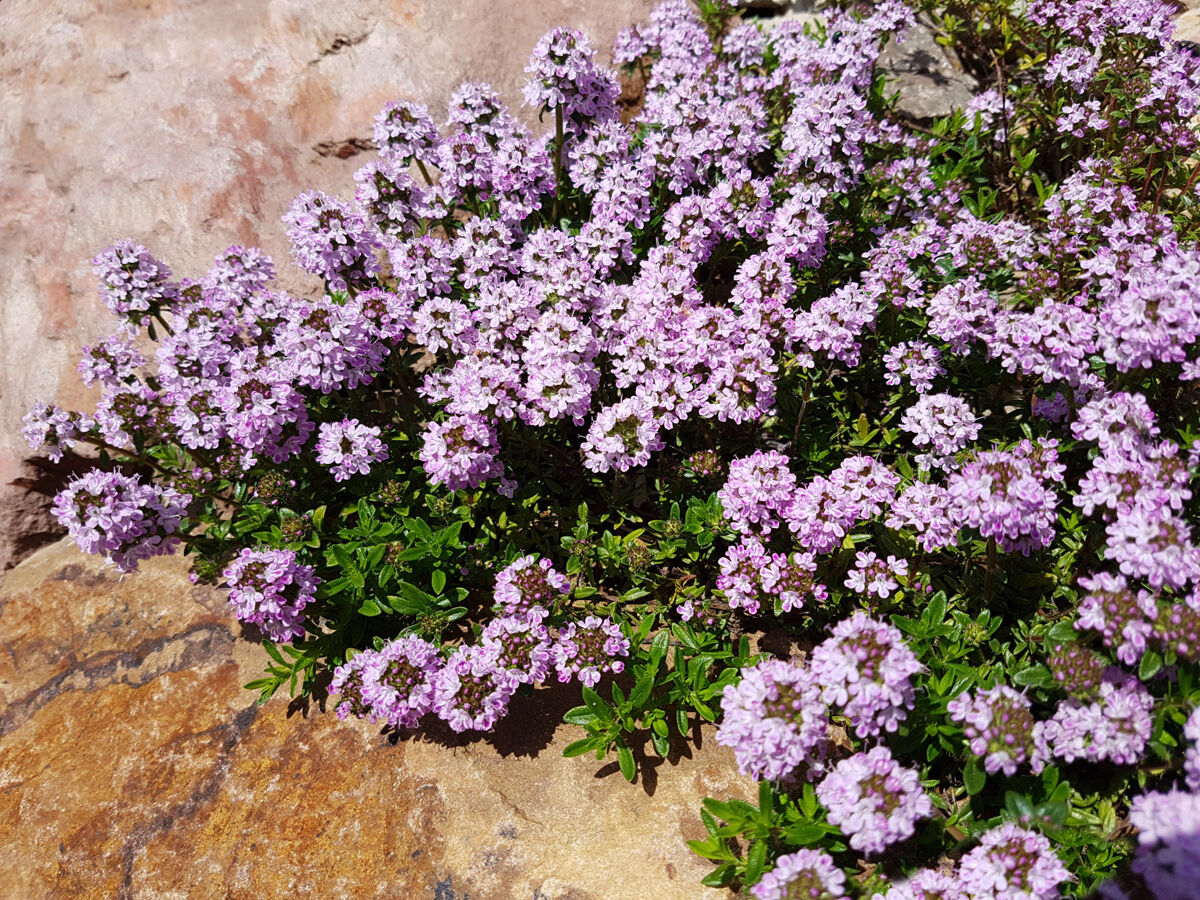
Thymus serpyllus
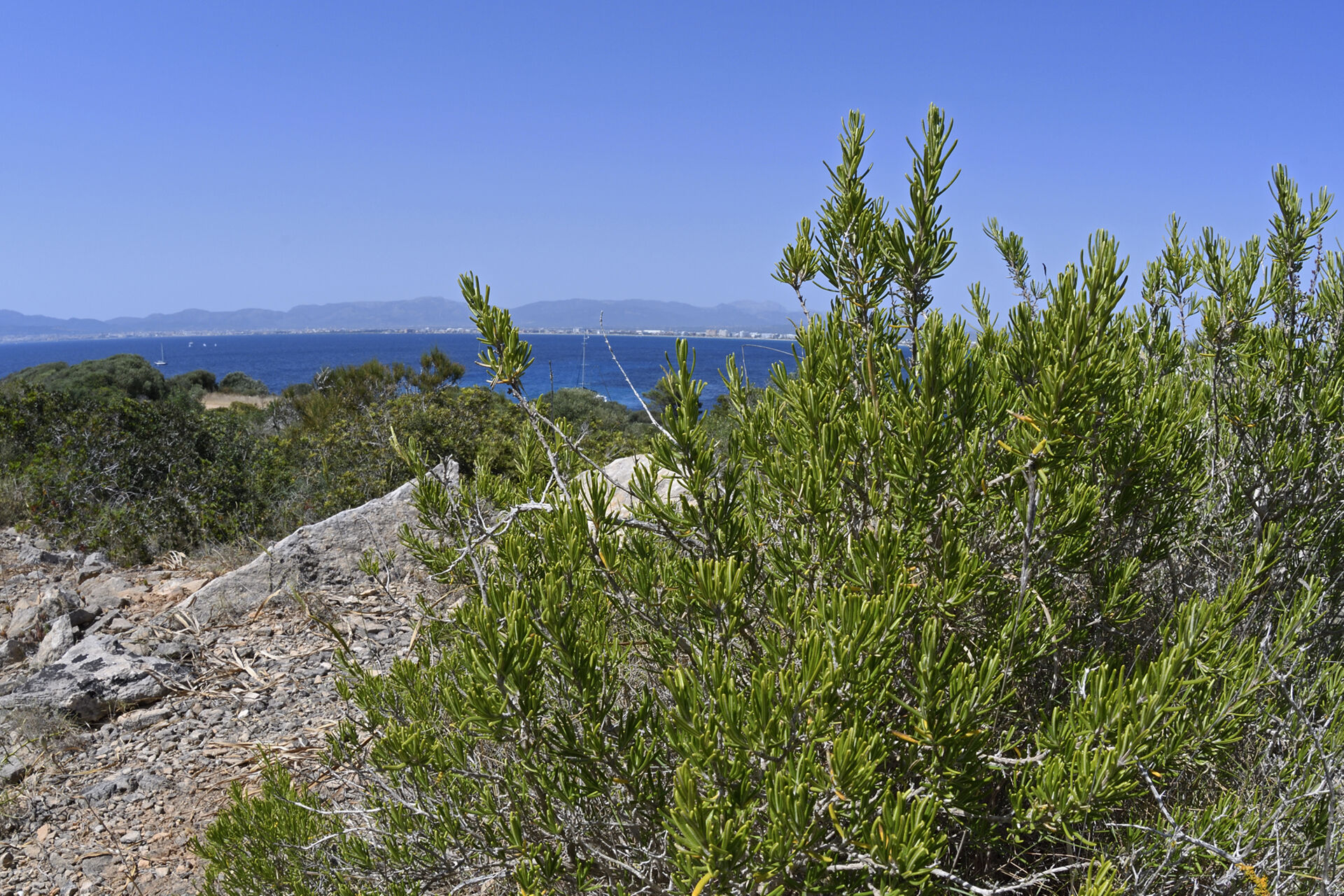
Rosemary (Salvia rosmarinus)
Nicola Destefano | Rights reservedRosemary (Salvia rosmarinus) in particular can sometimes be found as the prevalent plant in the Mediterranean coastal ecosystems it typifies.
Rosemary grows flat on the ground on Marettimo, one of the Aegadian Islands to the west of Sicily, clinging to the rocks and pushing its roots into them.
This adaptation allows the plant to streamline itself against the blustery winds of the Sicilian Channel.
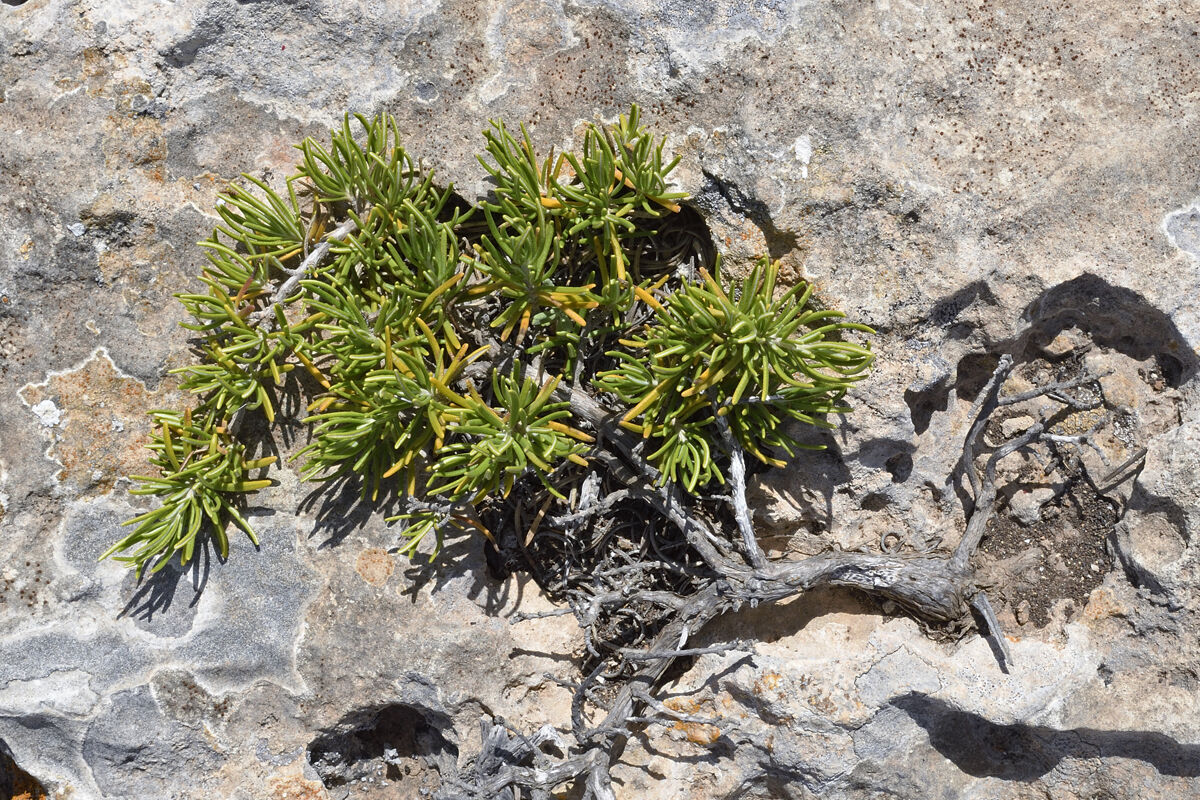
Rosemary (Salvia rosmarinus)
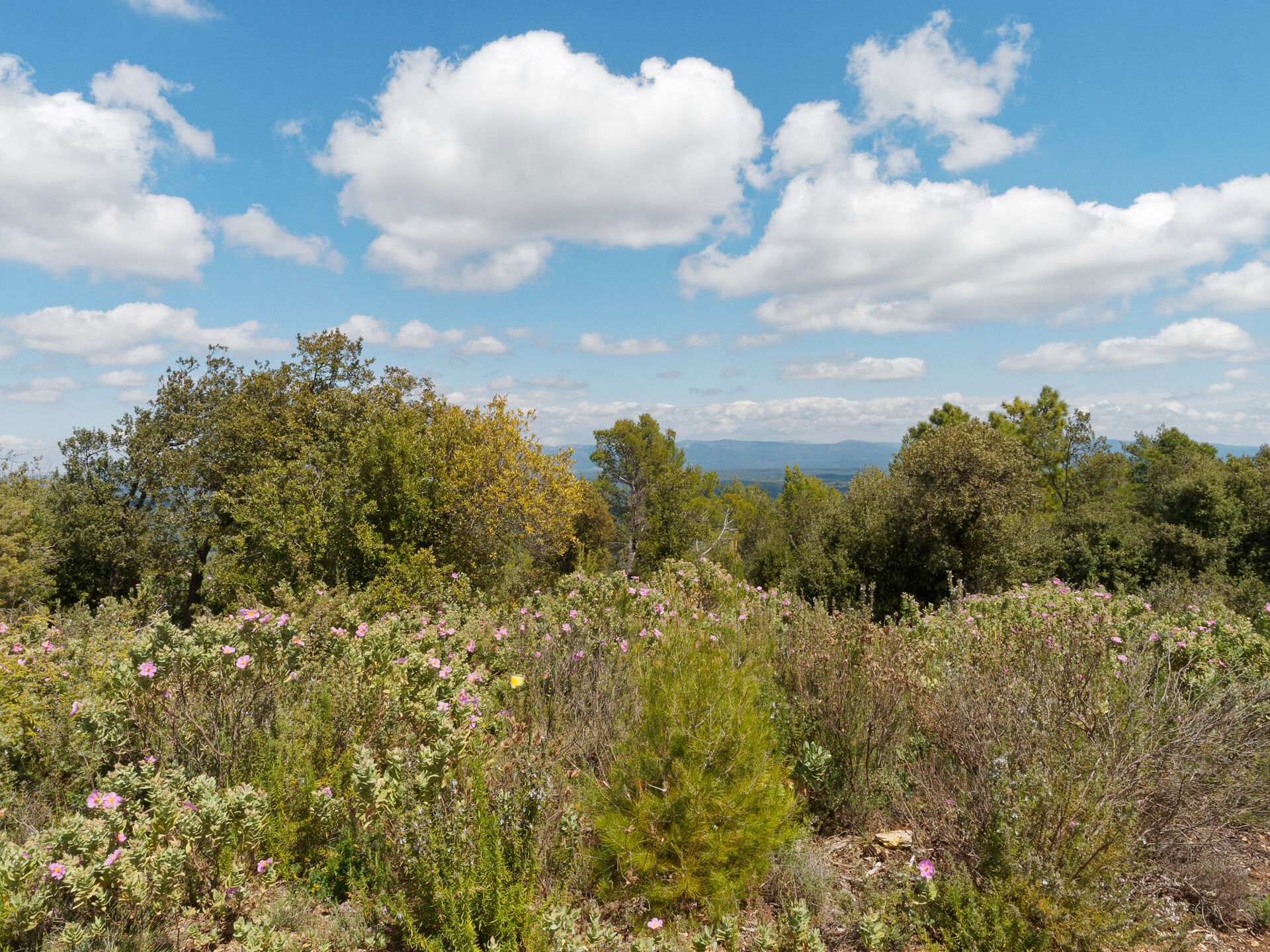
Mediterranean garrigue
Marc | Rights reserved | Adobe StockGarrigue is another typical Mediterranean environment.
Here small and low bushes typically grow sparsely, with wide expanses of earth either bare or populated by herbaceous plants.
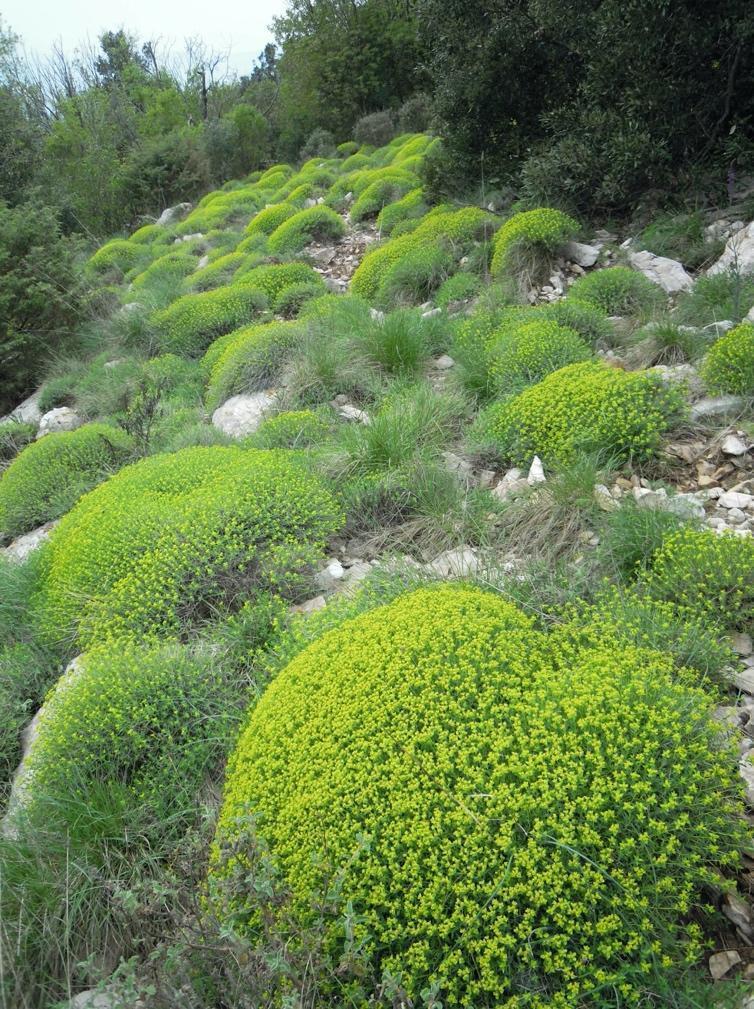
Euphorbia spinosa on Monte Calvi in Campiglia Marittima, southern Tuscany.
This environment is the degradation result of the Mediterranean maquis through fire or grazing.
Garrigue is mainly inhabited by plants that can tolerate aridity, with no single species tending to predominate over others.
Laterza Ravine LIPU Oasis and the relationship between the environment and human beings
Vittorio Giacoia and Manuel Marra (Laterza Ravine LIPU Oasis) explain how the Laterza ravine has been protected since 1984 and how the LIPU (Italian League for the Protection of Birds) has managed and protected the area since 1999 thanks to an agreement concluded with the Municipality of Laterza and the Province of Taranto.
They tell us how the relationship between human beings and nature in the Laterza ravine has changed over recent decades and stress the importance of knowledge for safeguarding biodiversity.
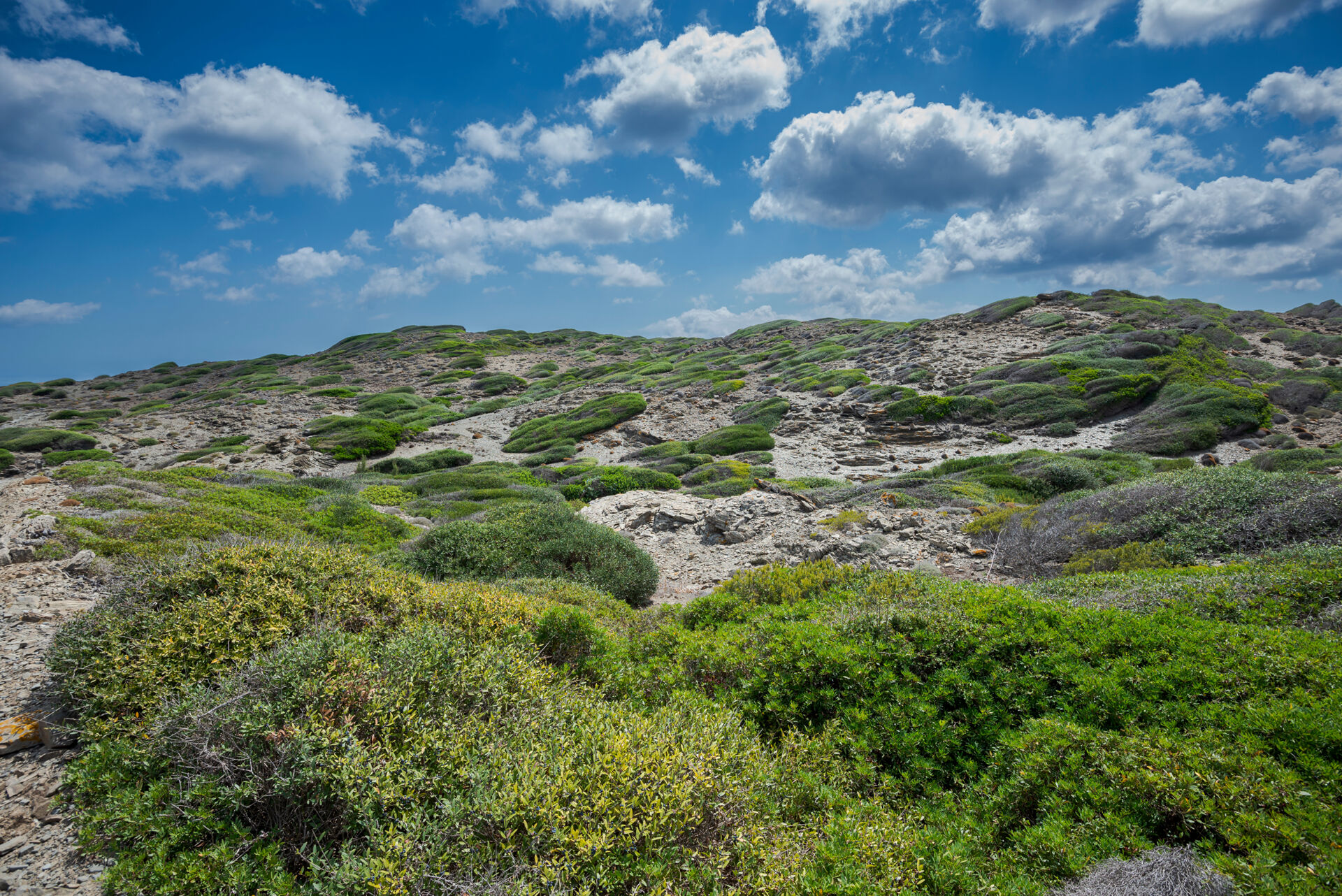
Euphorbia spinosa, typically growing in magnesium-rich soils, is a common sight in garrigue areas.
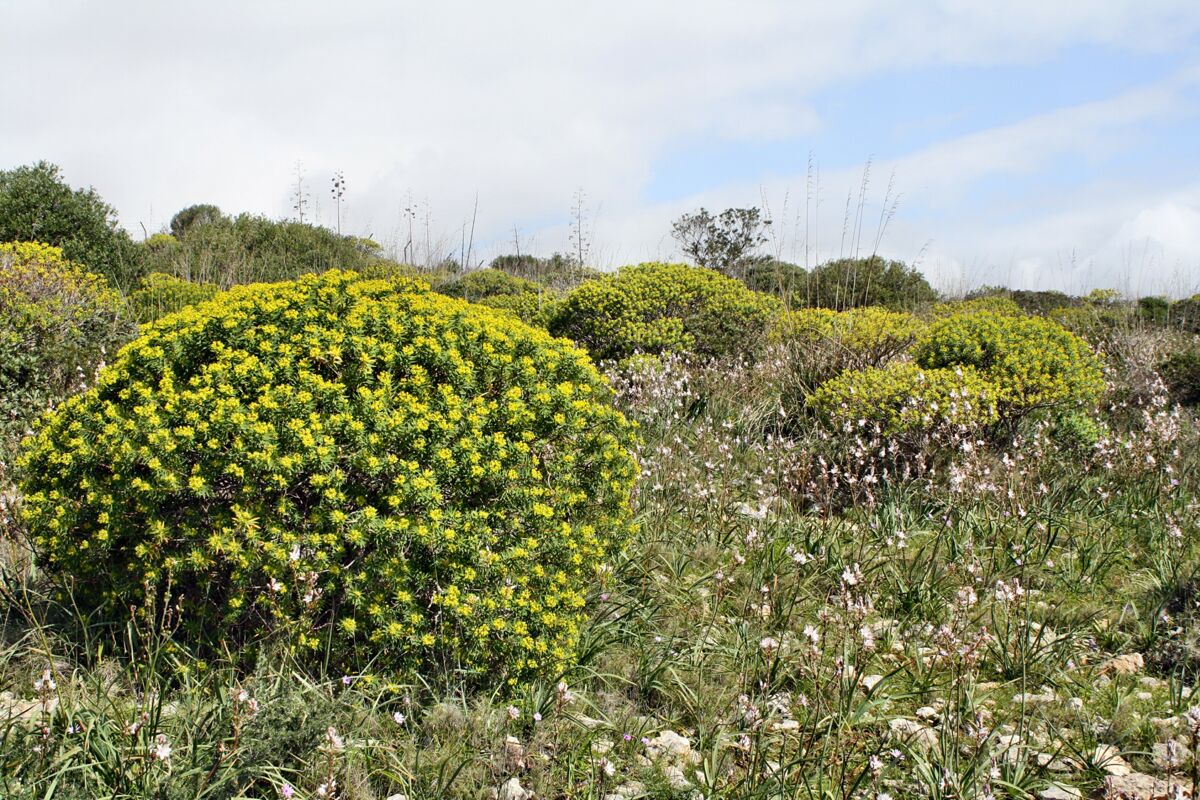
Euphorbia spinosa
Perennials can resist during the very dry summers by reducing their vital functions to a minimum. Many other species (therophytes) instead opt to shorten their reproductive cycle, surviving the dry season only as seeds.
The white-leaved bugloss (Echium albicans), for example, concentrates most of its life force into a short and abundant blooming in late spring.
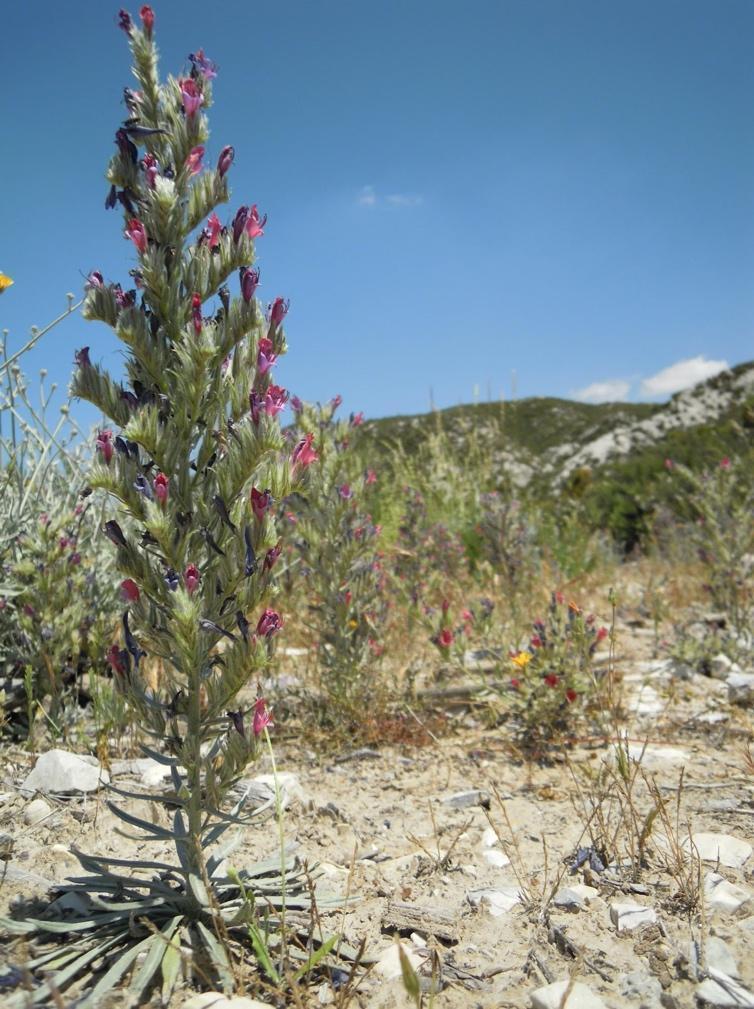
White-leaved bugloss (Echium albicans) on chalk deposits in Puertos de los Blancares, Andalusia (southern Spain)
The tree spurge (Euphorbia dendroides) loses its foliage in summer to reduce transpiration and turns green again in autumn and winter.
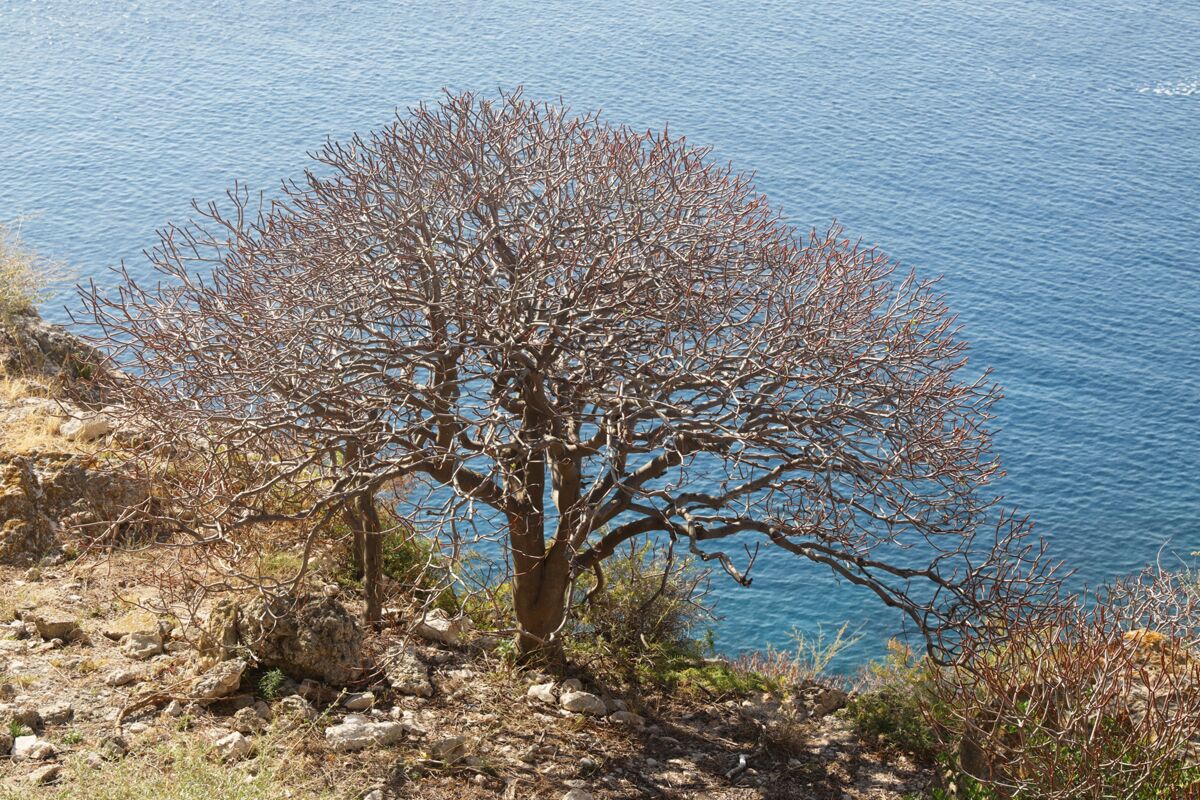
Tree spurge (Euphorbia dendroides)
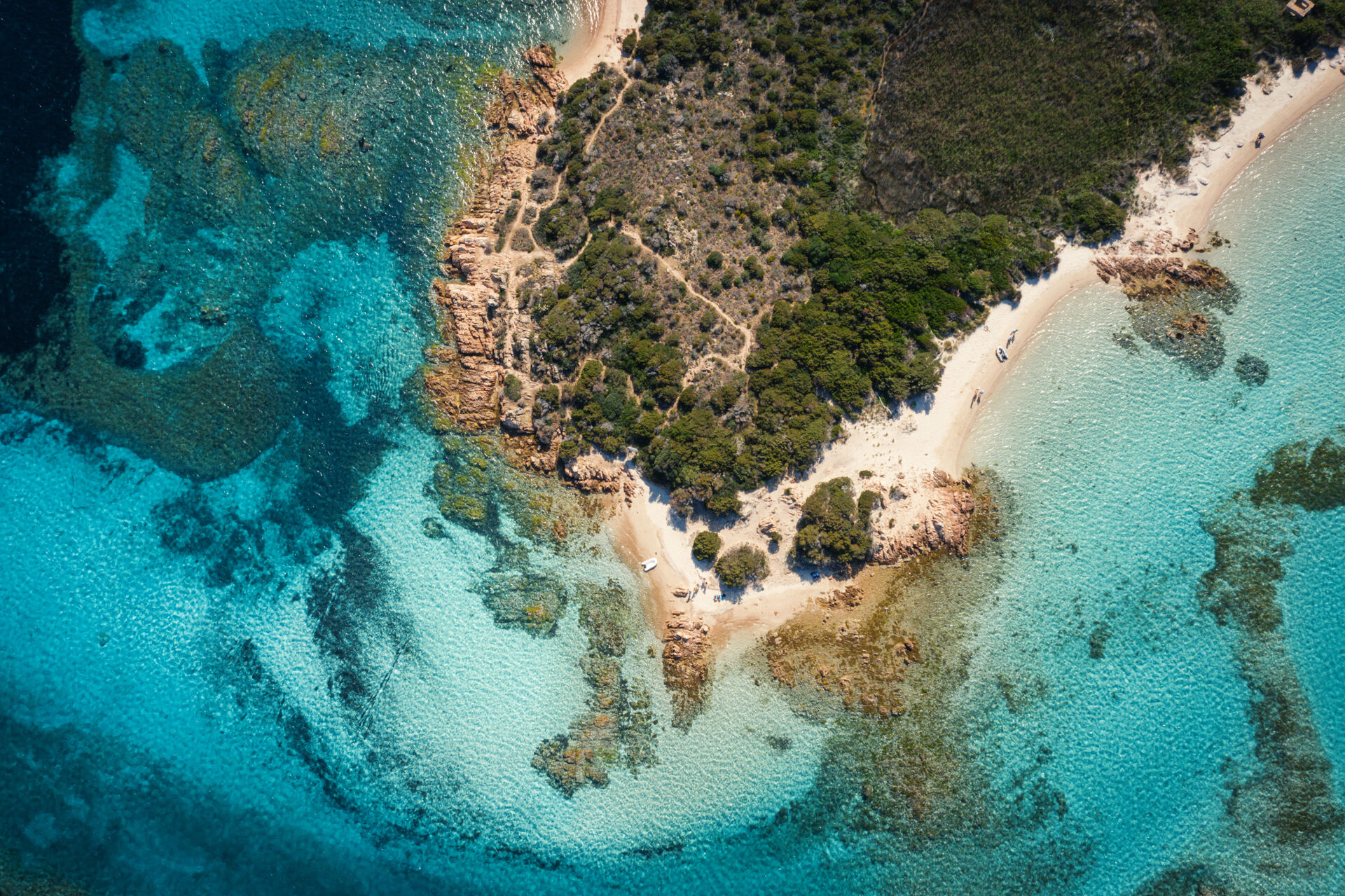
Sardinian coast
Felix | Rights reserved | Adobe StockThe yellow alkanet (Alkanna lutea) is a therophyte endemic to Sardinia, Corsica and the island of Montecristo, with an annual cycle that makes it a unique species of its type. It blooms abundantly for a short period, releases dozens of seeds onto the granite sand and then dies, relying entirely on its seeds to survive the summer.
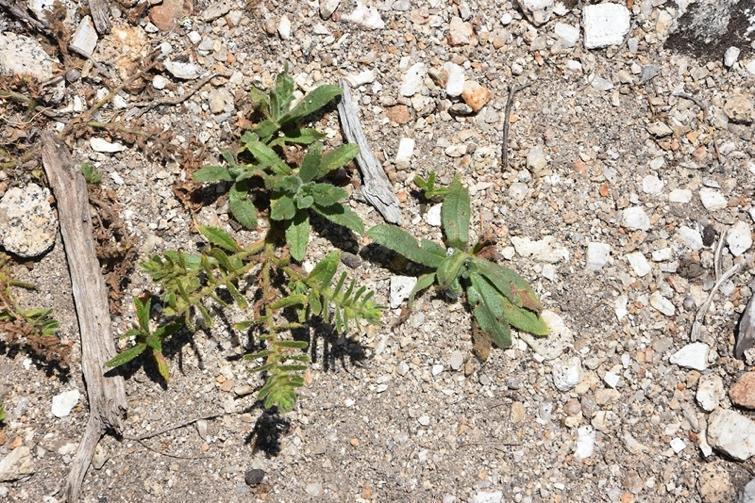
Alkanna lutea
Dwarf garlic (Allium chamaemoly) is a compendium of adaptations to aridity.
The fact that it is very small and stemless allows the plant to concentrate its resources, mostly to develop its reproductive organs. It survives the summer season in the form of an underground bulb and is therefore defined as a bulbous geophyte.
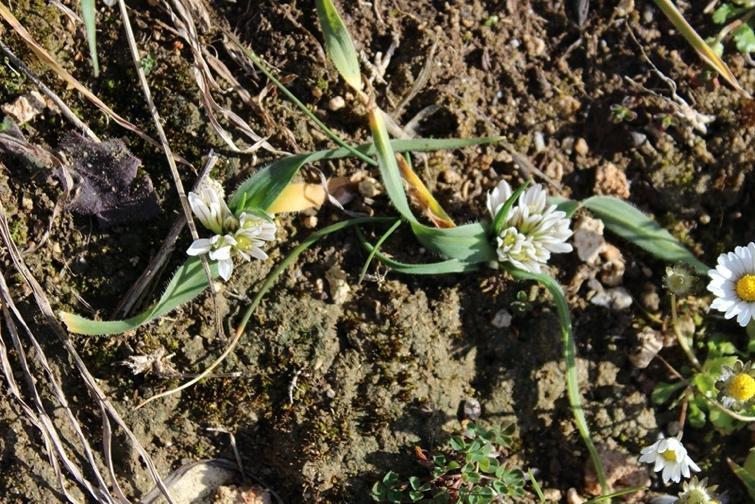
Dwarf garlic (Allium chamaemoly)
Plant adaptations to dry and sunny conditions include developing specialised structures on the leaves, such as hairs and trichomes to reflect light, as well waxy layers and thorns to reduce water loss.
Biodiversity loss in Mediterranean environments
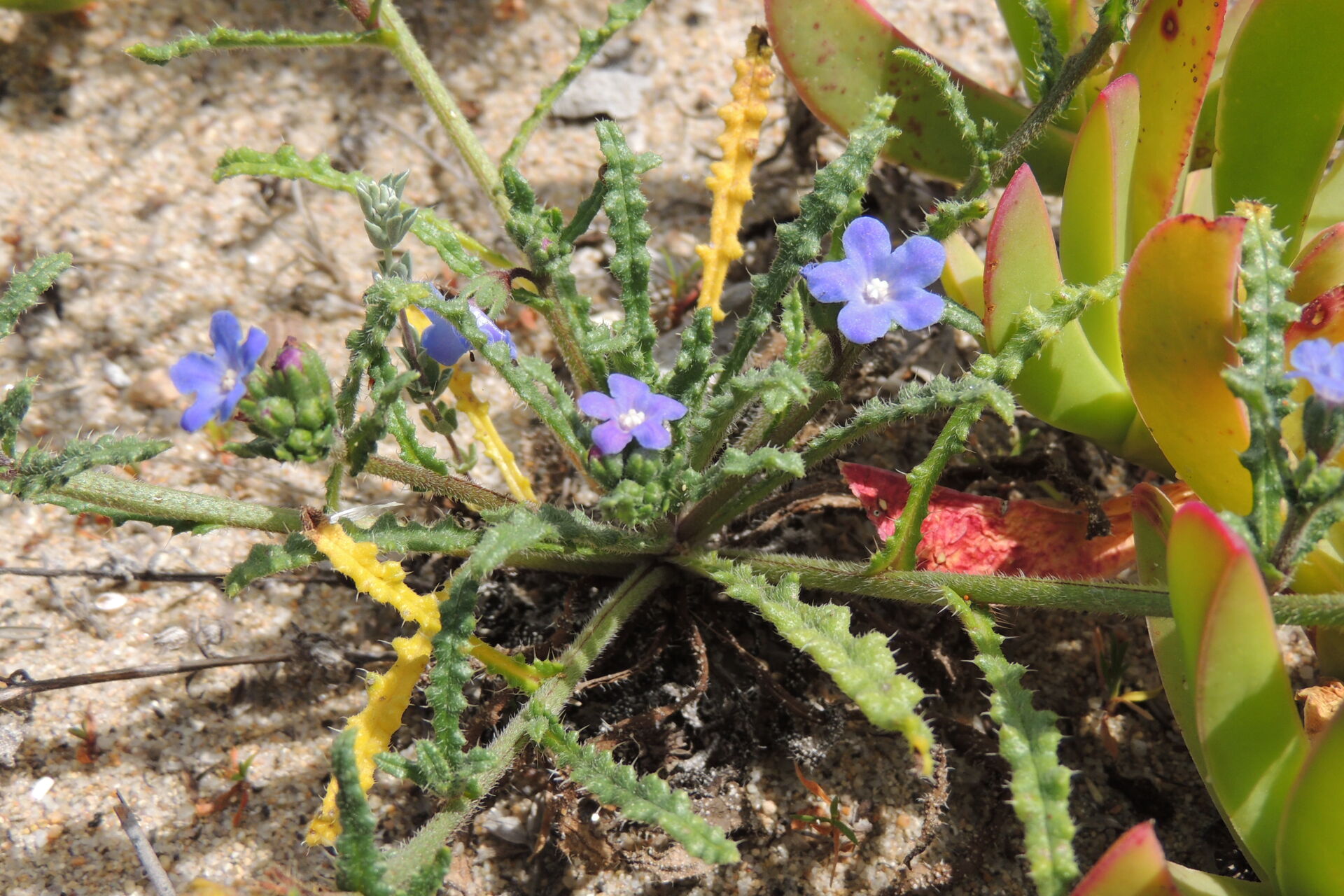
Anchusa crispa subsp. maritima (Vals.) Selvi & Bigazzi. Species classified by IUCN as endangered in Italy.
Gallieno Corona | CC BY-NC-ND 4.0 | Acta PlantarumLoss of biodiversity is a major environmental issue requiring urgent attention. Biodiversity provides important benefits for all human societies.
An important example concerns the preservation of ethnobotanical knowledge, which has been an intangible heritage of populations for thousands of years.
By adopting the Nagoya Protocol, since 2011 the international community highlighted that natural and cultural heritage are strictly linked. Indigenous peoples have knowledge of natural resources stretching back for thousands of years and have kept this knowledge alive by passing it on. Any use of such resources must therefore involve them.
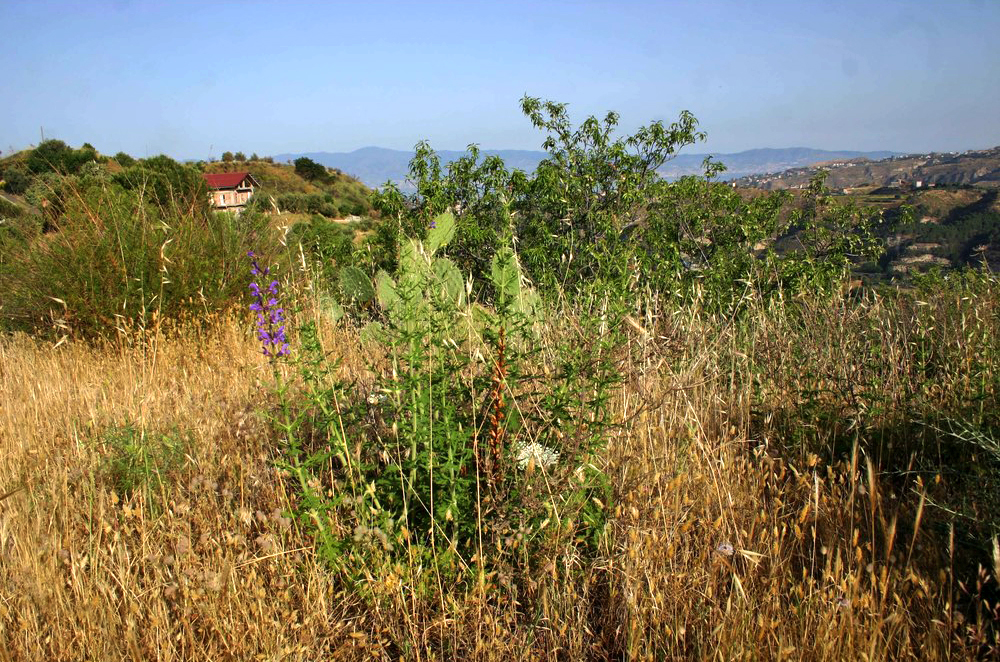
Salvia cerathophylloides
Survival of rare species is often linked to residual environments, in other words small portions of ecosystems that were once much more widespread.
A case in point is Salvia cerathophylloides, a unique sage species that was considered extinct for almost a century, endemic to the Aspromonte area.
Very small nuclei of the species were discovered in 2004 in remote areas near Reggio Calabria. Since then, it has been cultivated in the Pietro Castelli Botanical Garden in Messina to ensure its conservation.
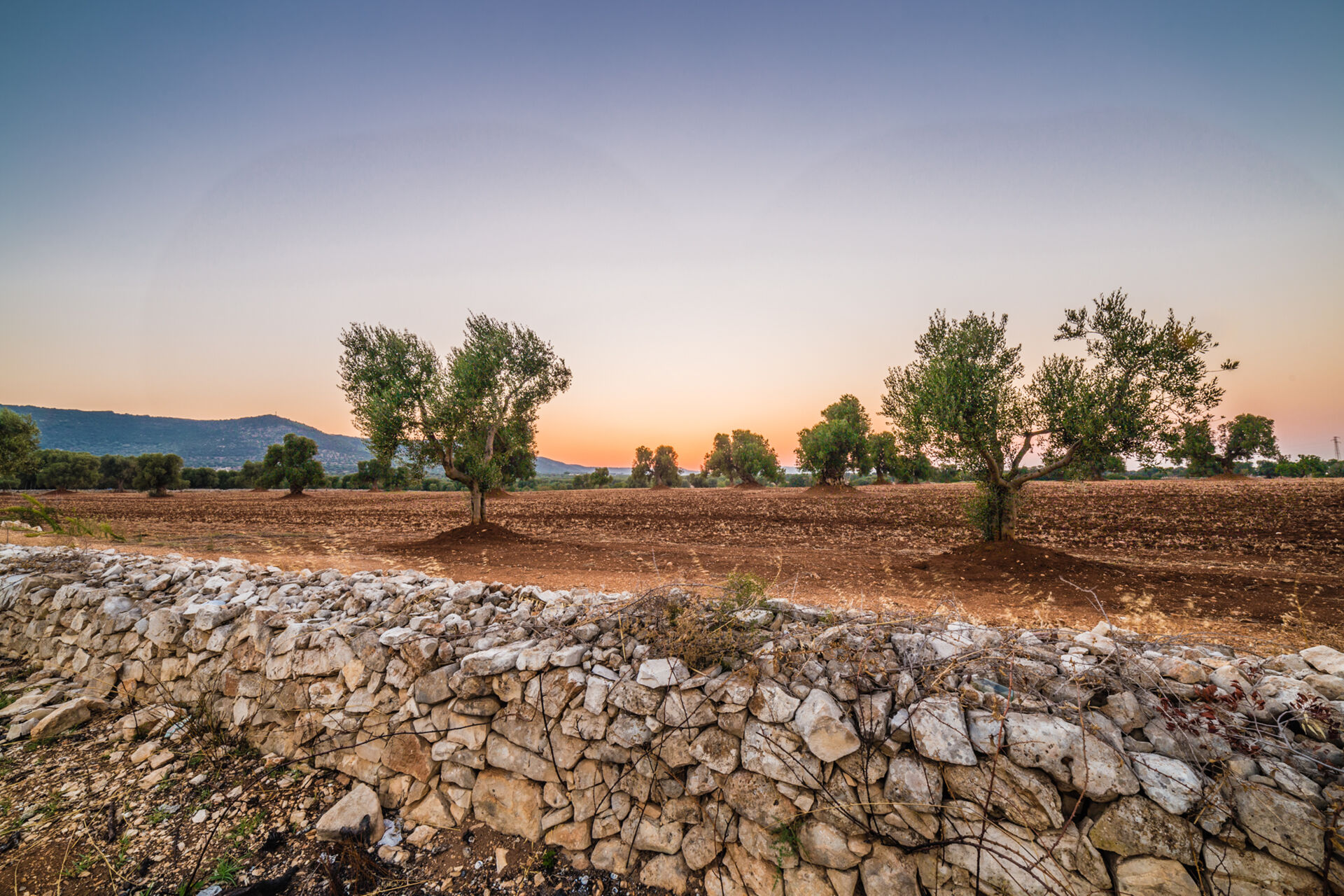
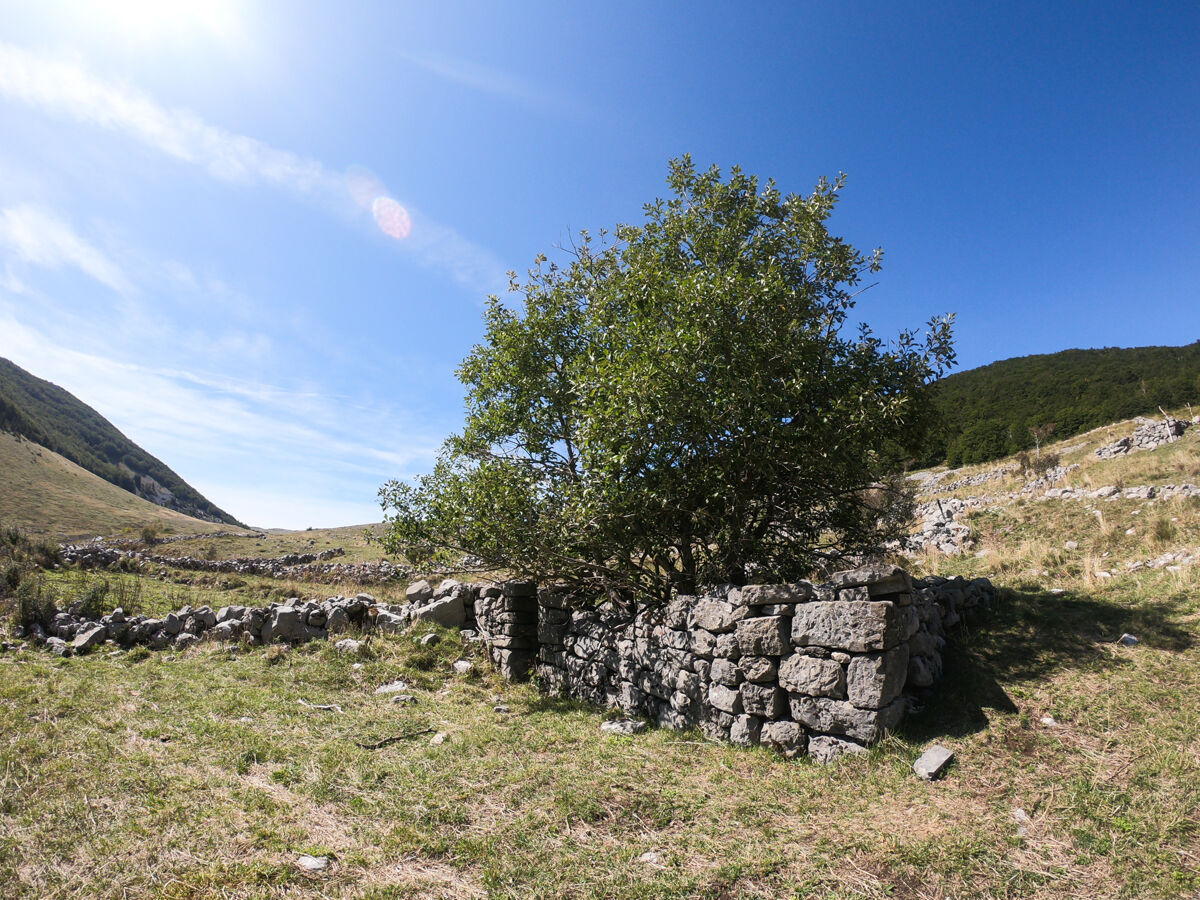
Drystone walls, Apulia
Vivida Photo PC | Rights reserved | Adobe StockThe deepest human impact on the Mediterranean landscape is caused by activities relating to grazing and agriculture.
Protection of biodiversity in semi-arid environments can take its lead from traditional solutions. One example is use and conservation of drystone walls, which are both important landscape and cultural features and useful ‘containers’ of biodiversity.
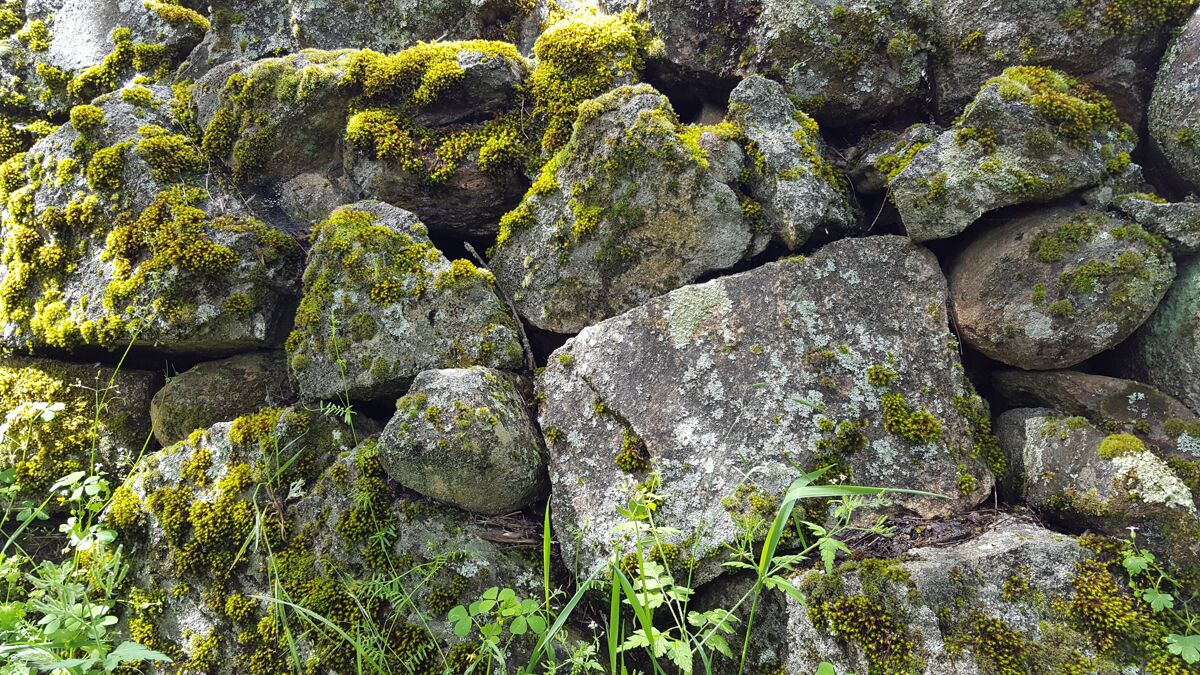
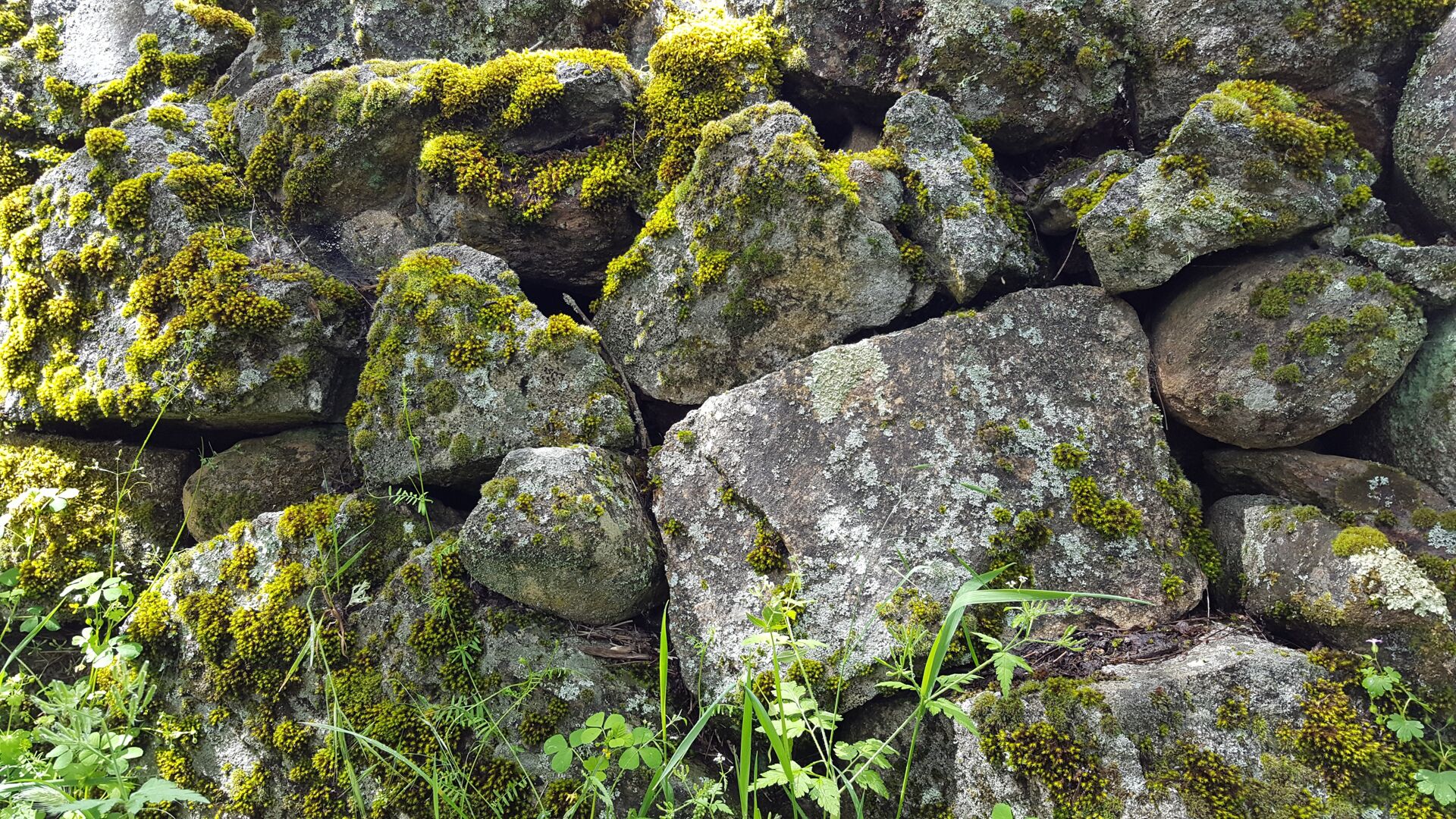
Drystone walls, first used to enclose property and create terraces for cultivation, can still be glimpsed tracing geometries and the contours of slopes, even in areas long since abandoned.
The stones laid one over another without cement provide a habitat for numerous plants as well as offering a welcome and complex shelter for many animals, such as arthropods and reptiles.
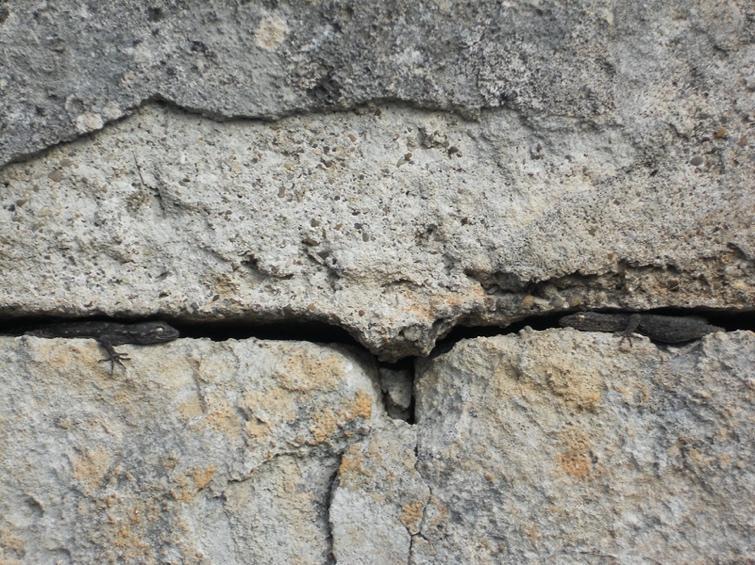
Two specimens of Kotschy’s gecko (Mediodactylus kotschyi) in the cracks in the masonry of an old building near Martinafranca (Murge Tarantine, Apulia)
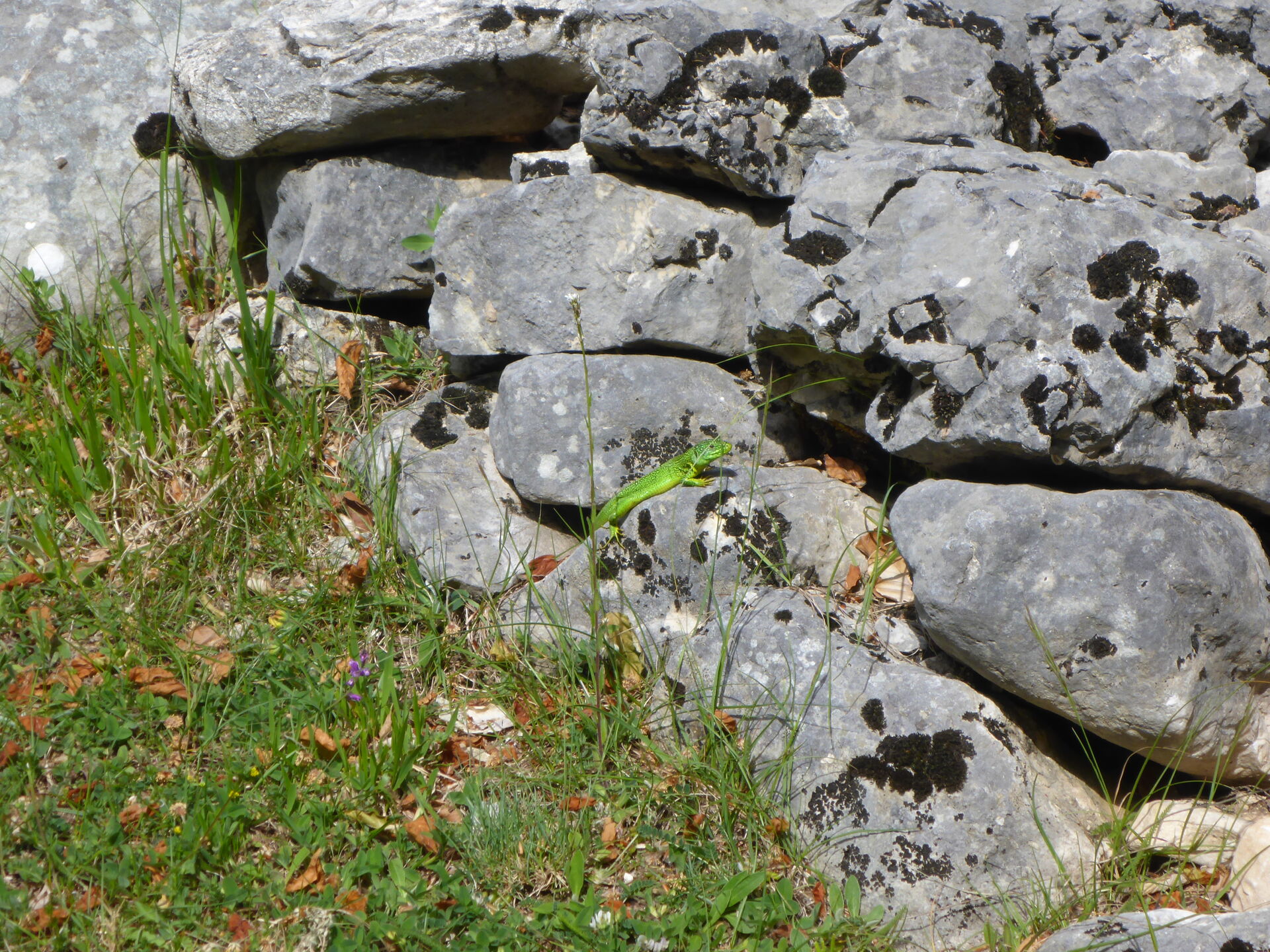
The western green lizard (Lacerta bilineata) on a drystone wall in the Val di Rose, over Civitella Alfedena (Abruzzo, Lazio and Molise National Park)
Lorenzo Cecchi | Rights reservedFor many wild species, drystone walls and the ruins of old buildings are often the only available alternative to natural shelters, making these artificial structures valuable guardians of biodiversity.
Deterioration of dry stone walls therefore also endangers biodiversity as traditional types of work disappear.
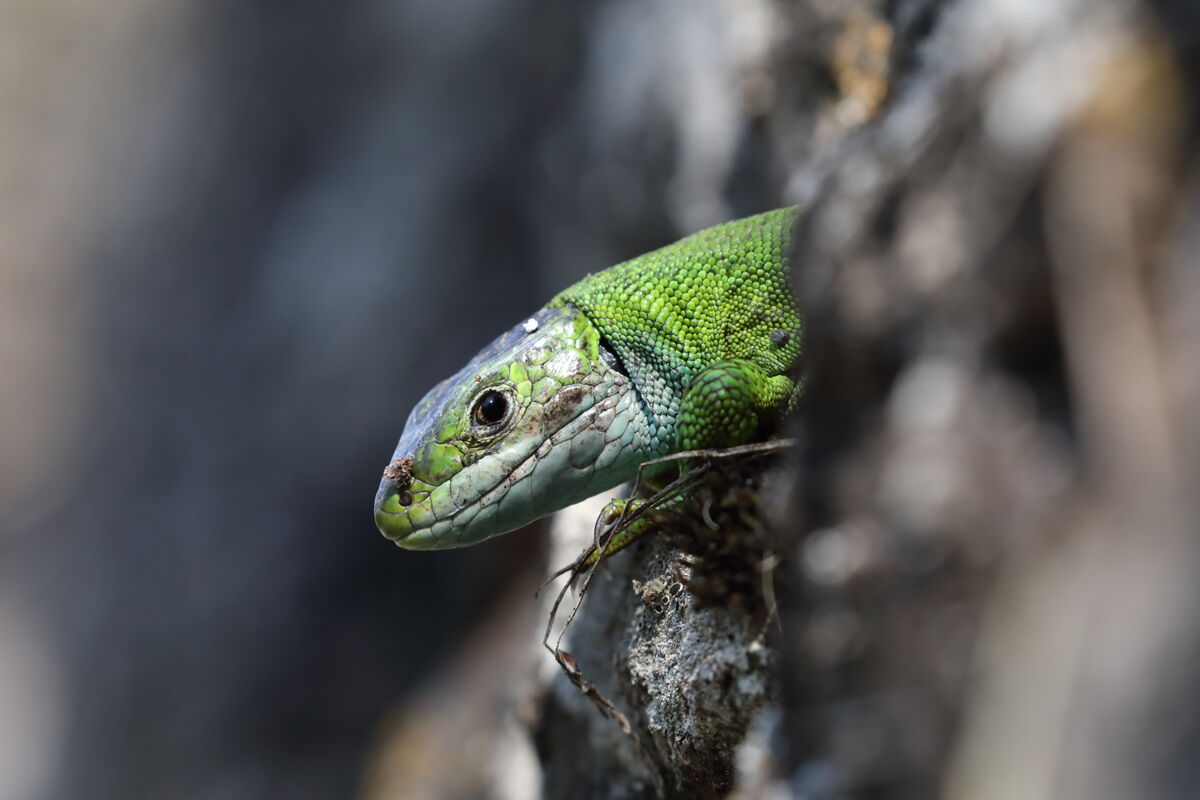
Lacerta bilineata
Preserving and re-assessing the use of drystone walls is an excellent example of a sustainable strategy combining protection of the landscape and local cultural values with the goals of biodiversity conservation.
Biodiversity can be conserved
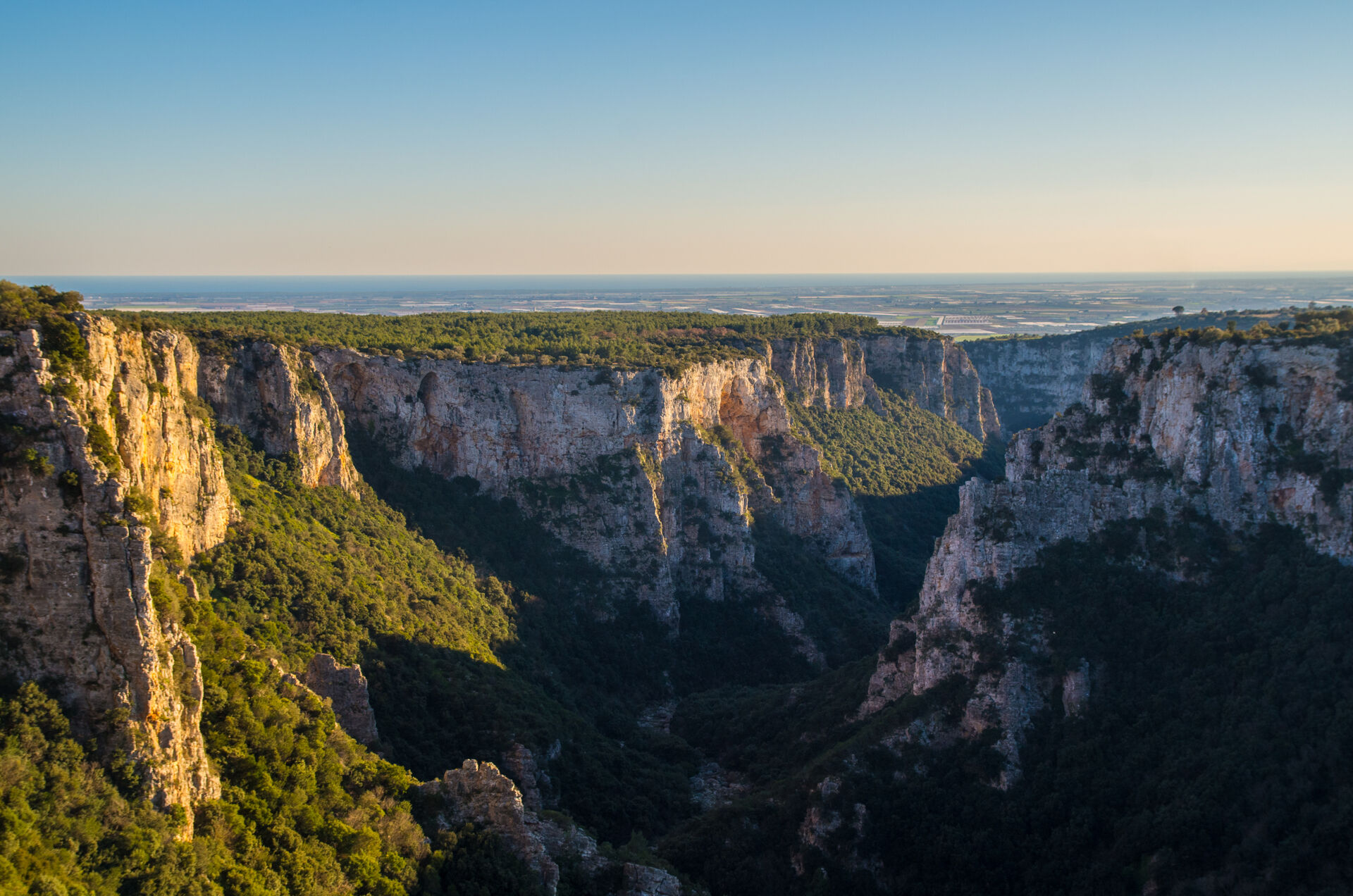
Laterza ravine
Henri | Rights reserved | Adobe StockMediterranean environments are notable for their rich diversity of life forms, which is enhanced by the pronounced verticality of some areas.
As in the mountains, this increases the diversity of environmental conditions and ecosystems found in any given area.
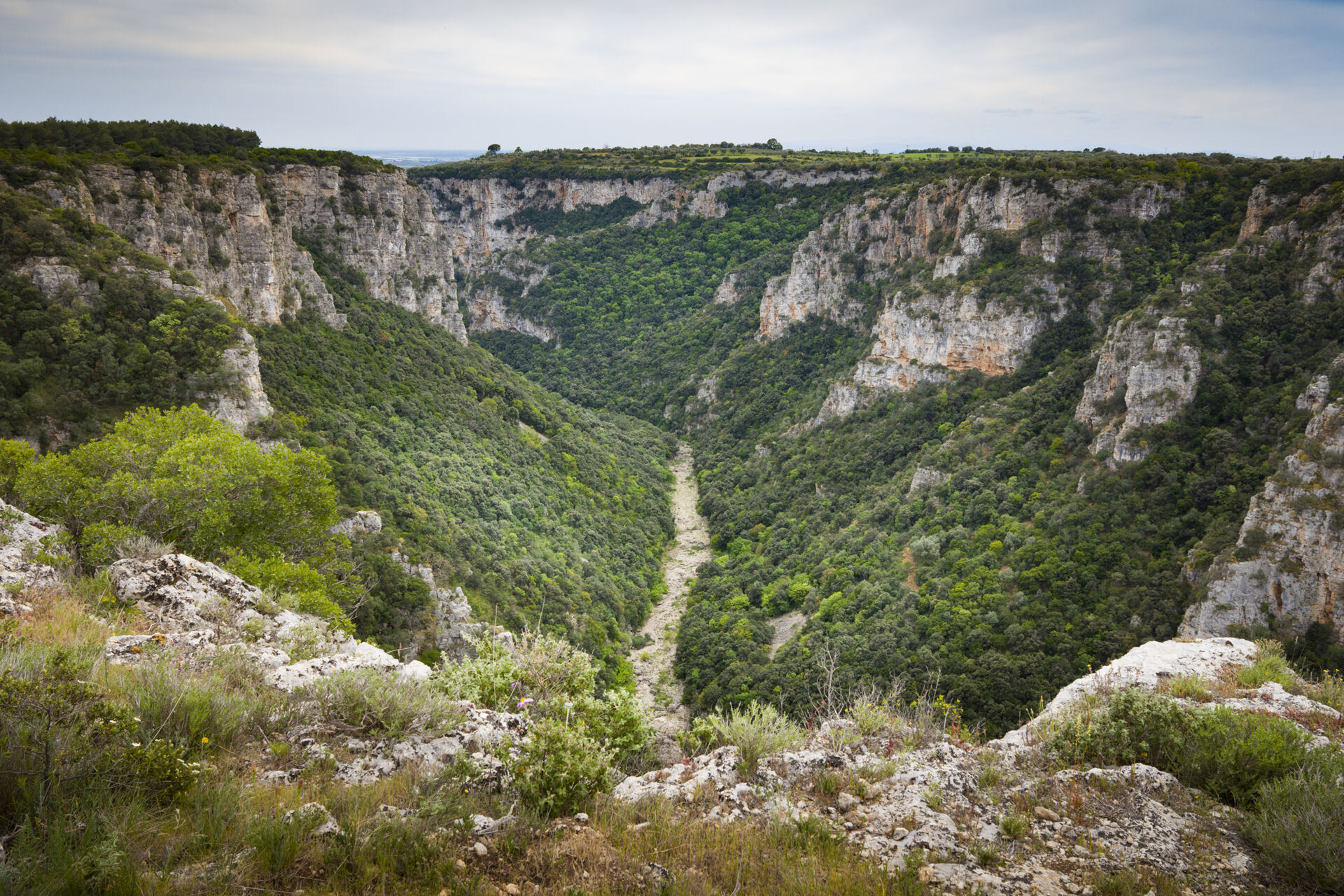
Another photo of the Laterza ravine, highlighting its vertical aspects
Silvia Giamberini | Rights reservedOne example of this is the variety of habitats present in the Laterza ravine. The ravine consists of a deep canyon-like crevice cut by erosion into the limestone rocks.
The view from the edge of the ravine offers a fascinating range of colours and landscapes.
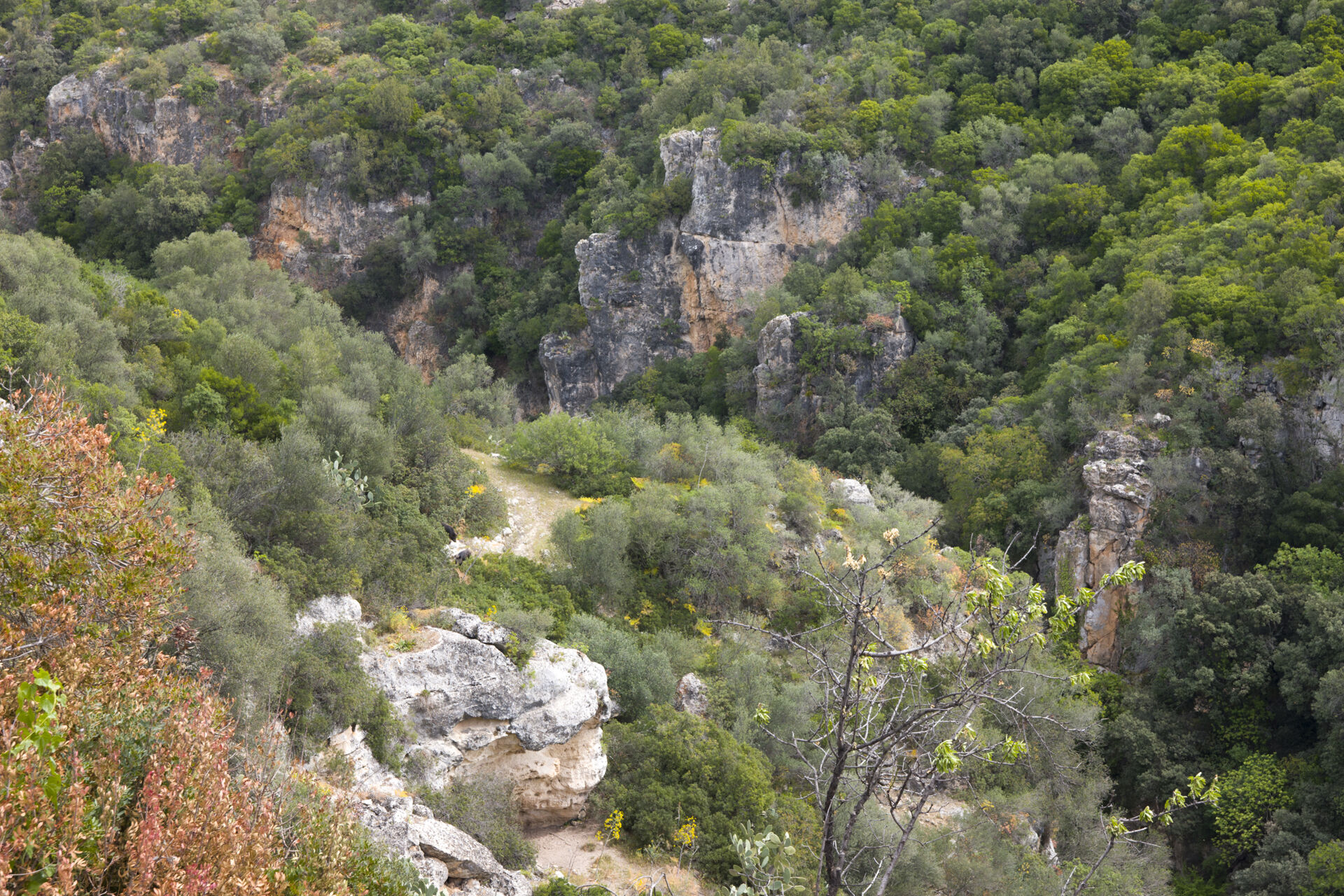
Laterza ravine
Silvia Giamberini | Rights reservedFrom the crops and garrigue at the top, layers of vegetation accompany the descending contours of the ravine to its floor.
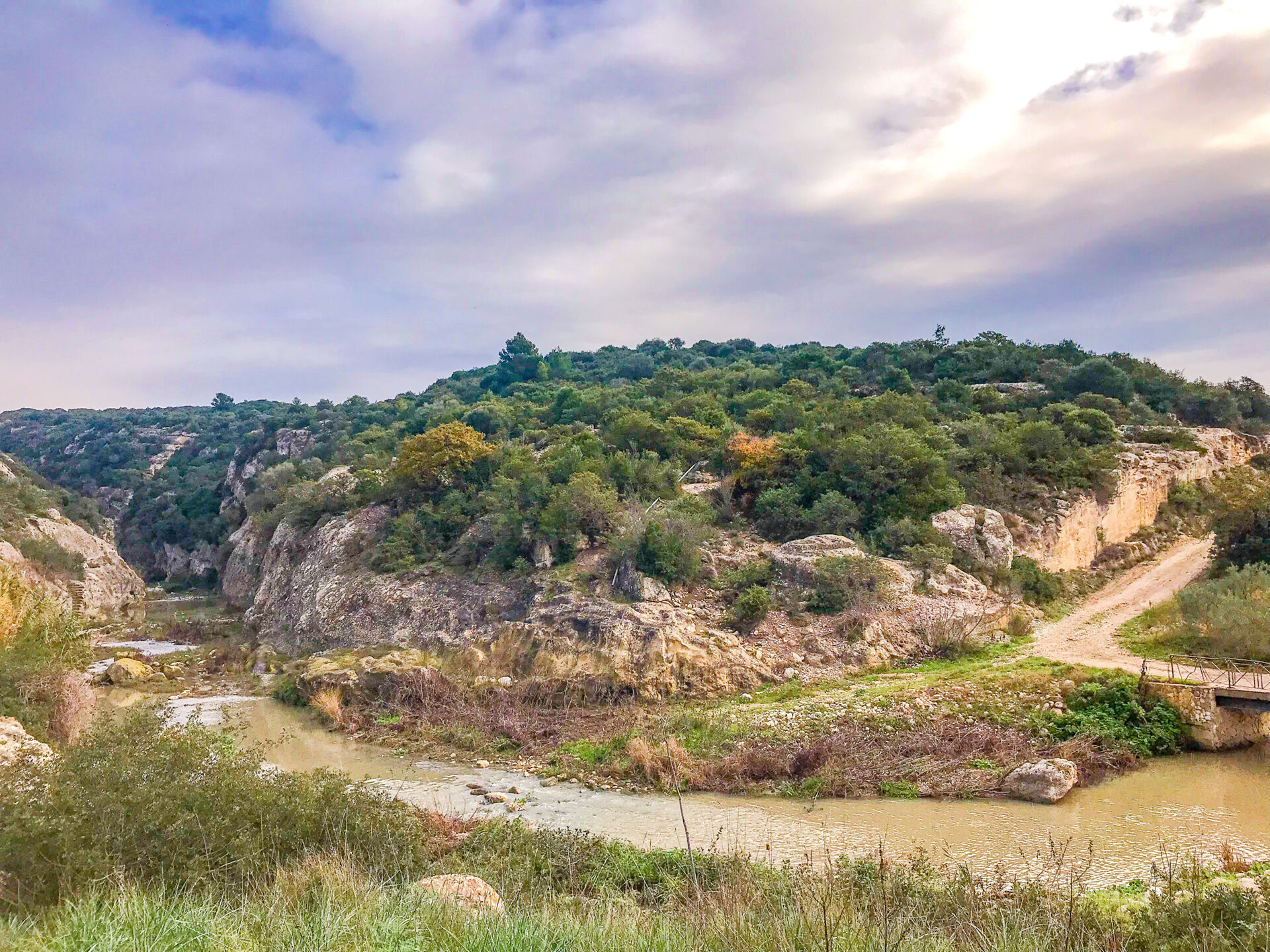
Along the way, a succession of environments with very different features is populated by an equally wide range of plant and animal communities.
Water and verticality: key factors and creators of diversity in ravines
The story of ravines starts millions of years ago, when tectonic movements forced rock to emerge from the sea, only to be eroded and deeply incised.
The Laterza ravine in Apulia's Altopiano delle Murge area is an example of this process. It hosts a wide range of harsh environments, with often scarce resources, which are nonetheless filled with life and beauty.
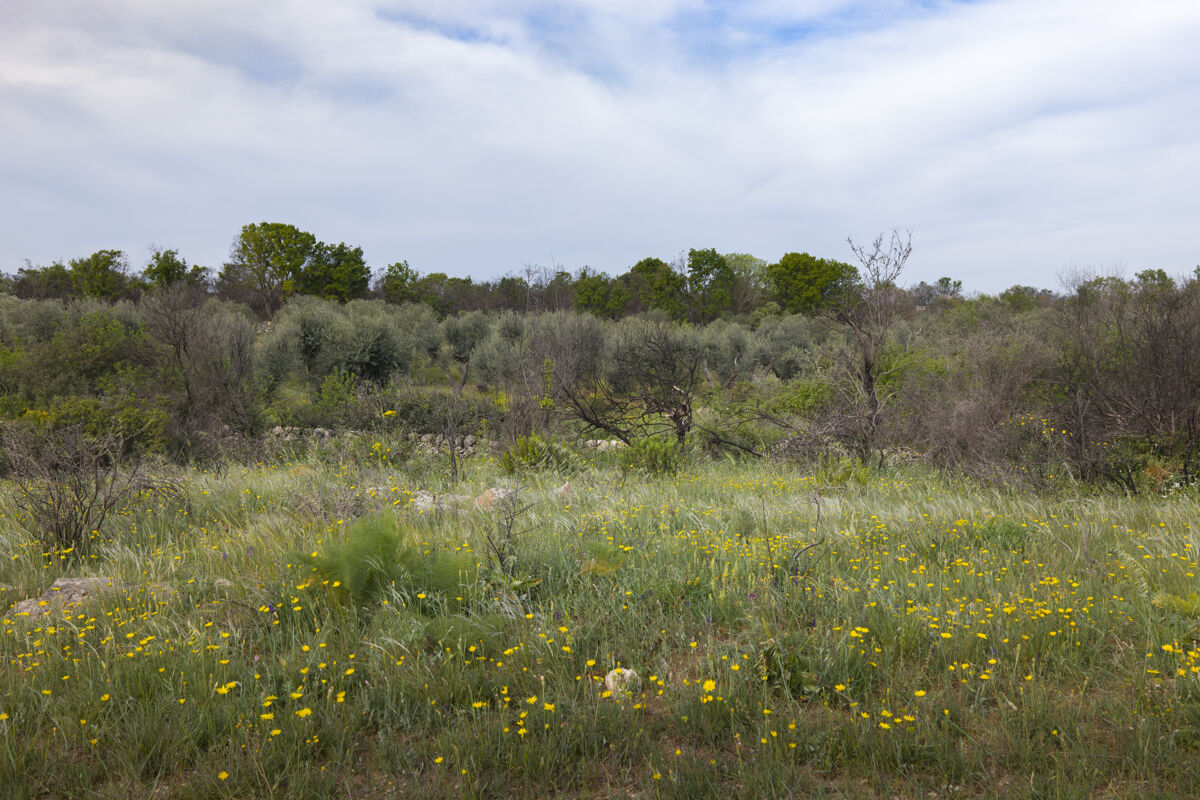
Laterza ravine
Conservation of biodiversity and human presence can be compatible, as confirmed by these stories stretching back thousands of years: human activities allowed benefits to be reaped from these environments, significantly altering them but without upsetting their balances and processes.
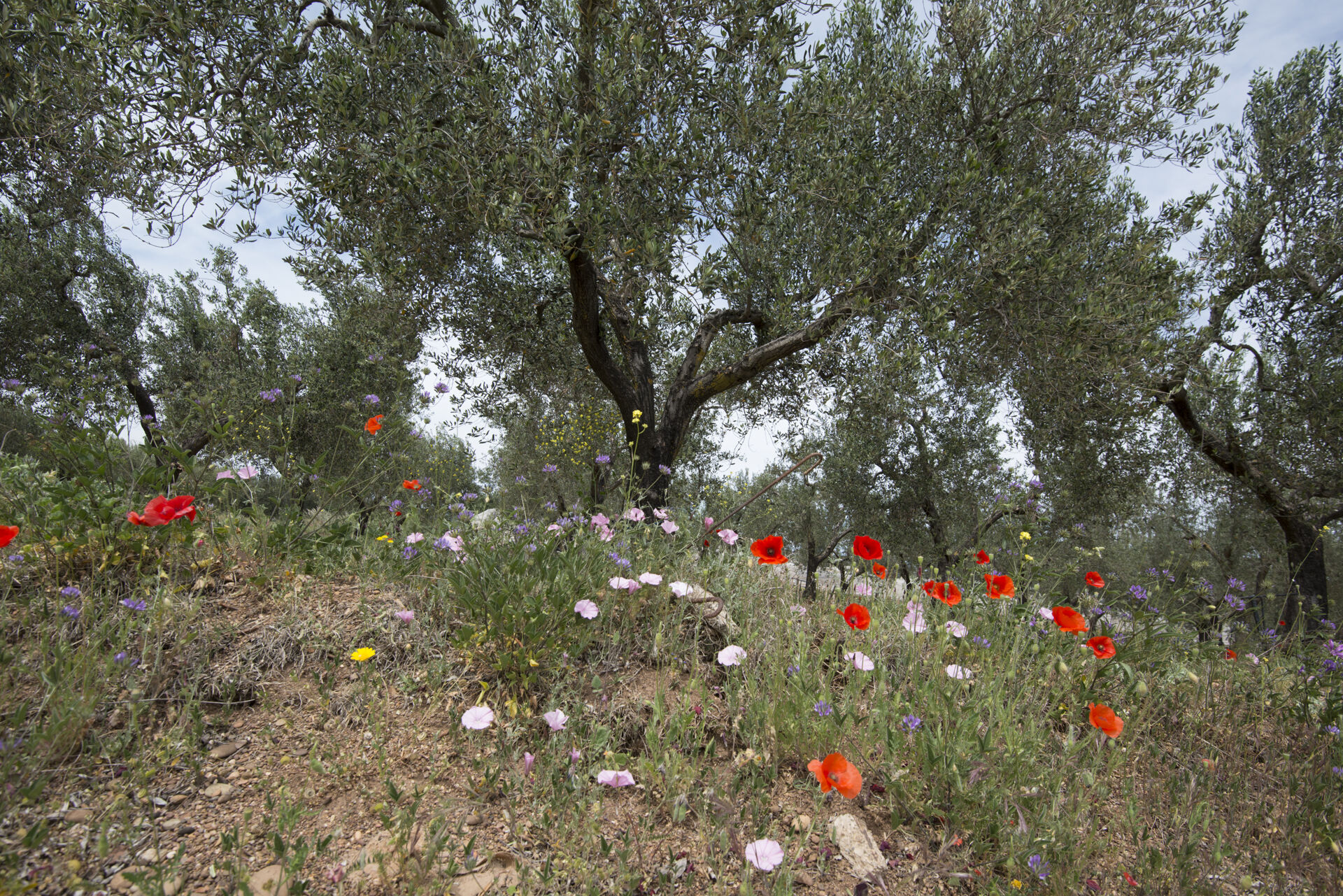
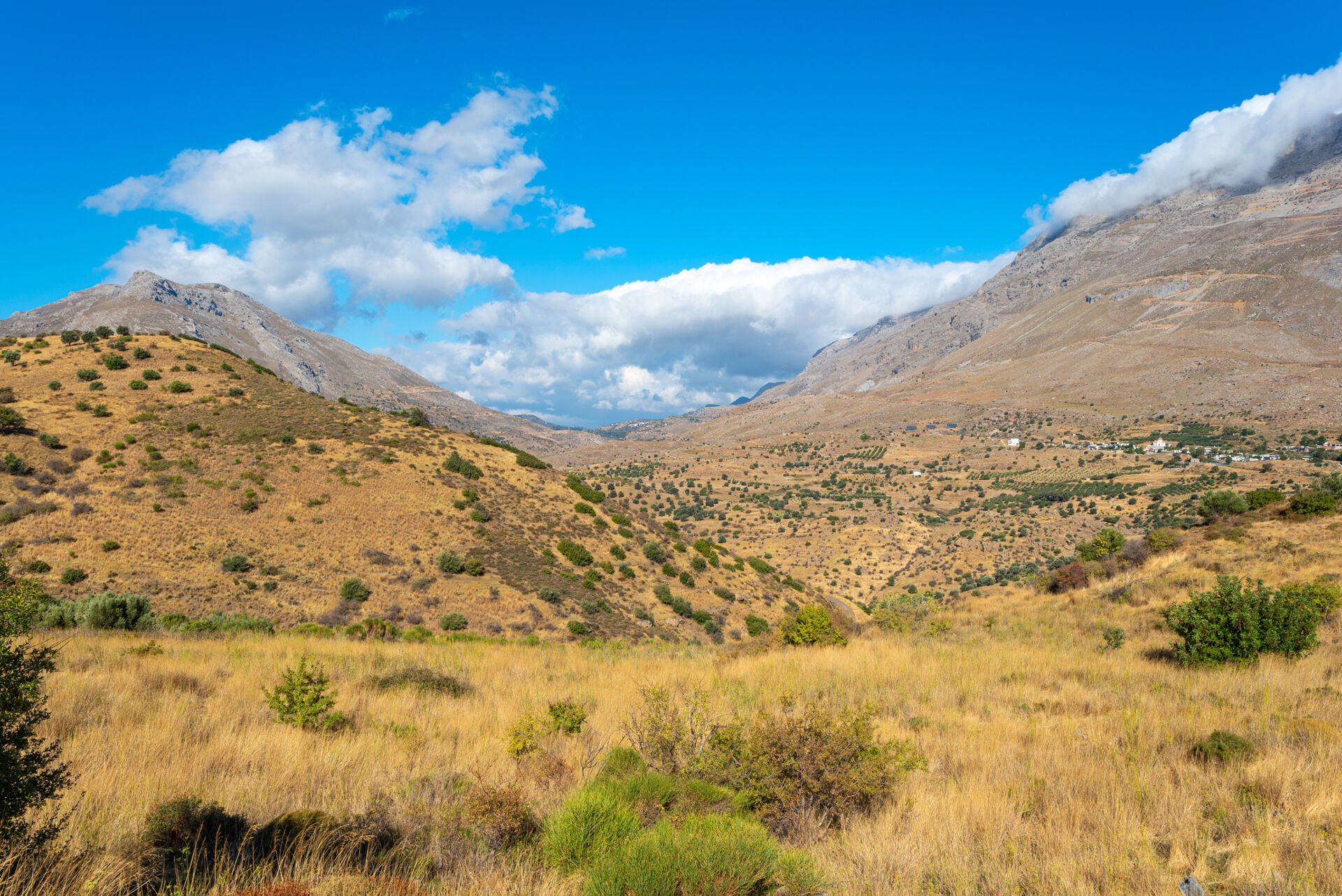
The typically mosaic-like vegetation of semi-arid Mediterranean environments is a classic example of how natural processes and human activities can live side by side.
However, areas cleared of maquis are now more common and stable that those where this type of vegetation is mature and evolved.
Such transformation poses a problem for species thriving in woodland but benefits those that prefer sunny environments.
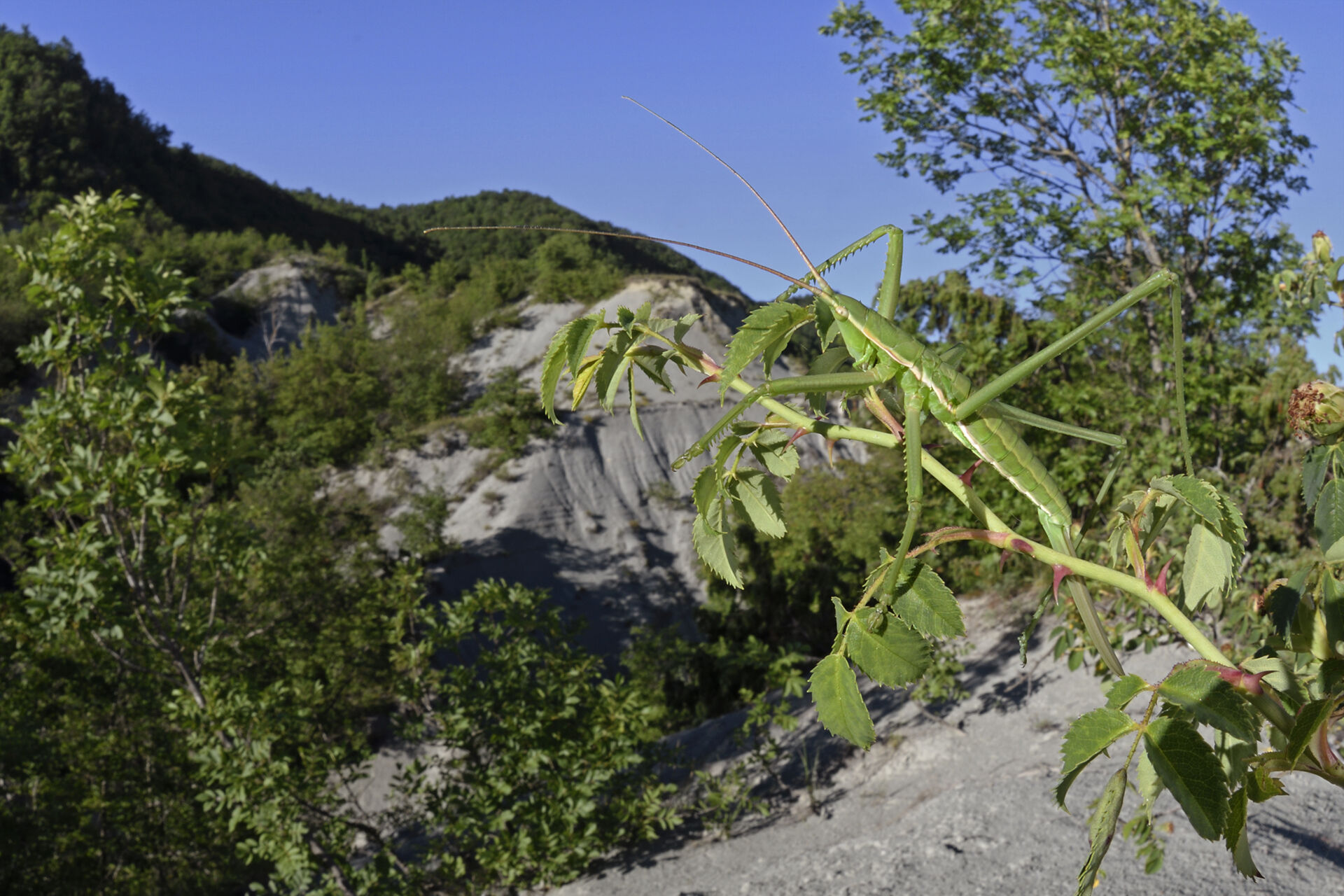
Giant bush cricket (Saga pedo)
Nicola Destefano | Rights reservedThe latter include reptiles and insects that alternate their daytime activities between the shade or the shelter of a bush and the hot sun of the grassland.
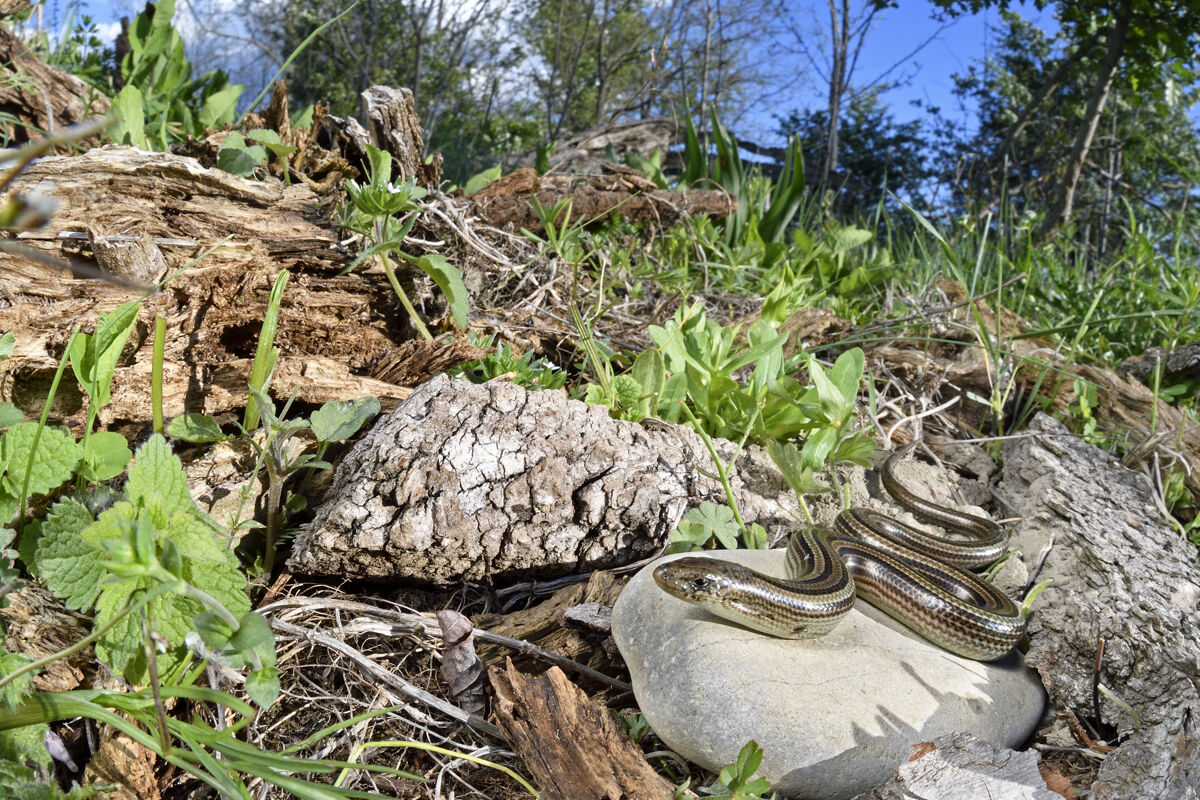
Italian three-toed skink (Chalcides chalcides)
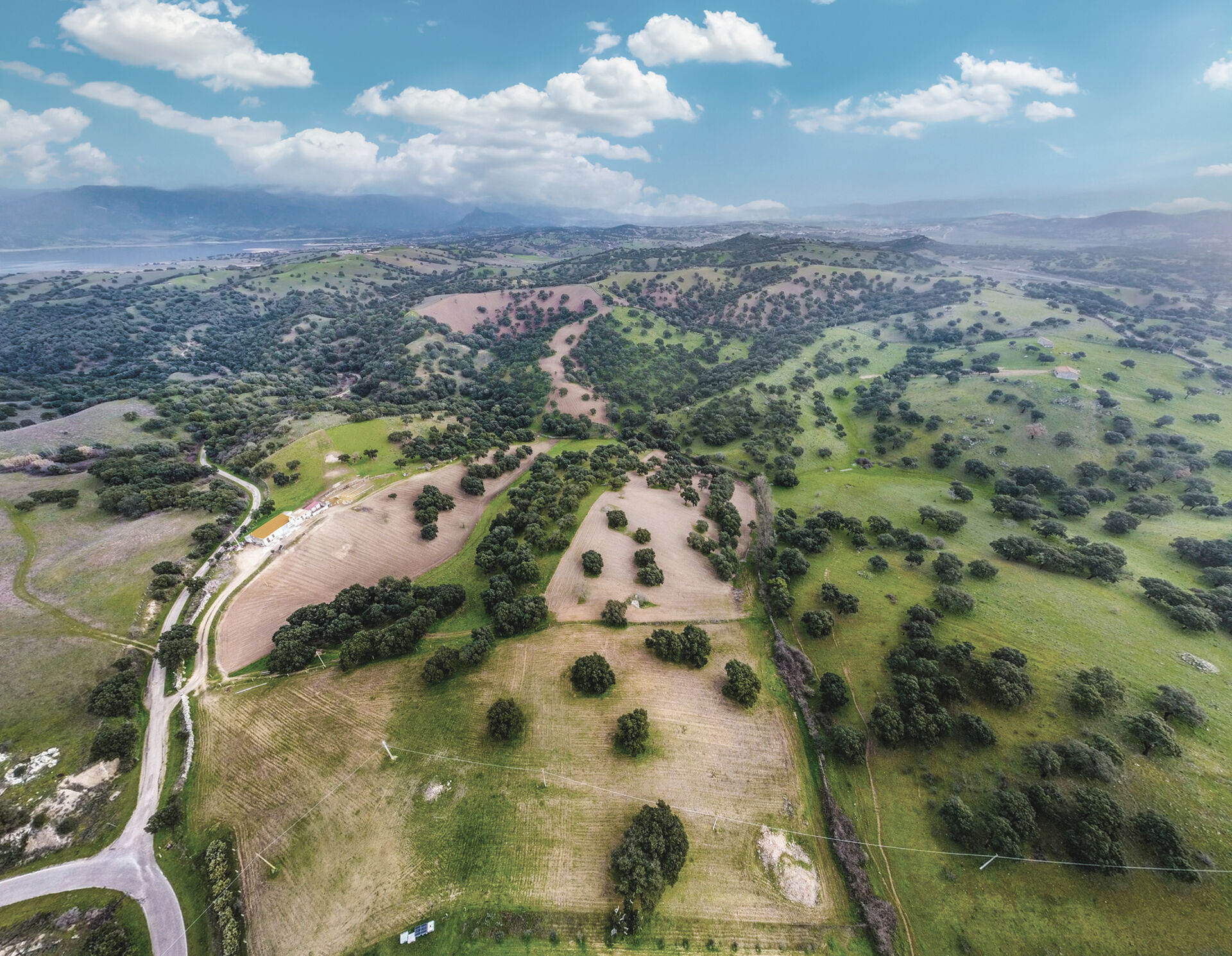
Semi-arid Mediterranean environments are therefore a splendid example of how the development and prosperity of human civilisations derive mainly from the care and attention given to their relationship with the natural environment.

