
Water comes, water goes
The presence of water is essential for all forms of life on the planet.
The marked fluctuations in water availability from season to season in arid and semi-arid environments leads to communities of organisms balanced between two extremes: periods when there is too much or too little water available.
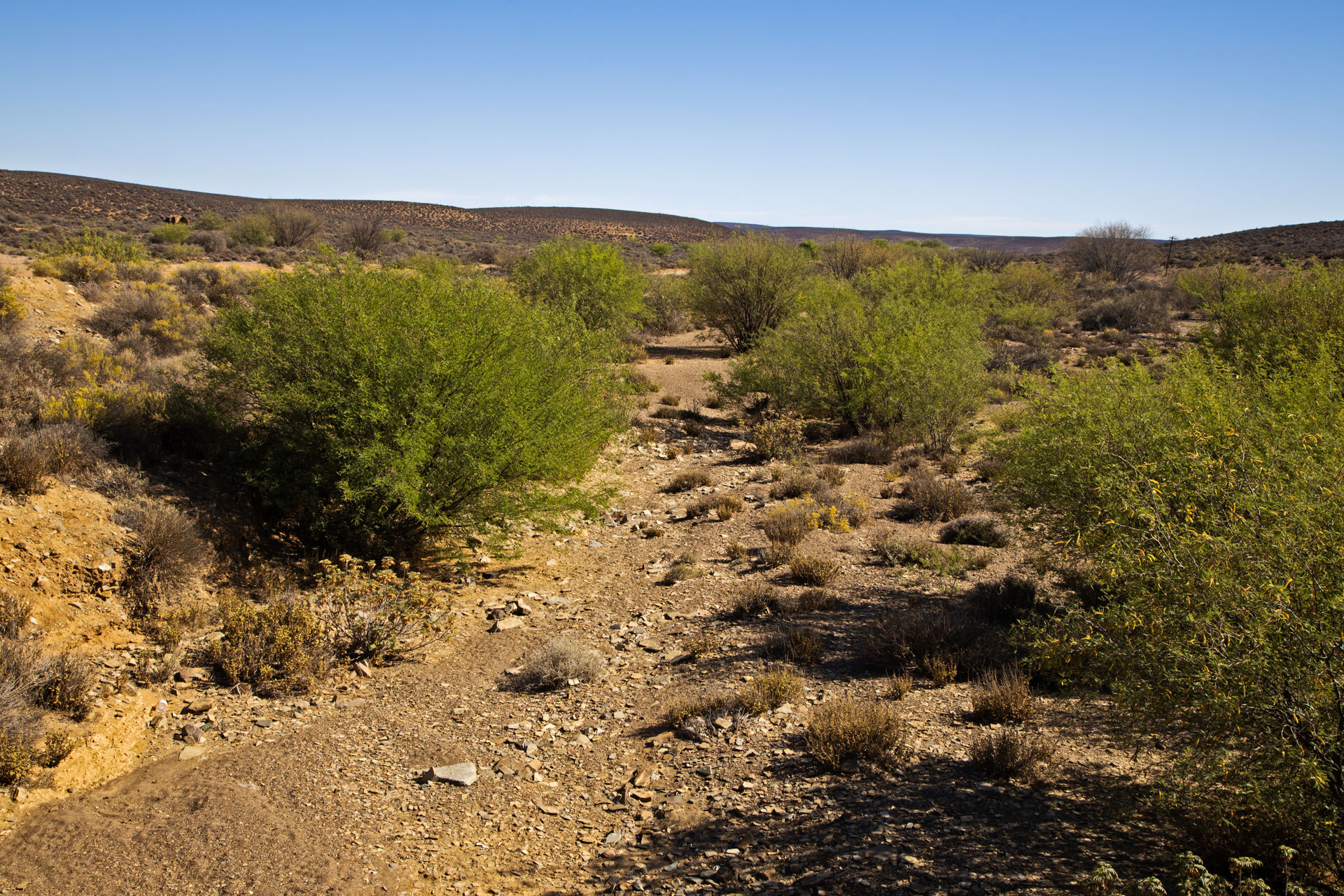
Dry riverbed in the semi-desert area of the Karoo (South Africa)
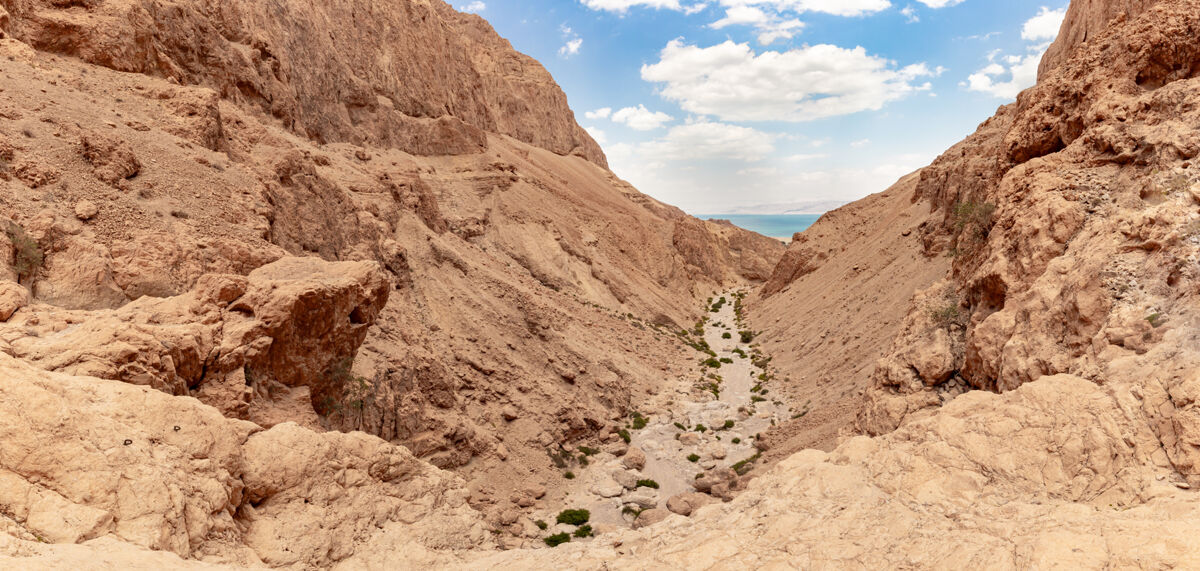
The dry bed of a seasonal river that runs through the desert on the Israeli side of the Dead Sea
Ephemeral pools, small temporary ponds, wadis and fiumare (intermittent rivers) offer numerous tangible examples of adaptation to fluctuation in water availability from season to season in arid and semi-arid environments.
Ephemeral waters
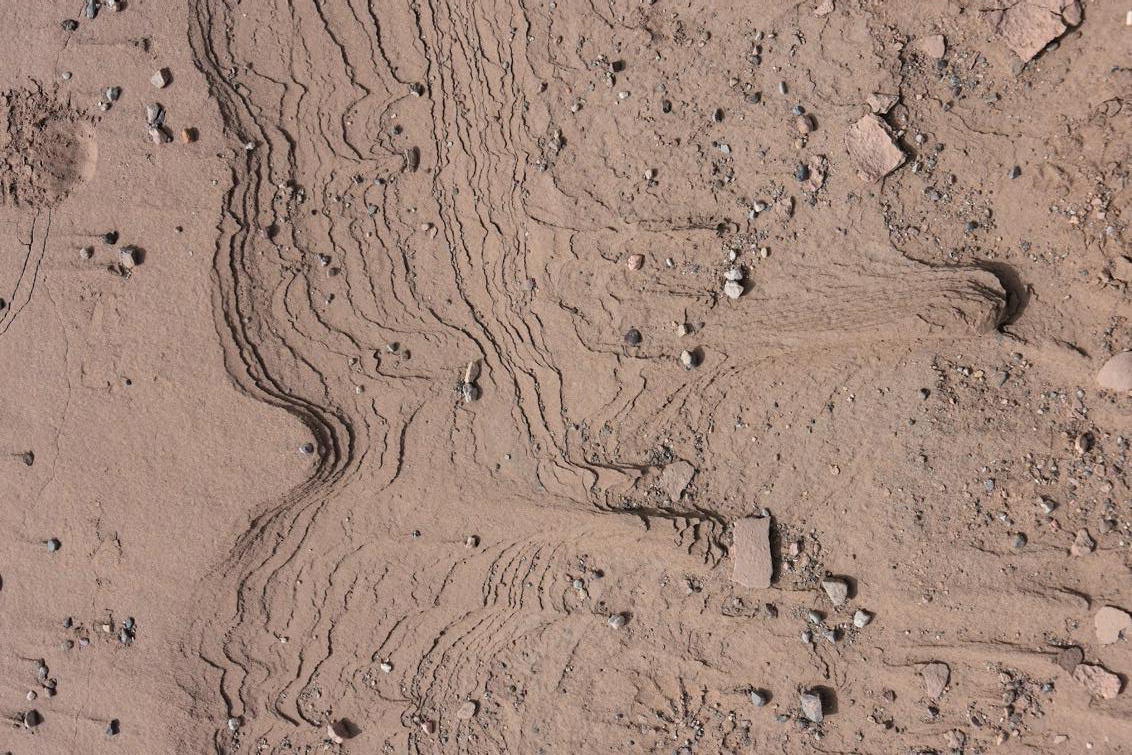
Traces of the sudden passage of water in the muddy bed of kalouts, furrows carved by the constant wind in Dasht-e-Lut, one of the driest and most extreme desert regions on the planet (Region di Kerman, south-eastern Iran)
Lorenzo Cecchi | Rights reservedSemi-arid habitats are characterised by significant seasonal variations in the presence of water.
In winter, a few hours of torrential rain can lead to rushing watercourses or wide expanses of wetlands. Just a few months later, the very same places can return to being dry riverbeds or scatterings of small leftover pools warmed by the summer sun.
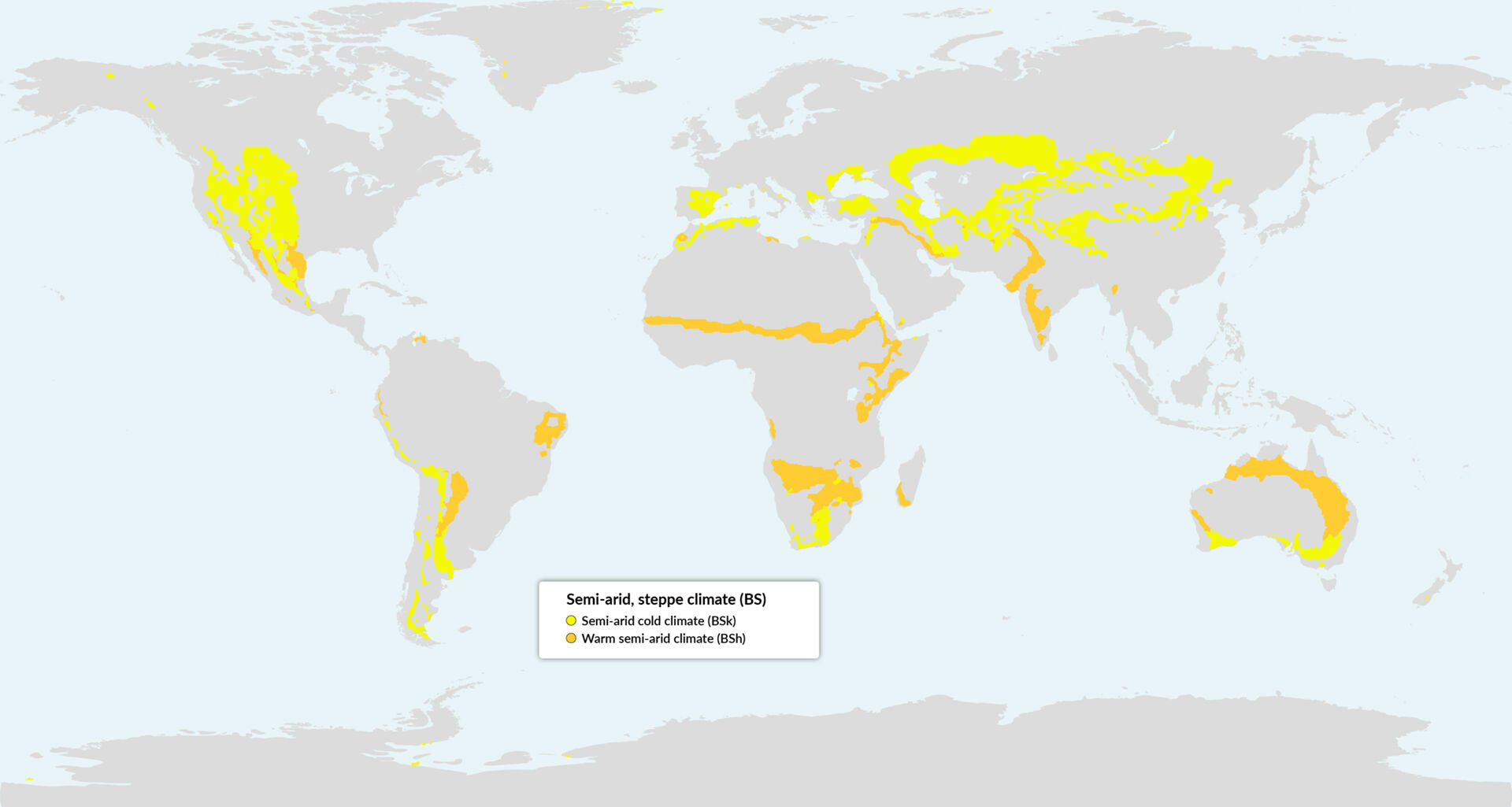
Distribution map of the cold semi-arid and hot semi-arid climate: the first is found in particular in the western inland areas of North America and part of Central America, in the Mediterranean Basin, and in most of central Asia; the second has a more reduced distribution and is mostly found in the sub-Saharan area, part of southern Africa and north-eastern Australia.
CC0In the subtropical zones around the planet, rivers are often replaced by ephemeral watercourses known as wadis or fiumare, depending on their location.
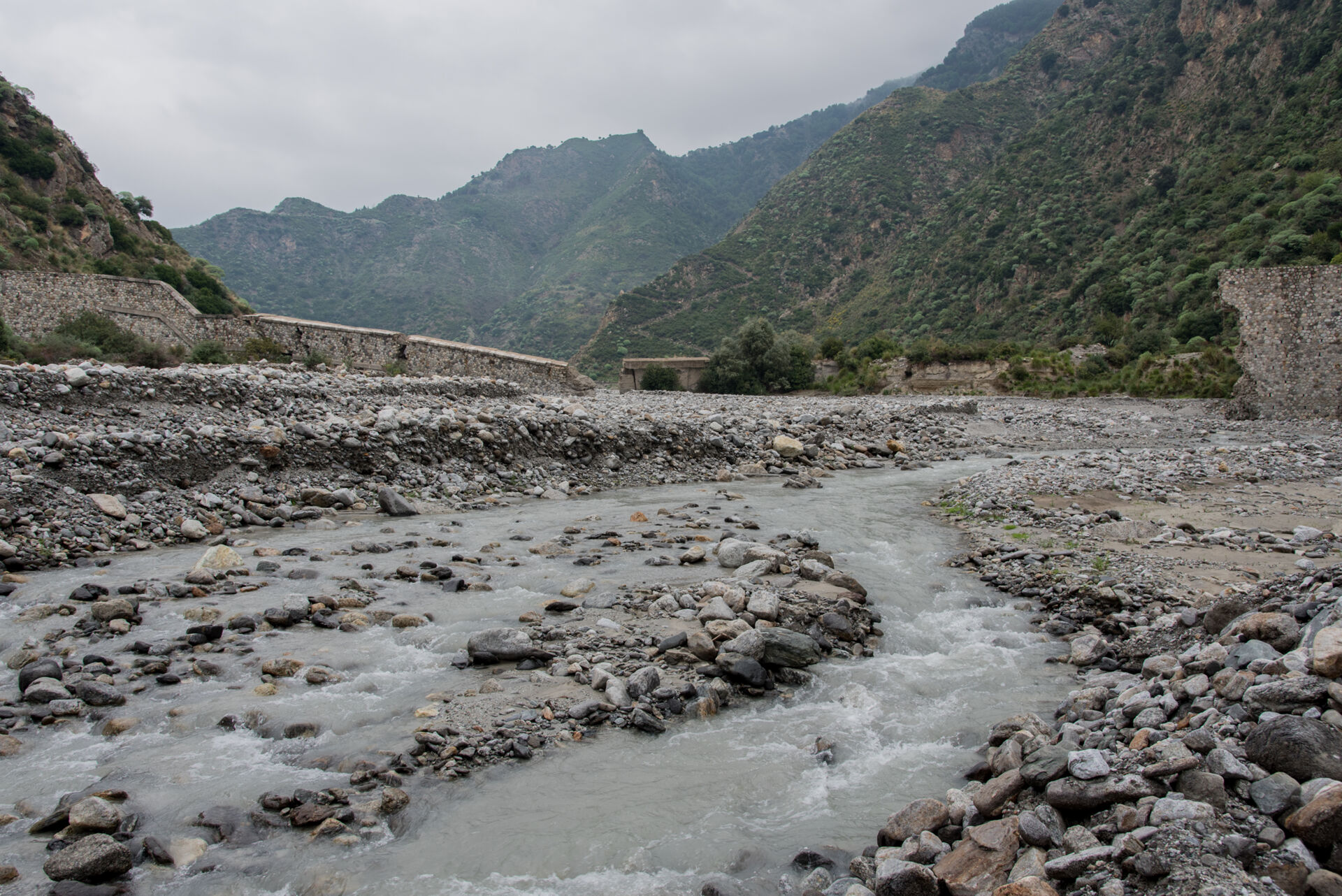
Fiumara Amendolea (Calabria) in winter
fulviodegregorio | Rights reserved | Adobe StockIn the Mediterranean region, for example, sudden and violent floods are common in watercourses in the rainy season.
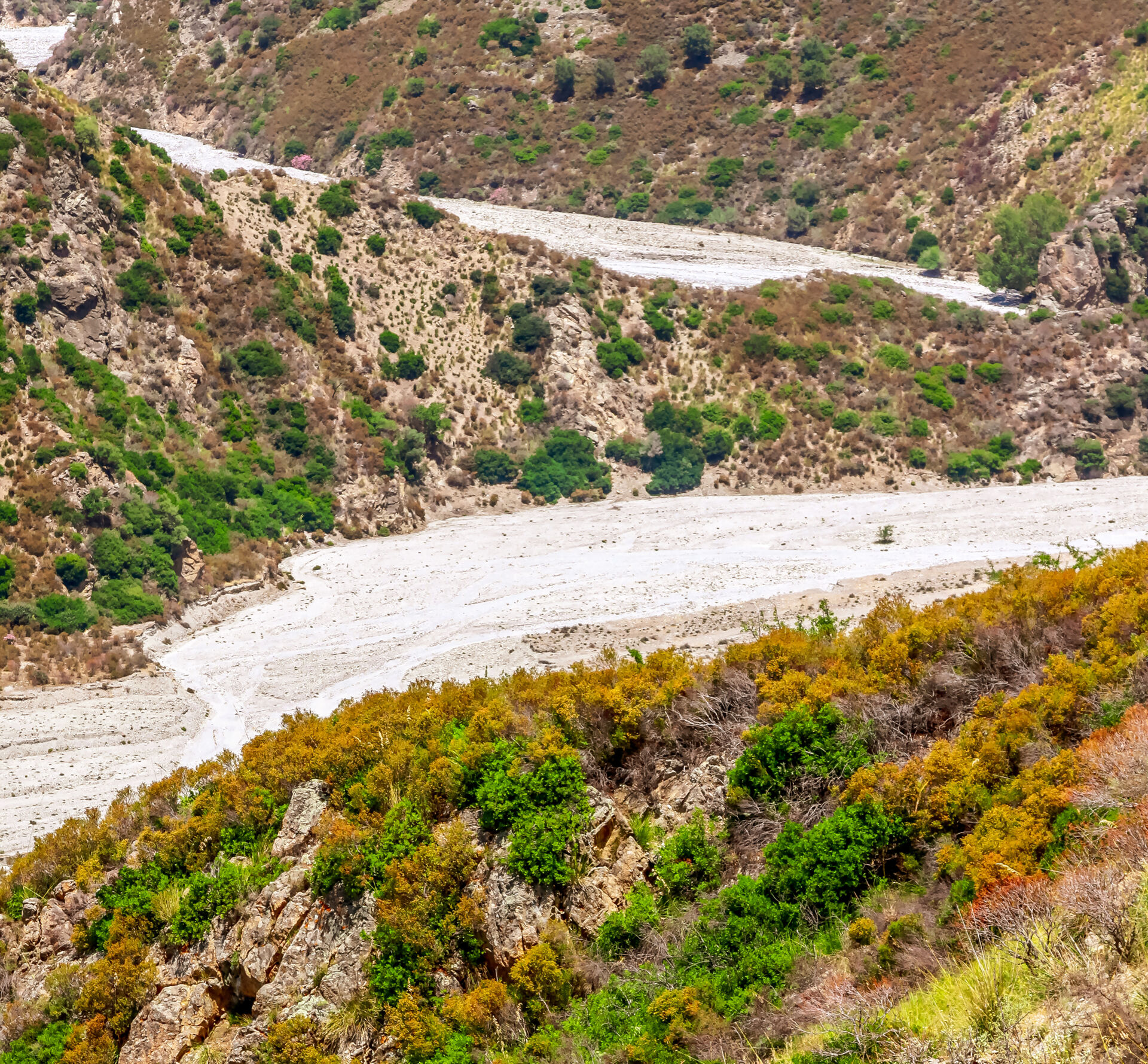
Fiumara Amendolea (Calabria) in summer
Pavel Rezac | Rights reserved | Adobe StockDuring the dry season, they have long periods of limited flow that can lead to complete drying out of river beds.
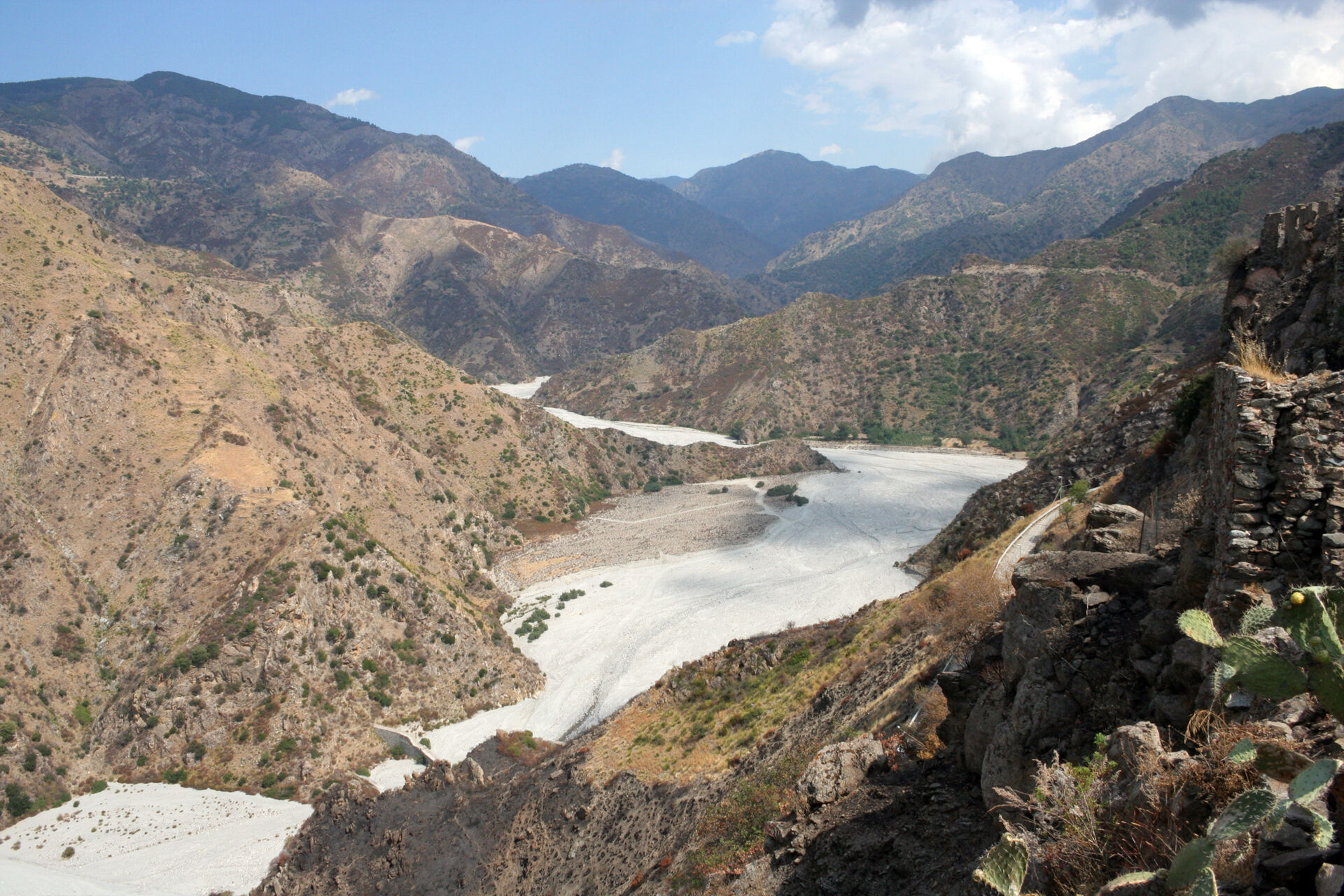
Fiumara Amendolea (Calabria)
Giuma | Rights reserved | Adobe StockMaterial carried by the current at high-water periods leads to a river bed that gradually expands towards its lower reaches, giving rise to fiumare, watercourses with a typically terraced structure.
In these environments, instead of permanent lakes and large ponds there are only temporary marshes, pools and flood meadows: places teeming with life that fall into ghostly silence and apparent lifelessness during the dry season.
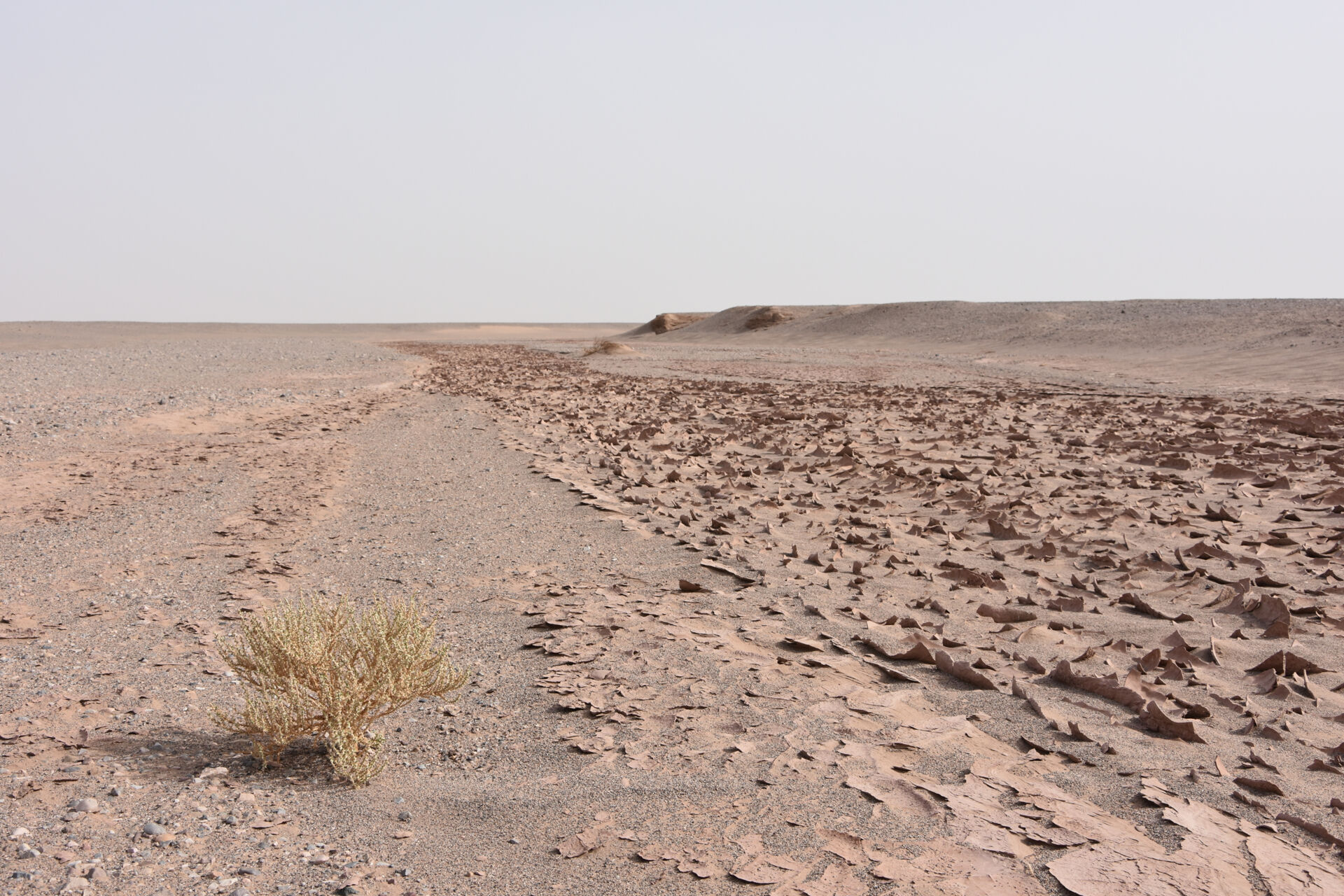
A Cornulaca monacantha thorn bush is the only sign of life reflecting the occasional presence of water on the bed of a wadi on the edge of the Lut Desert (Region of Kerman, Iran)
A life of alternating phases
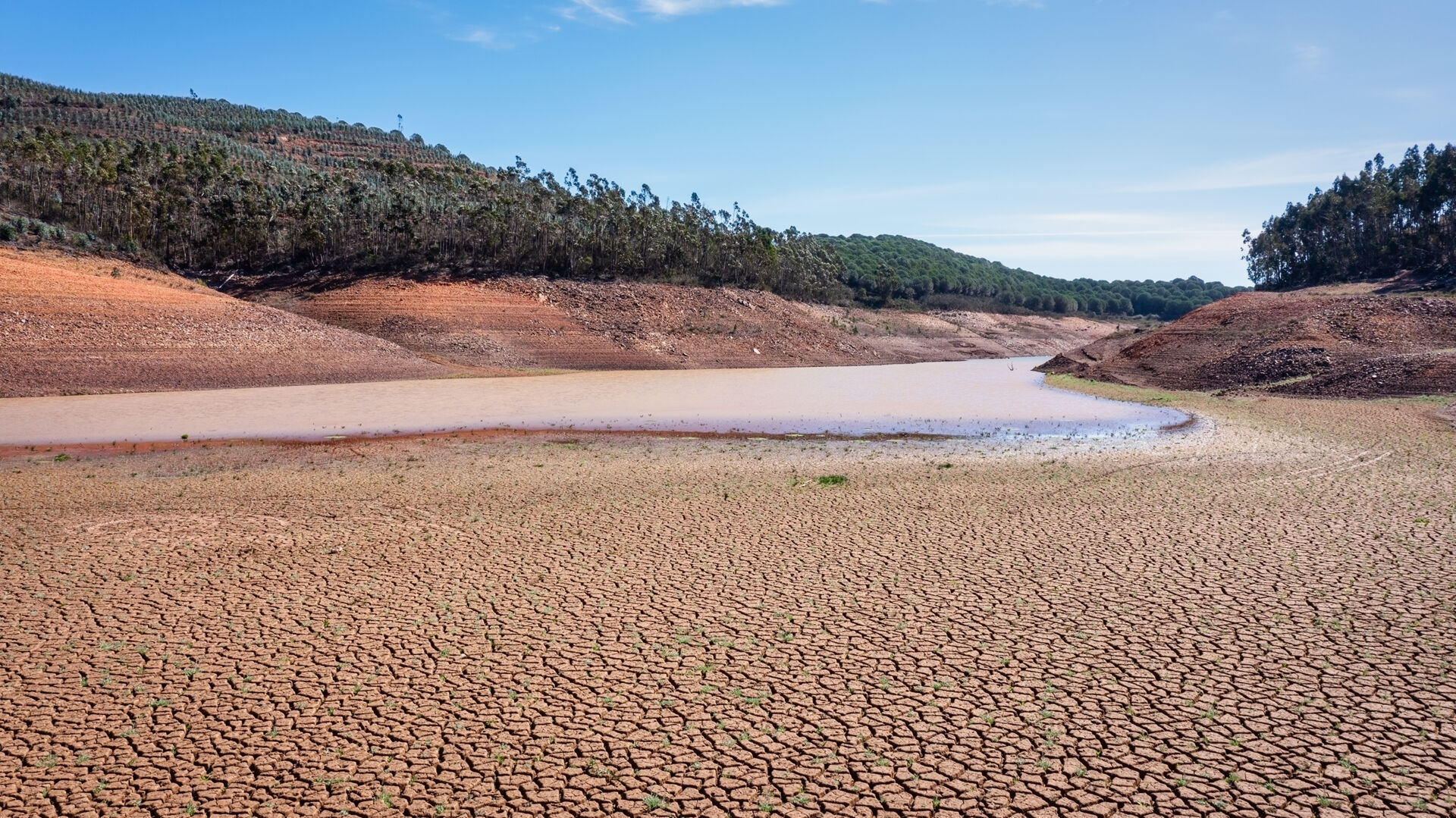
The organisms living in ephemeral stagnant waters and intermittent watercourses offer extraordinary examples of adaptation.
Their survival strategy basically involves two alternating approaches: maximising vital activities in the wet season only to minimise them during the dry season.
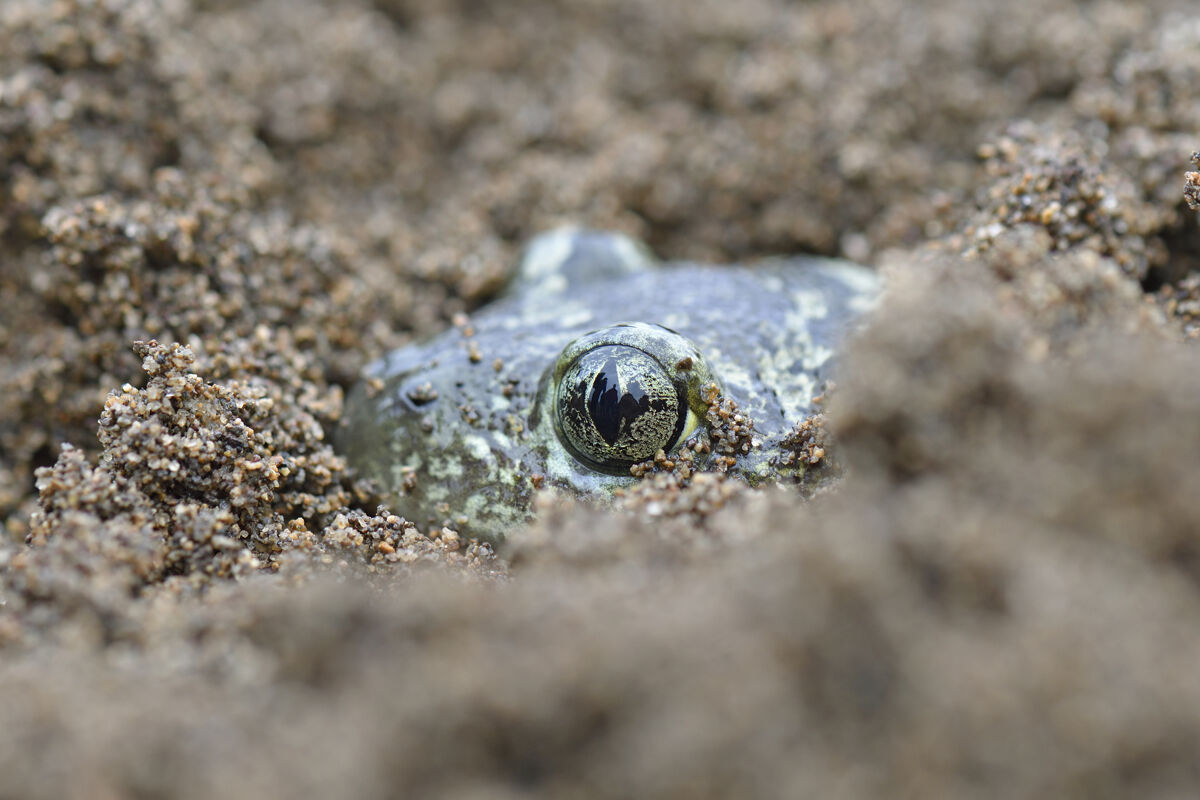
Pelobates syriacus (aestivation)
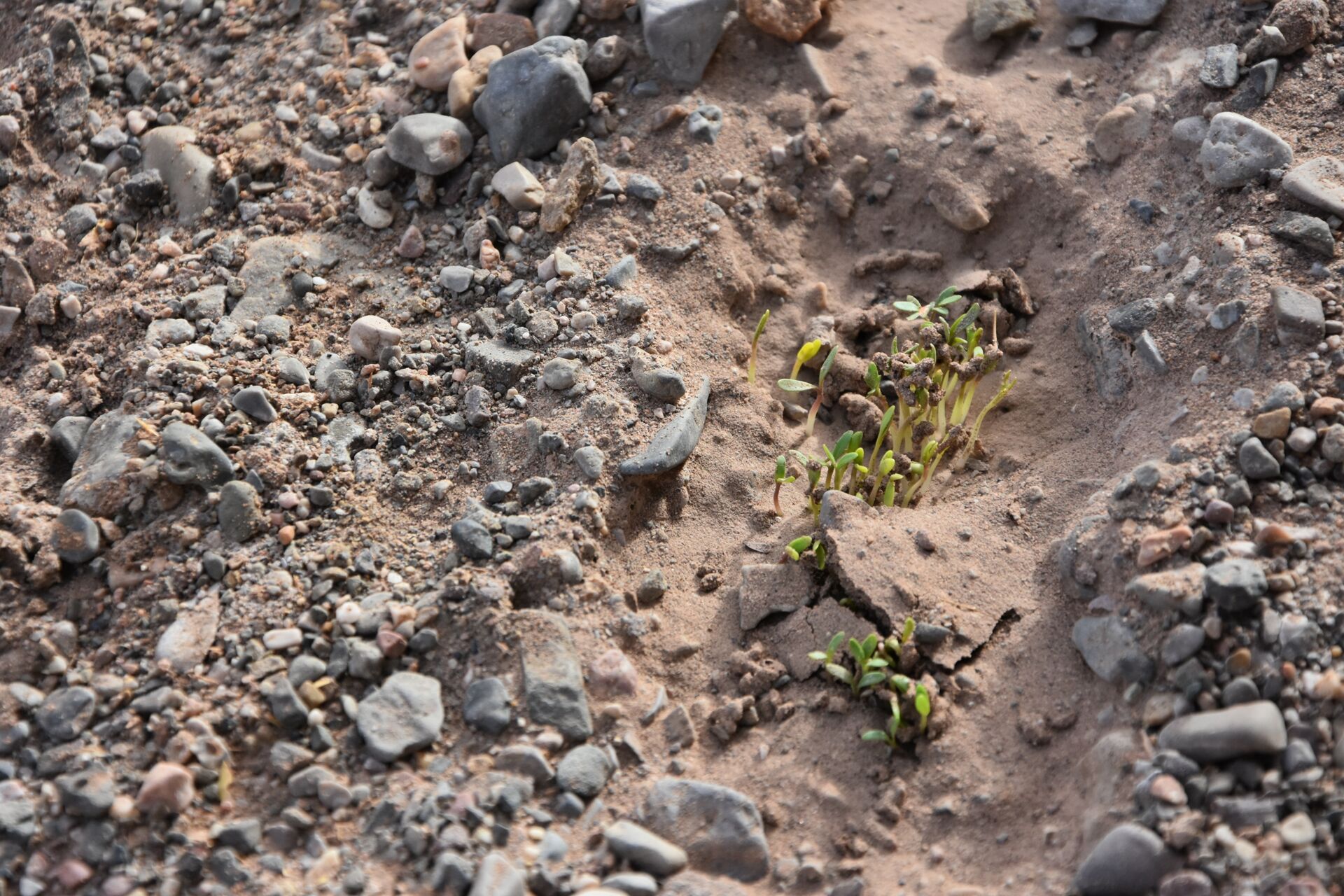
Just a few raindrops or even a single glass of water, as in this case, will reveal the unsuspected wealth of life forms dormant in the sand within the space of a few hours (Lut Desert, Iran)
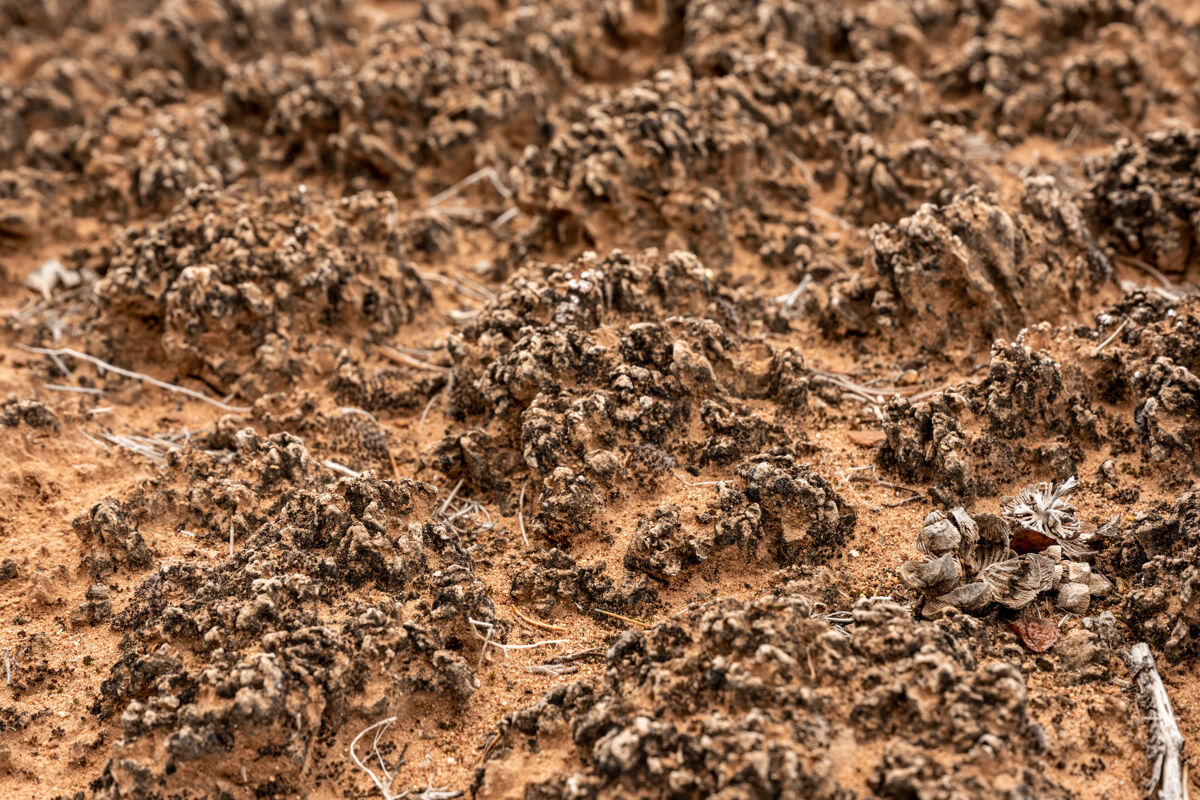
Lorenzo Cecchi | Rights reservedIn many arid regions, the soil is covered by a bacterial crust, made up mainly of cyanobacteria. These organisms remain dormant for the long rainless periods but are always ready to activate their metabolism with the arrival of the first drops. The bacterial crust is also essential for supporting shrub life.
The bacterial crust is slightly less permeable than the bare soil, and it channels some of the scarce rainwater towards the shrubs instead allowing it to soak in where it falls. The bushes penetrate the crust and collect any water in arrival, helping it to soak down to their roots. The crust and bushes thus act as ‘ecosystem engineers’ within this complex system and contribute to creating an environment suitable for hosting many other plant and animals species.
The ecology of intermittent watercourses
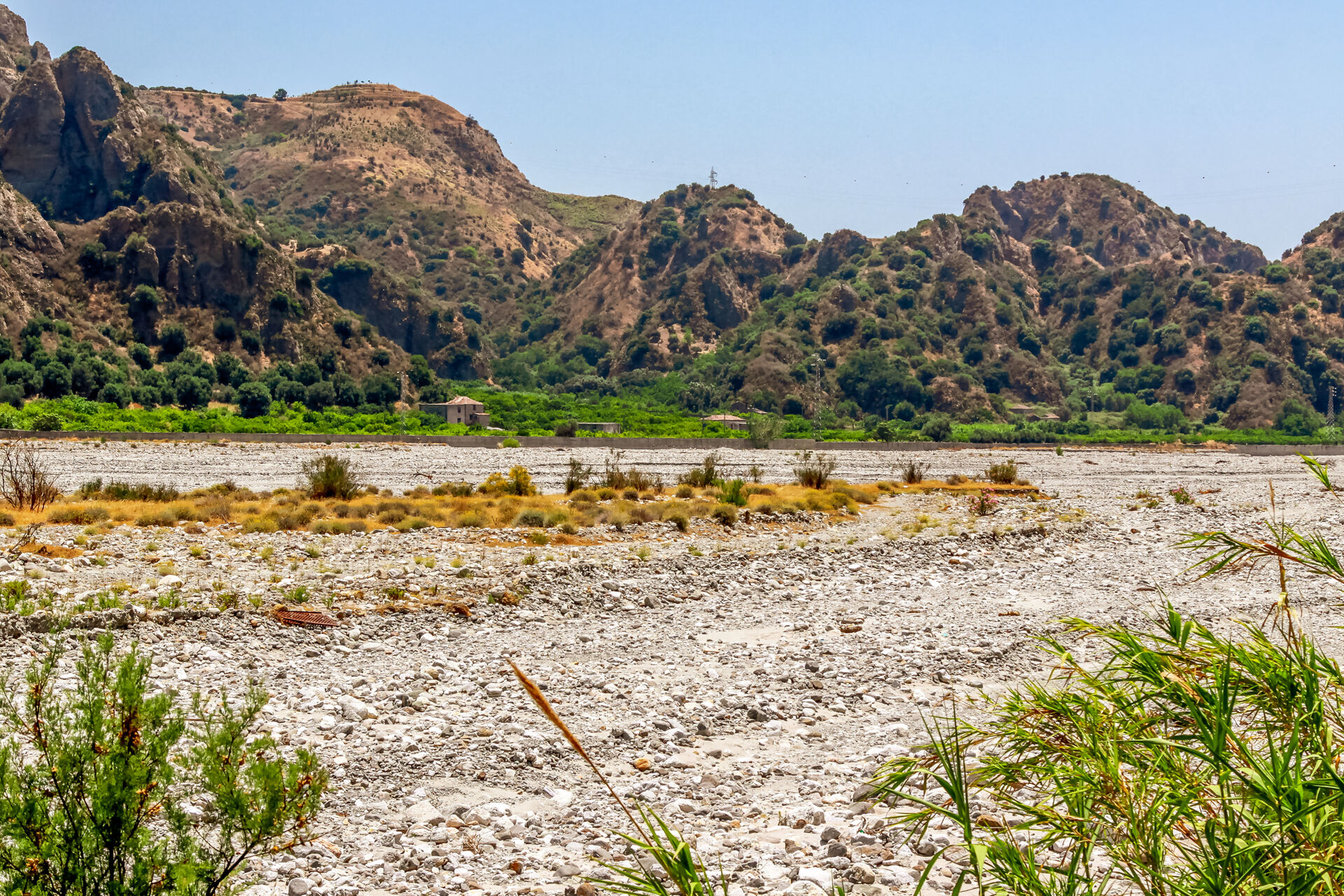
Fiumara Amendolea (Calabria)
Pavel Rezac | Rights reservedIn the dry season, the beds of the watercourses in arid regions are almost entirely uncovered and take on an unusual appearance. River sands, pebbles and gravels lie bare, sometimes cut through by a few narrow rivulets of water.
Plants growing in this type of environment must adapt to both long dry periods and devastating flooding in the rainy season.
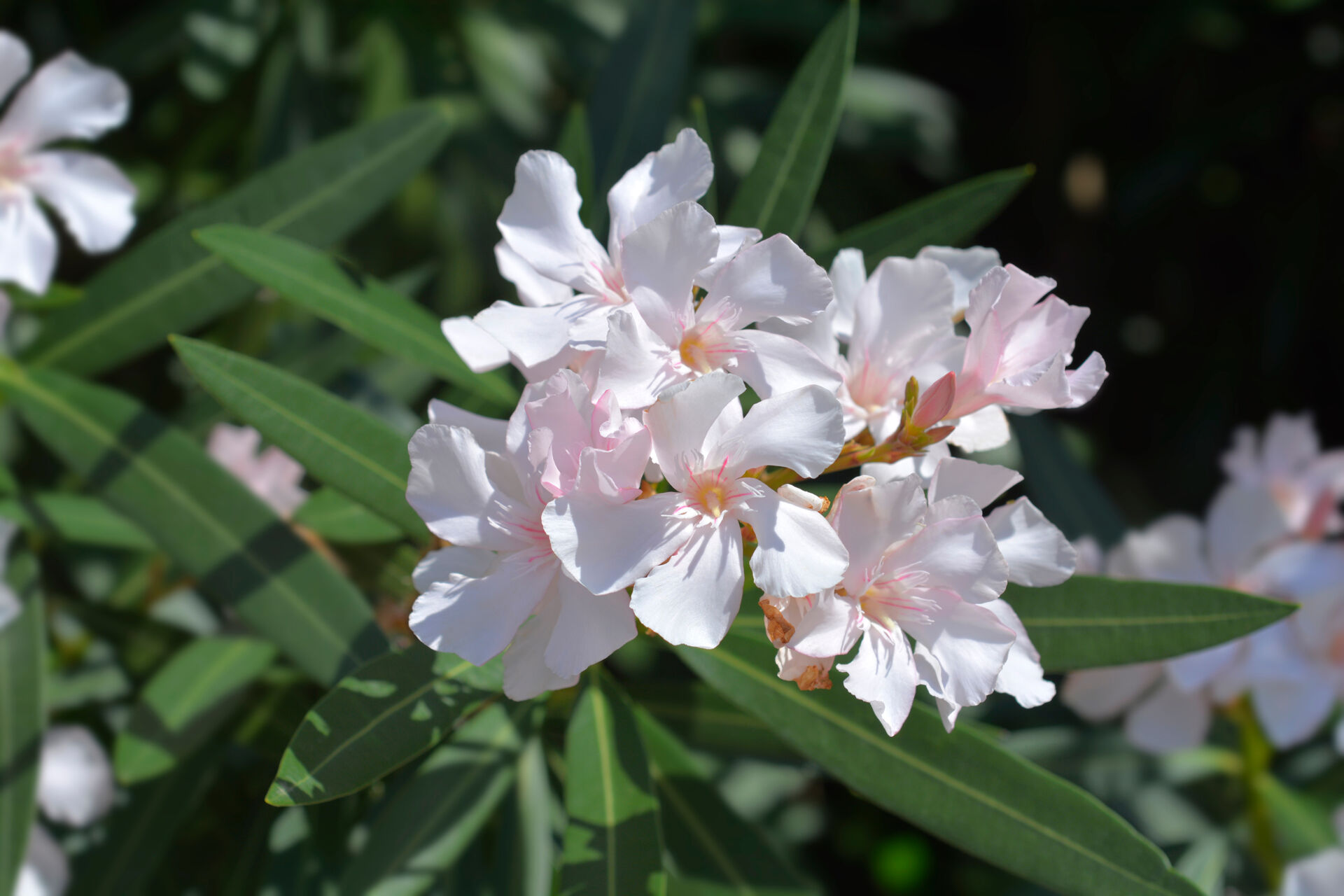
Nerium oleander
nahhan | Rights reserved | Adobe StockThe most typical plants include the oleander (Nerium oleander), which adds a special touch to the environment with its colourful blooms.
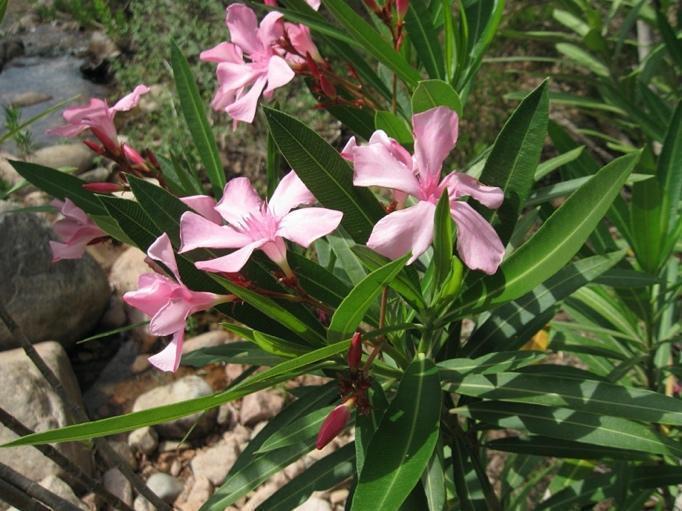
Summer blooming of oleander (Nerium oleander) in the bed of the Rio Cannas, Cagliari area
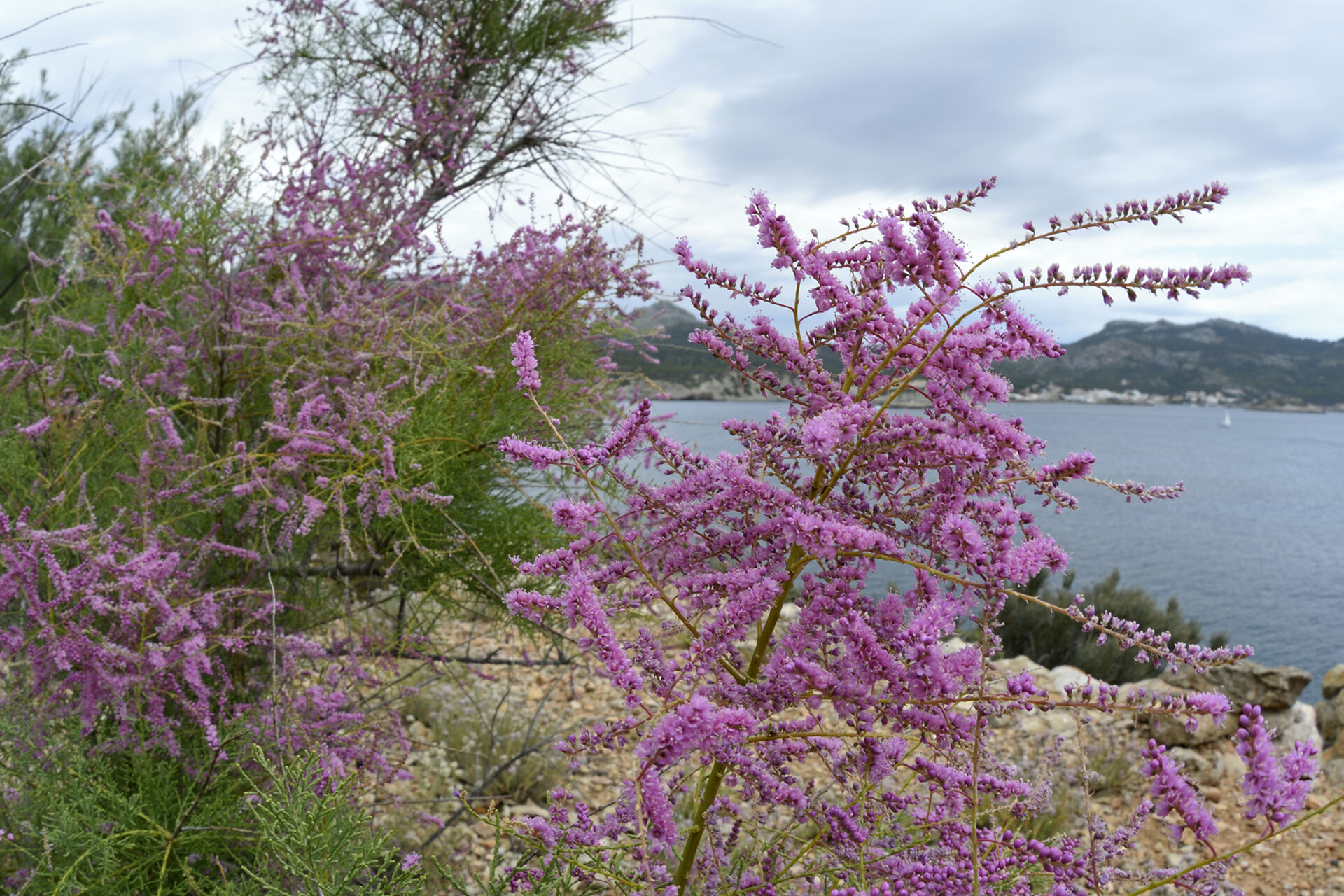
Tamarix spp.
Nicola Destefano | Rights reservedOften found together with oleander are tamarisks (Tamarix spp.) and, more locally, the chaste tree (Vitex agnus-castus), a species with a European Mediterranean range.
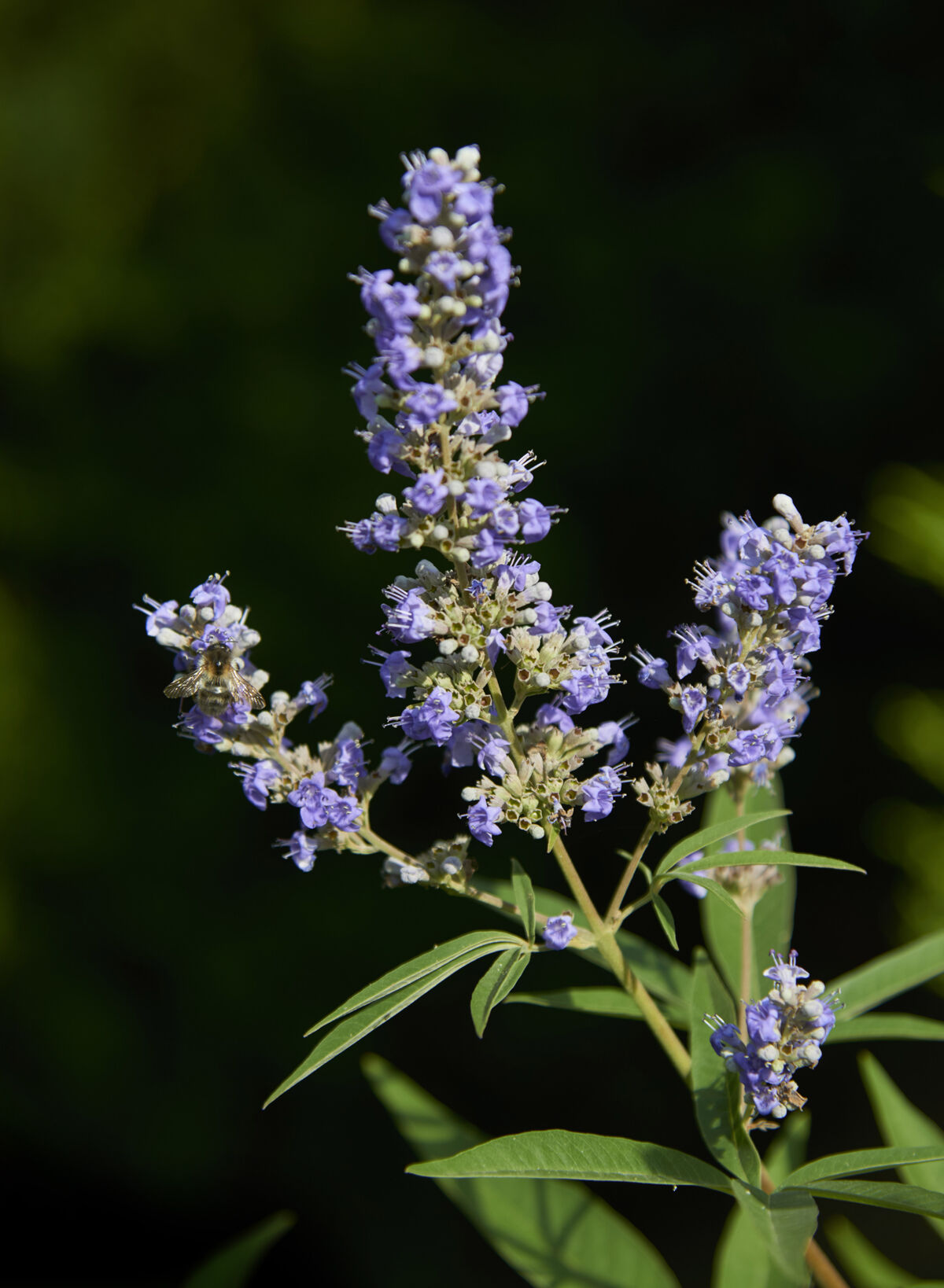
Chaste tree (Vitex agnus-castus)
These bushy formations, considered habitats of high conservational interest under the Habitats Directive, are particularly sensitive to the impact of grazing and fire, which can act as primary cause of their loss or encourage the arrival of exotic species.
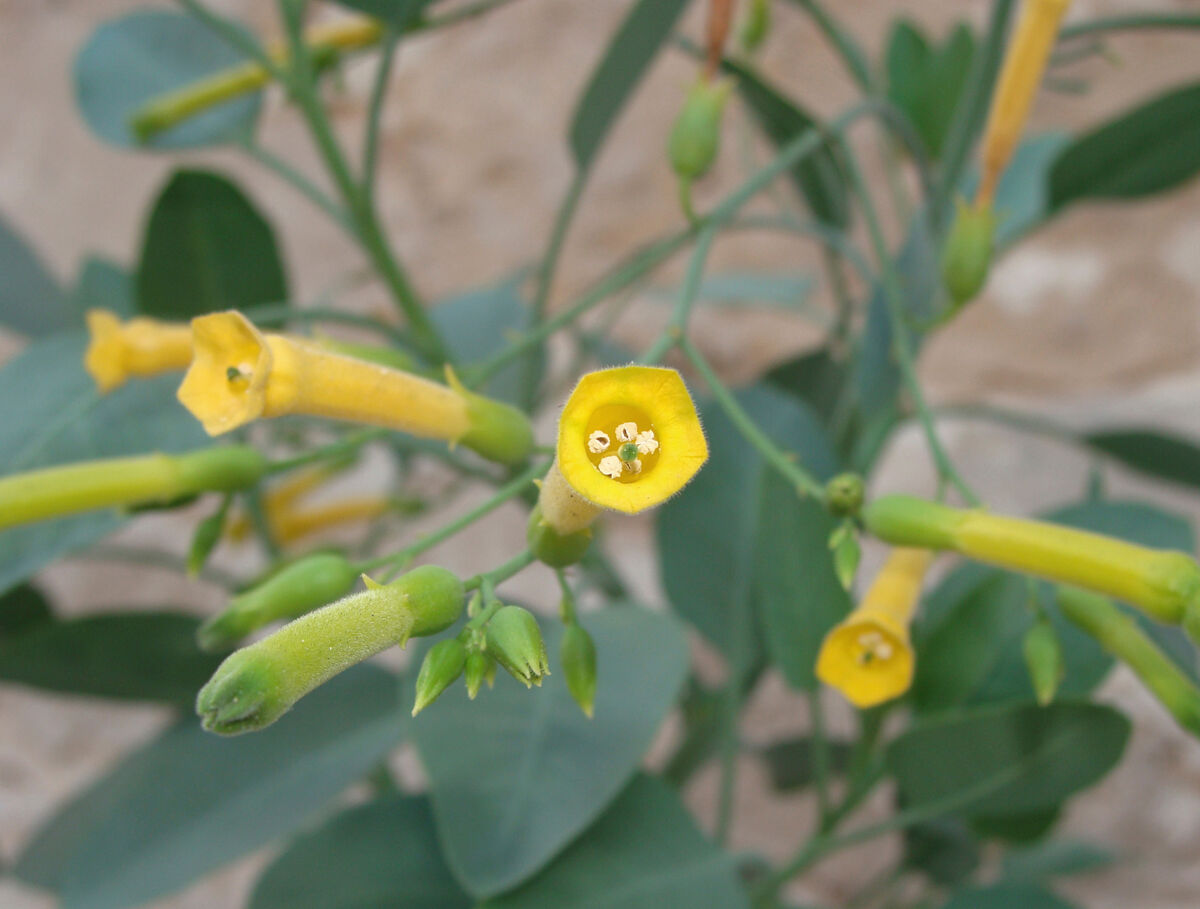
Nicotiana glauca
The vegetation changes gradually from the external terraces towards the centre of the watercourse, where smaller sized plants are found on the lowest terraces that are the first ones to be covered at high water.
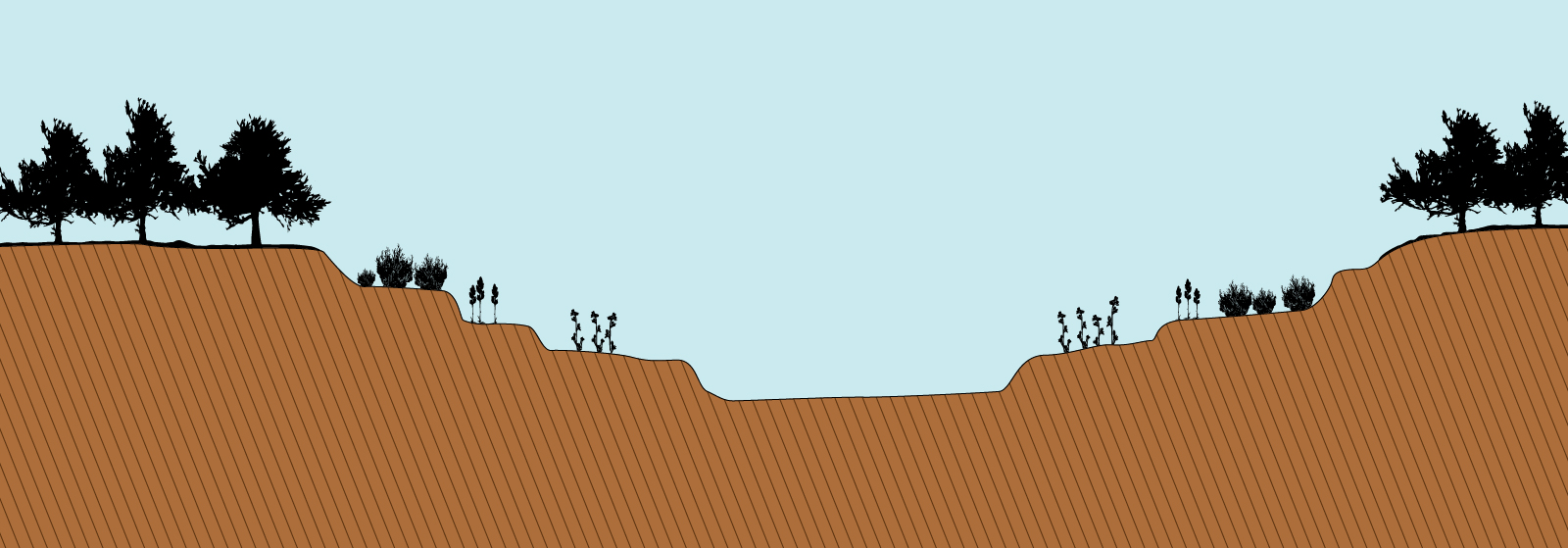
Transept of the vegetation of a Calabrian torrent, taken from da Brullo et al. 2001, La vegetazione dell’Aspromonte. Laruffa Editori.
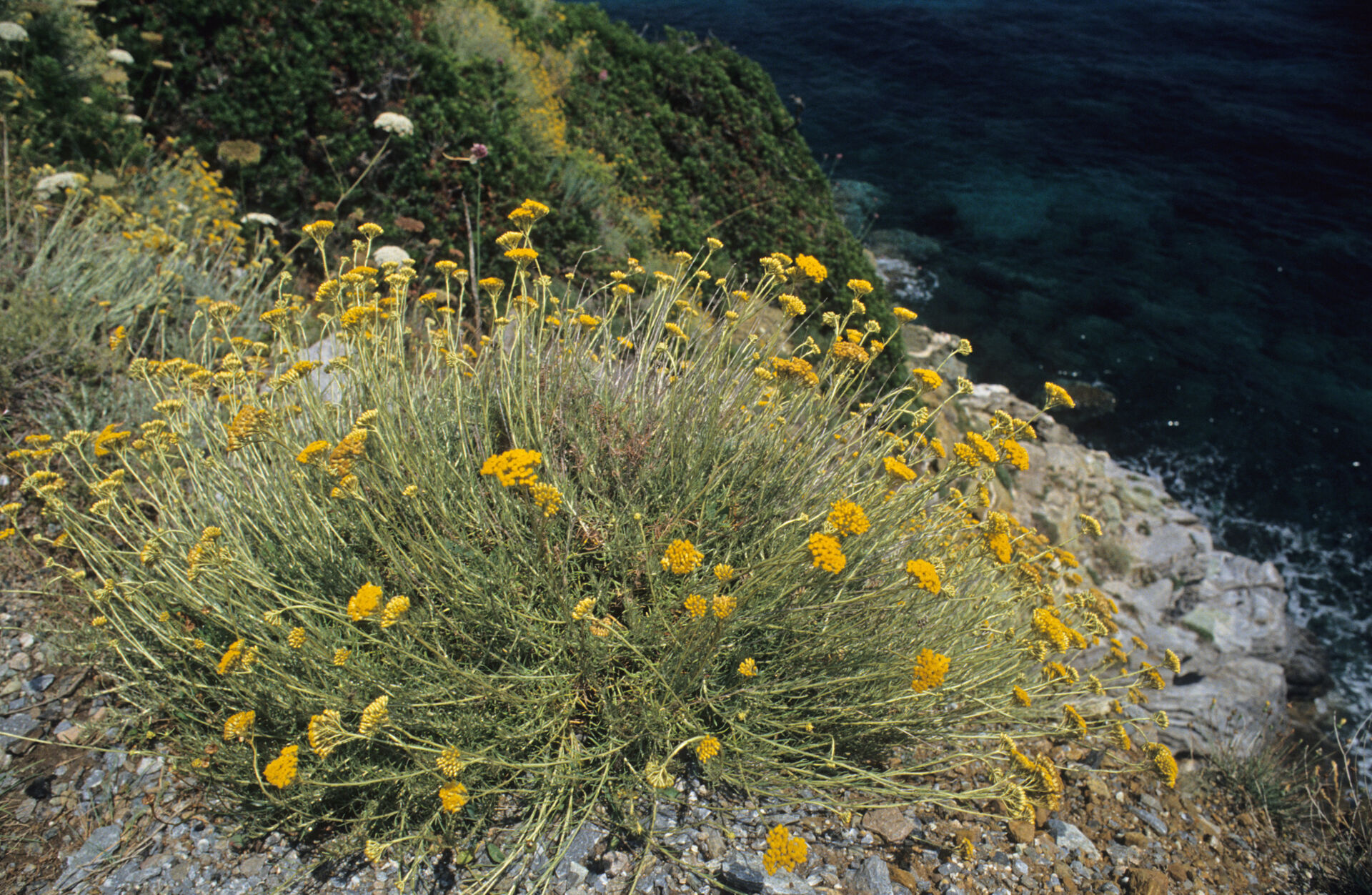
Helichrysum italicum
Derek Hall | Rights reserved | Minden PicturesThese small shrub thickets are dominated by the curry plant (Helichrysum italicum), locally associated with species such as field wormwood (Artemisia campestris variabilis) and false yellowhead (Dittrichia viscosa), and even pioneer communities of generally annual herbaceous species.
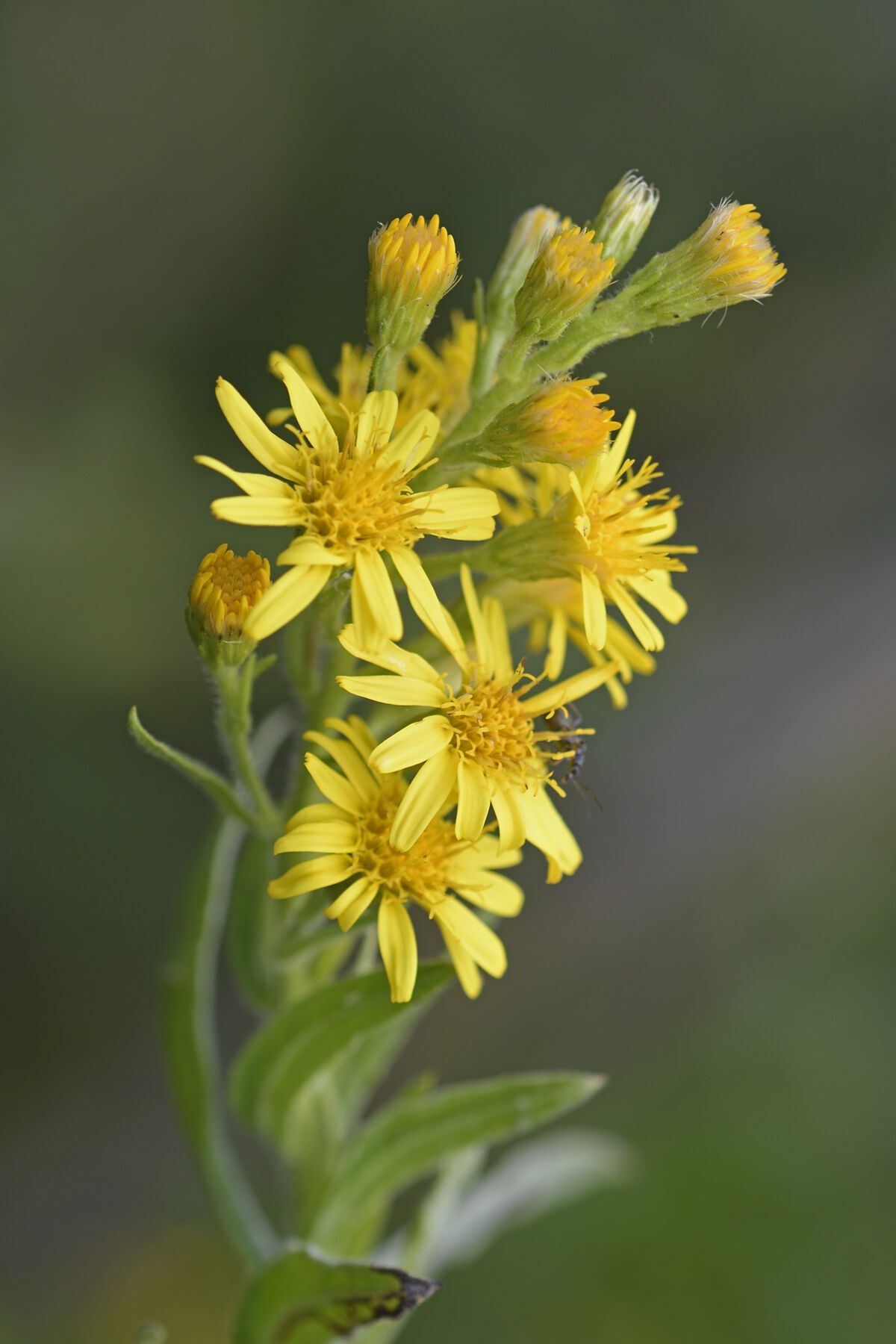
False yellowhead (Dittrichia viscosa)
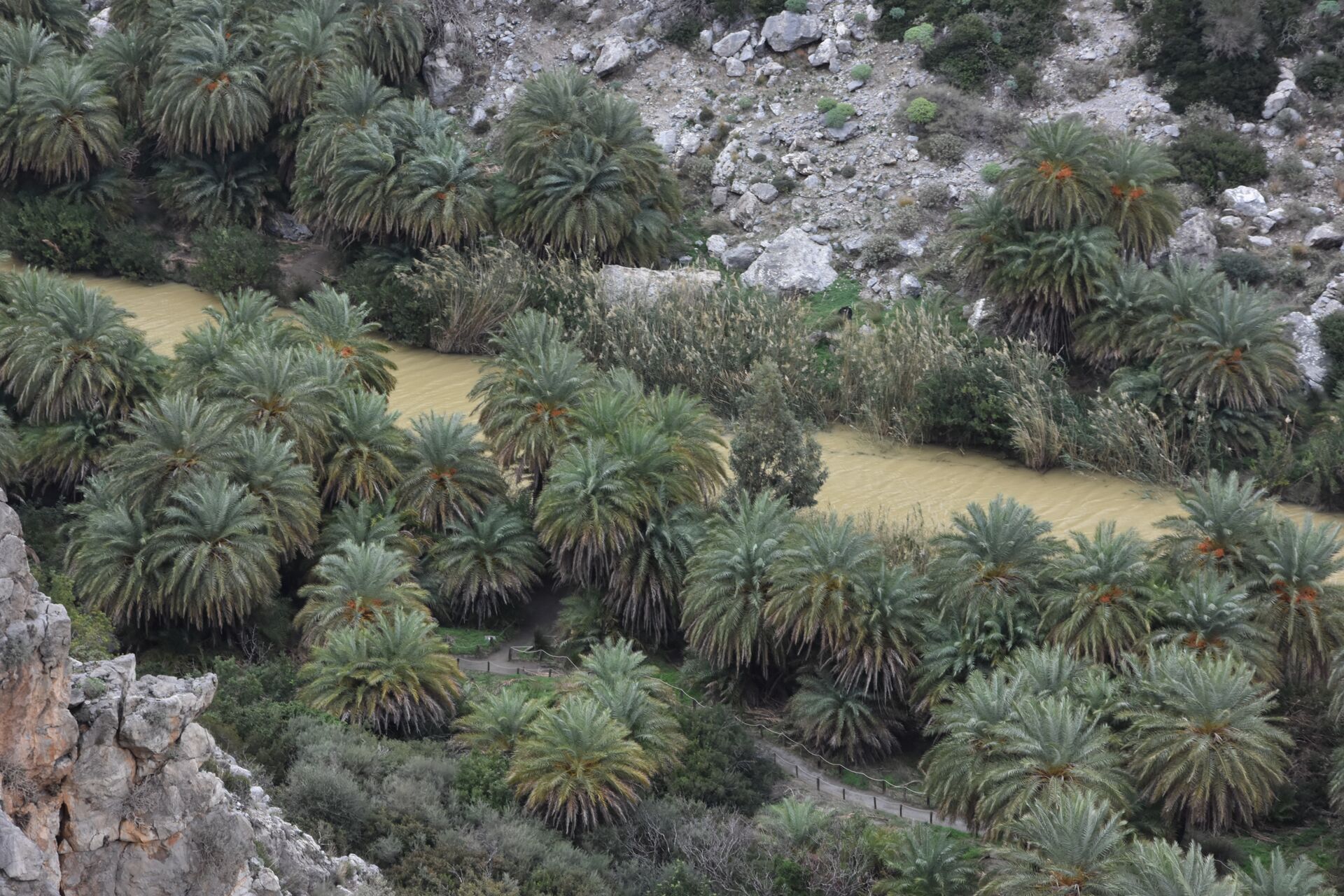
Cretan date palm grove (Phoenix teophrasti) at Preveli beach, Crete
Lorenzo Cecchi | Rights reservedMore stable plant communities can be found by semi-permanent springs or deeper streams. The spectacular Cretan date palm (Phoenix theophrasti) grove near Preveli beach (Crete) is one of the very few known populations of this rare island species, the only endemic palm on the European continent.
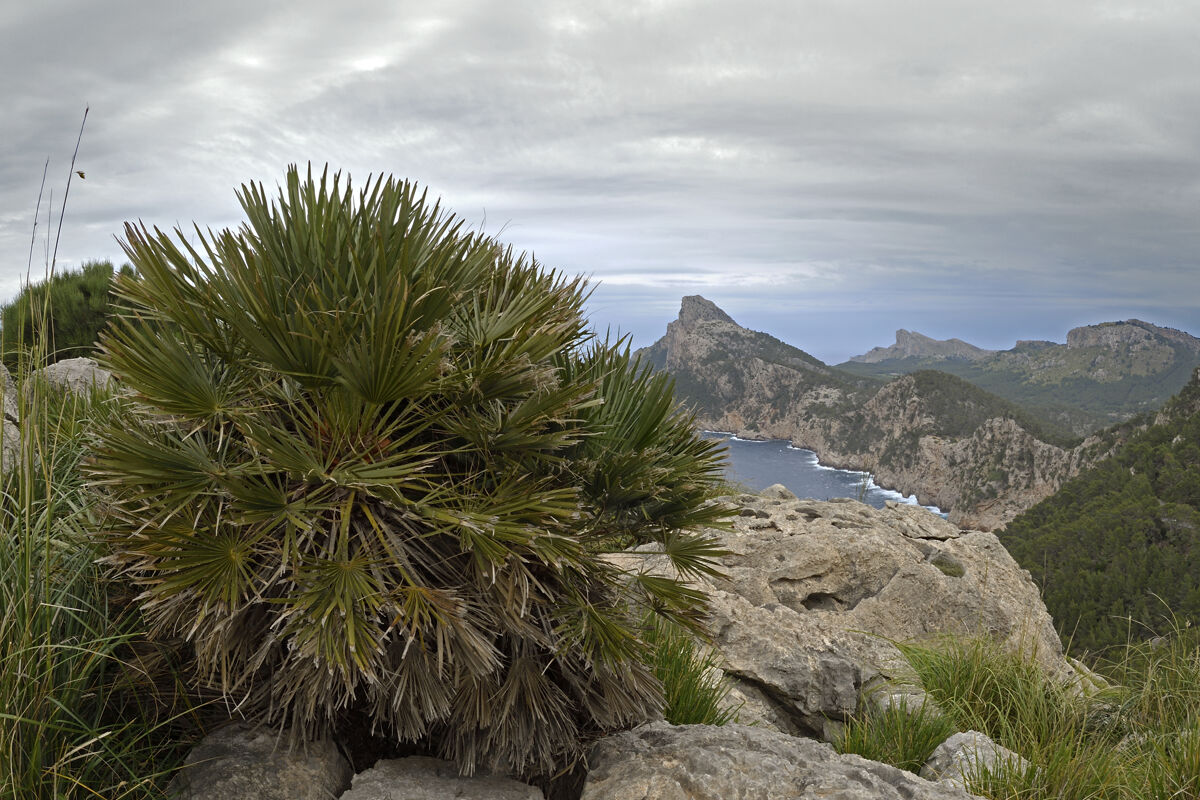
The only other autochthonous palm in Europe with Phoenix theophrasti is the Mediterranean dwarf palm (Chamaerops humilis)
Despite the varying seasonal flow of the Kissano Faraggi stream, around which these majestic trees cluster, the large number of small dates produced and the shade afforded by the foliage ensure that a sufficient number of seeds will germinate to carry on the next generation of palms.
Cretan date palm (Phoenix teophrasti) seeds
Getting by without water
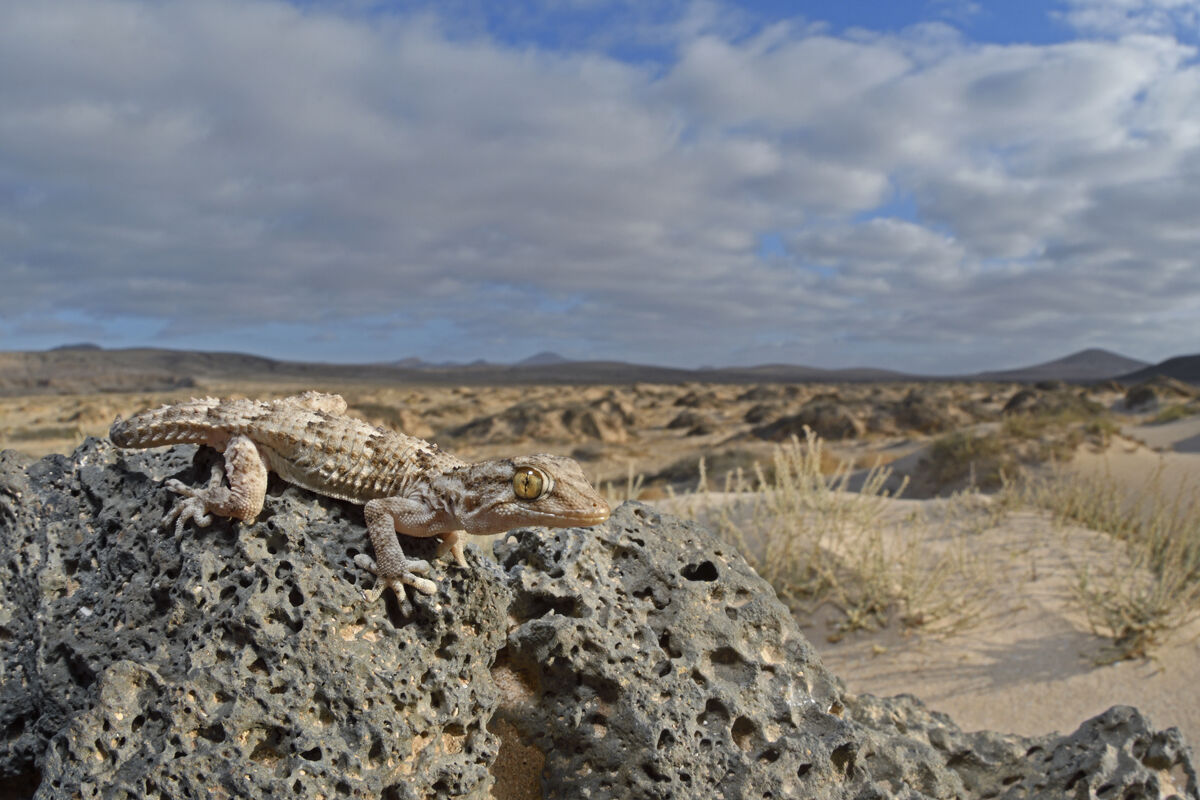
Gecko, semi-arid environment
Reptiles reign supreme in hot, arid environments. We are all familiar with those pictures of rattlesnakes in deserts in America or lizards basking in the sun.
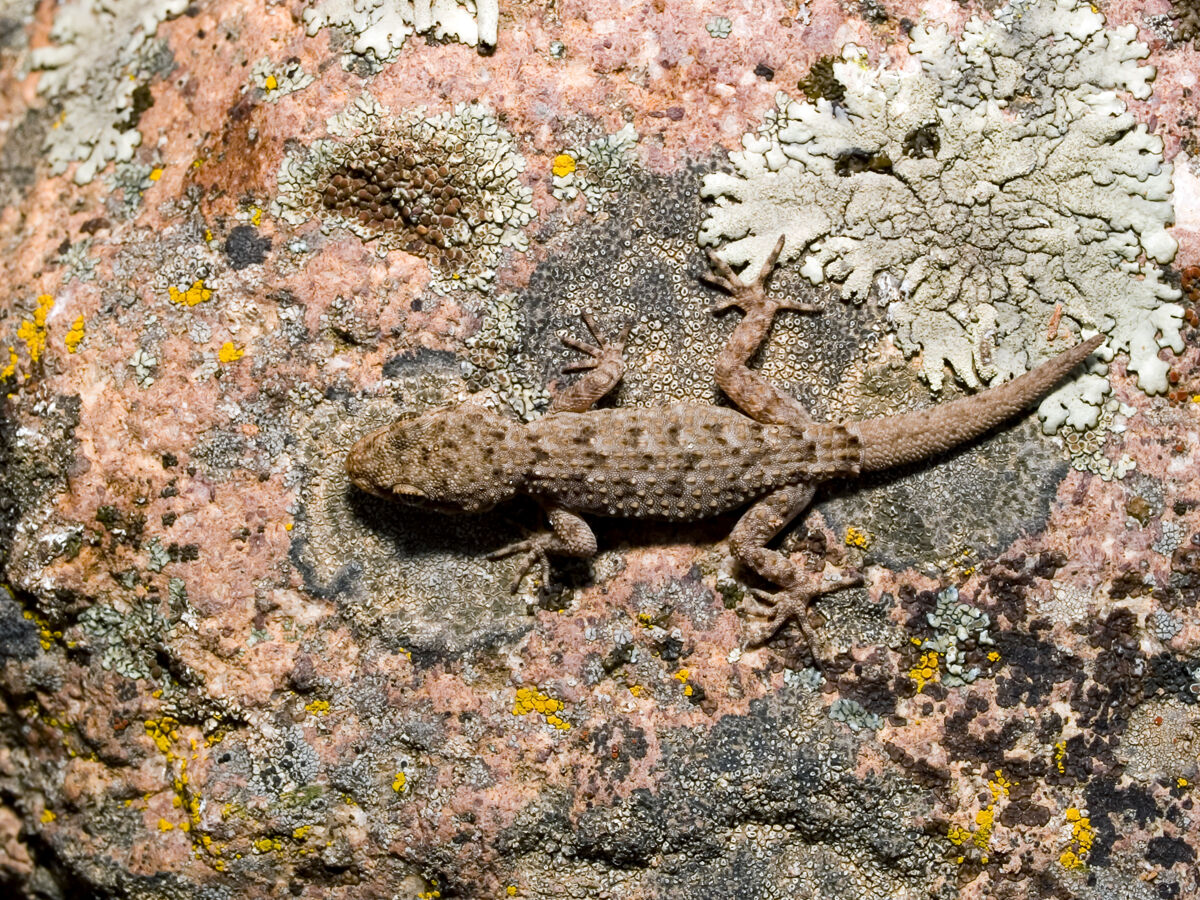
Kotschy’s gecko
The arid zones of the Mediterranean, such as the Laterza ravine, are no exception. Kotschy’s gecko (Cyrtopodion kotschyi), which lives around rocks, and the European rattlesnake (Zamenis situla), found on the floor of the ravine, are typical species of this extraordinary environment.
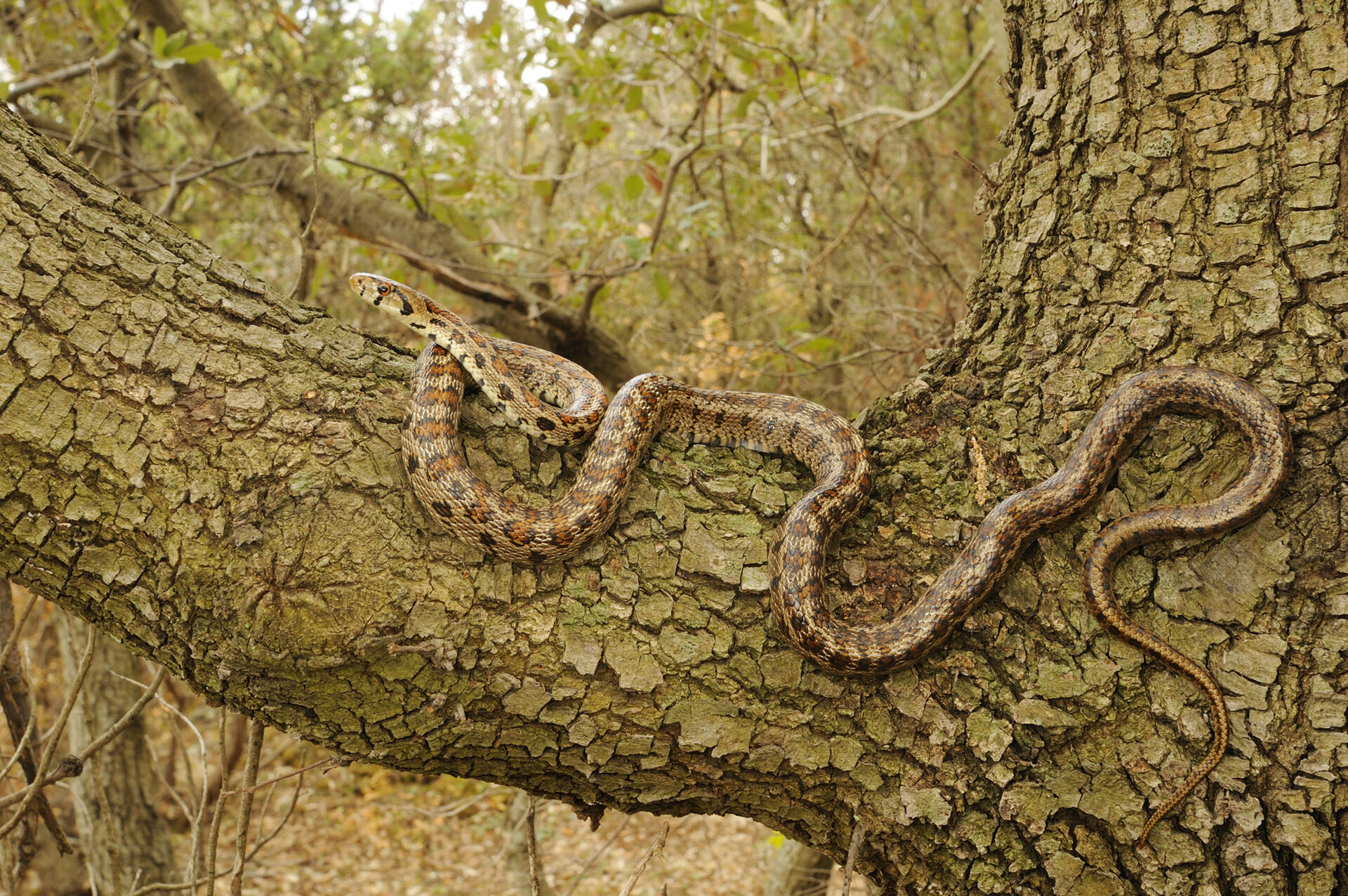
European rattlesnake
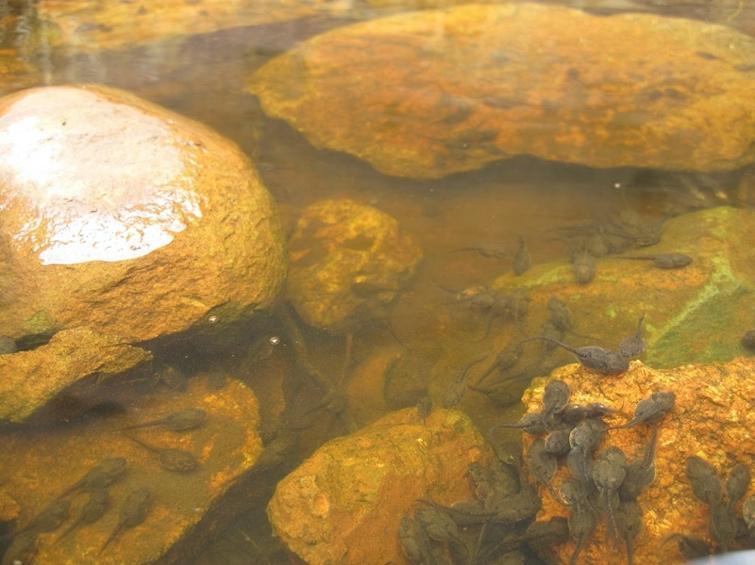
Litoria maini tadpoles in a temporary pool in the rocks of Kata Tjuta in the Australian outback
Lorenzo Cecchi | Rights reservedApart from reptiles, these arid areas are also home to some amphibians. This may sound strange in dry ecosystems, since amphibians need aquatic environments to lay their eggs and allow their larvae to develop.
Some species can however thrive even in dry habitats by taking advantage of temporary water bodies in places otherwise with low water or dry periods, which in the Mediterranean arrive in late spring to summer.
The temporary nature of water bodies can also reduce the presence of predators, excluding any, such as fish, who need constant water to survive. Increased temperature and sunlight, typical of shallow waters, can speed up the development of eggs and larvae and improve food availability.
In some years, though, high water periods may not be sufficient to allow larvae to reach metamorphosis and leave the water.
The balance between risks and advantages is delicate and can be upset by any alteration brought about by human activity (such as water collection), threatening the survival of such species.
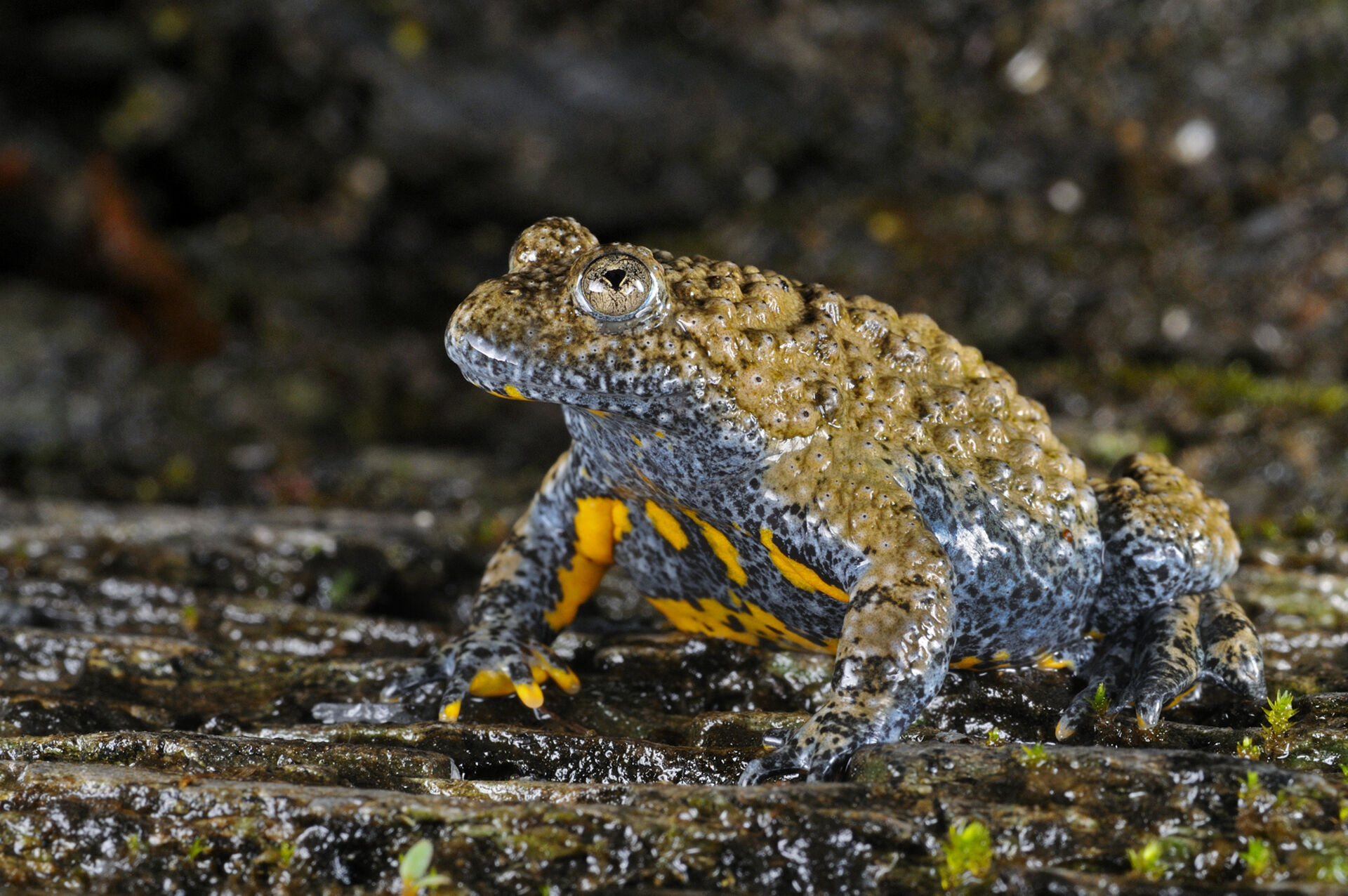
Apennine yellow-bellied toad (Bombina pachypus)
Nicola Destefano | Rights reservedThe Apennine yellow-bellied toad (Bombina variegata pachypus) is an endangered species that tends to live around temporary shallow pools of water. This amphibian can reproduce in the isolated pools left at the edges of watercourses, or even in puddles on the ruts of paths and unsurfaced roads.
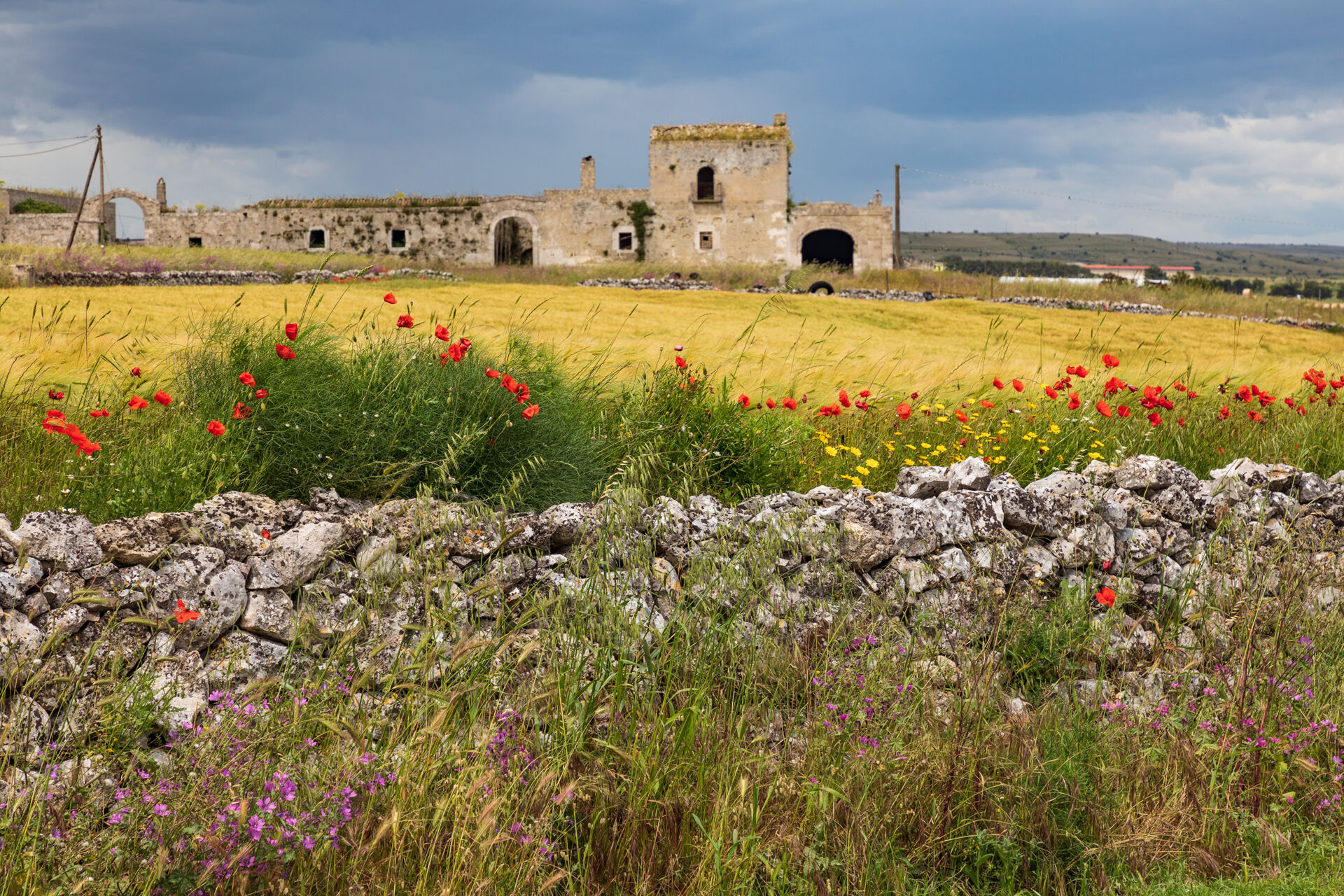
Abandoned countryside, Laterza, Puglia
emily_m_wilson | Rights reserved | Adobe StockAbandonment of traditional agricultural and grazing activities and the management of water bodies that goes with it (from animal troughs to flooded fields and secondary ditches) is one of the factors contributing to the rapid decline of this amphibian.
Water (less) fleas
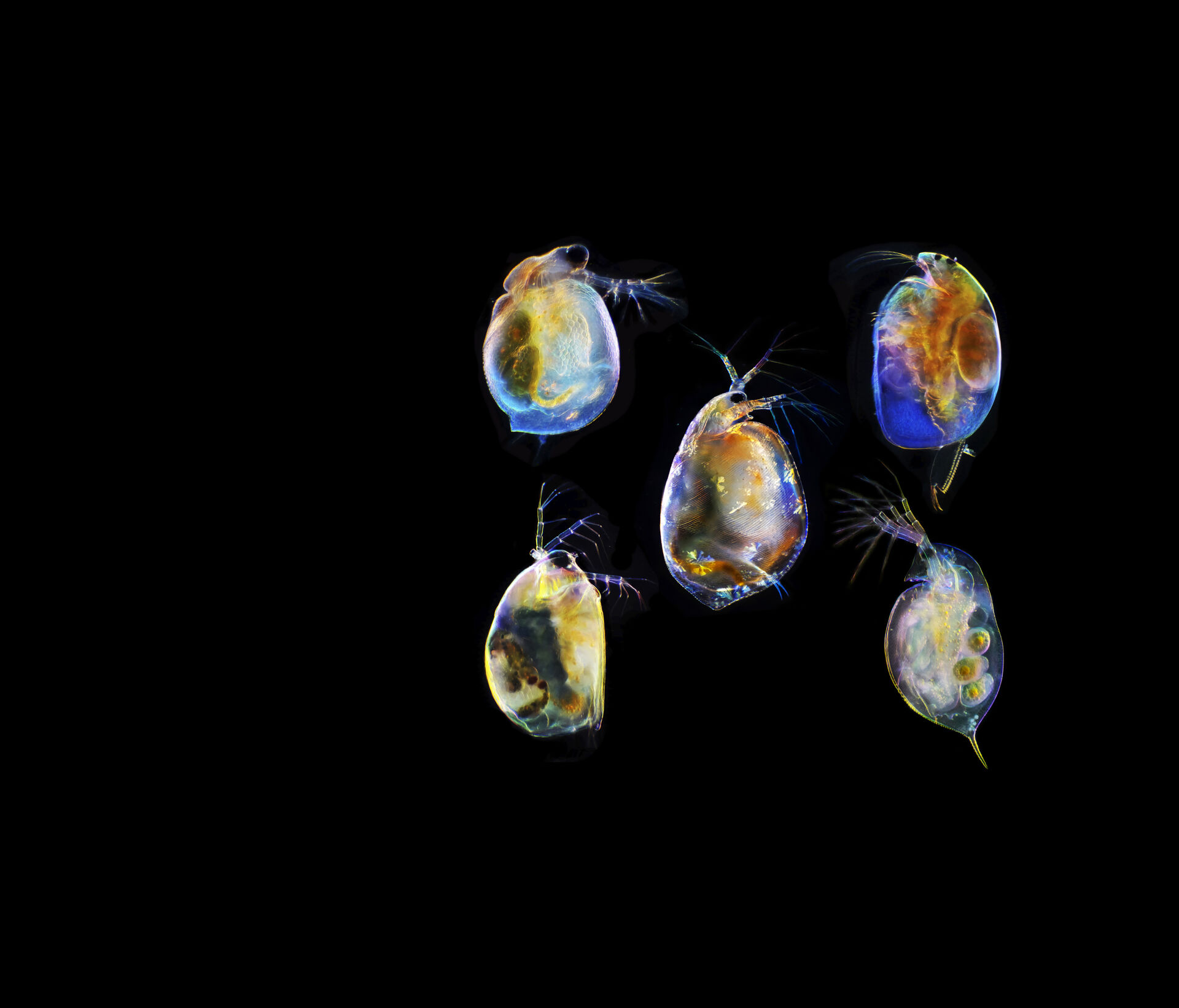
Cladocera
Andrei Savitsky | CC BY 4.0 | Wikimedia CommonsArid areas host not only larger animals but a whole world of smaller organisms that can live in the limited amount of available water. Some crustaceans, such as Cladocera, Notostraca and Anostraca, which inhabit temporary pools or ponds, adopt surprising behaviour patterns in unfavourable environmental conditions.
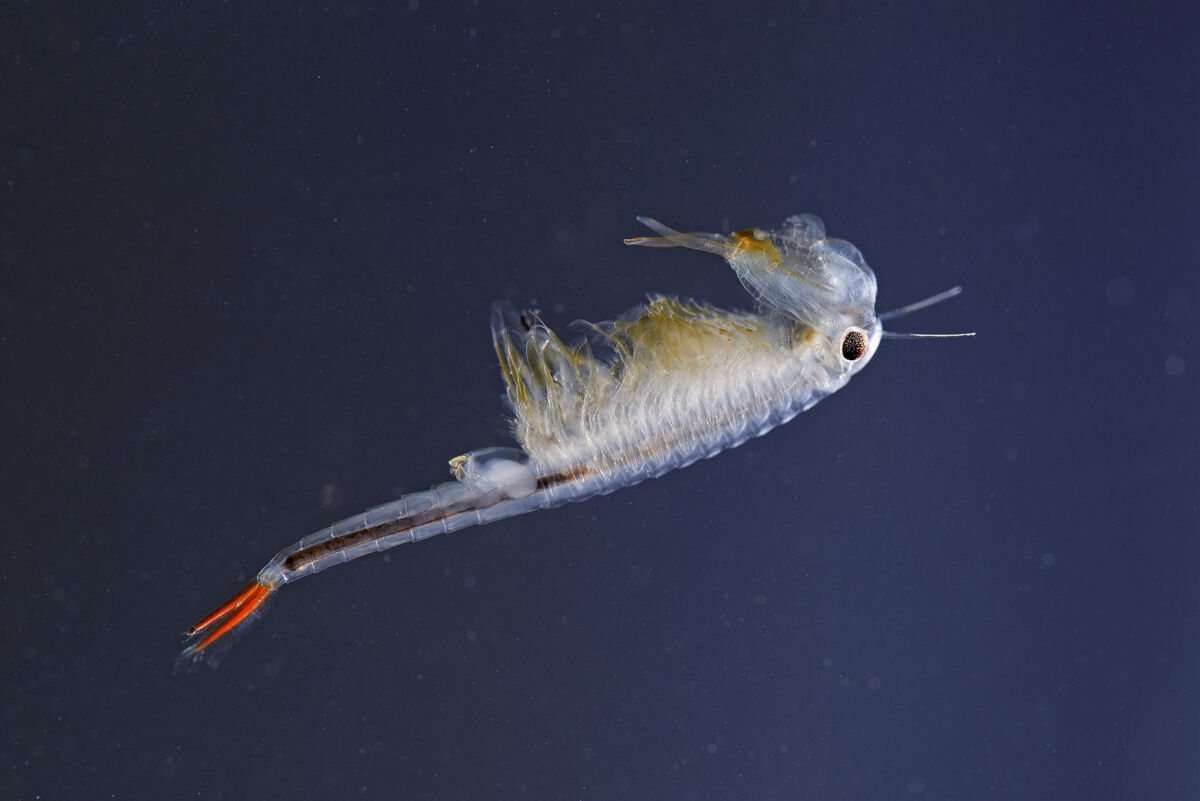
An anostracan (Chirocephalus diaphanus)
Under normal conditions, females reproduce by parthenogenesis, producing eggs from which only other females are born. As the critical period approaches, bringing drought or scarcity of resources, males also hatch from the same eggs and fertilise them.
These special eggs are enclosed in a thickened, hardened coat that can withstand drought.
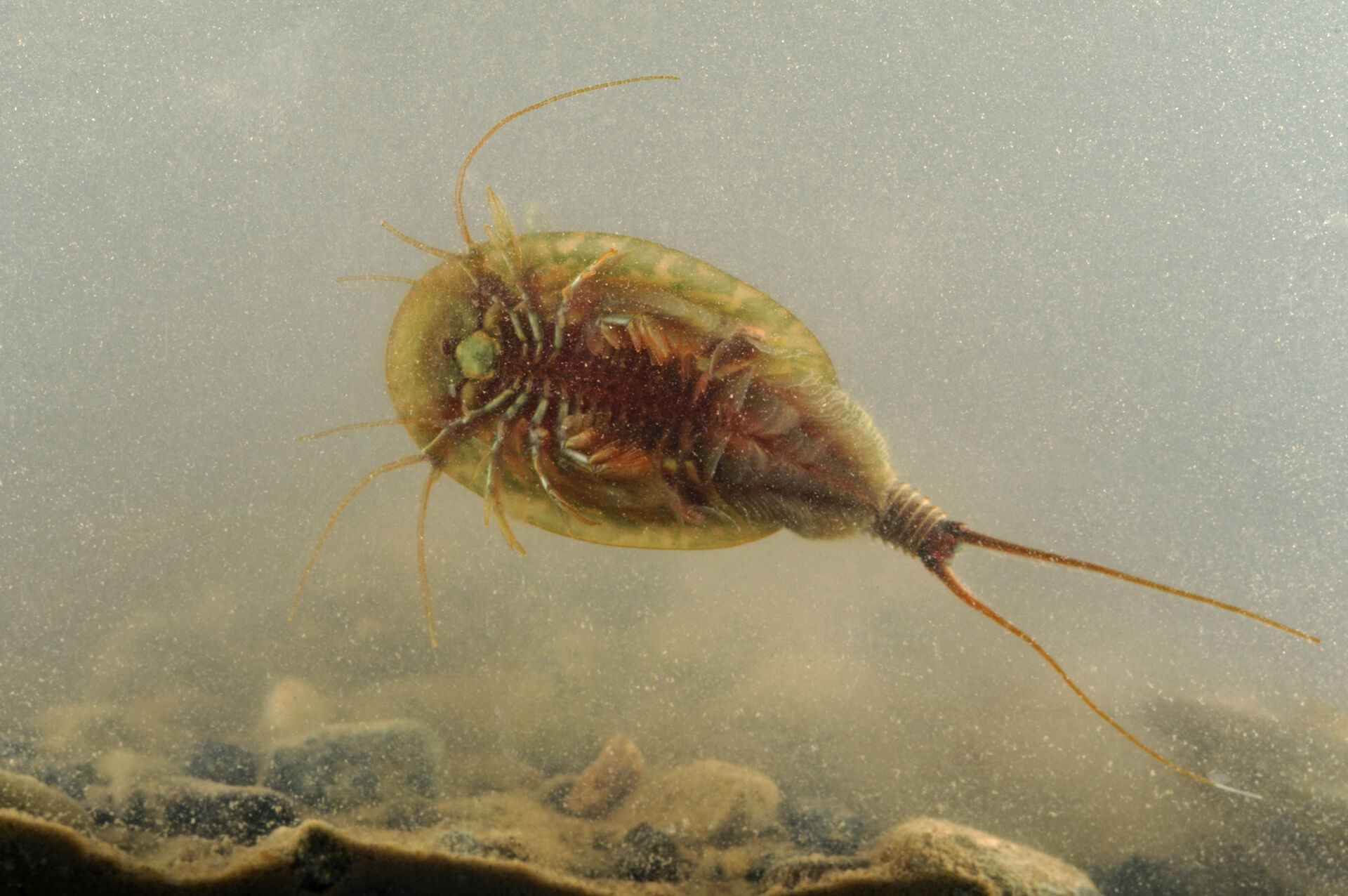
A notostracan (Triops cancriformis)
Nicola Destefano | Rights reservedThe eggs can survive for months or even years, and hatch within hours under favourable living conditions.
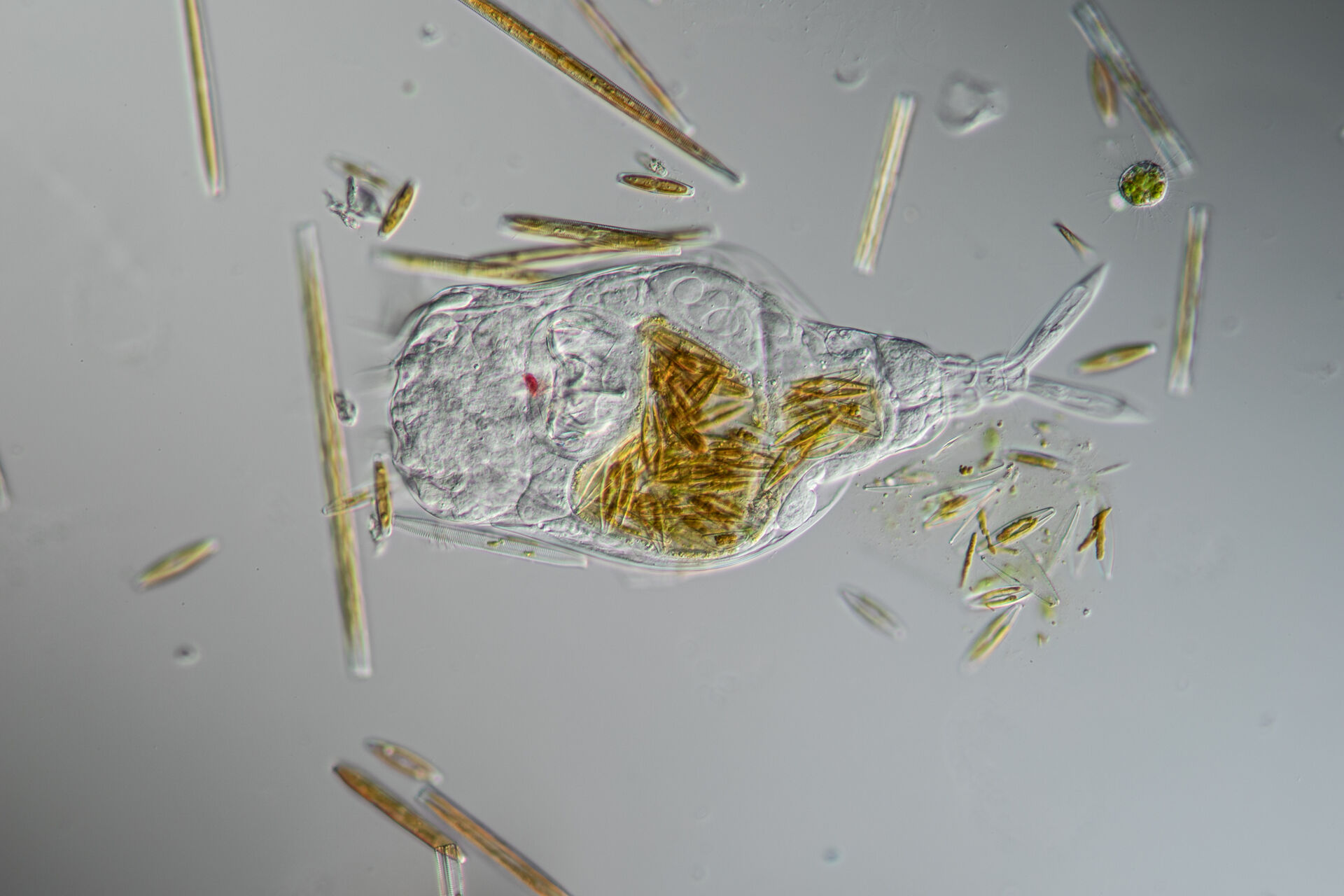
A rotifer (Rotifera)
Dr. N. Lange | Rights reserved | Adobe StockOther small invertebrates such as rotifers, nematodes and tardigrades have colonised several types of environment, from salt- and freshwater habitats to dry land, and only lead an active life when covered by at least a minimal quantity of water.
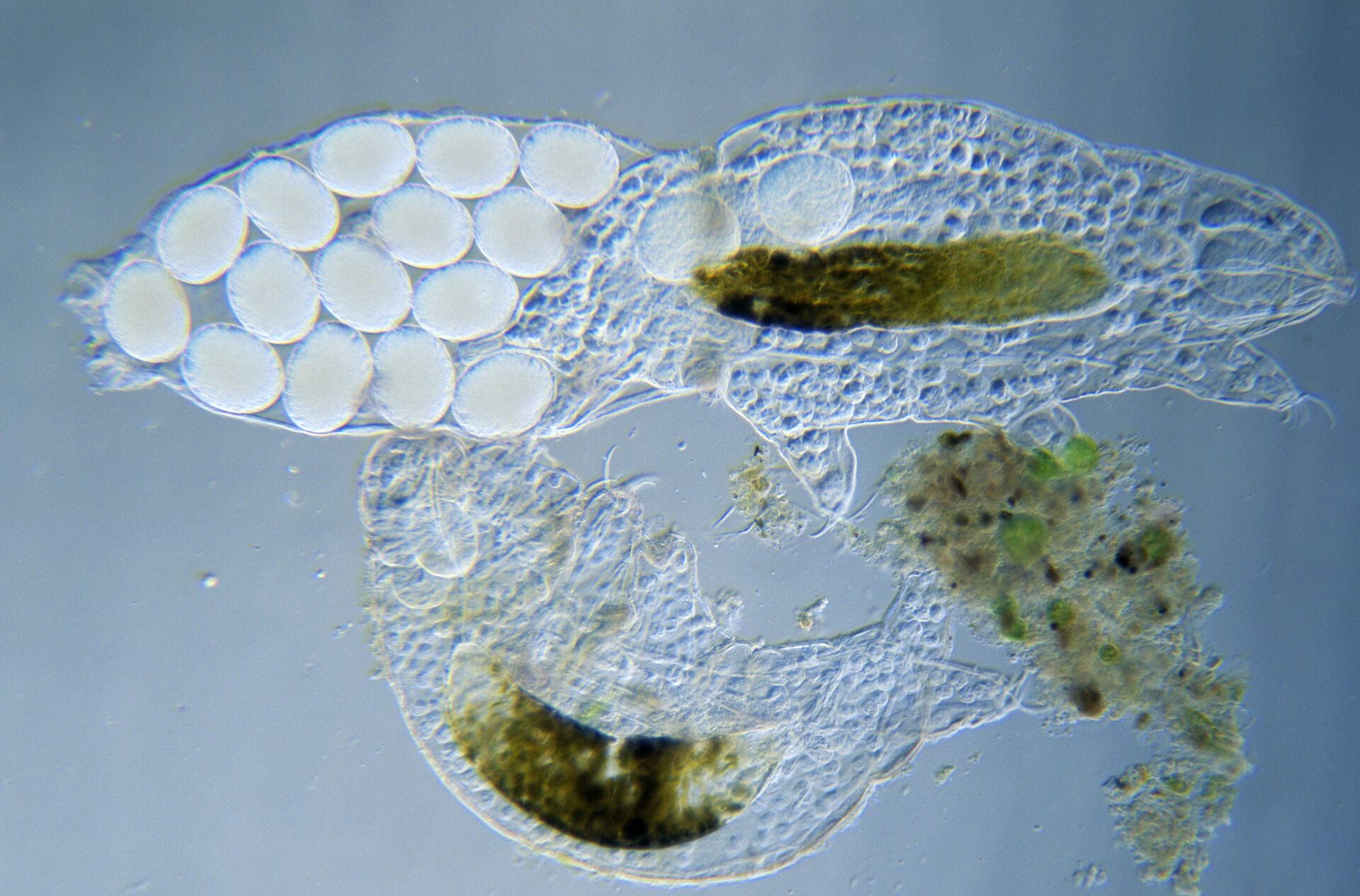
A tardigrade (Tardigrada)
Jan van Arkel | Rights reserved | Minden PicturesTardigrades are a phylum with unusual reproductive strategies, from cross-fertilisation, to self-fertilisation or parthenogenesis.
These last two strategies allow them to colonise new environments through passive dispersion, mainly by the wind.
These animal species can also become dormant in the event of certain environmental changes, forming cysts, or producing eggs with long-delayed hatching.
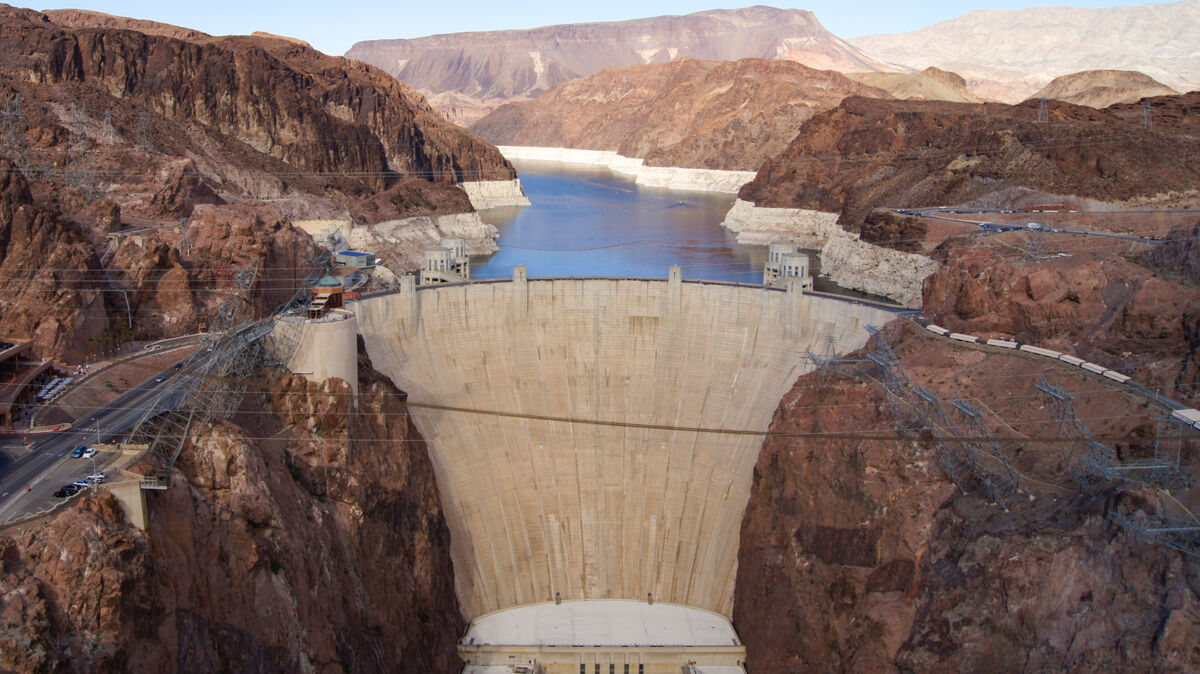
Dam in Colorado
The biodiversity of arid environments can be negatively affected by changes to the water regime caused directly or indirectly by human activity.
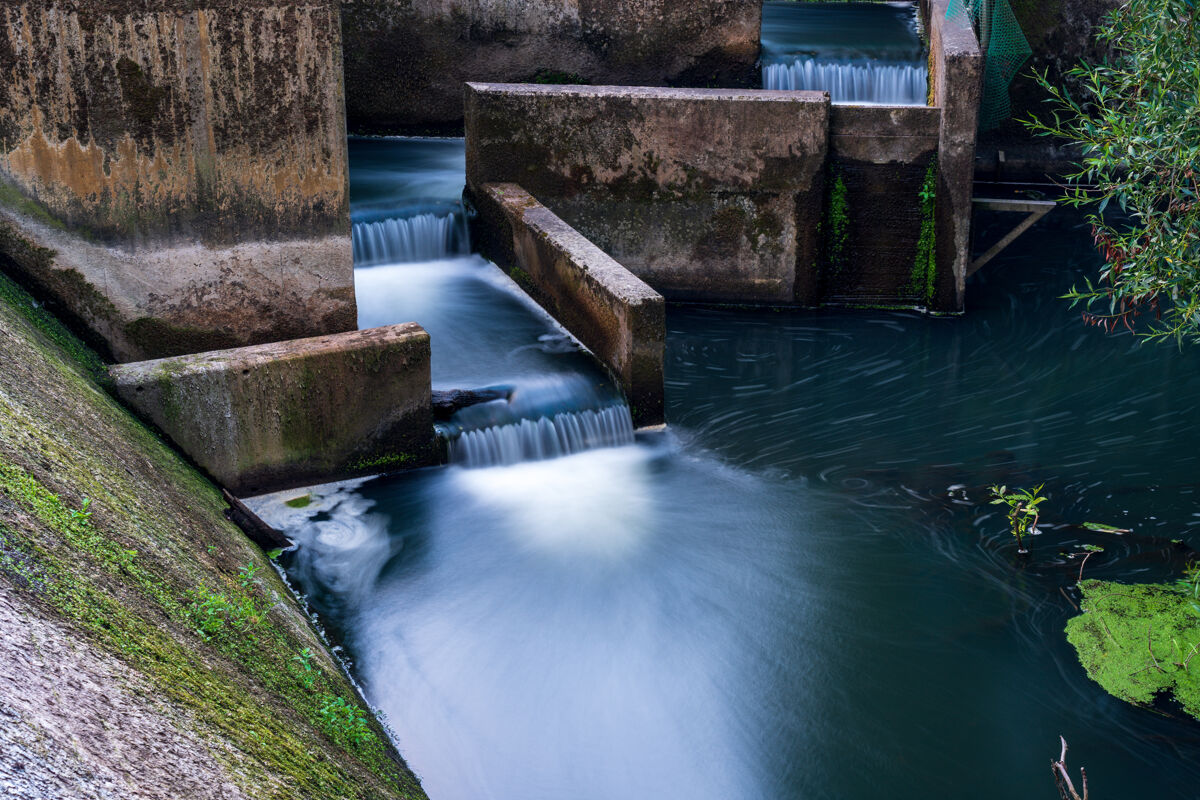
Fish passage in a Swedish dam
Even where these changes are necessary for human survival, it is essential to take their ecological consequences into account and to identify intervention and management strategies having the least possible impact on natural ecosystems.
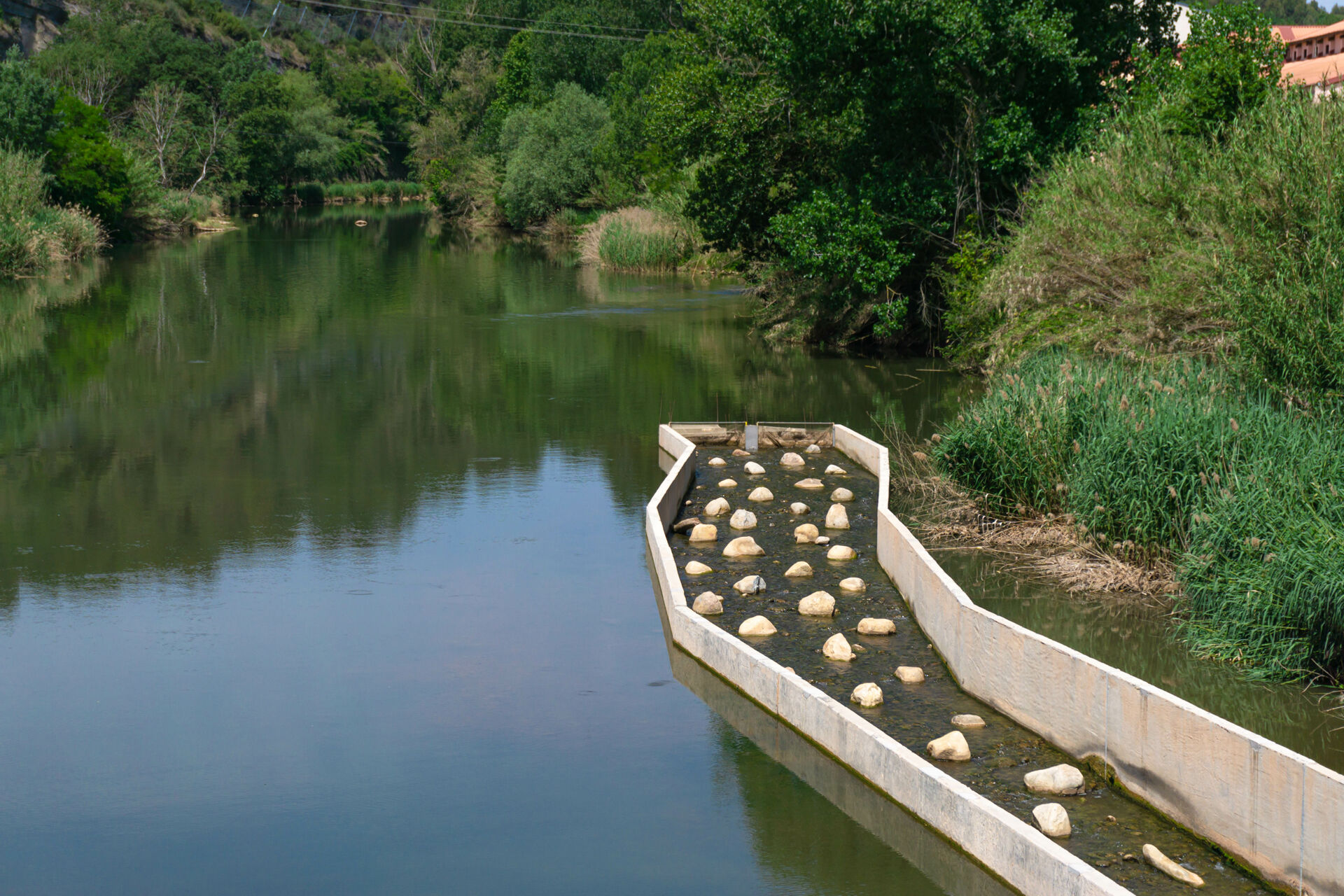
Passage for fish and other aquatic species in Spain

