
When the Mare Nostrum became a lake
In the 1960s a great discovery sent shockwaves through the world of geology.
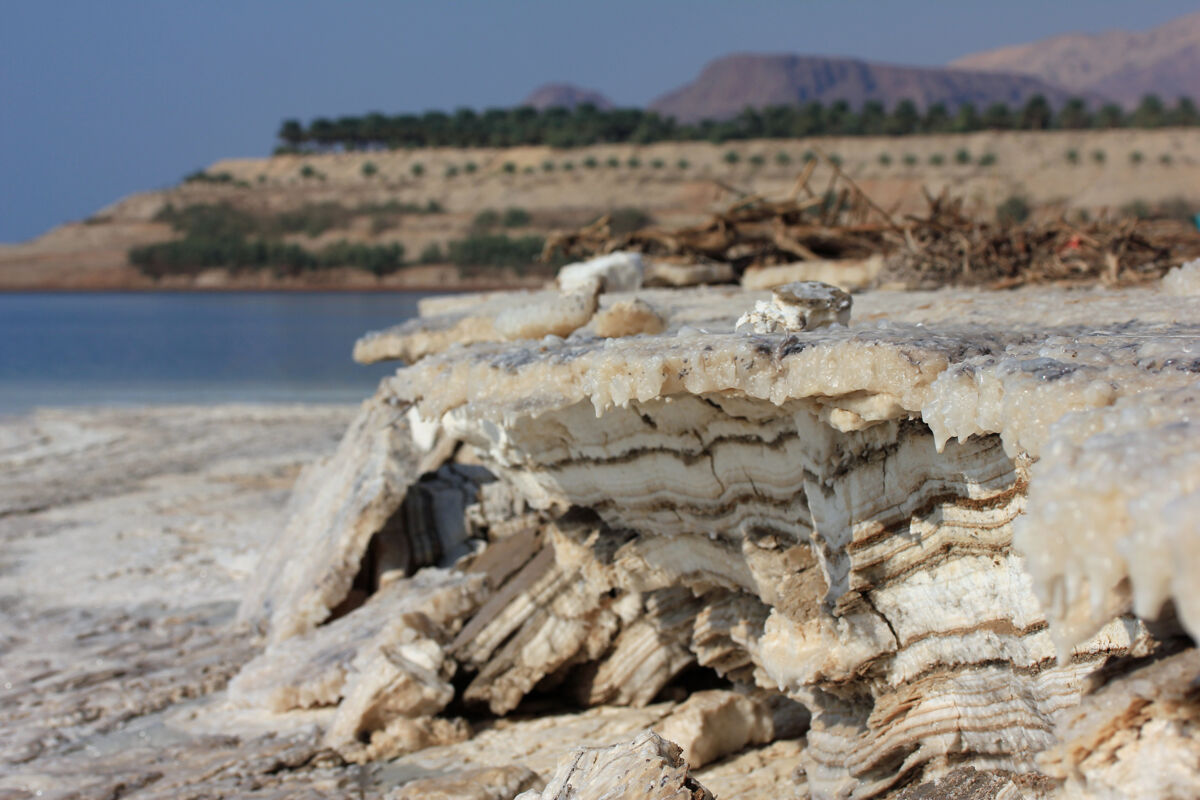
‘Evaporite’ deposits, in other words mineral sediments left behind after water evaporation, were uncovered that revealed how about six million years ago the Mediterranean underwent a vast transformation.
This is the story of how the Mare Nostrum, the name the Romans used for the Mediterranean, became a lake.
A troubled history
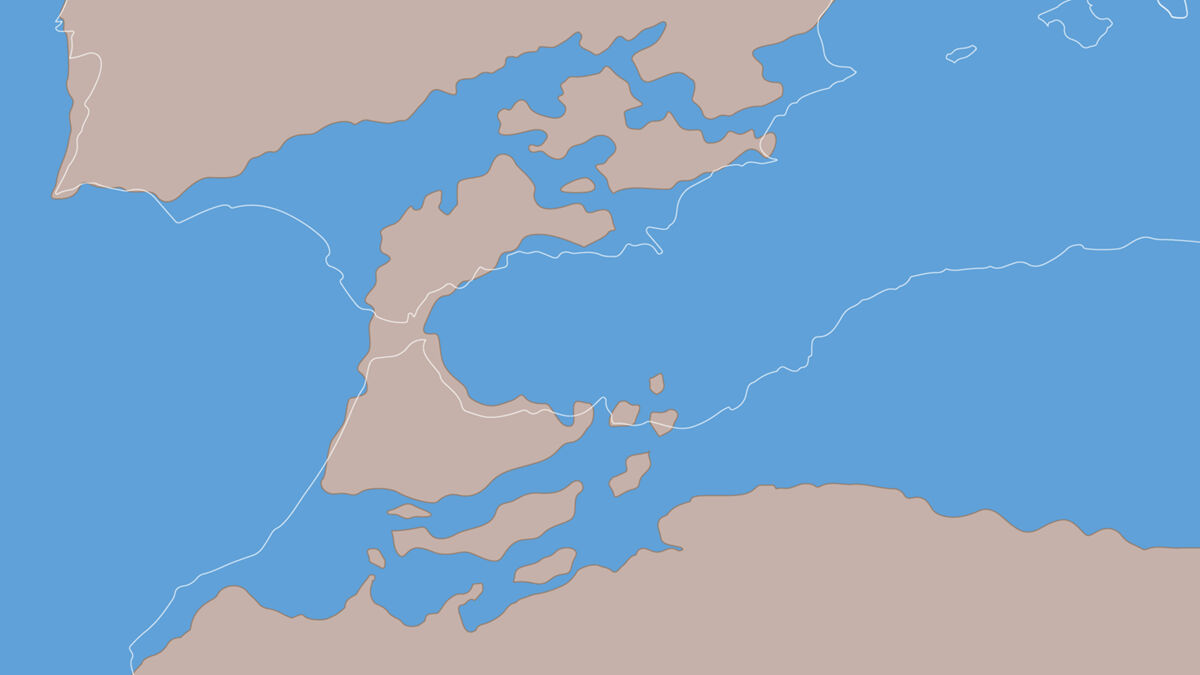
Between five and six million years ago, the Mediterranean was cut off from the Atlantic.
At that time, the single Strait of Gibraltar had yet to be formed, a number of straits instead linking the sea and ocean.
There were probably several reasons for the closure of this system of straits: lowering of the sea level due to increased ice cover at higher latitudes, a rise in the Earth’s crust, tectonic movements between Europe and Africa.
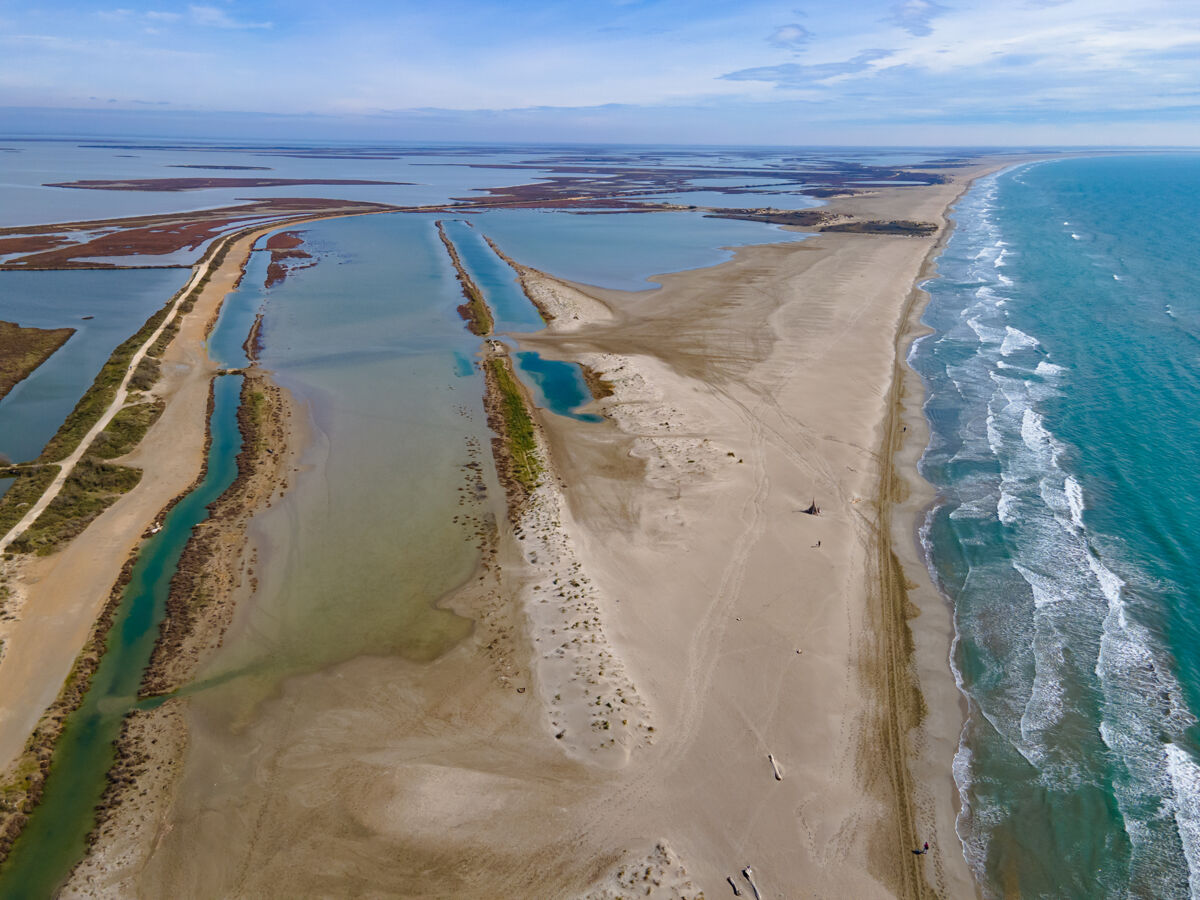
As a result, during the second half of the geological age known as the ‘Messinian’, the Mediterranean repeatedly became a closed lake, ever small in size and more saline.
What caused the Mediterranean Sea to dry up?
The Mediterranean has a water deficit, the amount of water contributed by rainfall and rivers failing to offset powerful evaporation. The waters of the Atlantic Ocean flow into the Mediterranean through the Strait of Gibraltar and make up for this imbalance. Scientific exploration of the seabed in the 20th century revealed that the waters of the Mediterranean evaporated between five and six million years ago because these straits linking the Mediterranean to the Atlantic closed. For about 270,000 years, many parts of the basin became arid saline areas of dry land. About five million years ago, the strait reopened, causing the ancient sea to be reborn.
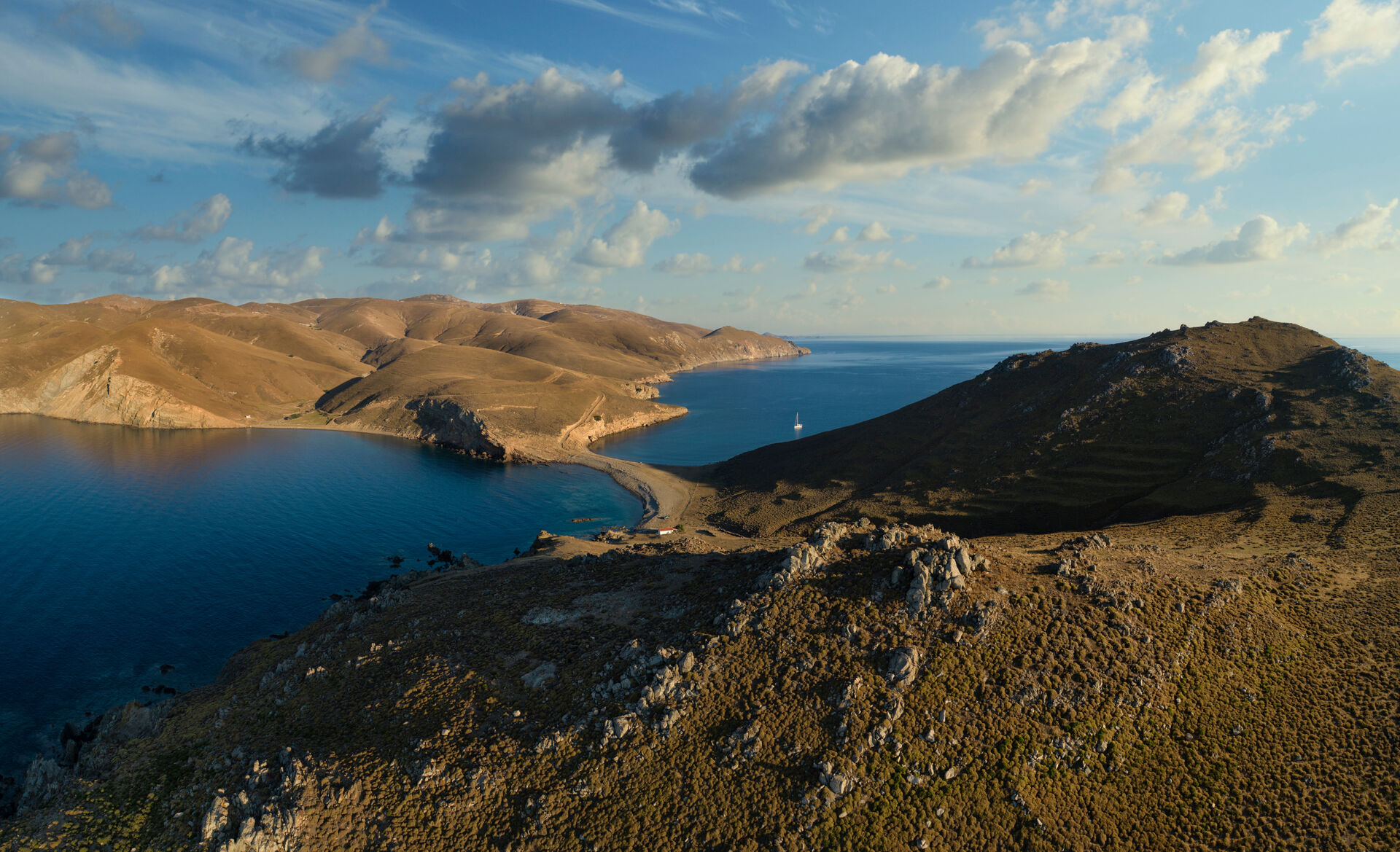
Insufficiently compensated by rainfall and cut off from Atlantic oceanic flows, a huge amount of Mediterranean seawater evaporated, uncovering large areas of the seabed and connecting previously divided land masses.
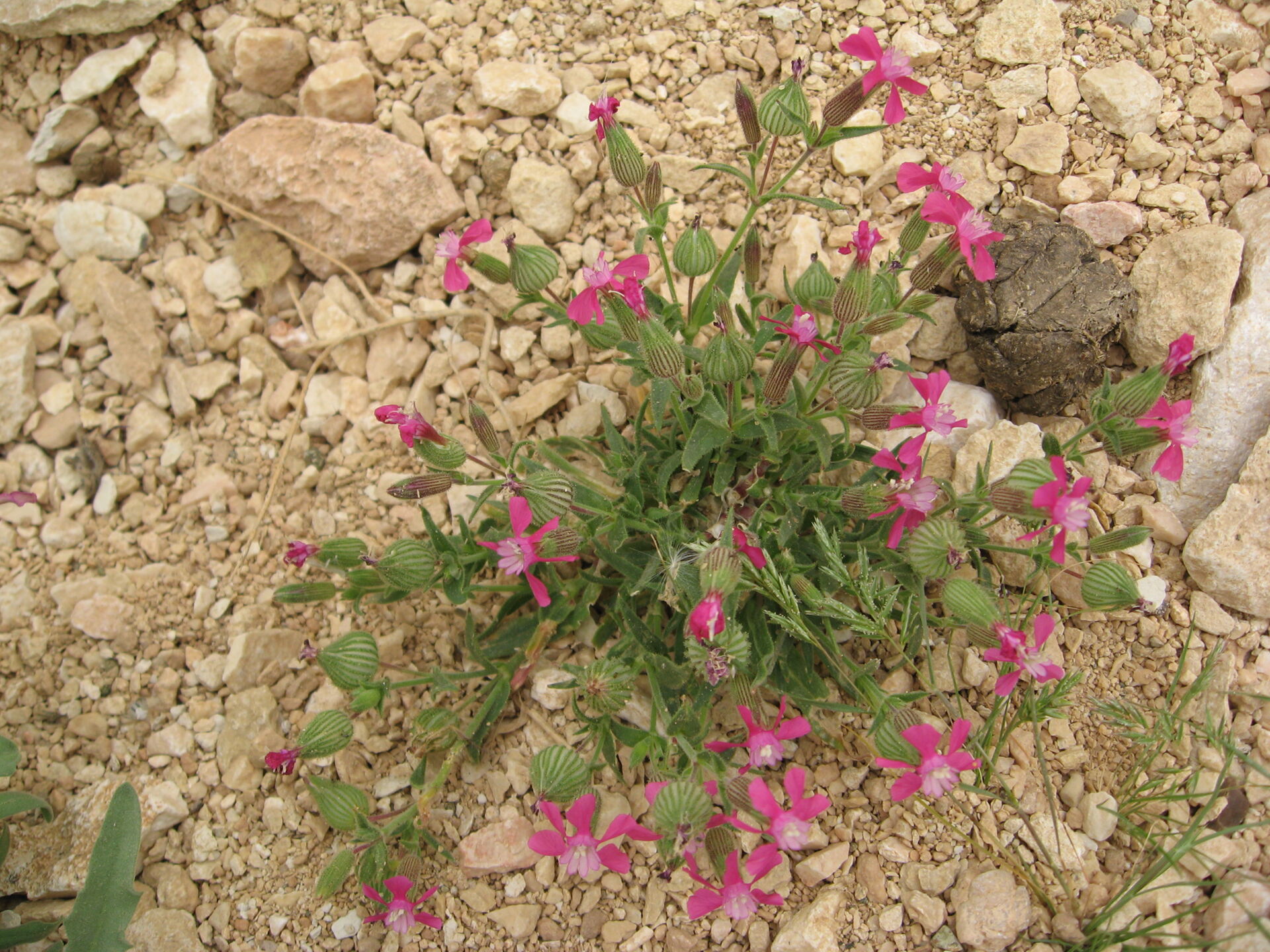
Silene coniflora
Lorenzo Cecchi | Rights reservedApart from land bridges between the mainland and many islands that allowed previously impossible exchanges of plants and animals, the main consequence for the biosphere was adaptive radiation in the groups best adapted to colonise and differentiate in arid and semi-arid environments, strongly enriched in salts (halophiles).
There is ever greater biological evidence of the presence of these land bridges, due to the large number of species with a currently ‘disjointed’ range on the opposite shores of stretches of open sea and the relictual life forms bearing witness to an ancient environmental revolution that isolated them in the few habitats where they are still found.
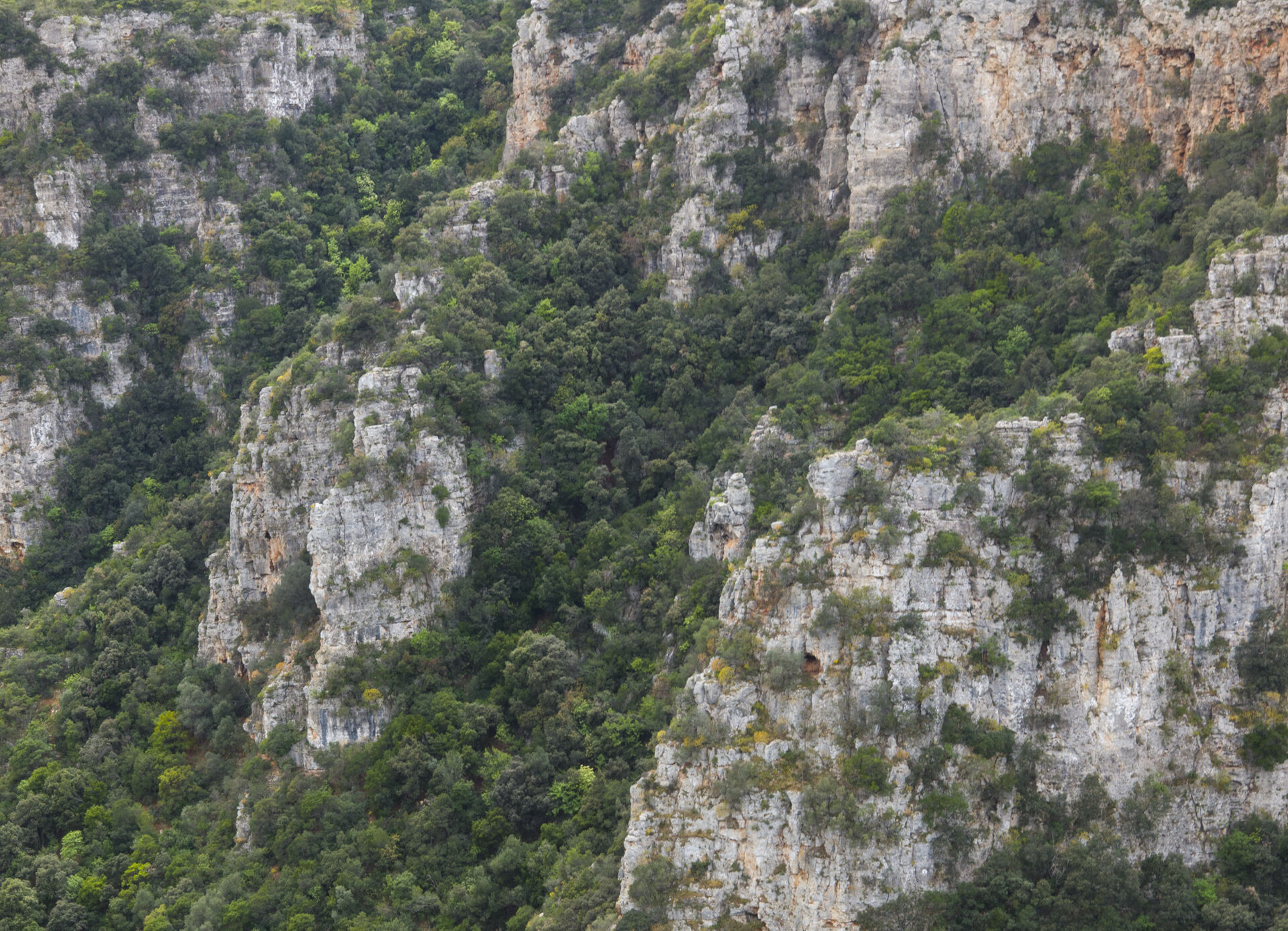
For example, in several limestone areas of Apulia, including those carved by the small stream running along the floor of the Laterza ravine, plants and animals are common whose closest relatives are to be found on the other side of the Adriatic, also rich in limestone deposits of the same type.
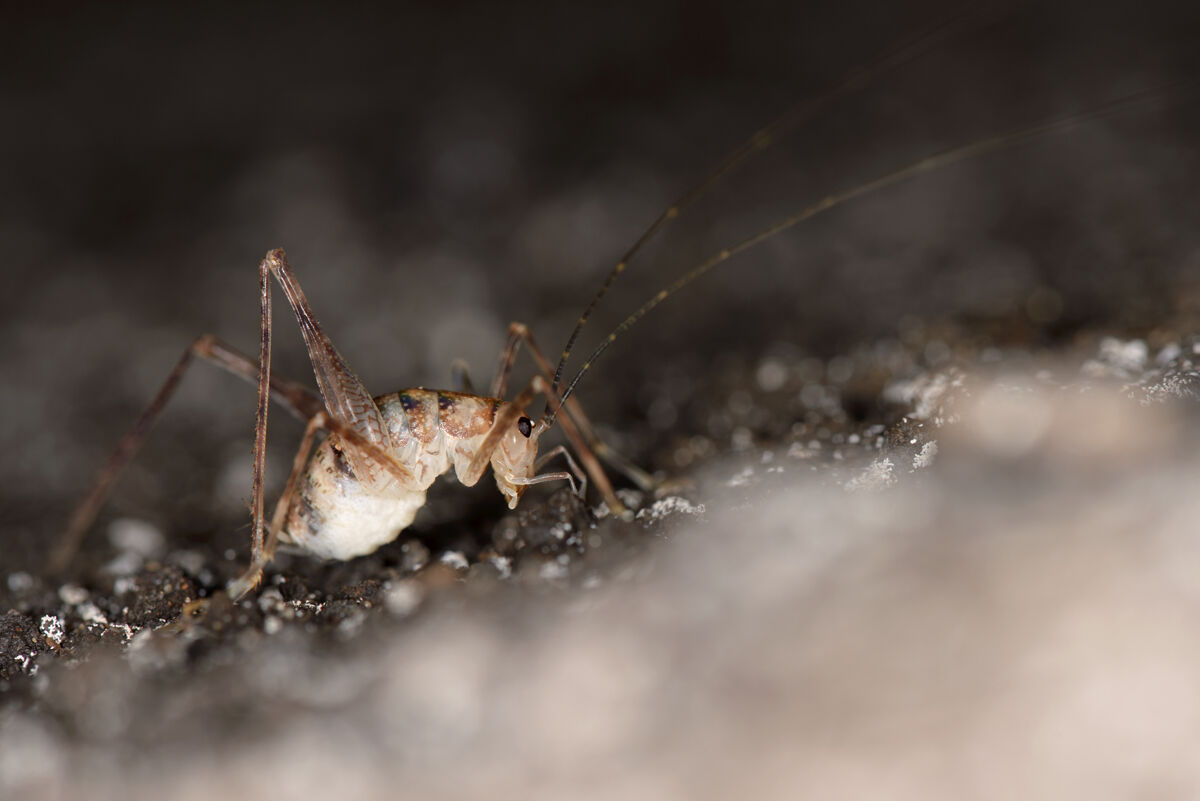
Troglophilus andreinii
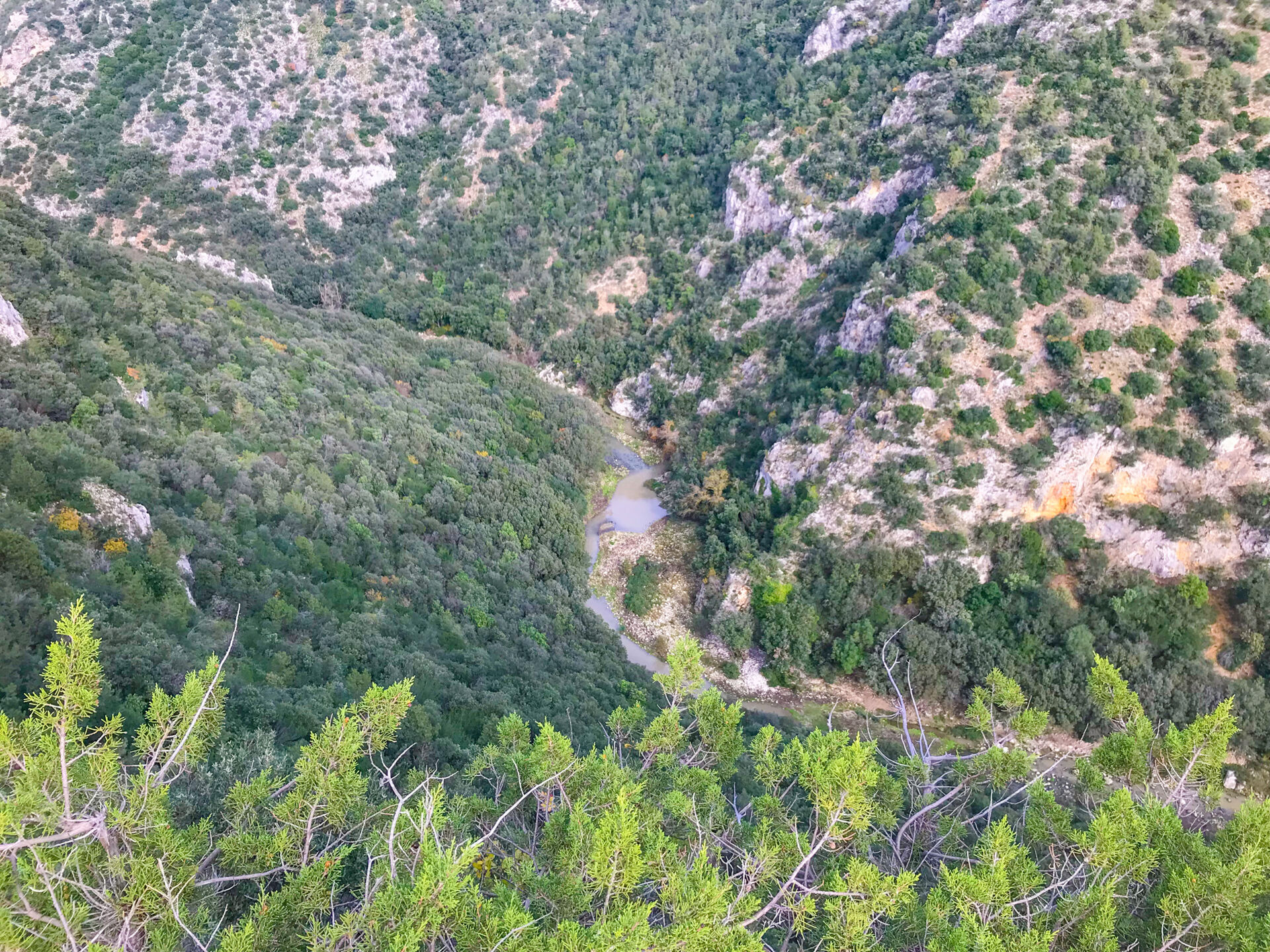
Gravina di Laterza
Antonio Conte | Rights reserved | Adobe StockAlbania, Greece, Montenegro: all of these countries have surprising affinities with the flora and fauna of Apulia or Abruzzo, even between plant and animal species that are unlikely to have been able to cross the sea.
Some of them may have arrived from the North, moving around the Adriatic coastline, but there is a simpler explanation for others: they arrived when there was no Adriatic and the crossing between the Balkans and Italy could be made ‘on foot’.
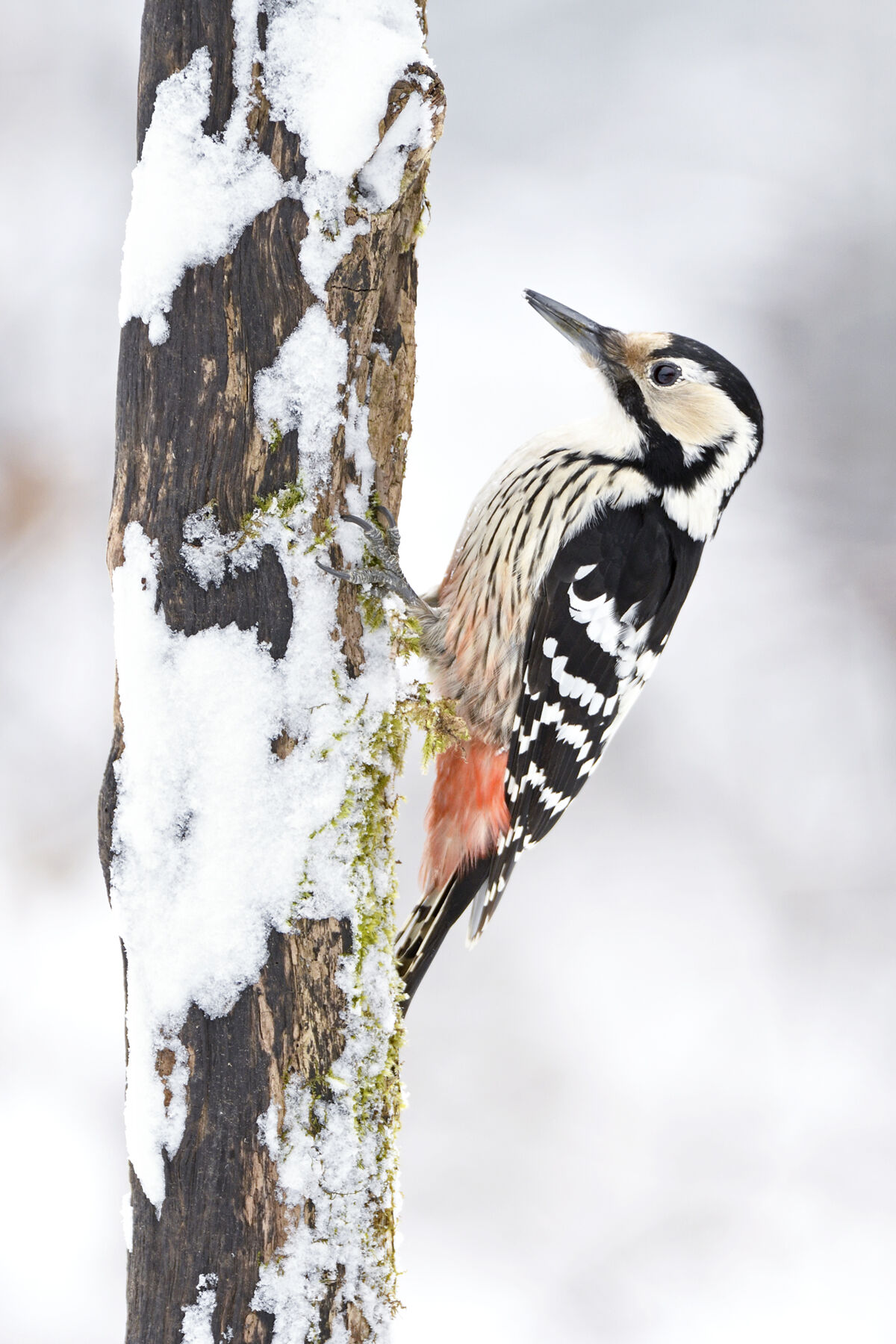
Dendrocopos leucotos
Witnesses of time: rocks, plants and animals

Alabaster, the stone that symbolises the skilled crafts of Volterra, is an evaporitic limestone produced by ancient limestone concretion after strong evaporation.
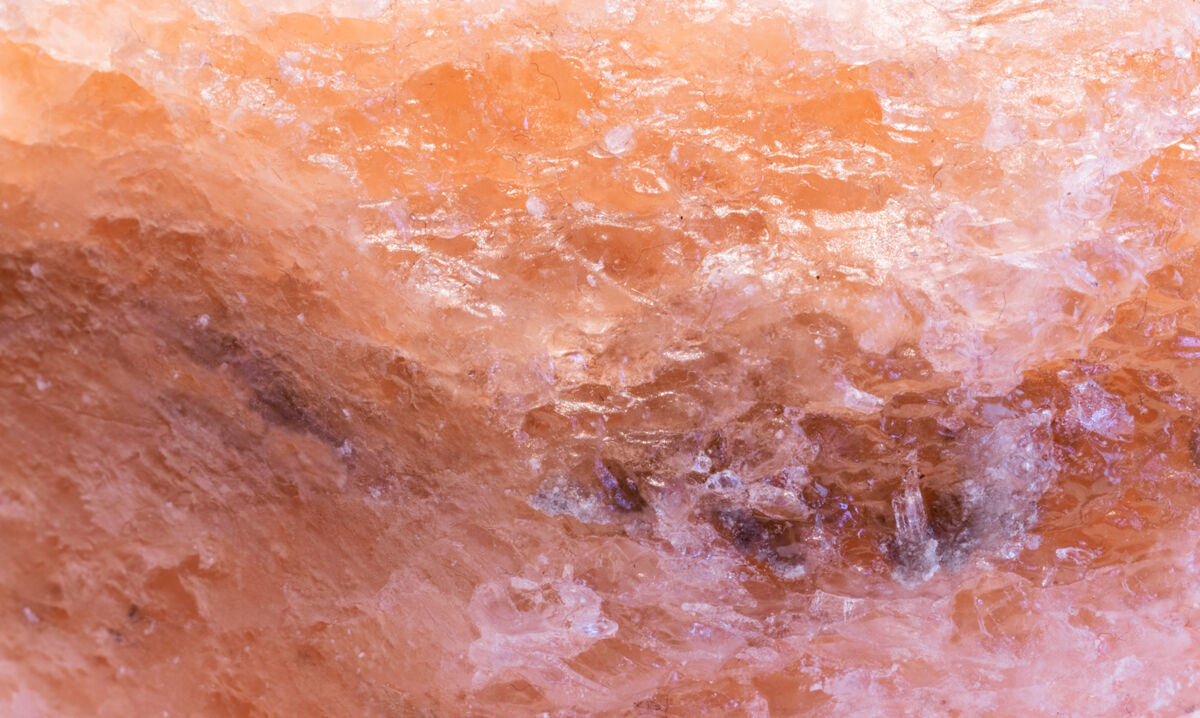
The thick and unbroken layer of evaporitic rocks over the entire bed of the Mediterranean is the most obvious proof of the crisis affecting the entire basin during the Messinian due to closure of the straits with the Atlantic.
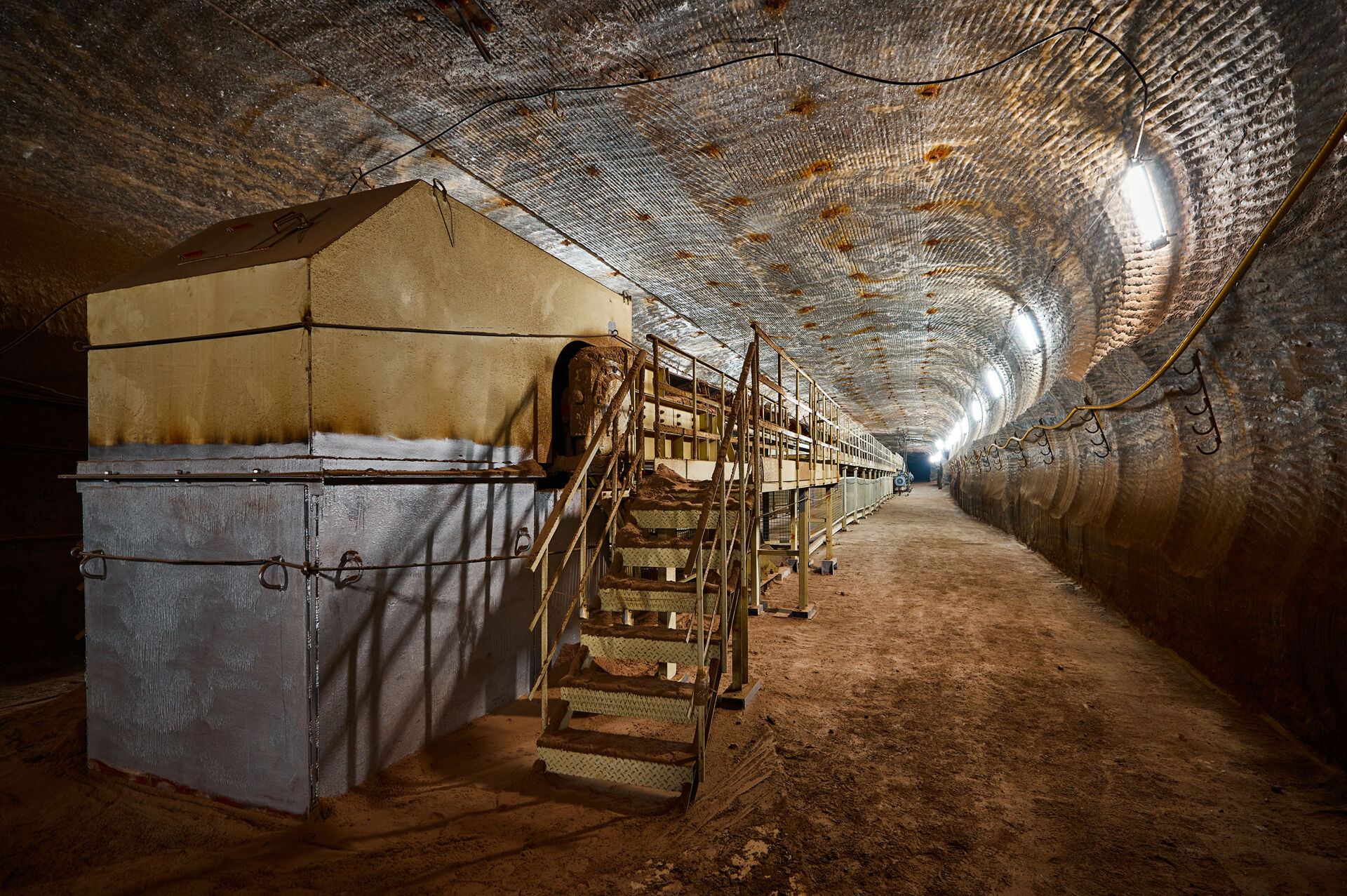
Salt mines, Sicily
nordroden | Rights reserved | Adobe StockSicilian salt mines provide particularly strong evidence of the impressive effects of the evaporation of the Mediterranean.
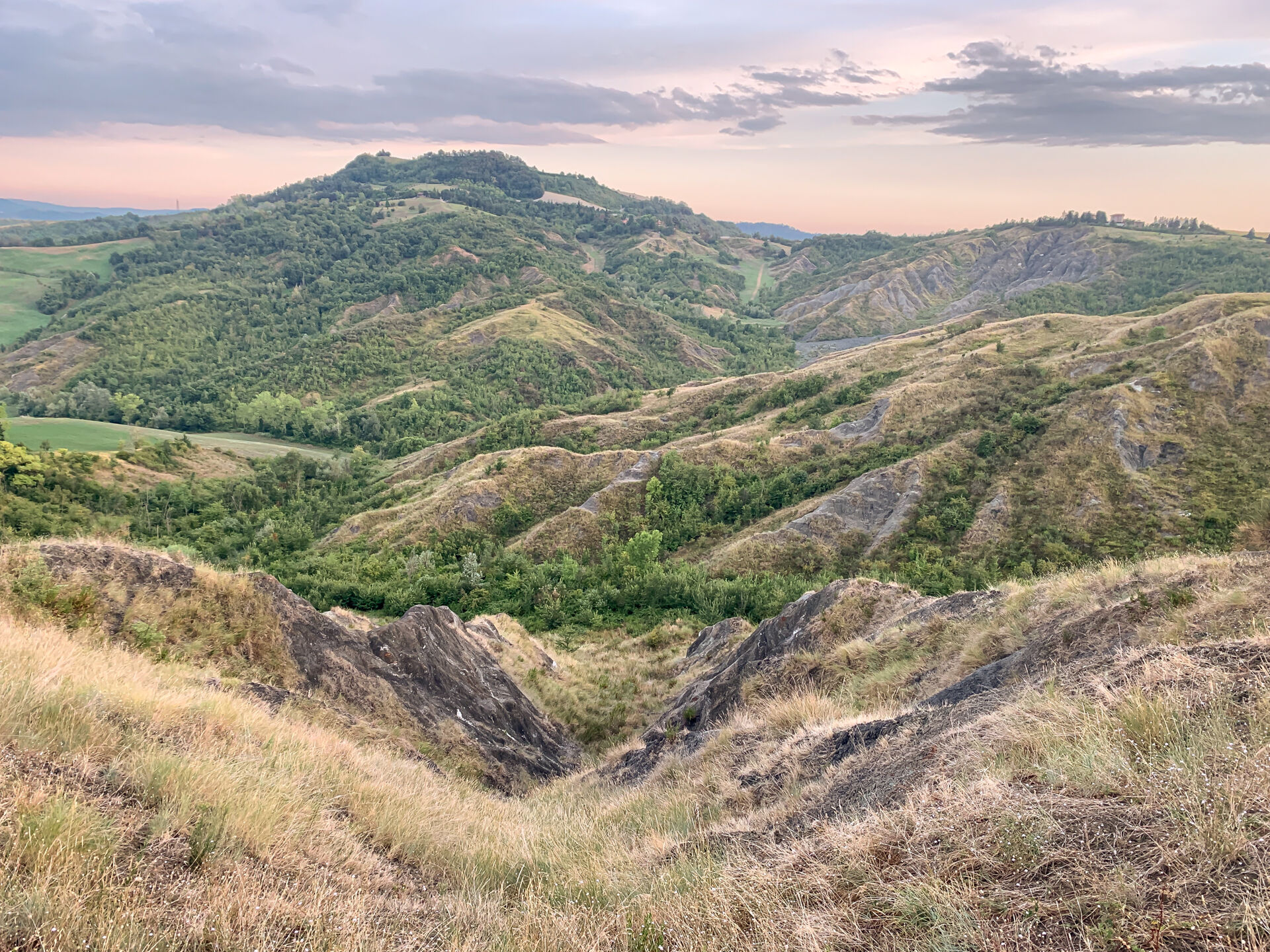
Fossil evidence of the crisis of salinity during the Messinian can also be found today in unexpected places such as the Gola di Tramosasso, a gorge in the Bolognese Apennines, where fossil remains of fish, normally found in very salty waters, bear witness to the most extreme phases of the Mediterranean contraction.
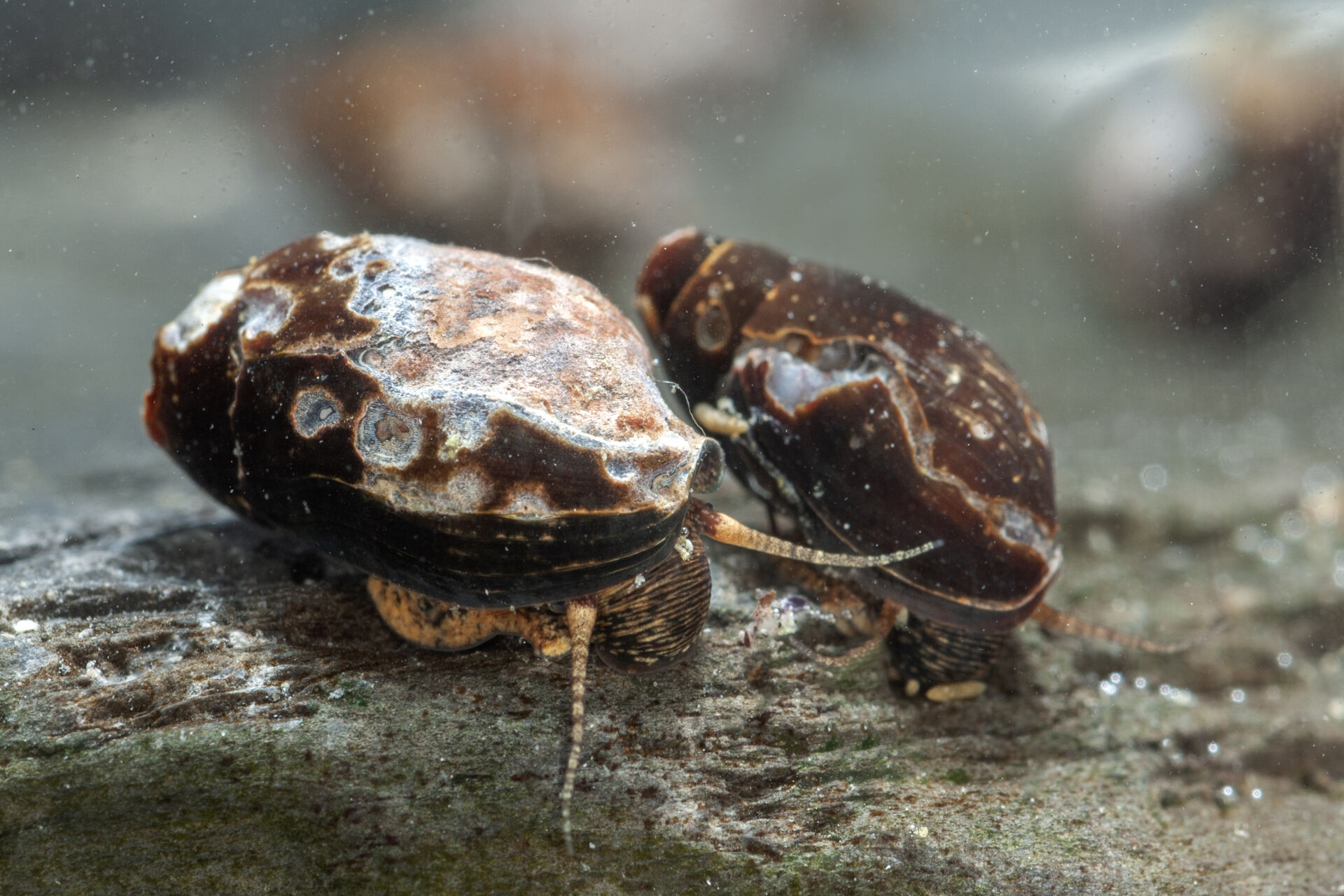
Melanopsis etrusca
Giacomo Radi | Rights reservedAmong the most modest Italian reminders of ancient Messinian fauna is the tiny and rare freshwater snail Melanopsis etrusca.
This species today survives close to a just handful of thermal springs in Tuscany, with presumably similar conditions to those once found in the great Mediterranean salt lake.
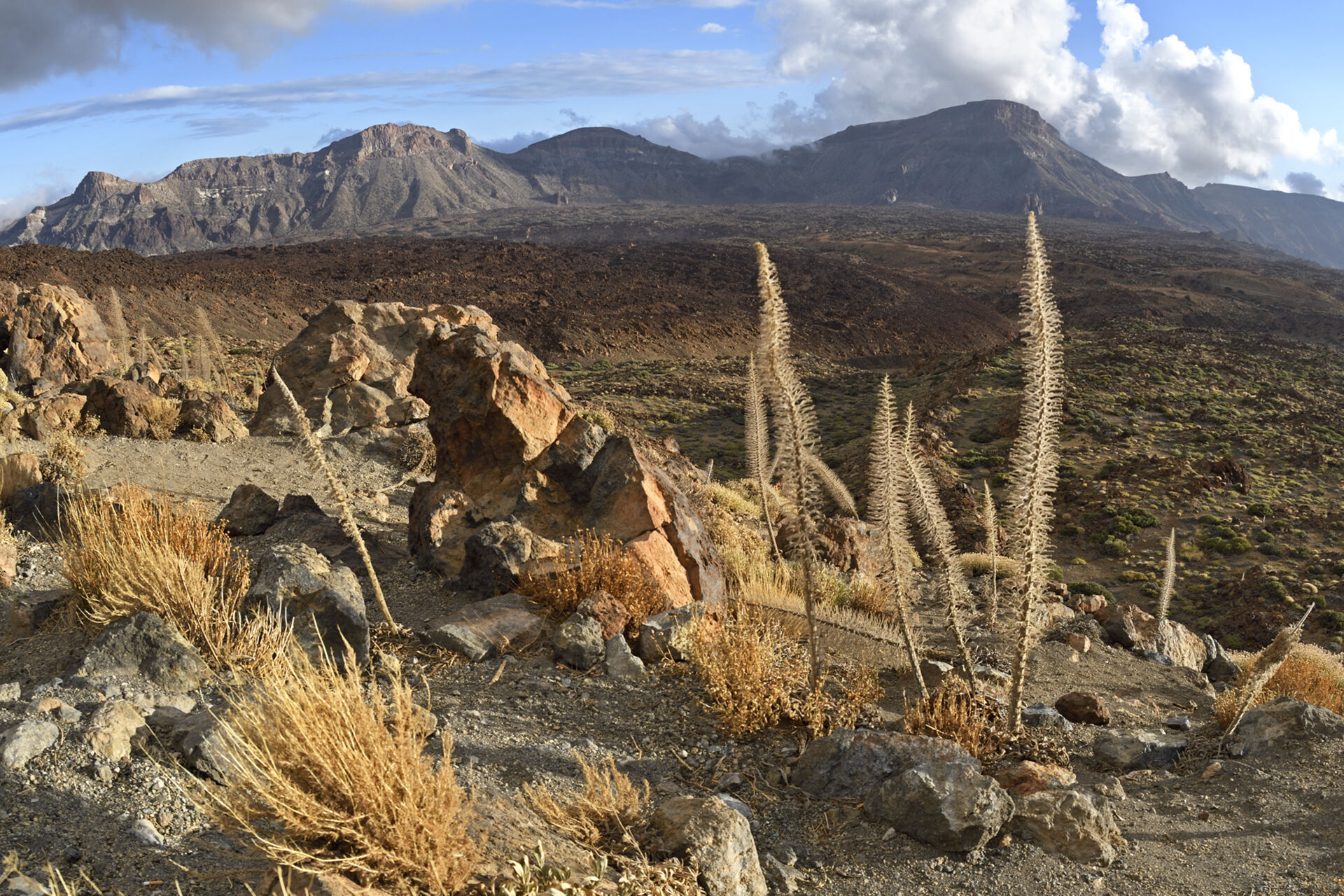
Echium wildpretii, Tenerife
Nicola Destefano | Rights reservedThe Echium wildpretii, endemic to Tenerife, is a spectacular species of the Boraginaceae family, unusual treelike descendants of typically herbaceous plants that are widespread in much of the Tetidic Kingdom between the Cape Verde Islands and Turkey.
Typical of arid environments, the maximum phase of differentiation of these plants occurred at the most critical period for the Mediterranean basin.
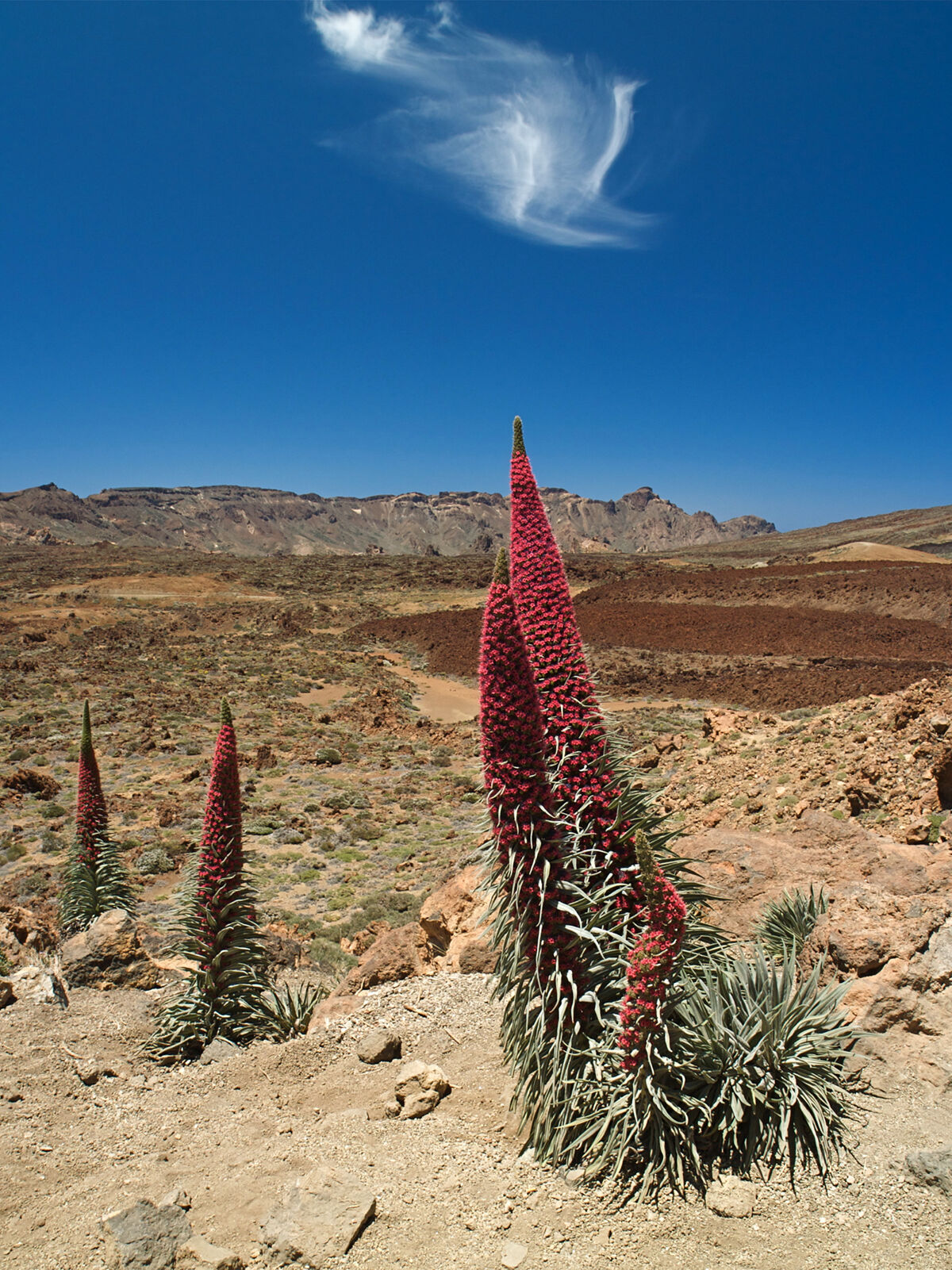
Wildpret’s bugloss (Echium wildpretii)
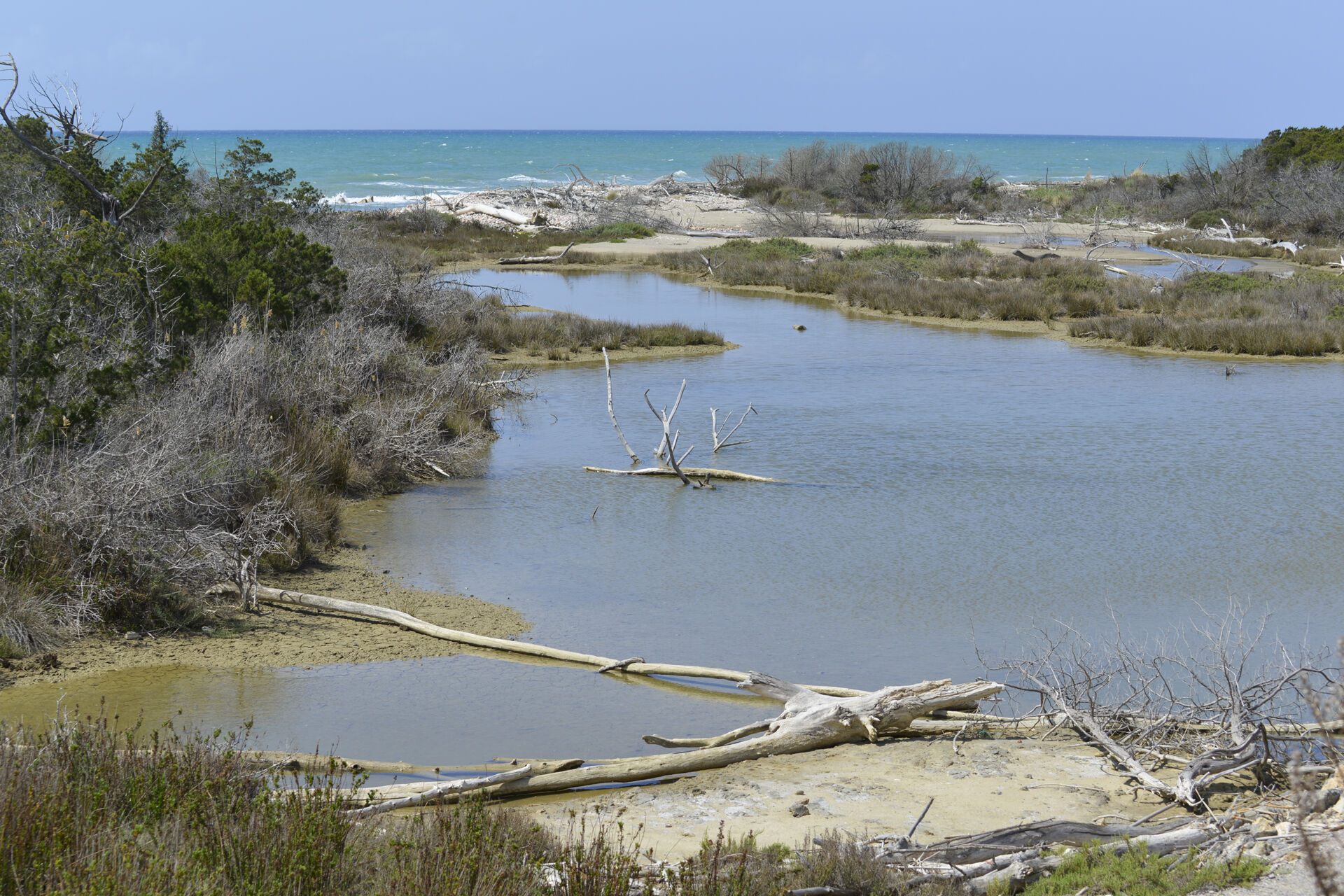
Survivors from that period can still be found in brackish aquatic environments in Italy.
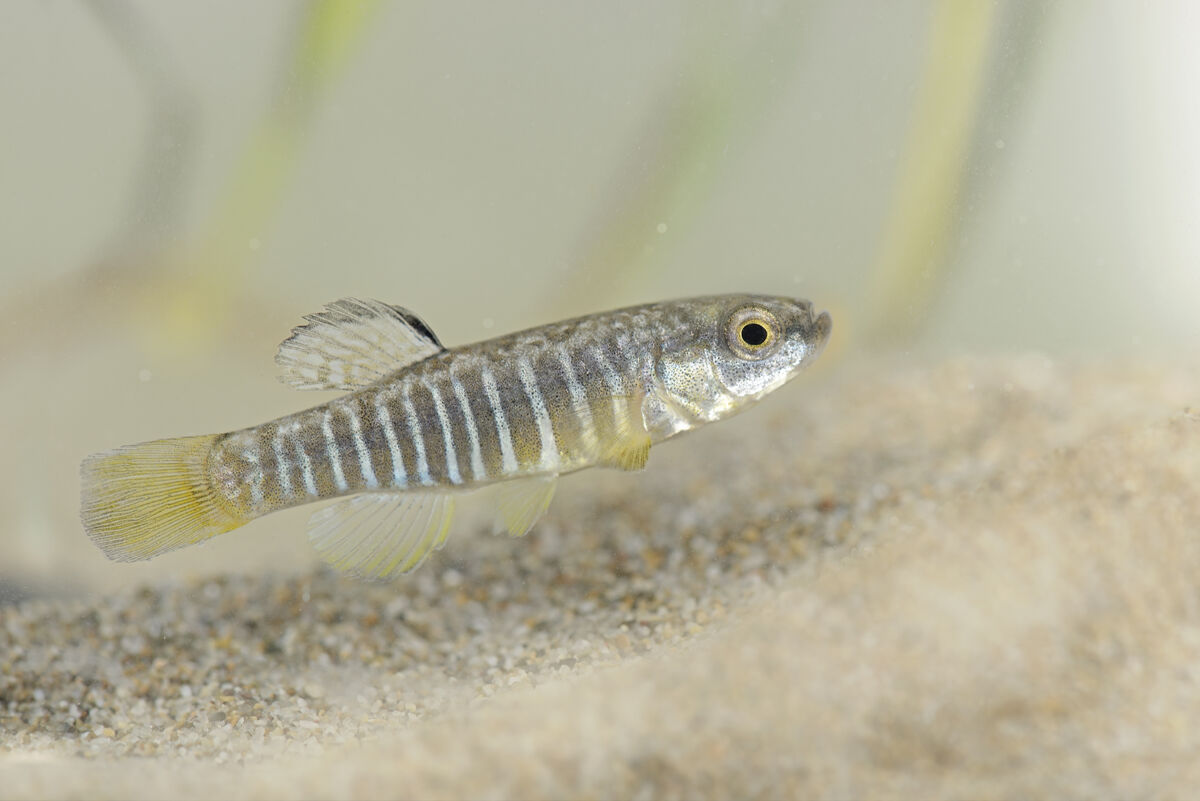
The minute Mediterranean killifish (Aphanius fasciatus), found in brackish water, is considered to be a bio-geographical relict of the fauna commonly found in the Mediterranean before the Messinian.
Fossil remains of Aphanius crassicaudus trapped in evaporitic limestone deposits during the crisis of salinity are very commonly found in gypsum deposits around Alba in Piedmont.
The widespread presence of organic imprints indicates that the fish died in hypersaline conditions that slowed down decomposition.
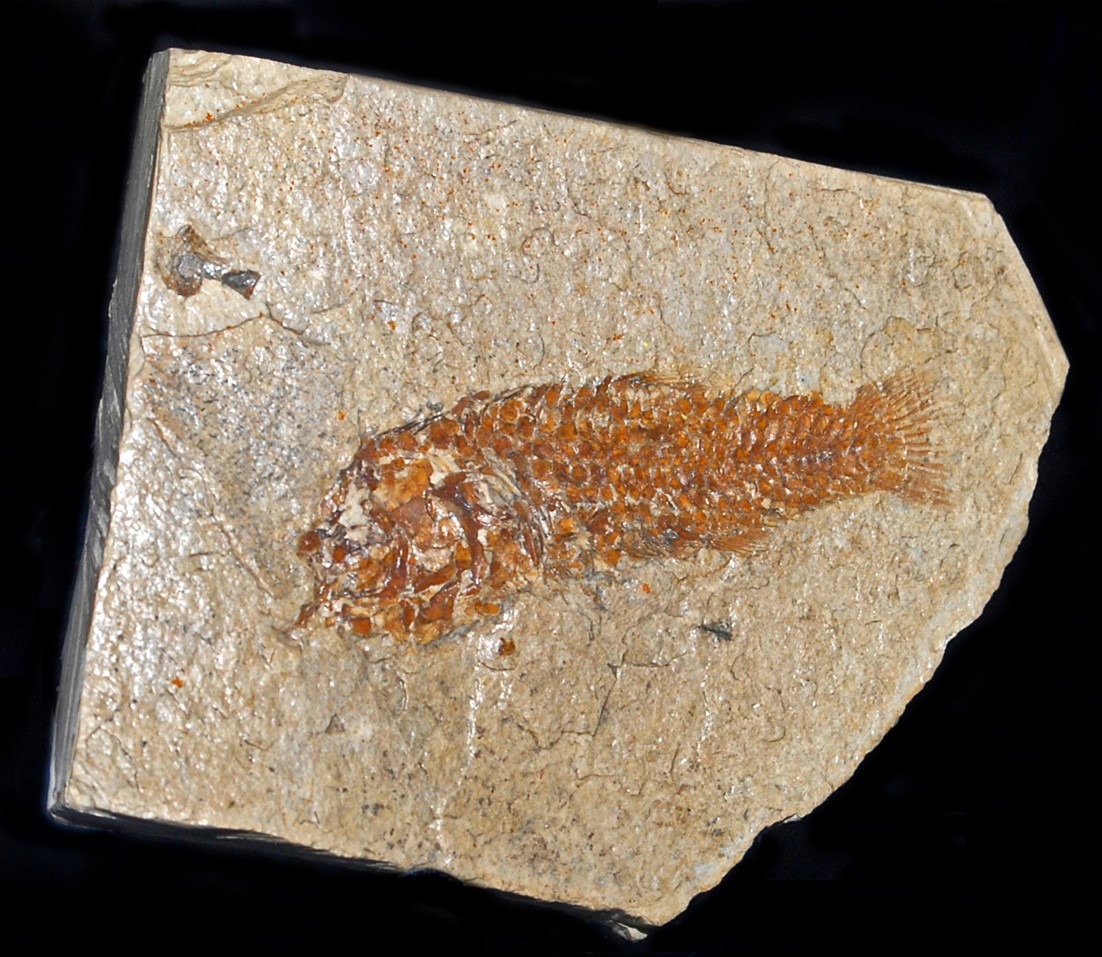
Aphanius crassicaudus
All these rock, animal and plant forms bearing witness to the crisis of the Messinian date from recent geological periods, just a few million years ago.
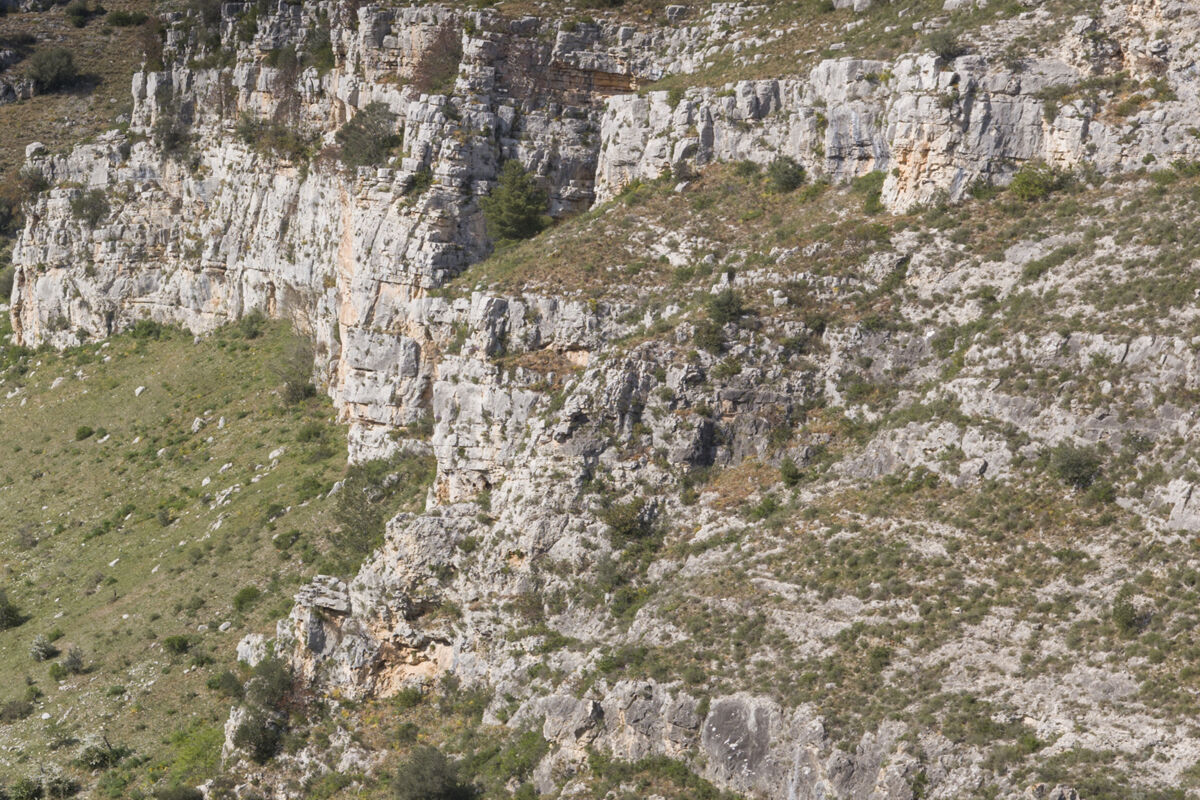
However, the sediments on which the most common calcicolous plants of the Mediterranean area grow, including the Murge plateau and the Laterza ravine, are much older.
Unlike the evaporitic Messinian limestone, these are of the organogenic type and date from the Cretaceous. This was a much older period, dating from between 145 and 65 million years ago.
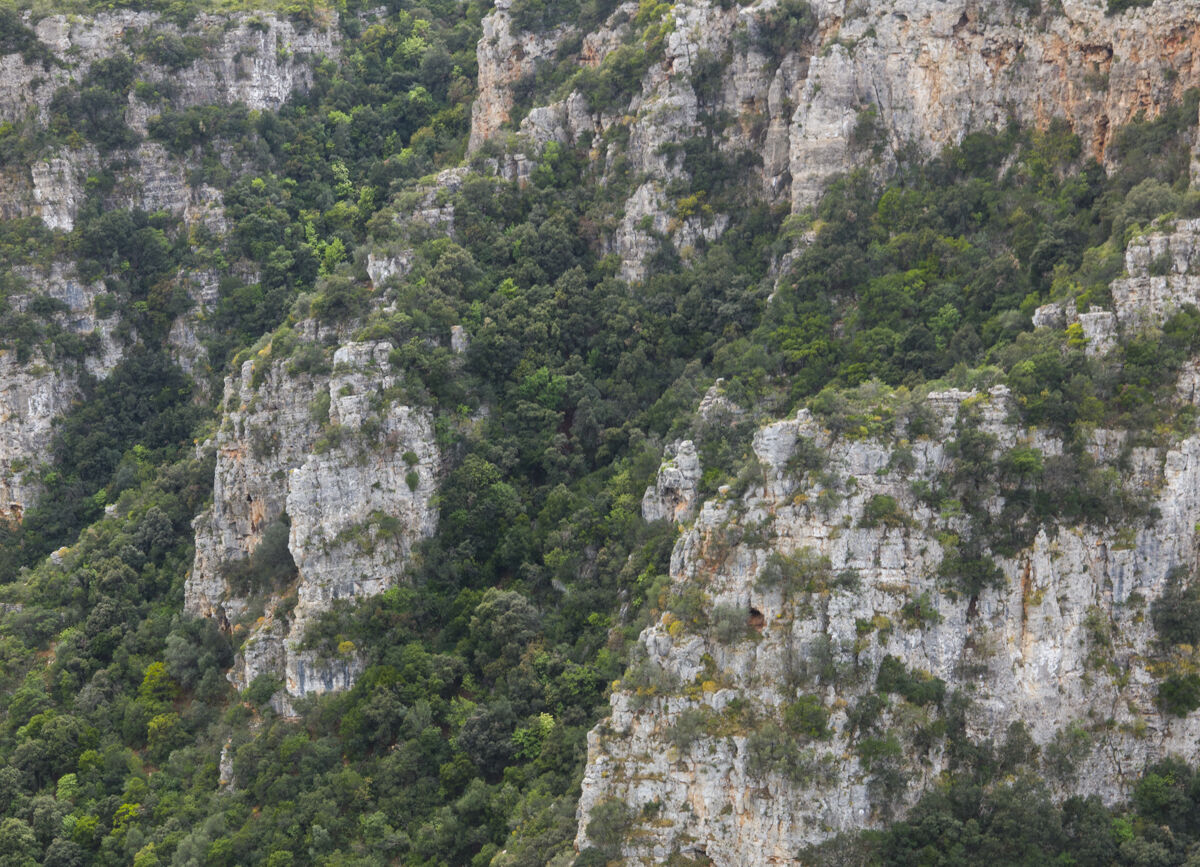
These organogenic sediments were brought to the surface by the rising ocean floor when the main land masses today surrounding the Mediterranean basin were formed.
Extreme adaptation to aridity
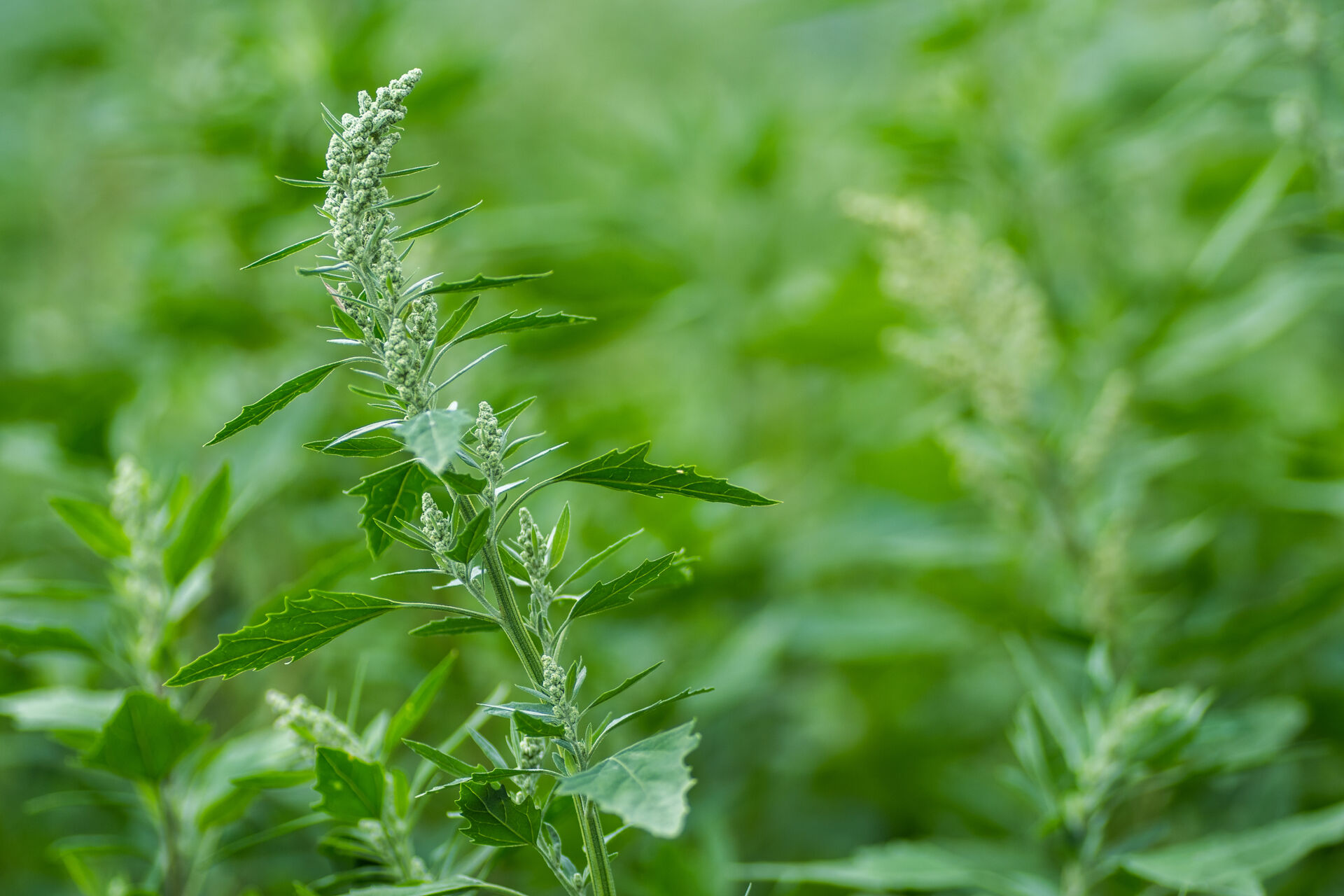
Chenopodium album
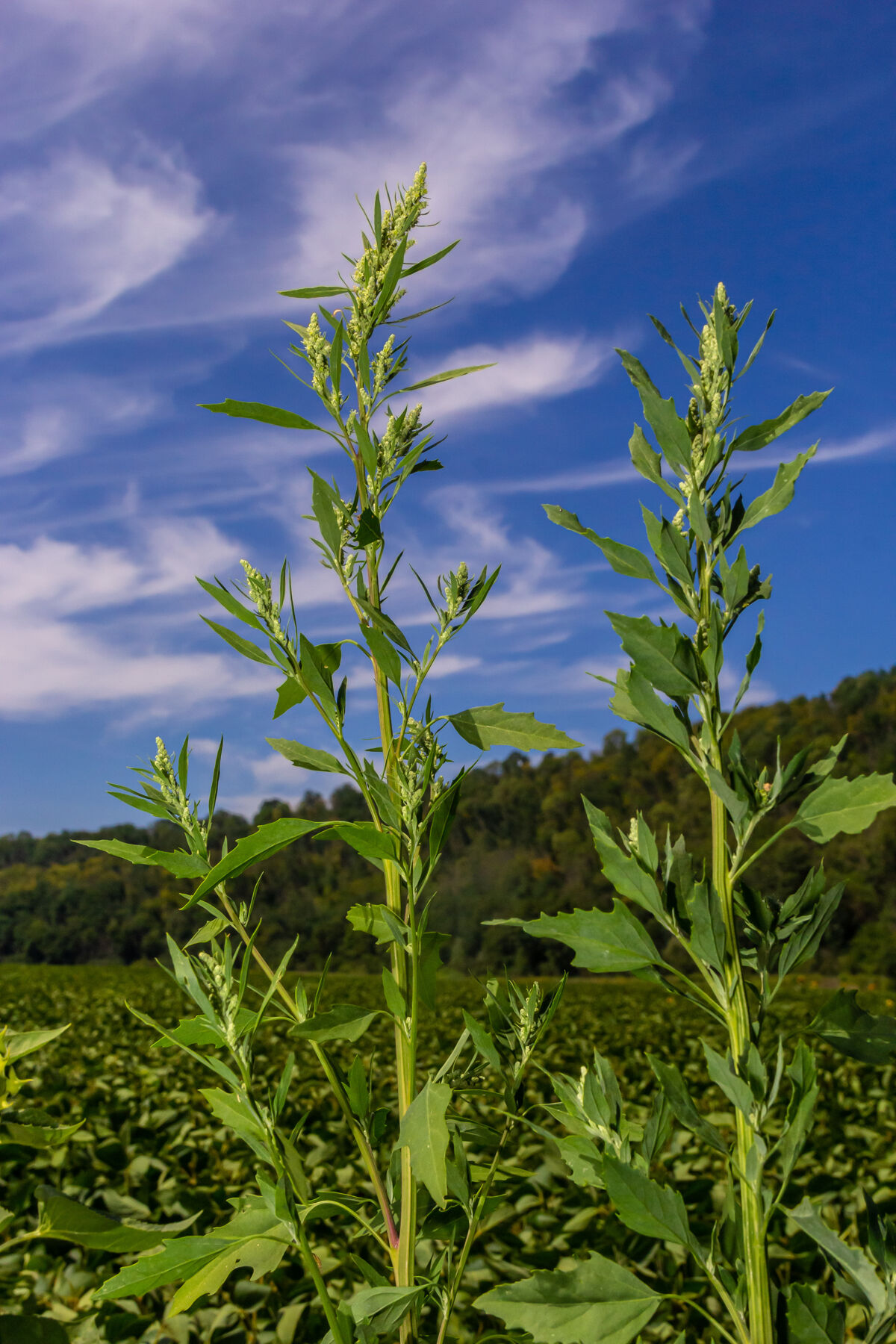
Taste the Image | Rights reserved | Adobe StockPlaces where salt abounds or where water is scarce are common at Mediterranean latitudes. These environments are often dominated by members of a very versatile plant group, that of goosefoot and its relatives (Amaranthaceae Chenopodioideae).
They are found in varied environments almost everywhere in the world. The widest variety of forms and adaptations, demonstrating a remarkable capacity to withstand ‘water stress’, is to be found on the edge of deserts, in the endless Central Asian steppes and on the shores of brackish lagoons and ponds, or otherwise in the ruderal environments of modern cities.
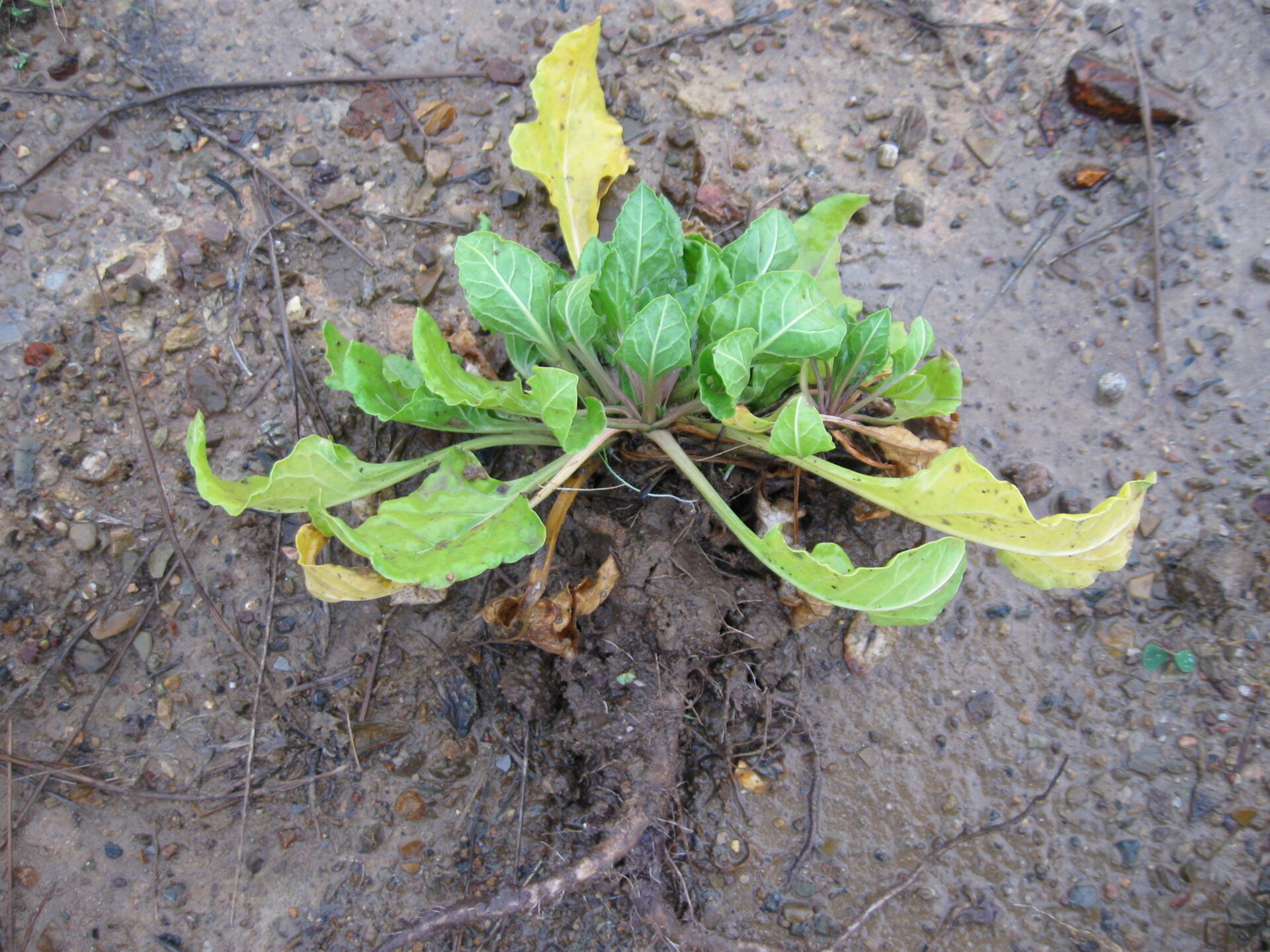
Large-fruited beet (Beta macrocarpa)
Lorenzo Cecchi | Rights reservedTheir muted blooms render the Chenopodioideae inconspicuous. These plants however are an important elements in such arid ecosystems, sometimes forming the basis of the entire trophic (food) network.
The large-fruited beet (Beta macrocarpa), for example, is a member of this subfamily that tolerates hyper-arid and hypersaline environments, much like its culinary relative.
The large-fruited beet is part of the community of halophilic species found along the coastline.
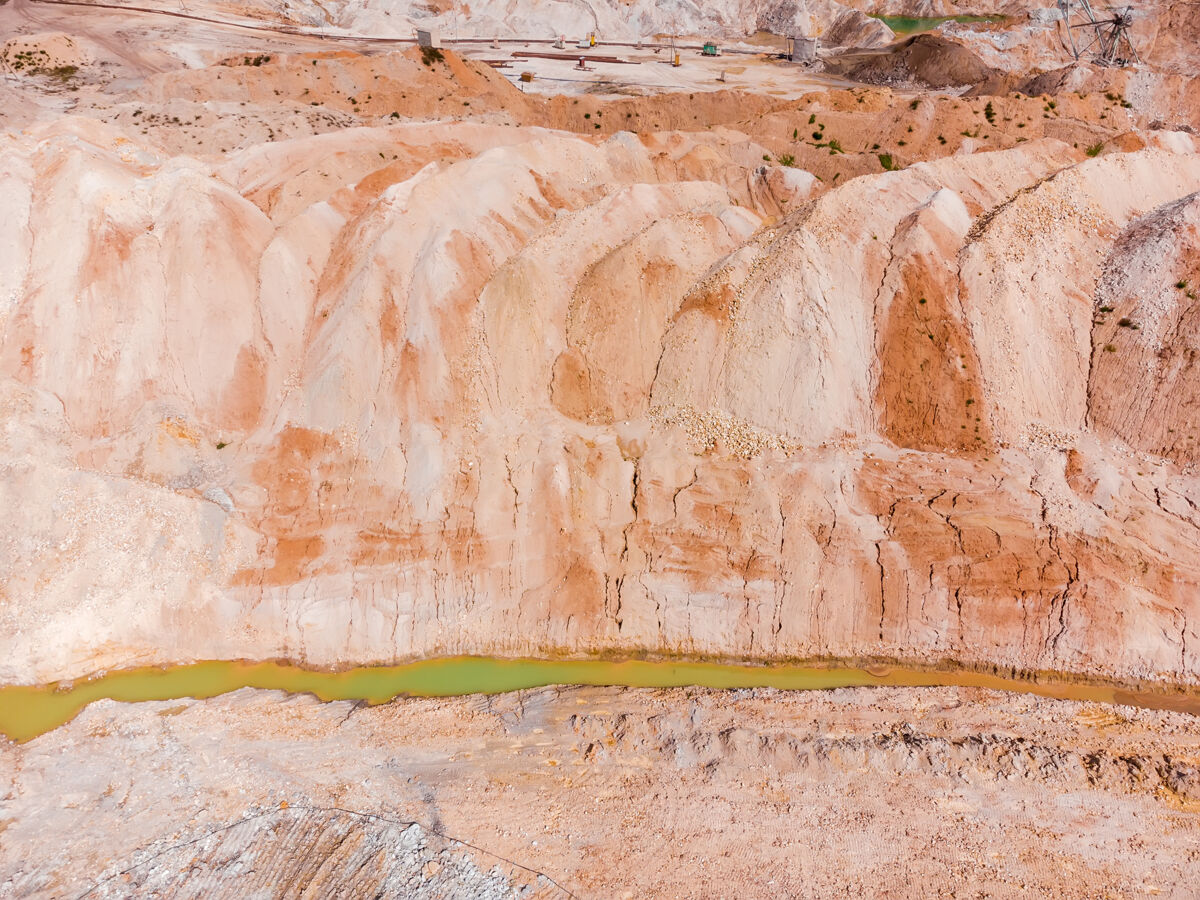
It manages to grow even in areas with dense human population that are hostile to other species, such as in artificial deposits of ‘red gypsum’, an industrial processing waste product rich in titanium dioxide, vanadium, arsenic and several other toxic elements and compounds.
Plant adaptations to climate change in the Messinian
Francesca Carruggio (Aldo Moro University of Bari) explains how the drying up of the Mediterranean Sea during the Messinian geological period, between 5 and 7 million years ago, was one of the key events in Mediterranean geological history. A number of species migrated to the Mediterranean basin, she tells us. The plants that now live in the saline Mediterranean soil are descended from these species and have adapted to their environment's aridity.
Chenopodioideae, together with the various animal species that have adapted to the difficult conditions found in arid ecosystems, show how extreme environmental pressures are a significant driver of evolution of specialised species.
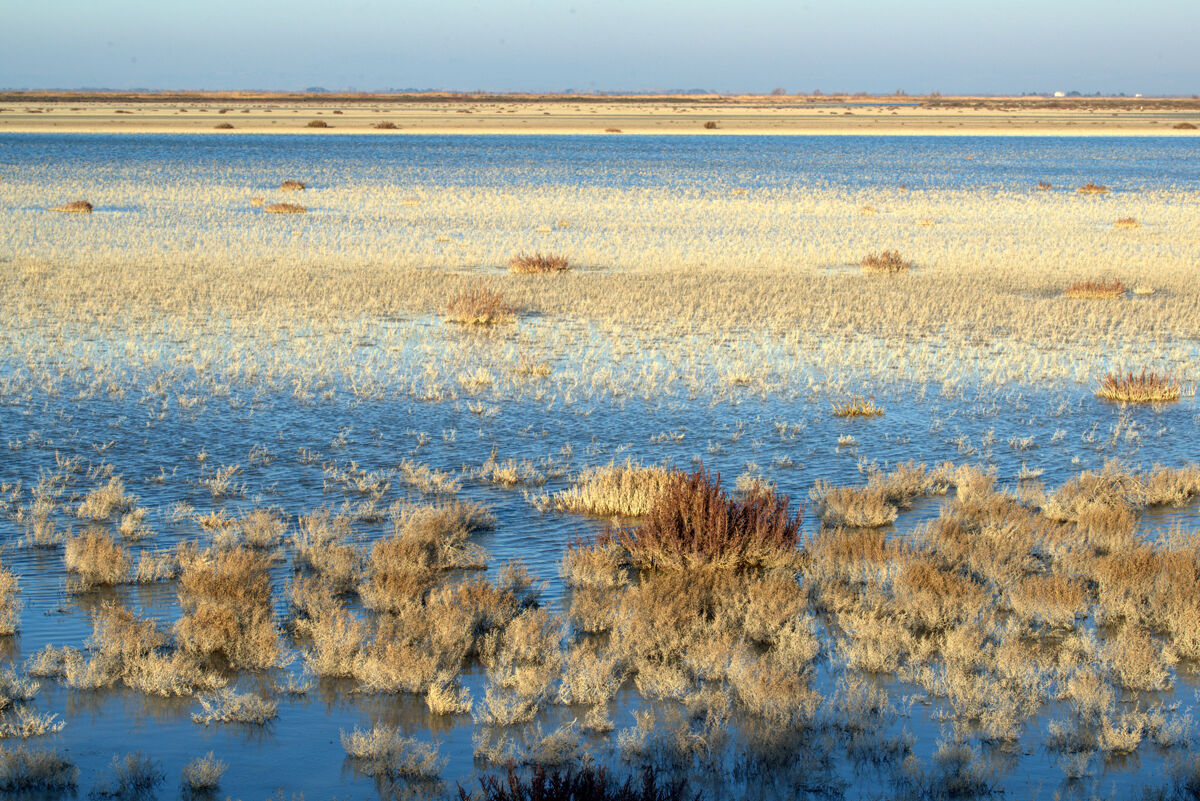
It is therefore possible to trace the highly complex and interconnected history of the Mediterranean over the past five million years, not just in terms of geology and rock deposits but also through the animal and plant species that have developed by adapting to conditions marked by hypersalinity and high concentrations of chemical compounds.

