
How do we study animals?
Methods and tricks for studying the ecology and behaviour of animals in the Arctic
In this virtual tour we met with descriptions of animal species, their habitat and their behaviour. We know everything about them: where they live, how they move around, what they eat, how they mate, but… how do we know all of this? How do naturalists collect this information? What techniques do they use? It’s easy, isn’t it? You just have to take a nature walk…
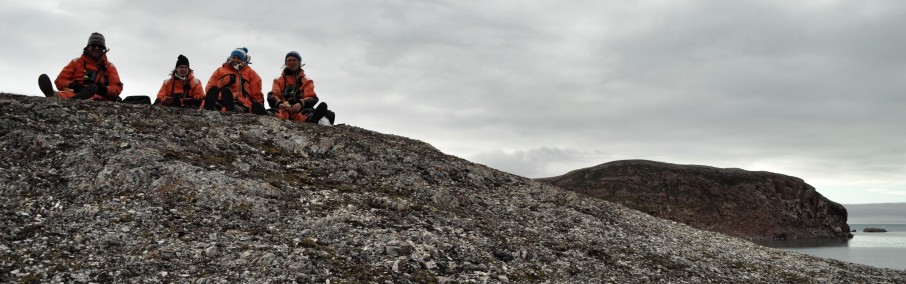
Far from it: field study of animals is a complex matter that calls for special knowledge and techniques, partly because researchers have to adapt to the specific requirements of the species in question. But it’s also a very satisfying activity.
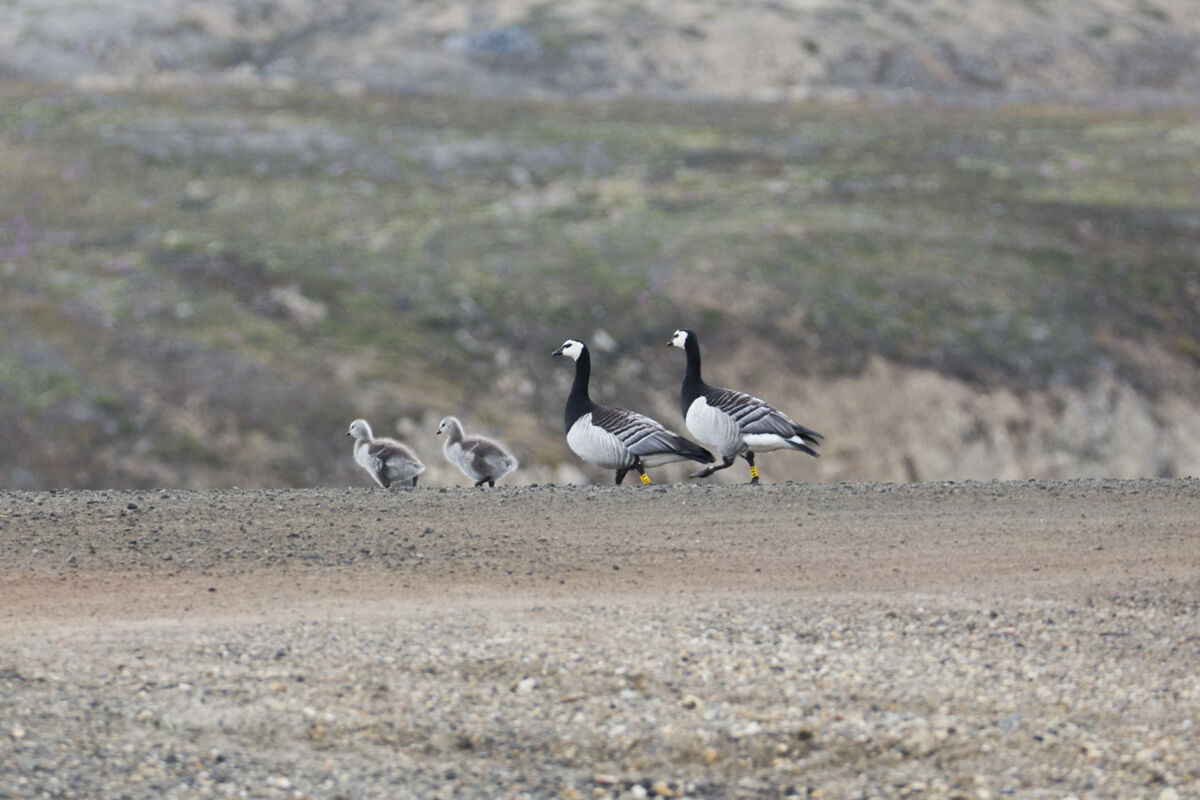
Studying animals has been a fascinating and engrossing question since ancient times. Field studies need to be conducted to understand the behaviour and ecology of animal species, and so research techniques have had to be designed and fine-tuned. Today these allow us collect information both for scientific purposes and for much more practical reasons like management and conservation of species.
Counting animals: surveys
Scientific studies, especially those conducted for ecological or management purposes, need species-specific information on animal numbers for a given area. This is particularly true in modern times, when human activity can bring about serious environmental changes that can strongly affect the abundance and conservation of a species.
Carrying out a complete survey of a species is a complex matter but abundance estimates can be carried out using a range of counting techniques.
They have to take important factors into account, such as the ecological characteristics, behaviour, density and contactability of the population under study, but also the features of the area where the survey is to be conducted.
Some types of estimate are based on mathematical models that are reliable provided certain criteria are met.
Where a complete estimate of population abundance is impossible, for example in the case of elusive species or difficult terrains, a relative abundance index can be used, which does not yield actual abundance but is indicative of it and can be useful for monitoring population trends over time.
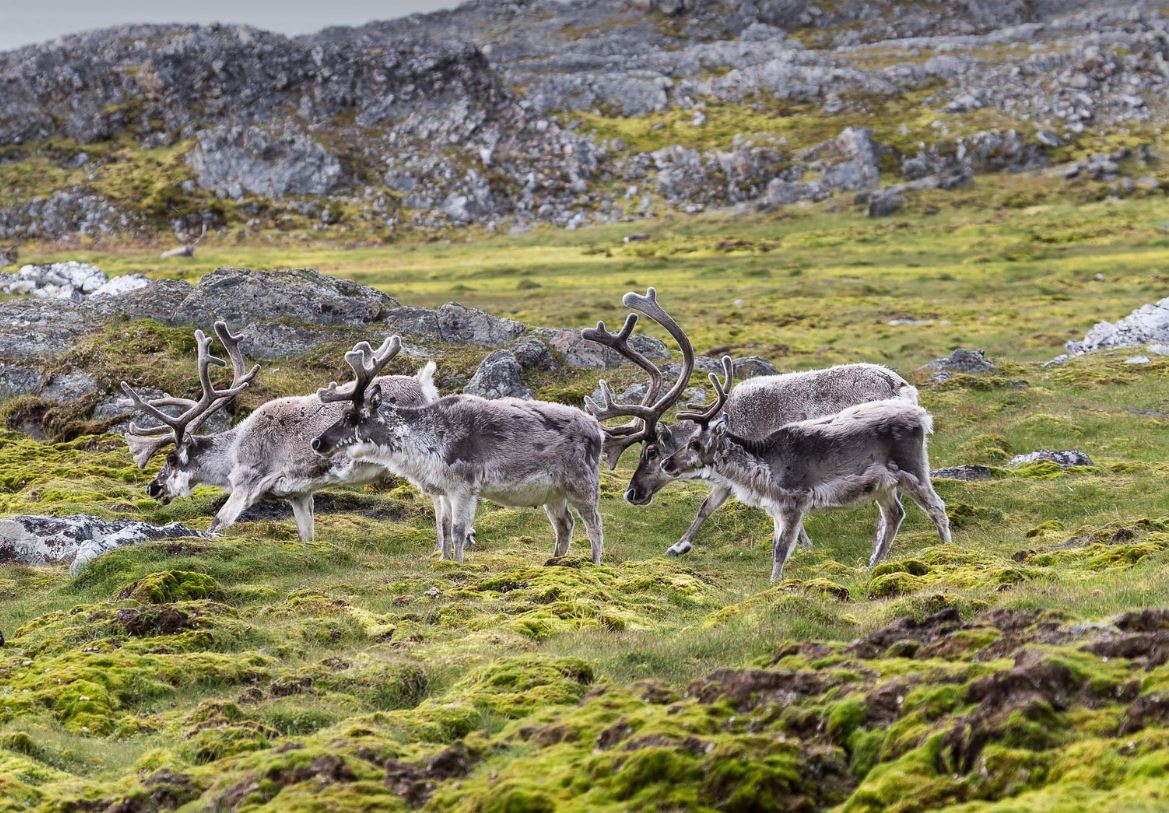
The method used for animal surveys are based on similar standards, although they are adapted to the demands and habits of the species in question.
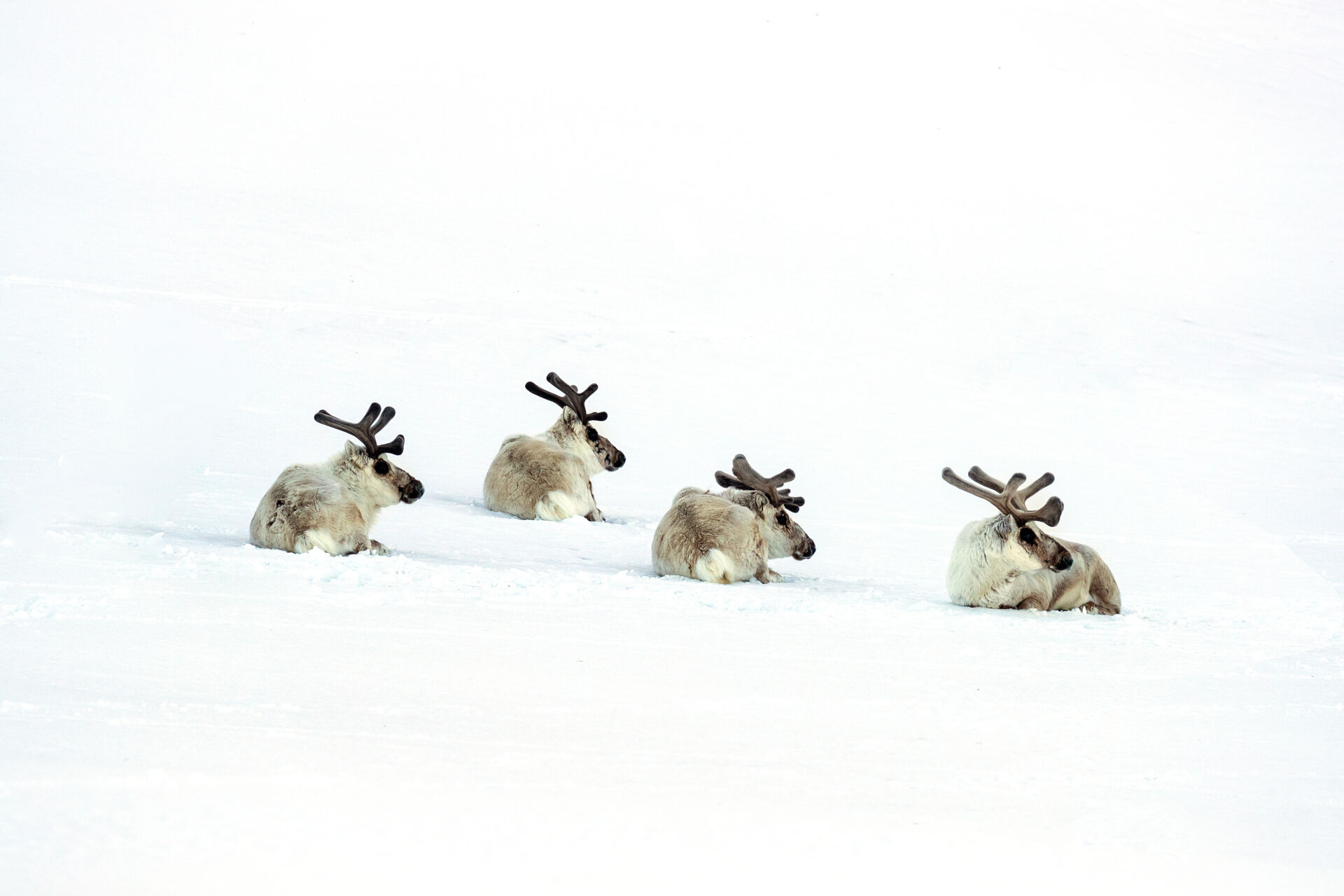
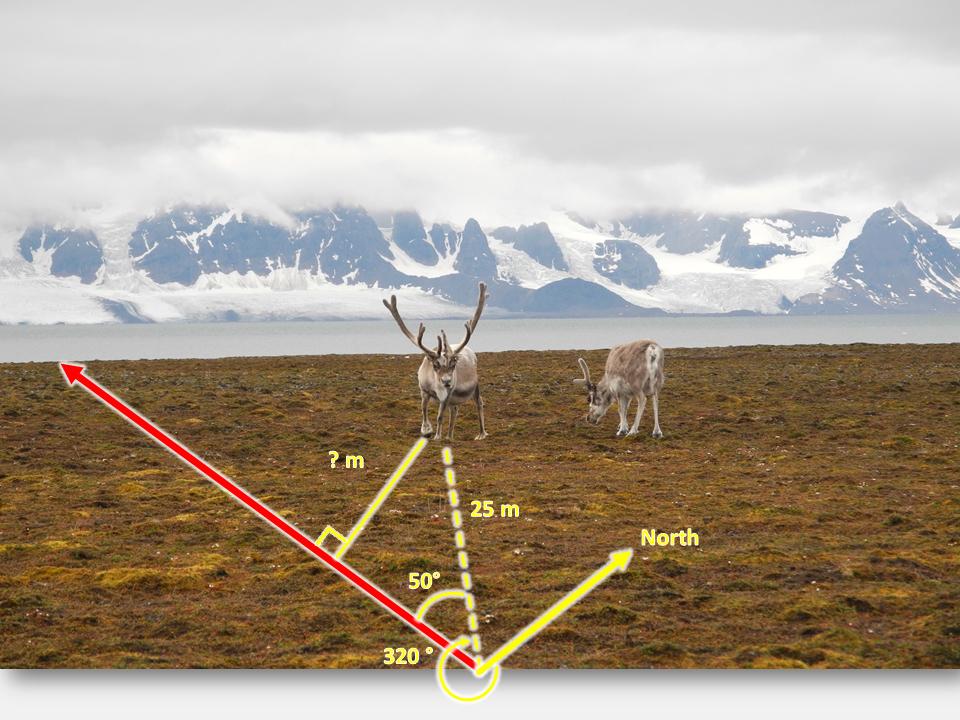
Ungulates living in open spaces such as the Svalbard reindeer can be counted using a combination of two common techniques: transect counts and complete area counts.
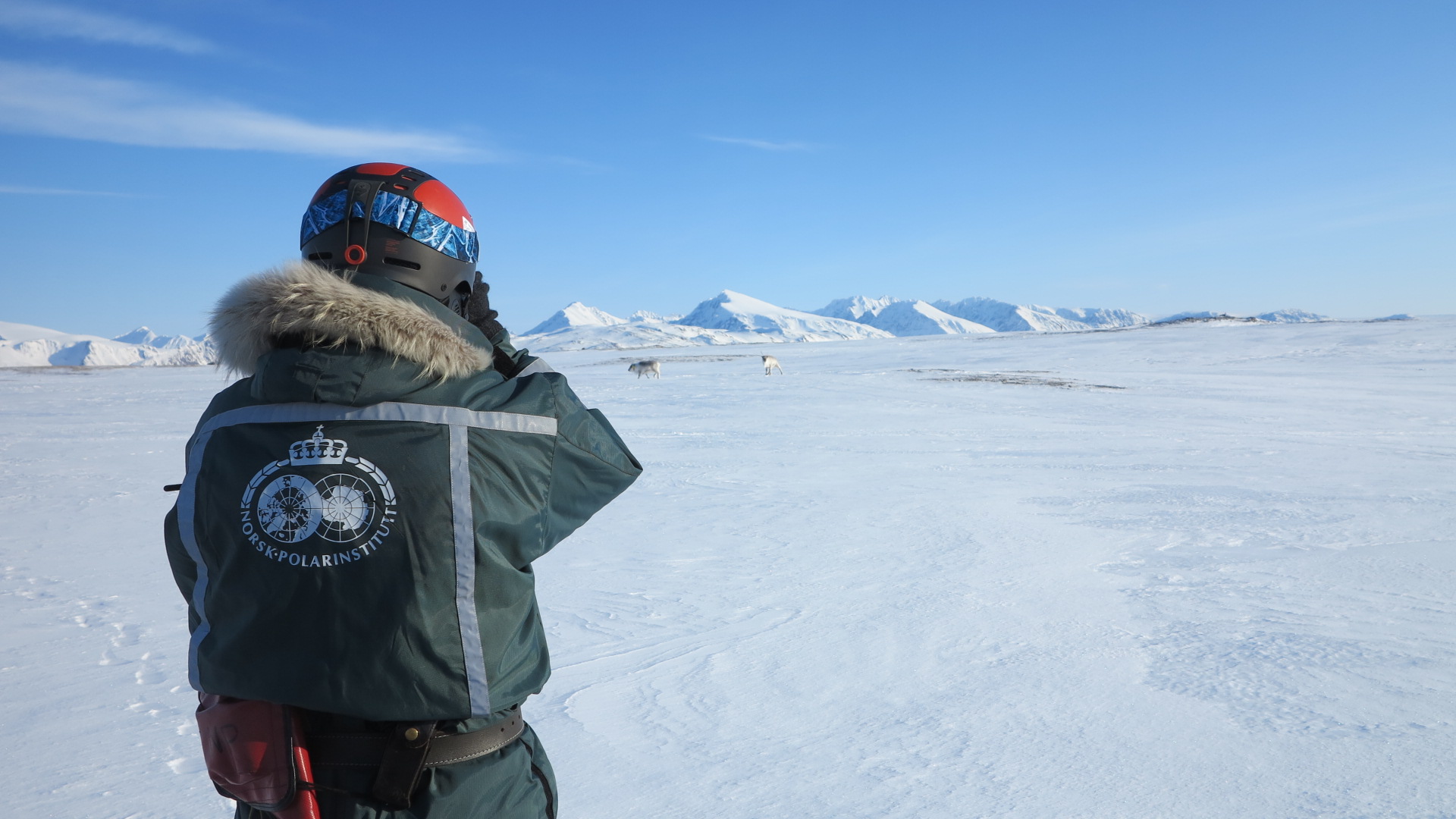
Transect counts require the surveyors to move along a line of a certain length counting all the individuals they manage to spot and, for each of them, giving the estimated perpendicular distance from the line. This method is commonly used, particularly with larger animals that are easier to count because of their size, because it enables very large areas to be covered while obtaining a reliable estimate of population numbers.
The second technique using area counts requires a full and official count of all individuals within given areas and at given times, rather than relying on estimates of numbers. First the areas to be surveyed are mapped out and then various observation points are set up inside them, enabling any animals visible within a full 360° radius to be counted.
Data obtained using these two methods allow a quite precise population estimate to be obtained for any given region.
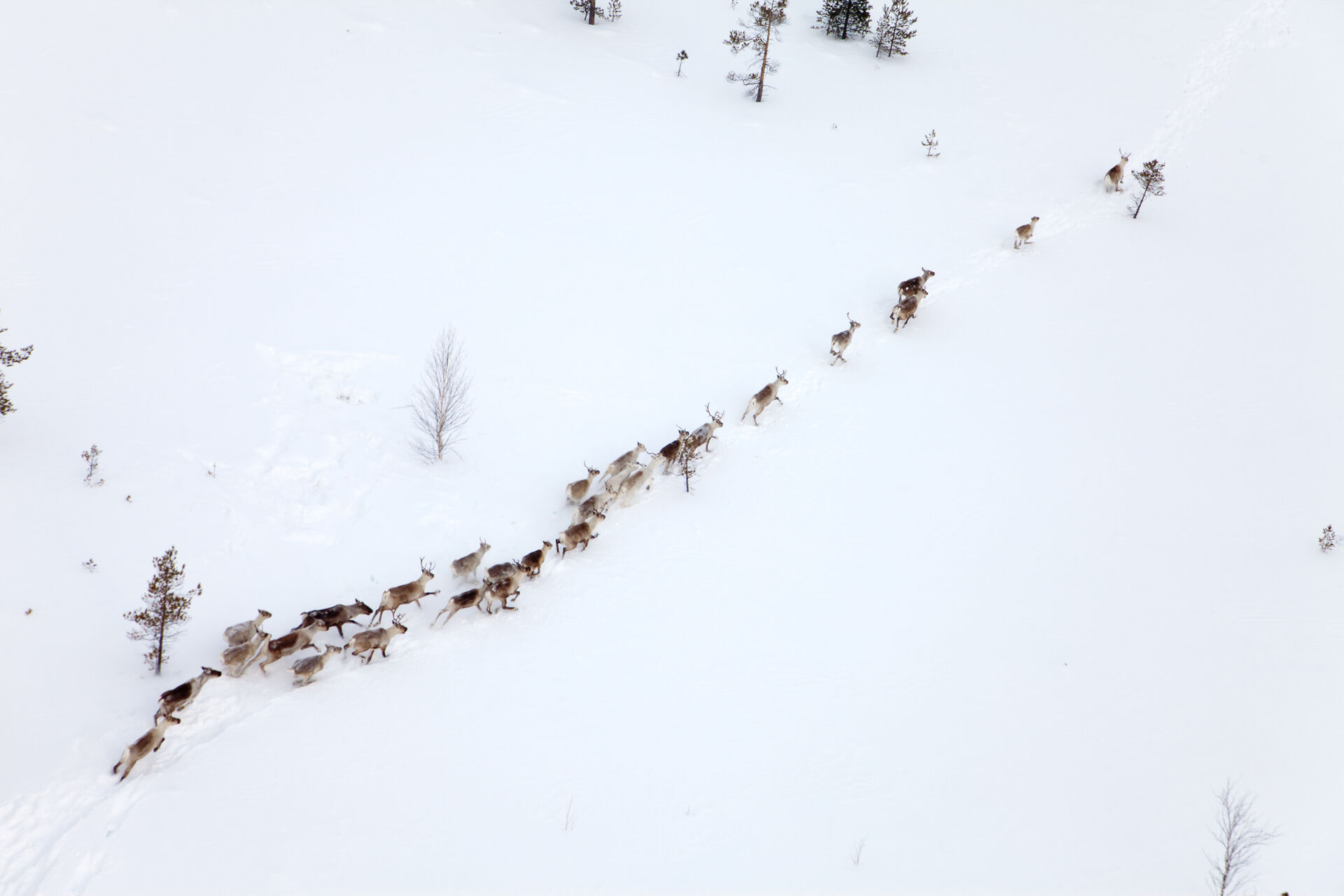
Obviously other techniques can also be used. For example, surveys of reindeer on the Hardangervidda mountain plateau (Norway) are also carried out by helicopter to allow contact with and counting of the largest possible number of groups over a selected area on one and the same day.
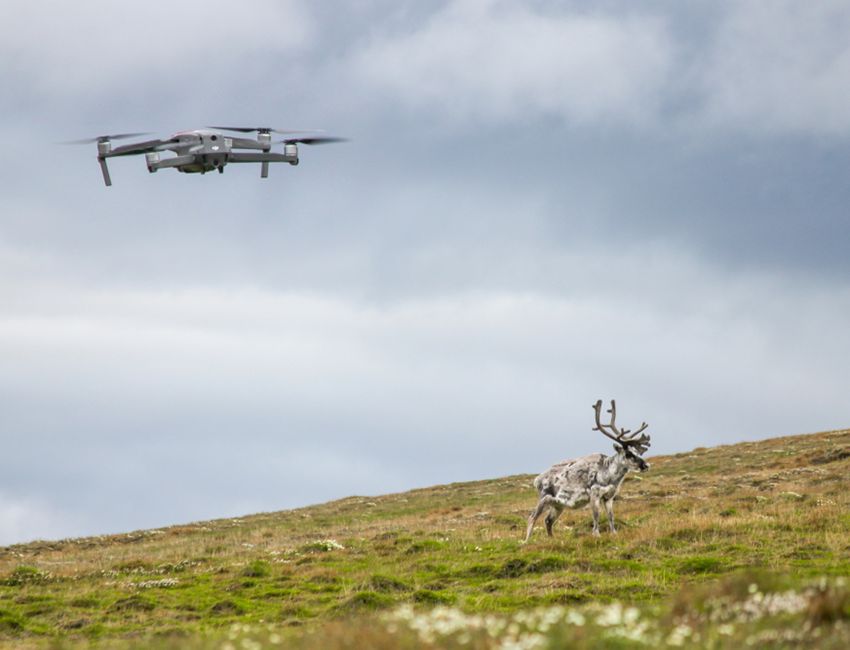
The fraction of animals carrying radio transmitter collars (which are known be to be alive and present in the surveyed area) contacted during the survey allows the probability of contacting a group of reindeer (contactability) to be determined and also to estimate the total population.
Recognising animals and tracking their movements: marking
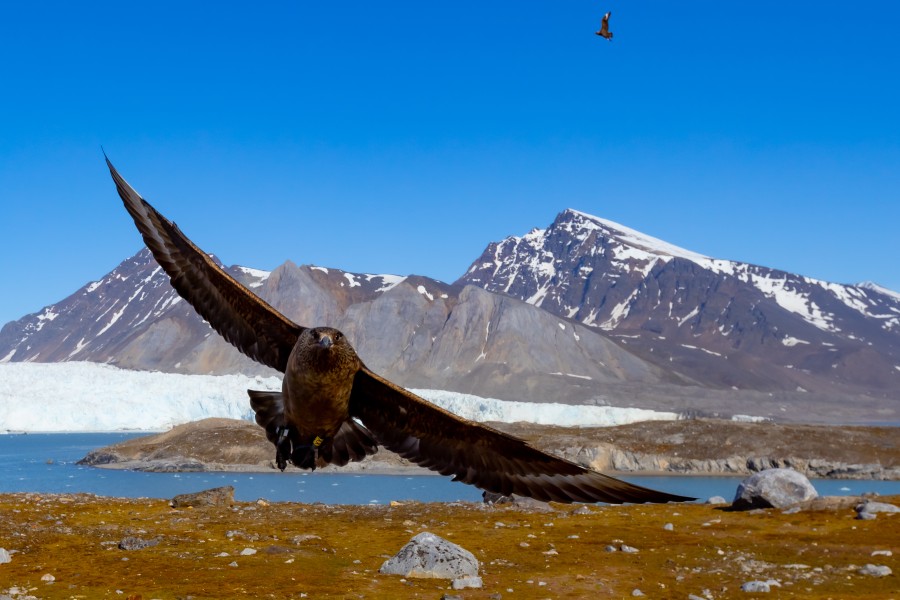
Great skua ringed with coloured plastic material
Making unique identification of individuals of a given species is useful both for estimating the total population abundance and for studying their ecology and behaviour. However, recognising individuals animals relyingbased on their natural physical appearance alone is a very complex if not impossible task.
This is why researchers have developed artificial marking methods to allow such individuals to be identified without harming their welfare or changing their behaviour. These methods are essential for carrying out studies on the behaviour and social life of animals, as well as their distribution and migration, allowing information to be obtained that is very important for both research and environmental management.
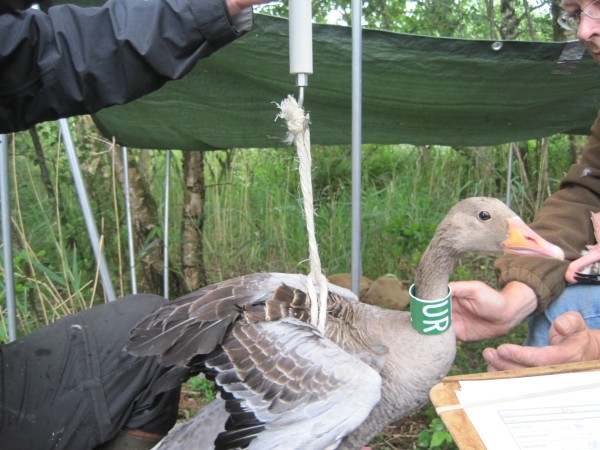
Greylag goose tagged with coloured collar and code
Ringing is a simple method allowing individual marking of birds. It involves tagging the birds with a metal or plastic ring placed around their lower leg (or tarsus).
Each ring has an alphanumeric code that allows individuals to be clearly identified.
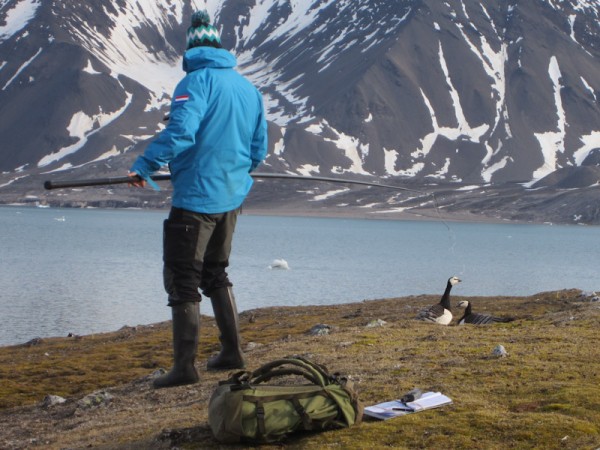
Capturing a goose
The individual is captured using whatever method is appropriate for the specific species and tagged with a ring. Various biometric measurements are taken and the bird is then immediately released.
Metal rings require recapture of birds for code reading but have the advantage of being all but indestructible.
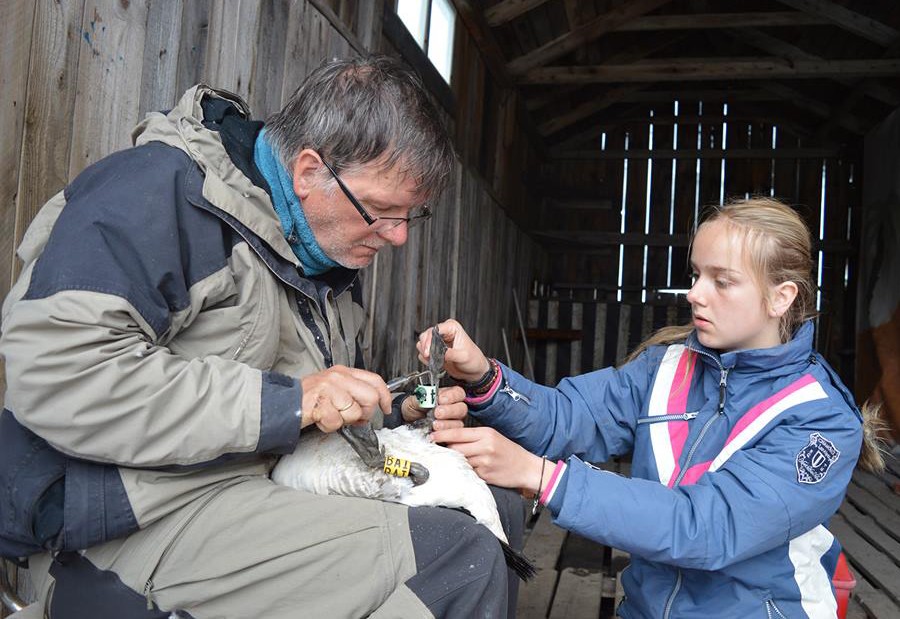
Authorised ringer tagging the tarsus of a barnacle goose with coloured rings
Coloured plastic rings, on the other hand, allow remote identification of the bird without recapture, by reading the code and associated colour visually using binoculars or a camera.
Individual marking of birds allows study of migration, behaviour and social structure, longevity and survival rates, reproductive success and population growth.
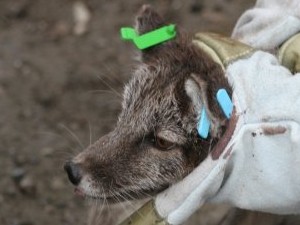
Arctic fox with ear tags
Ankle straps would not be appropriate for use on mammals since they could be removed by the animals and so alternative marking methods are used on other parts of the body.
Medium-to-large mammals are normally marked using tags applied to the ear cartilage or plastic collars in various colours and sizes, bearing one or more characters or combinations of colours.
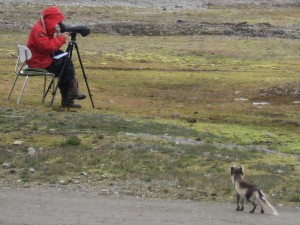
Surveyor conducting remote reading of coloured rings (watched by an Arctic fox)
Here again the animals do not need to be recaptured to read the markings and identify individuals since this can be done remotely using binoculars or a spotting scope.
Small mammals like lemmings, on the other hand, are marked with ear tags that do require recapture of the animal to be read, or else small microchips (passive integrated transponders) applied subcutaneously, like those used for pet, which can be read from a short distance using a suitable device.
An example: the Arctic tern
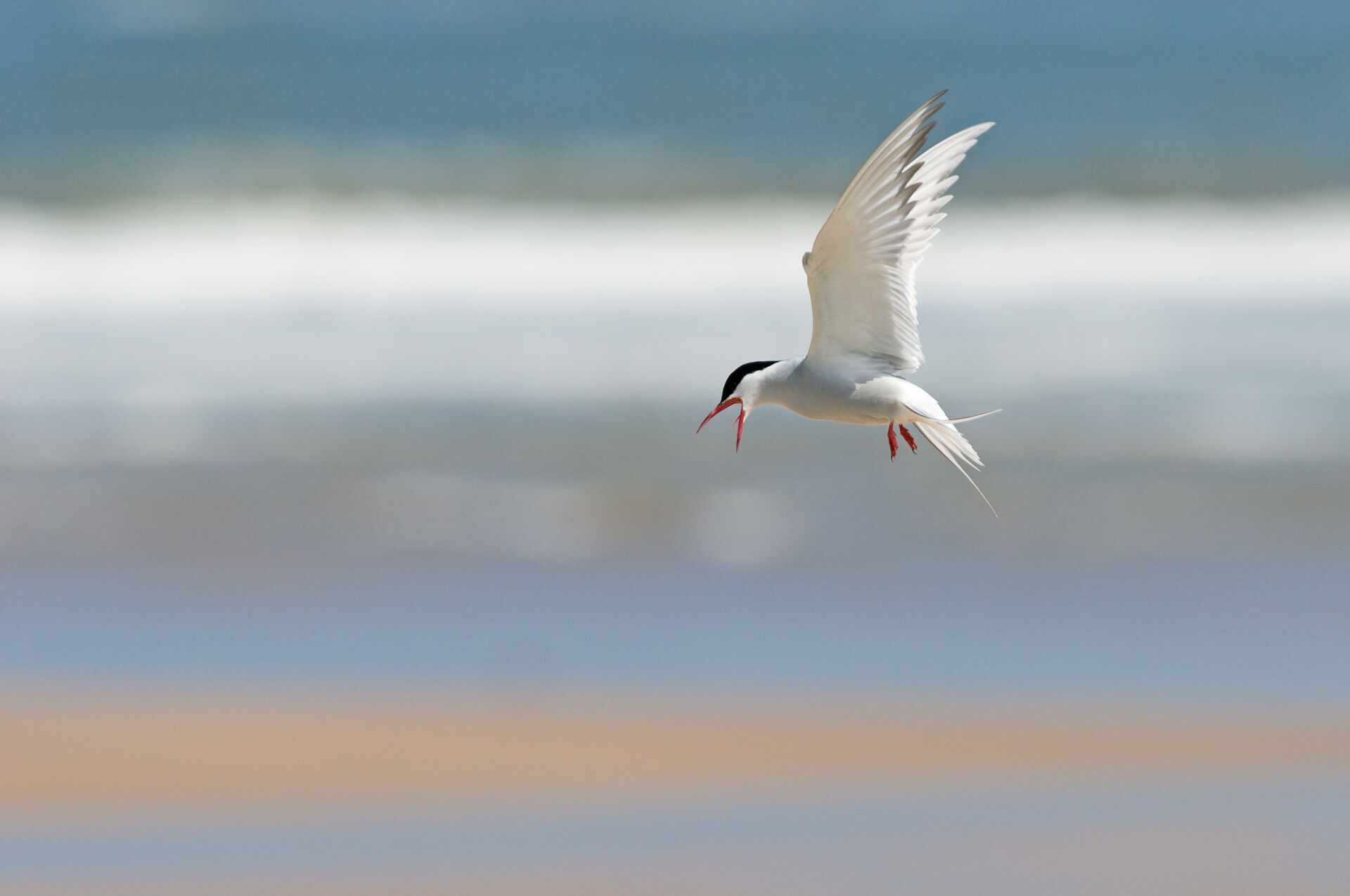

Arctic terns (Sterna paradisaea) are seabirds that can fly very long distances thanks to their small, light bodies and slender wings. They are in fact known for the amazing migratory journeys they make from their breeding grounds in the Arctic and sub-Arctic circumpolar regions to their wintering grounds inside or just below the Antarctic Circle.

Arctic tern hunting
Silvia Giamberini | Rights reservedArctic terns’ wonderful flying abilities are also on display when they hunt, flying gracefully just above waves and deftly picking out small fish close to the surface. The Arctic tern is a carnivore that feeds off small fish and crustaceans, sometimes also eating insects that they catch in-flight like swallows.

Ringing has revealed just how far this splendid species travels when migrating, over 70,000 km in some cases, making it a record breaker in terms of migratory route length for winged species.
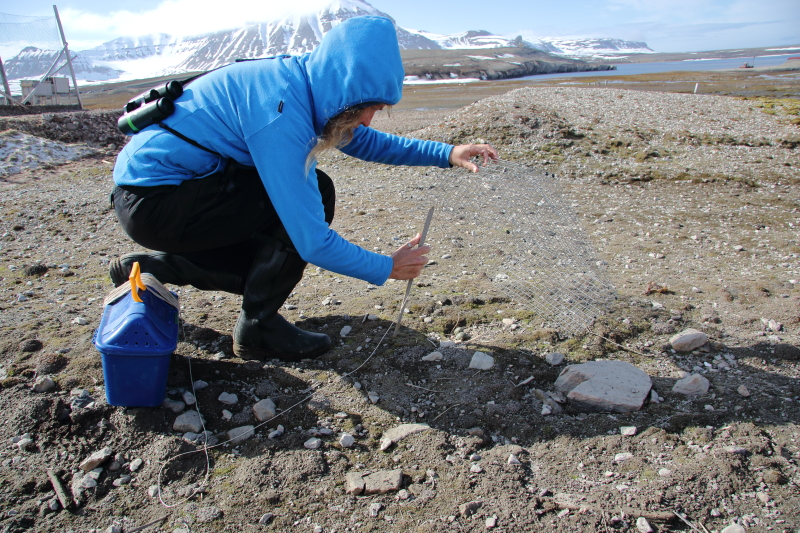
Arctic terns are captured using special drop traps that can be activated from a distance.
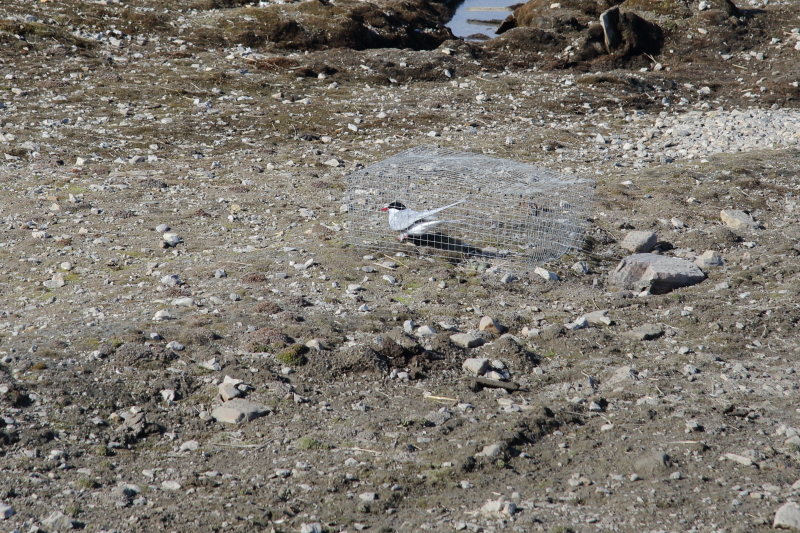
Once the bird enters the trap, the support that props it open is pulled away to close it.
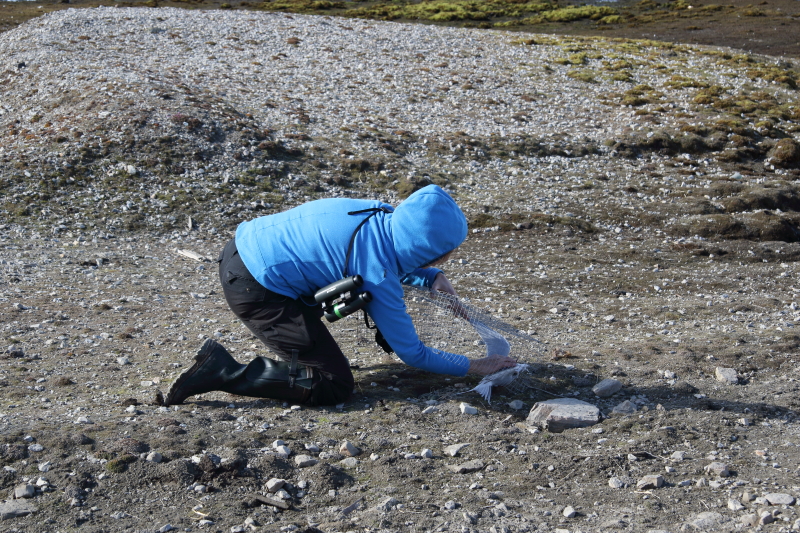
The tern is then immediately recovered by the surveyor...
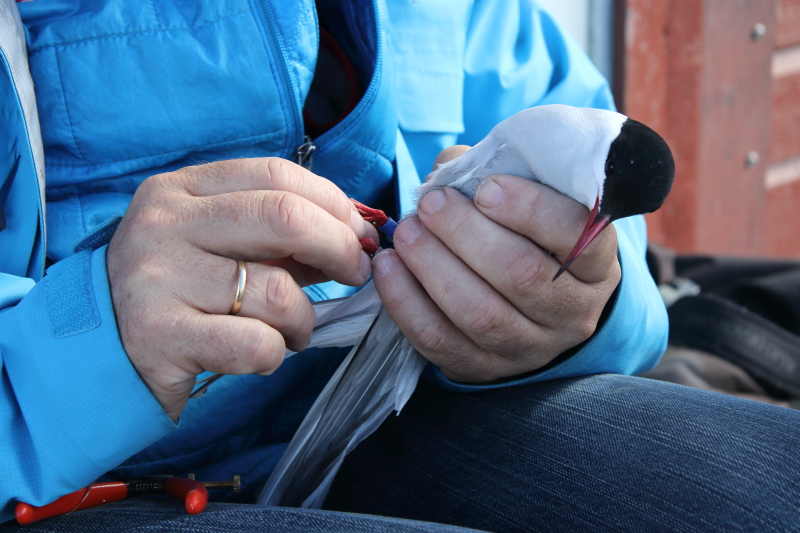
...and tagged with a coloured plastic ring on one leg and a metal ring on the other, which are checked for comfort.
Next, biometric measurements are taken to obtain important information on the health of individual specimens as well as on various population characteristics.
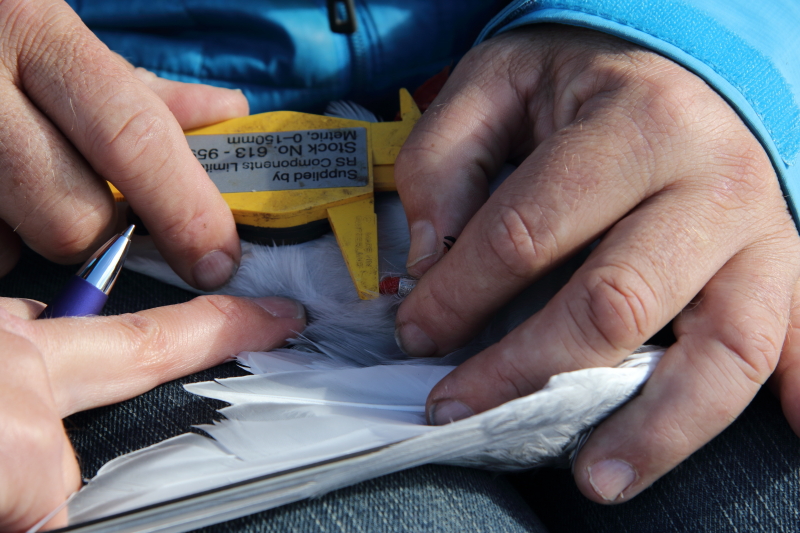
First of all the tarsus – the featherless lower leg between the foot and mid-leg joint – is measured using a simple calliper.
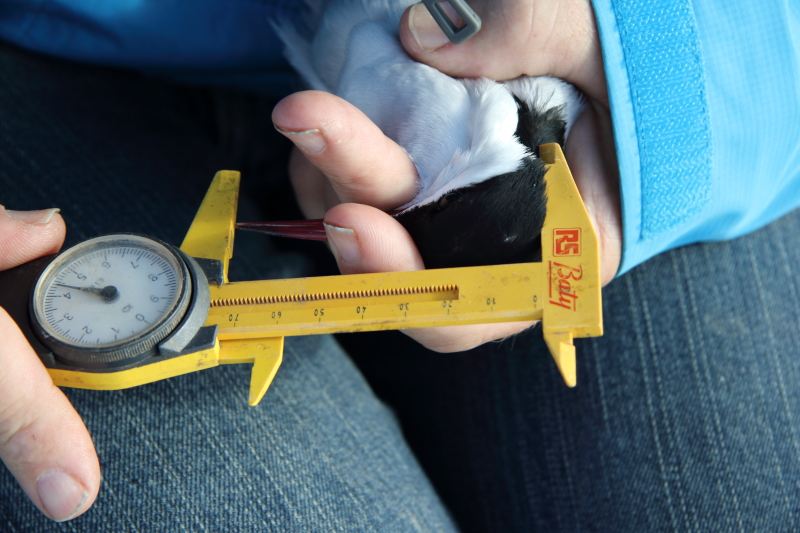
The head-beak length is then measured from the point of the beak to the neck, followed by the beak length and finally the beak thickness at its top end.
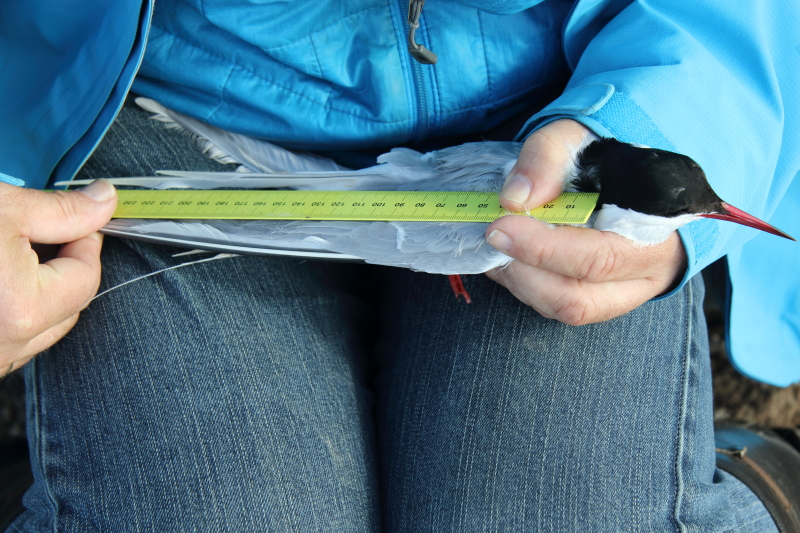
Special rulers are used to measure the wing chord, i.e. the full length of the wing, bent at a 90-degree angle, from the most prominent point of the wrist joint to the most prominent point of the longest primary feather.
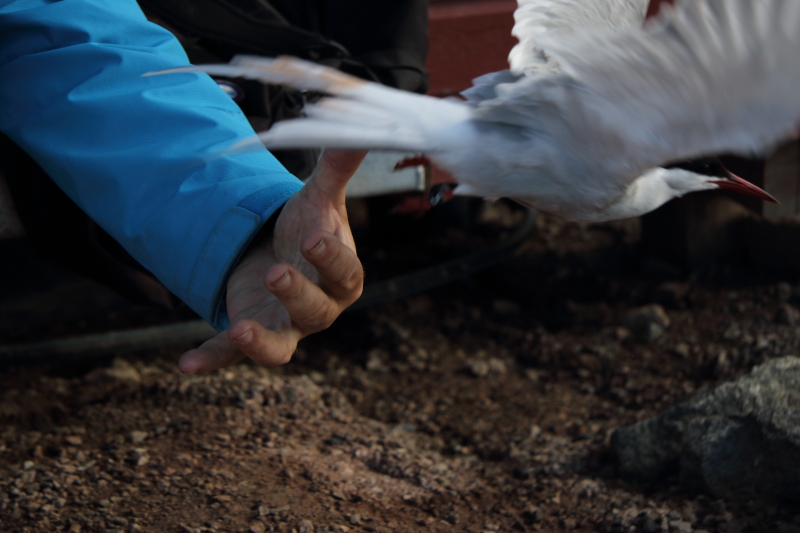
Now measurement is finished and the tern can be set free!
Ringing of an Arctic tern at the Ny Alesund Arctic Station
In Ny-Aalesund, there is a fox-free area around the petrol tanks where arctic tern nests survive the predation by arctic foxes. It is a unique place to study growth of arctic tern chicks and to assess feeding conditions.
Special marking: electronic tracking devices
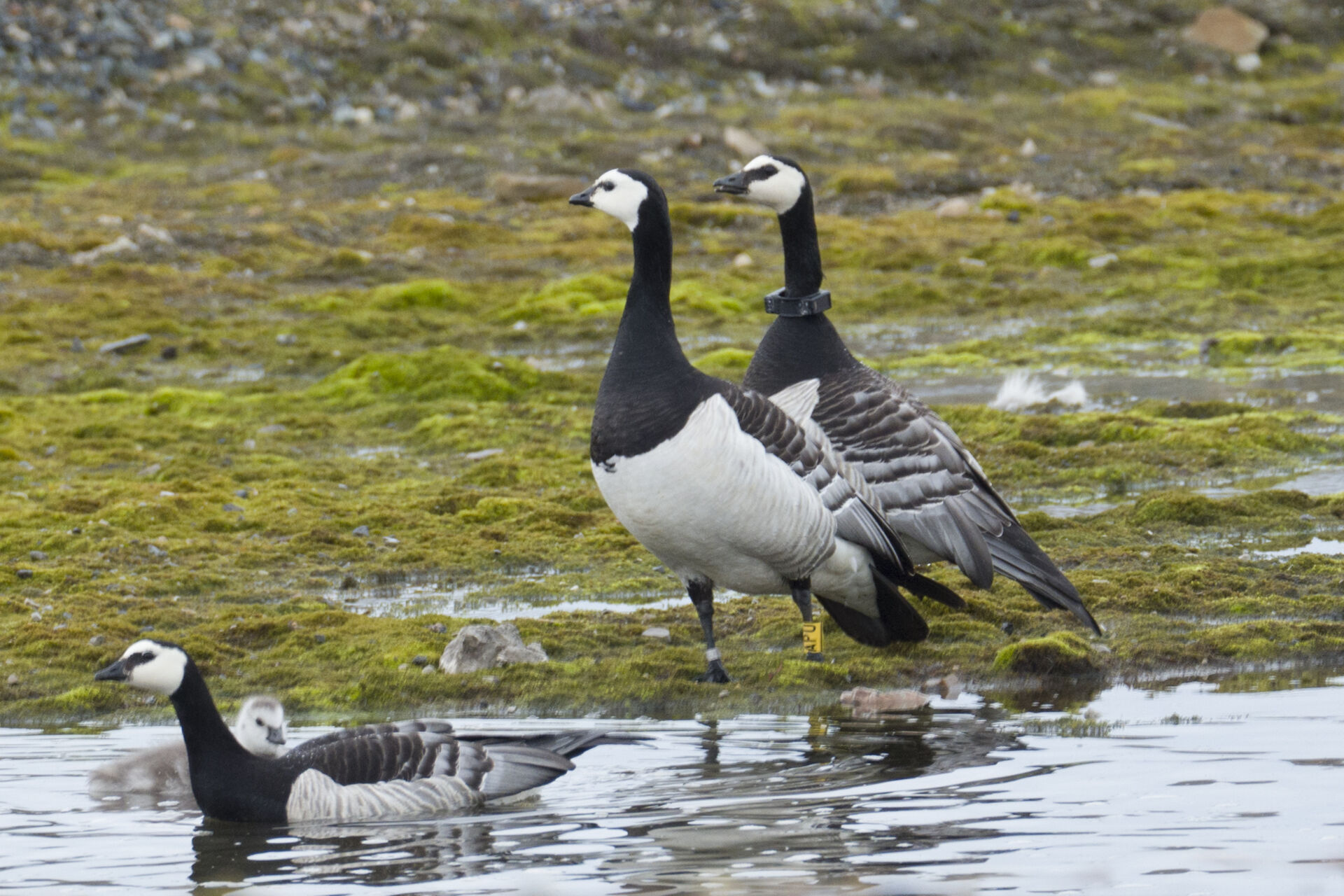
Barnacle geese with geolocators (attached to coloured ring)
Silvia Giamberini | Rights reservedElectronic tracking devices such as satellite transmitters and geolocators are increasingly common. These devices allow detailed and continuous information to be obtained on the movements of individual birds, including spatial and temporal data over full migratory journeys or fine-scale behavioural information.
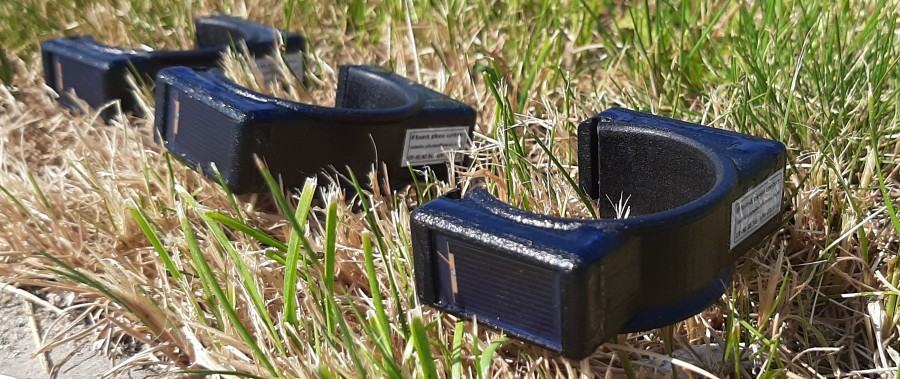
GPS geolocators
These devices differ greatly in terms of their workings and size: satellite transmitters, relying on satellite-based systems such as ARGOS, can obtain much more detailed data in real time but are usually the largest and heaviest geolocators.
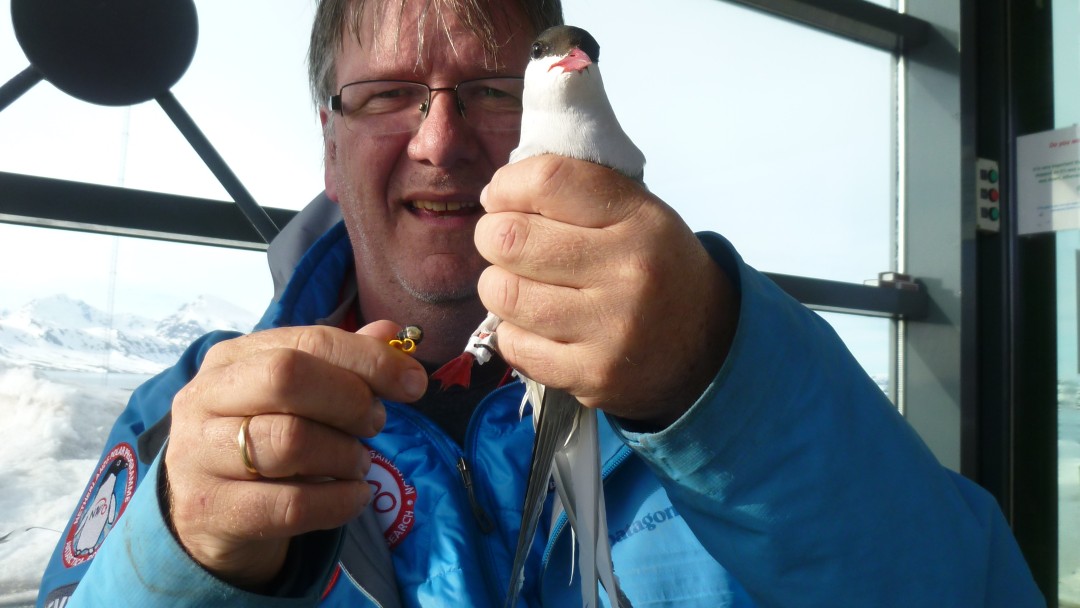
The geolocators continuously record light intensity, enabling position to be extrapolated from recorded day/night cycles. Data retrieval requires the device to be recovered.
The type of transmitter that can be used depends on the size of the species in question. This is why GPS trackers are generally used on larger species, while geolocators are also suitable for use with smaller species.
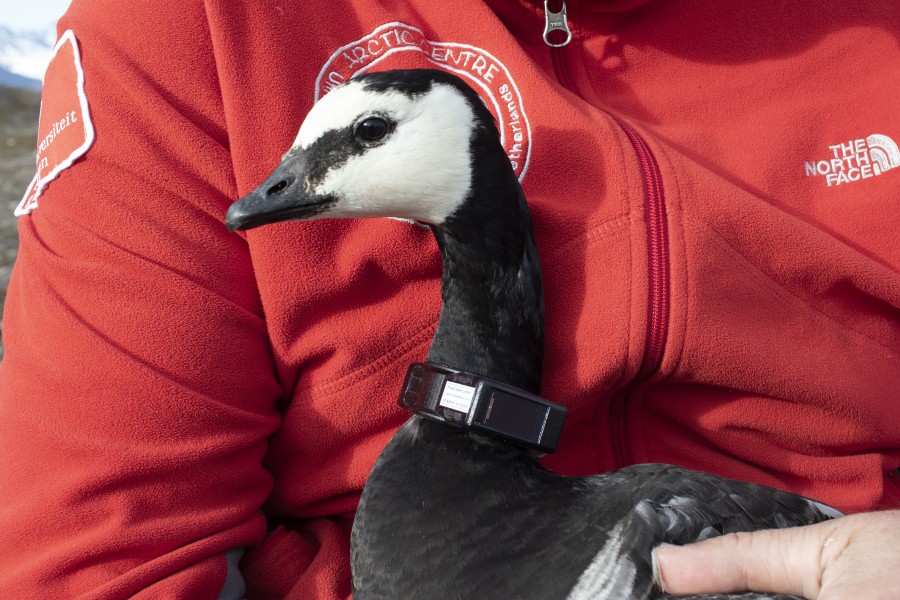
Barnacle goose with GPS collar
The transmitter carrier is also tailored to the species so as not to affect the animal’s behaviour and health in any way.
Recovery of a geolocator lost by an Arctic tern
Individuals can lose geolocators and this can be noticed by observing The instrument does not transmit data from a distance and it is not possible to know where it has been lost, but if one is lucky, as in this case, it is possible to find it in a place that is extremely popular with the individual, although this is not such an easy feat.
Hello, who are you, and how are you? Collection of biological samples for health, genetic and dietary analyses
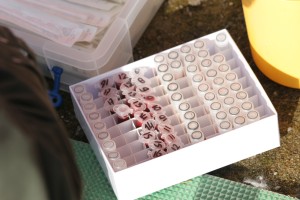
Blood samples taken from different specimens for health analysis
Some kinds of studies may require biological samples to be collected directly (blood, feathers) or indirectly (faeces, regurgitate).
Biological samples enable potentially dangerous diseases to be diagnosed in a population, as well as for the genetic characteristics of its members to be examined, also determining how these characteristics are transmitted to offspring. Finally, they can be used to analyse the diet of a species.
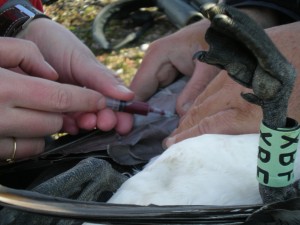
Blood sample being taken from the wing of a barnacle goose with a syringe
Blood sampling is a relatively commonly used technique. It requires experience and care as well as suitable equipment but can provide a range of information through health, genetic, and immune-system analysis, determining how well individual animals can respond to potential pathogens.
Sampling needs to be done followsing a specific procedure or ‘protocol’ for a given species, ensuring both the welfare and safety of the animal, as well as the safety of the person taking the sample. The protocol specifies, among other things, where (from which blood vessel) and how the sample should be taken.
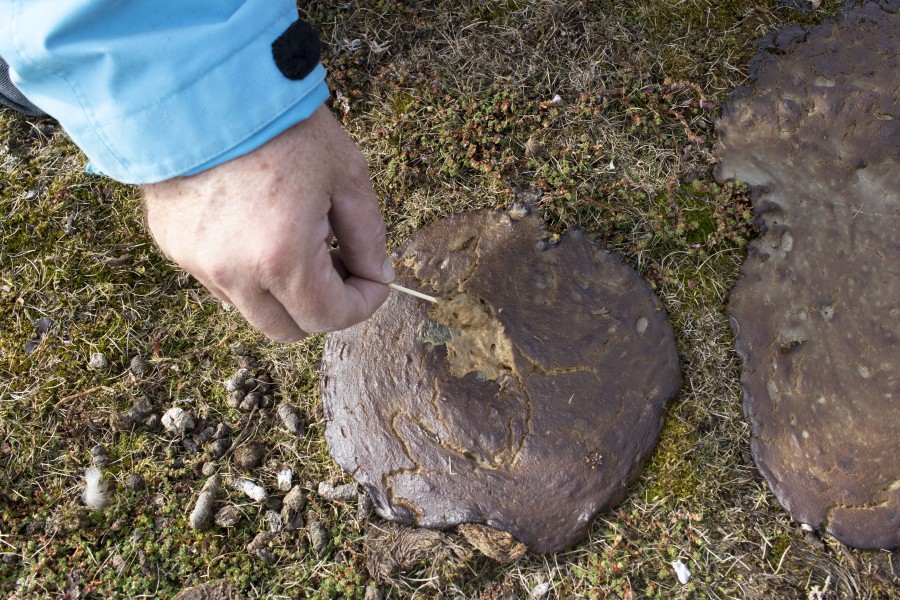
Collecting faecal sample with swab from polar bear scat
Biological sampling of faeces can be conducted in an absolutely non-invasive manner. This enables a wide range of often important information to be obtained. Naked-eye and microscope examination allows analysis of both health status of individuals, for instance by detecting the presence of parasite eggs, and the feeding habits of the species in question by identifying hard matter in the sample. Furthermore, although DNA analysis of faeces is complex due to the high degree of degradation, it can yield even more detailed dietary information.
Because faeces can contain excreted metabolites from stress hormones such as cortisol, more complex analyses can be conducted for behavioural studies examining stress response.
Feathers can also provide a wide range of information, with sampling being less invasive than for blood. They can provide genetic information through cell analysis, or data on areas of origin by analysing isotope abundance for certain elements, taking into account the time of year when the feather was collected. The isotope ratios of certain elements vary from zone to zone, and this data is recorded in the feather. Finally, feathers can also indicate stress levels in animals or their exposure to certain harmful substances like heavy metals. Depending on the type of study, just a few down feathers can be taken from the breast or close to the cloaca, or else wing or tail feathers, which are stored differently depending on the analysis to be conducted.
Capturing and handling individual birds generally involves a certain amount of stress for the animal. Operations therefore need to be carefully assessed and conducted by experienced and professional animal handlers.
For ethical reasons, the least invasive method possible should be used for any given type of study, while also aiming to obtain as much information as possible from the samples taken to help the conservatione and management of the species itselfin question.
Ethical standards for capturing and handling animals for research
Francesca Avogadro di Valdengo (National Research Council - CNR) explains how certain species may need to be captured and handled for some types of research, for example study of animal ecology or behaviour.
She emphasizes that any scientific research, particularly if it involves animals, needs to observe a set of ethical standards governing the relationship between the researcher and other living beings.
As she explains, capturing and handling generally involve a certain amount of stress for the animal. These operations can therefore only be undertaken for justified scientific reasons and are designed and planned to respect the welfare, dignity and safety of captured animals.
They can only be carried out by experienced and qualified professionals who must always use the least invasive method. As soon as capture and handling actions have concluded, the animals must be immediately released, if possible close to the point of capture.

