
The biological clock under the midnight sun
‘At the North Pole there are six months of day and six months of night.’ At least this is what we are told as children to explain the ‘midnight sun’ phenomenon.
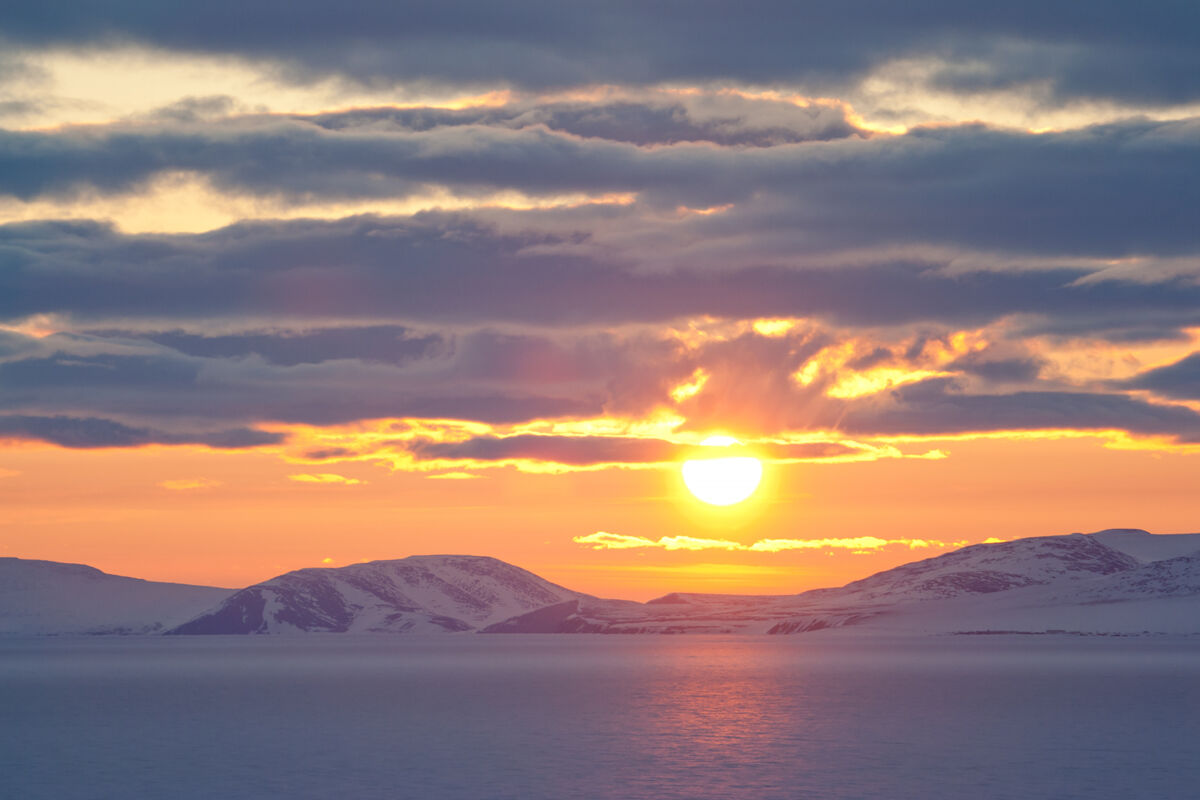
East Siberian Sea. Chukotka, Russia
It’s true that at high latitudes the length of the day and the seasons are quite different from those we are used to experiencing: the further north we go, the shorter the winter days become, while the summer days grow longer. When we cross the Arctic Circle, the sun disappears altogether around the time of the winter solstice, while it never sets around the summer solstice.
In other words, the closer we get to the North Pole, the longer the periods of total light or total darkness during the 24-hour cycle. That’s why the circadian rhythms (the sleep-wake cycles of the various species) and behaviour of plants and animals are different from what we can observe at our latitudes.
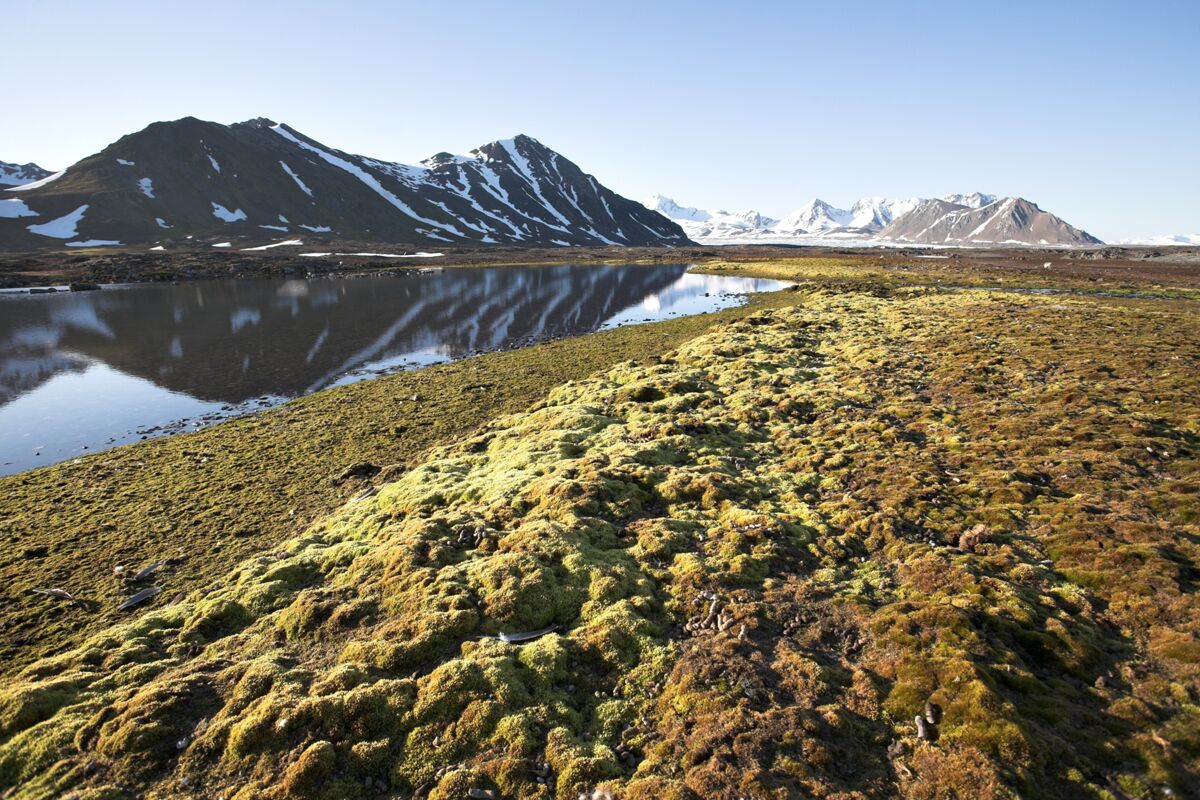
Spitsbergen, Svalbard
The growing season for plants is very short (July to August), while the harsh temperatures and lack of freshwater sources for much of the year require adaptation to these difficult conditions. Likewise, animals are active when they have enough light to search for food and shelter.
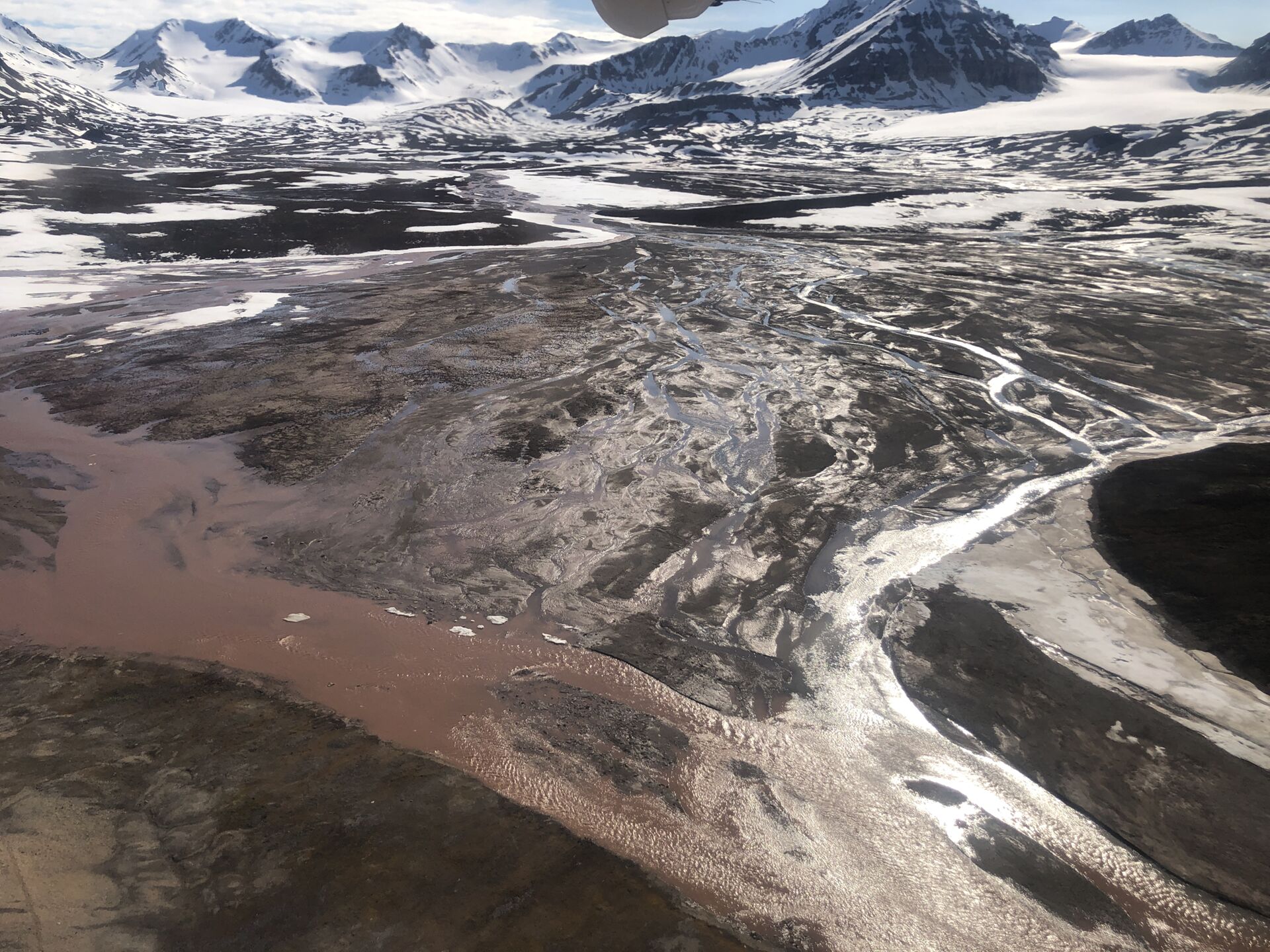
Snow melt, Svalbard
Ilaria Baneschi | Rights reservedOn Svalbard, the snow melts in June and the plants enjoy their growing season for just a few weeks.
During this brief period, the more complex plants such as angiosperms and gymnosperms have to develop new leaves, bloom and shed seeds before going back to sleep for nine long months, as happens in high-altitude Alpine grasslands.
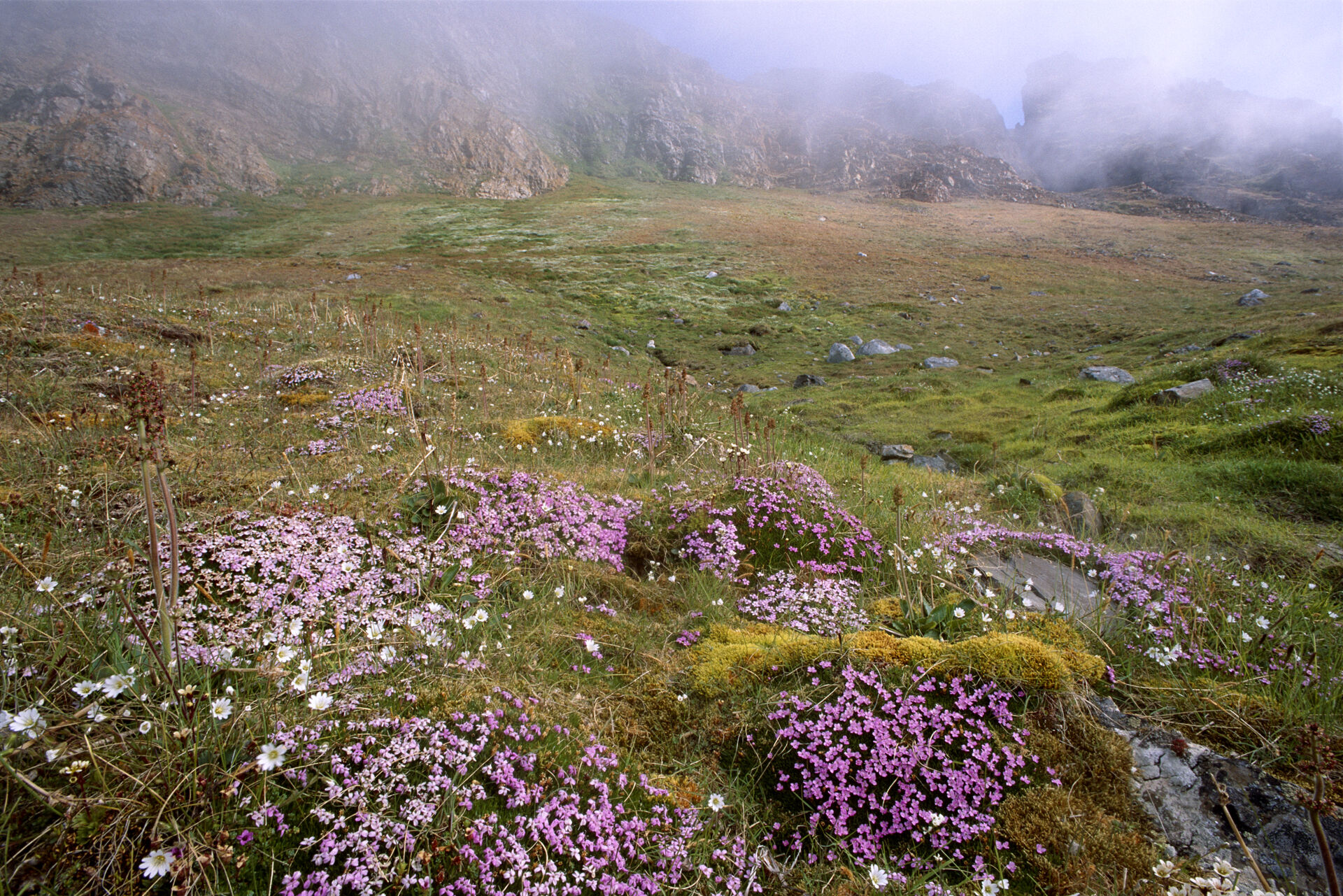
Morphological adaptations can also be observed in plants: for example, the leaf surface is smaller and hairy, and branches are flattened and spread out just below the surface in a cushion-like arrangement designed to retain air and moisture.
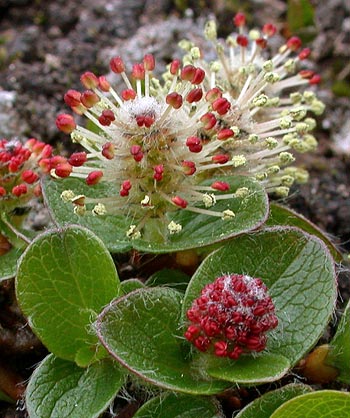
The polar willow (Salix polaris) has adapted perfectly to its Arctic environment: it is a bush but flattens down to ‘hide’ its woody branches in the soil to protect itself from the cold. They provide food for the reindeer and rock ptarmigan.
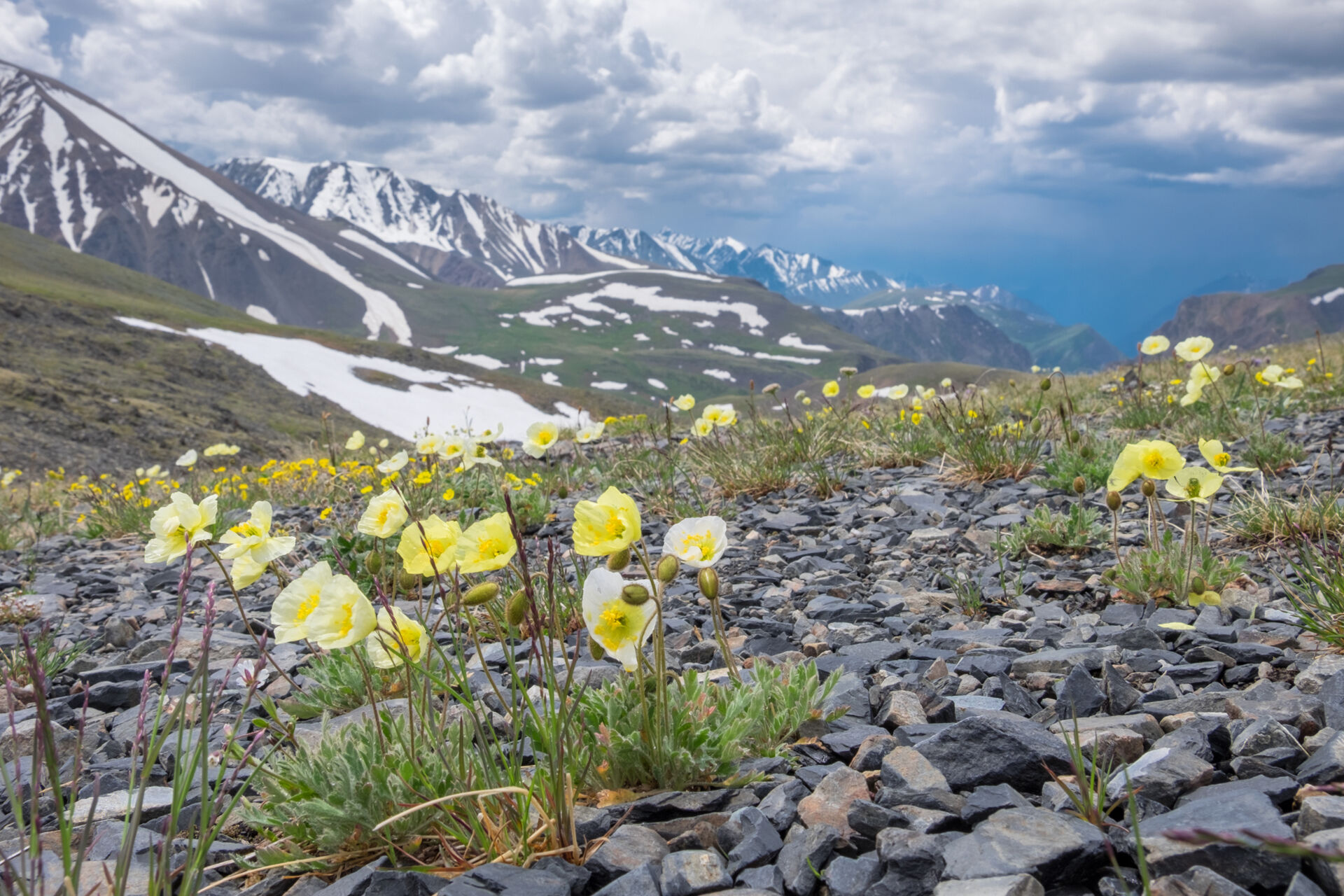
The plant species present are quick to sense and respond to the onset of the short summer: a recent study found that plants in colder environments are quicker to bring forward their growing season in response to climate change: it is essential to hurry up!
However, the earlier onset of the growing season that has been observed does not produce a longer growing season, where the snow melts sooner: plant life seems unable to ‘take advantage’ of the longer summer. This is probably because plants complete their summer life cycle during a period that has been shaped by evolution that cannot adapt rapidly to climate change. So what will be the effect of the rapid rise of Arctic temperatures?
Rapid growth of goslings
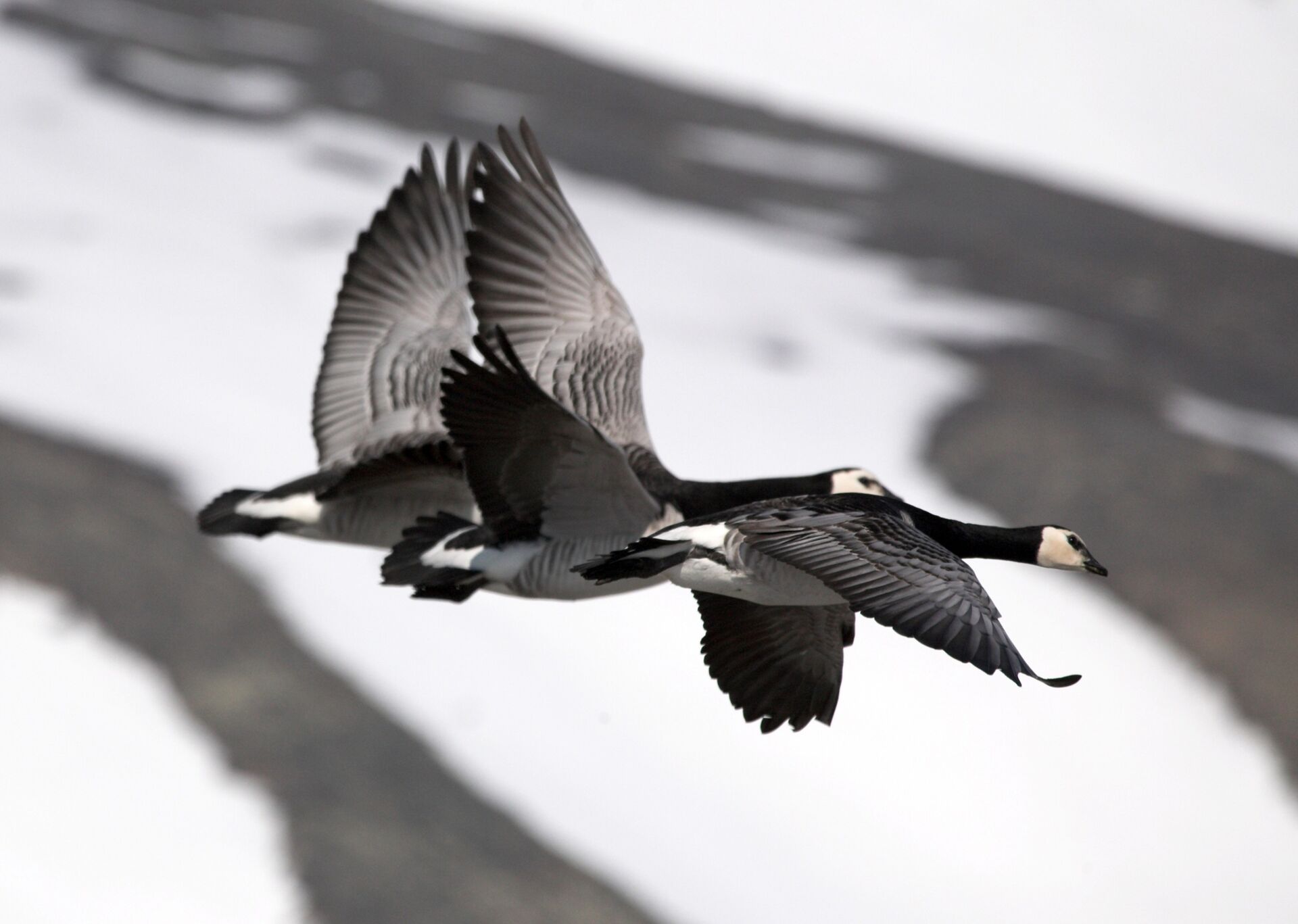
The short Arctic summer season also shortens the available time for rearing chicks. The pressure brought to bear by this short summer is felt in particular by migratory species that use Arctic breeding grounds, such as the barnacle goose (Branta leucopsis).
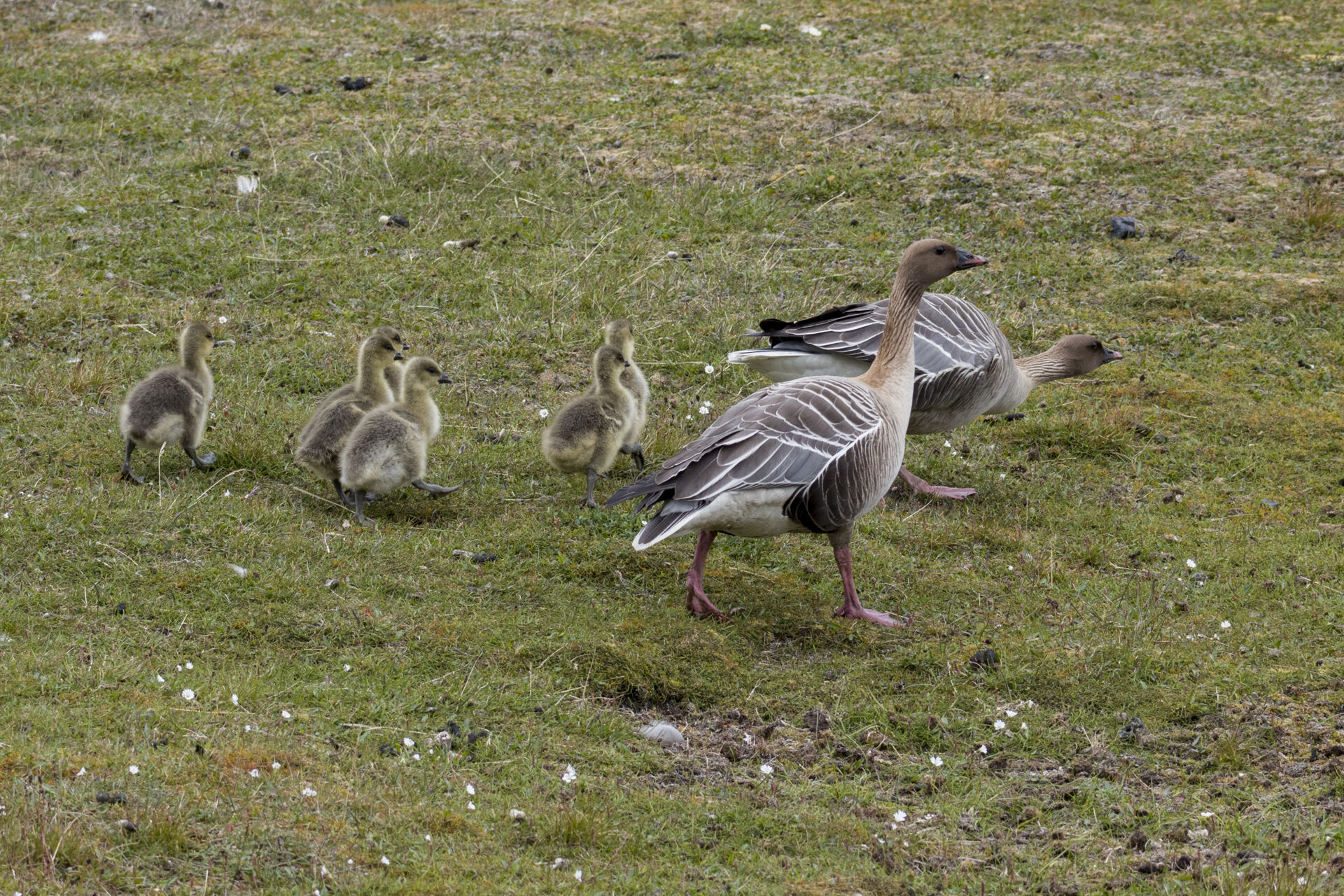
Geese with young - Svalbard
Silvia Giamberini | Rights reservedRecent studies have shown that rapid growth is closely linked to the length of the day: the continuous daylight of the Arctic summer allows chicks to feed for much longer than young do at lower latitudes. Rapid development is not only linked to the length of the day but possibly even more closely to the quality and quantity in the vegetation available as food.
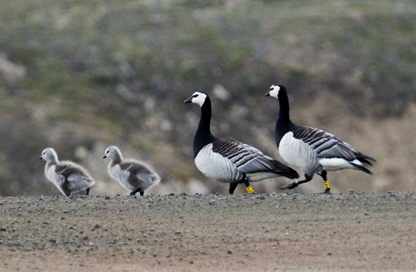
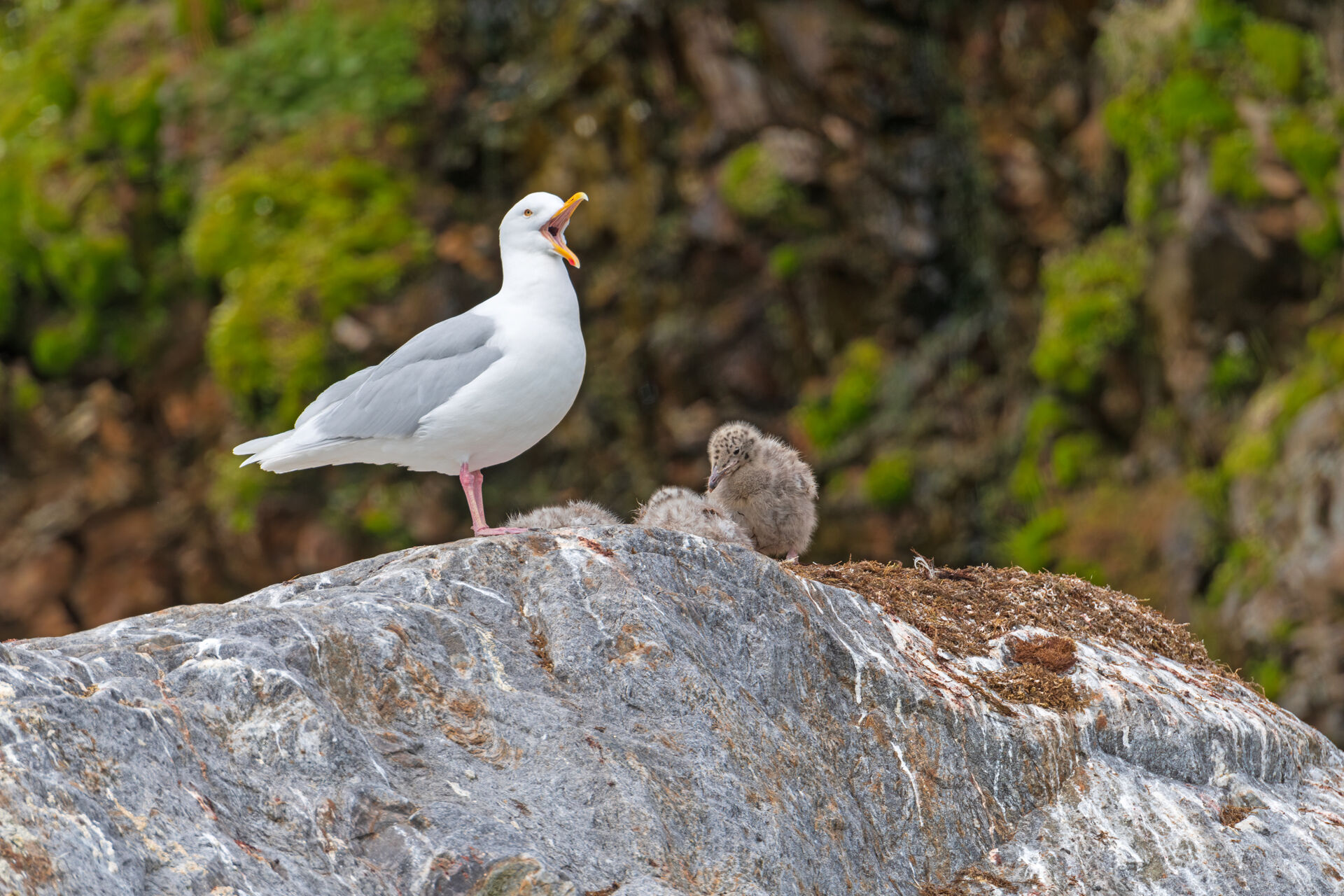
In the case of birds of the Charadriiformes order, especially waders (Charadrius) and gulls (Larus), a strong correlation between the latitude of the breeding grounds and the growth rate of the young has been observed, always attributable to the longer daylight hours and greater availability of food sources.
Latitude can however have a varying influence on the growth rate of the young depending on their degree of precociality at birth: for example, since gull inept chicks, unlike geese and waders, cannot fend for themselves at birth, their growth depends on their parents’ ability to procure food.
The Arctic fox
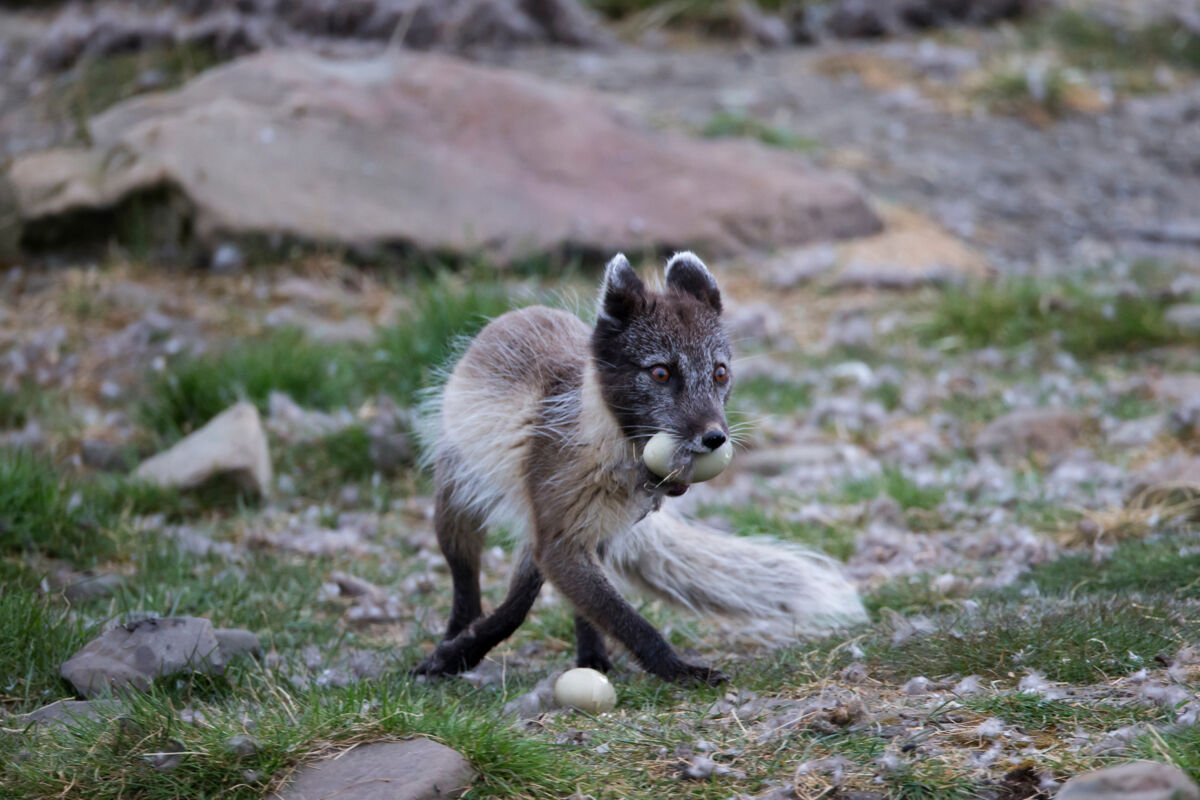
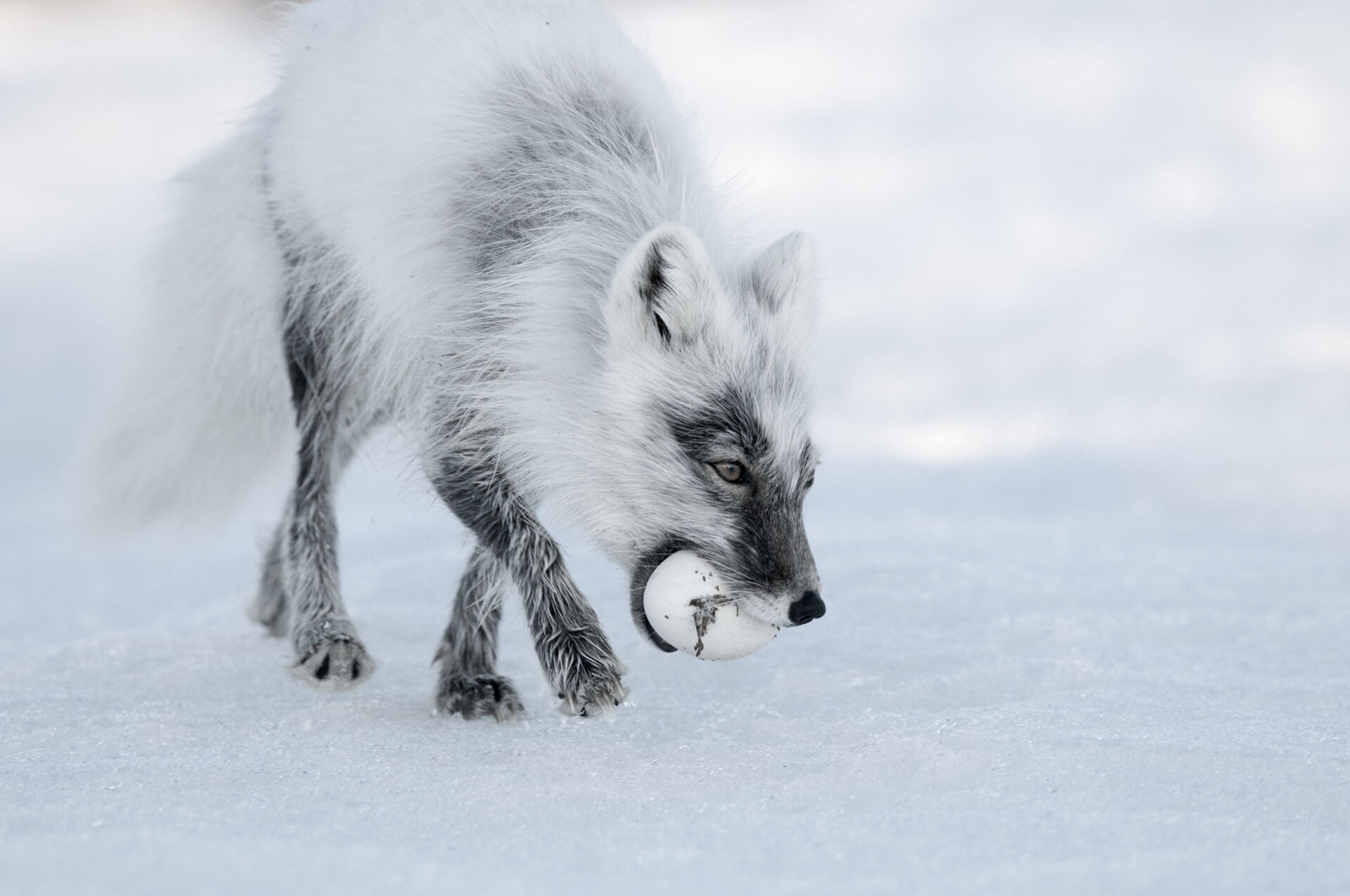
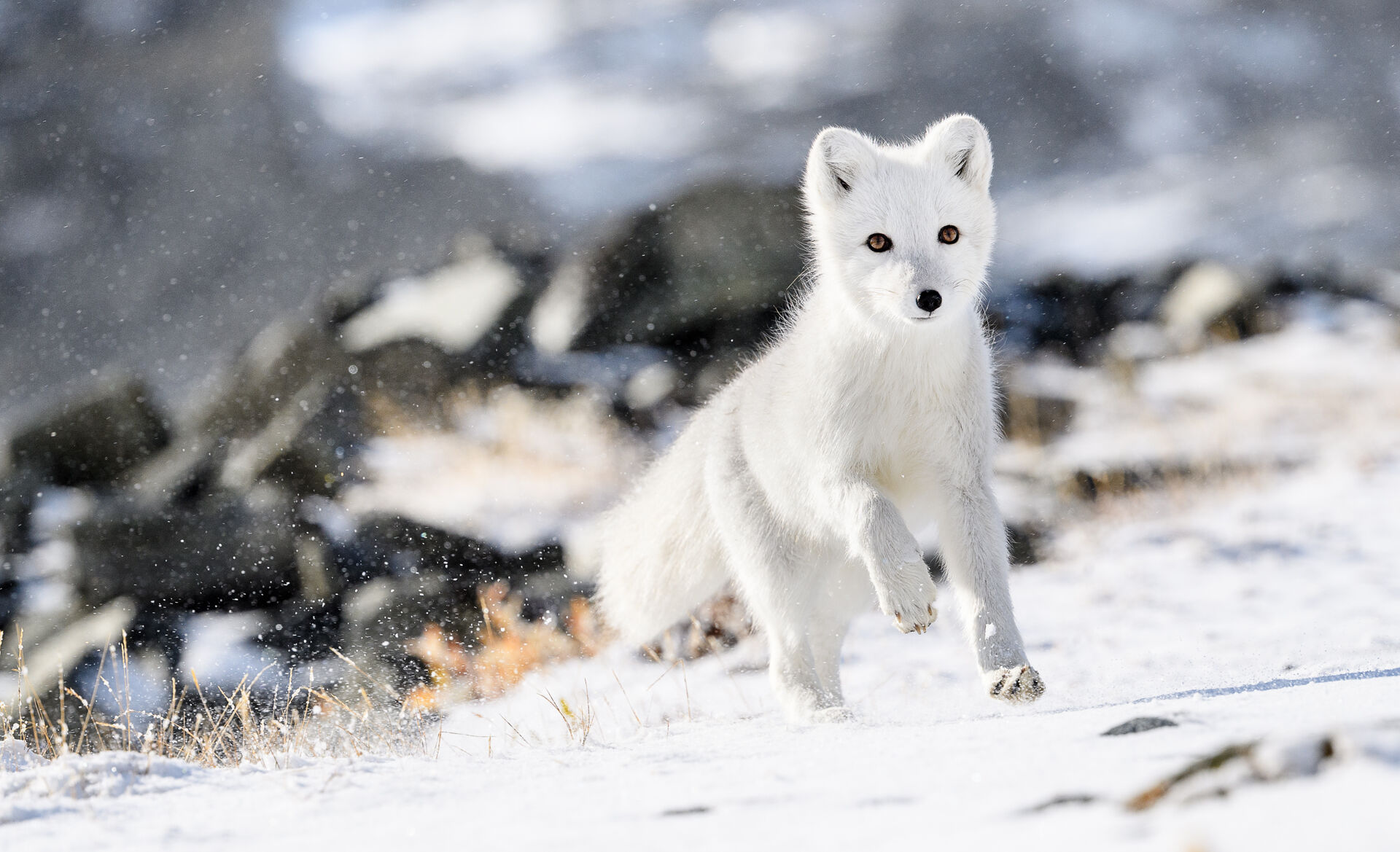
Since Arctic foxes cannot migrate, they have to find some means of sustenance during the winter months when prey is scarce. During the goose breeding season, especially when goslings first take to the air from the nest with their parents, foxes catch and kill them in great numbers, burying them for recovery during the months when food is scarce. They also gather eggs from the nest to hide them in the same way.
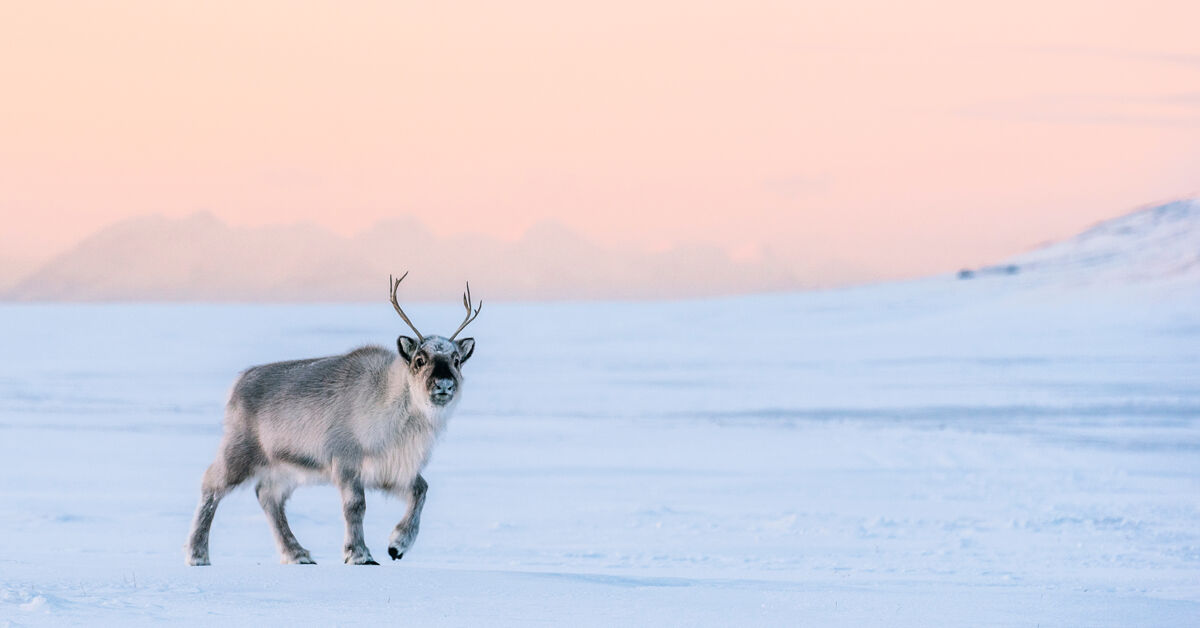
Reindeer. Longyearbyen, Svalbard
Like all sedentary animals, reindeer also have to adapt their life cycle to the extreme conditions on Svalbard. Reindeer are common throughout the Arctic and sub-Arctic regions. The Svalbard reindeer subspecies is smaller and its shorter legs help it to withstand the cold. Its circadian rhythm also changes with the seasons:
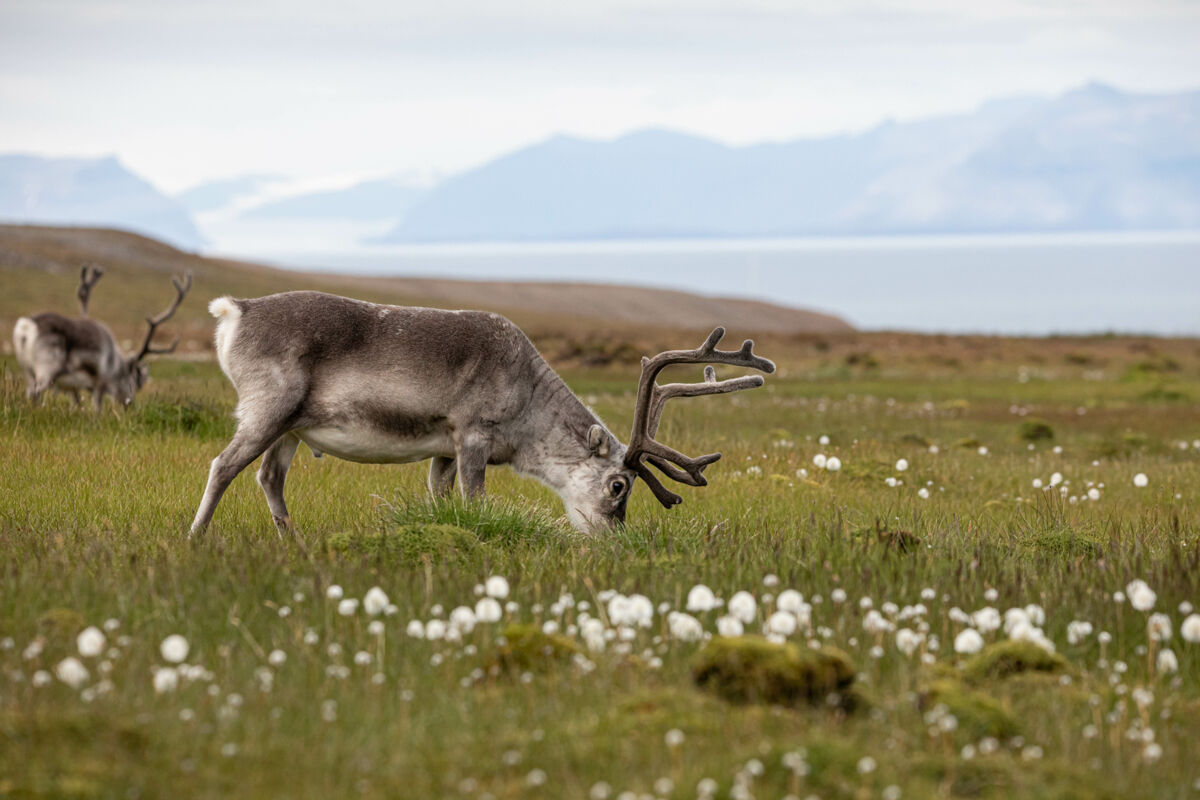
A type of circadian rhythm persists during the months of continuous daylight (April to August), since sunlight is not as strong during the ‘night’ hours. In July, during the few weeks when their fodder grows, this rhythm disappears completely and the reindeer graze without pause to accumulate the calories they need to survive the winter!
Adaptation of small aquatic animals
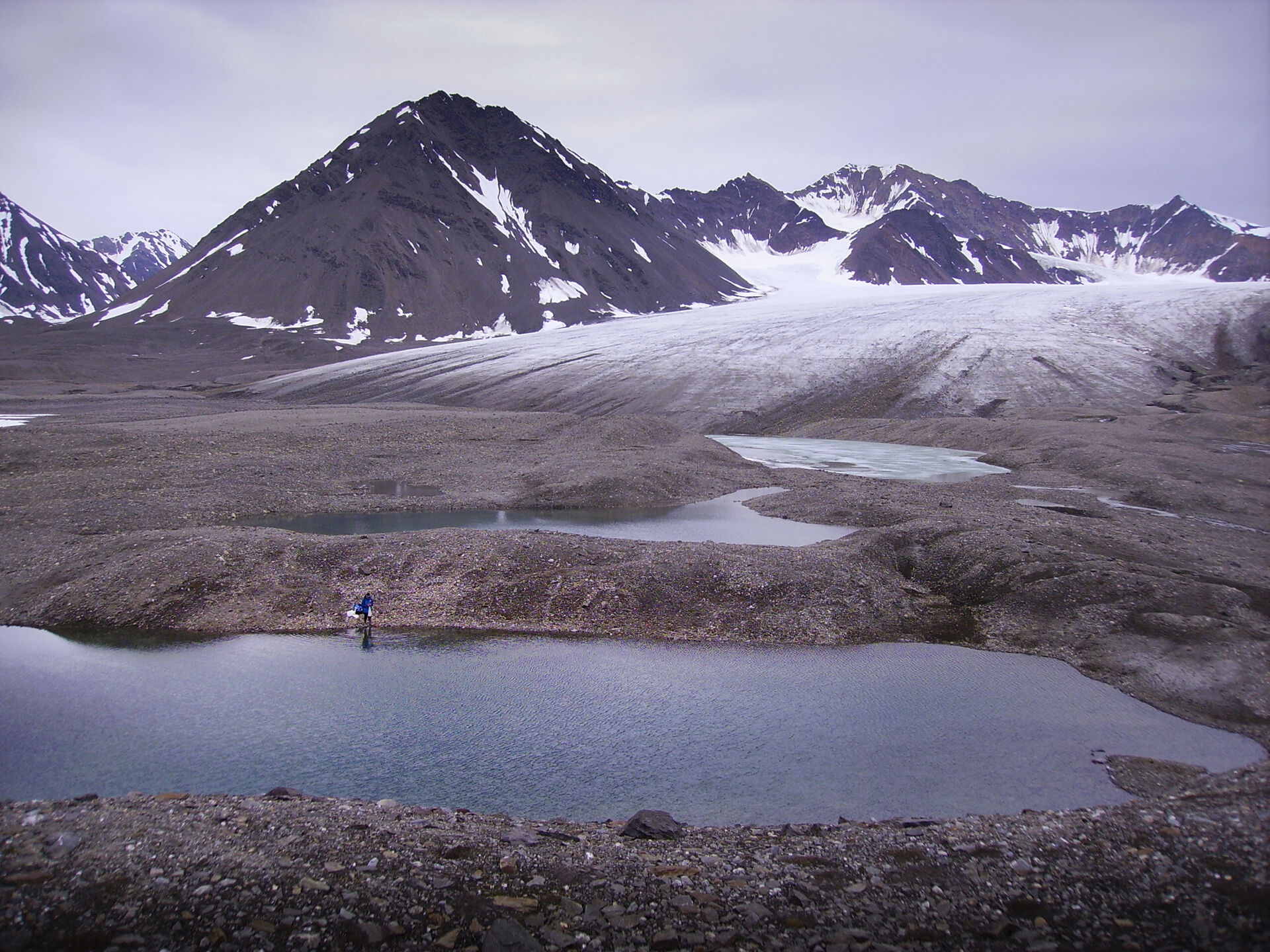
Moraine lakes at the foot of a glacier in the Ny-Ålesund area of Svalbard. A researcher is preparing to take zooplankton samples in the pond furthest downstream.
Diego Fontaneto | Rights reservedLakes, ponds and pools in Arctic areas are home to a great many microscopic animals that benefit from the summertime peak in phytoplankton production. Their circadian rhythm alters to allow them to feed non-stop during the months of daylight when water is in its liquid state.
However, these species are still able to survive once the water has frozen and the daylight has waned. Some animals actually die, such as the crustacean Lepidurus arcticus, leaving their descendants to survive the long winter in the form of hardy eggs able to withstand the ice.
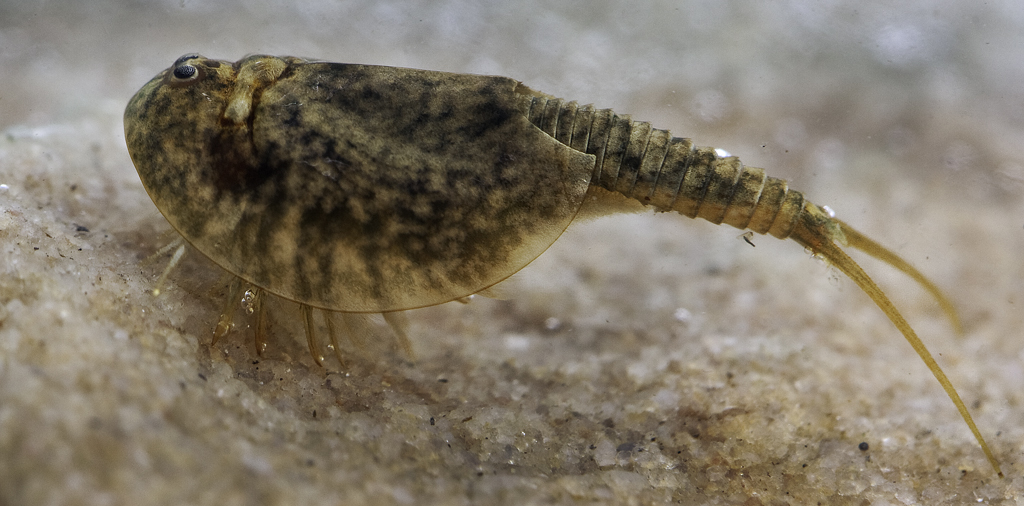
Lepidurus arcticus
Amazingly, other animals can be totally frozen and ‘come back to life’ with the following year’s thaw: these include in particular bdelloid rotifers, tardigrades and nematodes.
These are all animals with surprising abilities: the DNA of bdelloid rotifers fragments when frozen and dried and recomposes rapidly when the water returns to its liquid state.
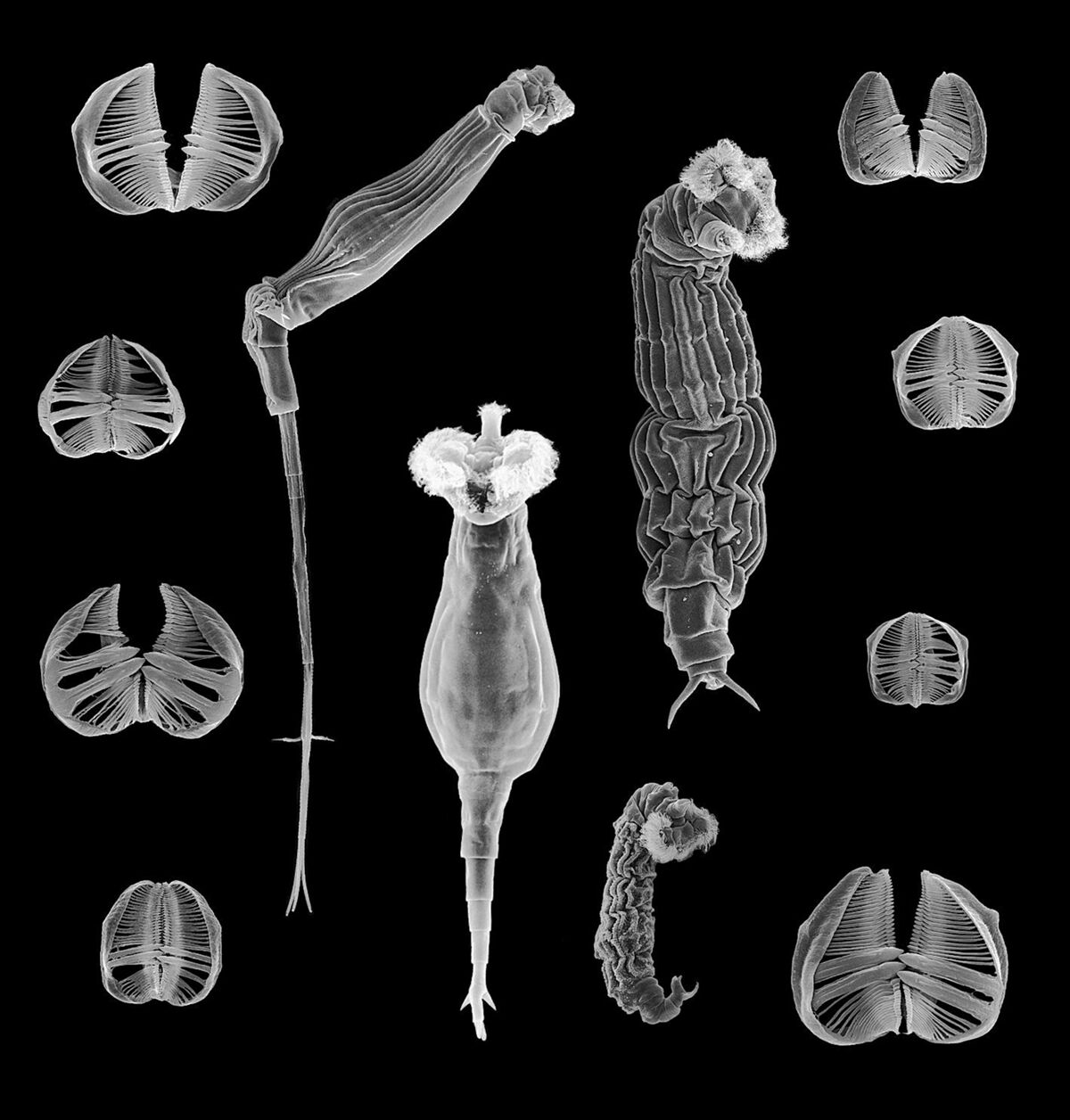
Bdelloid rotifers
This ability to reconstruct their DNA makes them pre-adapted to withstand damage even from extra-terrestrial radiation. And indeed both bdelloid rotifers and tardigrades are used as experimental models on the international space station to study mechanisms of survival in cosmic space.
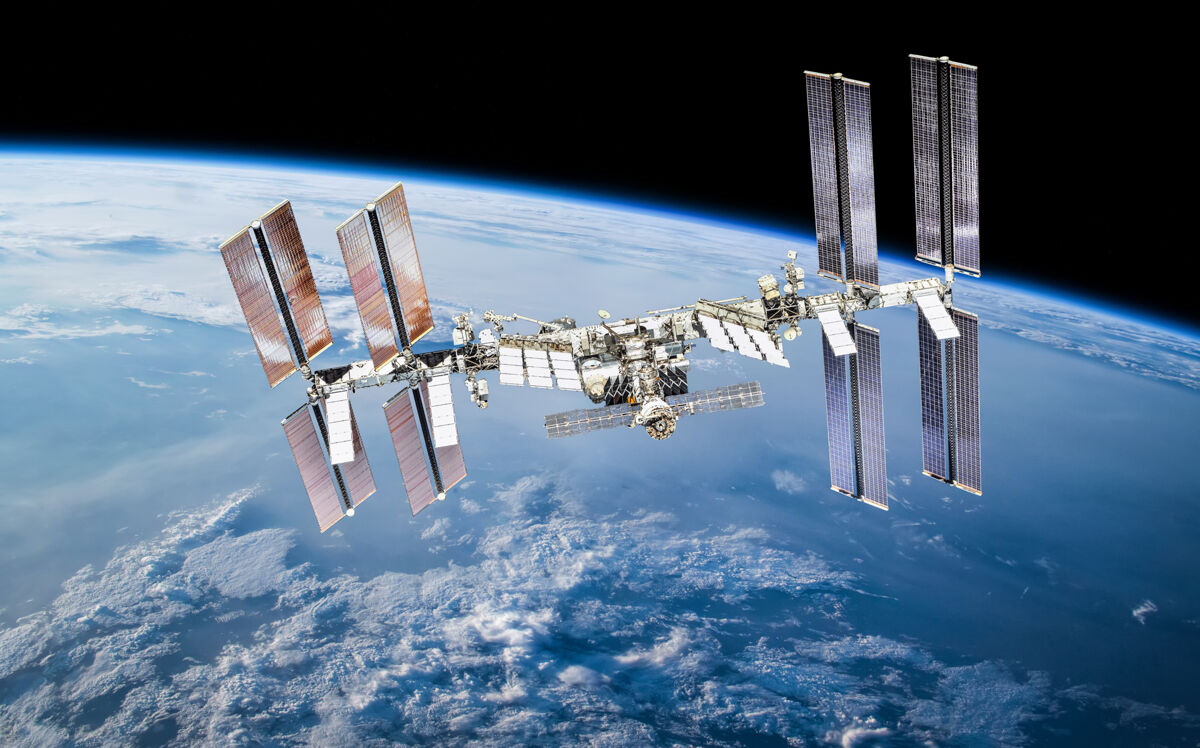
International space station
Surviving in the ice: the strange case of Lepidurus arcticus
Vittorio Pasquali (Sapienza University of Rome) speaks about Lepidurus arcticus. These small animals live in freshwater lakes in polar environments and have a lifespan of no more than two months. During this time they develop from the egg to the adult stage and therefore have to grow, breed, lay their own eggs and end their life cycle as quickly as possible.
He explains how a species very similar to Lepidurus arcticus, Lepidurus couesii is found in some temporary ponds in the Municipality of San Donaci in Salento.
It is interesting to compare these two species because they have adapted to completely different temperatures and, more importantly, photoperiods. Comparison of their biological rhythms from the genetic and behavioural point of view can therefore help us to shed light on evolutionary mechanisms.
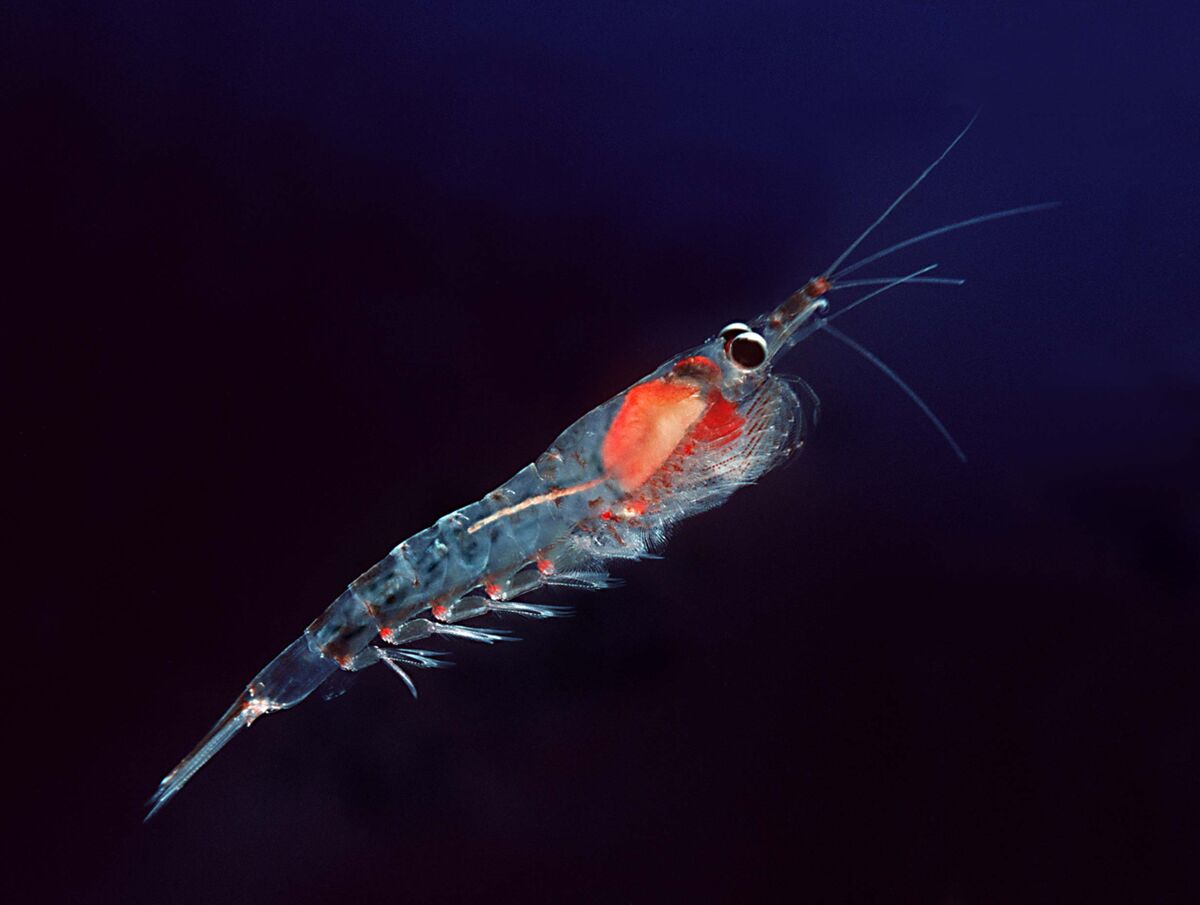
Meganyctiphanes norvegica, a species of Arctic krill belonging to the Euphausiidae family.
For a long time it was believed that the ocean was almost lifeless during the long polar night. Without sunlight, phytoplankton (algae and other photosynthetic organisms) cannot thrive and therefore provide food to zooplankton, in particular krill – which in turn is a food source for larger predators.
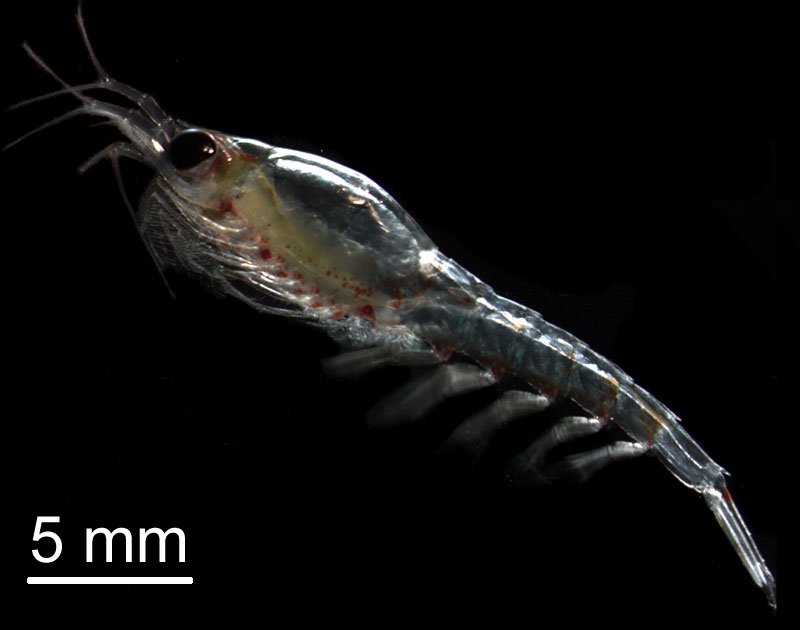
Thysanoessa inermis, a species of Arctic krill belonging to the Euphausiidae family
In recent decades, researchers have discovered that,, in the darkness of the polar night, the sea hides a surprising level of vitality. This discovery was made in the waters around Svalbard thanks to acoustic sensors that were able to detect zooplankton travelling up and down the water column. This behaviour is called daily vertical migration and is well-known among aquatic microorganisms in seas with well-defined night-day cycles that define their circadian rhythms.
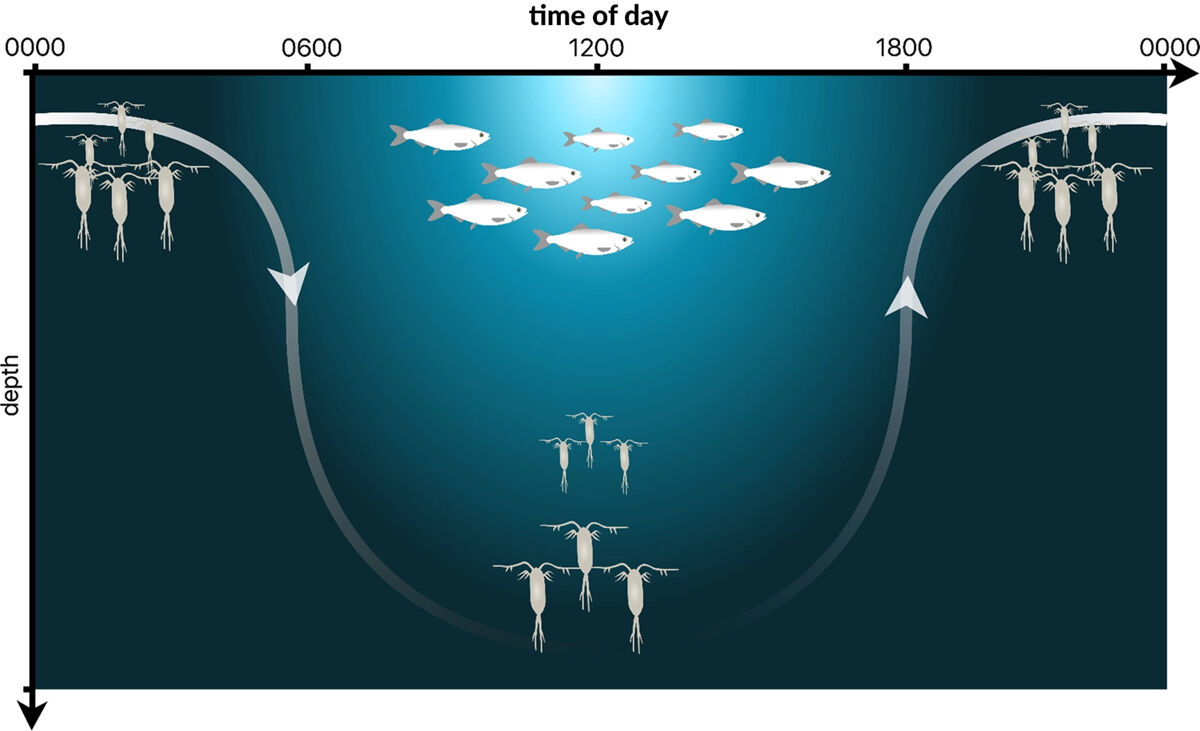
The diagram shows how organisms are distributed in the sea during the day and night. The microorganisms descend to the depths at dawn, avoiding surface predators during the day, and resurface when the sun goes down and darkness returns.
Daily vertical migration is a strategy used against predators: the microorganisms move to the warmer surface waters after sunset, where they feed, and return to the deeper zones during the day to avoid their predators. This behaviour depends on the alternation of cycles of light and darkness, so how can it happen during the darkness of the Arctic winter? Thanks to the moon, which during the polar night provides an important light source capable of replacing the sun. The moon therefore guides the vertical migration of zooplankton in Arctic waters.
No sleep during the Arctic night
During the long polar night, polar cod (Boreogadus saida) shelter at various depths, forming large groups depending on their size. Smaller fish gather in shallower waters and larger fish in deeper waters, where breeding occurs.
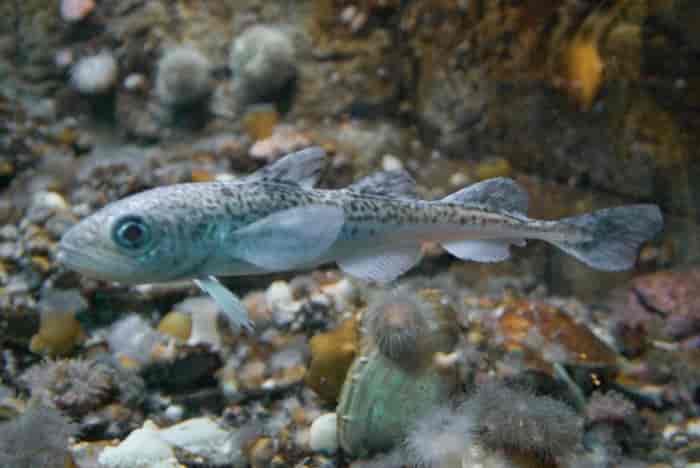
Adult polar cod general grow no larger than 25 cm, although some specimens may reach 40 cm
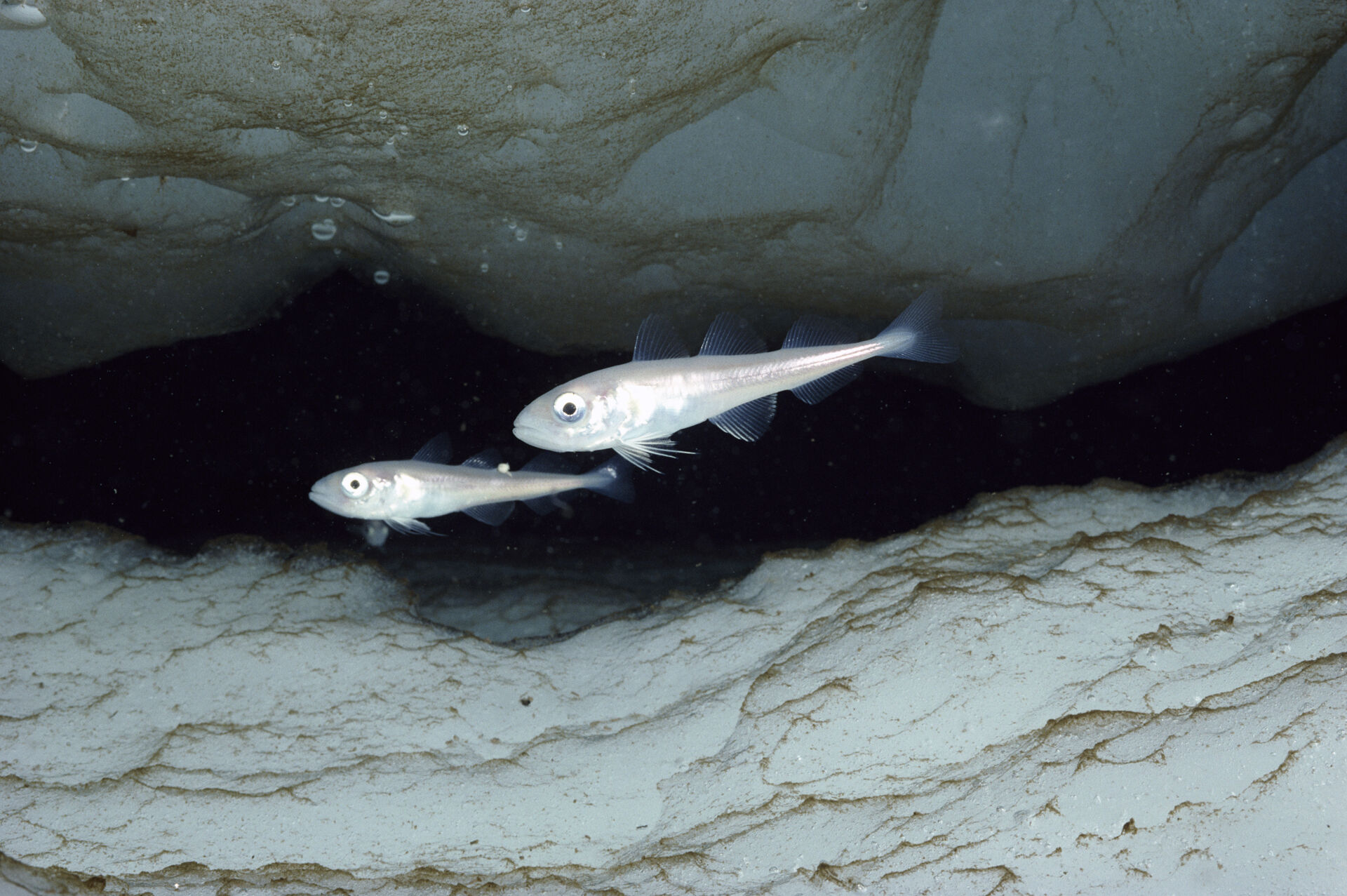
Like 20% of Arctic fish species, they lay their eggs during the polar night. The eggs thus hatch below the sea ice and the juveniles appear in early spring to coincide with the period of peak production of zooplankton, which represents their most important food source.
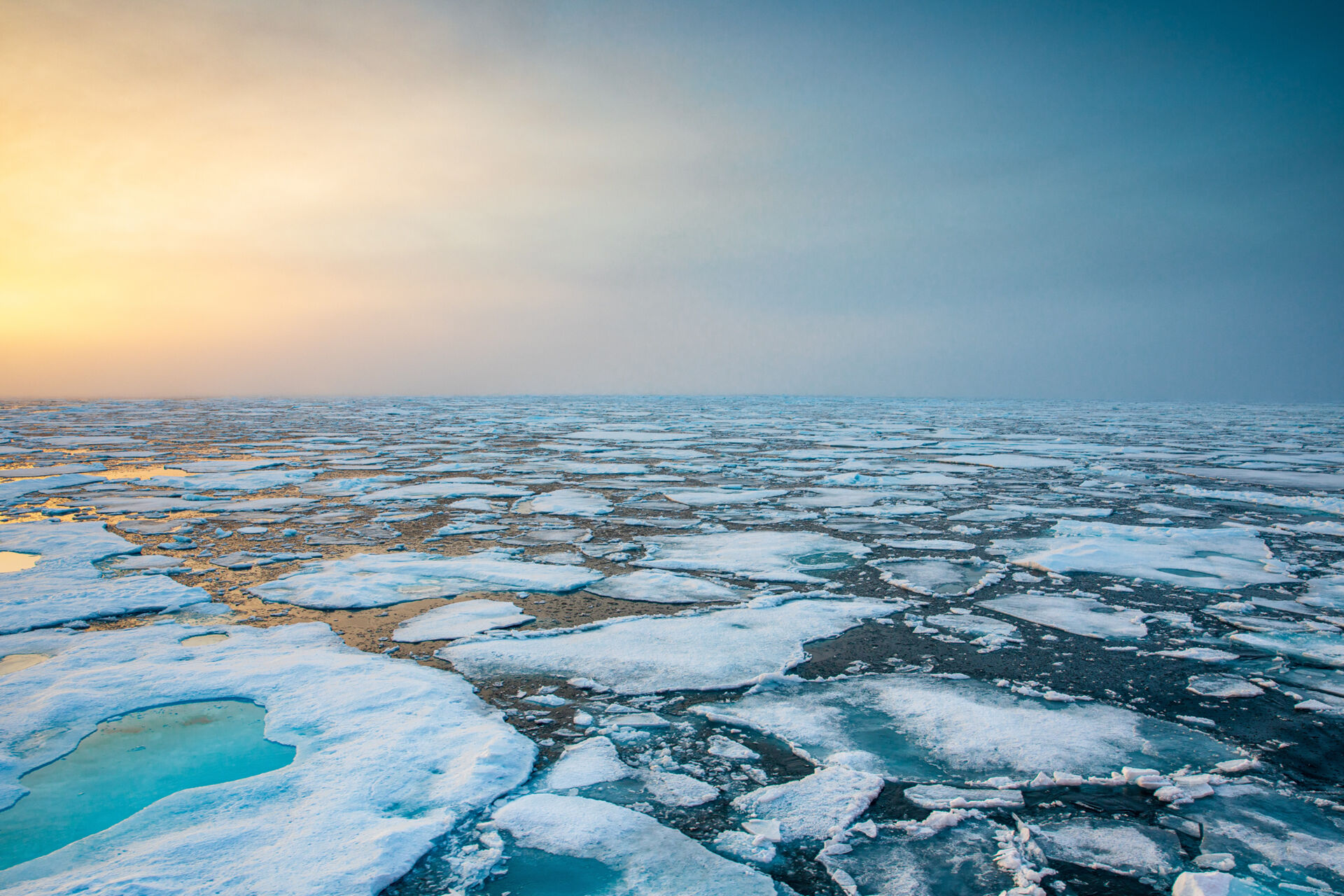
The high cost of early growth in the freezing polar waters is balanced out by the abundance of food sources when these fish are born.
Polar cod thus manage to extend the length of the juvenile growing season. By the end of summer, the young fish have grown to a larger size than juveniles of species breeding later.
For these juveniles, being larger at the end of the short summer season means a better change of withstanding wintertime and the lack of resources that comes with it. What is more, the larger they are, the lower the risk of being preyed on or cannibalised.
To survive in Arctic conditions, all forms of life have had to adapt their behaviour or physiology. While we are aware of some adaptation mechanisms, many are still unknown, which means that scientific research has many surprises in store for us in the future!

