
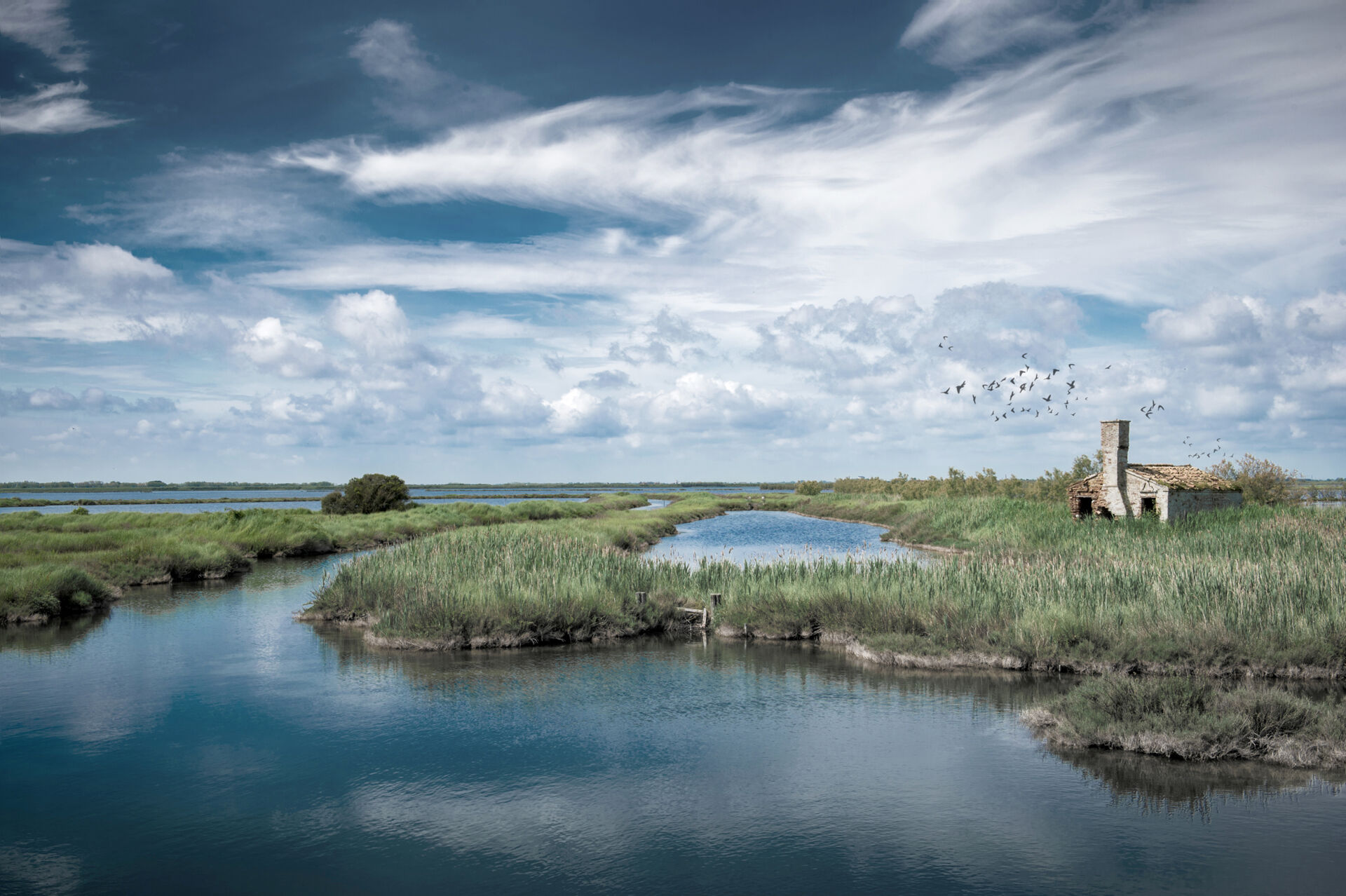
The evolution of the Po Delta
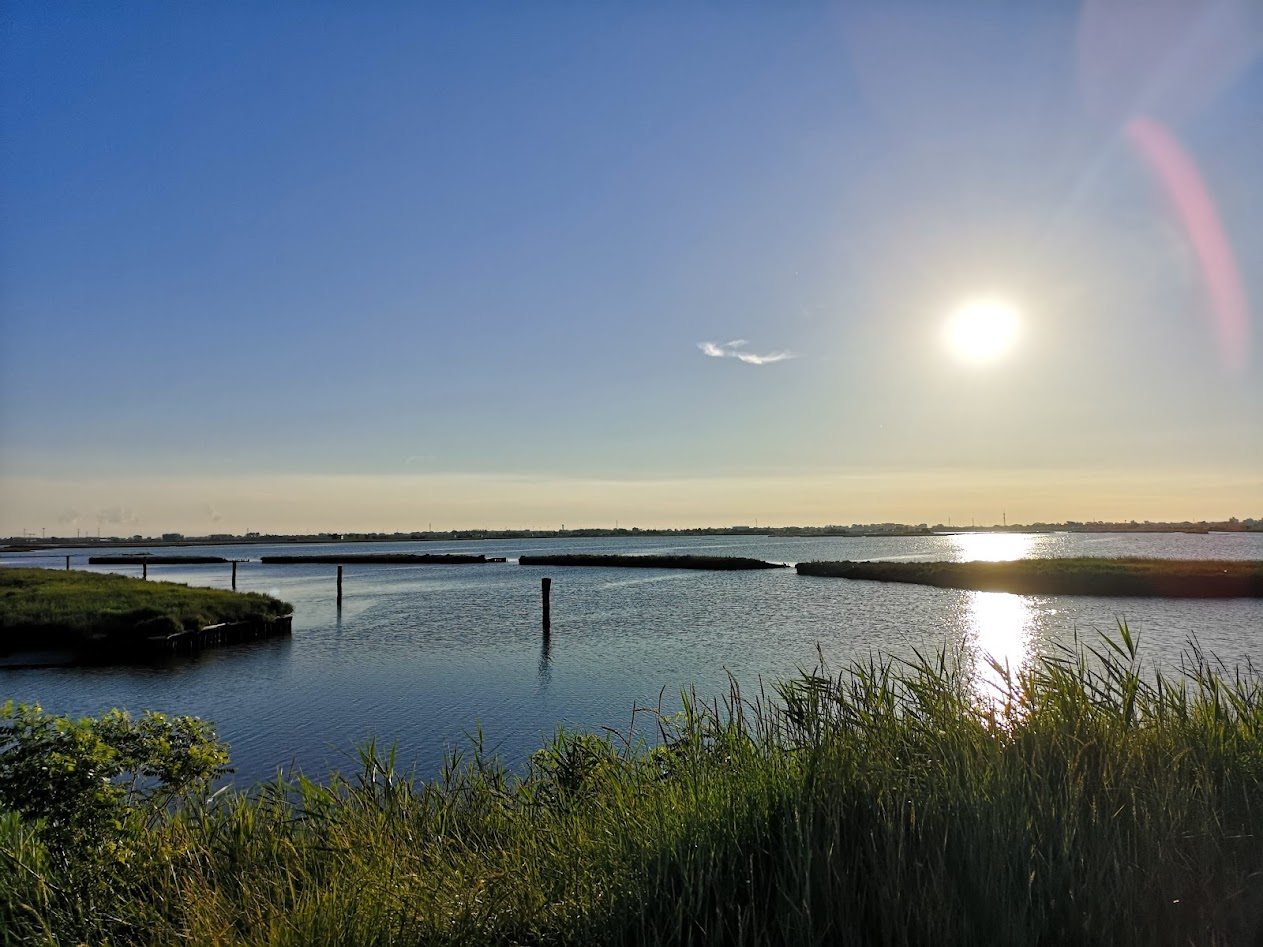
Po Delta
Alexandra Nicoleta Muresan | Rights reservedLocated at the east end of the Po valley, the Po Delta is one of Italy’s largest wetlands area. A Unesco heritage site, it is considered one of the world’s most important biodiversity hotspots.
The history of the Po Delta and the bond linking this area to its people stretches far back in time.
This is the story of an environment undergoing continuous transformation, where for millennia thriving communities and civilisations have lived with and adapted to the complexity of their surroundings.
Ancient history of the Po Delta
For millions of years, land and sea have been vying for the Po valley. At certain times in the past, this contest saw the tidal waters reach the foothills of the Apennines, while at others dry land extended over much what is now the Adriatic Sea.
The Po Valley has had many and varied inhabitants.
From the brackish and marine species that lived in these areas when they were submerged under the sea to African species arriving here over dry land when the Mediterranean Sea disappeared millions of years ago. Not to mention the mammoths, woolly rhinoceroses and giant deer that roamed the area thousands of years ago when the Po Delta became a steppe.
A walk through time with palaeobiology
Michela Leonardi (University of Cambridge) explains that palaeobiology is the study of living things of the past with the same methods used to study present-day species.
She underlines how palaeobiology is key to understanding how animal and plant communities have changed over time, based on the past climate changes occurring on Earth.
Future palaeobiologists, she adds, will probably be able to find traces of our chemical pollution in sediments.
Many scientists argue that we now live in the ‘Anthropocene’, a new geological era where human behaviour is leaving indelible marks and pushing us towards an uncertain future.

The first evidence of human presence in the Po Valley was found on Monte Poggiolo, near Forlì, in a settlement dating back about 1.5 million years. This was a different human species from ours: Homo heidelbergensis.

Reconstruction of Homo heidelbergensis
These ancient Europeans lived as hunter-gatherers, had not discovered the use of fire, and used fragments of flint and stone pebbles as choppers and chopping tools, which they chipped away to create a blade on one side.
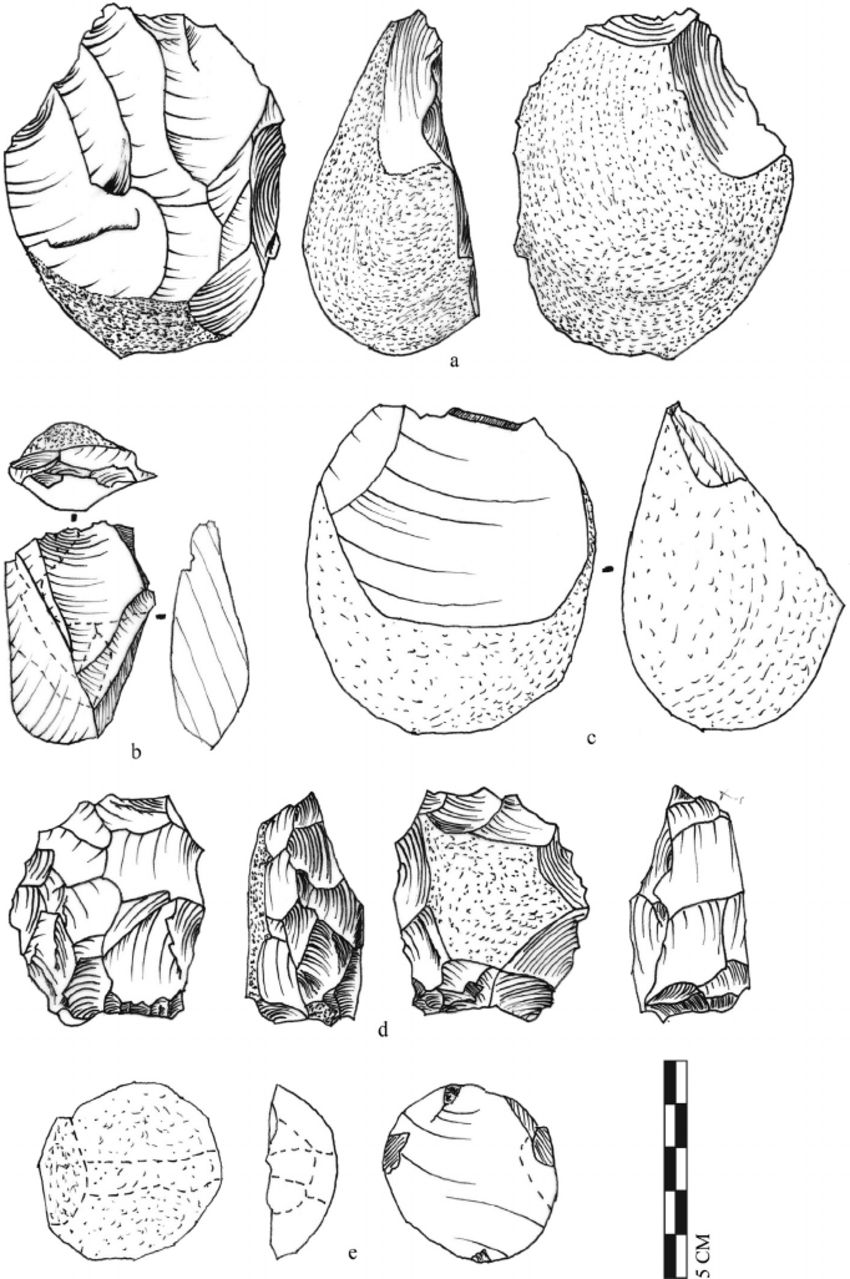
Stone tools found at Monte Poggiolo.
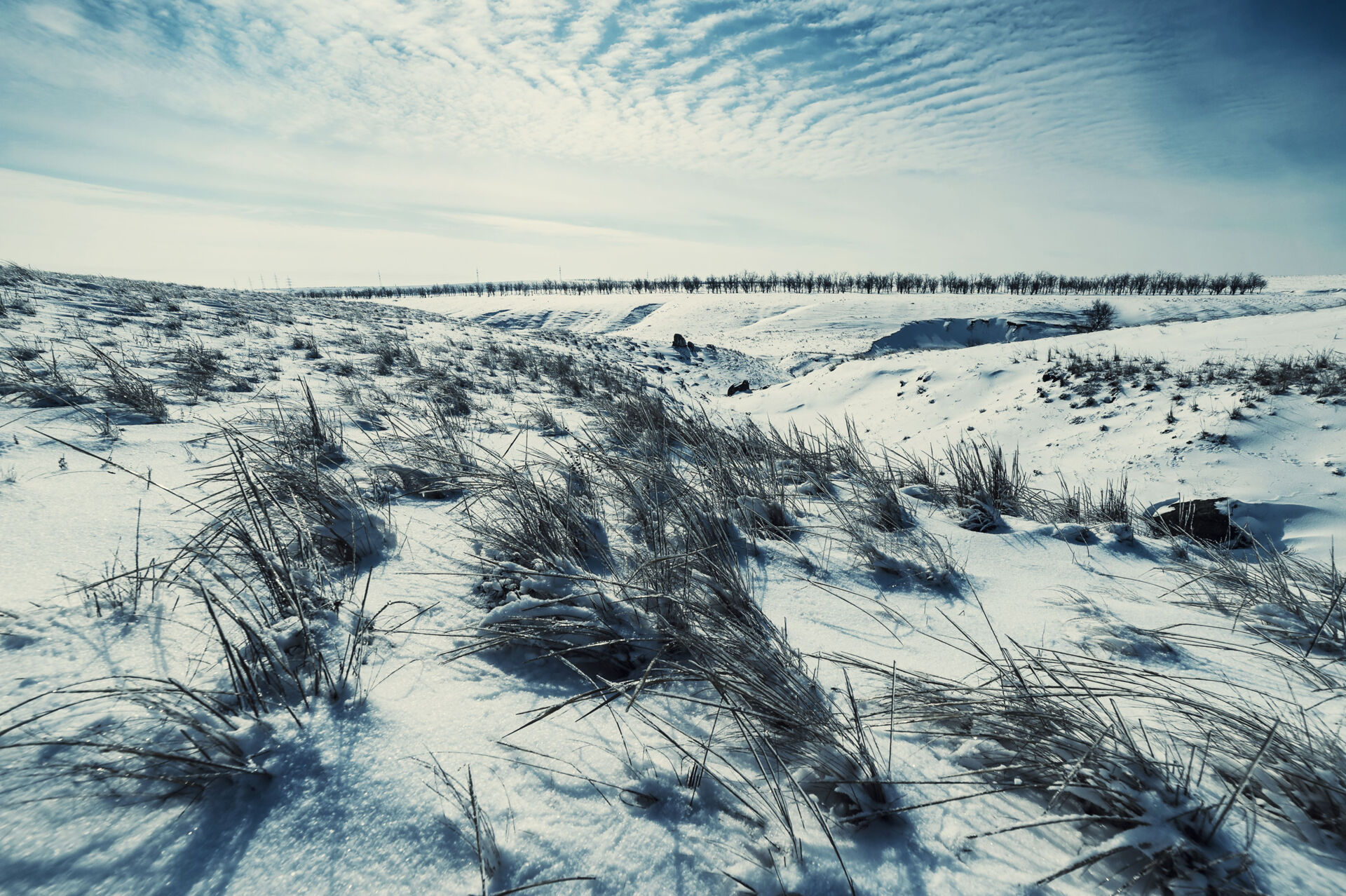
Over hundreds of thousands of years, warm periods when the sea level rose to cover the whole Po Valley alternated with ice ages when expansion of the ice sheets meant the sea level was much lower than it is today.
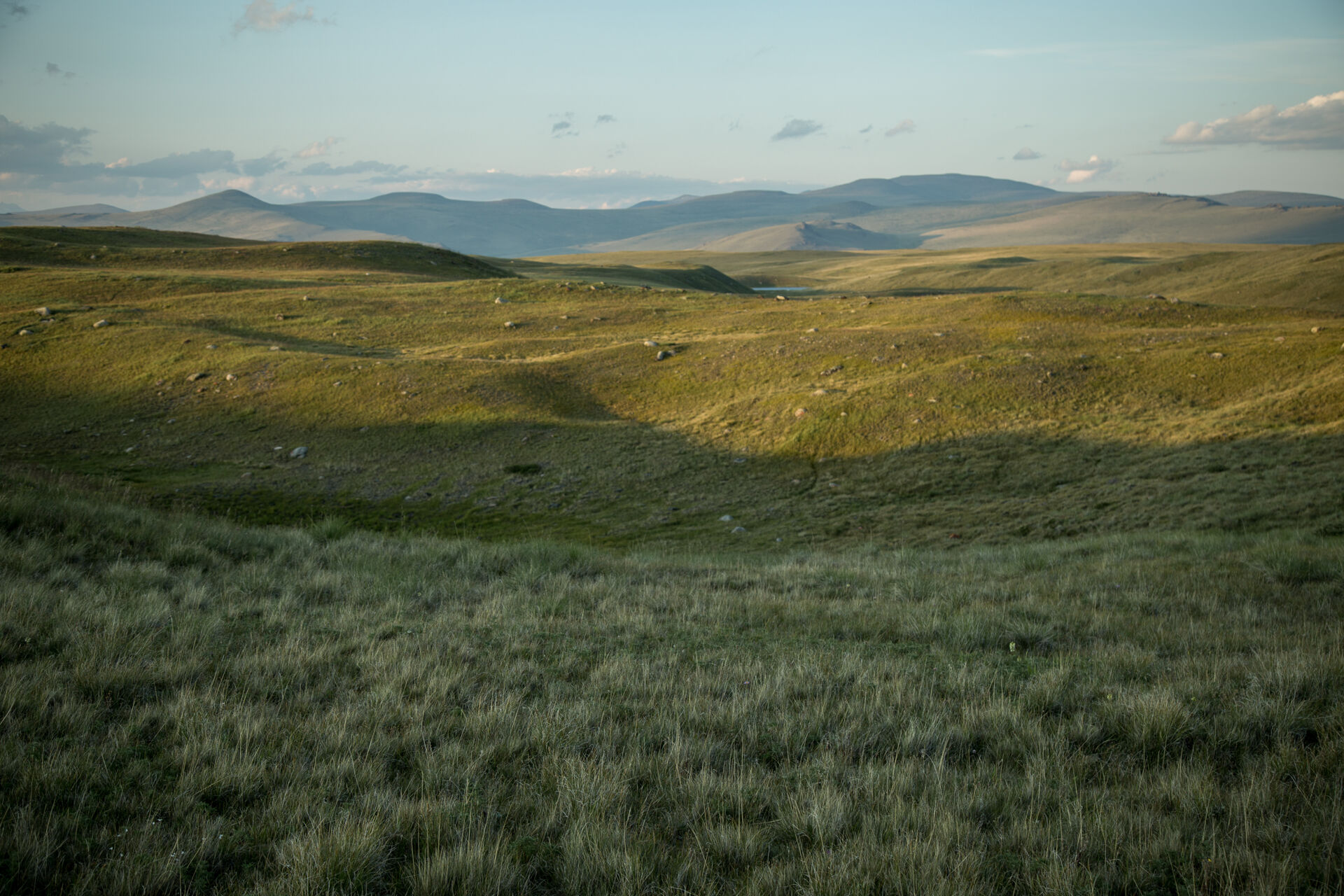
Specifically, the climate was cold about 35,000 years ago and the low sea level meant that the Po River flowed into the sea much further south.
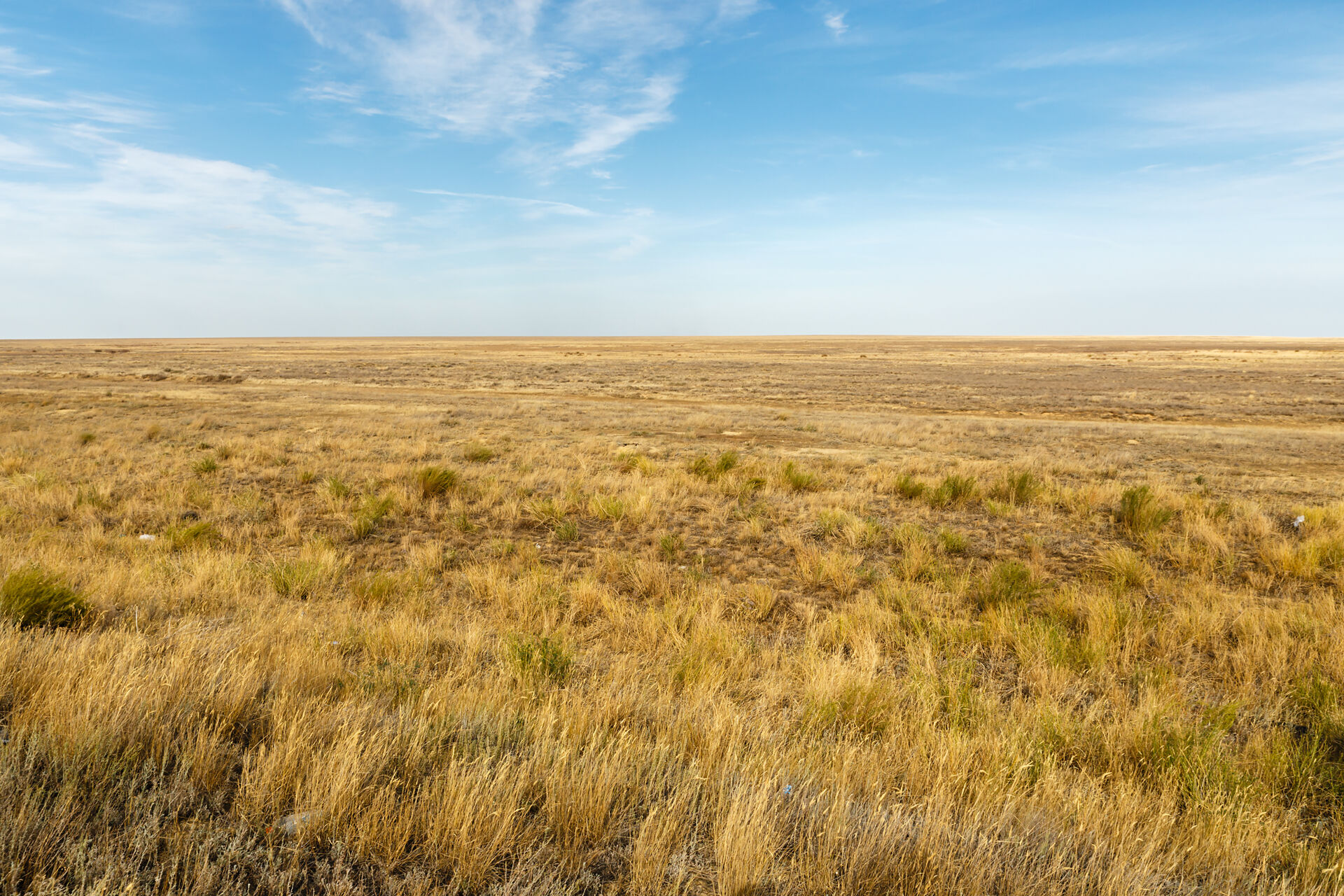
The last and most extreme peak in glaciation occurred about 22,000 years ago. All of the northern Adriatic was dry land, and the mouth of the Po River lay further south, around present-day Pescara.
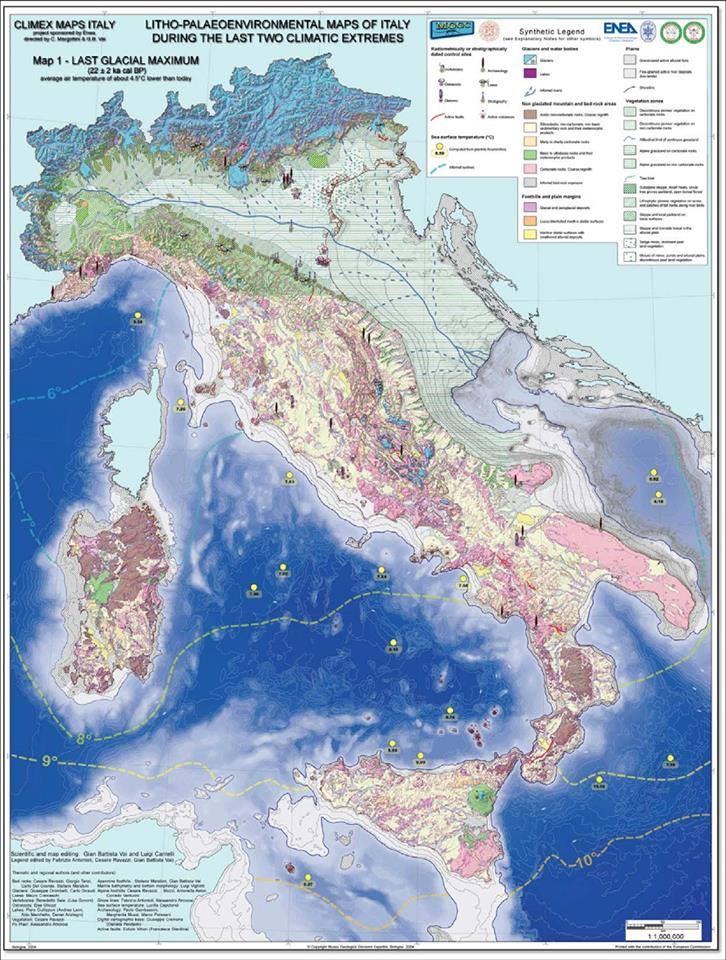
Litho-paleoenvironmental map of Italy showing the maximum extension of the mainland due to the withdrawal of the waters of the Adriatic, which shows how the mouth of the Po was located much further south than the present one, and the river flowed at the south of the present-day Marche region.
Appearance and adaptation of Homo sapiens

The Po Valley was inhabited since 22,000 years ago by groups of human beings of our own species: Homo sapiens.
Homo sapiens groups lived as a hunter-gatherers like their ancestors hundreds of thousands of years earlier, but they also developed more complex behaviour.
They used fire and were very sophisticated workers of flint, as well as of bone and deer antlers. Furthermore, they created works of art and personal ornaments and buried their dead.
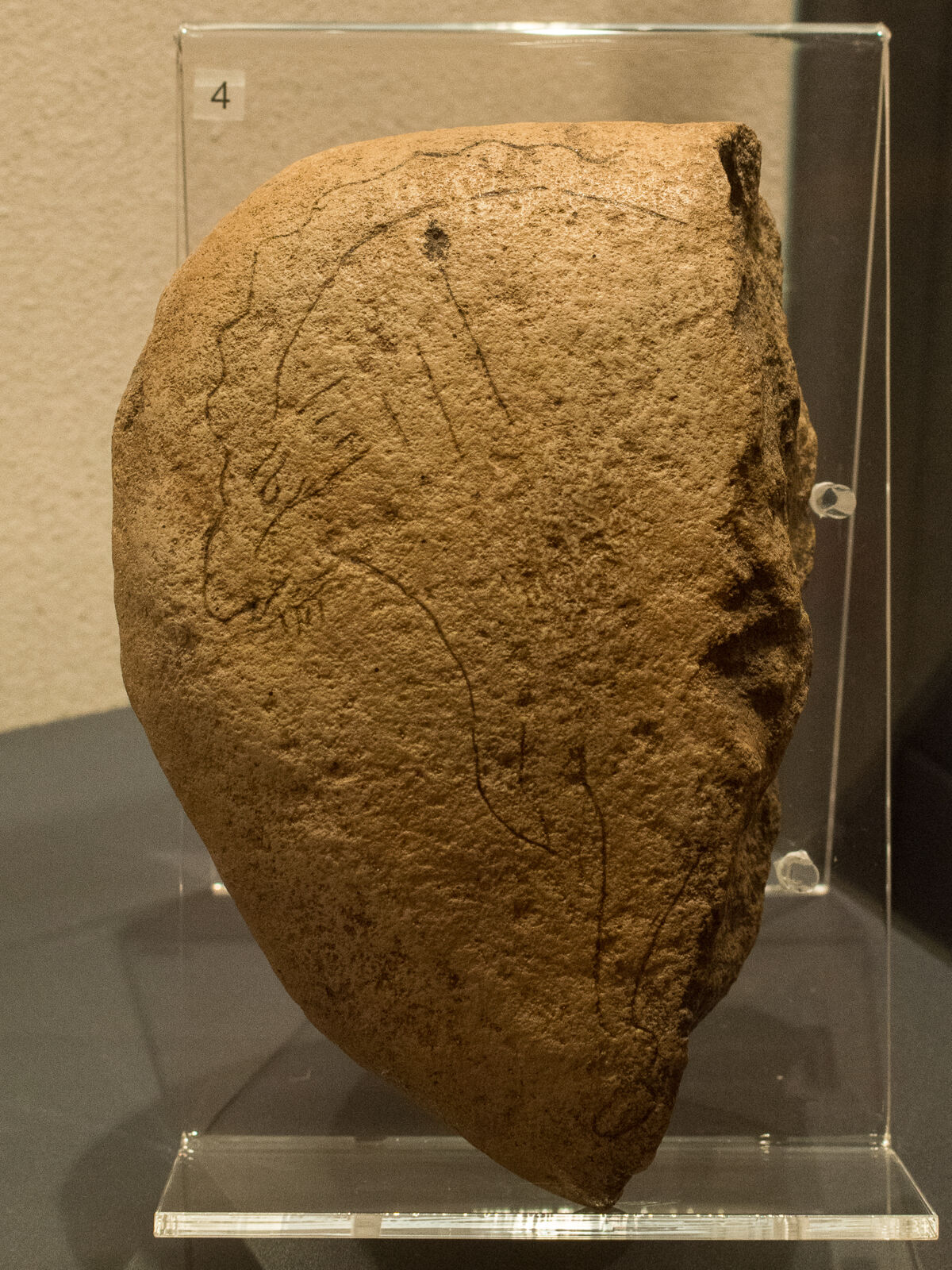
Pebble carved during the Epigravettian, bearing the figure of an ibex, housed in the Verona Natural History Museum
It was not until some millennia later, during the Bronze Age, that the history of the peoples of the Po Delta began, when these ancient civilisations started to alter their surroundings significantly.
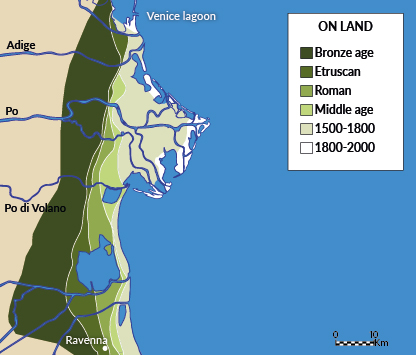
Map of the mouth of the Po showing the settlement of human populations gradually located closer and closer to the mouth: from the Bronze Age to the passage of the Etruscans and Romans, to the Middle Ages, up to the 2000s where man occupied the entire area of the Po delta.
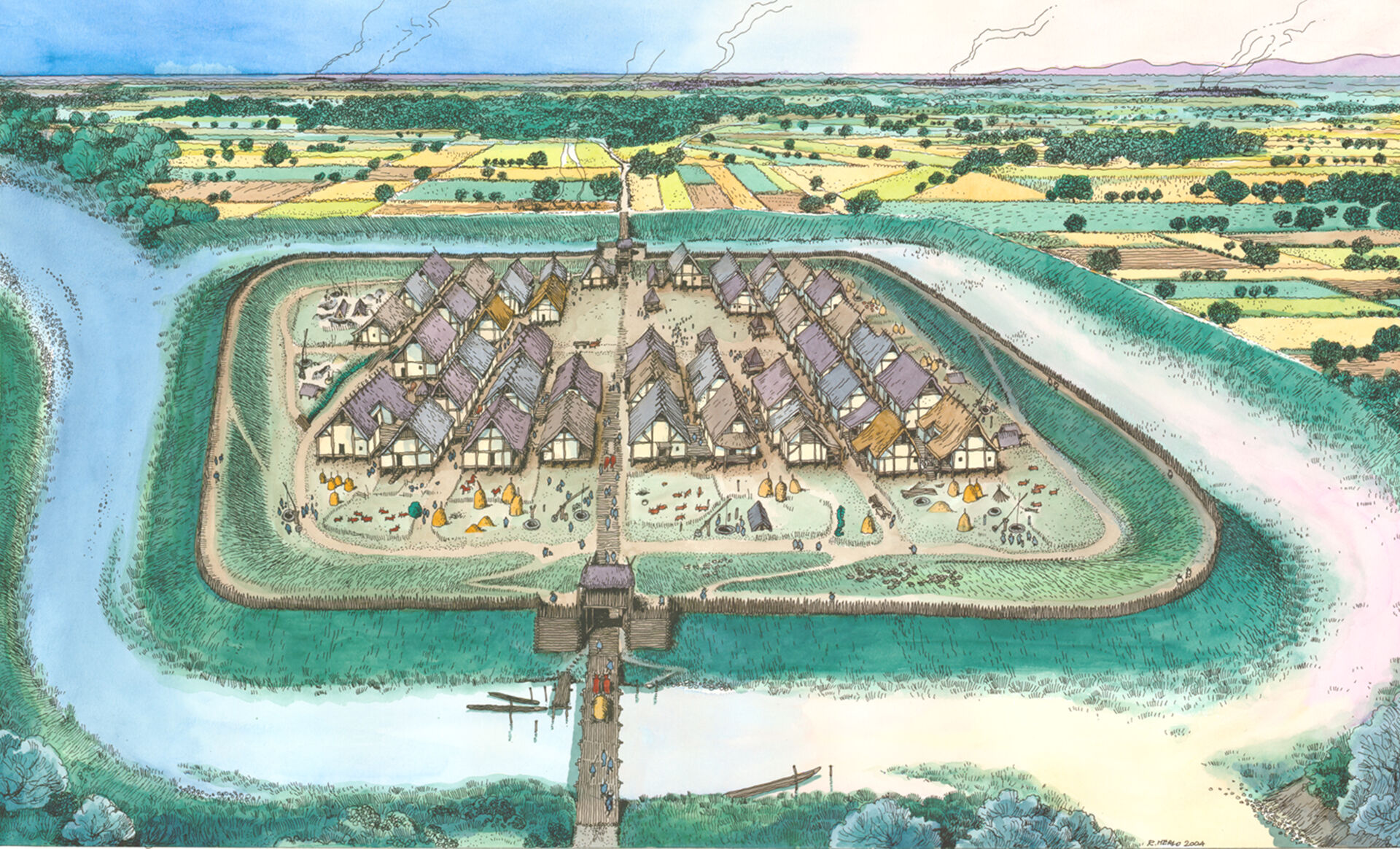
Reconstruction of a Terramare settlement
Riccardo Merlo | CC BY-SA 3.0 | Wikimedia CommonsTerramare culture developed in the Po Valley during the Bronze Age, between 3,600 to 3,150 years ago, and its settlements are some of the most important instances of such land transformation.
Terramare settlements were surrounded by a moat and consisted of raised dwellings.
The peoples inhabiting them lived in complex societies based around tillage and animal rearing. They forged bronze artefacts and weapons, taming and using horses for work.
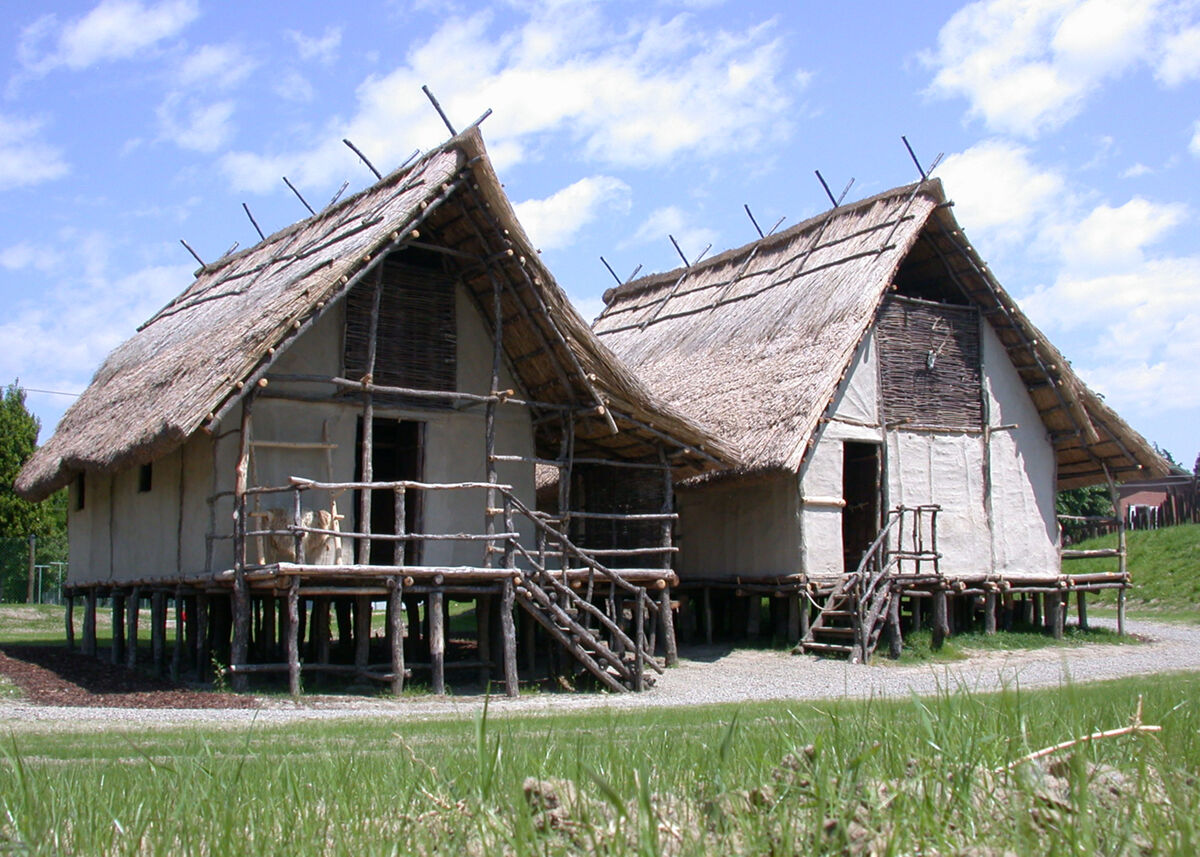
Reconstruction of a Terramare settlement
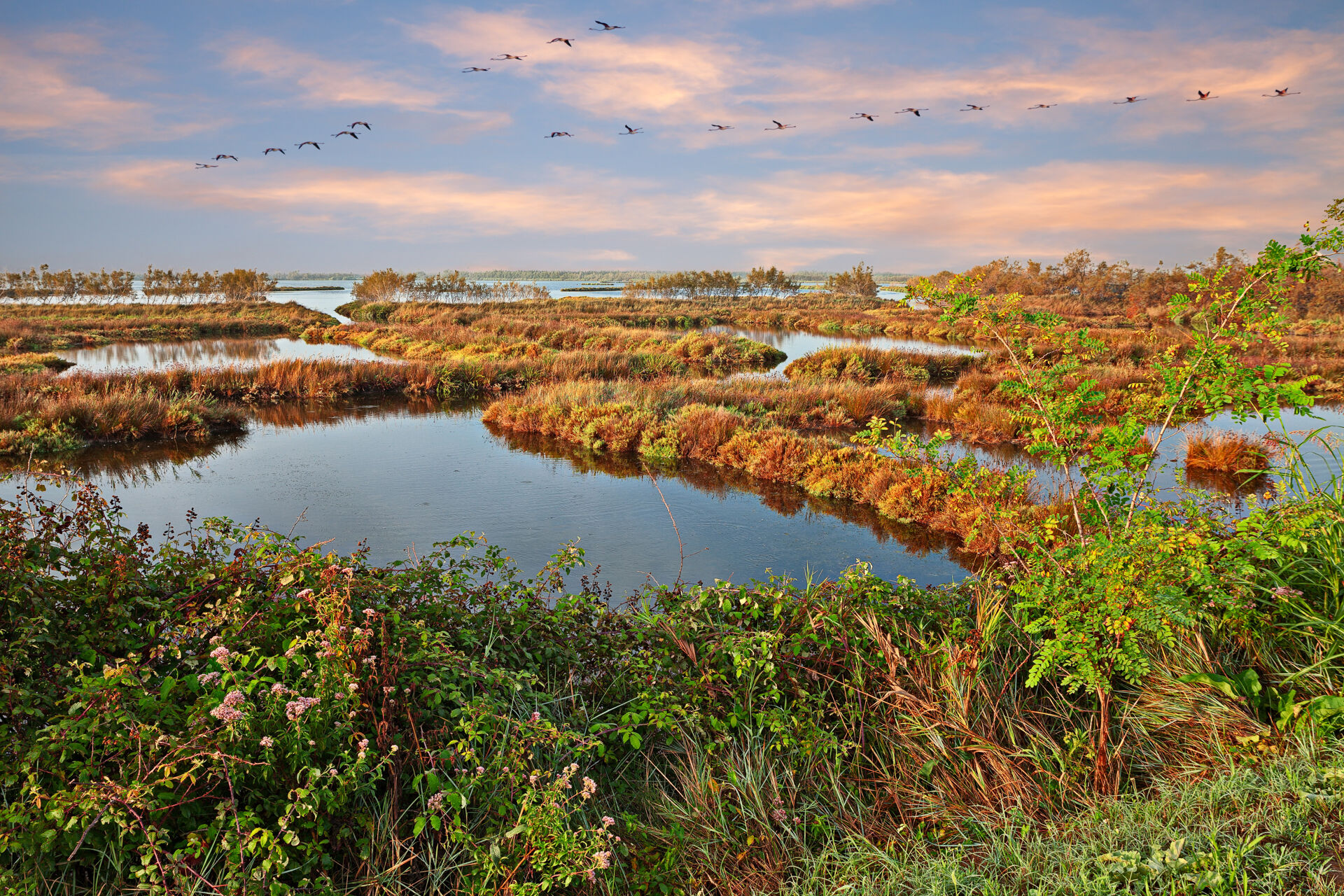
Po Delta
ermess | Rights reserved | Adobe StockTerramare peoples modified their surroundings considerably to create land suitable for farming. They also altered natural drainage patterns, digging canals to supply the moats around their settlements and irrigate the fields.
Terramare culture reached its peak at the beginning of the Recent Bronze Age, with population growth. However, social collapse followed after some generations, leading to the abandonment of these settlements.
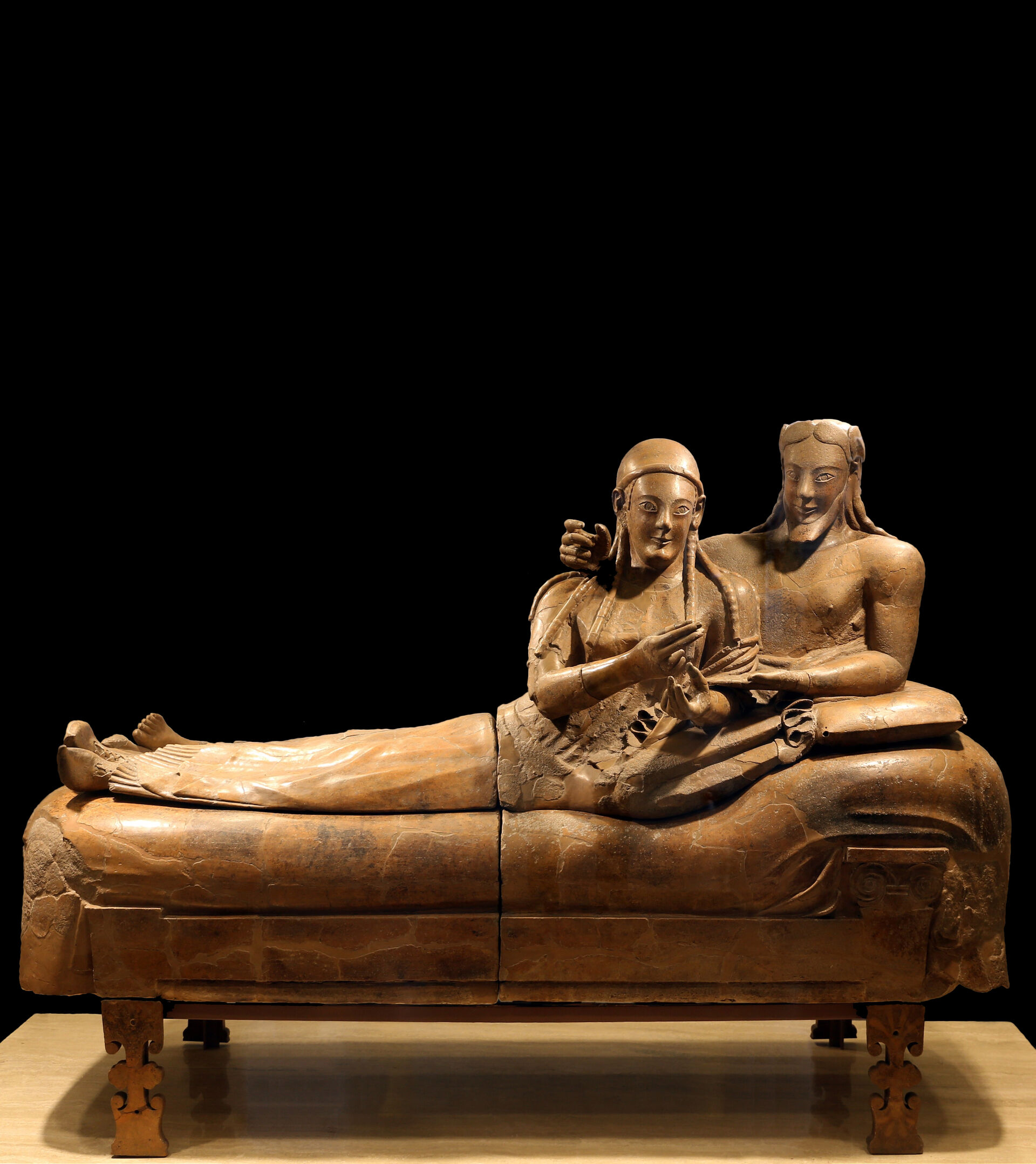
During the Iron Age, from the 6th century BC, the Etruscans populated the current Po Delta area.
In this period the splendid cities of Adria and Spina flourished, important trading posts on the Greek trade routes.
Interaction between human populations and their natural surroundings continued to evolve and develop over the following centuries, right up to the 19th century, a time of great social, cultural and technological change.
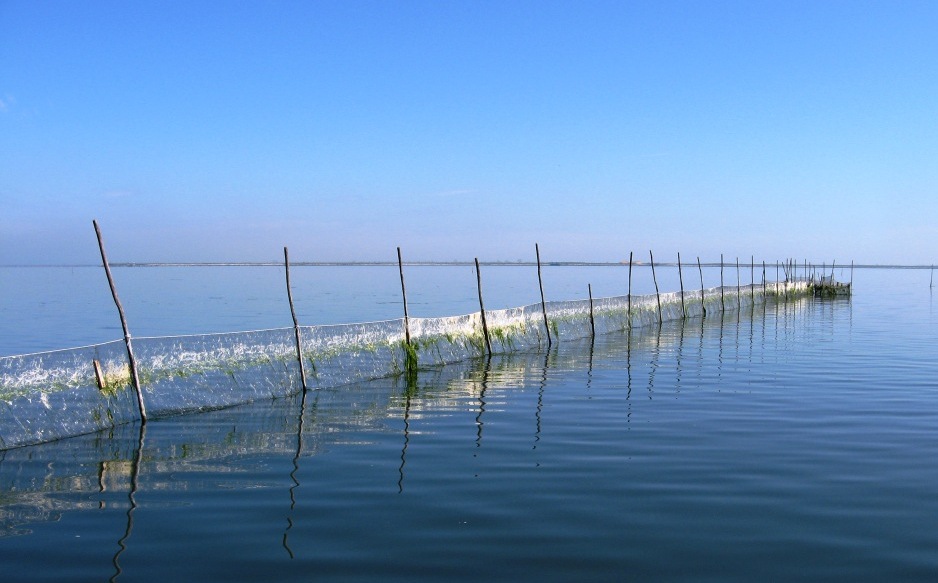
In the past, local communities derived many ecosystem services and benefits from the land of the Po Delta, part of a balanced relationship involving slow transformations and adaptations, in harmony with natural rhythms.
These included resources such as food from capturing fish and fowl, exploitation of materials such as water, reeds and wood, and ecosystem services supporting mobility and transport by allowing navigation of lagoons and water courses.
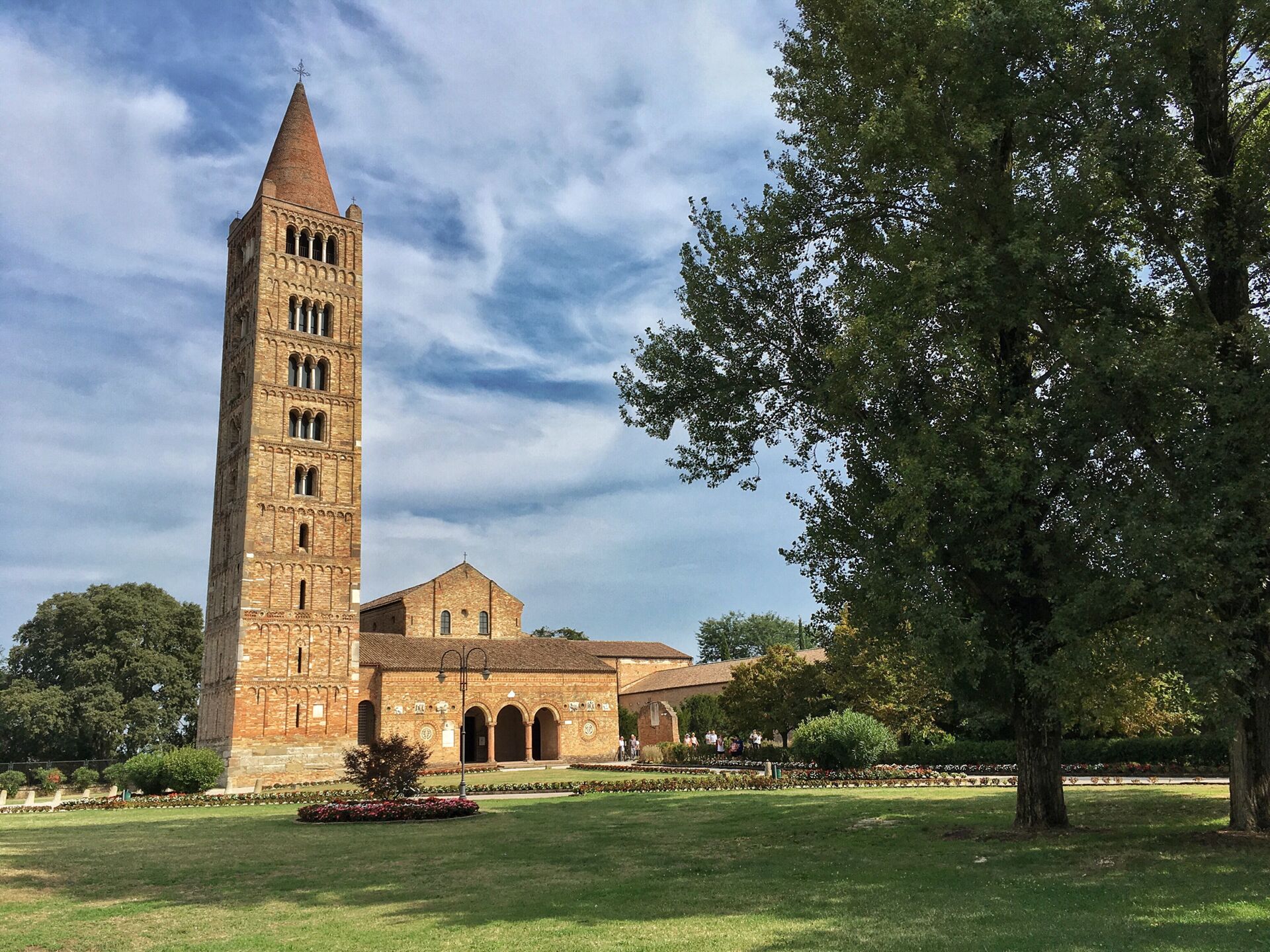
Pomposa Abbey
clamon | Rights reserved | Adobe StockSuch services offered by the Po Delta also extended to the recreation and culture of local peoples. These included the dances and songs that enlivened Prato delle Duchesse in Mesola Forest, as well as Pomposa Abbey, a Benedictine settlement dating from the 6th and 7th centuries A.D. that acted as an important cultural centre for many years and included an extensive library.
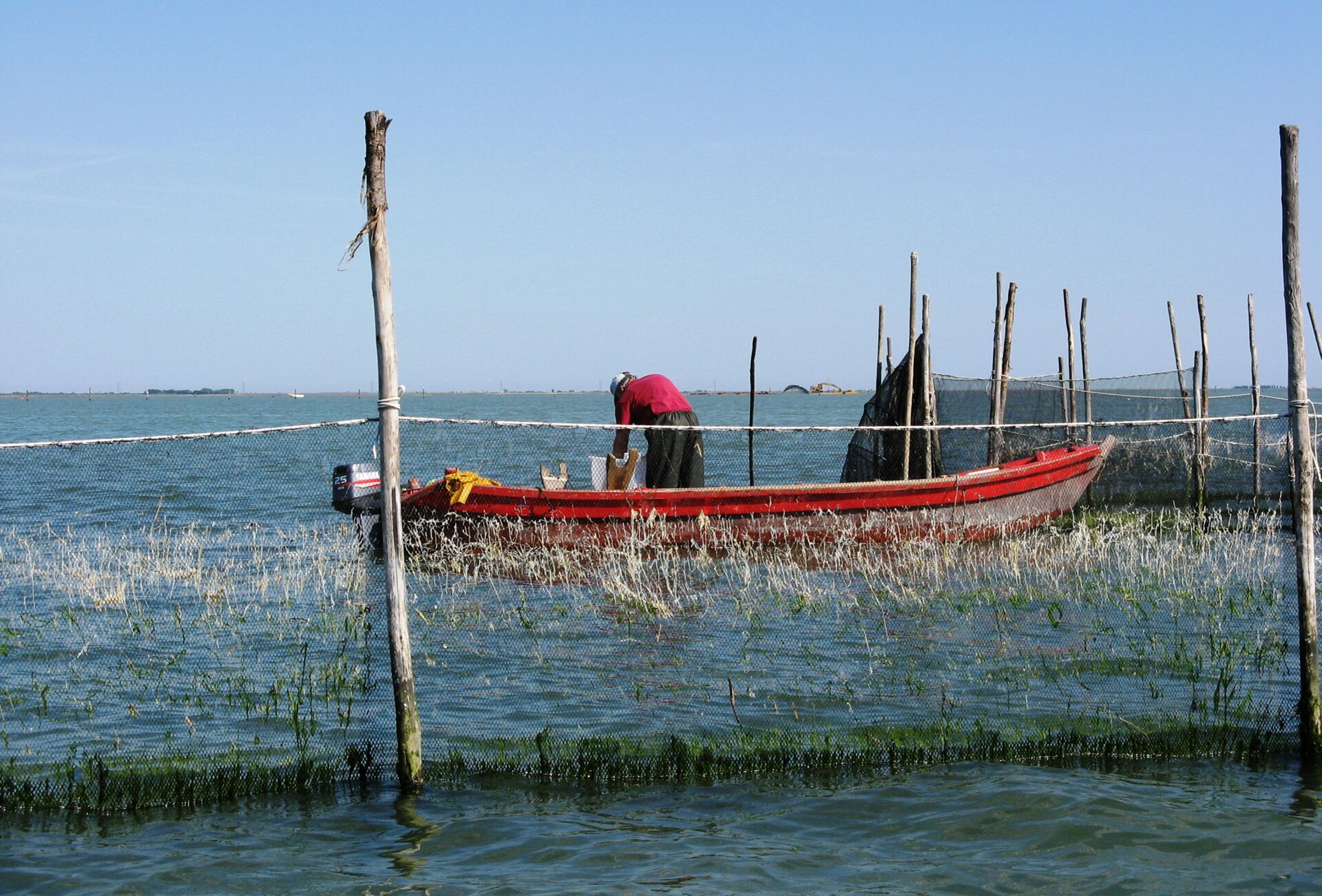
Po Delta, Sacca Scardovari
Mattia Lanzoni | Rights reservedHuman beings still derive some of these benefits and services today, and their character and past can still be seen in surviving artefacts, such as the traditional tools used for fishing.
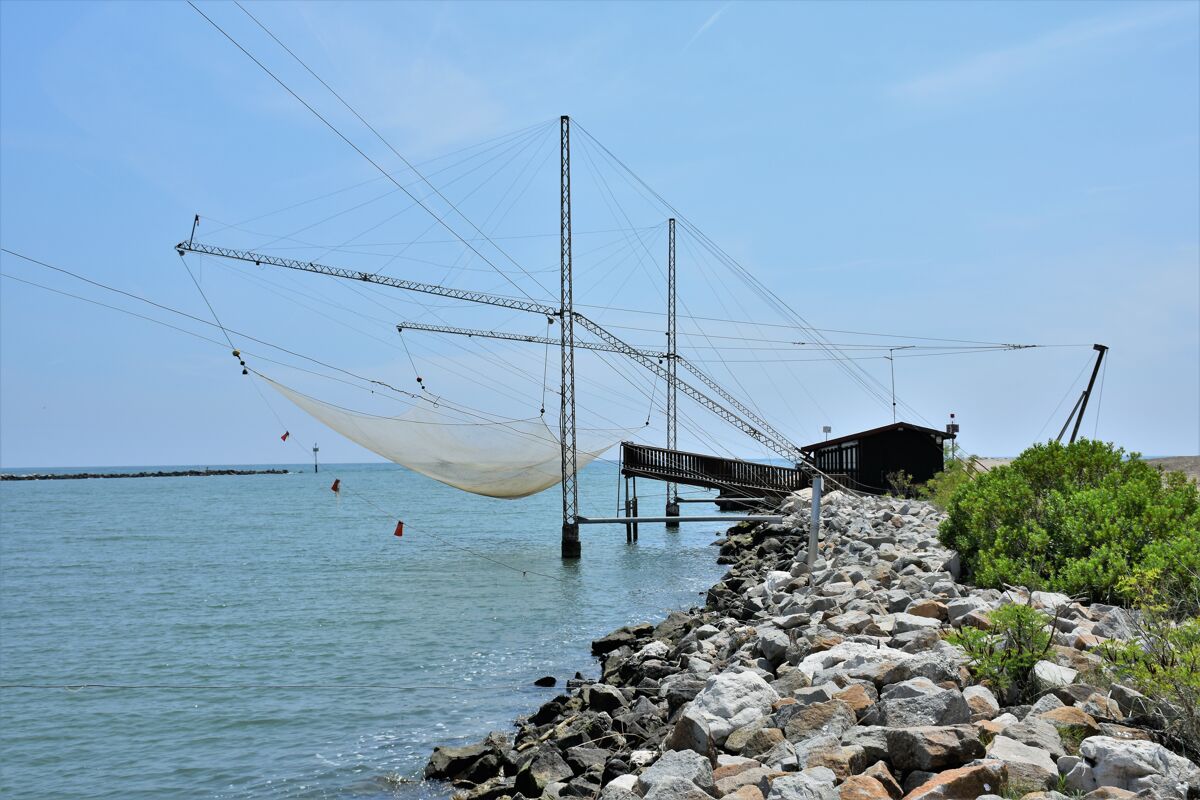
Bilancia on a lagoon
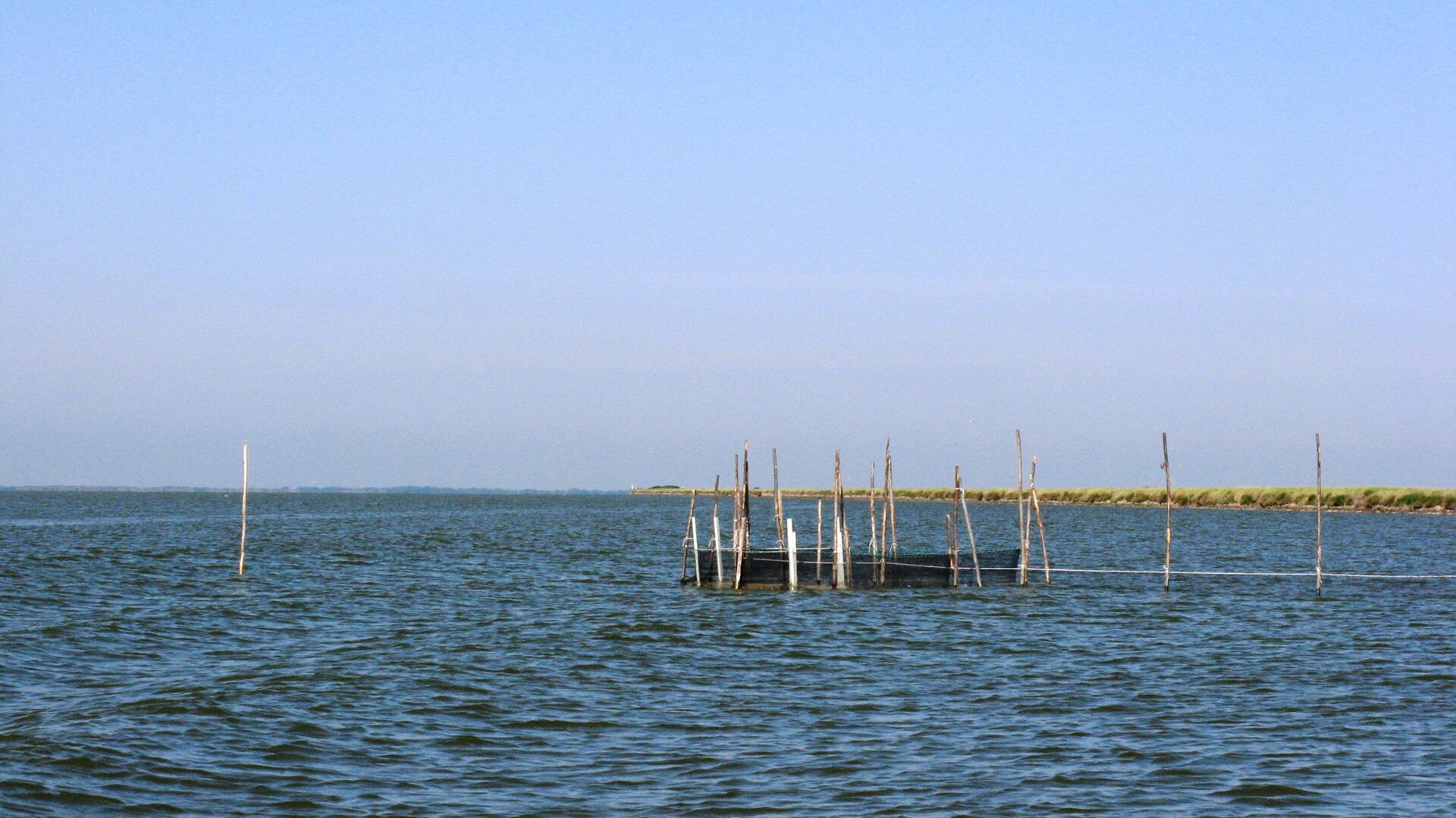
Bilance are large quadrangular nets supported by a boom, which are still used today. They are lowered from fishing huts into the water, where they remain for some hours, before being hoisted out and any captured fish landed.
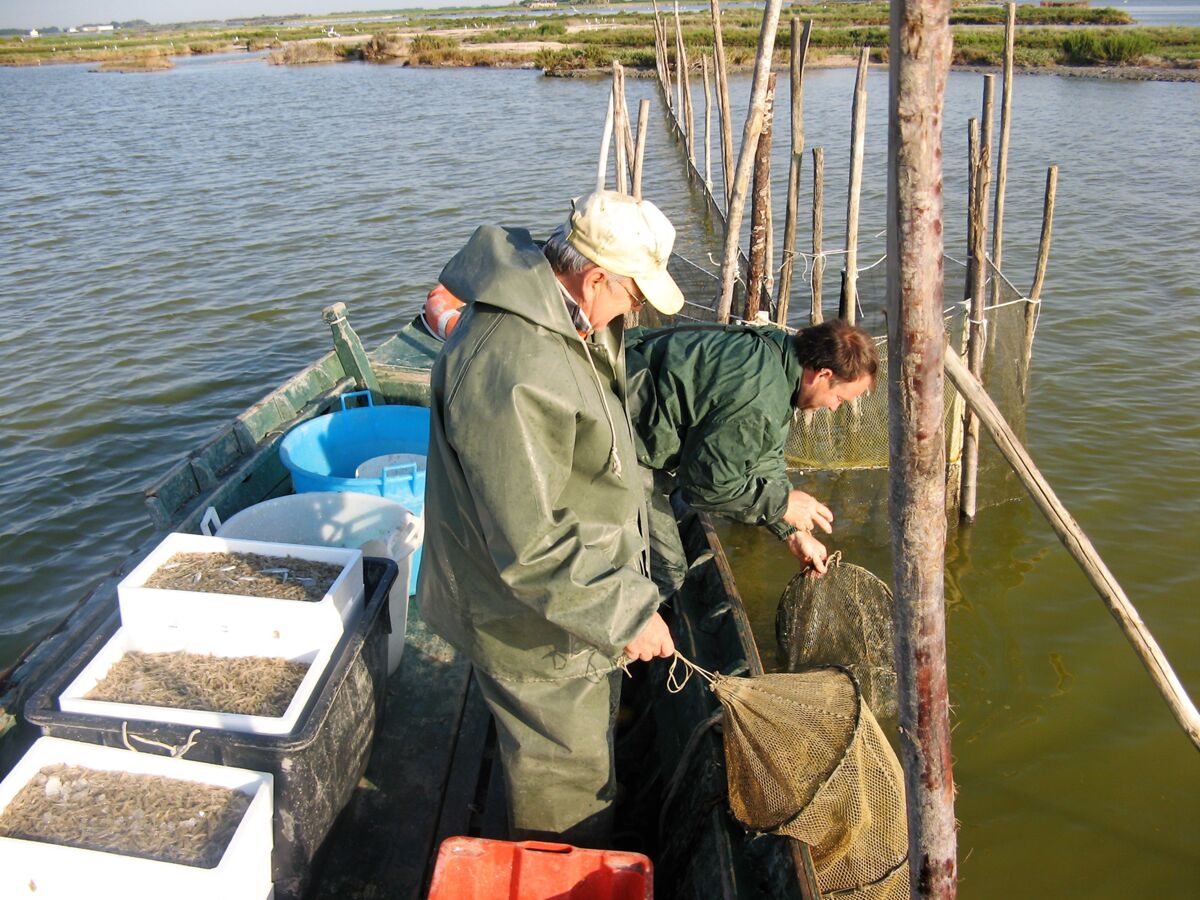
Bertovello, Valli di Comacchio
The bertovello is a long, funnel-shaped net and is lowered horizontally into the water in the direction of the current to catch passing fish.
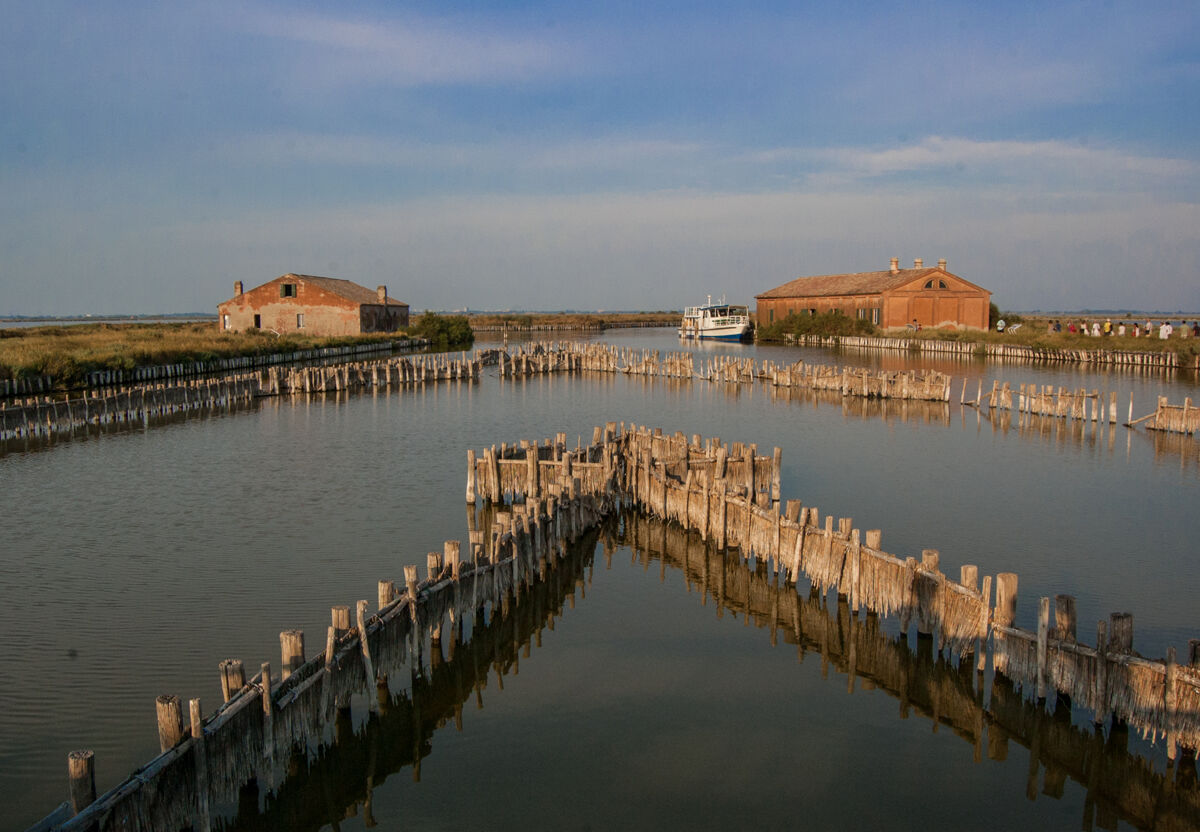
Lavoriero
The lavoriero is a V-shaped trellised construction used to capture fish species migrating to the sea at the mouth of canals. European eels growing in lagoons, rivers, canals and lakes and then making their return journey towards the Sargasso Sea to spawn are thus captured.
New human-induced transformations
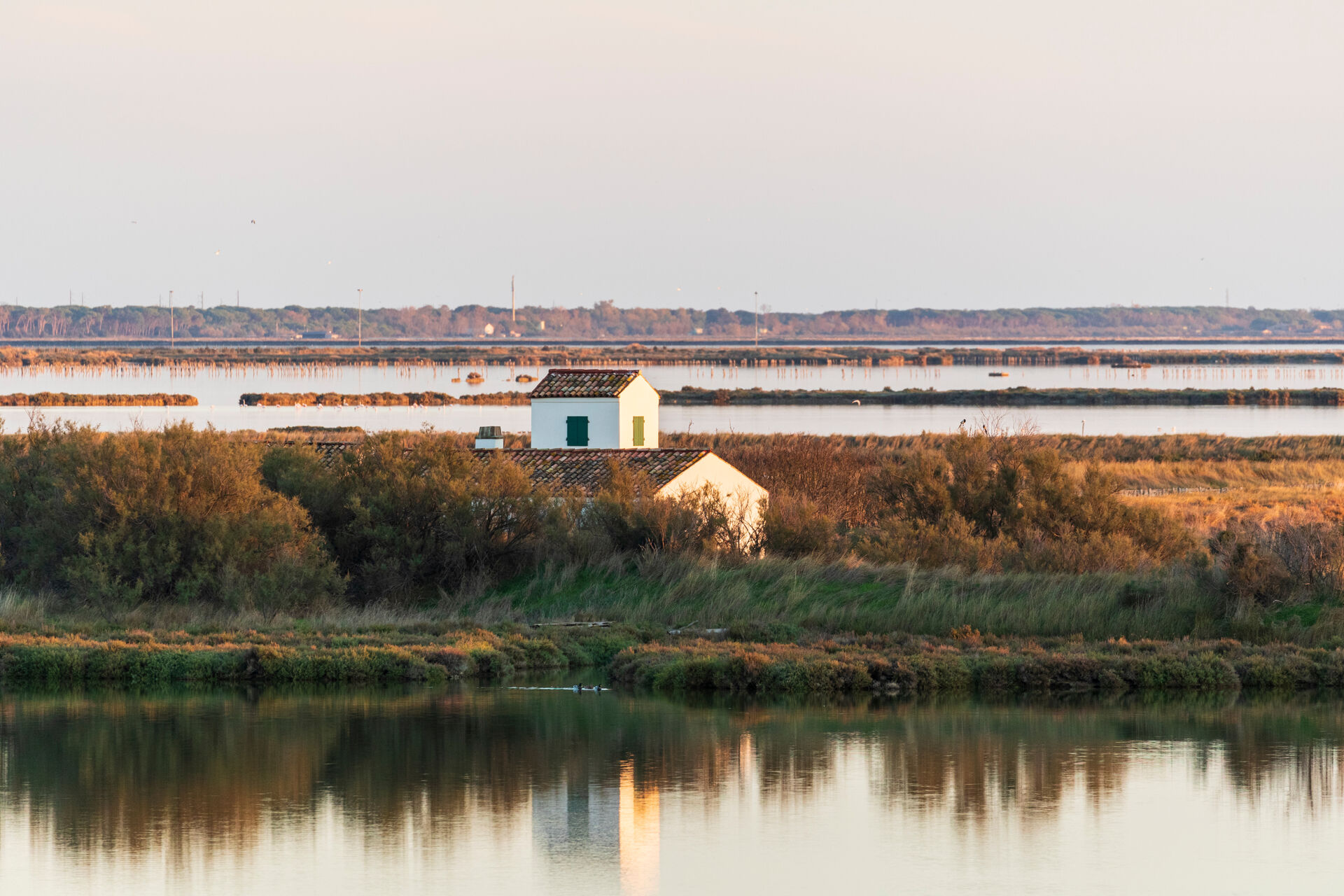
In more recent times, some shadows have been cast over the age-old bond and balance linking the Po Delta to its inhabitants.
A critical period in local history and culture began in the 19th century, with the massive land reclamation schemes that were launched in the lower Po Valley, particularly in the Province of Ferrara. These risked damaging and halting the area’s ancient and busy social activity.
Land reclamation profoundly altered the makeup of the area and its society. Local areas had originally featured a mixture of dry-land, freshwater and brackish valley environments. They were transformed into separate residual environments: from freshwater (e.g., the Valli di Argenta) to brackish (e.g., the Veneto and Emilia-Romagna delta lagoons).
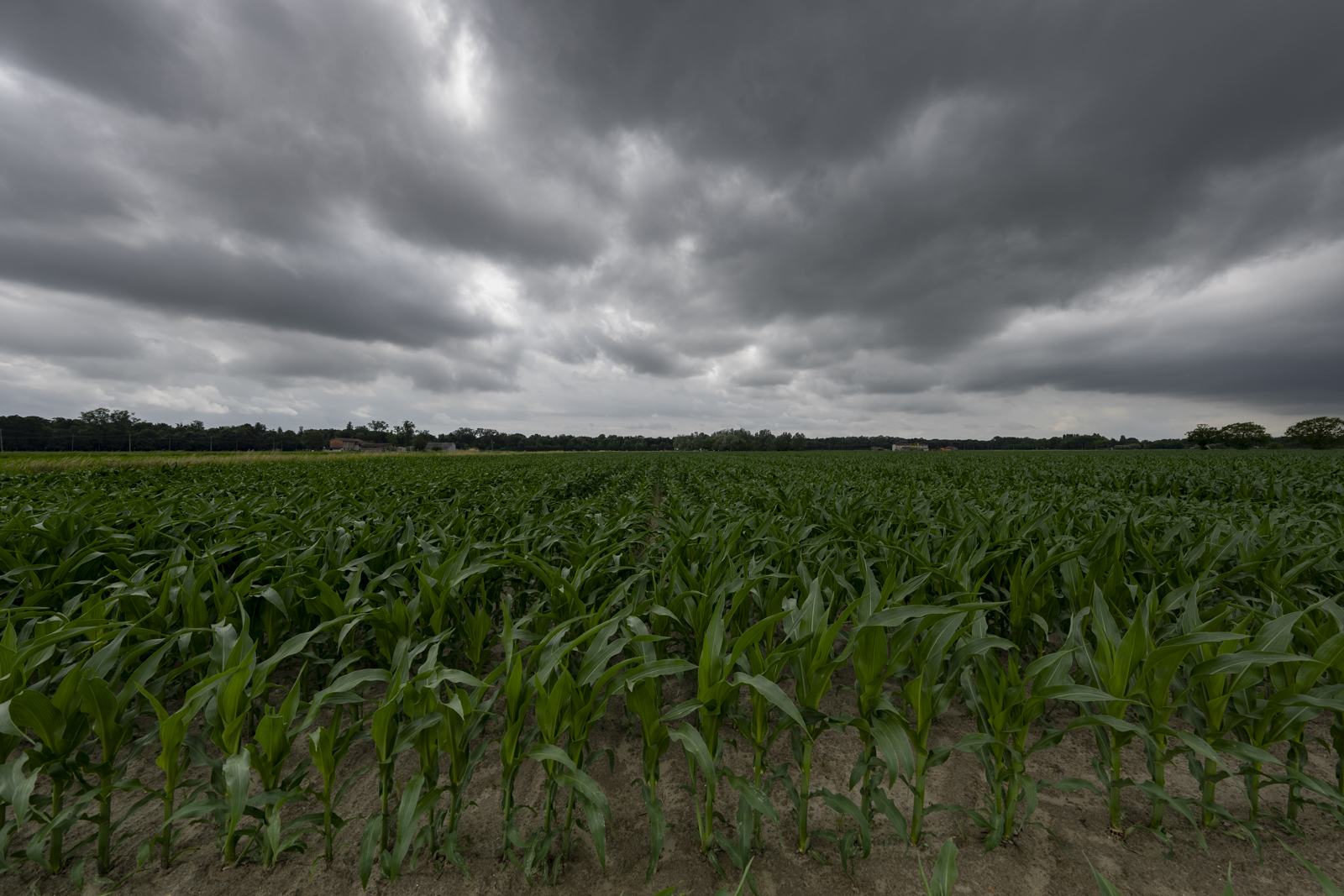
Maize crops
Antonello Provenzale | Rights reservedThe land reclamation carried out in the 1950s in the Mezzano Valley transformed mixed land and water into a busy agricultural area that is still farmed today.
The ‘scarriolanti’
The ‘scarriolanti’ is a term used for local casual labourers but also for others from all over Italy who came to the Po Delta in the hope of finding work in land reclamation. This ancient occupation survived up until the mid-20th century and for over 500 years involved thousands of people in draining the swamps and creating new farmland and economic activity in the delta area, also altering ecosystems, hydrogeology and biodiversity.
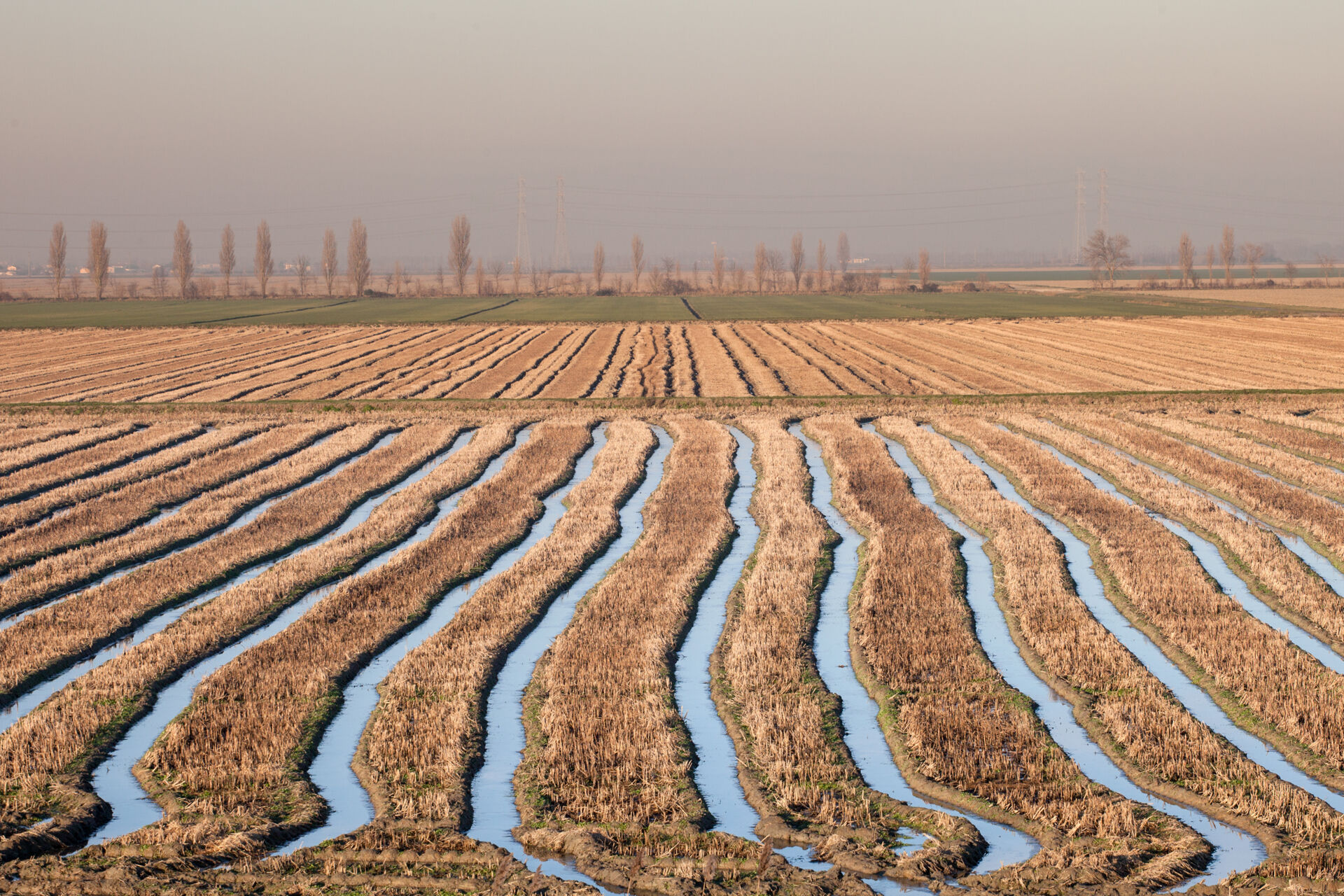
Po Delta, irrigated ploughed fields
Nick | Rights reserved | Adobe StockThe significant changes wrought in the local area have meant that fishing remains only in the valley, coastal and open sea environments, where biodiversity has greatly reduced over time.
Reclamation, the progressive fragmentation and disappearance of aquatic habitats, chemical changes in the water caused by pollution from farmland runoff, as well as intentional or accidental introduction of allochthonous fish species have all caused a marked reduction in fish numbers and biomass in the Po Delta.
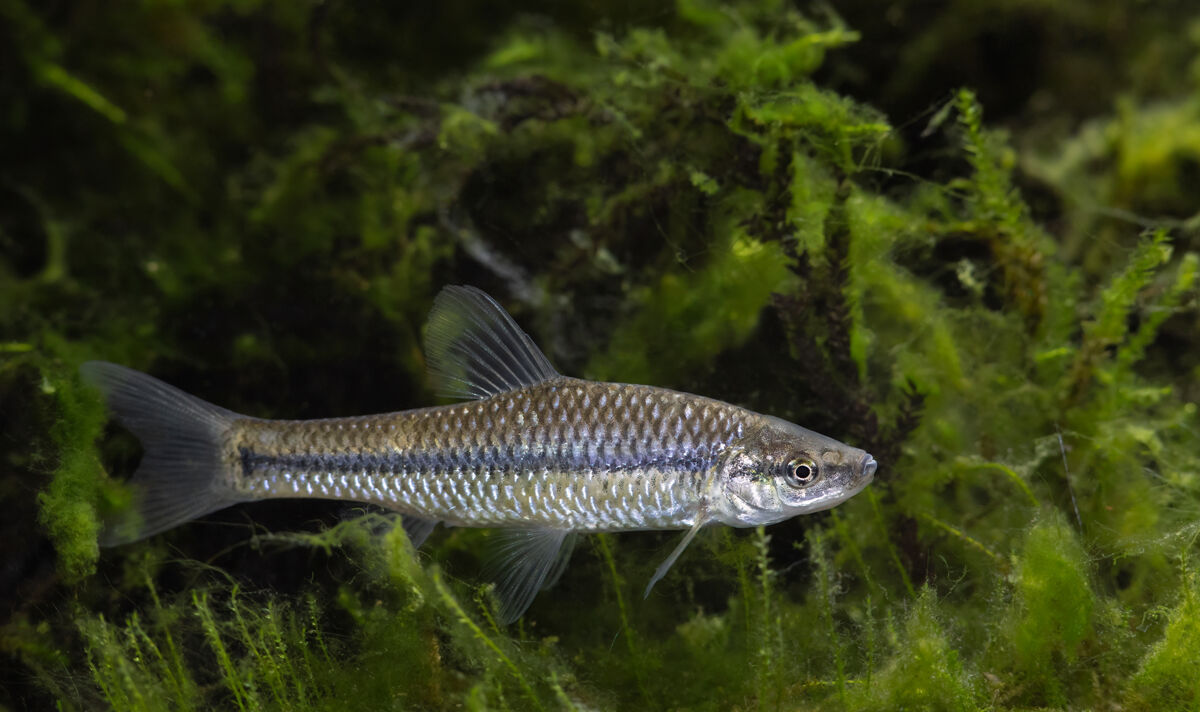
Pseudorasbora parva, an alien species introduced during fish stocking and repopulation.
Scientific studies, such as that carried out by Castaldelli et al. (2013), have highlighted this phenomenon. They show a sharp drop in the species typically found in the canals of the lower Ferrara area between 1991 and 2009, to the advantage of exotic species.
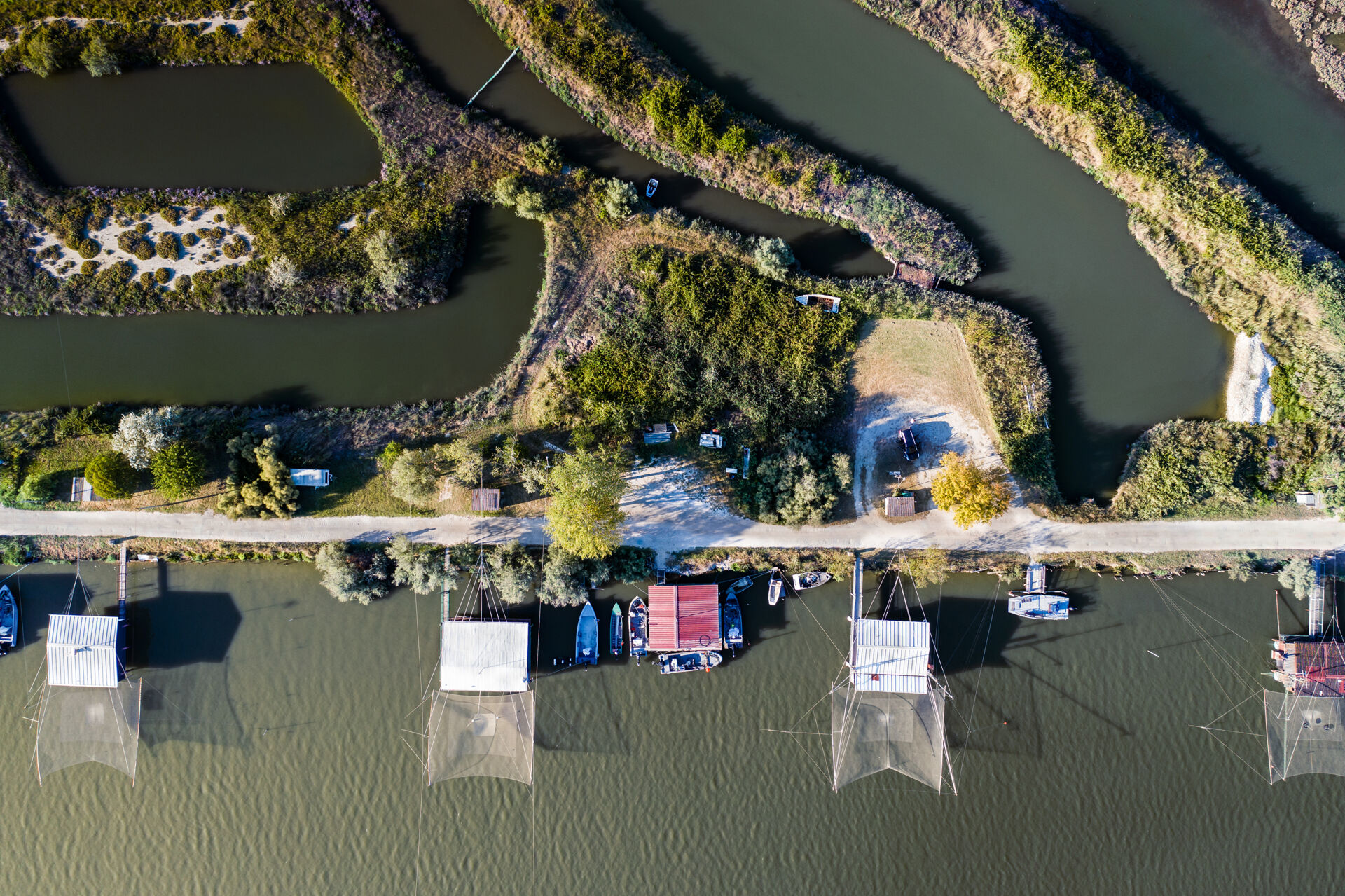
In more recent years, intensified recreational fishing and introduction of ‘sought-after’ alien species for angling competitions, such as the grass carp or amur, has significantly altered the presence of macrophytes.
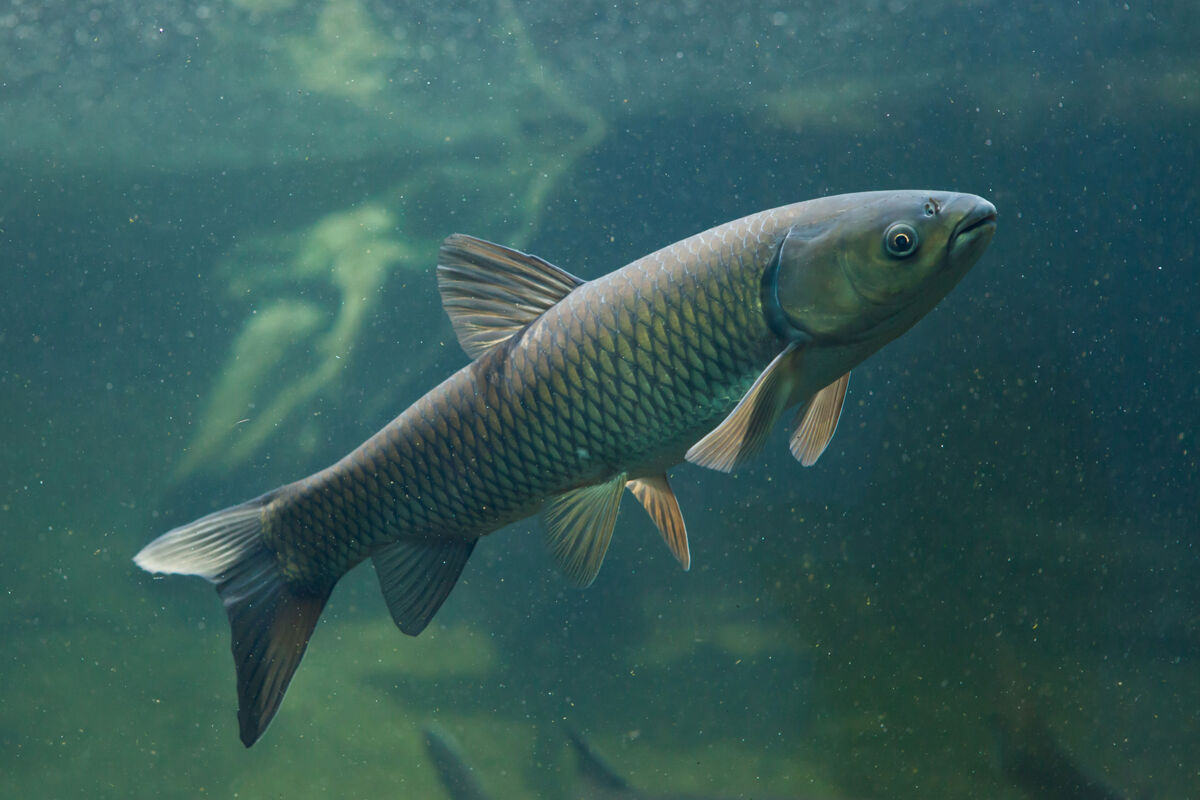
The grass carp or amur (Ctenopharyngodon idella), a native of large Far Eastern rivers, was introduced for recreational fishing after the mid-20th century, mainly in the Po and Arno basins. This extremely voracious herbivore feeds off both rooted aquatic plant life and macrophytes.
All of this has wrought significant changes in ecosystem processes, in particular a drastic reduction in the ability of aquatic systems to purify farm run-off, due to excessive use of herbicides and fertilisers.

The yellow water lily (Nuphar lutea) was once every common in the Valle Santa but is now in decline.
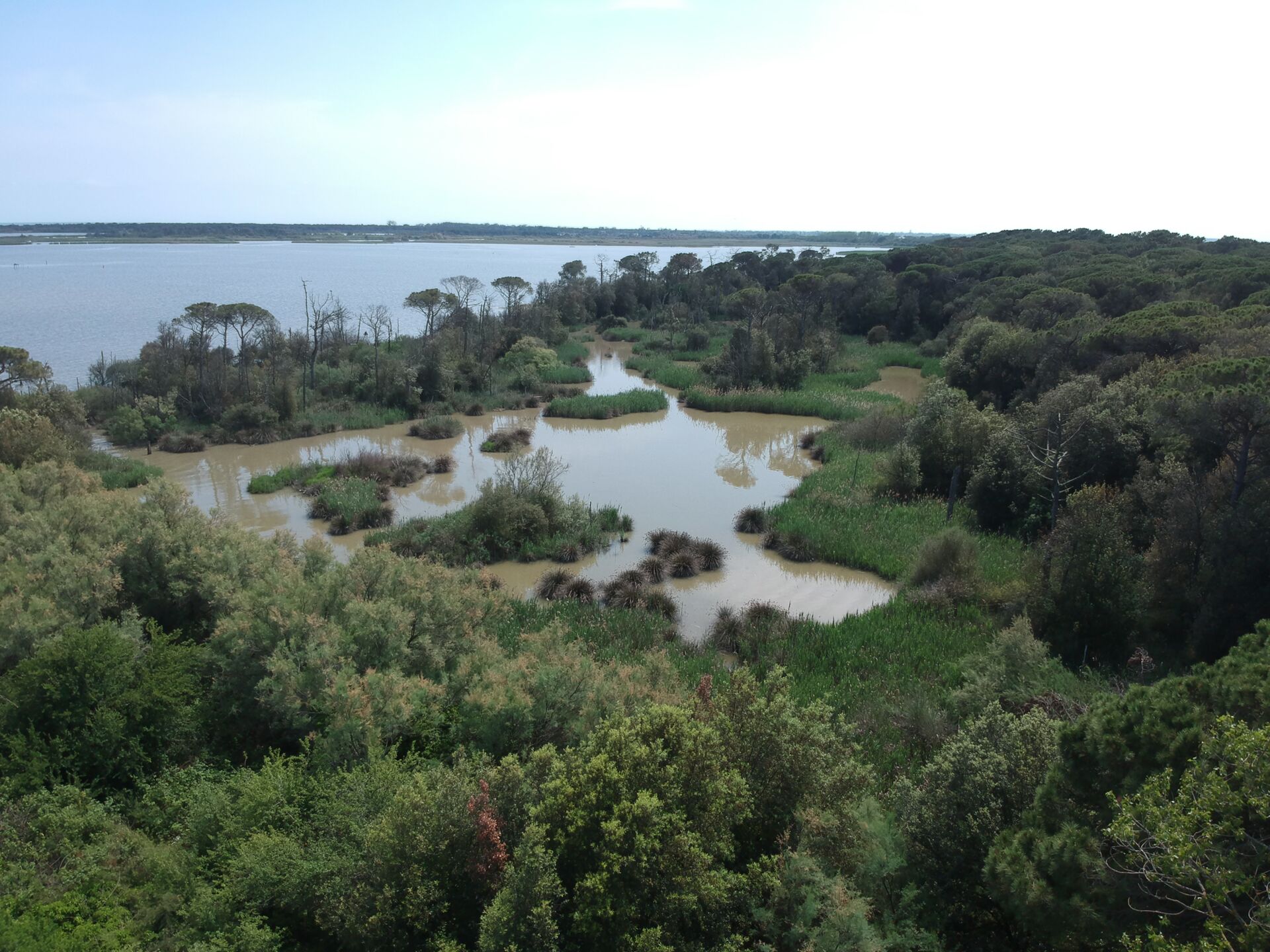
Mesola Wood near Lido di Volano
Luca Parodi | Rights reservedAnother important human impact on the Po Delta is indirect: the rising sea-level due to climate change. This rise in the sea-level has led to the salinisation of coastal areas due to ever greater of the salt wedge intrusion.
Coastal soil acts like a sponge, helping to keep the balance between fresh groundwater and saline seawater.
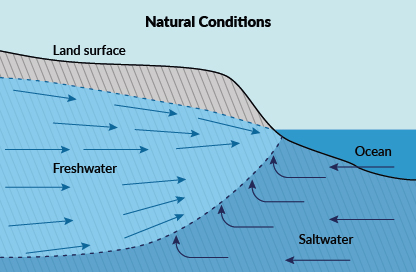
Diagram of the coastal terrain natural conditions in equilibrium which has a normal supply of fresh water underground which counteracts the entry of salt water from the sea.
Natural events (such as droughts) and human-induced factors (such as collection of fresh water to meet local water supply needs) can however disrupt this balance.
When this happens, the dry coastal ‘sponge’ soaks in salt water, easily replacing fresh water in these areas.
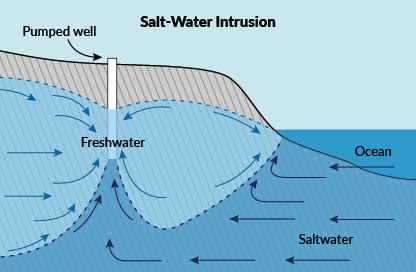
Diagram of the ingression of the saline wedge into the coastal terrain facilitated by the modification of the underlying fresh water flow rate due to human withdrawal, which decreases the contrast with the salt water that penetrates more and more inland.
This process is therefore called salt wedge intrusion, in other words, intrusion of seawater into coastal land.
The threat of the salt wedge
Delta environments are places where freshwater meets seawater and mixes.
The ‘salt wedge’ is the intrusion of salt water into coastal areas, a normal phenomenon found in coastal river deltas. However, for some decades now, it has been progressing at a worrying pace due to excessive human-induced impacts, with negative effects on natural vegetation, farming and aquafarming. Greater care therefore needs to be taken to protect the balance of river and delta ecosystems.
Salt wedge intrusion in the Po Delta is monitored by the Emilia-Romagna Regional Environmental Protection Agency (ARPAE), which has produced maps showing the changes that have occurred since the 1950s.
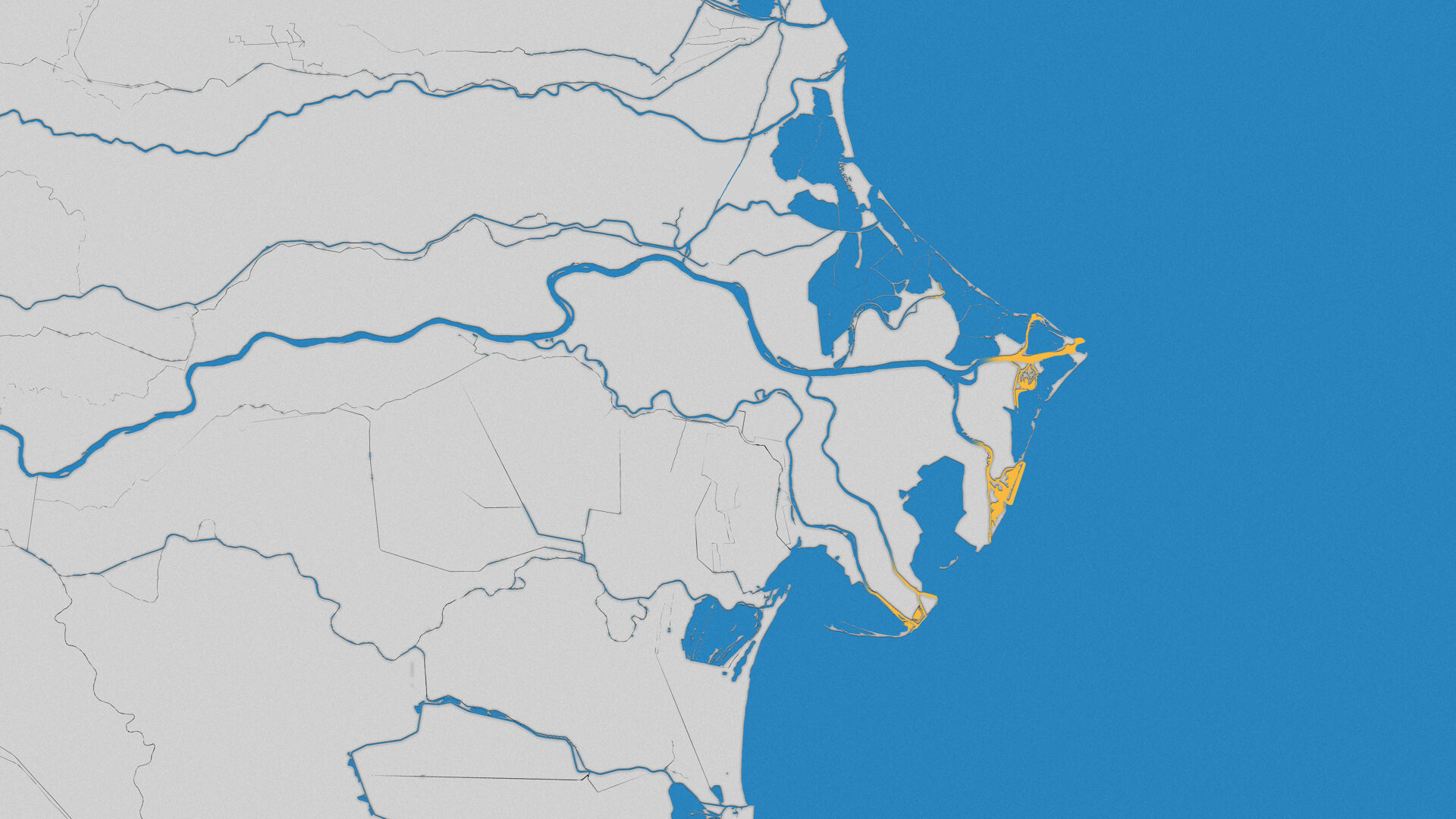
Salt wedge intrusion, 1950s to the 1970s, highlighted in yellow. Data source: ARPAE 2005
CC0From the 1950s to the 1970s, intrusion of seawater extended up to 2-3 km from the mouth of each section of the delta (yellow area).
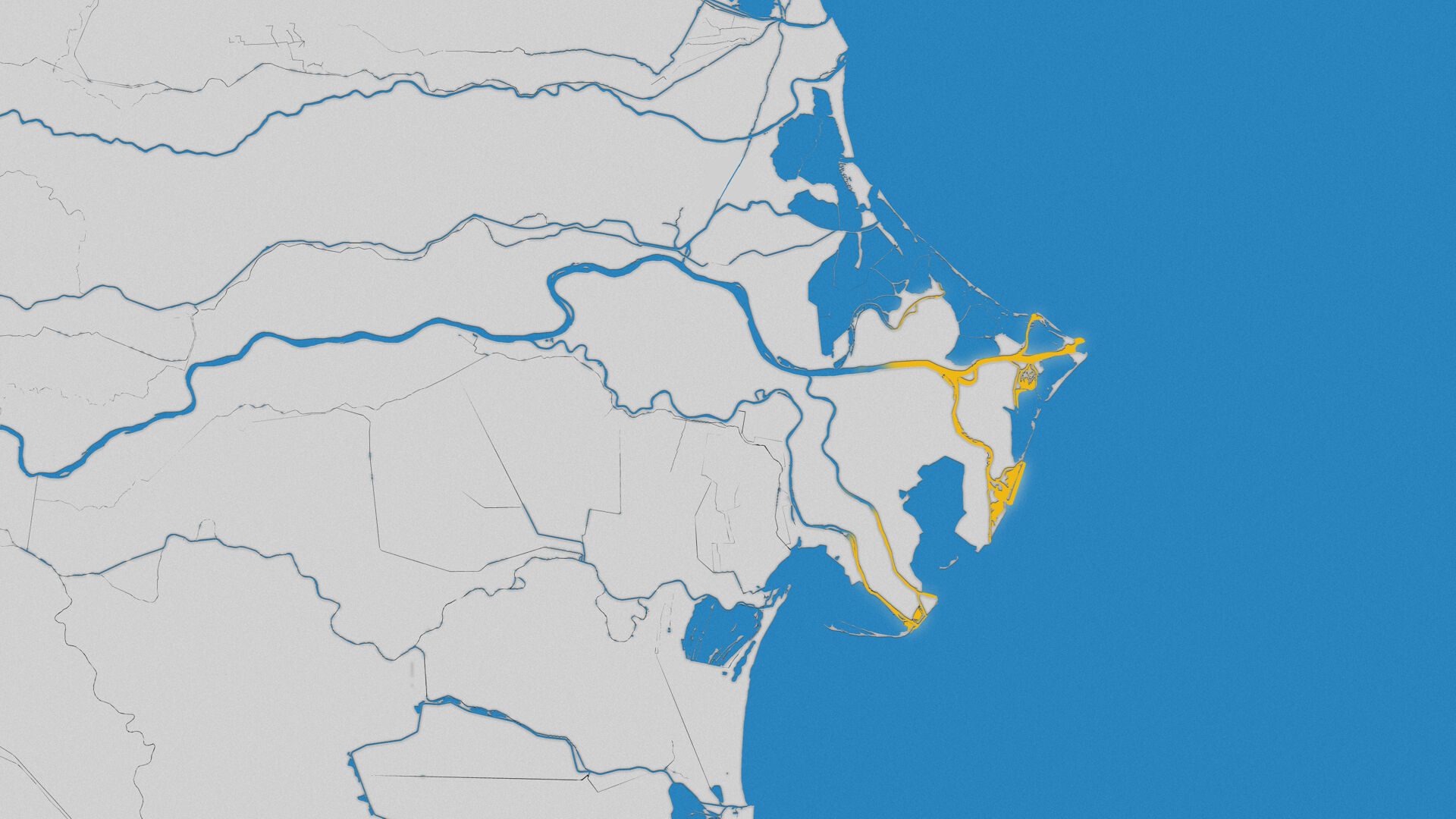
Salt wedge intrusion, 1970s to the 1980s, highlighted in yellow. Data source: ARPAE 2005
CC0From the 1970s to the 1980s, intrusion of seawater extended to about 10 km from the mouth of each section.
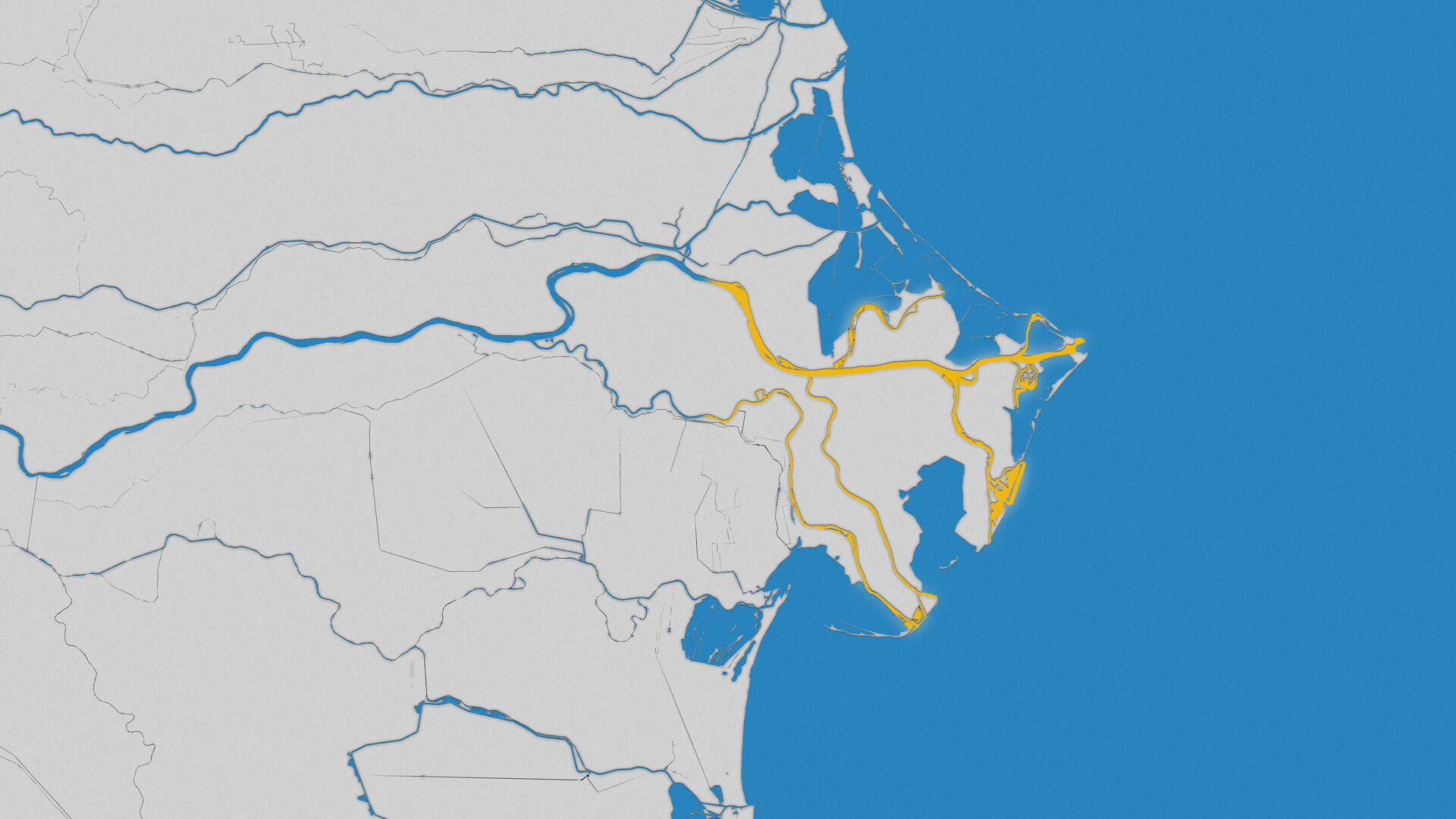
Salt wedge intrusion since the year 2000, highlighted in yellow. Data source: ARPAE 2005
CC0From the year 2000 on, intrusion of seawater extended to about 20 km from the mouth of each section
Based on this data, in 2019 it was estimated that intrusion of seawater extended to about 30 km from the mouth of each branch of the delta. This phenomenon has brought about a number of changes in agricultural production, with progressive selection of crops tolerating a high degree of salinity, such as rice, watermelons and melons.
Although the Po Delta still provides a numerous ecosystem services to human beings, these are being endangered by the excessive impact of human activities.
The main ecosystem services under serious threat today include:

soil regeneration, which is negatively impacted by deep ploughing and harrowing. It can be protected by adopting good, non-invasive farming practices that ensure both proper oxygenation and the presence of abundant microbial populations, without burying surface organic matter in deep layers lacking oxygen and microorganisms; the maintenance of genetic heritage and the supply of food and raw materials.

Recycling of nutrients, which is linked to decomposition and mineralisation and is essential to ensure soil fertility.

Pollination: certain plants provide an important refuge for pollinator species, which in turn act on other plant species.
Solutions are available for sustainable use of coastal soils, which should be further studied and given widespread implementation. (FAO Opinion, October 2021).
These call for sustainable policies at different levels of society: from adoption of suitable technology for farmers to widespread educational programmes and awareness raising campaigns aimed at the public on the importance of soil protection, on the challenges of adapting to the effects of climate change and on the protection of ecosystem services and the communities benefiting from them.

