
Production and decomposition
two processes that go hand in hand
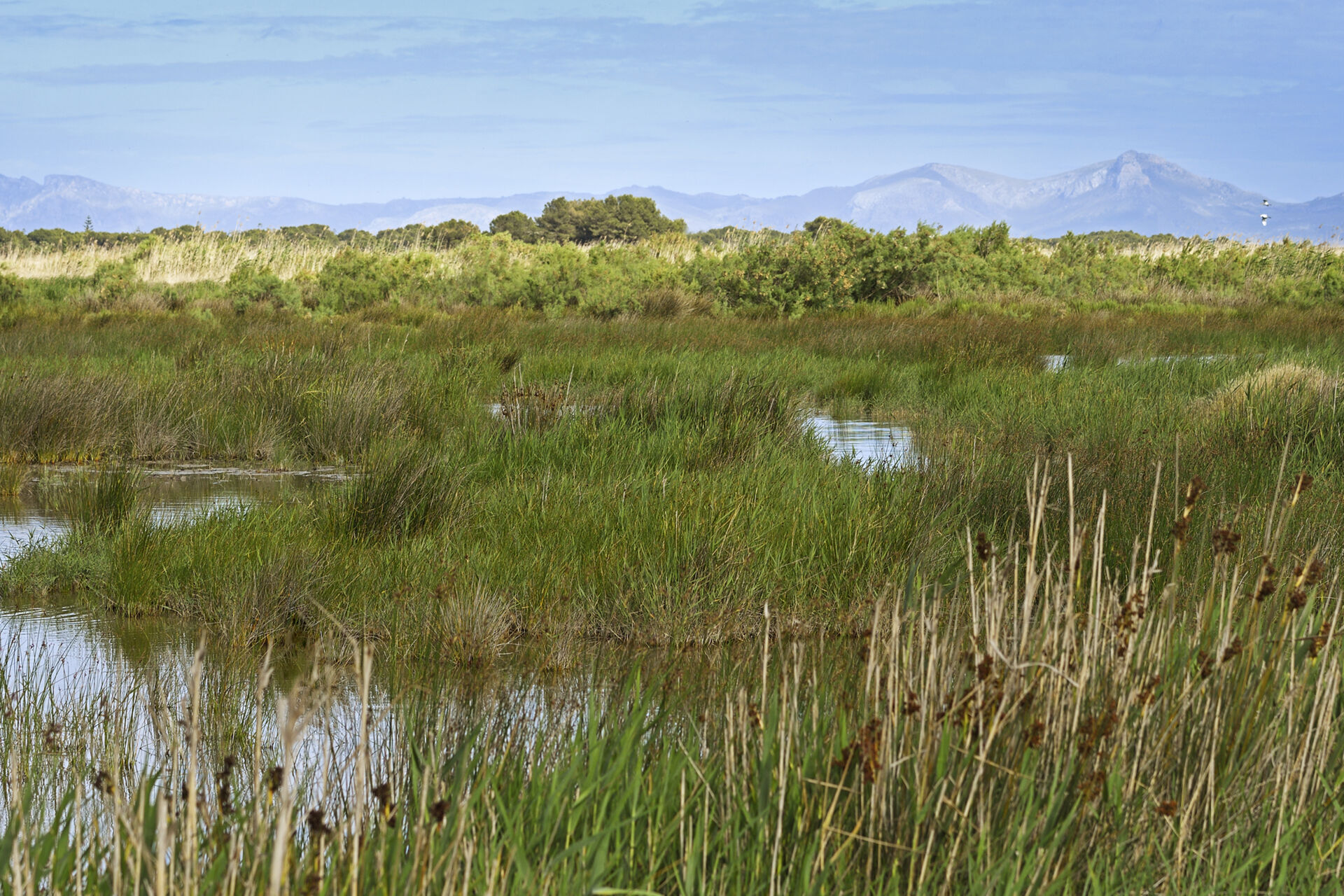
We are looking at a lagoon. The sun is setting, the afternoon breeze is dying down, the water is calm. We can hear the ducks in the distance, and here and there a fish jumping. Ancient, calming sounds as we enjoy a moment of solitude.
And yet life is teeming all around us, as in few other places: biological and biogeochemical processes are taking place here that support much of life on Earth.
Amazingly, these processes are carried on by a multitude of tireless microscopic organisms, the whole balance of these environments depending on them. Plants, phytoplankton, micro-fungi, bacteria and small aquatic invertebrates play a leading role in the two key processes of these ecosystems: production and decomposition.
Between land and sea: transitional waters
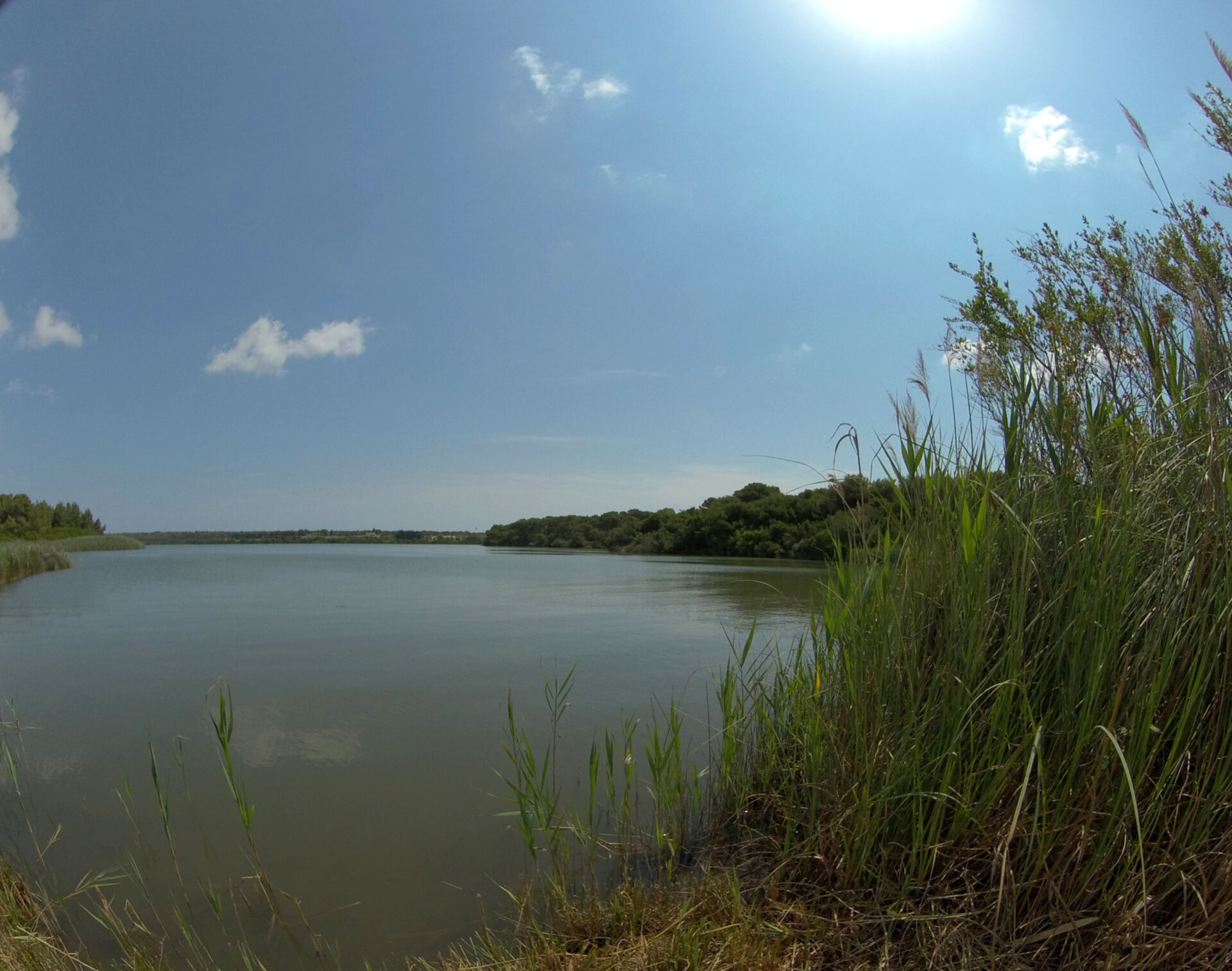
At the edge of the river plains, the border between land and sea can often seem unclear: sand dunes block the mouth of the river, fresh water backs up and river sediment is deposited to form new barriers. This gives rise to lagoons or ‘marine-coastal transitional waters’.
These transitional areas between two environments are known as ecotones, where brackish water carried by the tides mixes with the freshwater of rivers.
Transitional waters and the importance of monitoring: the case of the Alimini lakes
Franca Sangiorgio (University of Salento) talks about transitional aquatic ecosystems, systems located between dry land and the sea, which are influenced by seawater and also by terrestrial ecosystems. These areas are important for the reproduction of fish species, which spend most of their life cycle in the sea.
Transitional aquatic ecosystems such as the Alimini Lakes provide human society with ecosystem benefits and services, including fishing, but are affected by climate change.
Constant monitoring of the chemical and physical characteristics of these ecosystems would help conserve biodiversity.
A peculiarity of aquatic transitional environments is the fluctuation in the chemical and physical properties of their waters, including the quantity of water, light and nutrients present and the temperature.
The wealth of nutrients present and the turbid water are two distinctive characteristics of aquatic transitional environments such as deltas and lagoons. These features are interlinked, since it is the abundant presence of suspended organic and inorganic matter that causes turbidity.
Transitional aquatic environments are considered ‘naturally eutrophic’, in other words naturally rich in nutritional substances that promote productivity.
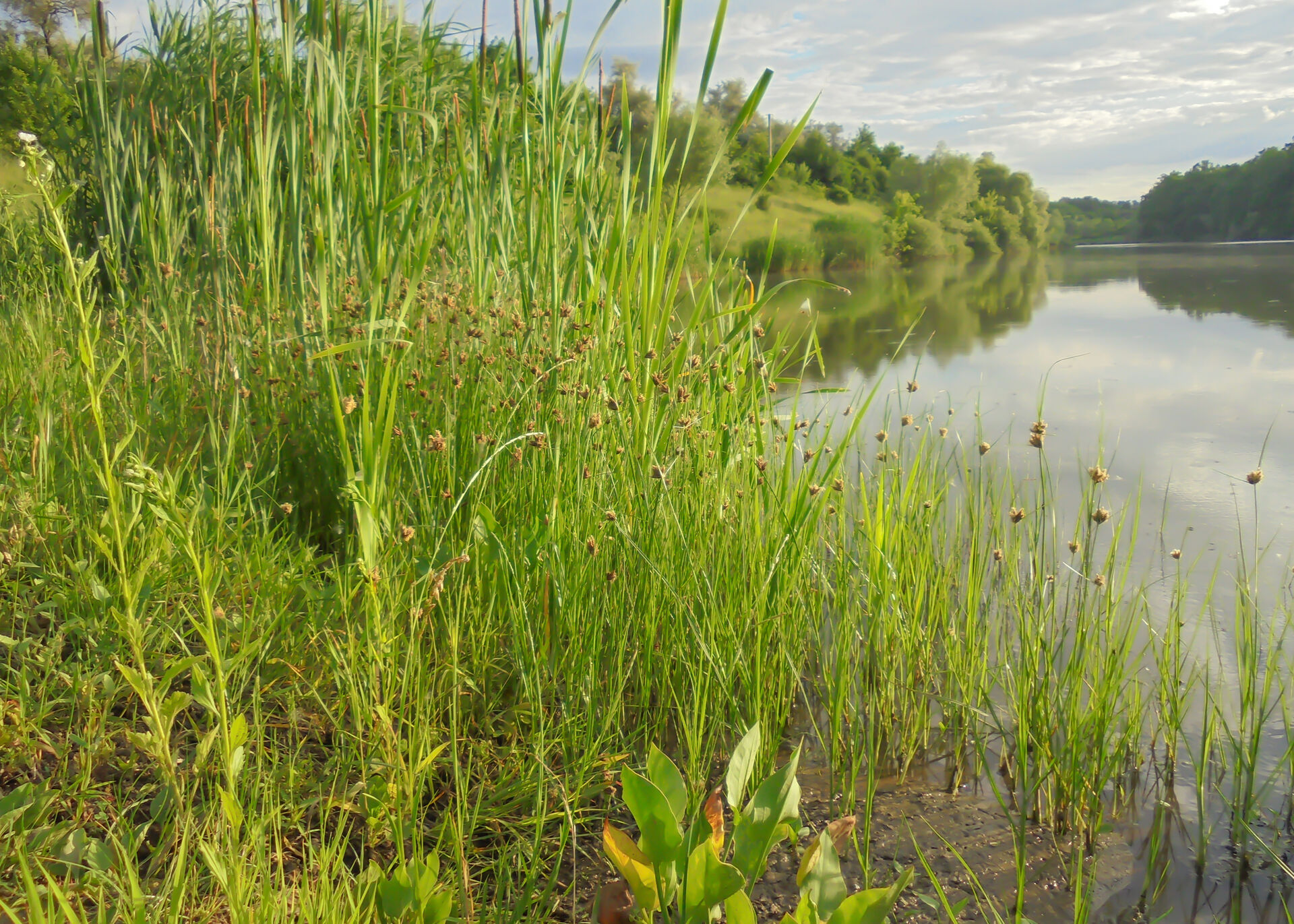
Typha, rushes and subularia
Victoria ArtWK | Rights reserved | Adobe StockThis primary production has two main drivers: phytoplankton, being the plant component of plankton, and macrophytes.
Valuable macrophytes
Macrophytes are plants of macroscopic size growing in the aquatic environments of rivers or river mouths, in marshes and lagoons. Together with phytoplankton, they are the primary producers of ecosystems in transitional waters.
The common reed, an adaptable and extremely valuable species, is the most widespread and typical macrophyte in the Po Delta.
Efforts must be made to reduce the negative impacts of human activities on aquatic ecosystems so as to protect these plant communities.
Typha, rushes and subularia
Victoria ArtWK | Rights reserved | Adobe StockPhytoplankton and macrophytes store solar energy and atmospheric carbon by photosynthesis, and constitute the primary source of nutrition for the survival of all other aquatic life forms. They are the foundation of our planet’s trophic networks or food webs.
Tireless builders: phytoplankton
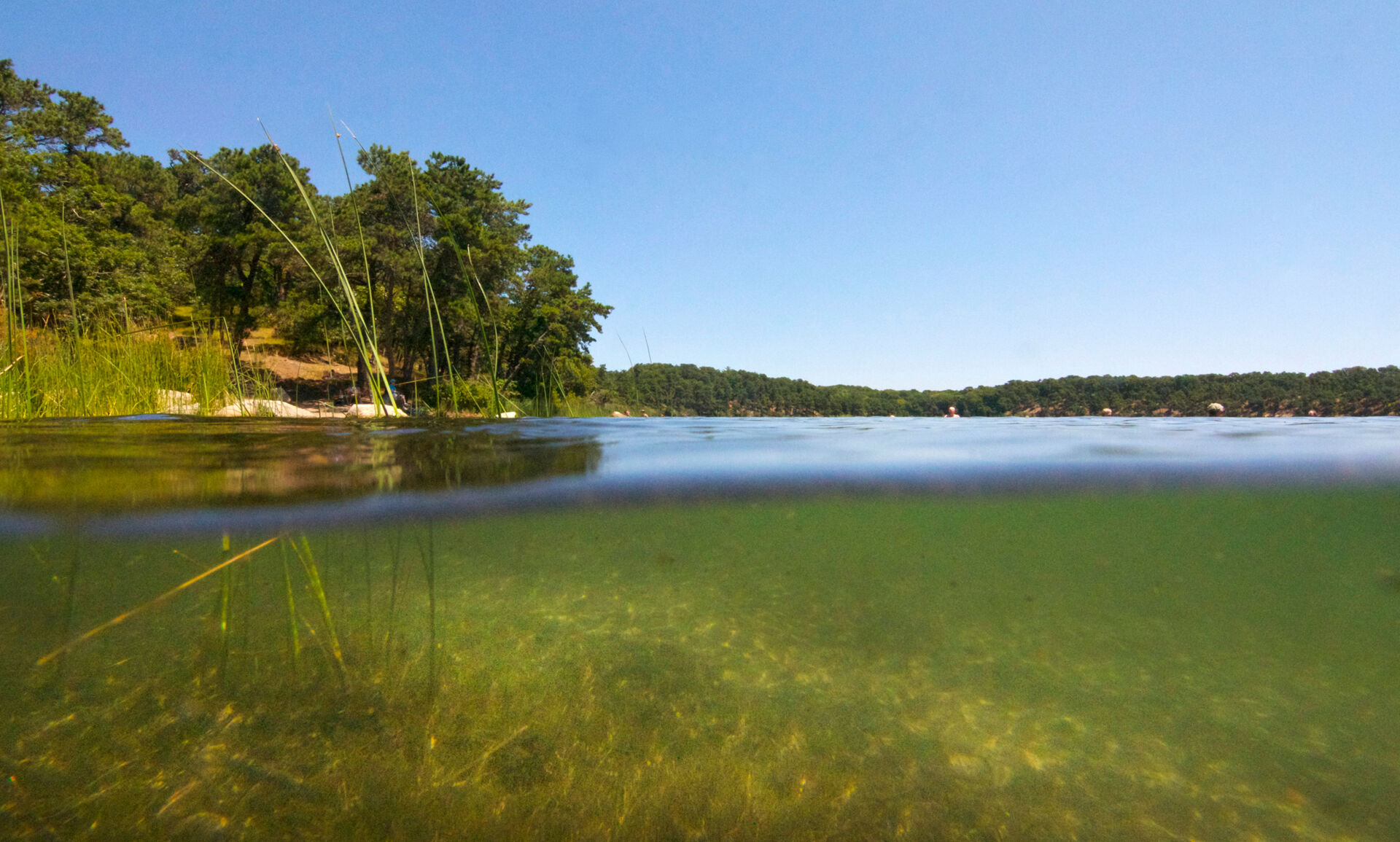
Diving in lagoon waters allows us to take a close-up view of phytoplankton, the microorganisms that produce organic substances. These algae take simple forms and have short life-cycles, living either in a unicellular manner or as colonies.
They can be equipped with siliceous shells, spines and flagella that enable them to move, but they cannot swim against currents.
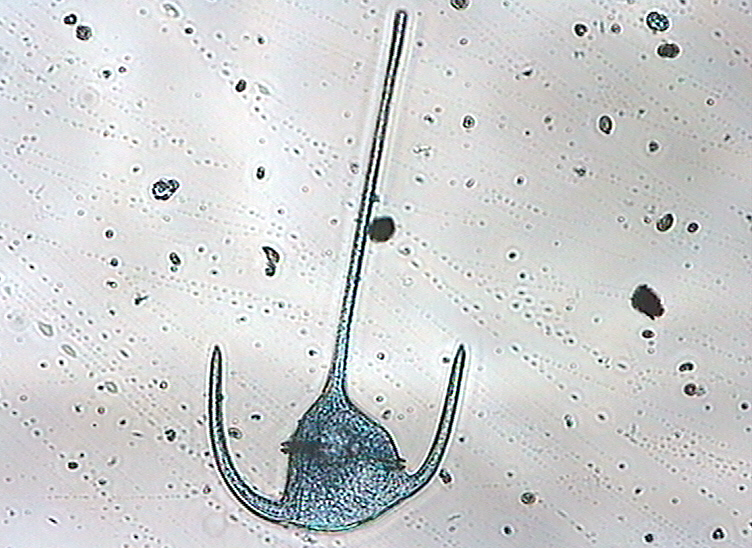
Ceratium tripos has armoured plates, horns, and two flagella enabling forward propulsion and rotational force
When present in great densities they create ‘red tides’. This phenomenon occurs because the cells become so abundant that they can actually change the colour of the water.
At a certain phase in their life cycle, algae belonging to the Dictyocha genus produce a siliceous skeleton consisting of a network of bars and spikes arranged to form an internal basket. Over time, siliceous skeletons make up a small but important component of marine sediments.
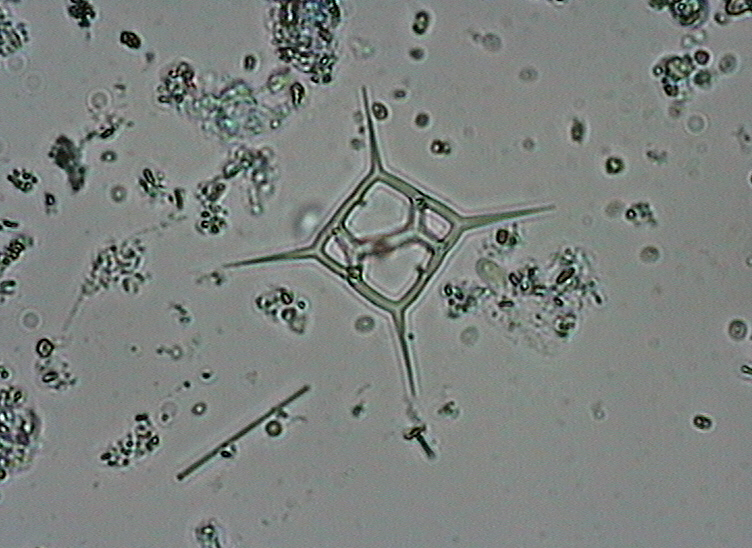
The alga Dictyocha fibula is equipped with a long, wing-shaped flagellum
‘The fairest thing in nature...’: benthos-driven decomposition
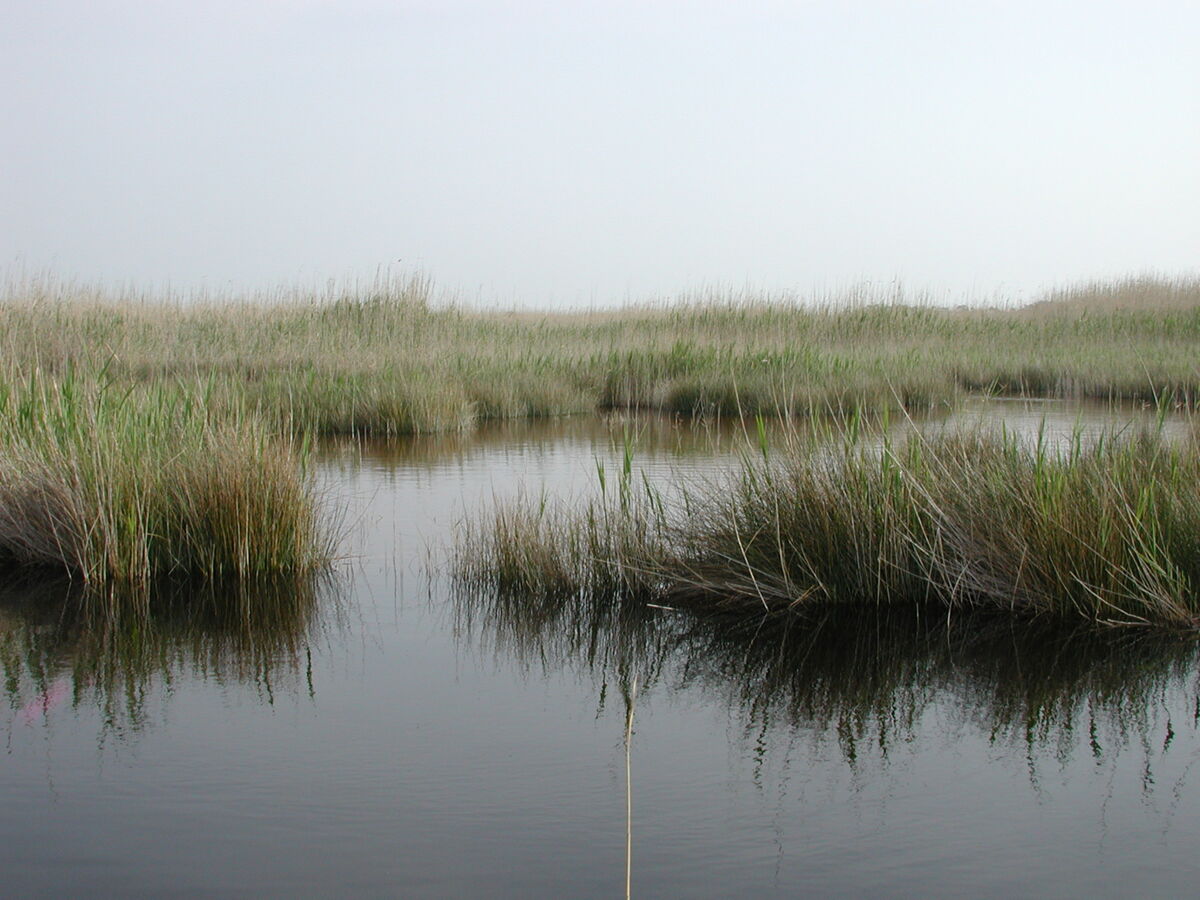
Animals such as birds or mammals consume only a small fraction (less than 10%) of the plant biomass produced in lagoons. Most biomass dies, decays and enters the ‘detrital food web’, through which it is transformed and once again made available to photosynthetic organisms through decomposition processes.
Detrital webs are food webs very commonly found on the beds of marine, brackish and freshwater environments, and in the soil.
They involve a great variety of species of organisms with different functions: from detritivores, such as large and small shredders of matter, to decomposers.
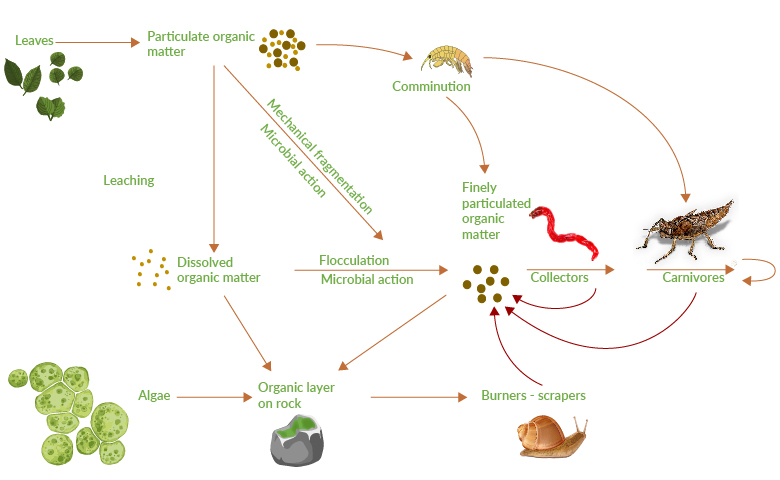
Diagram illustrating the trophic web of the lagoon's detritus. This network is made up of many different organisms such as bacteria, fungi, crustaceans, molluscs and worms which, with their action, reduce the dead biomass into smaller and smaller parts until it is totally decomposed, releasing the single elements free again into the water available to photosynthetic organisms.
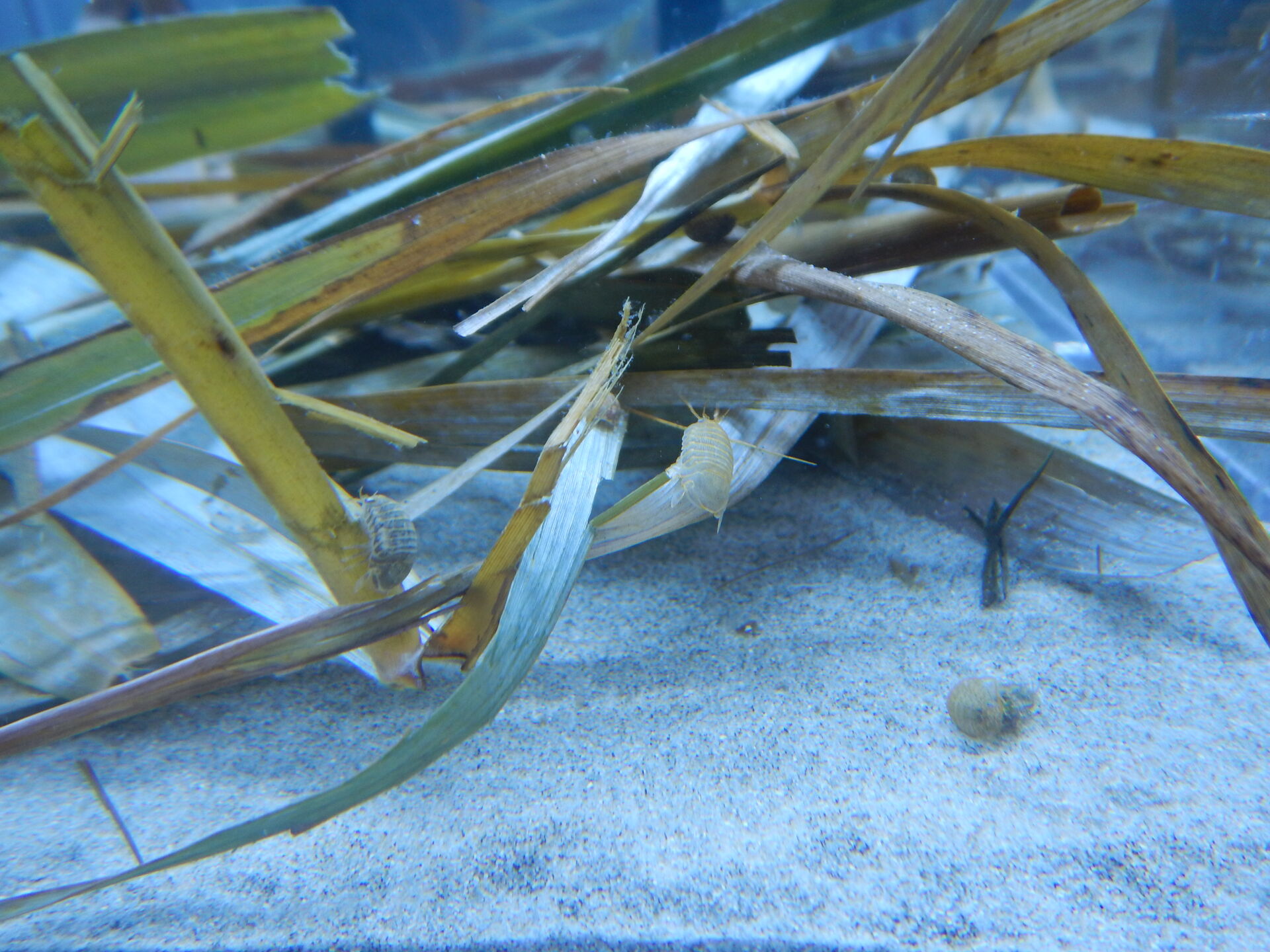
The first to come into play are detritivores: these small invertebrates are visible to the naked eye and contribute to the mechanical breakdown and biological degradation of detritus.
Benthic invertebrates also play a leading role and include worms, crabs, bivalves and amphipod crustaceans such as the species belonging to the Gammarus and Echinogammarus genera.
Those of the Gammarus genus in particular are protected by a chitin exoskeleton and swim near the bed, moving with one side of their bodies using thoracic appendages.
Species of the Gammarus genus are very sensitive to a range of toxic substances and are therefore considered important bioindicators of environmental quality.
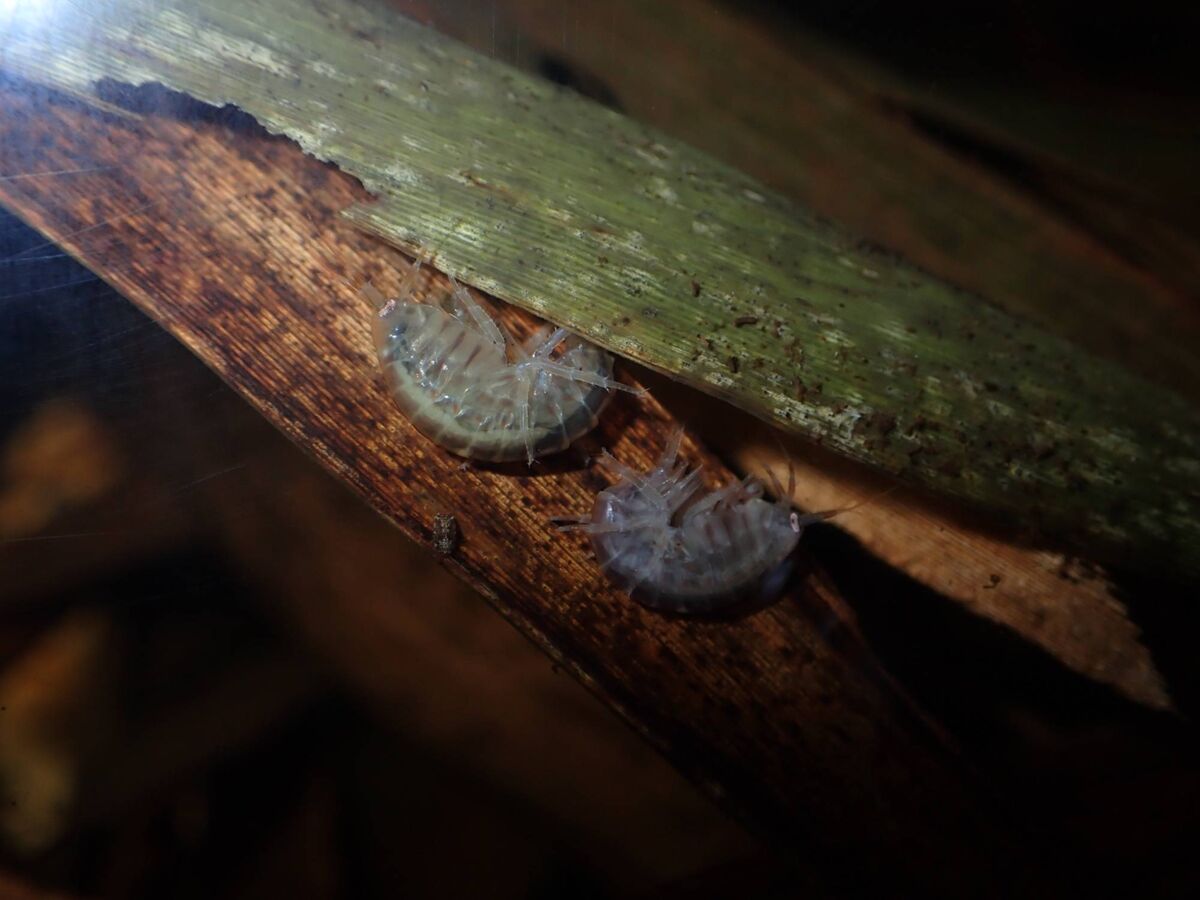
Echinogammarus
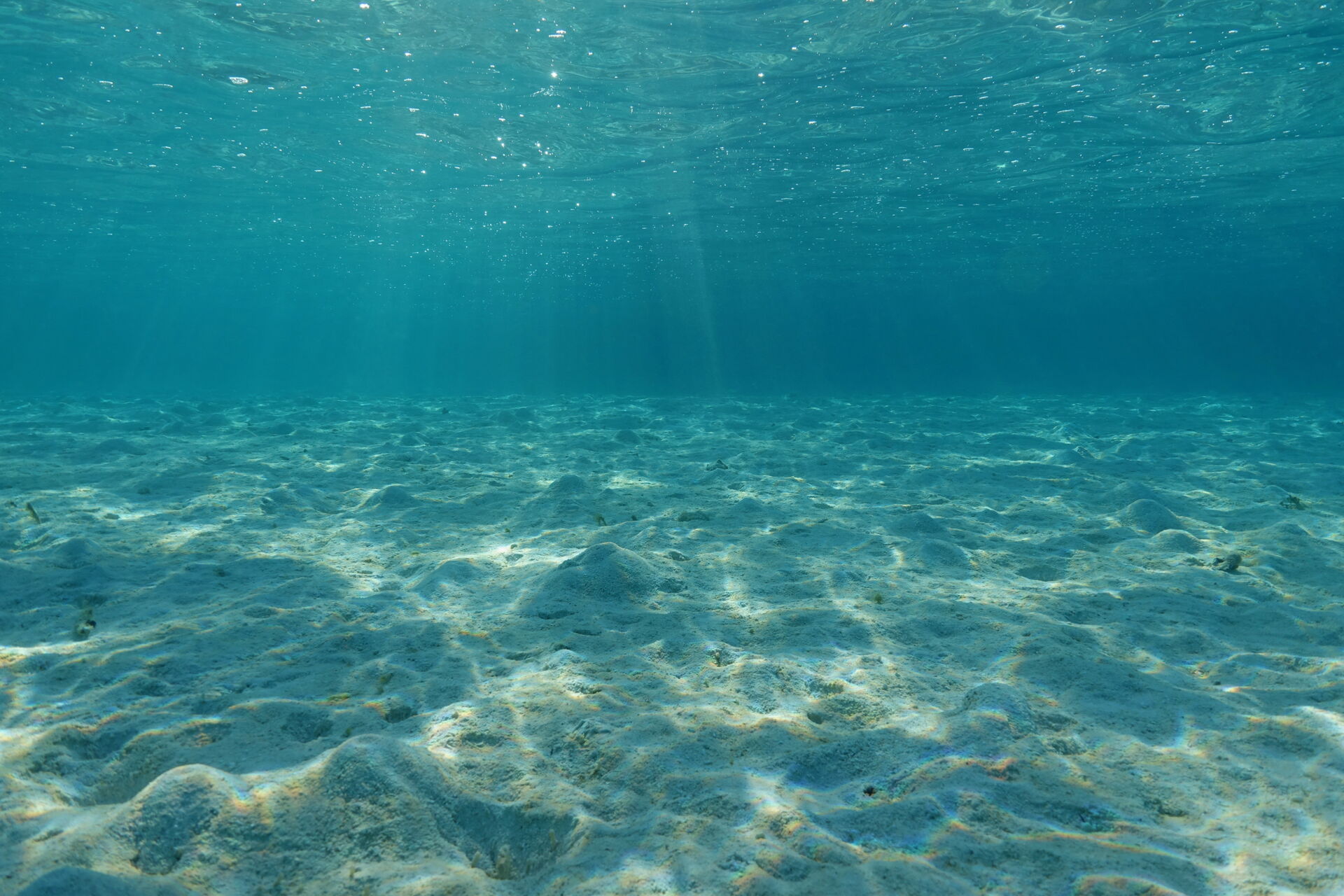
Alternatively, the end-products of decomposition go into the making of humus, an amalgam of organic substances binding with clays to form the bed of lagoons or, in drier environments, the soil.
Different ecosystems show different levels of mineralisation, depending on the temperature and the abundance of water, light and oxygen. The abundance of plant raw material, which provides energy to detritivores, also varies with the passing of the seasons.
The benthos: guardian of the lagoons
The benthos is made up of often very minute aquatic organisms that spend at least part of their life cycle in contact with the bottom of water courses or bodies. These organisms are fundamental components of marine and lagoon ecosystems, reacting quickly to environmental changes. They are therefore very useful for studying the evolution of marine and lagoon ecosystems and for assessing the impact of natural and human-induced phenomena on these dynamic environments.
Threats and solutions for protecting marine-coastal transitional waters
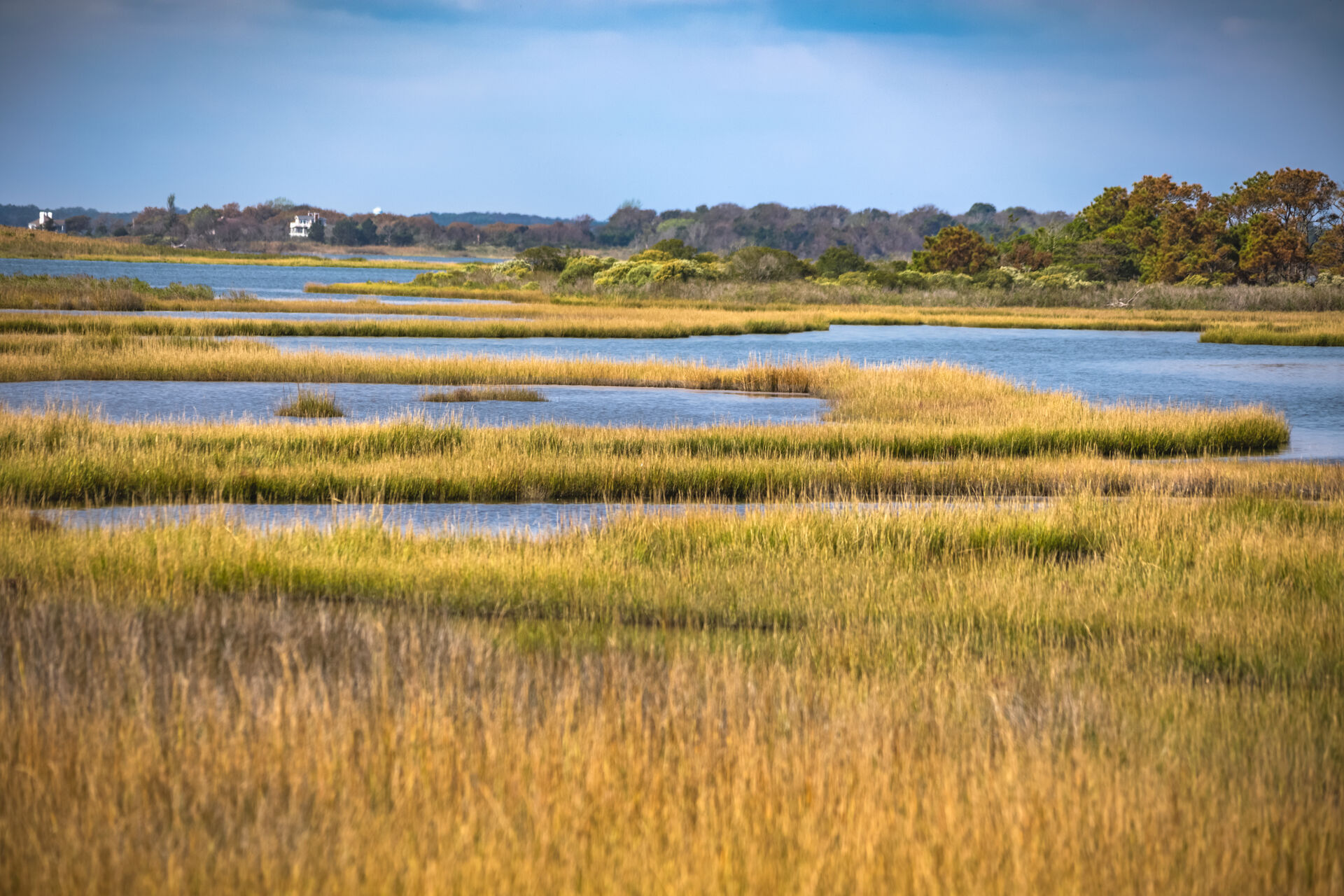
Marine-coastal transitional waters, such as delta and lagoon environments, are therefore home to complex interactions that are vital to the cycles of elements such as carbon, nitrogen, phosphorus, minerals, in turn essential for life. Conserving these ecosystems by safeguarding coastal wetlands is essential for maintaining their ecological role.
In such environments, with their complex processes and delicate ecological balances, two major problems are posed: the introduction of alien species and excessive human-induced eutrophication that causes overabundance and imbalances of organic matter in the water.
The struggle against alien species and eutrophication in transitional aquatic environments
Elisa Anna Fano (Italian Ecological Society) explains how transitional ecosystems are borderlands between two environments where the greatest threat comes from alien species (allochthons), which are not native to such ecosystems but have come in from elsewhere.
She stresses the importance of controlling entry of all biological material and how Italy is at the cutting edge of such efforts, with laws that effectively regulate the introduction of any substances and organisms that might upset the ecosystem balance.
Additional threats come in the form of saline intrusion, coastal erosion and subsidence.
To address the root causes of such imbalances, it is essential to limit mass tourism, uncontrolled building development, industrialisation and intensive farming. Only in this way will the transitional aquatic ecosystems, as well as the important functions and ecosystem services they provide, be safeguarded.

