
Life on the sand
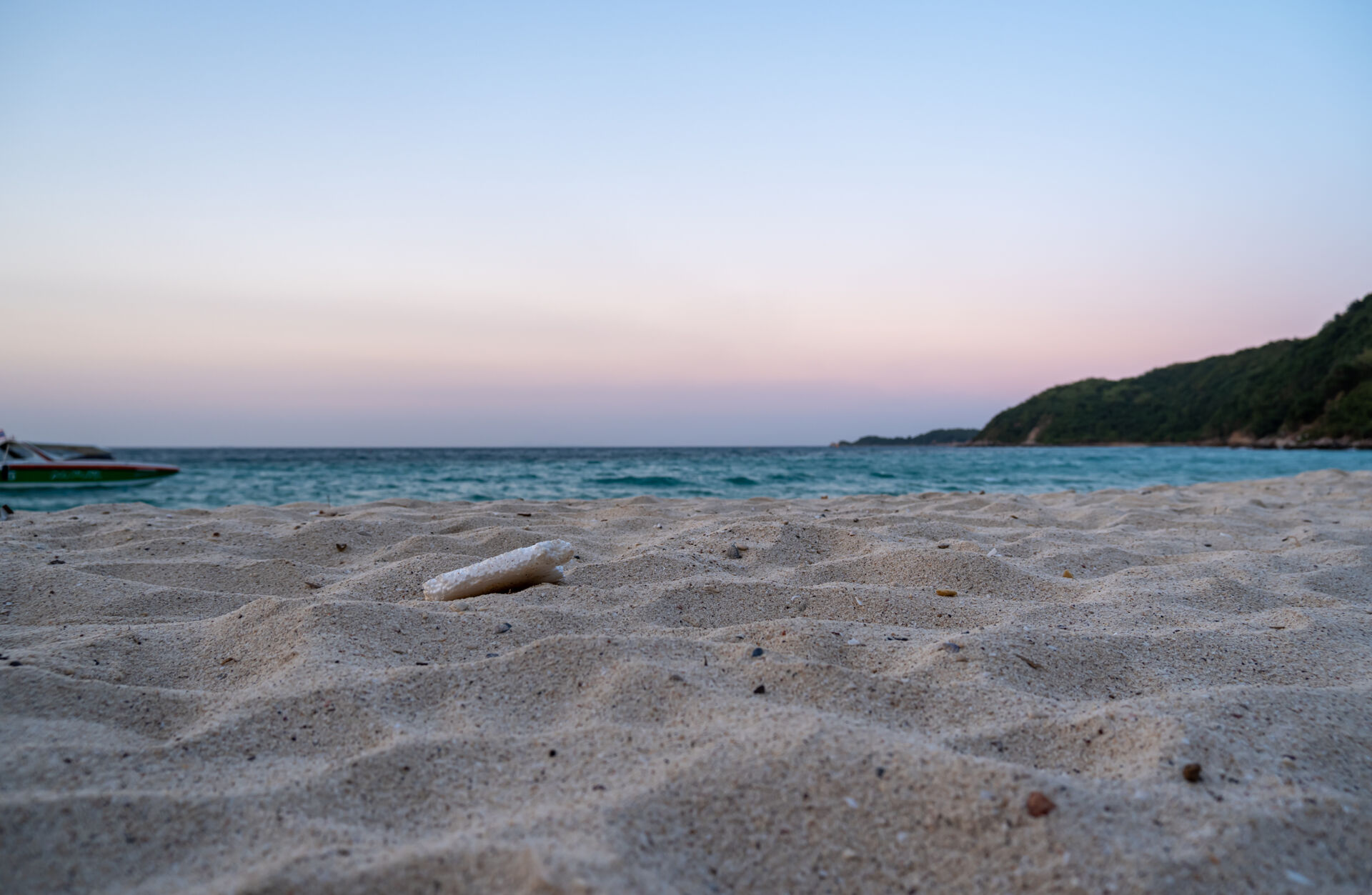
Sand is often seen as an abundant, cheap and easily found resource. It is common raw material, useful for anything from anchoring a sun umbrella when the sun is high on a beach holiday to producing reinforced concrete.
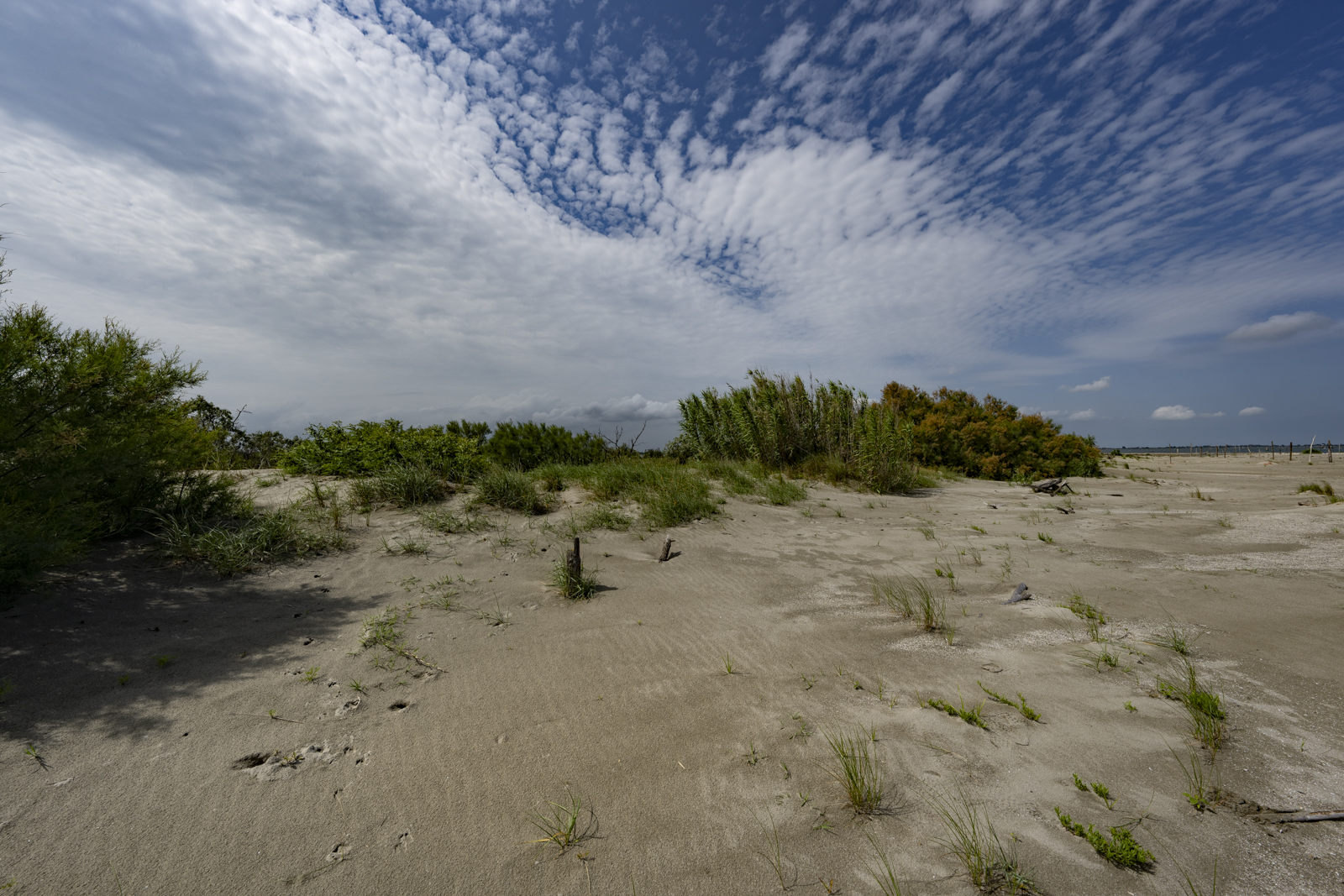
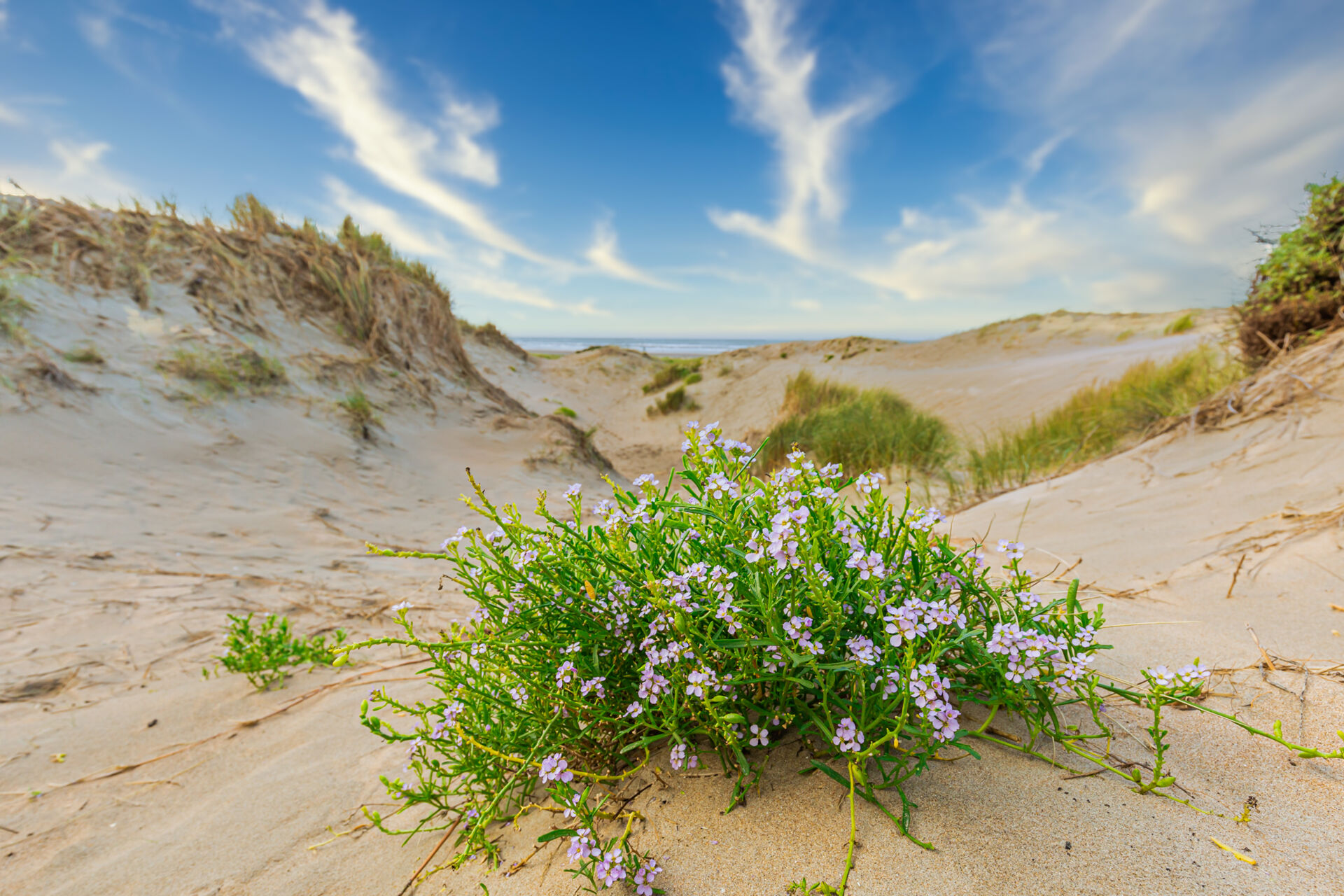
Dune ecosystems, Lido di Volano
Antonello Provenzale | Rights reservedSand is a key element of marine-coastal environments, thanks to its innate modesty and beauty. It also provides the ideal substrate for a whole range of useful and valuable plant and animal species.
We are talking about the dune ecosystems lining the Italian coast and the meadows of Mediterranean tapeweed.
Dune ecosystems
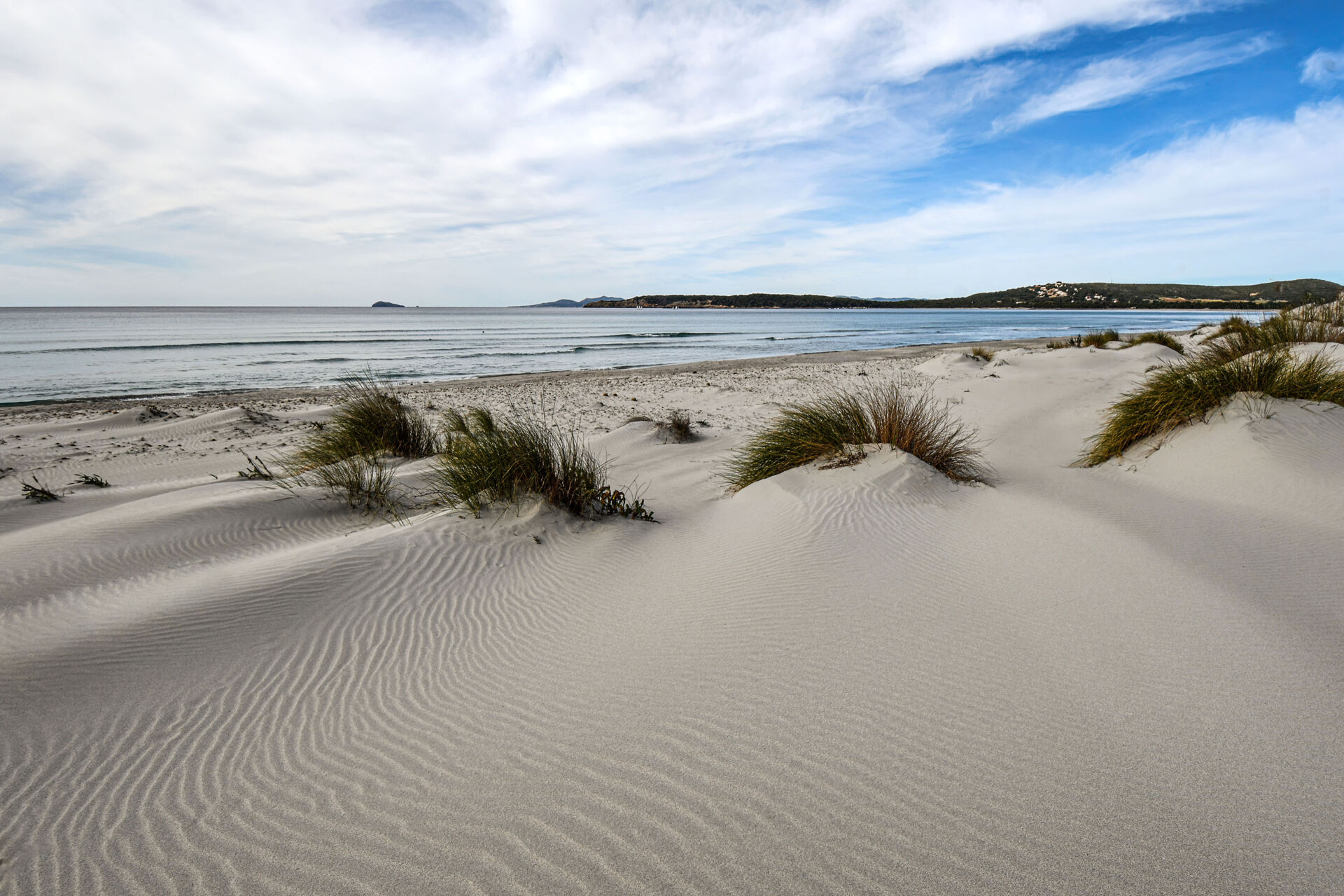
White dunes, Porto Pino, Sardinia
Mara | Rights reserved | Adobe StockDunes form transitional ecosystems between the beach and inland environments.
Such ecosystems are typical of the Mediterranean basin and are frequently found on both the Tyrrhenian and Adriatic coasts of Italy.
The dunes of Porto Pino on the south-west coast of Sardinia, forming the transition between the beach and the Mediterranean maquis, are a typical example.
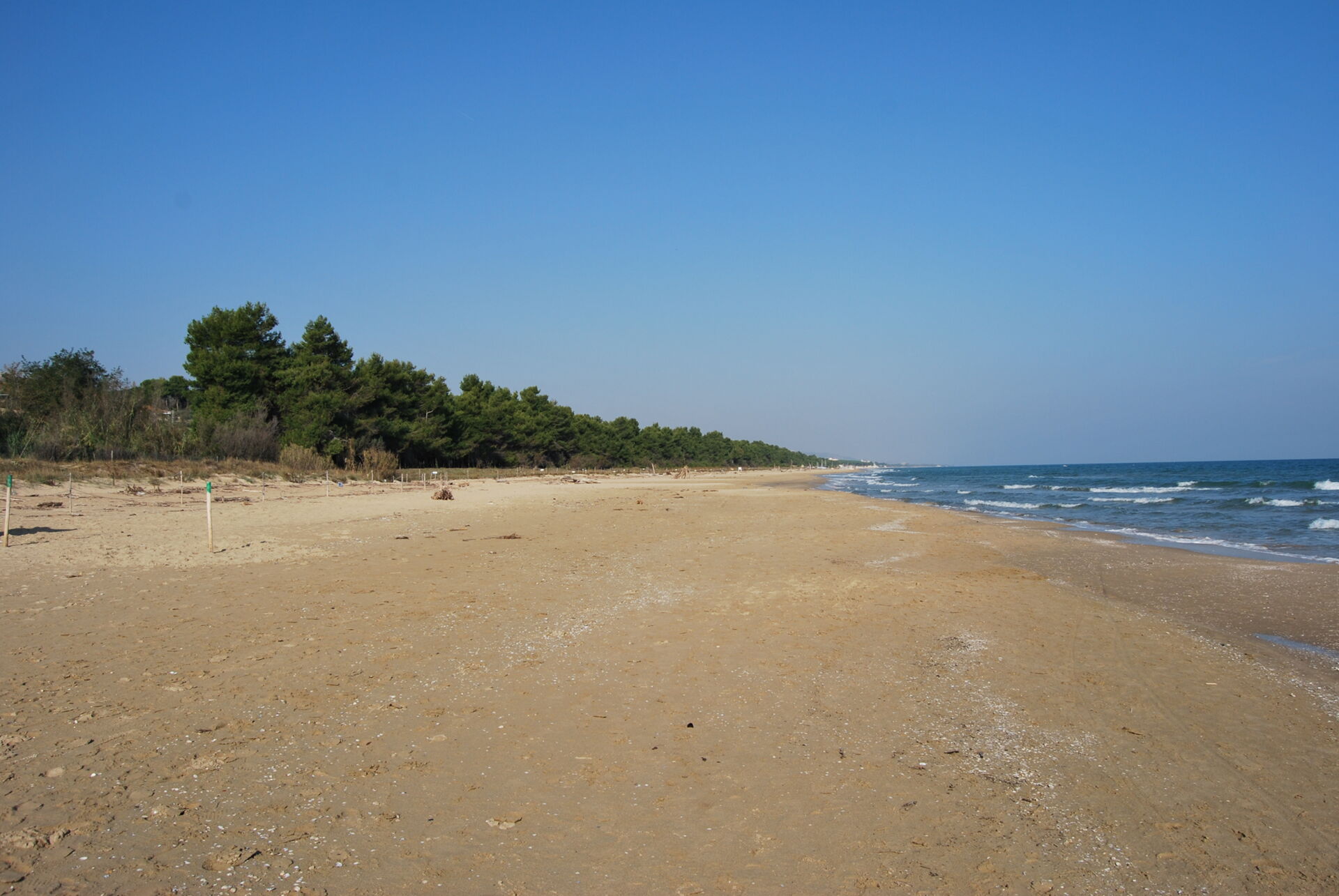
Torre del Cerrano, Teramo
neuartelena | Rights reserved | Adobe StockAdriatic instances of such ecosystems would be the dunes in the protected marine area of Torre del Cerrano in the Province of Teramo and the Dune di San Giuseppe in the Po Delta.
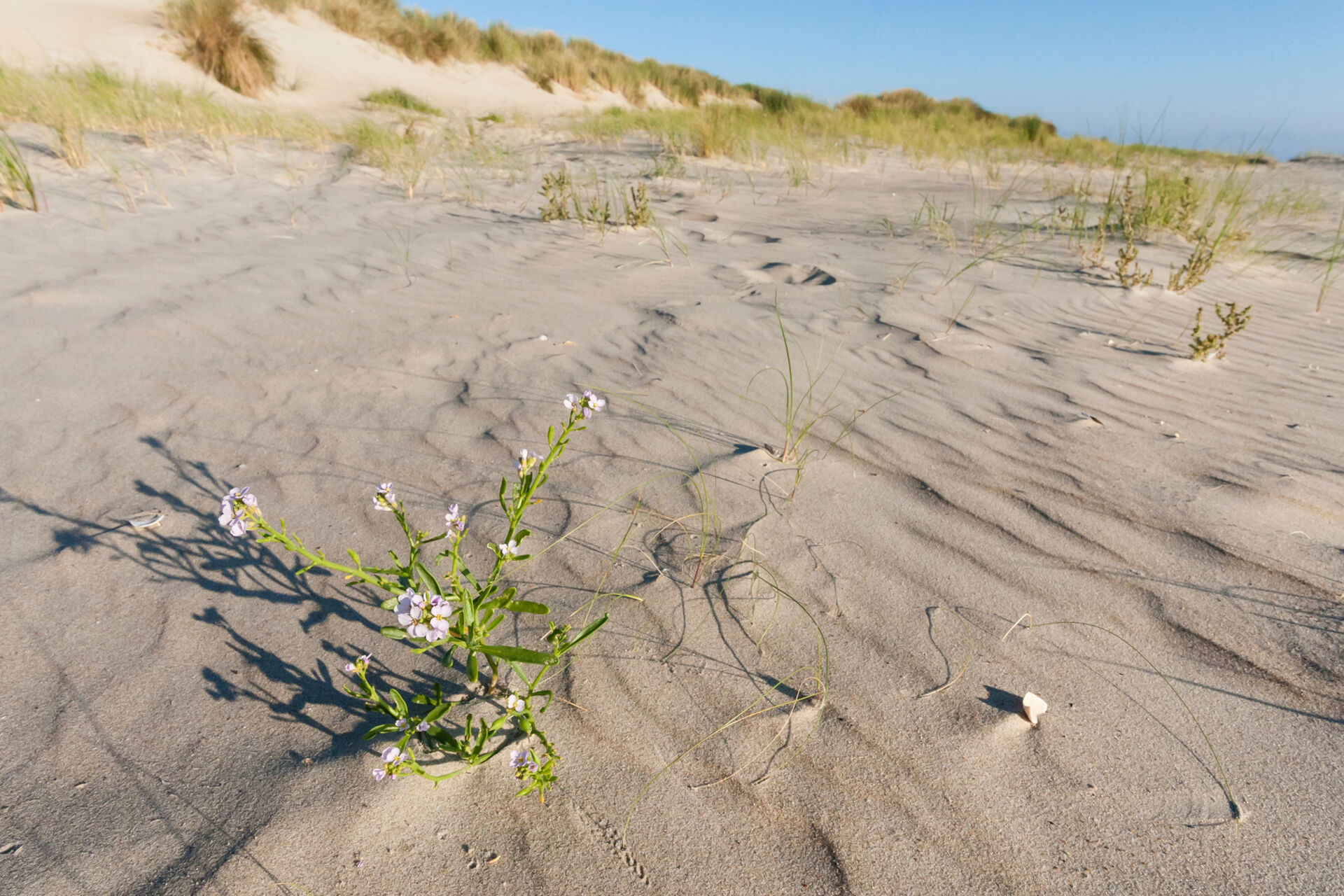
Generally speaking, dunes are hills of sand shaped by the wind, therefore continuously shifting place and shape with wind changes.
Coastal dunes act as a buffer zone between different environments, marking the transition between sea and inland areas, featuring thickets of typically Mediterranean shrubs and evergreen trees.
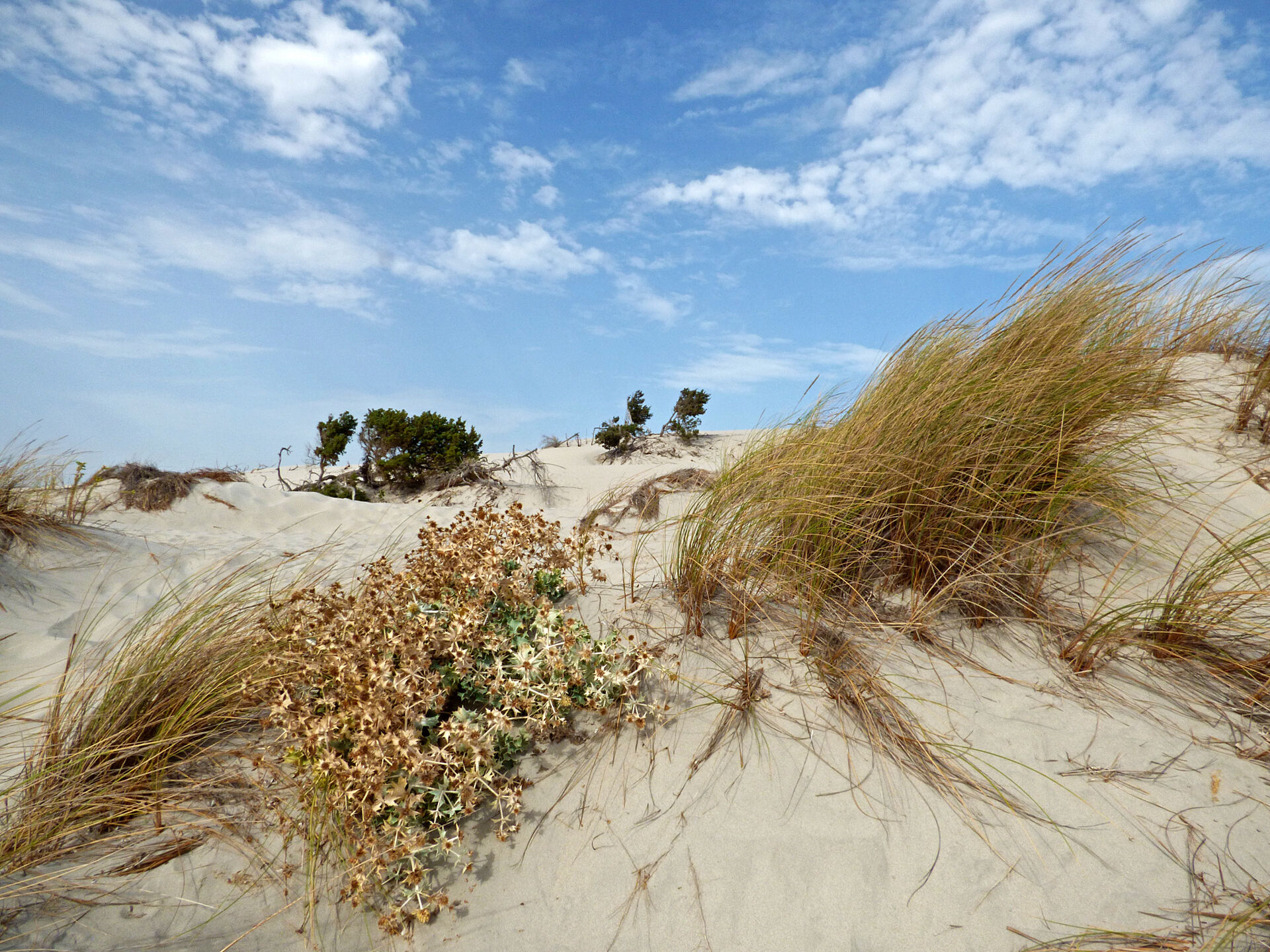
Dunes in Porto Pino, Sardinia
Roberto | Rights reserved | Adobe StockDunes can be stationary and fossilised or mobile where wind speeds exceed around 4 m/s, causing the sand grains to shift.
Their shape depends on the available amounts of sand and on wind direction and speed. In terms of their size, dunes can be up to 15 metres high, with a length of up to 500 metres.
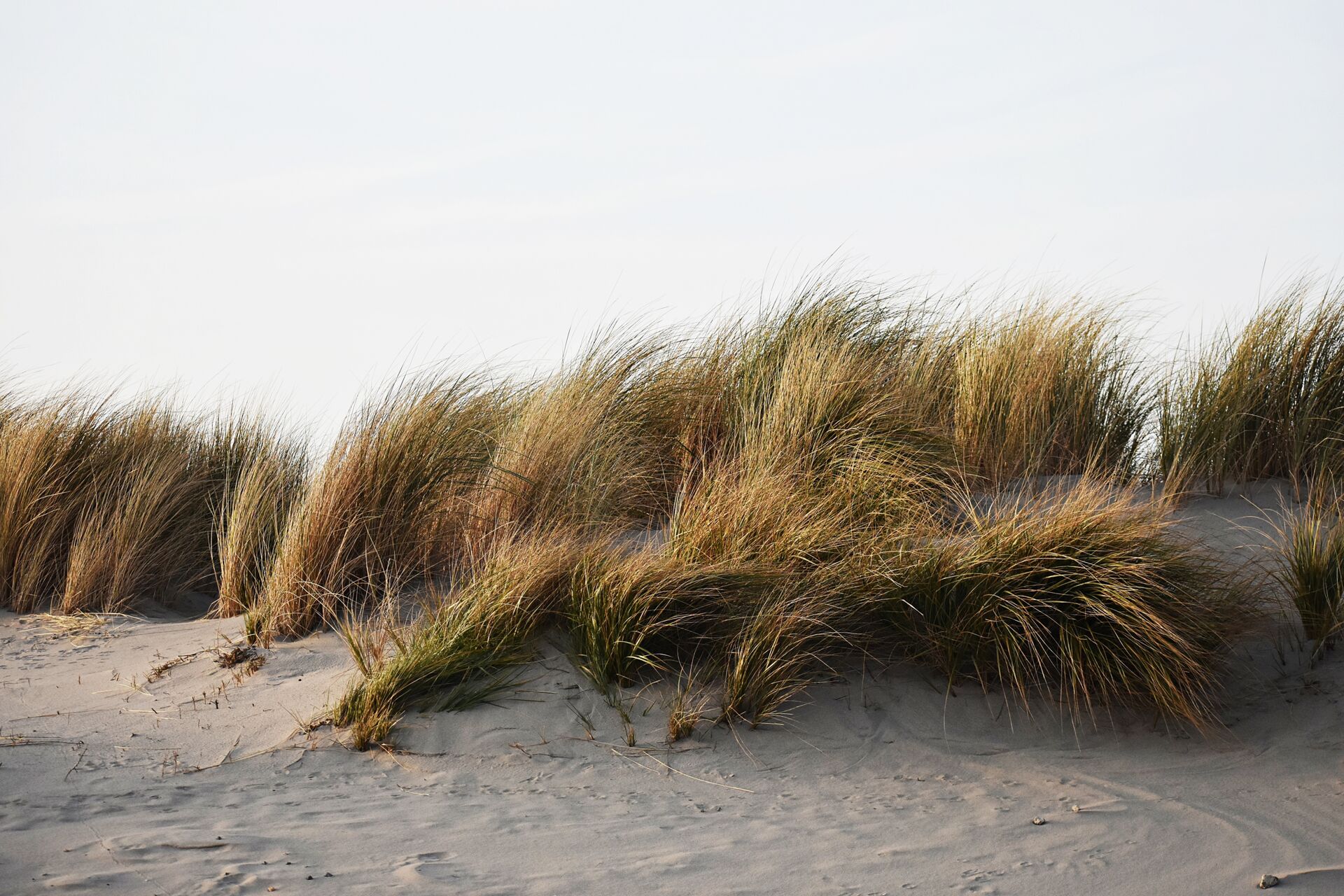
Ammophila arenaria
beres | Rights reserved | Adobe StockCoastal dunes are divided into primary and secondary dunes and are a typical feature of the ‘beach-dune system’.
Primary dunes, or foredunes, occupy the ‘deposition area’. These are small actively accumulating piles that gradually combine and can be stabilised only partially by the presence of vegetation.
Secondary dunes, on the other hand, lie beyond the limit of the primary dunes and represent old foredune belts that have become more stable.
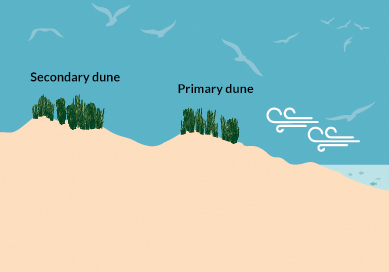
Illustration of the dune profile of the beach-dune system: the dune belt is divided into two dune habitats, the primary dune or forward dune, more exposed to the action of the wind, and the secondary dune or back dune immediately after the first one going inland.
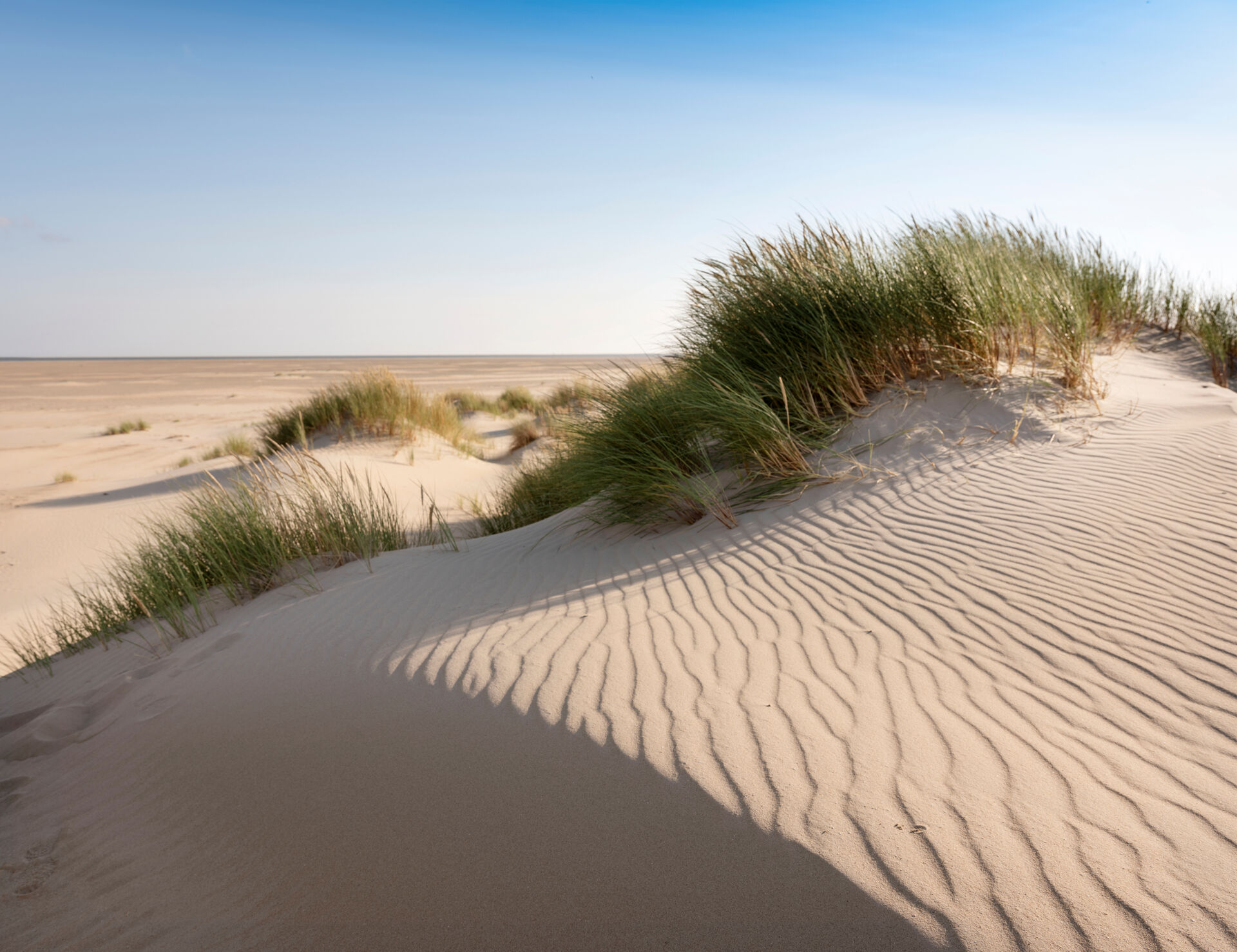
Dunes, Netherlands
ahavelaar | Rights reserved | Adobe StockThe sand on the windward side of dunes is compact, with closely packed, well-compressed grains of a consistency that ideally allows walking.
On the leeward side, however, grains tend to accumulate randomly by wind action, with spaces often left between them. Here, the pressure exerted by walking inevitably leads to footsteps sinking into the sand.
Wind action and the characteristics of the sediments can create regular accumulations of granules in the form of ripples. These flatten out and disappear as the surface wind speed increases.
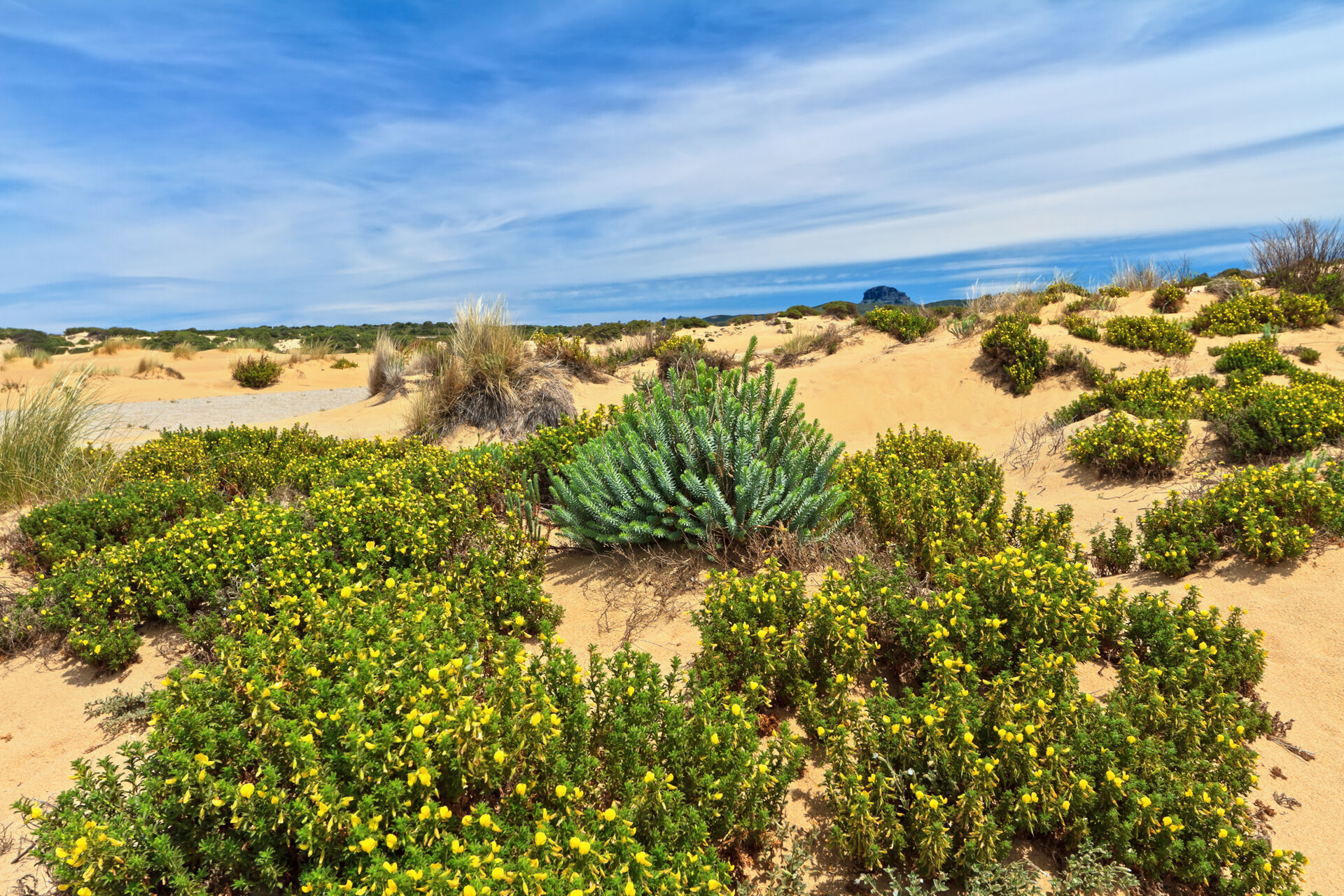
Piscinas dunes, Sardinia
Antonio Scarpi | Rights reserved | Adobe StockPlants and the sand play a team game. Dune vegetation needs the sand as a substrate, and the sand in turn needs the presence of plants to be able accumulate and stabilise, creating a dune.
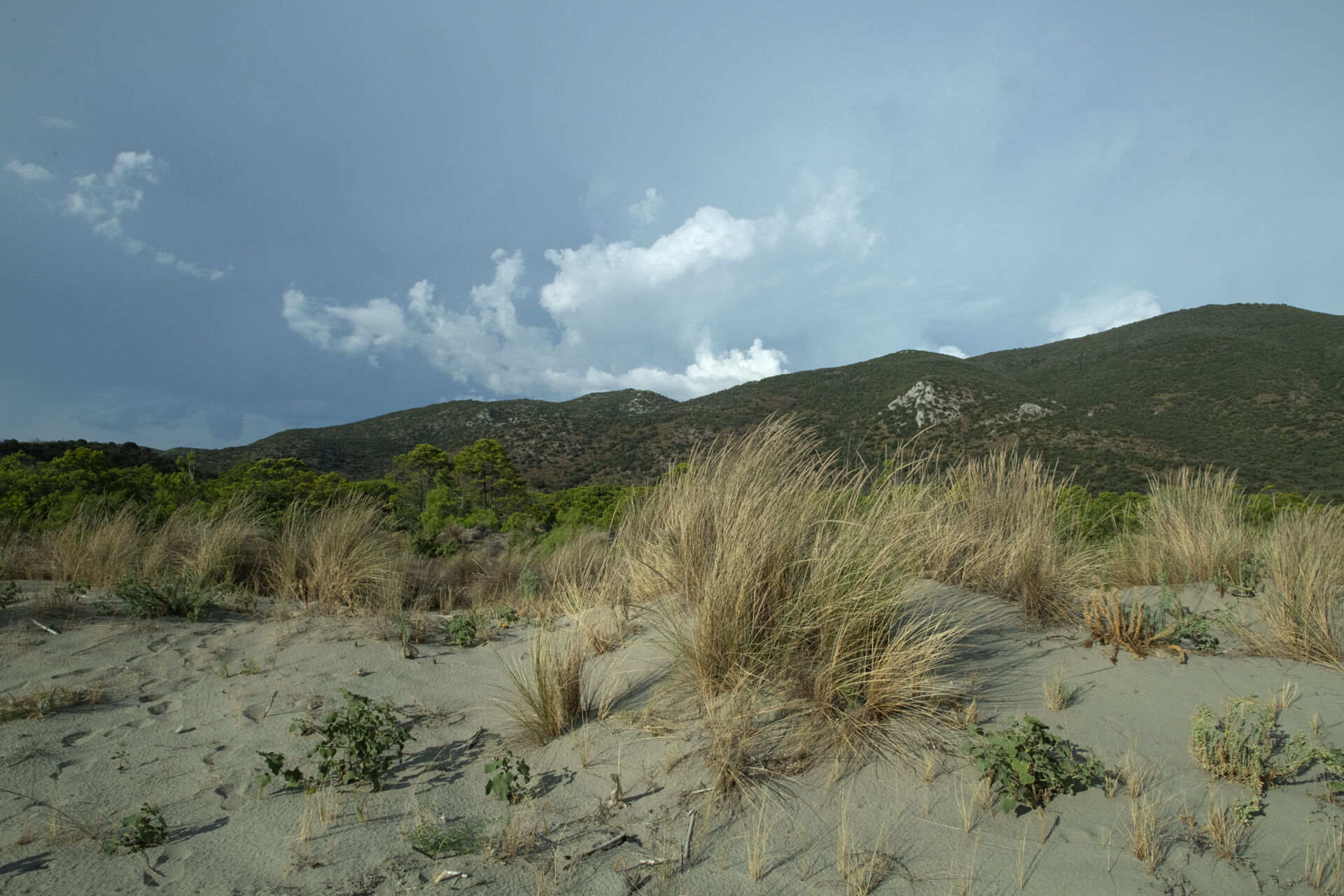
Specifically, dune formation is linked to the presence of pioneer species, including plants of the Ammophila arenaria species. These help the initial sand deposits to accumulate, even very close to the shoreline.
Ammophila is a genus of plants of the Graminaceous family typically found on sandy shorelines, especially in the Mediterranean basin and on the Atlantic coasts of France and Spain.
Ammophila arenaria, an emblematic dune species, is only found to a limited extent in the Po Delta in the Province of Ferrara due to degradation of its dune ecosystems.
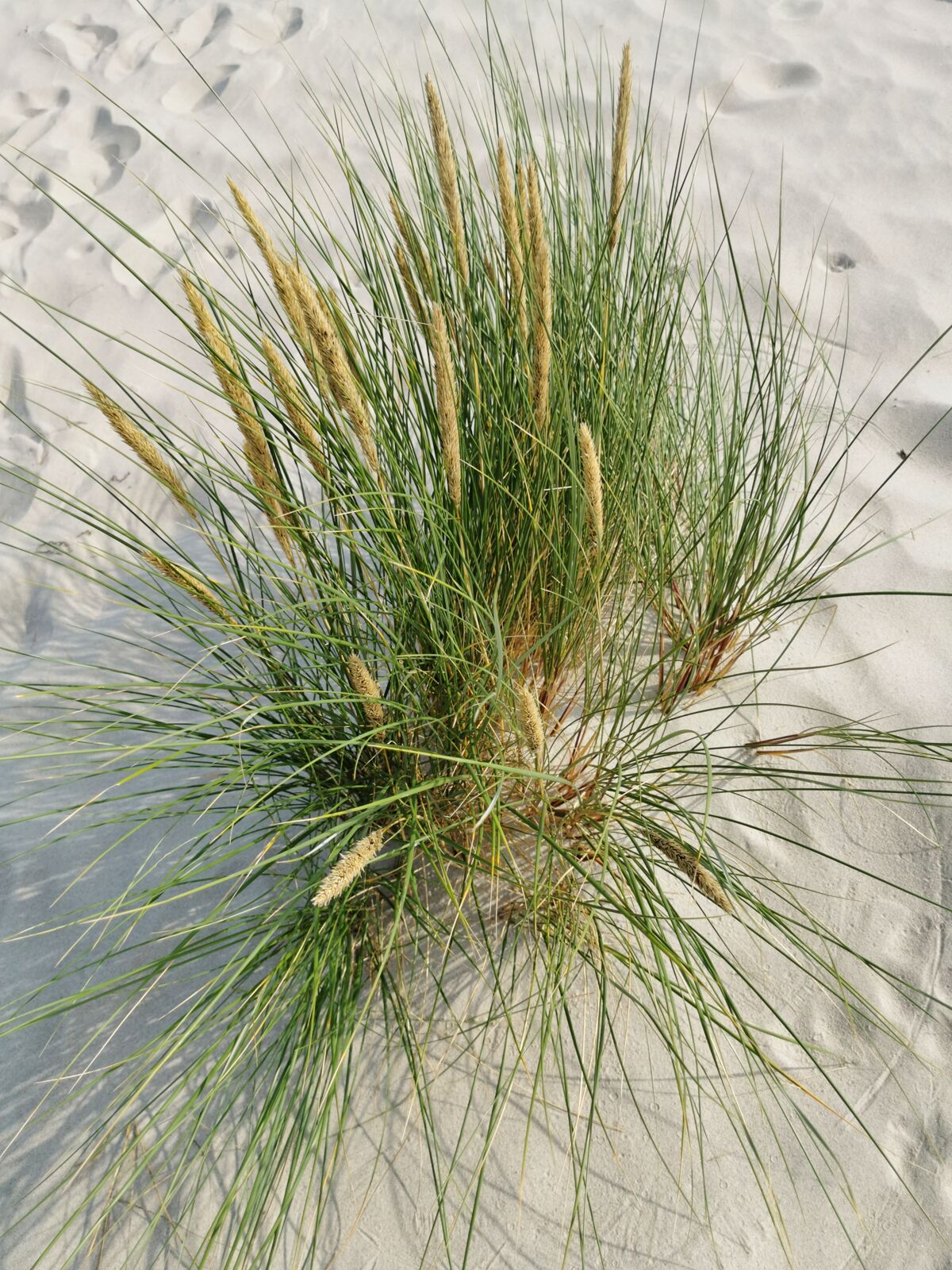
Ammophila arenaria
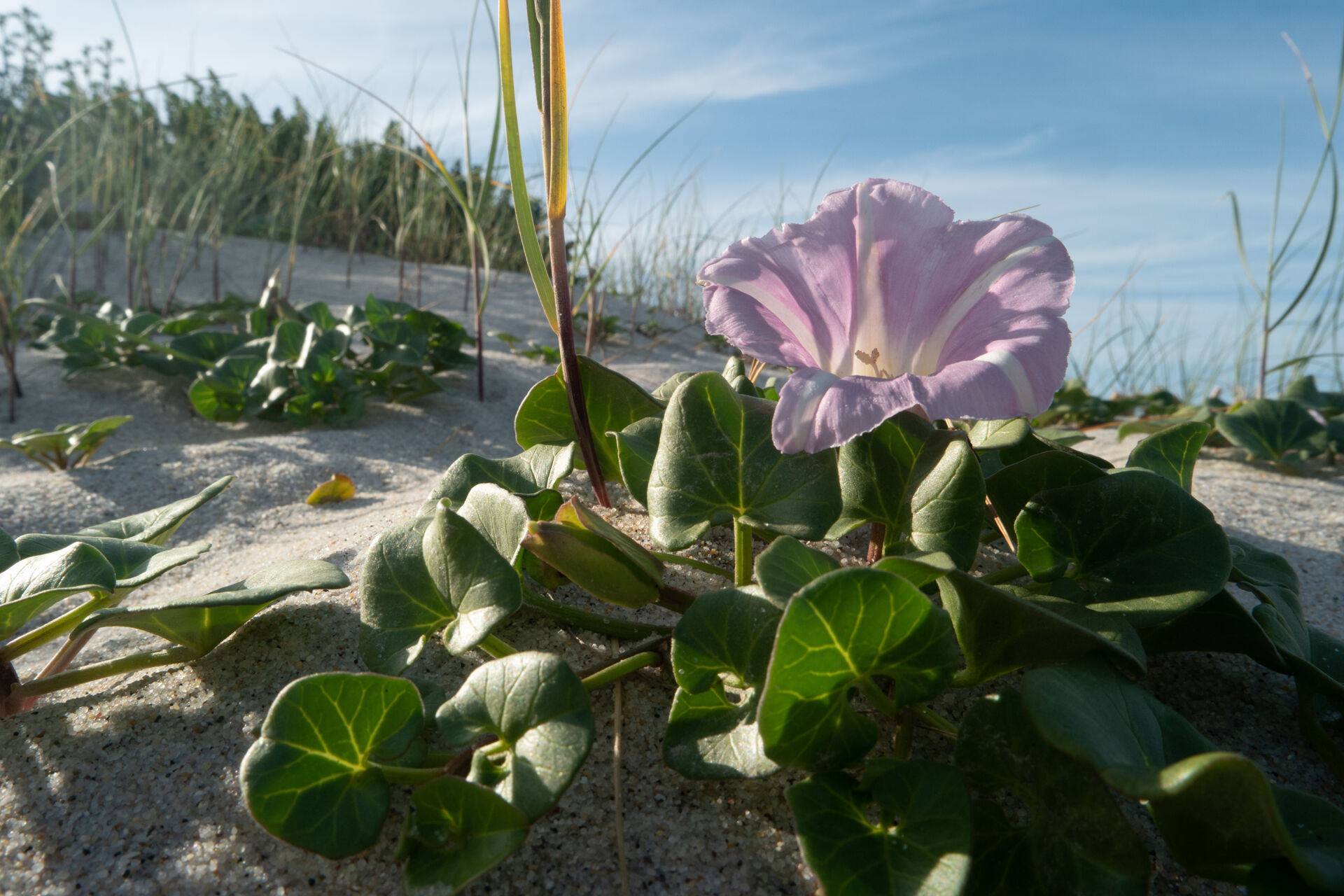
Sea bindweed (Convolvulus soldanella)
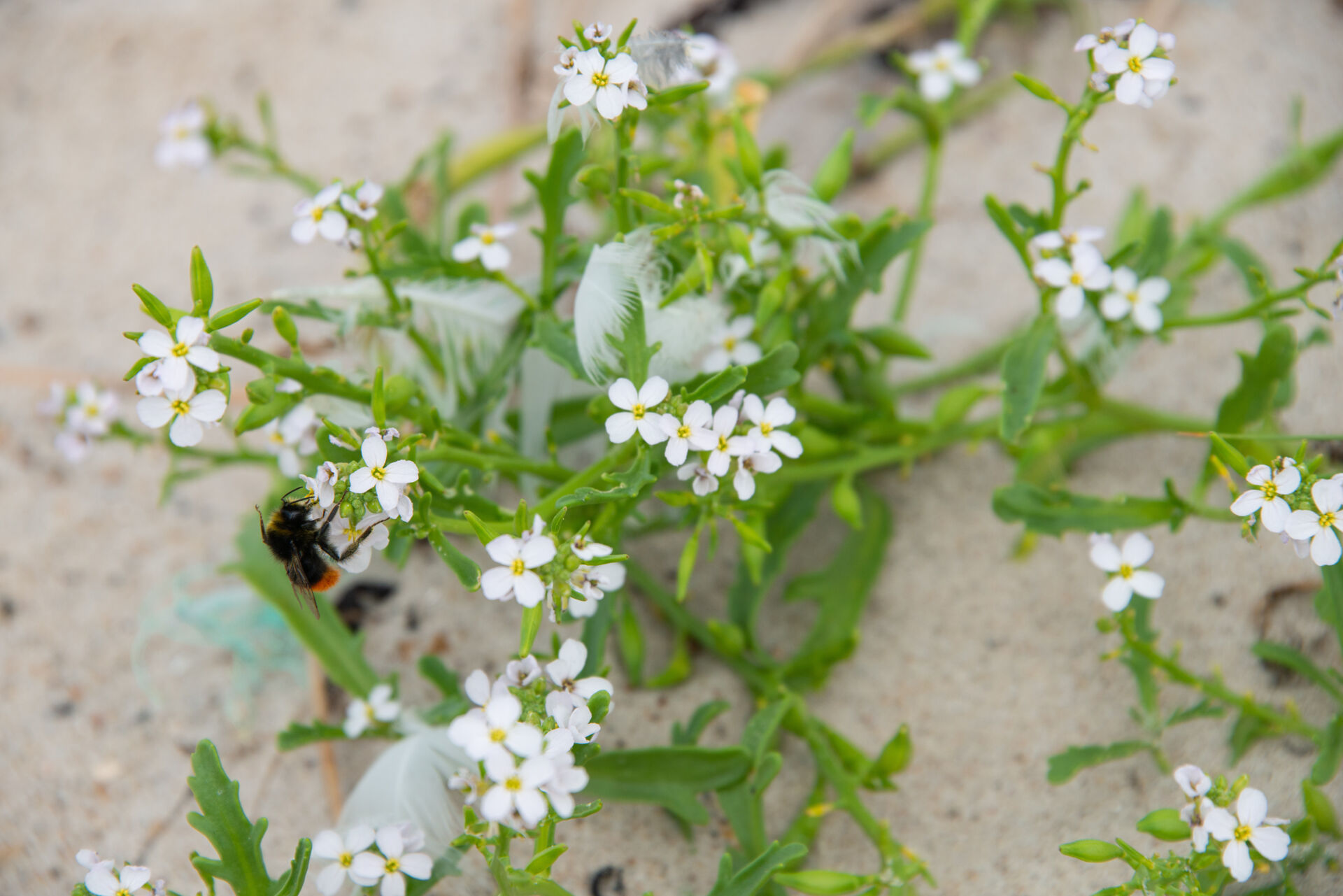
homydesign | Rights reserved | Adobe StockEuropean searocket (Cakile maritima), sand couch-grass (Thinopyrum junceum) and sea bindweed (Convolvulus soldanella) are all commonly found on the sandy strands and dunes of the Ferrara Po Delta, together with rare examples of the sea daffodil (Pancratium maritimum).
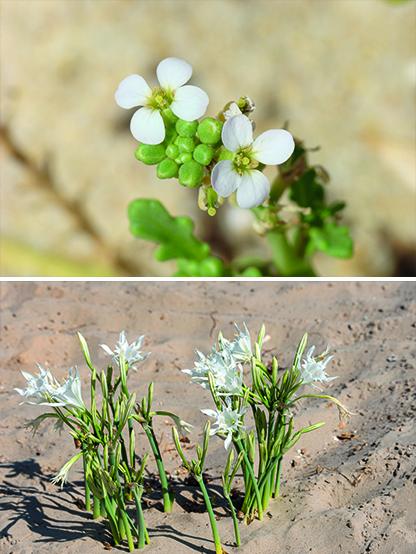
European searocket (Cakile maritima) and Sea daffodil (Pancratium maritimum)
Conservation of vegetation in dune environments
Lisa Brancaleoni (University of Ferrara) speaks about the dune environments typical of the Po delta.
She explains that ‘native’ species are plants and animals that have always lived in a given geographical area and that when, on the other hand, a species becomes alien or foreign to the flora of a given area, we can call it exotic or ‘allochthonous’.
She mentions the 2002 Global Strategy for Plant Conservation, which recognises the importance of plants in biodiversity. In other words, plants are seen as the basis for all other types of biodiversity, on which human life also depends.
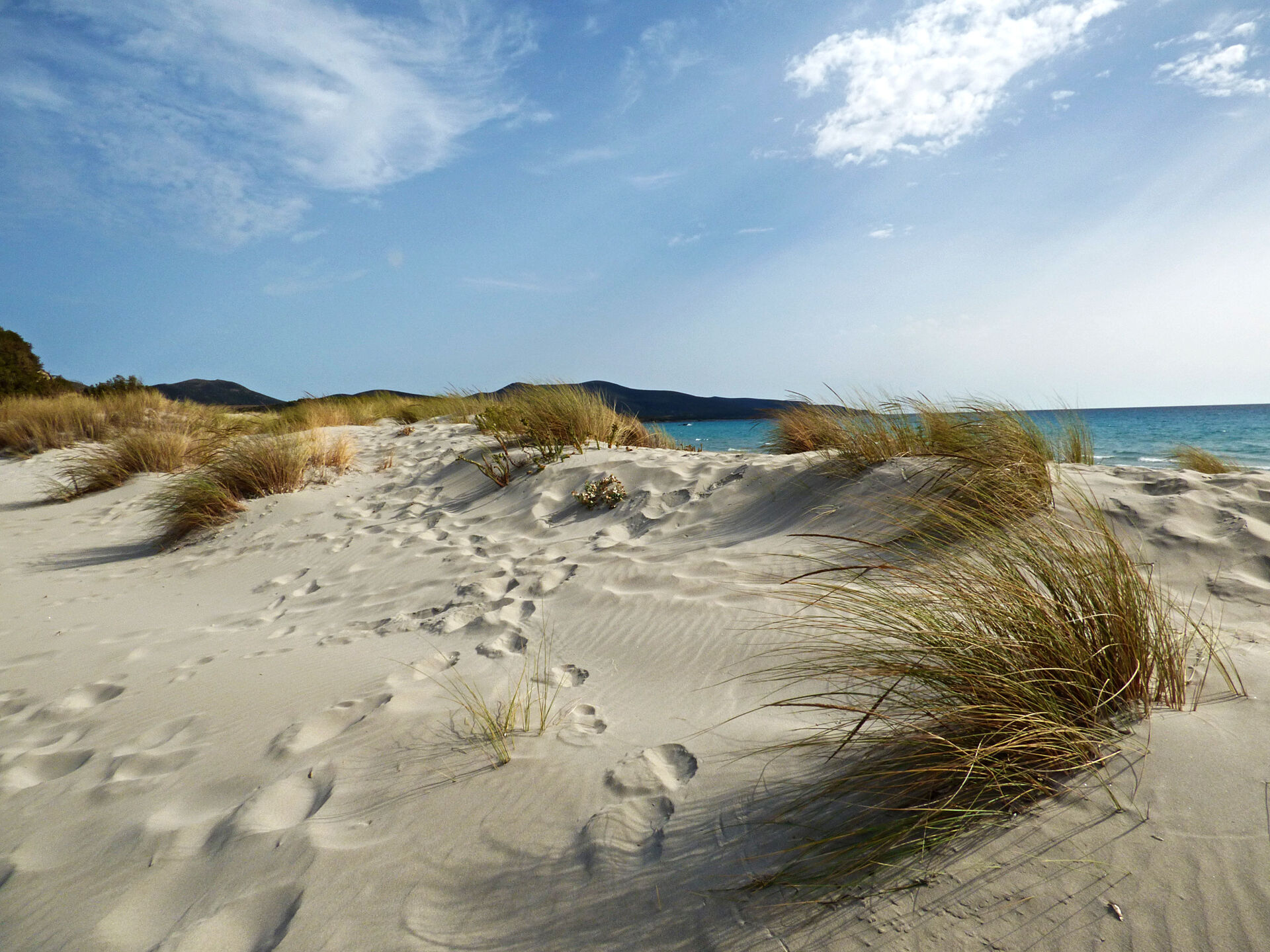
Coastal dune with vegetation
Roberto | Rights reserved | Adobe StockCoastal systems are home to a wealth of bird species, notably the Kentish plover (Charadrius alexandrinus). Wildlife in dune environments is normally characterised by a high degree of specialisation.
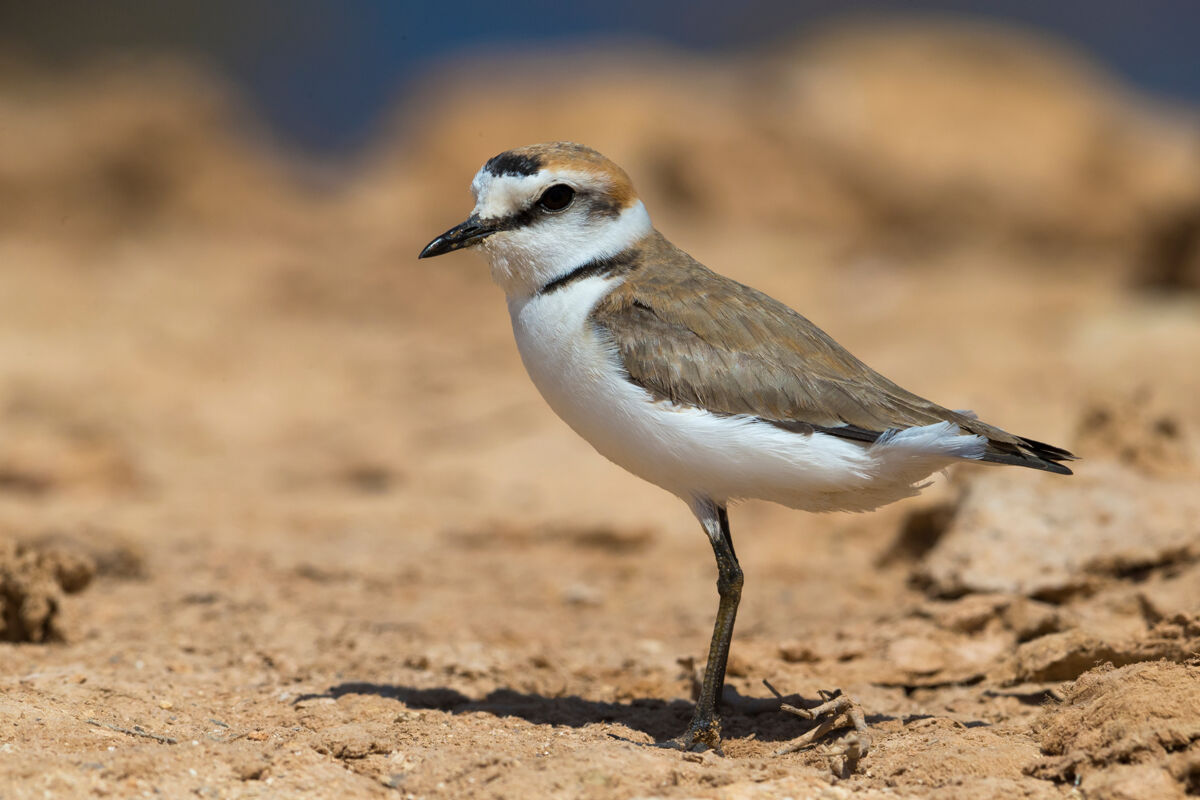
Kentish plover (Charadrius alexandrinus)
This is due to the extreme conditions typically found in dune environments, in other words environmental limiting factors such as lack of water and nutrients, the high temperature sometimes reached by the upper layers of sand and the phenomenon of saline seawater intrusion.
Species tend to be more varied and numbers greater for smaller animals, which are less affected by environmental limiting factors and are therefore known as eremic organisms, in other words commonly found in deserts.
Examples include gastropods of the Xerosecta genus, arachnids, small crustaceans, chilopods, and moths such as Zygaena orana.
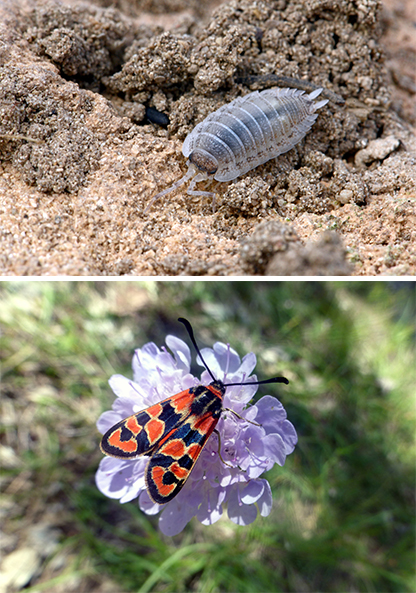
Isopod of the Porcellio genus and The Zygaena orana moth
Dune management
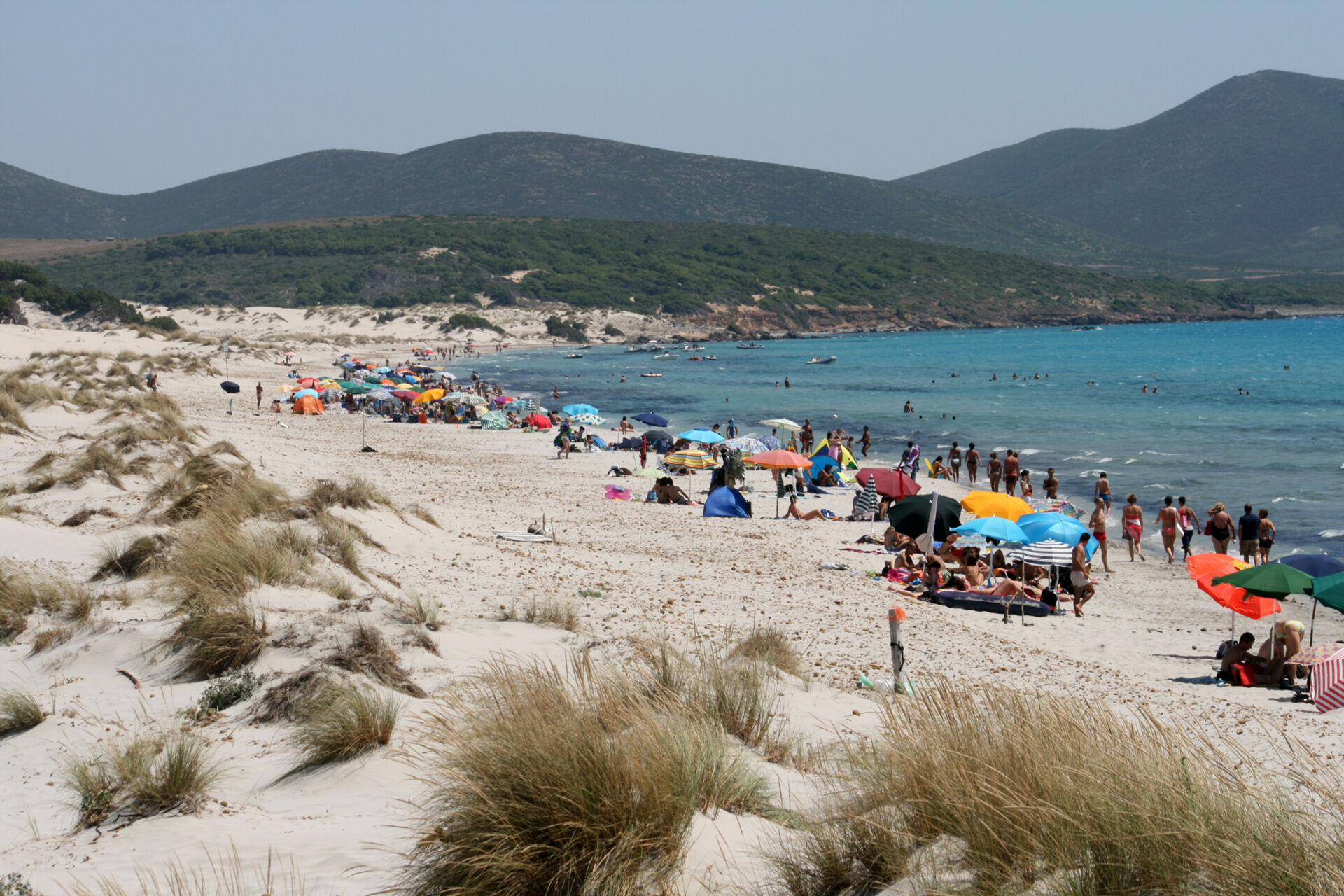
Bathing at Portopino
Morenovel | Rights reserved | Adobe StockDunes are found worldwide and have an essential ecological role in the coastal environment. Apart from hosting ecosystems of great interest, they protect the coastline and wetlands from the action of the sea, also acting as sand reservoirs after storm surges have depleted the beaches.
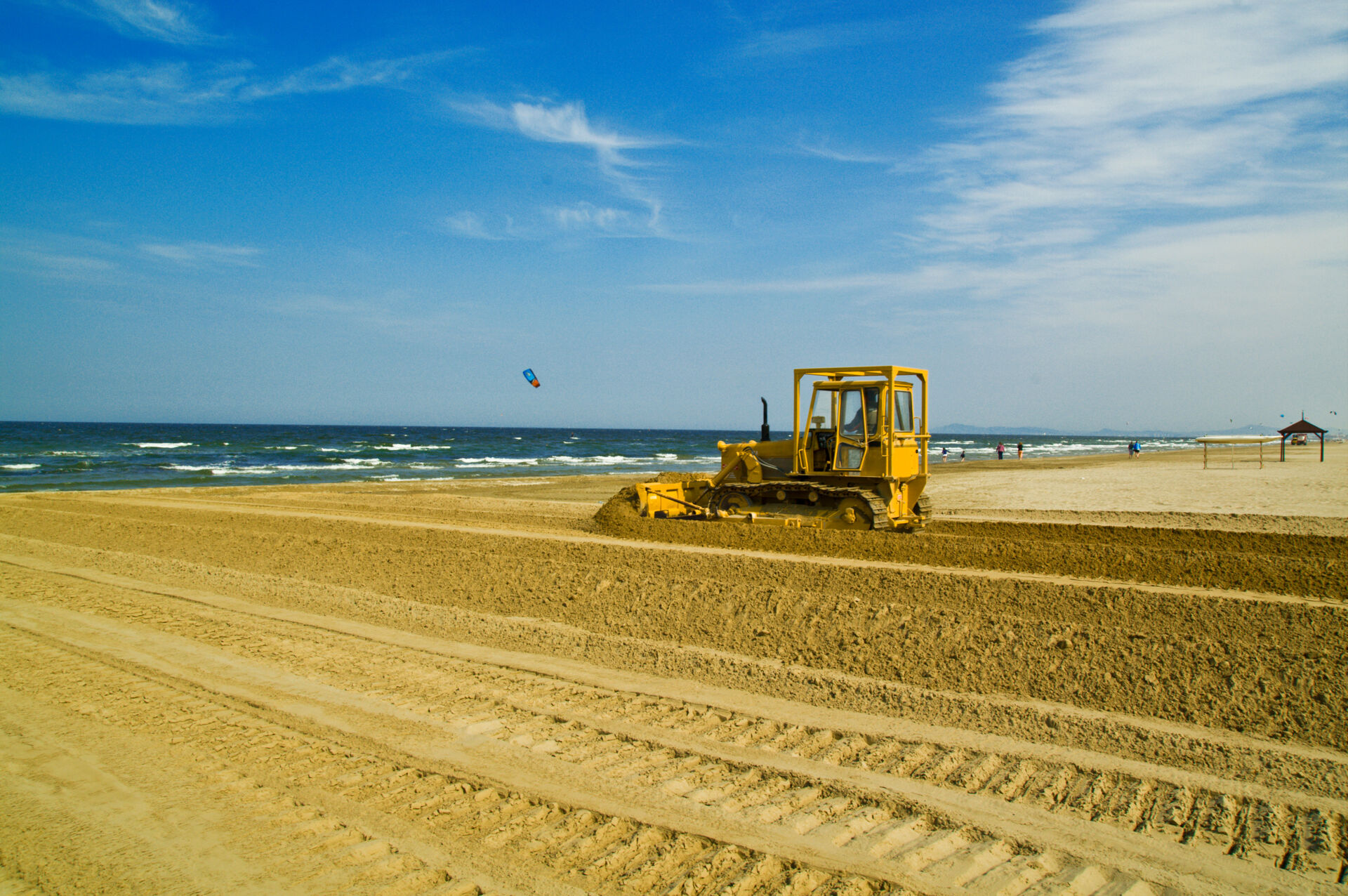
Bulldozer at work on a bathing beach
Orlando Bellini | Rights reserved | Adobe StockCoastal dune ecosystems have, however, been substantially reduced even compared to the recent past due to human activities and progressive erosion of the shoreline, and their existence is under threat.
Among the reasons for the disruption and removal of dune ecosystems is the increase in built-up areas and tourist facilities along the coast, as well as the severe impact of mechanical cleaning of strands aimed at rendering beaches more pleasant and attractive to tourists.
According to ISPRA (the Italian Institute for Environmental Protection and Research), human action during the last two decades has led to an overall loss of 5 km of natural coastline per year, with 13% of the Italian coastline currently built-over.
Apart from their great ecological value, dunes are also of considerable economic importance to coastal areas. This is because they protect the coast from the action of the sea and act as a source of sand to replenish beaches suffering erosion.
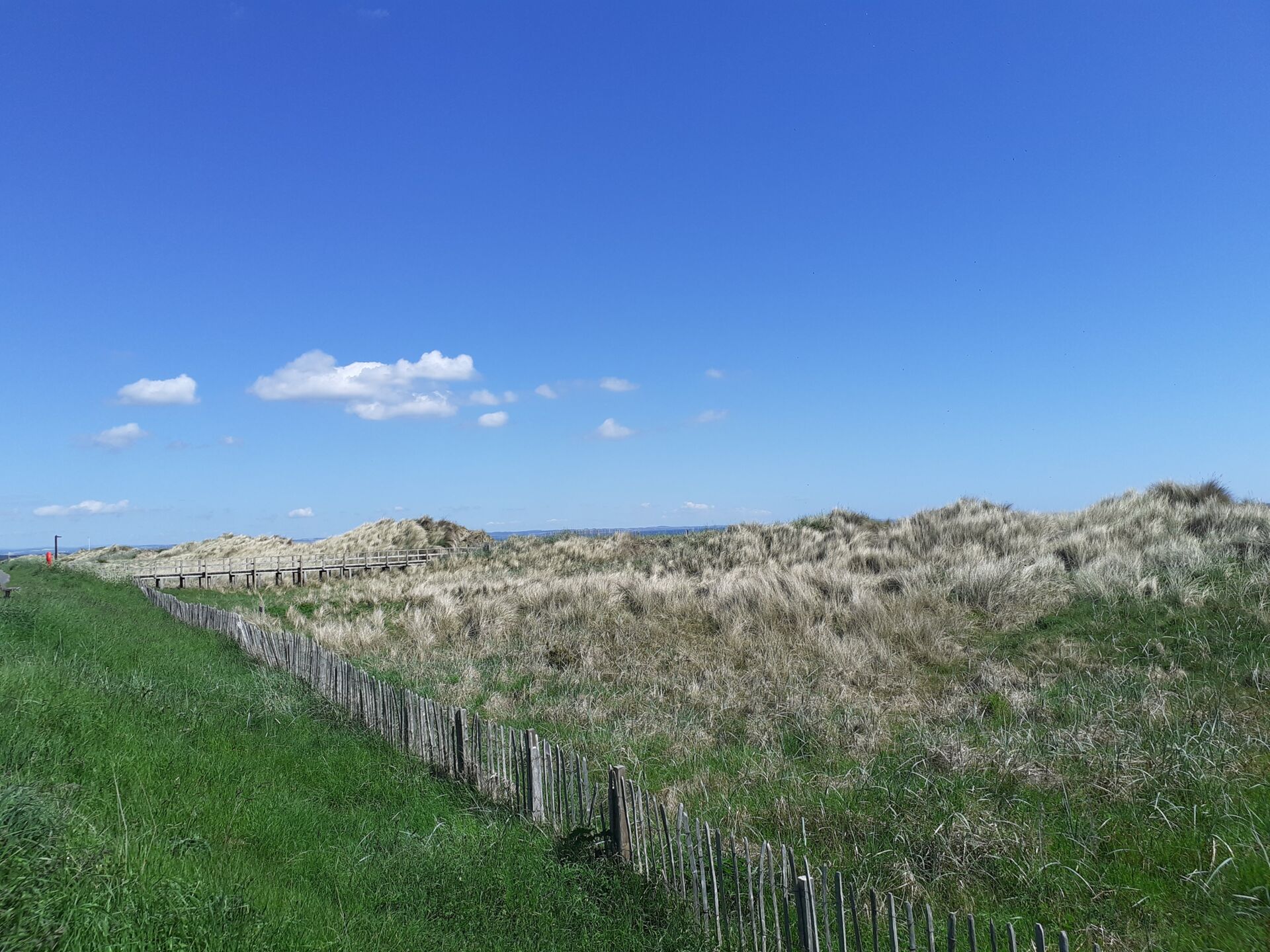
West Sands beach, St Andrews, Scotland
Michela Leonardi | Rights reservedSustainable management and enhancement of dune ecosystems is both necessary and feasible.
An example of this can be seen in the wooden walkways built in Scotland to avoid walking on the dunes and to allow the large numbers of tourists arriving access to the beaches, thus ensuring survival and protection of bird species.
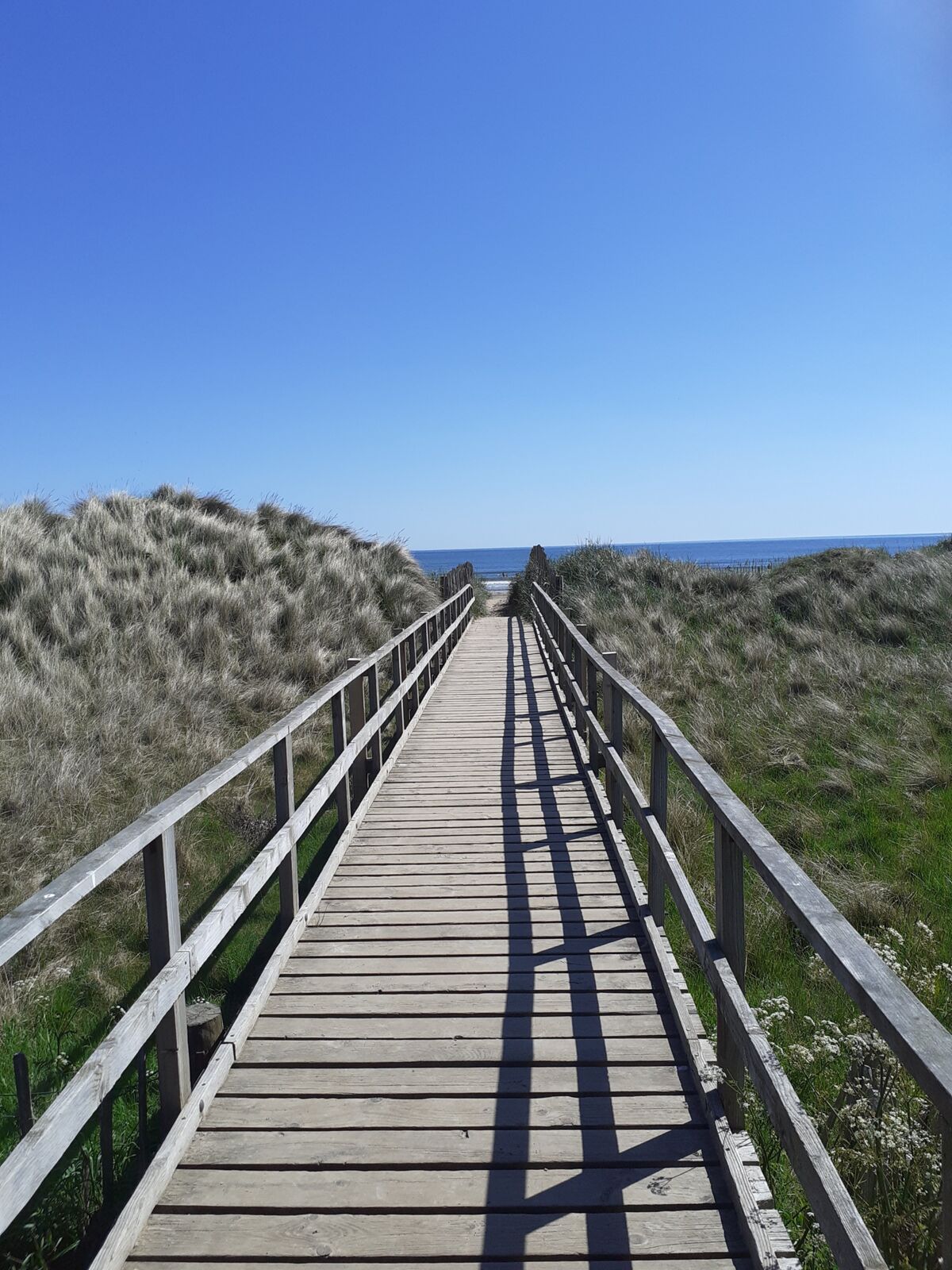
West Sands beach, St Andrews, Scotland
Lagoon salt marshes: an environmental treasure to discover and protect
Laura Airoldi (University di Padua) explains how salt marshes are a typical habitat of the Po Delta area, as well as of all Italian and Mediterranean coastal lagoon environments in general.
These are flat areas lying between the land and sea that are strongly influenced by the action of the tides.
Salt marshes, she tells us, are such valuable ecosystems because they provide essential ecosystem services, making them priority areas from a conservation point of view.
Apart from conservation work, she also mentions the great efforts made in recent years to restore some of these ecosystems (including the Venice lagoon) that have been damaged or lost over time.
Neptune grass
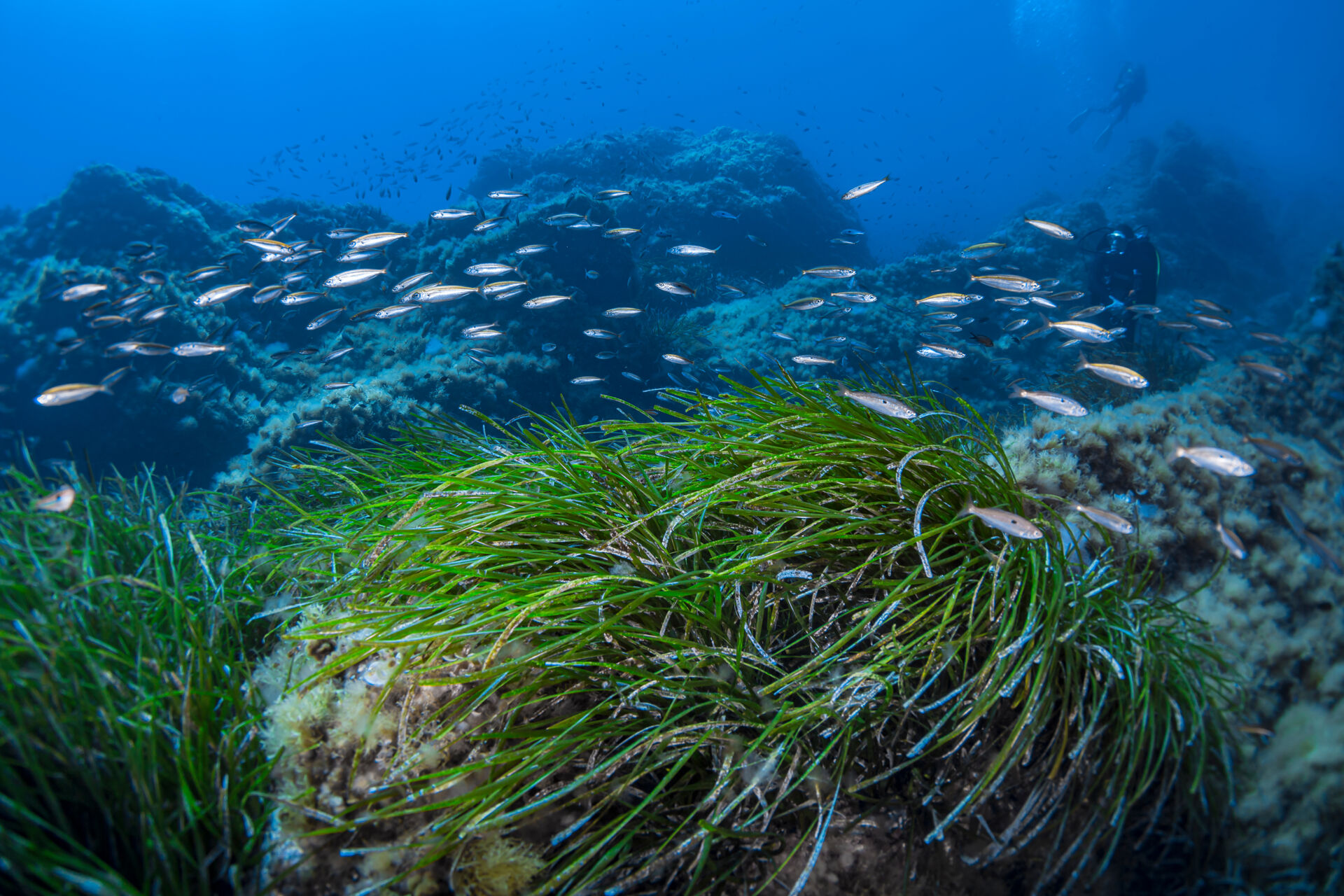
Posidonia oceanica
Vincent Pommeyrol | Rights reserved | Adobe StockIn the aquatic environment, Posidonia oceanica extends its rule over much the sandy Mediterranean coastal seabed.
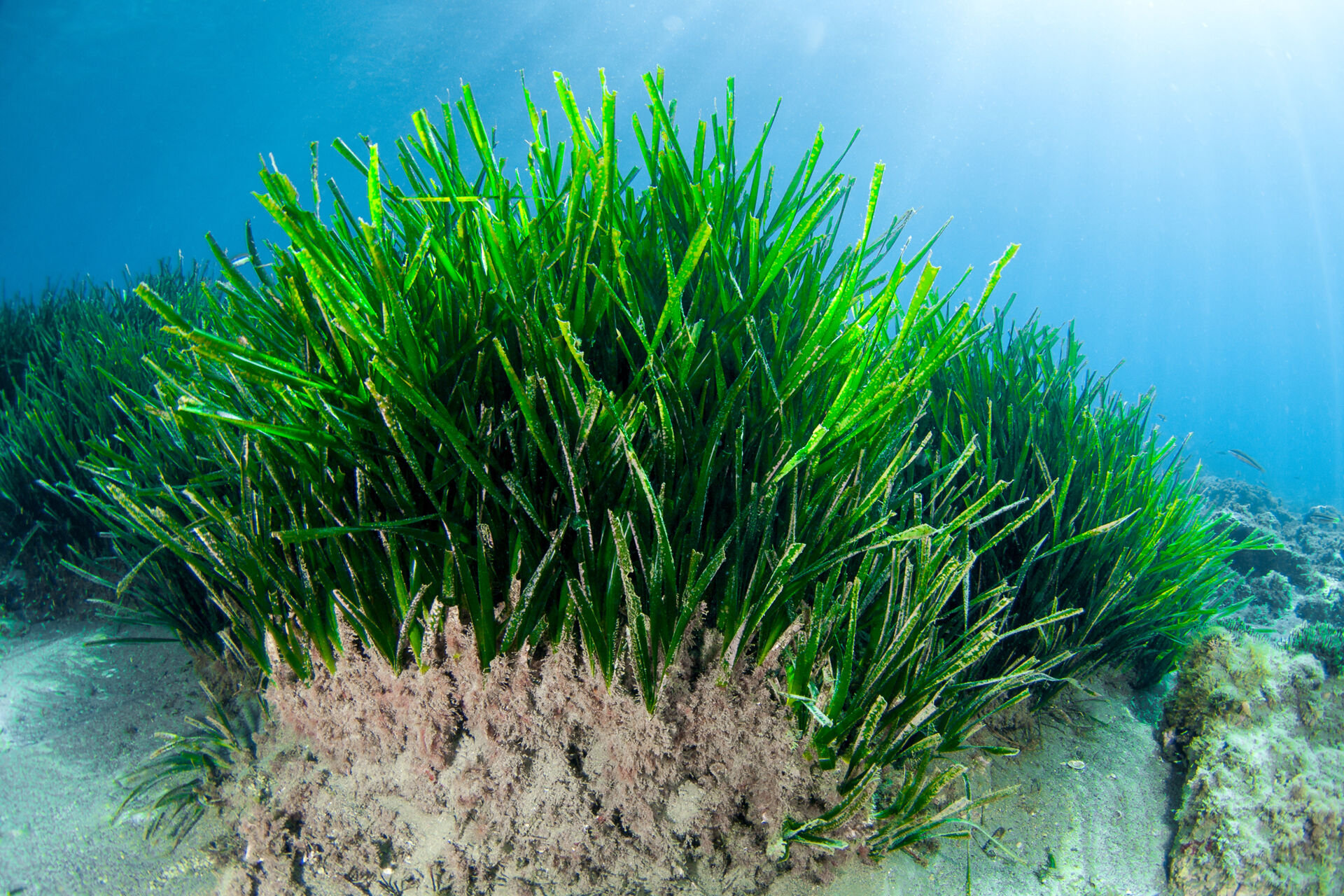
Posidonia oceanica
A. Martin UWphoto | Rights reserved | Adobe StockOften confused with an alga, Posidonia oceanica is in fact a vascular plant. Unlike algae, which have no vascular system, Neptune grass is equipped with roots, rhizomes and leaves and can produce flowers and fruit with seeds.
Endemic in the Mediterranean, this species plays a key role in conserving coastal biodiversity and stability. It is protected as a priority habitat under the EU’s Habitats Directive.
Posidonia oceanica
Although it also grows on rocky or detritic beds, Neptune grass prefers mobile substrates, such as more or less fine-grained sand, sometimes mixed with mud.
It is also a plant that needs a lot of light, and so water transparency and depth are limiting factors for its development and growth.
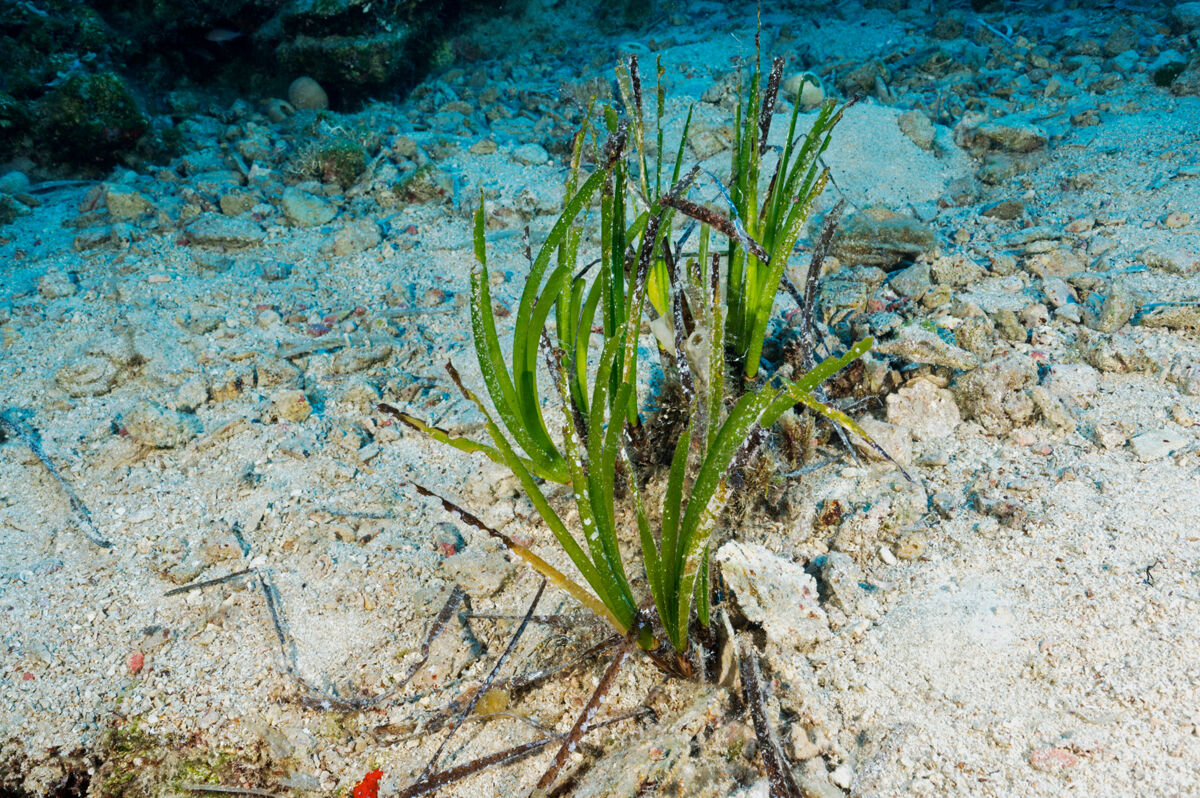
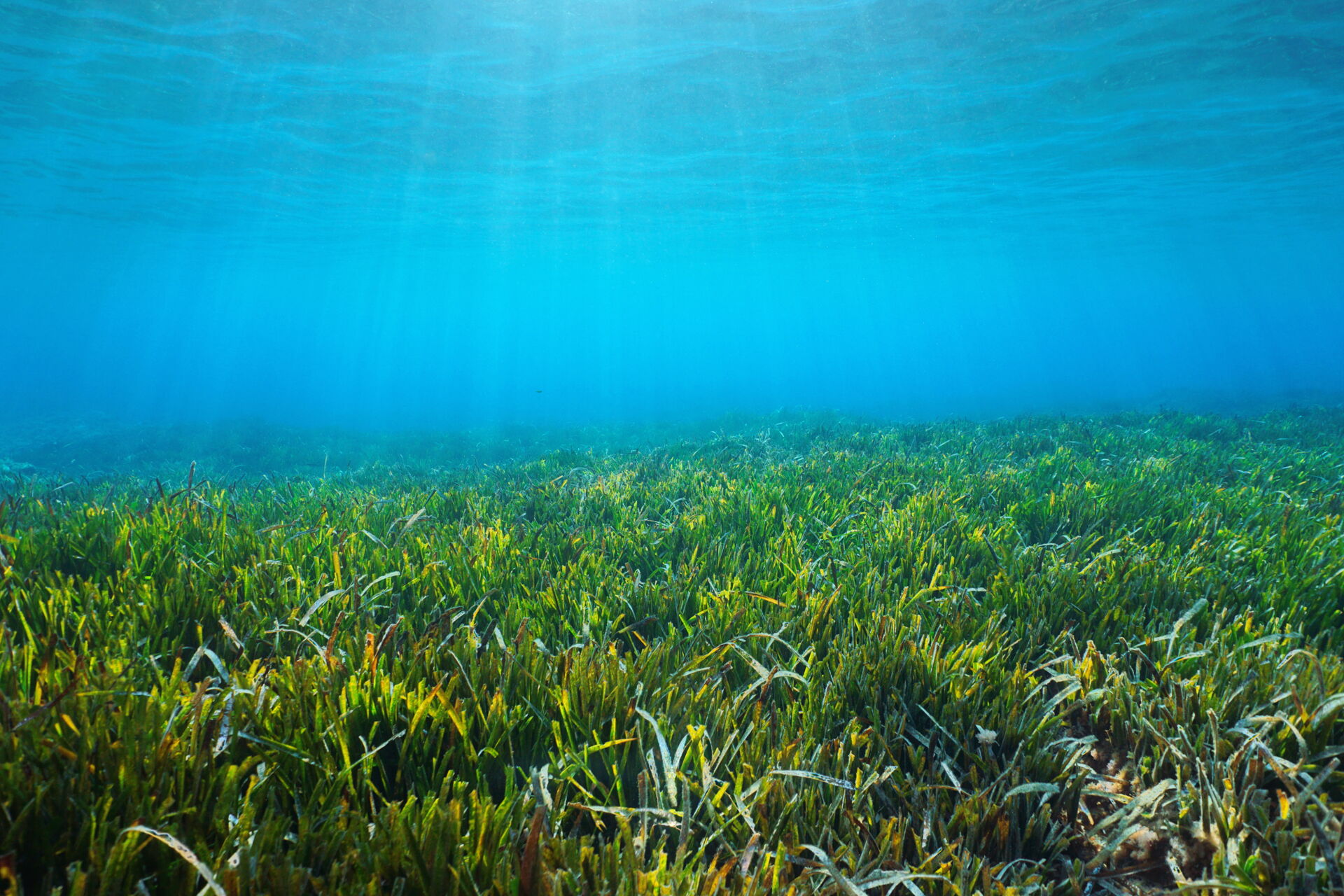
Meadows of Posidonia oceanica
damedias | Rights reserved | Adobe StockWhen it finds suitable conditions, Posidonia oceanica colonises vast areas of the seabed, forming wide expanses known as meadows, which tend to become sparser with depth. Meadows extend from the surface down to a depth of 30-35 metres, even reaching 40 metres in particularly clear waters.
The important role played by Posidonia oceanica meadows in removing CO2 from the sea and acting as a ‘refuge’ for several animal species far outweighs the actual surface area occupied by the plant, which plays a key role in the overall economy of coastal areas.
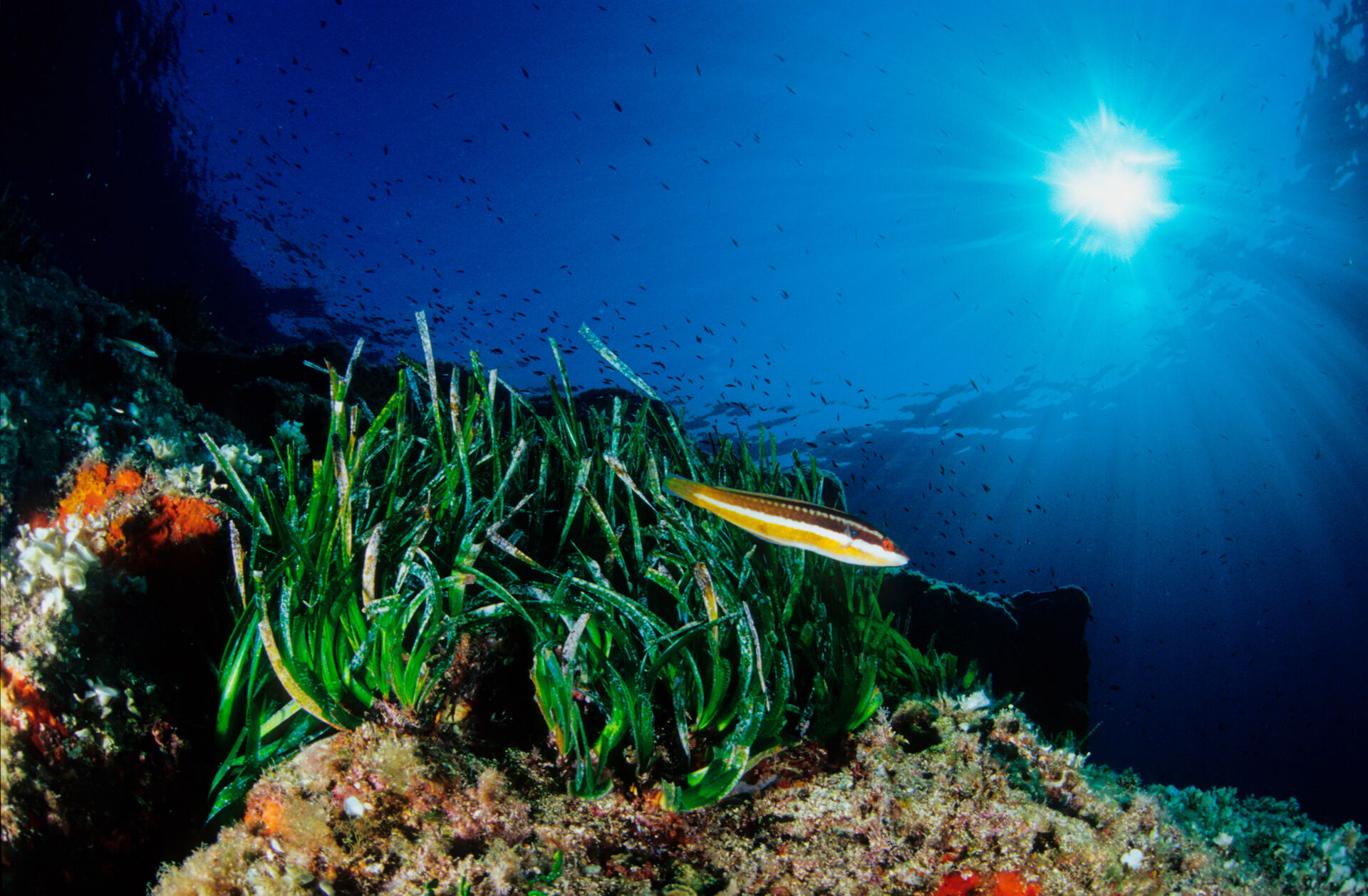
Posidonia oceanica
PIXATERRA | Rights reserved | Adobe StockA typical feature of Neptune grass is the development of a dense network of rhizomes that develop both horizontally and vertically.
The horizontally growing ‘plagiotropic’ rhizomes are used to anchor the plant to the substrate, thanks to the presence of roots at the bottom of the plant, thus allowing colonisation of new areas. The ‘orthotropic’ rhizomes, on the other hand, grow vertically and prevent the silting that would otherwise occur from continuous sand sedimentation.
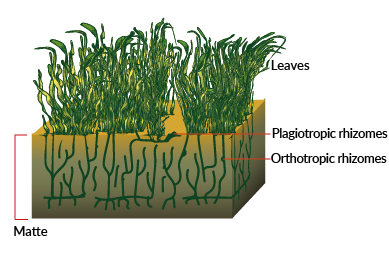
Illustration of Posidonia showing the vertical and horizontal arrangement of its rhizomes in sandy soil to form mats, and the leaves standing upright above them.
This vertical growth gradually raises areas of the seabed, leading to the appearance of distinctive bioconstructions known as ‘mattes’, over which green leaf bundles develop.
Expansion of Posidonia oceanica meadows is ensured in particular by the plant’s asexual reproduction strategy, which disperses rhizome fragments that grow horizontally by developing branches.
Neptune grass also uses sexual reproduction through its flowers and fruits.
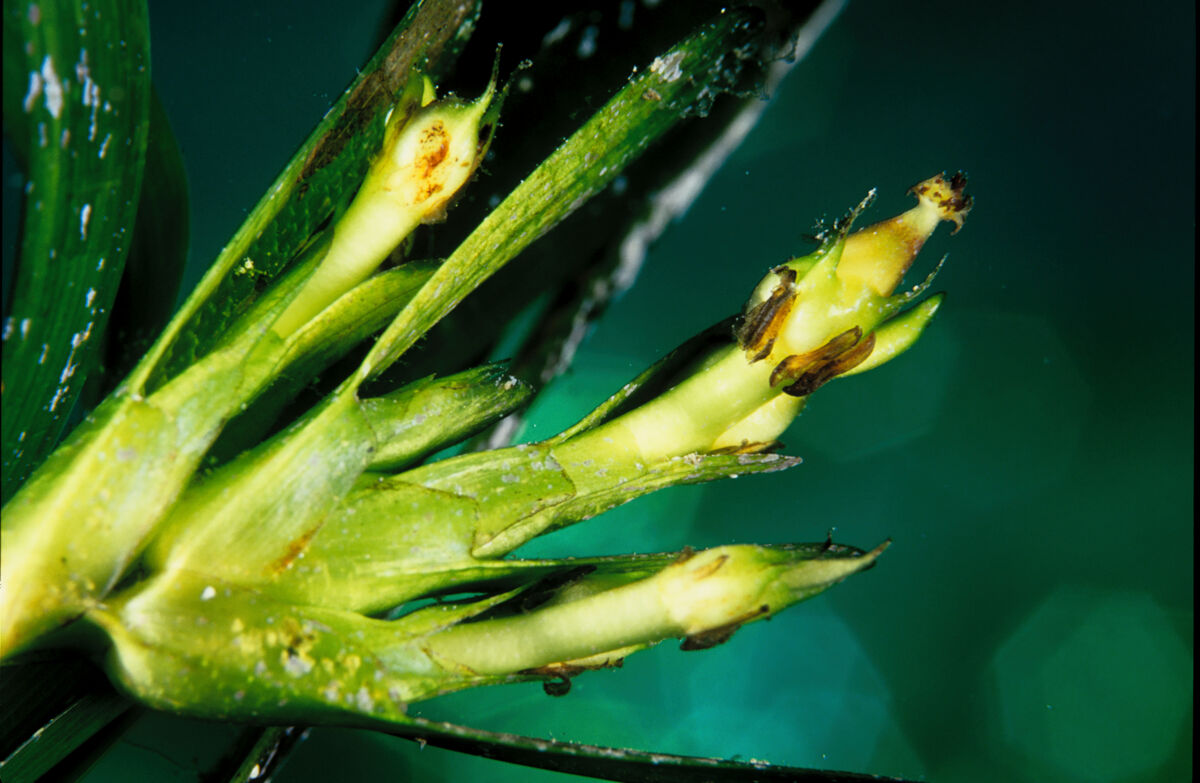
Posidonia oceanica flowers
Its fruit, also known as ‘sea olives’, separate from the plant once mature and float, thus ensuring seed dispersion while also fostering increased genetic variability and colonisation of new areas.
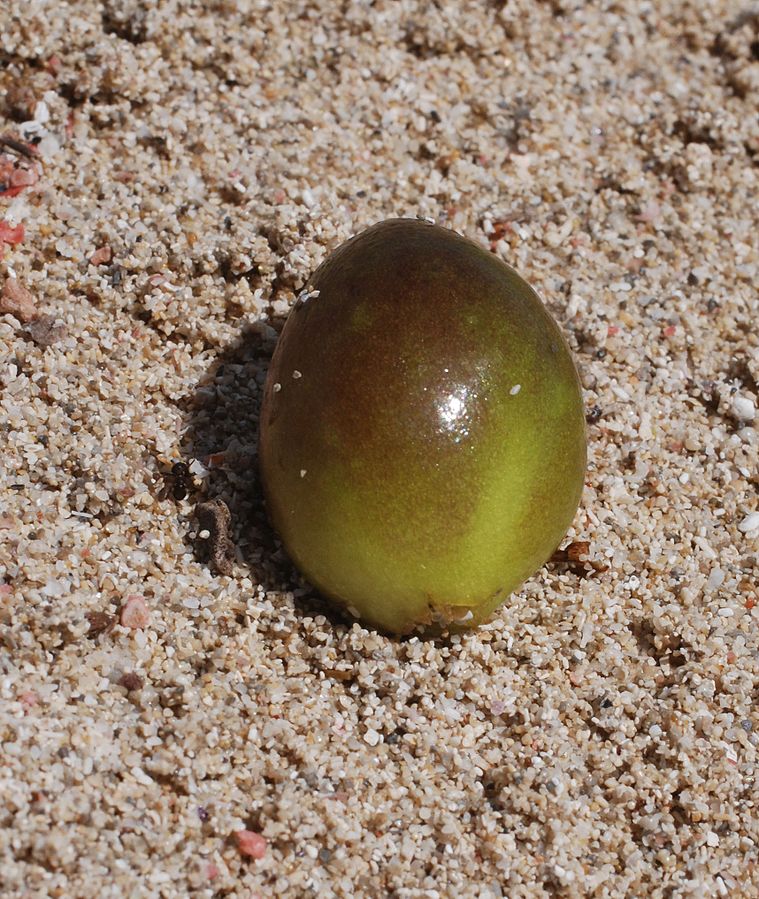
Posidonia oceanica fruit
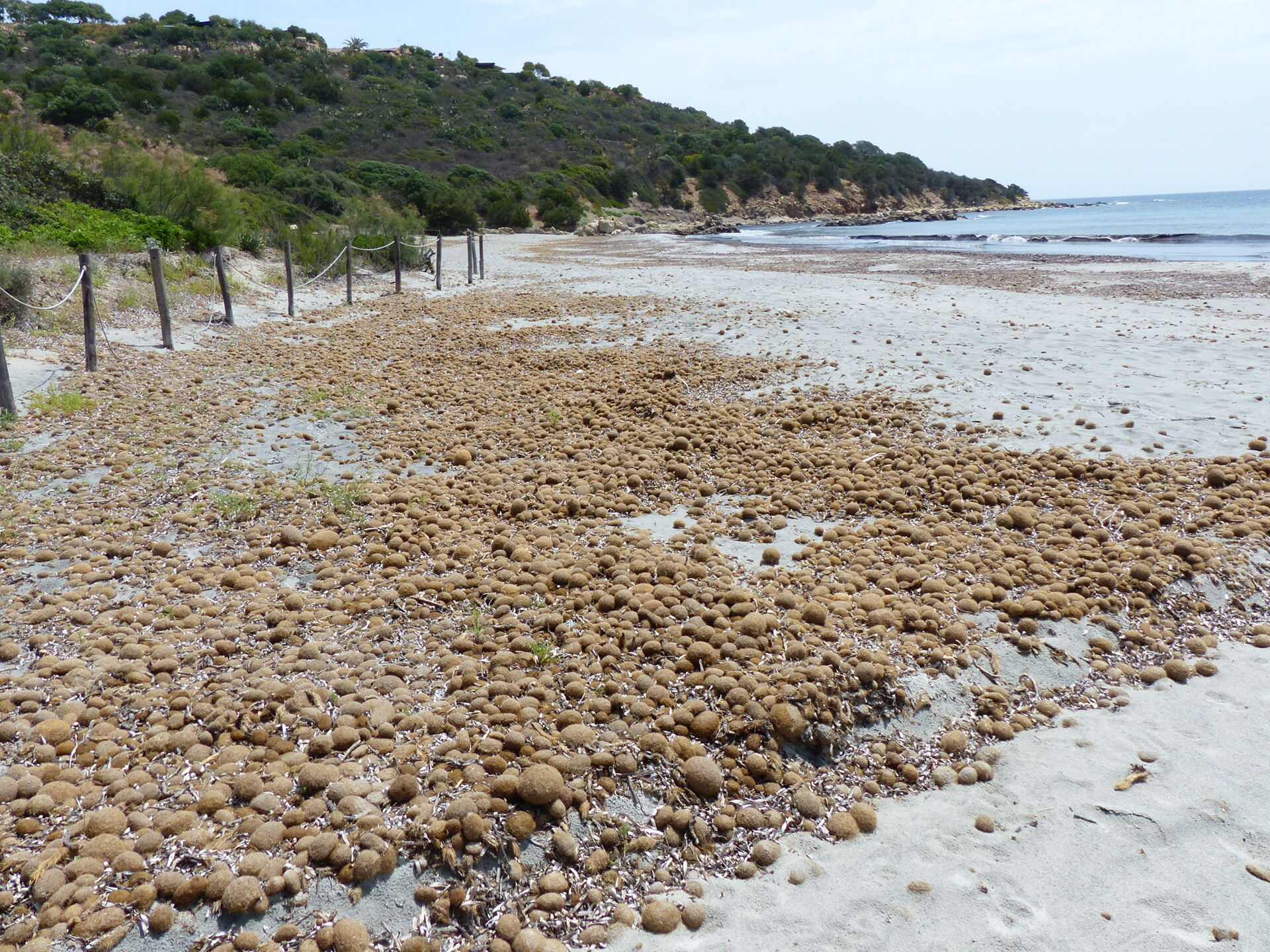
Municipality of Villasimius, Is Traias beach, Sardinia
Andrea Moro | CC BY-SA 4.0 | Portale della Flora di RomaAs the living parts of the plant grow and renew, Neptune grass meadows release organic material that is washed onto the shoreline by the tide, where it accumulates. This material forms ‘sea balls’ (Aegagropiles) and heaps known as ‘banquettes’.
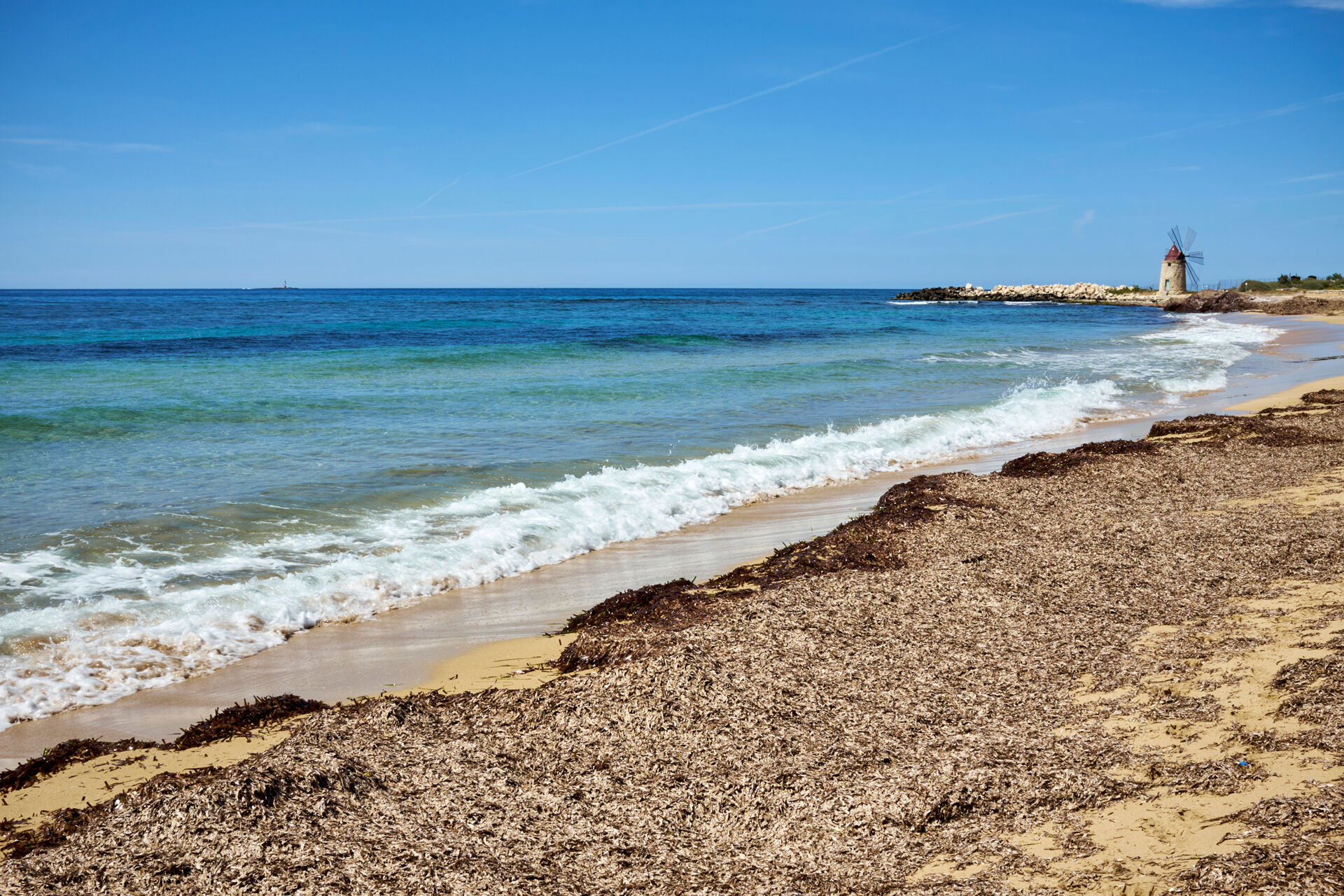
Banquette in Trapani
Z O N A B I A N C A | Rights reserved | Adobe StockBanquettes are layered deposits of dead leaves washed up on the beaches by storm surges, where they can form large mounds sometimes several metres high.
Aegagropiles, or ‘sea balls’, on the other hand, are aggregations of rhizome fibres shaped by the action of the waves.
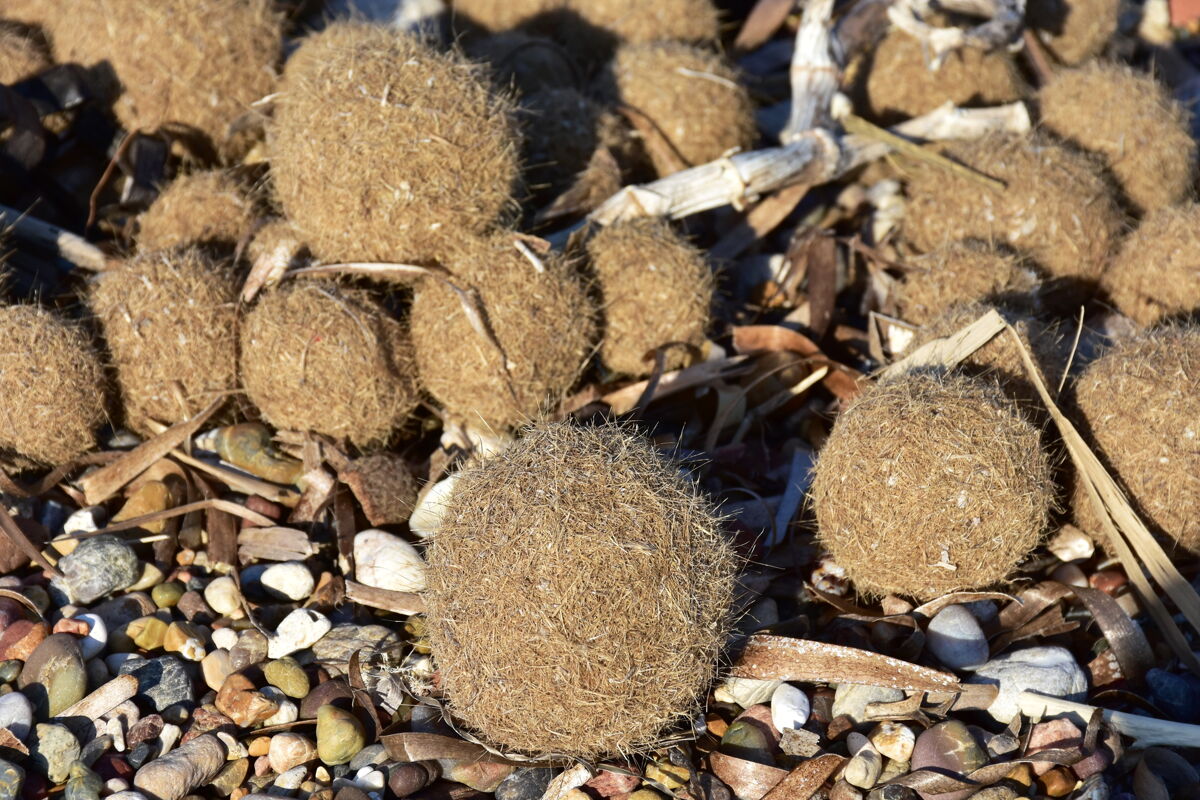
Aegagropila
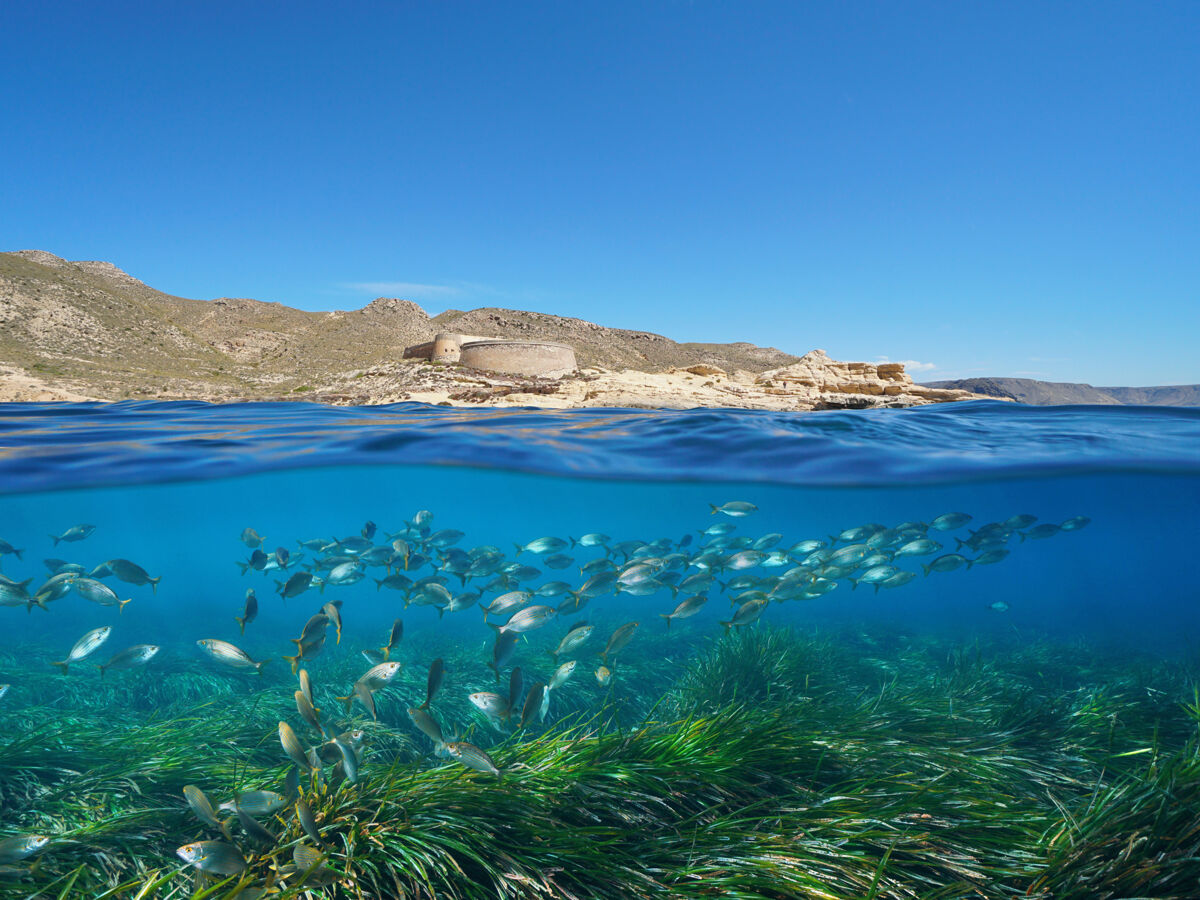
Both mattes and banquettes have the important function of compacting the substrate and protecting the seabed from wave erosion.
Coastal dunes and Neptune grass meadows therefore together form a perfect team, strengthening coastal stability while promoting the balance of marine-coastal ecosystems.
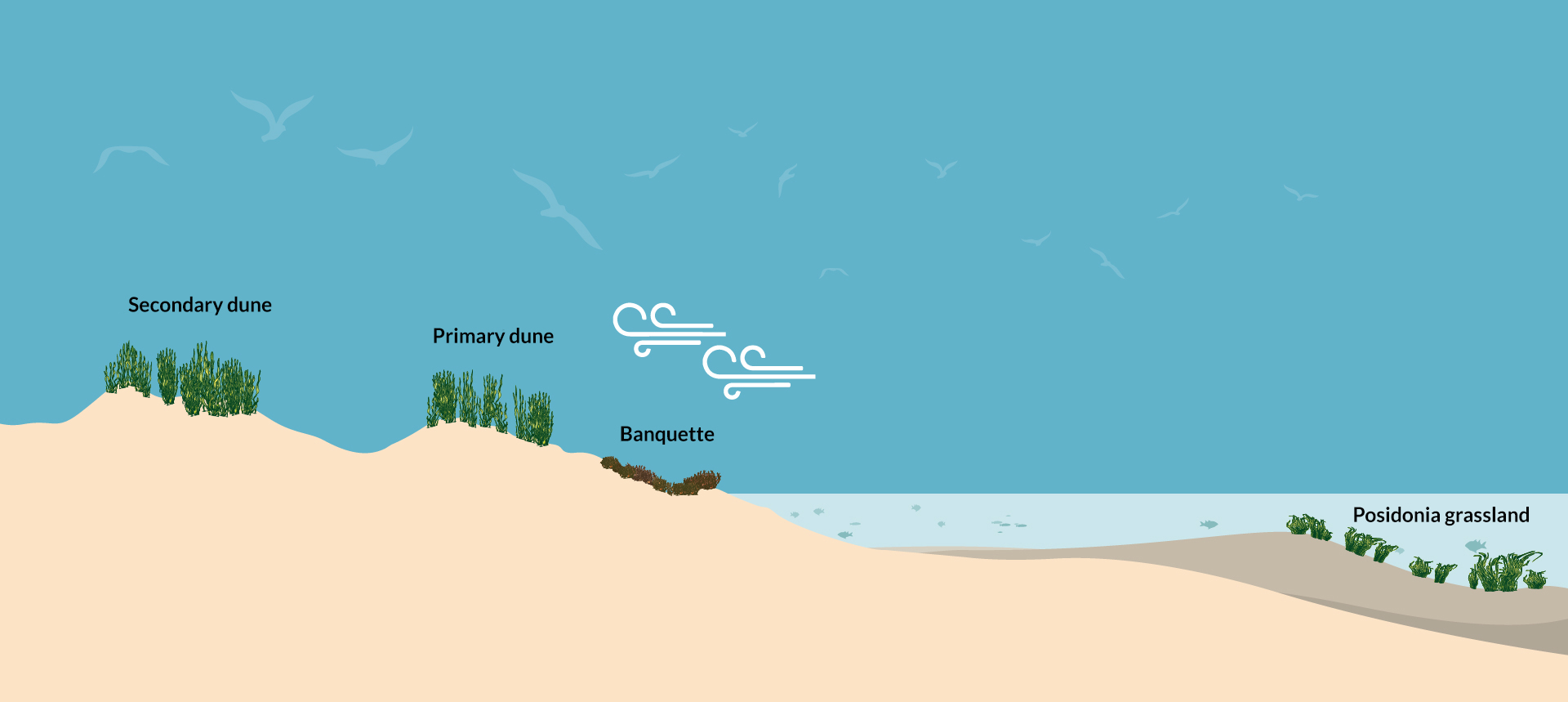
Illustration of the marine-coastal ecosystem profile. The aquatic habitat is dominated by the Posidonia meadows; moving towards the hinterland, you pass to the emerged area, crossing the sandy strip characterized by banquette, the deposits of dead Posidonia leaves; this is followed by the primary dune habitat, where the vegetation is still reduced making the dune more unstable under the action of the wind; ending with the habitat of the secondary dune more stable, with greater vegetation cover.
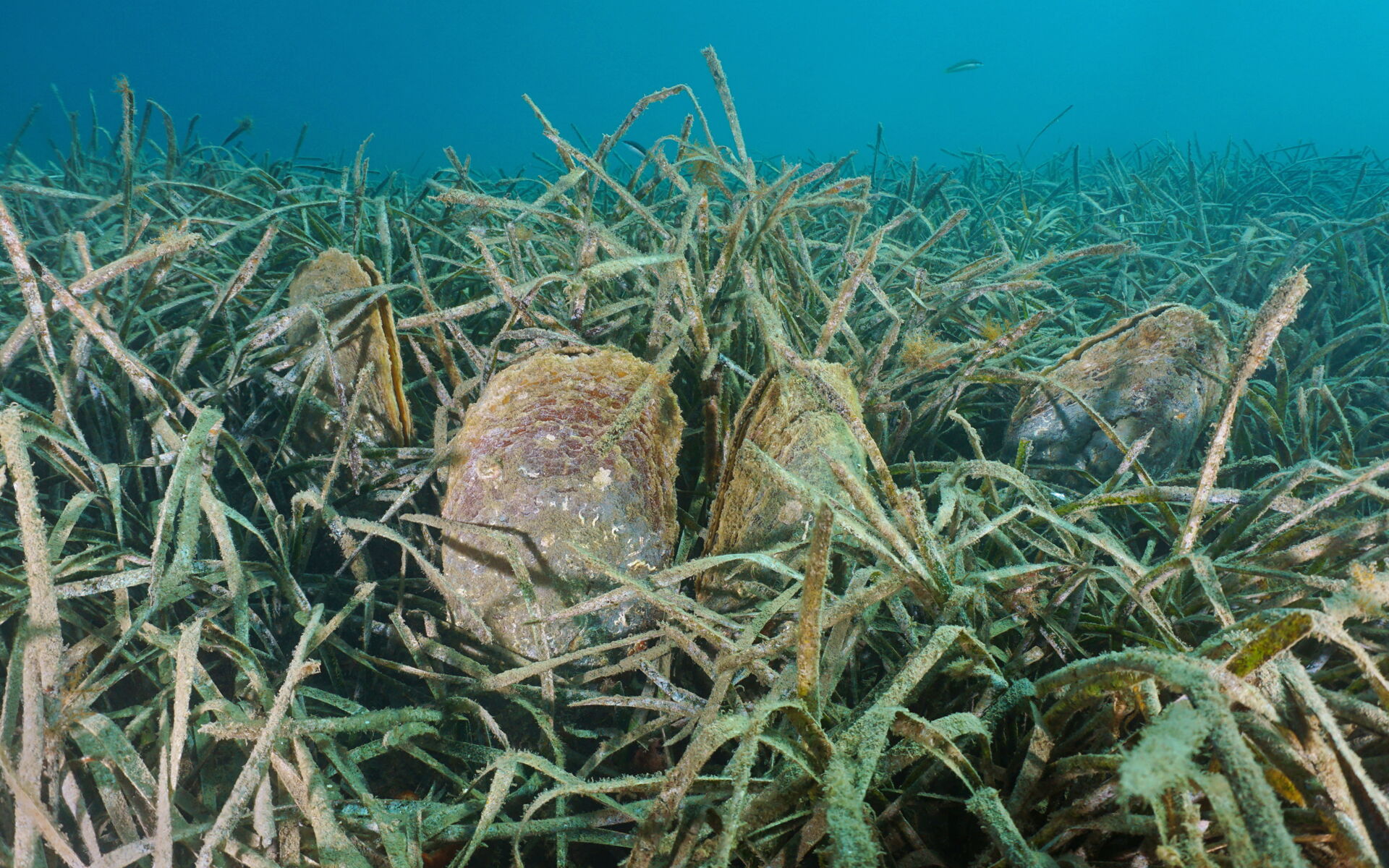
Pinna nobilis with attached algae, France
damedias | Rights reserved | Adobe StockMattes in particular are home to rich benthic communities, provide grazing, sheltering and breeding sites for several species of organisms.
Posidonia oceanica meadows also provide a ‘nursery’ area for young fish, as well as offering sanctuary to a whole range of organisms, including several species of fish, cephalopods and crustaceans.
Restoration of the seabed
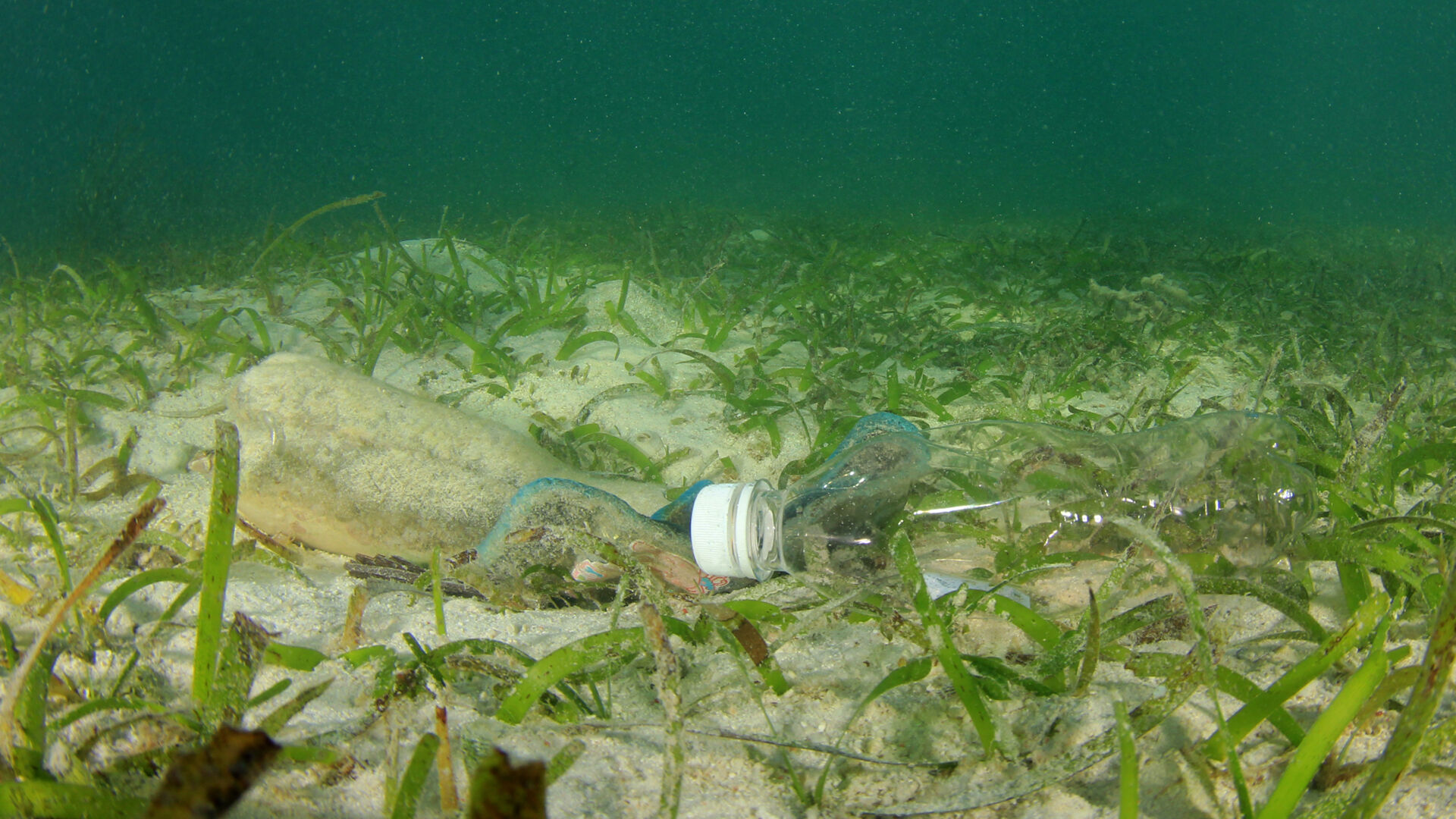
Posidonia oceanica is under threat from a number of factors, to the extent of now being considered in ‘regression’.
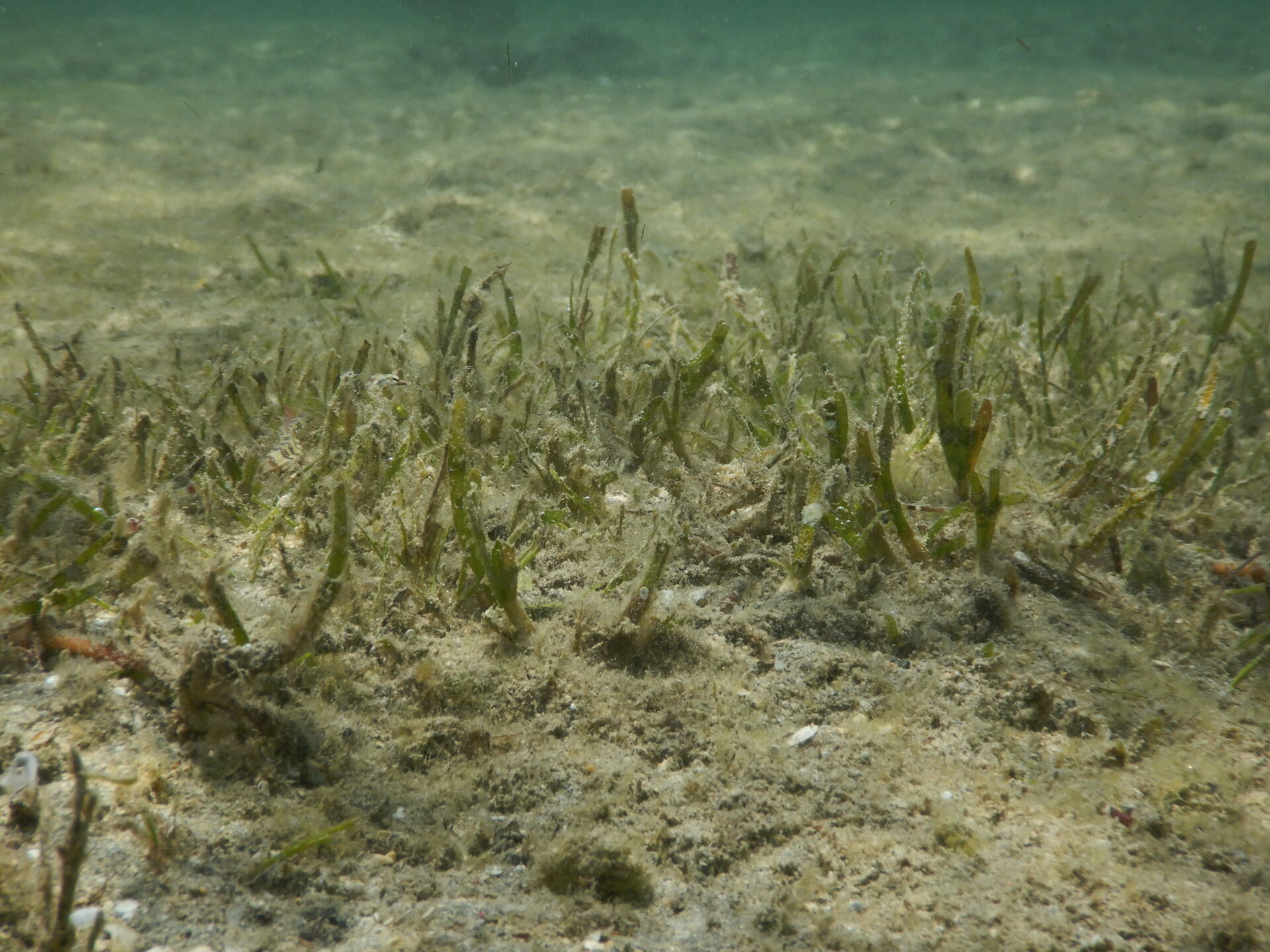
The main dangers to Posidonia oceanica are chemical pollution and turbidity of the water. Since light intensity is a significant limiting factor for the species, it is particularly sensitive to both of these threats.
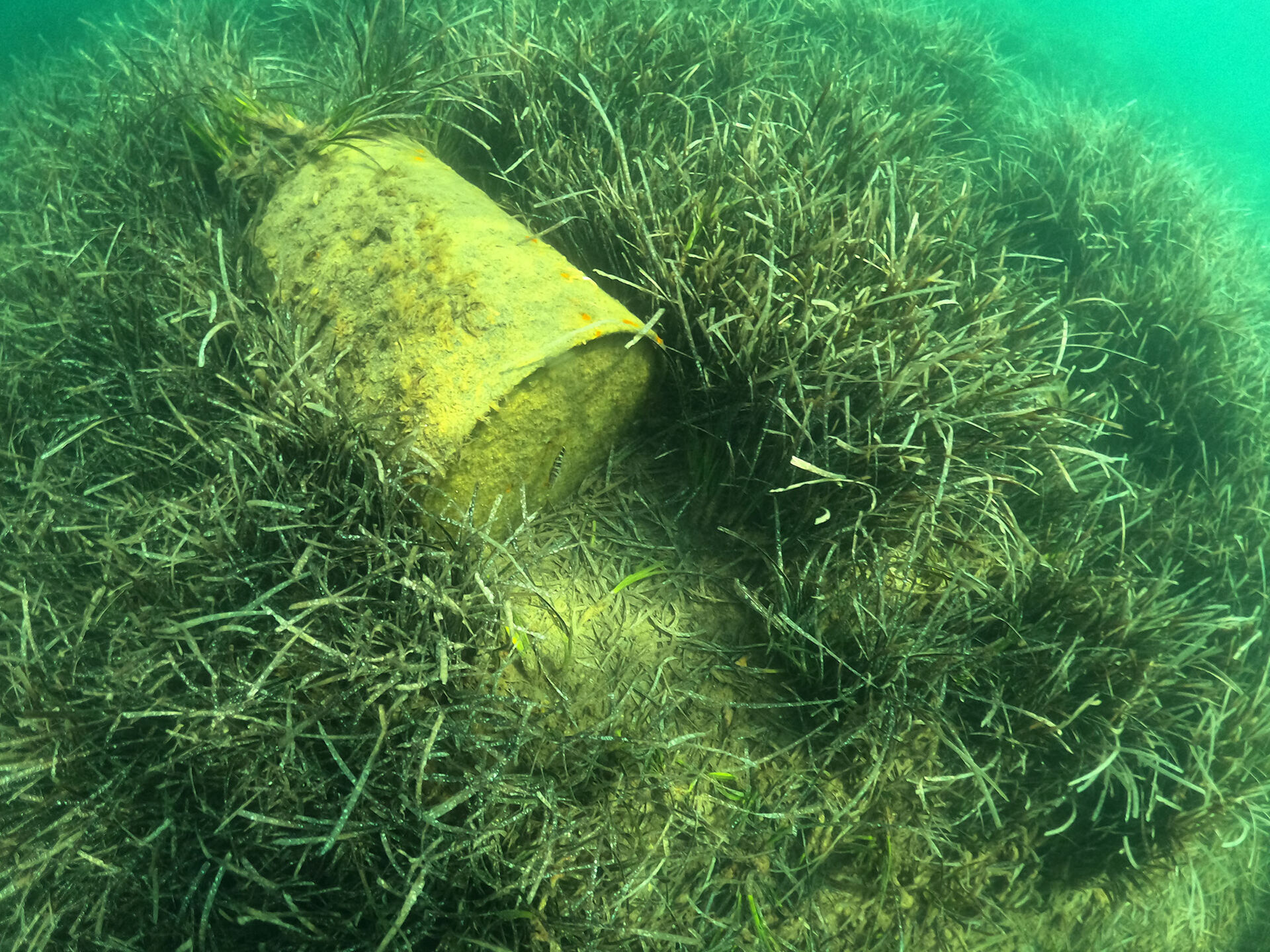
Increased turbidity is chiefly caused by use of coastal areas for human activities. Major threats include the construction of tourism-related port infrastructure, laying of cables and building of breakwaters, anchorage, discharge of sewage and the introduction of invasive species.
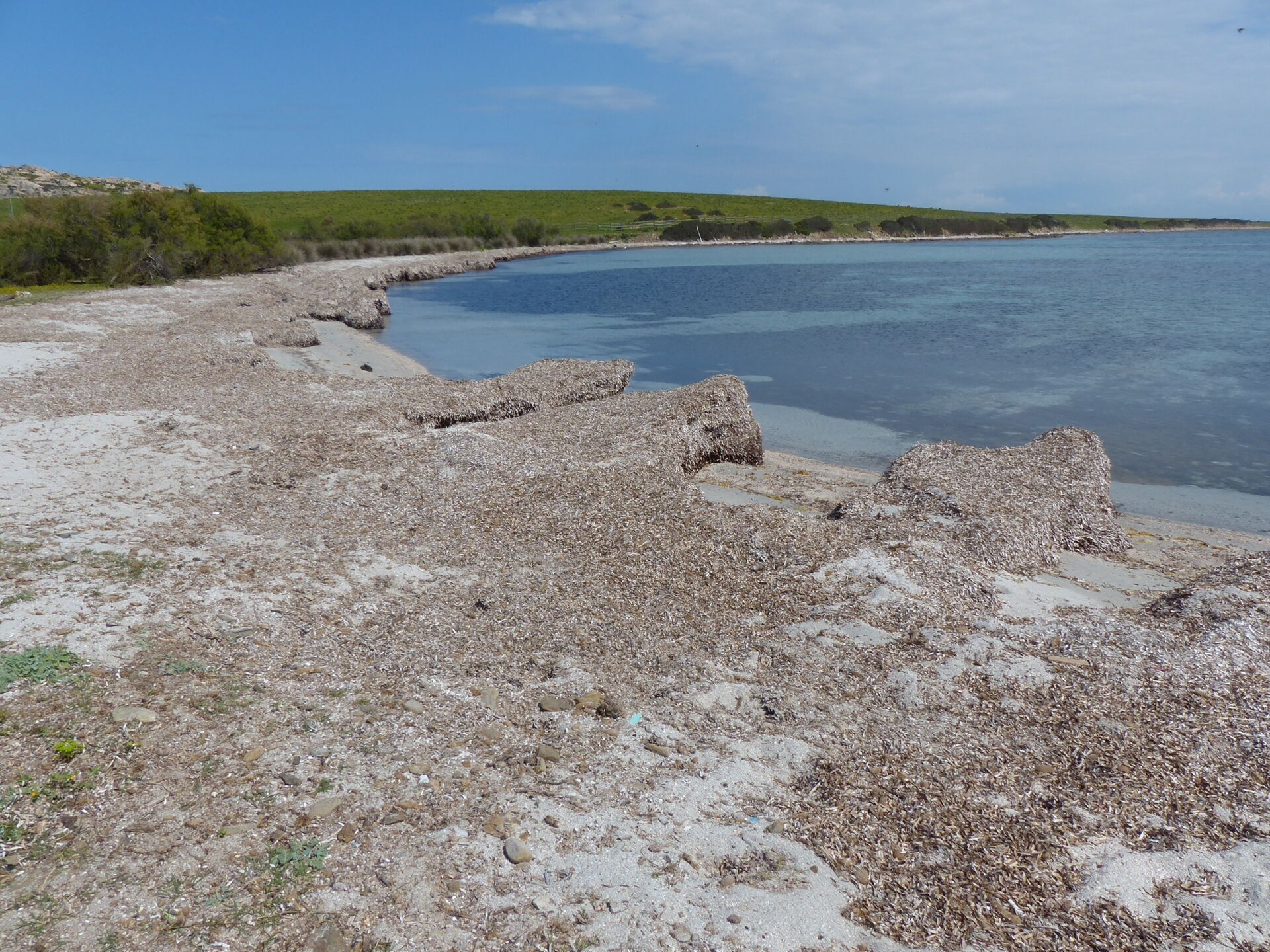
Isola dell'Asinara, Municipality of Porto Torres, Fornelli area, Sardinia, Italy
Andrea Moro | CC BY-SA 4.0 | Portale della Flora di RomaFurther damage is caused by creation of artificial beaches and the removal of dead leaves from the beach.
In tourist and bathing areas, swimmers tend to dislike the presence of banquettes, often seeing them as a form of waste rather than a natural part of the shore environment.
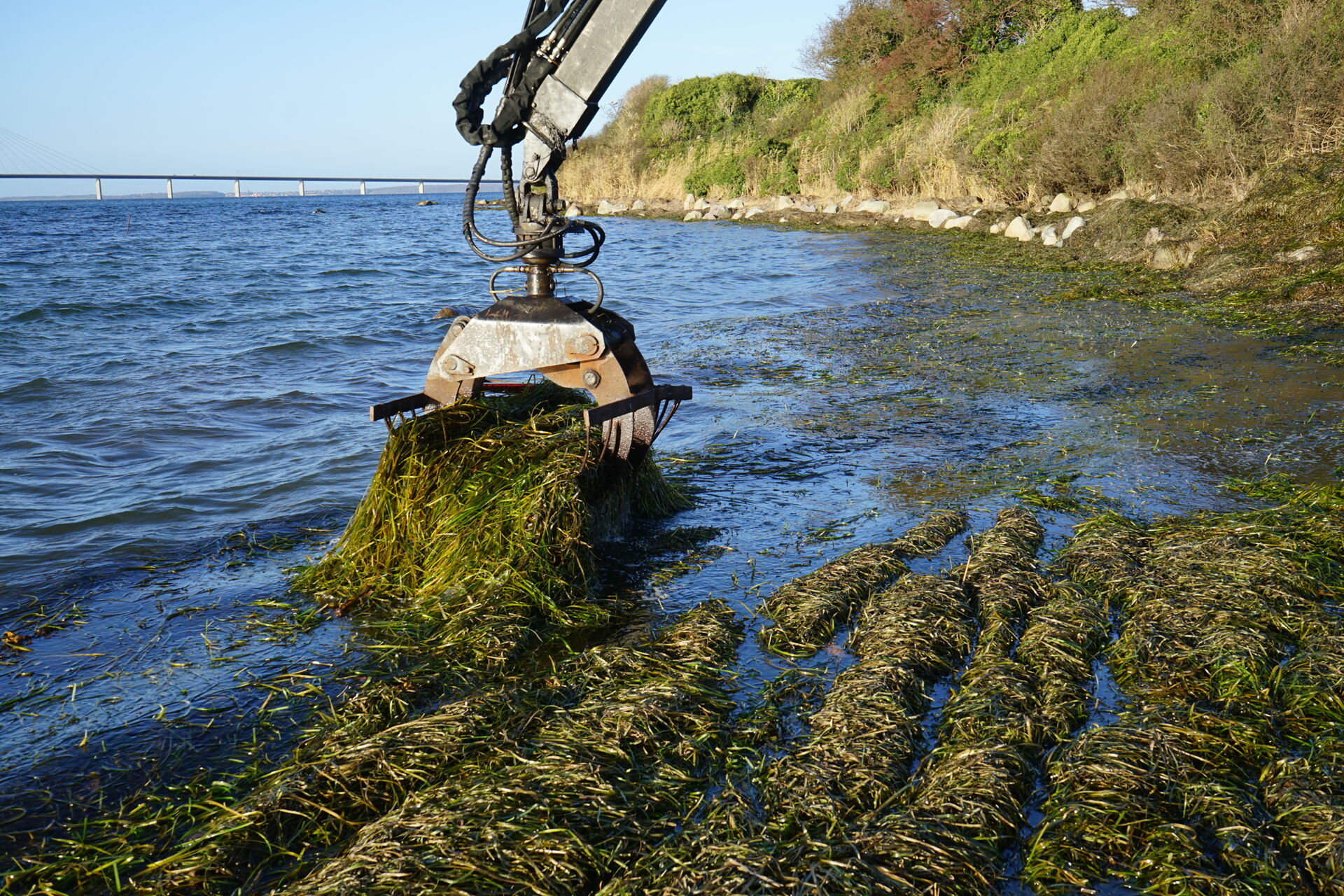
A joint ISPRA and ARPA (Regional Environmental Protection Agency) survey conducted in 2007-2010 on management of Italian beaches found that the method most often adopted by coastal municipalities to render beaches more attractive and practical for the bathing season was removal of Neptune grass accumulations and their disposal in landfills.
This practice in effect causes the removal of large quantities of sand trapped in the banquettes, requiring subsequent sand replenishment and protection against coastal erosion.
The ecological role played by banquettes and their protection of beaches from erosion is therefore now recognised under Italian law, which recommends that accumulations should be left in place wherever possible.
Healthy Neptune grass
Vincent Pommeyrol | Rights reserved | Adobe StockVertical growth of mattes is very slow, estimated to be no more than 1 cm per year, making its recovery after stress events extremely difficult.
Neptune grass plays an essential role on sandy shorelines due to its protective action against erosion and because it serves as a habitat for many species of organisms.
Protecting this species is therefore vital for safeguarding coastal ecosystems and for the wellbeing and safety of local areas.

