
A ‘biodiverse’ forest
Established in 1977 as an Italian state nature reserve, Bosco della Mesola covers an area of 1,058 hectares and is one of the country’s main surviving plain forests, in other words the remains of the ancient forests covering its flatlands. It is a treasure trove of biodiversity on the Adriatic coast inside Emilia-Romagna’s Po Delta Regional Park.
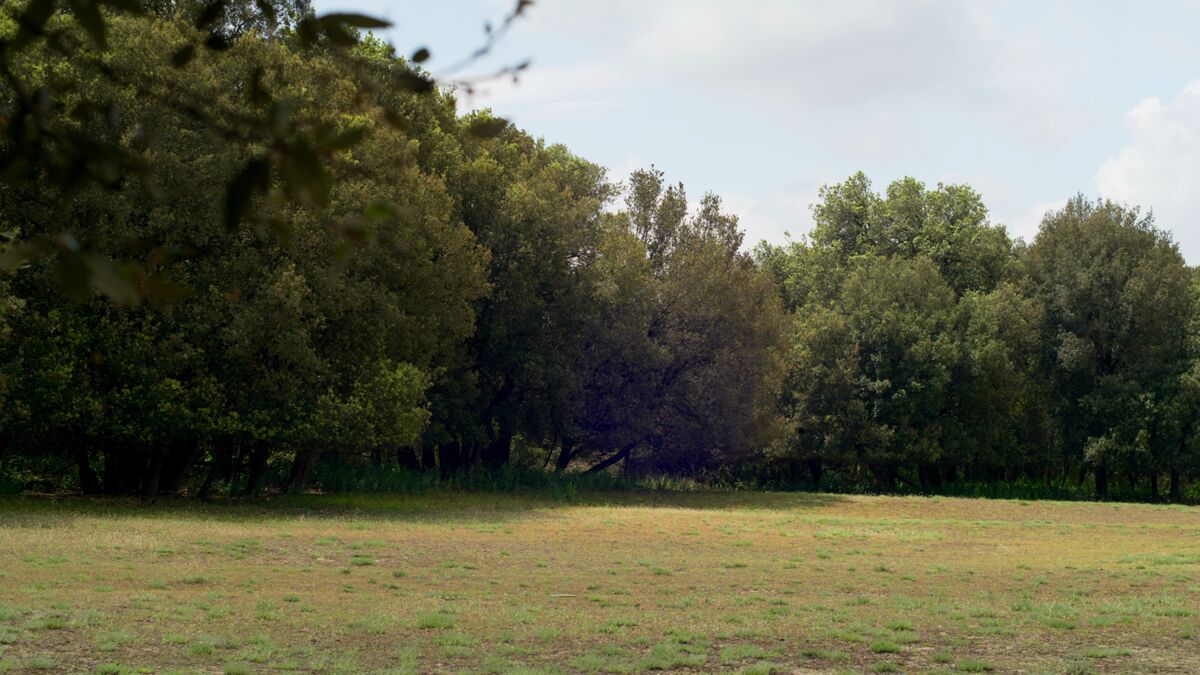
Bosco della Mesola, clearing
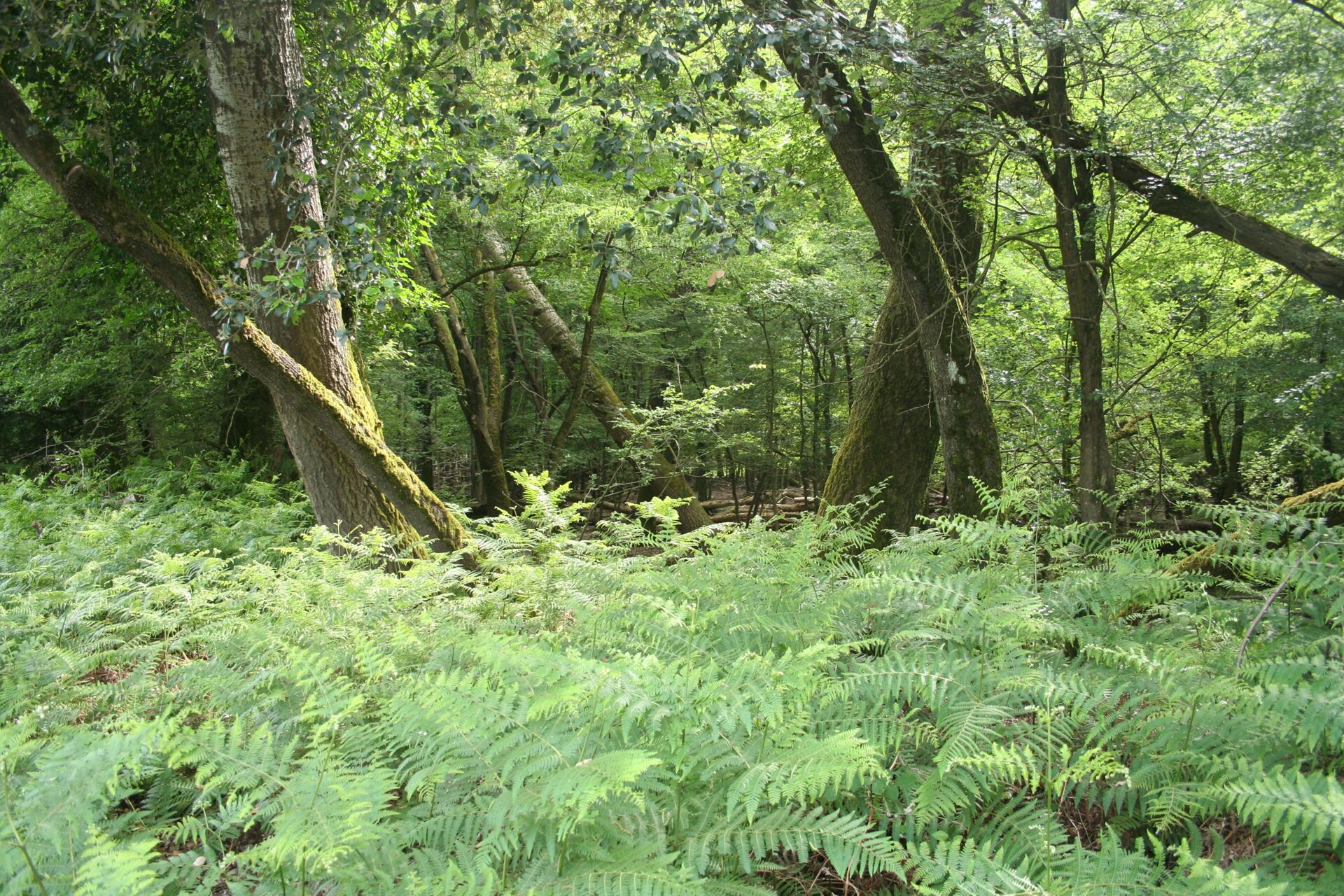
Formerly exploited for its lumber and game, today the 'Boscone' is a nature reserve managed by the Carabinieri forestry corps. Its high degree of biodiversity and the presence of plant and animal species of great interest for conservation purposes make the forest an authentic natural gem.
The unusual wealth of resources on offer, constantly changing environmental conditions and the human effort that has gone into its management, protection and conservation have all made their contribution to the history of this forest.
The ancient forest
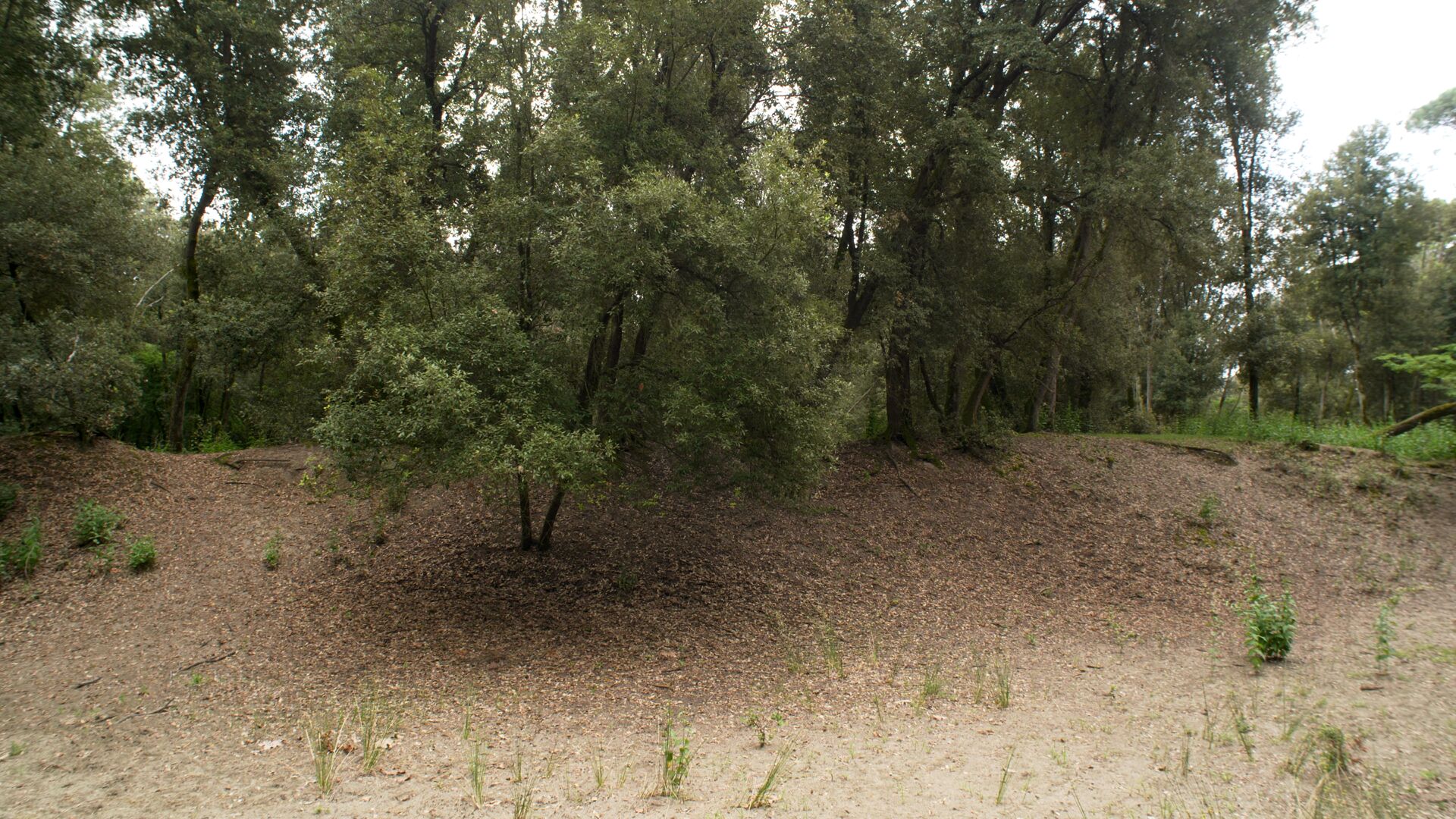
Bosco della Mesola, dune belts
Luca Parodi | Rights reservedKnown locally as the ‘Boscone’, Bosco della Mesola grew up during the Middle Ages along the dune belts formed by two branches of the River Po, the Po di Goro and the Po di Volano.
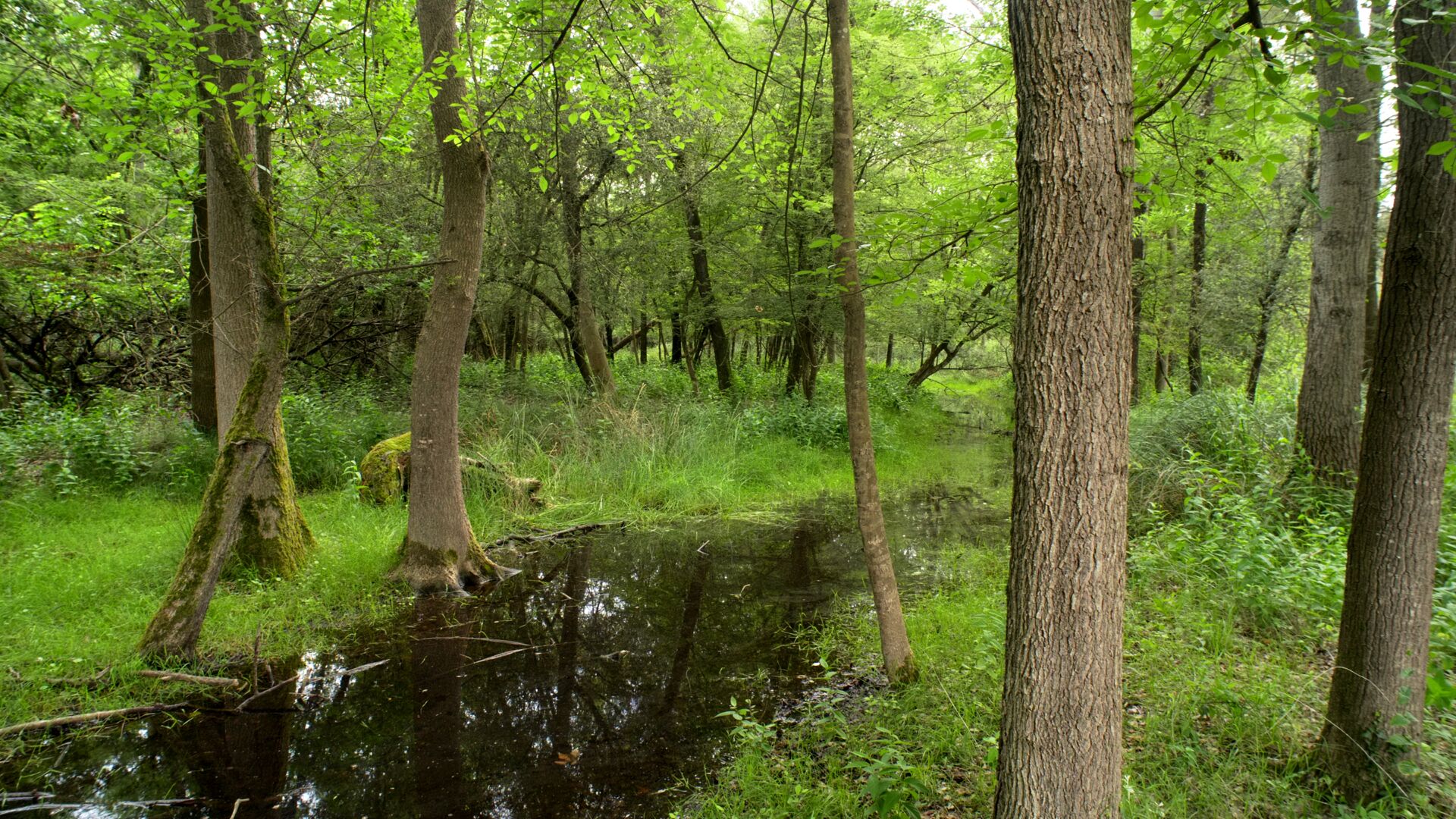
Bosco della Mesola
Luca Parodi | Rights reservedIn this area, dunes as high as seven metres alternate with hollows of up to two metres below sea level where the water table rises to the surface. Woods give way to open meadows, hedgerows, brackish environments and ruderal areas (i.e., surrounding ruins) in a constantly changing sequence. The plant life found in the forest today has also spread spontaneously over the dunes.
It has been suggested that name ‘Mesola’ derives from media insula, or land in the middle of water or mensolae, or land rising above the water. Whatever its etymology, both these possibilities reflect the characteristics of the area: its position, set inside a delta, requires continuous adaptation of life forms and considerable transformation of the land itself.
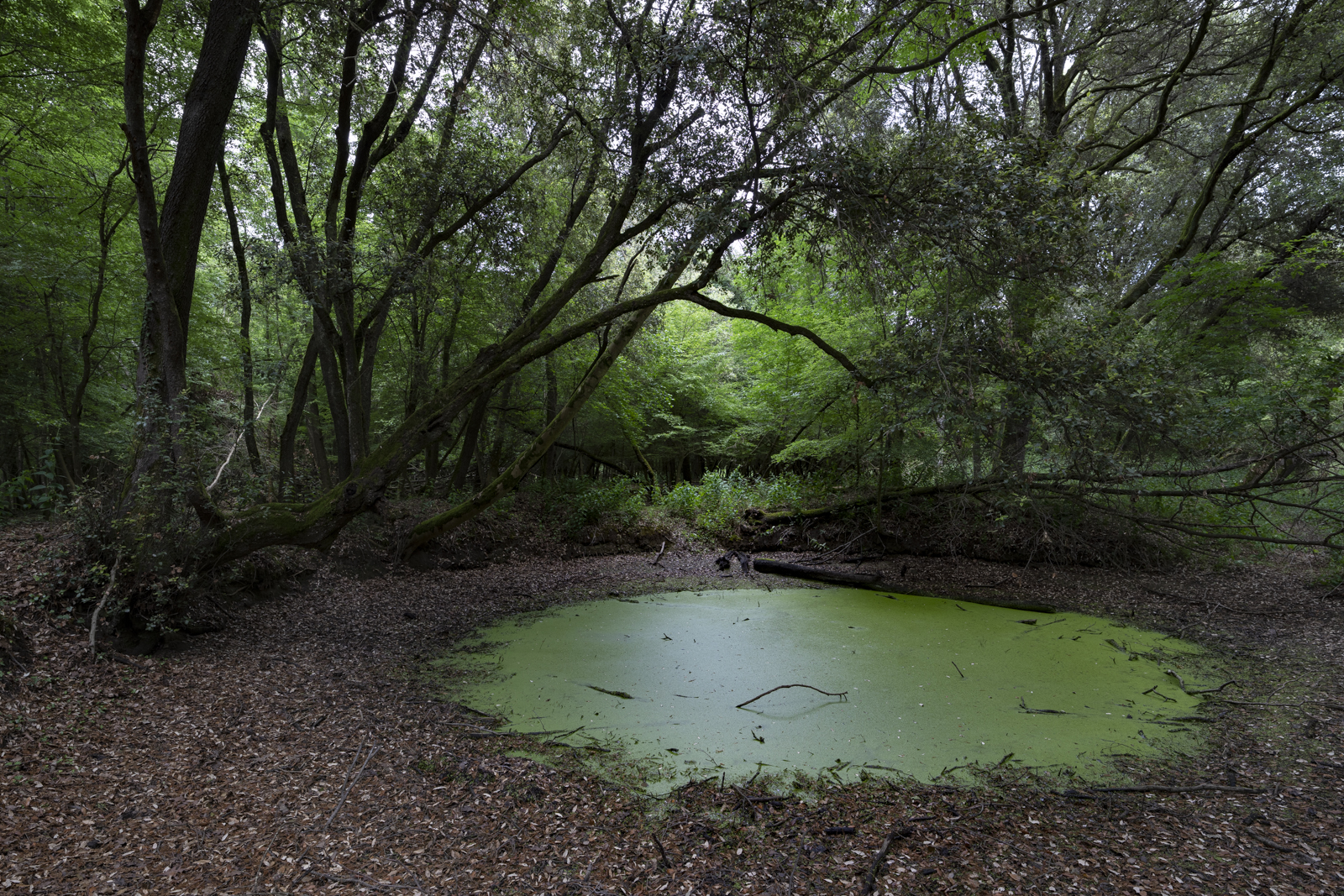
Bosco della Mesola
Antonello Provenzale | Rights reservedIndeed, it is the changing morphology – in particular the variable height of the soil and the alternation of areas rich in water with drier zones – that gives rise to the wealth and diversity of the local animal and plant life.
This veritable mosaic of environments is populated by newts, frogs, marsh tortoises, birds, deers and porcupines. The key note here is variability: of the land as well as of its plant and animal species, offering a fine example of how biodiversity can combine with geodiversity.
In Bosco della Mesola we find frequent evidence of continuous interaction between the forms of the landscape and the activity of living organisms, which adapt to their environment and in doing so alter it, as in the case of the plants that contribute to stabilising the dunes.
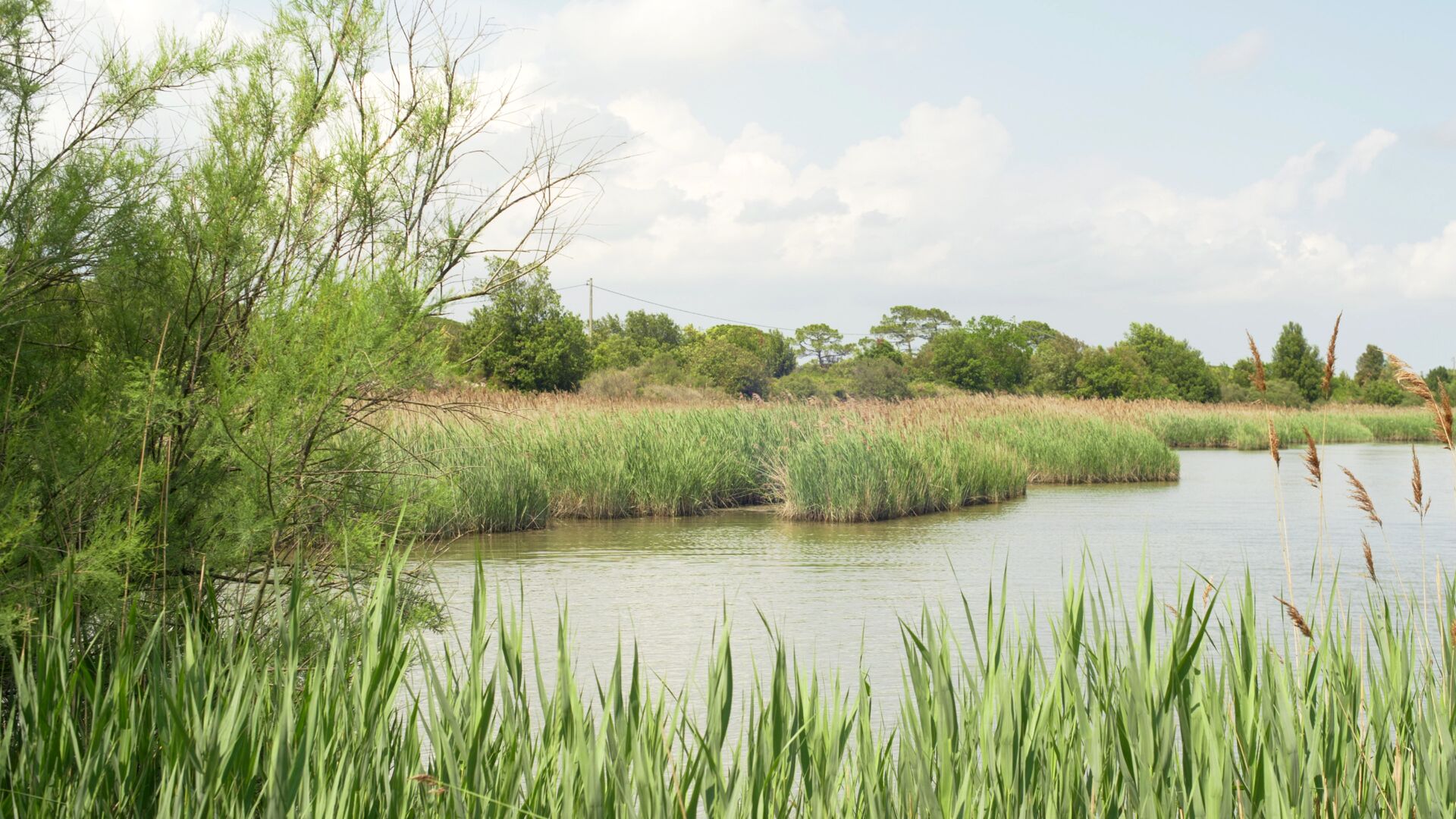
Elciola wetlands
Luca Parodi | Rights reservedHuman activities have also made a major contribution to changing the landscape. Woodland clearance in the past was accompanied by major reclamation drives, resulting in the disappearance between the early and mid-20th century of the marshland that once surrounded the forest.
The history of the Bosco della Mesola Nature Reserve
Giovanni Nobili (Punta Marina Carabinieri Biodiversity Unit) explains how the Mesola Forest Nature Reserve is one of the few examples of lowland forest to have survived in Italy, and how the inhabitants of the area have shaped this environment by hunting game and collecting wood.
He adds that the ‘Carabinieri for Biodiversity’ manage many state reserves and Natura 2000 network sites, including the Mesola Forest.
When the forest was acquired by the state in the 1950s, it was a coppiced area, because local people used it for collecting firewood. In the 1980s, part of the forest was turned back into woodland Today ever greater efforts are being made to protect this area’s biodiversity, the result of its closeness to the sea and its wealth of wetlands.
Earth, water, life
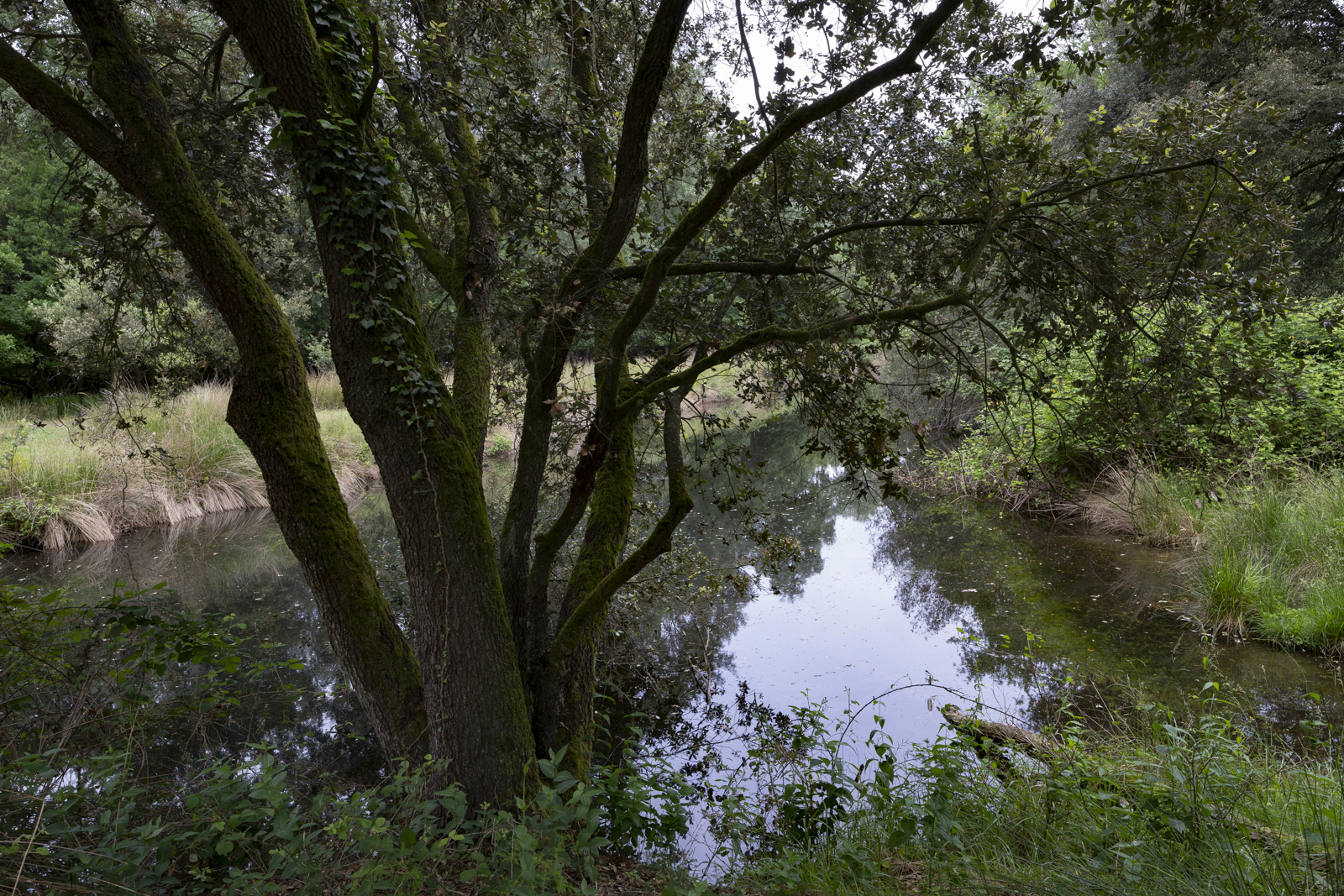
Evergreen oak and hollow
Antonello Provenzale | Rights reservedBosco della Mesola, like most wetland or river environments, is distinguished by very dynamic forms and environments. Continuous flow of sediments, fluctuations in their distribution and the action of living organisms all combine to produce a system of changes, some of which take longer than a human lifespan to complete.
This dynamism is evident in the dunes formed in the distant past and in the canals that open up and close again in their midst. Here even the smallest fluctuations in the level of the terrain result in the growth of different types of vegetation.
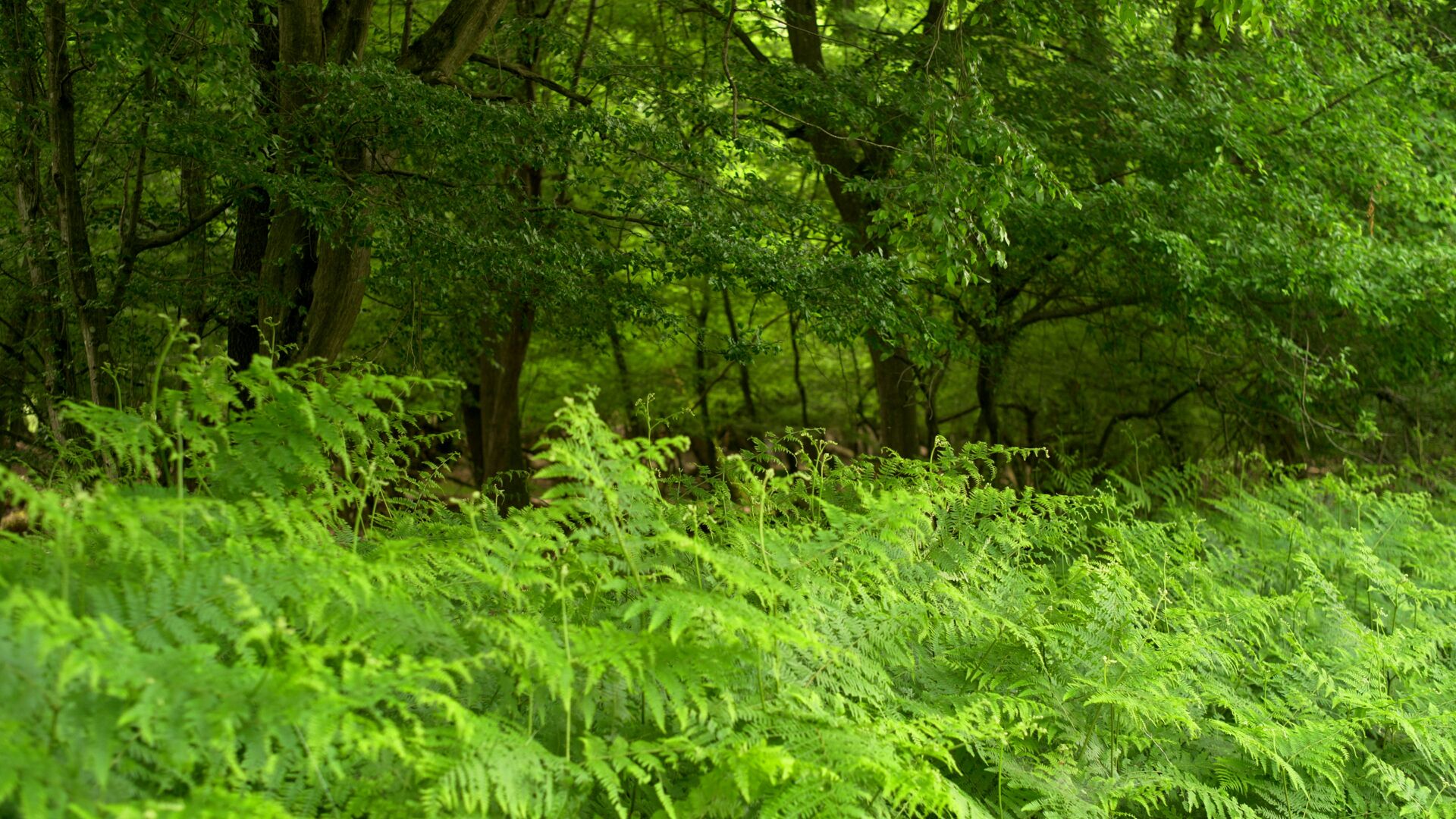
Woodland with ferns in the foreground and evergreen in the background
Luca Parodi | Rights reservedThese range from plants on the rises, including species typical of the crests of dunes such as the evergreen oak, to the marsh ferns (Thelypteris palustris) that tend to thrive in the hollows found near the water table.
Living organisms in their turn also alter their environment, stabilising the dunes and affecting the flow of sediment, in a continuous exchange between the living and non-living. Here we find element and nutrient cycles unfolding, together with the water cycle and transformations of matter: in short, the great cycle of life.
A plant for every water environment
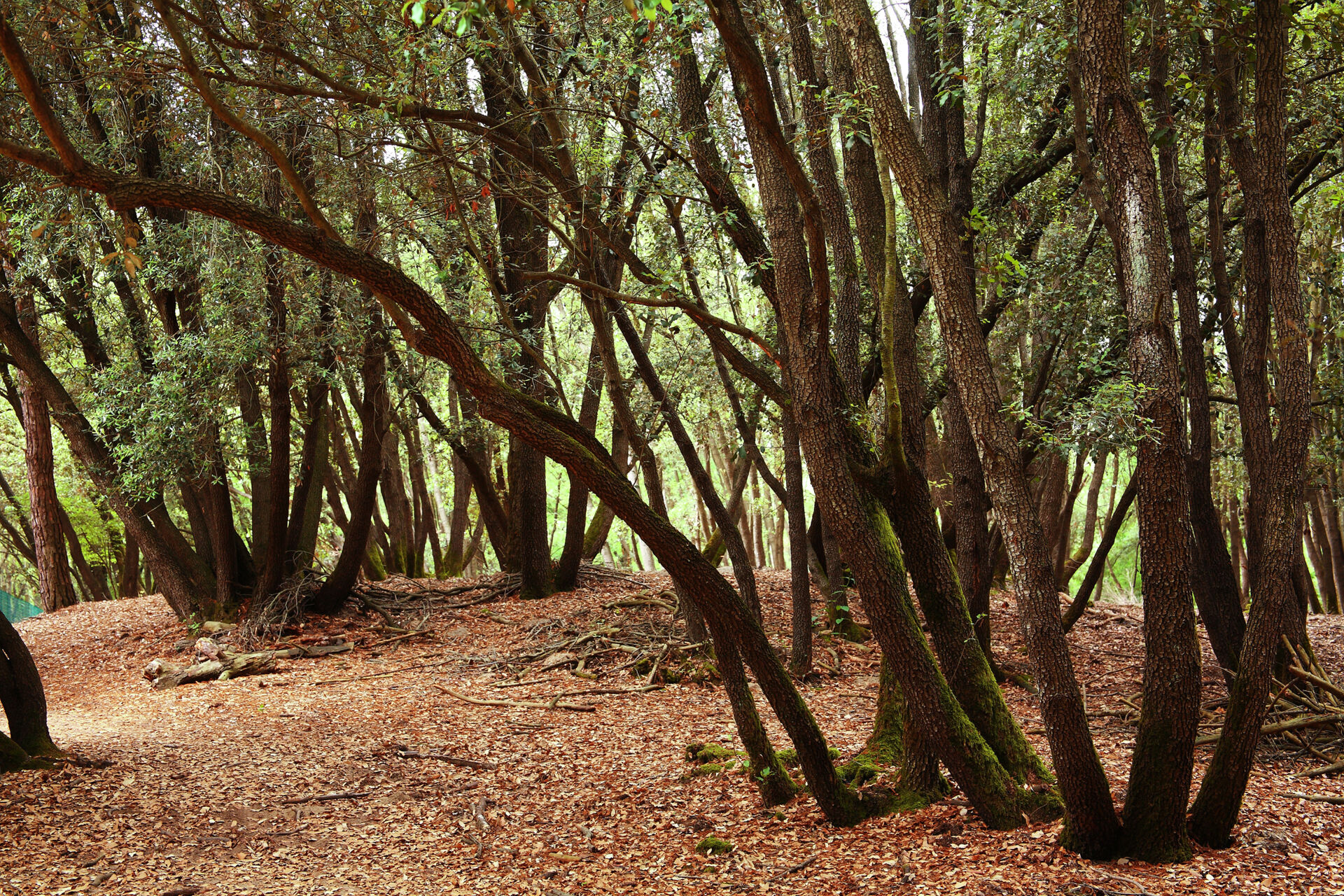
Woodland covers over 90 per cent of the Mesola area. Its makeup reflects the way in which plants naturally respond to land morphology and water availability. Xerophilous woods, or those adapted to very dry surroundings, are found on the highest dunes, populated mainly by the holly oak (Quercus ilex). The flatter dunes, on the other hand, feature mesophilous woods, with an abundance of the common oak (Quercus robur) and European hornbeam (Carpinus betulus).
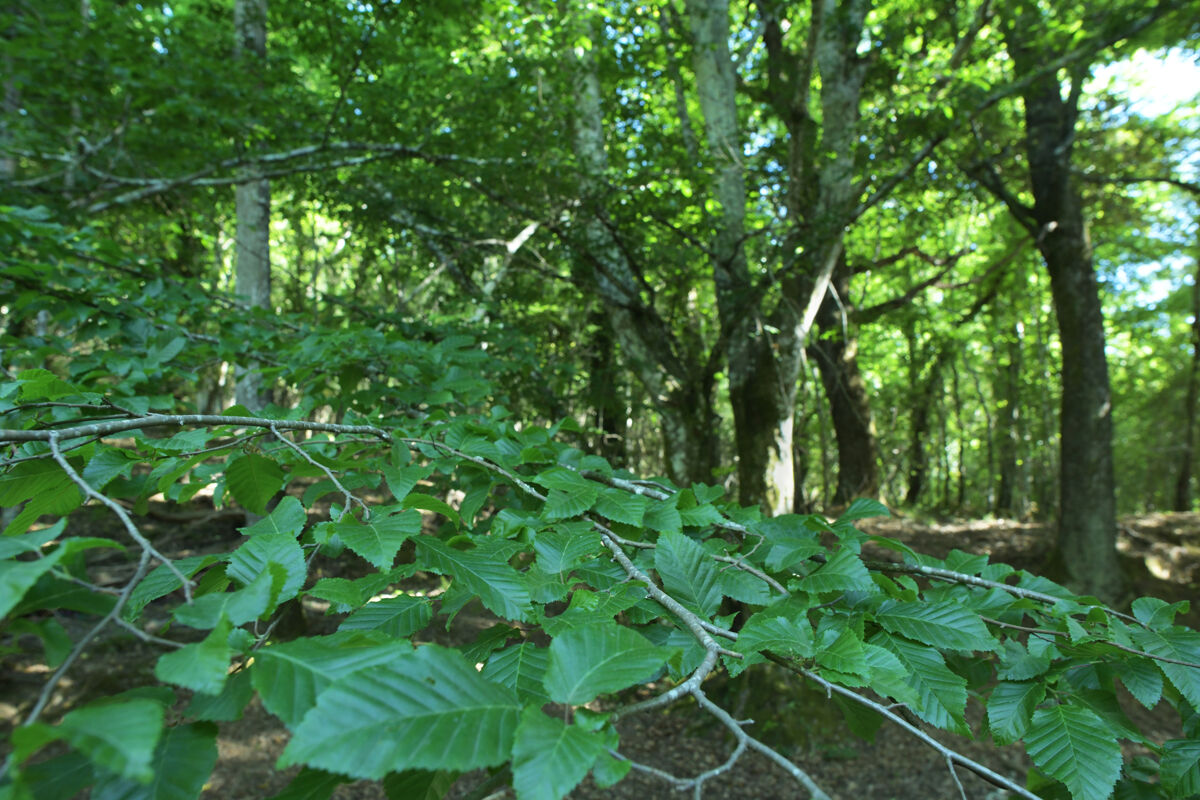
European hornbeam (Carpinus betulus)
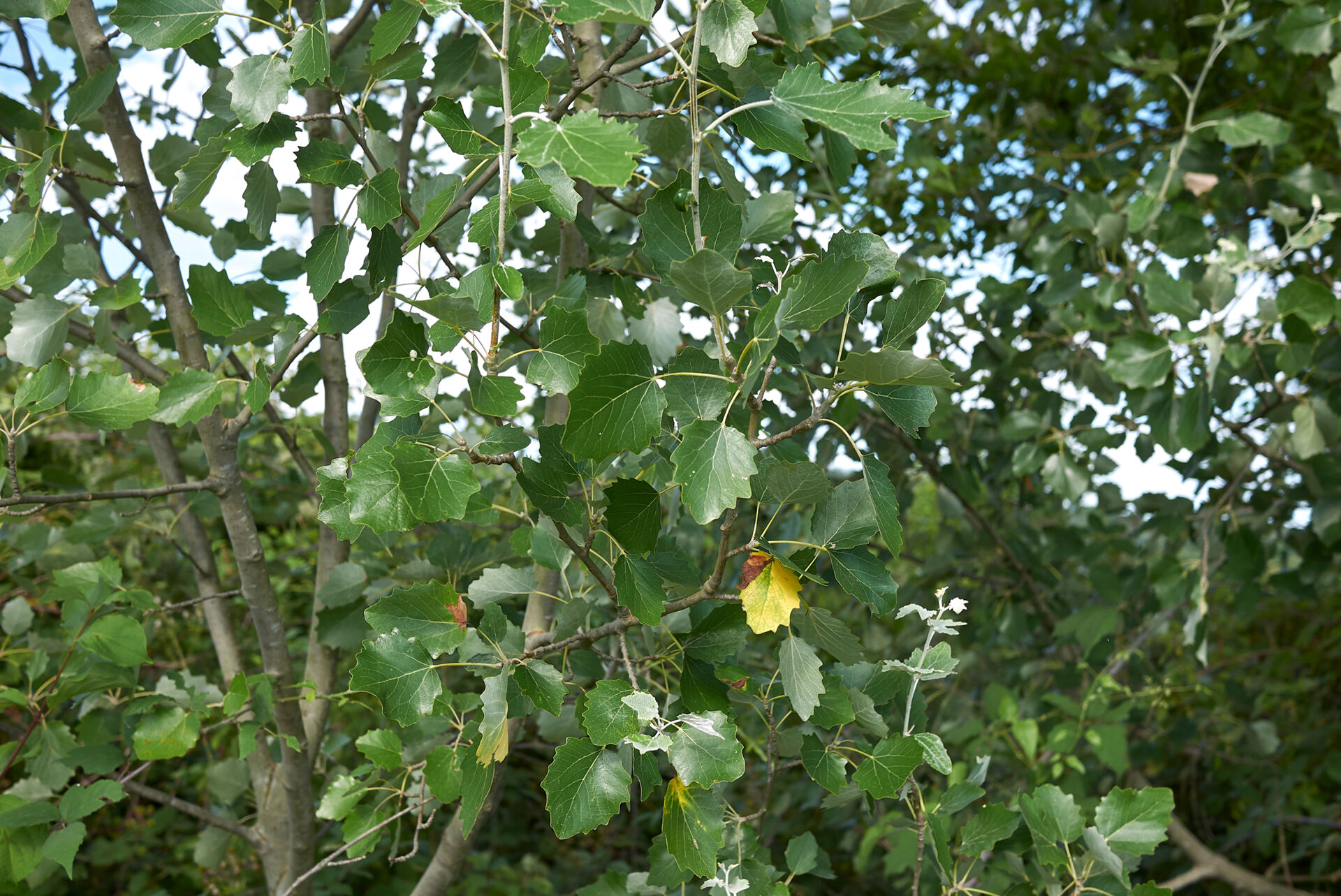
White poplar (Populus alba)
simona | Rights reserved | Adobe StockDown in the hollows, the hygrophilous woodland species typically found in water-rich environments become more common, including the white poplar (Populus alba), the field elm (Ulmus minor) and alder (Alnus glutinosa).
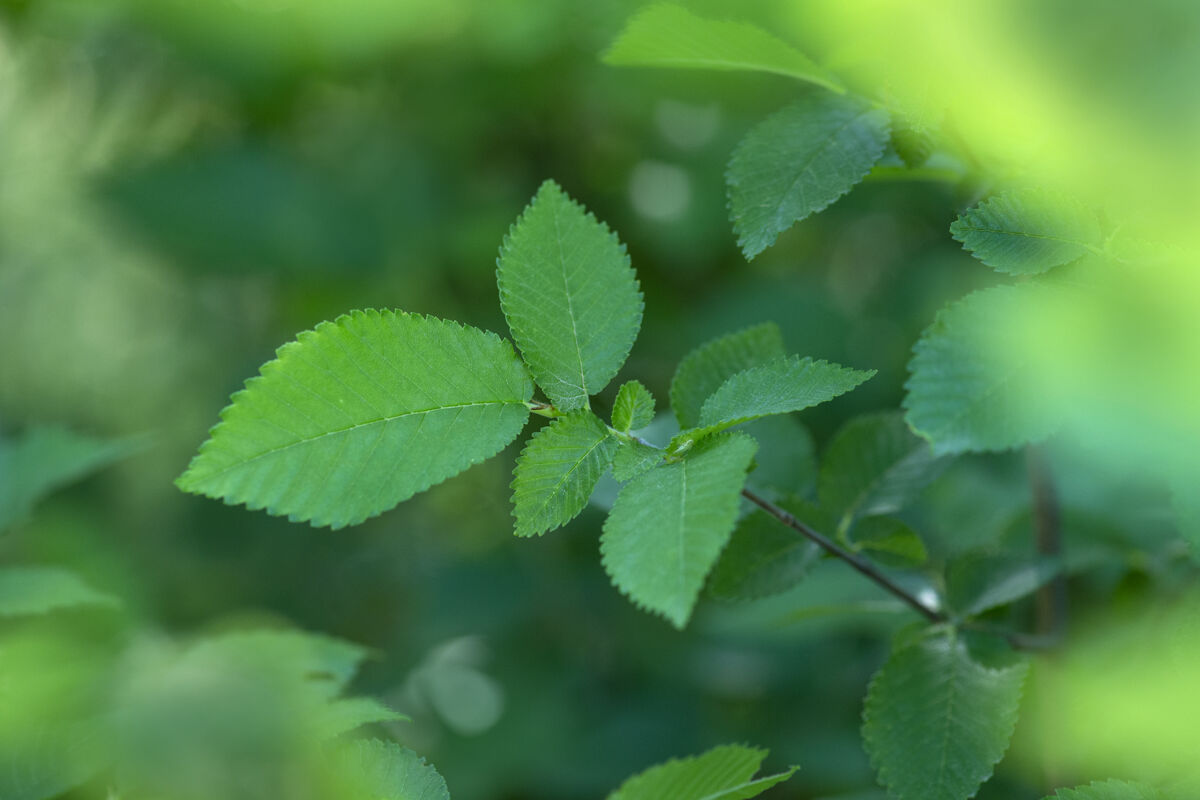
Field elm (Ulmus minor)
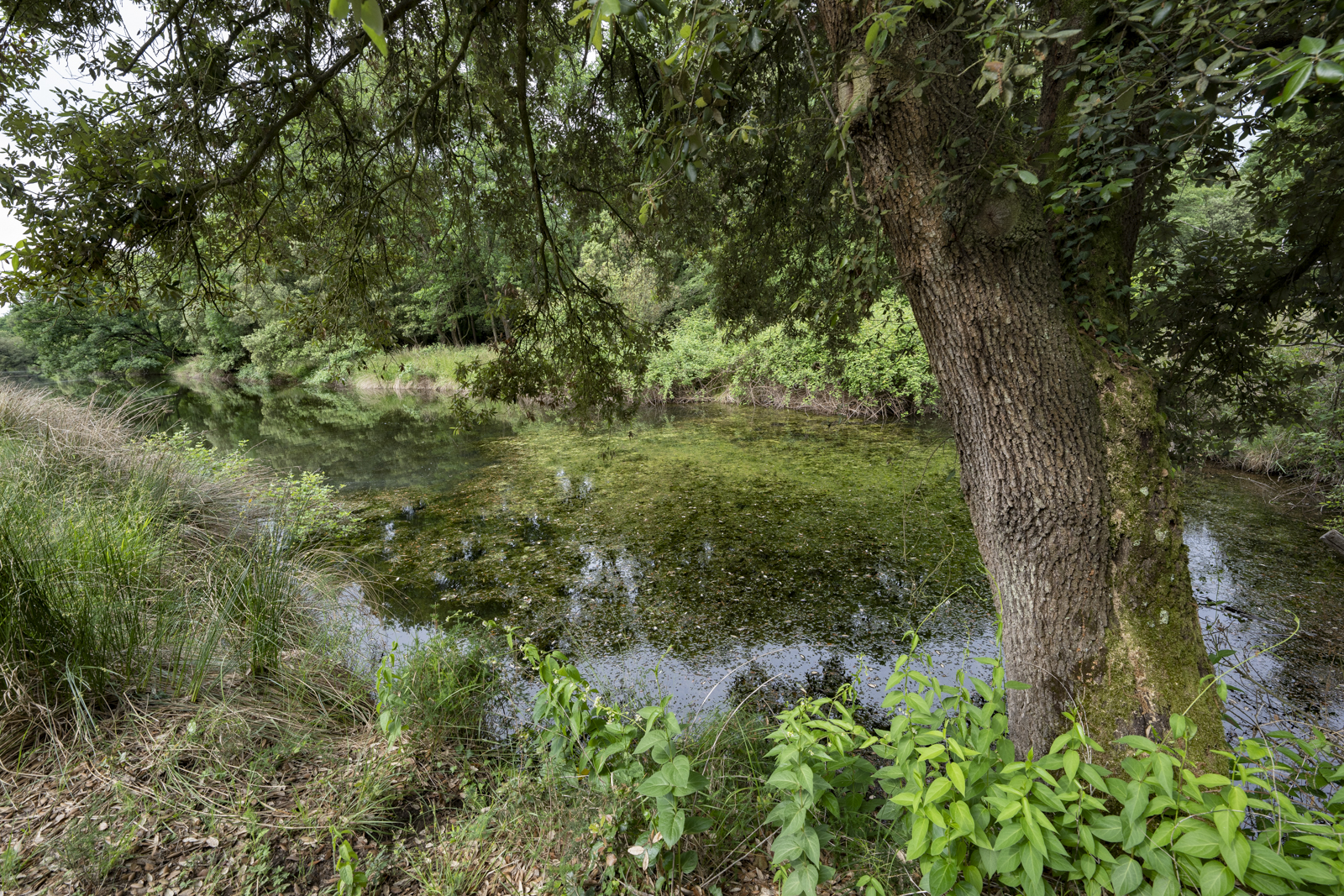
Bosco della Mesola
Antonello Provenzale | Rights reservedPlant species typically found under different climate conditions are all present in the Boscone. There include Mediterranean plants such as the Etruscan honeysuckle (Lonicera etrusca), Eurasian plants such as the dyer's greenweed (Genista tinctoria), plants found in temperate zones such as the common centaury (Centaurium erythraea), and finally cosmopolitan species such as the common reed (Phragmites australis).
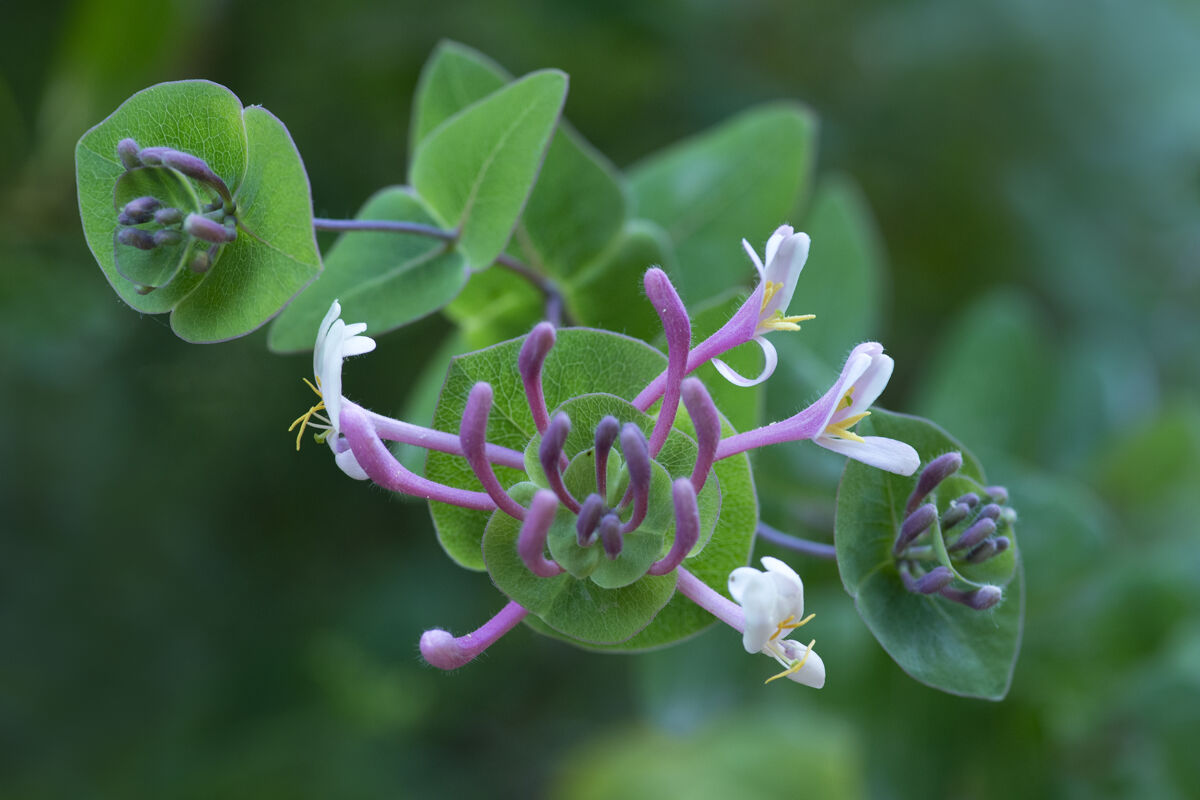
Etruscan honeysuckle
Species typical of temperate climates have developed a range of strategies to survive the winter. Hemicryptophytes are herbaceous perennials such as the black bog-rush (Schoenus nigricans), with buds that overwinter at ground level, protected by plant litter.
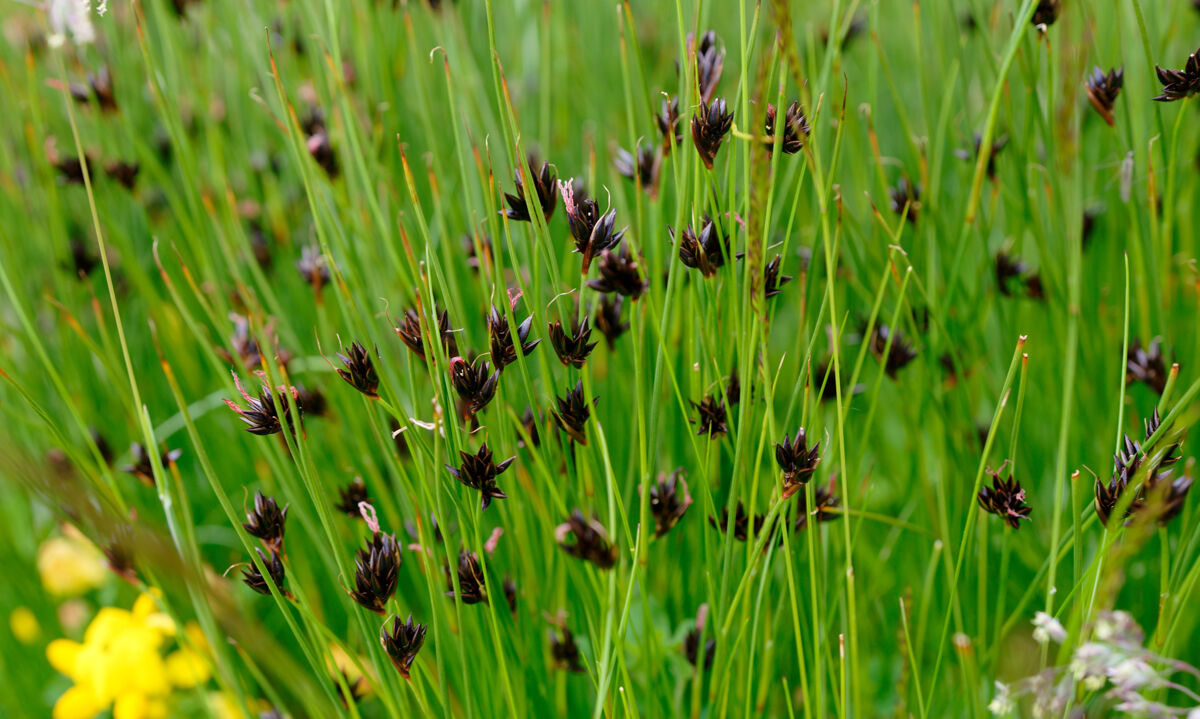
Black bog-rush (Schoenus nigricans)
Therophytes, including the broadleaf glandweed (Parentucellia latifolia), overwinter in seed form.
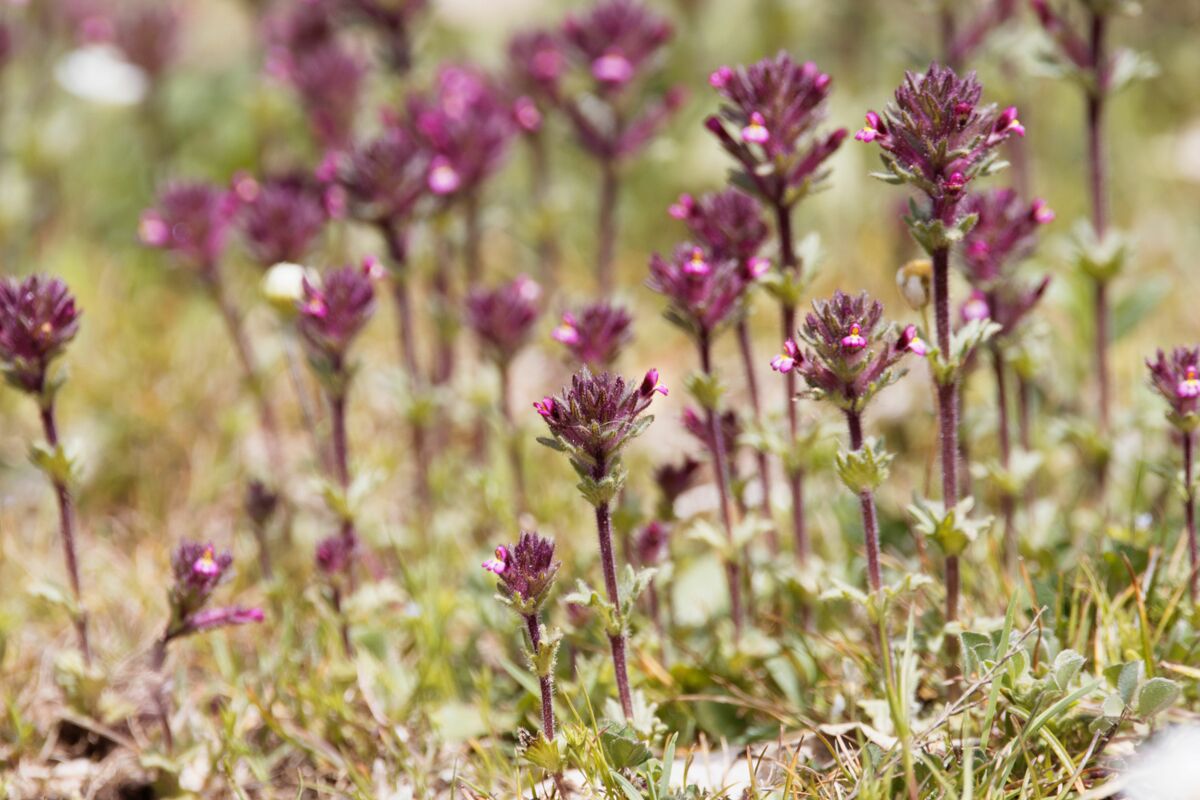
Broadleaf glandweed (Parentucellia latifolia)
On the other hand, geophytes such as the marsh fern are equipped with underground organs.
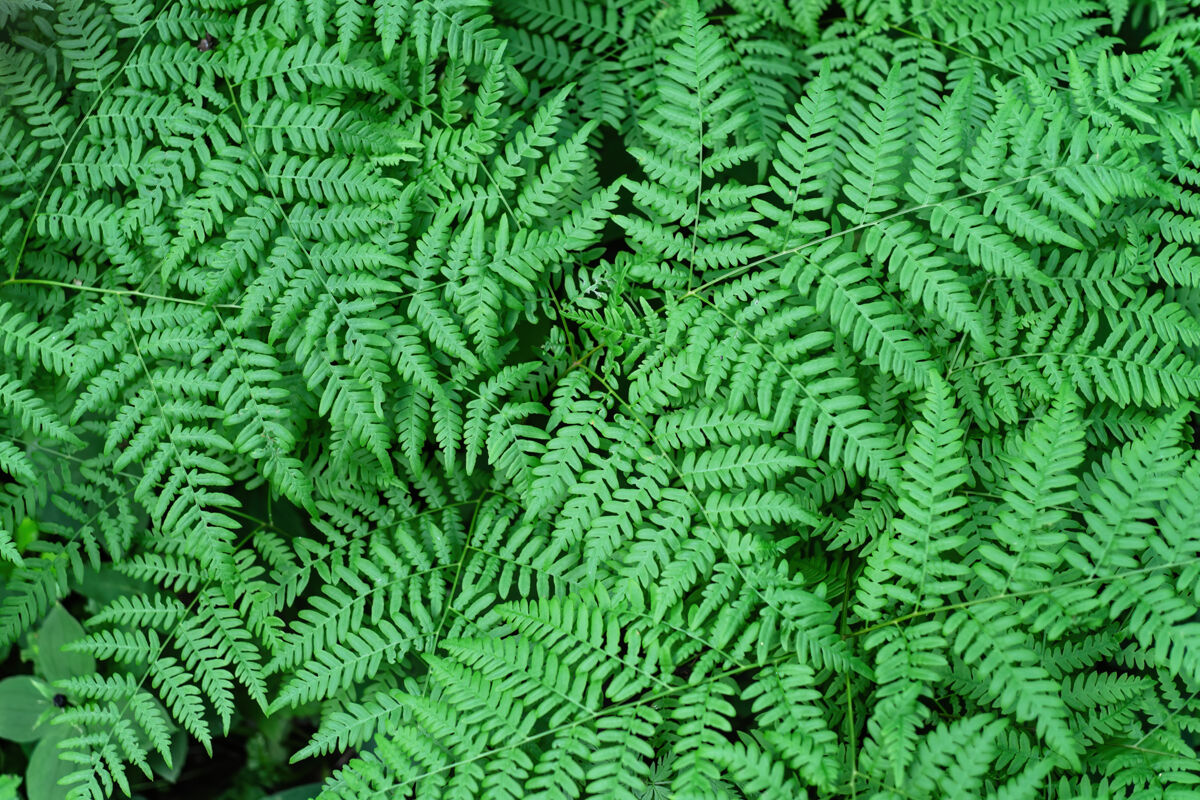
Marsh fern
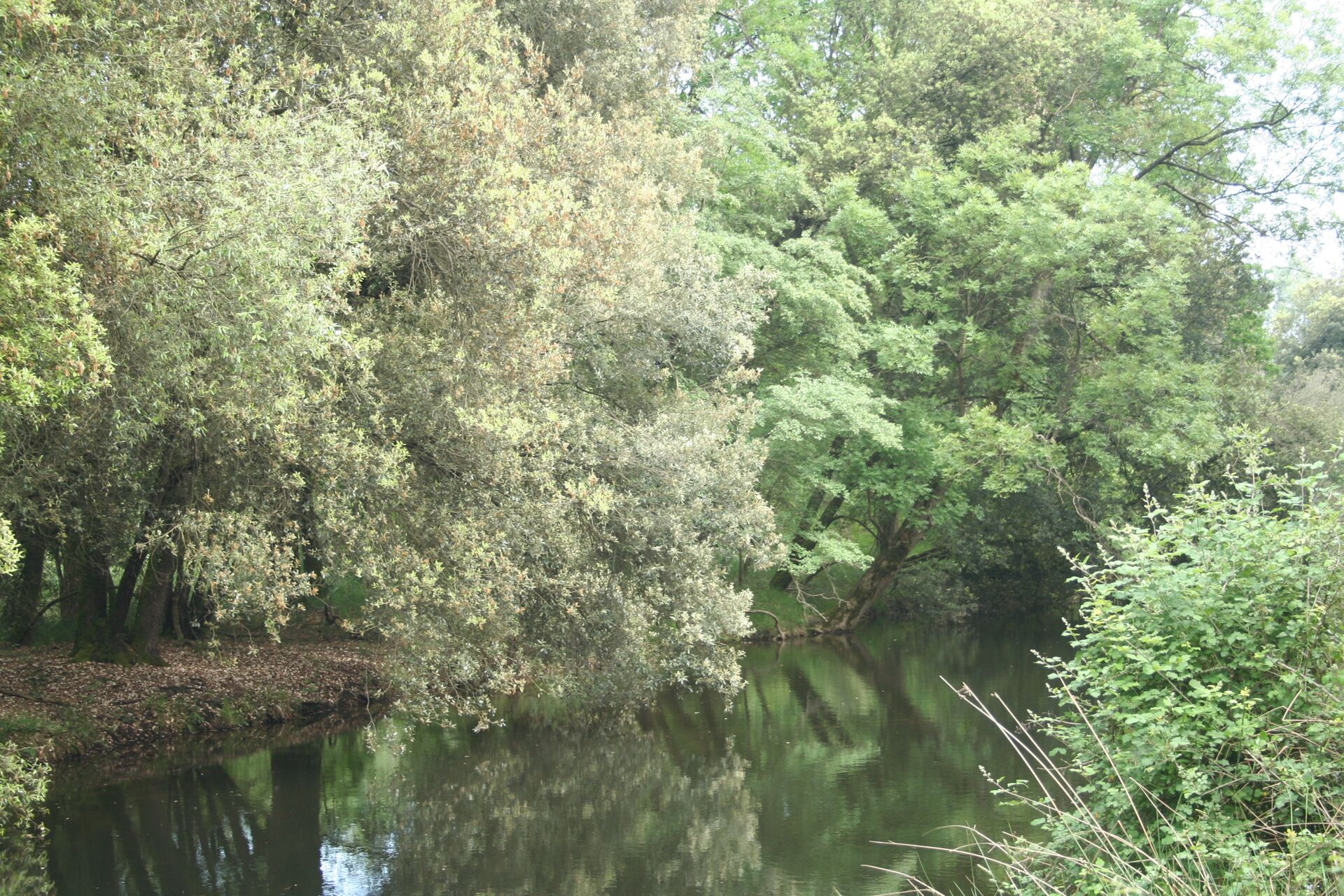
Bosco della Mesola
Simona Re | Rights reservedThe rich biodiversity of this relictual coastal forest is also linked to its numerous wetlands. Several hygrophilous species that prefer wet environments can be found wherever water abounds: around pools and wetlands, or along the dense network of water courses supplying the forest.
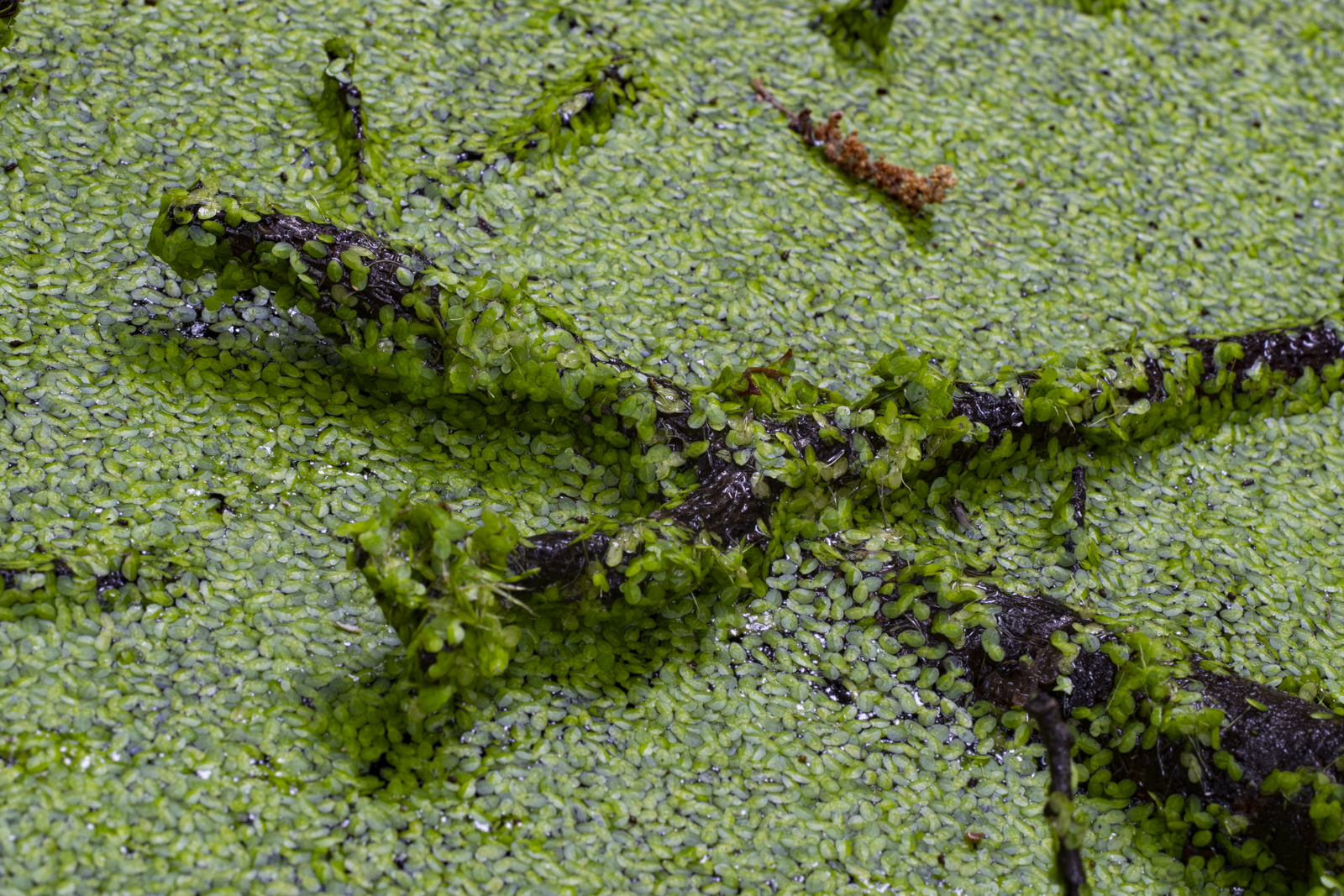
Duckweed, Bosco della Mesola
Antonello Provenzale | Rights reservedThey include attractive plants such as the marsh reed and the spiny rush (Juncus acutus), the common duckweed that adds colour to the water courses with its tiny floating leaves (Spirodela and Lemna), as well as plant species anchored to the bottom of the wider canals (Ceratophyllum and Myriophyllum). Green algae of the Chara genus, although generally very rare on plains, are also very commonly found in the permanent ponds of the Boscone.
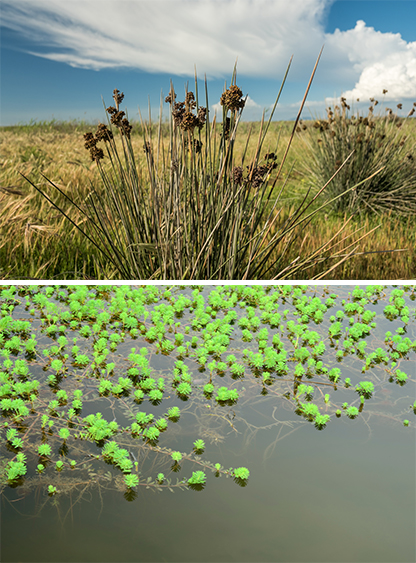
Spiny rush (Juncus acutus) and Myriophyllum
Conservation of freshwater habitats in the Bosco della Mesola reserve
Together with dunes and trees, water is the other major player in the Bosco della Mesola reserve.
Fed by rain and drainage canals, a dense network of canals criss-crosses the woods. These water bodies play a crucial ecological role both in water supply to the forest and providing breeding grounds to a host of aquatic species.
Plant biodiversity is key to the proper functioning of the aquatic ecosystems in Bosco della Mesola.
Biodiverse forests
All living species are closely interrelated, human life depending completely on the diversity of life on Earth. This is a question of the wealth of life forms, and therefore also of biodiversity, something first evident at the level of genetics, species and ecosystems, and finally as natural processes and cultural diversity.
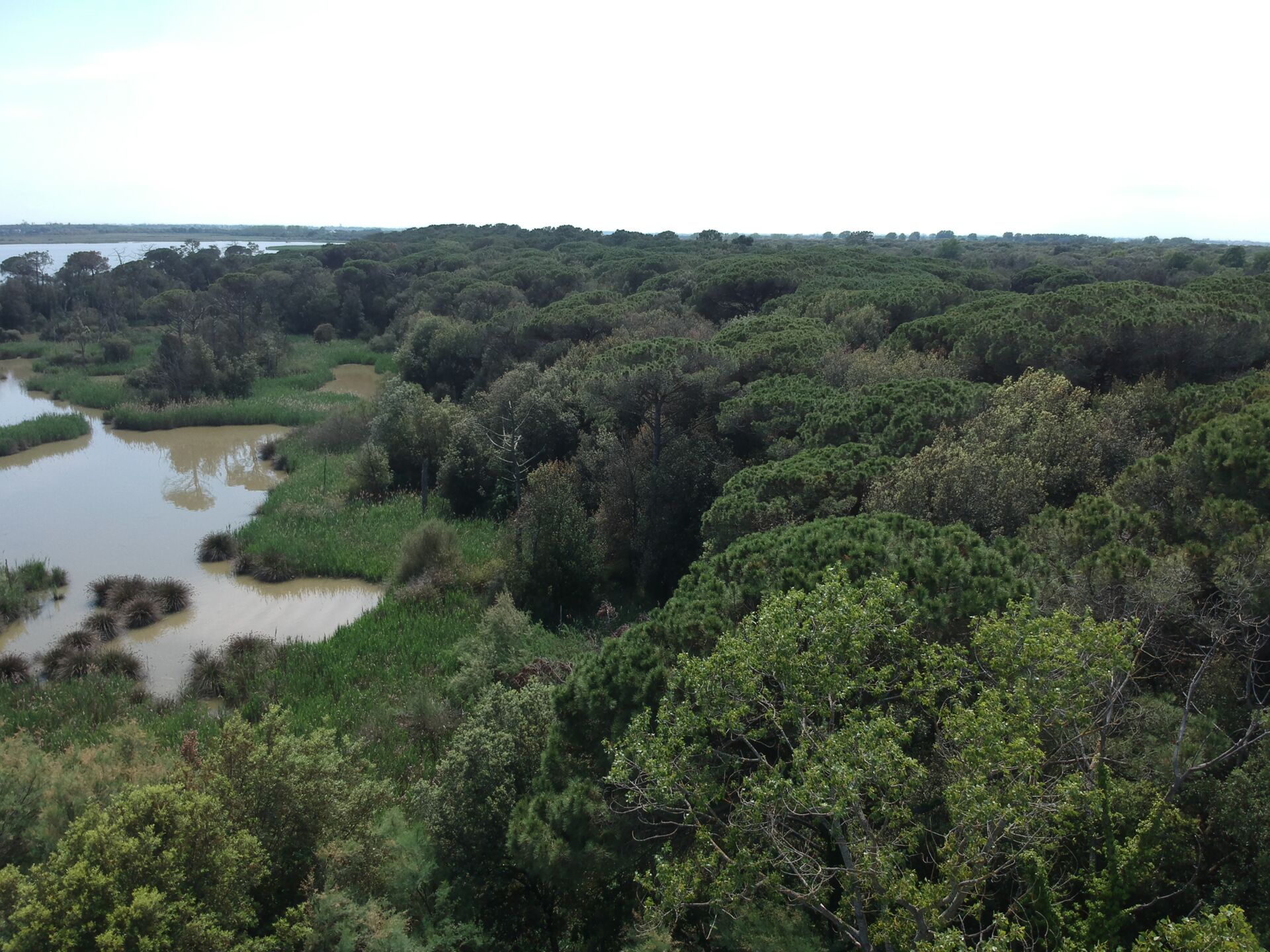
Bosco della Mesola, aerial view
Luca Parodi | Rights reservedThanks to conservation efforts, biodiversity is very much alive in Bosco della Mesola today. A botanic study carried out in 2021 identified of as many as 480 different plant species, 12% of which are protected under regional, national or European law. These data also show that the Bosco della Mesola Nature Reserve protects approximately one third of the vascular plant species found in the entire Province of Ferrara (Alessandrini et al. 2021, Piccoli et al. 2014).
As with any ecosystem, forest biodiversity should not be confused with the mere presence of many different plant species. A forest can be said to be ‘biodiverse’ if its wealth of species and habitats is combined with an ecosystem that is intact and capable of ensuring the complexity of a dense network of relationships between living organisms and between these organisms and the environment, as well as safeguarding the ecosystem from disruption.
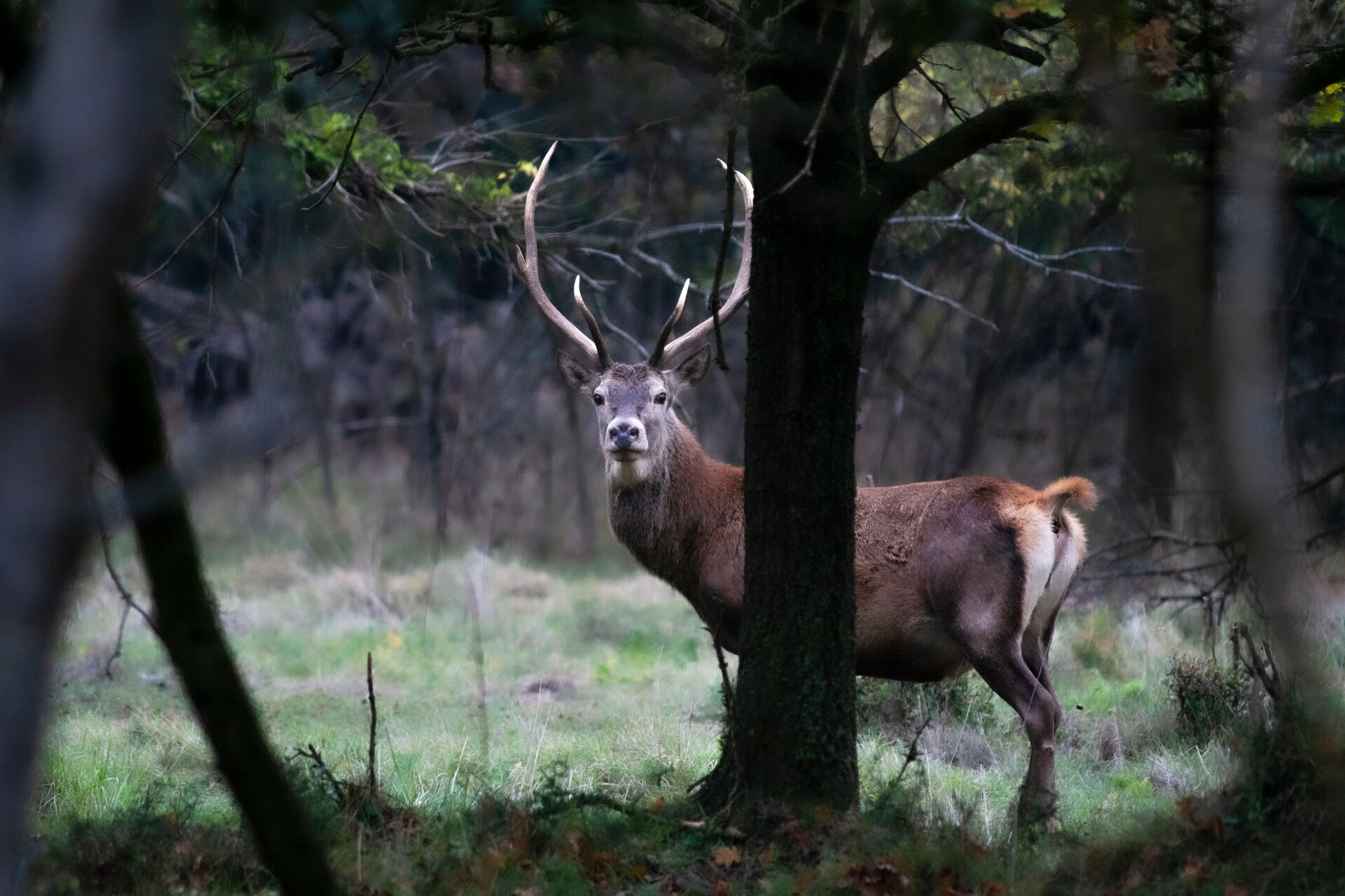
Cervus elaphus italicus, Bosco della Mesola
Davide Zanin | Rights reserved | Adobe StockBosco della Mesola combines all of these conditions. The forest is still home to the Italian mainland’s only indigenous deer population (Cervus elaphus italicus), which has survived centuries of hunting and habitat disruption by humans.
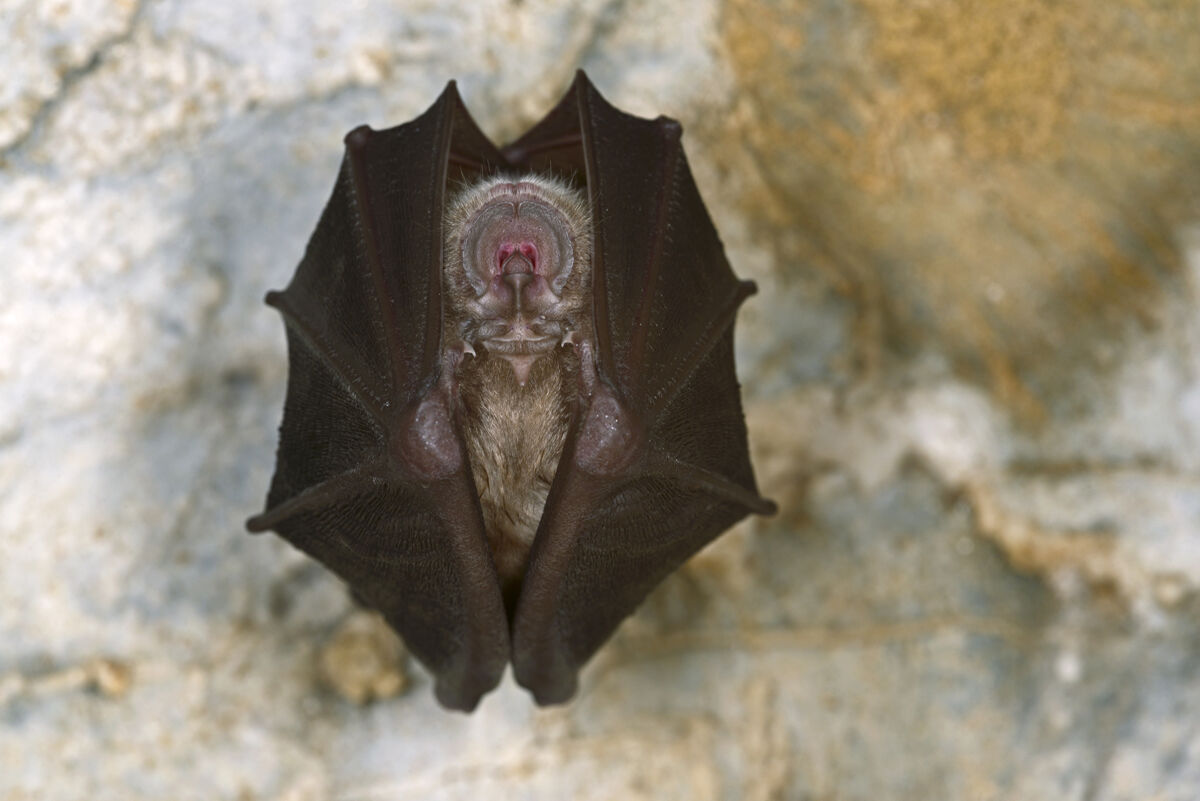
As well as deer, various other species protected under the Habitats Directive live in the forest, including invertebrates (Lucanus cervus, Lycaena dispar, Cerambyx cerdo), reptiles (Emys orbicularis and Testudo hermanni), amphibians (Triturus carnifex and Pelobates fuscus insubricus), and bats (Barbastella barbastellus and Rhinolophus ferrum-equinum).
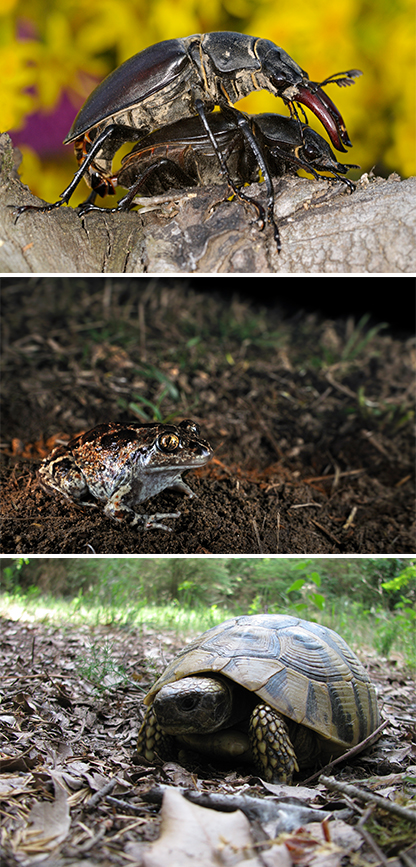
Lucanus cervus (mating), Pelobates fuscus, Testudo hermannii in Bosco della Mesola
This forest is a splendid example of interactions and adaptations of very diverse ecosystemic components. The Boscone is a complex whole made up of the climatic, chemical and physical characteristics of the environment, of local plant and animal life, and naturally also of any local human communities.
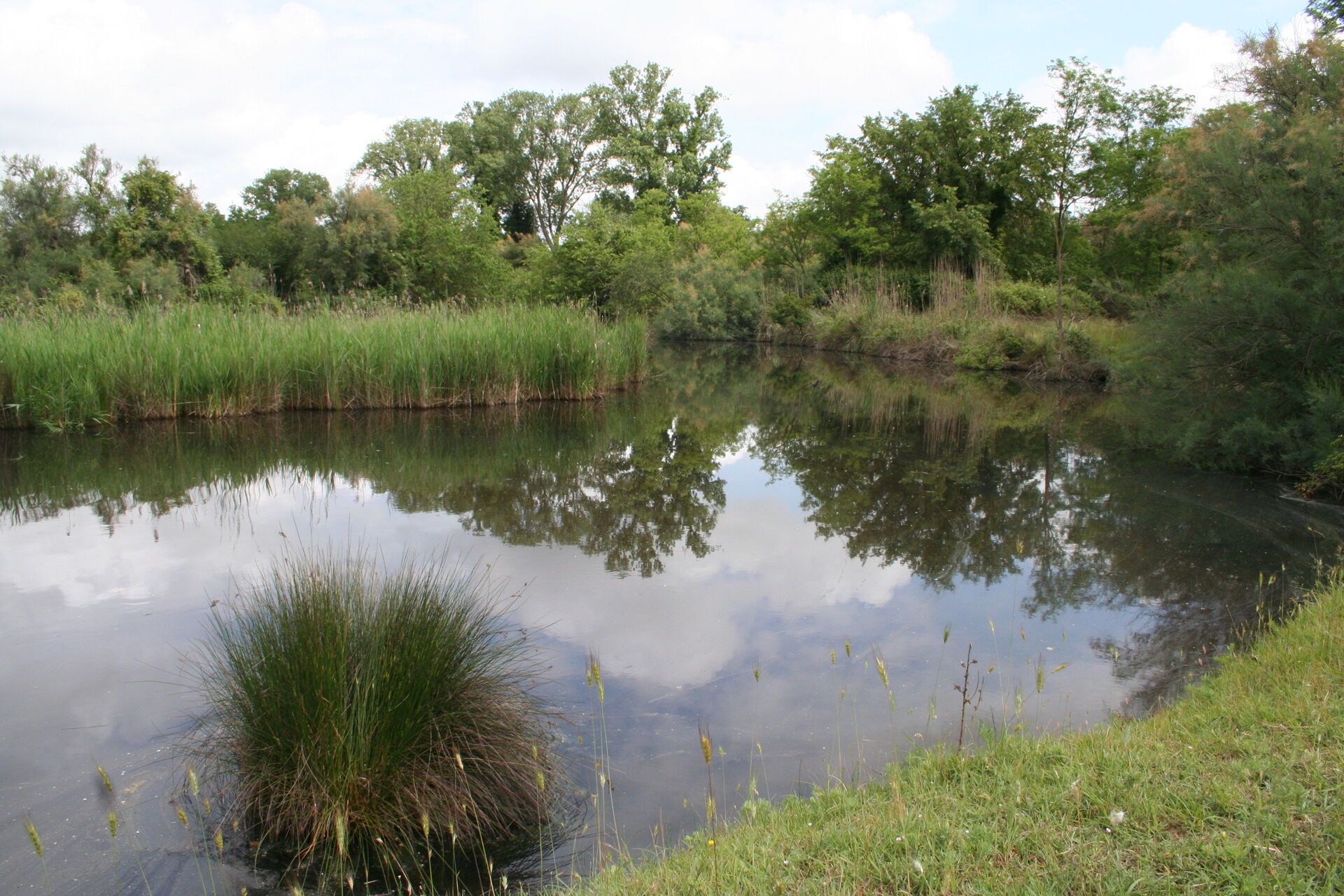
Pond in Bosco della Mesola, 2022
Simona Re | Rights reservedEcosystems are anything but still photographs. On the contrary, they alter in response to environmental conditions and to the dynamics of communities of living organisms, including human beings. And so, over the course of time, a number of species have vanished from the Boscone, either due to adverse historical events or climate change.
At the beginning of the 19th century, the forest stretched as far as the coast and featured typical coastal habitats, where the sword-leaf dogbane (Apocynum venetum) grew, as can be seen from this sample from Antonio Campana’s collection, housed at the Herbarium of the University of Ferrara.
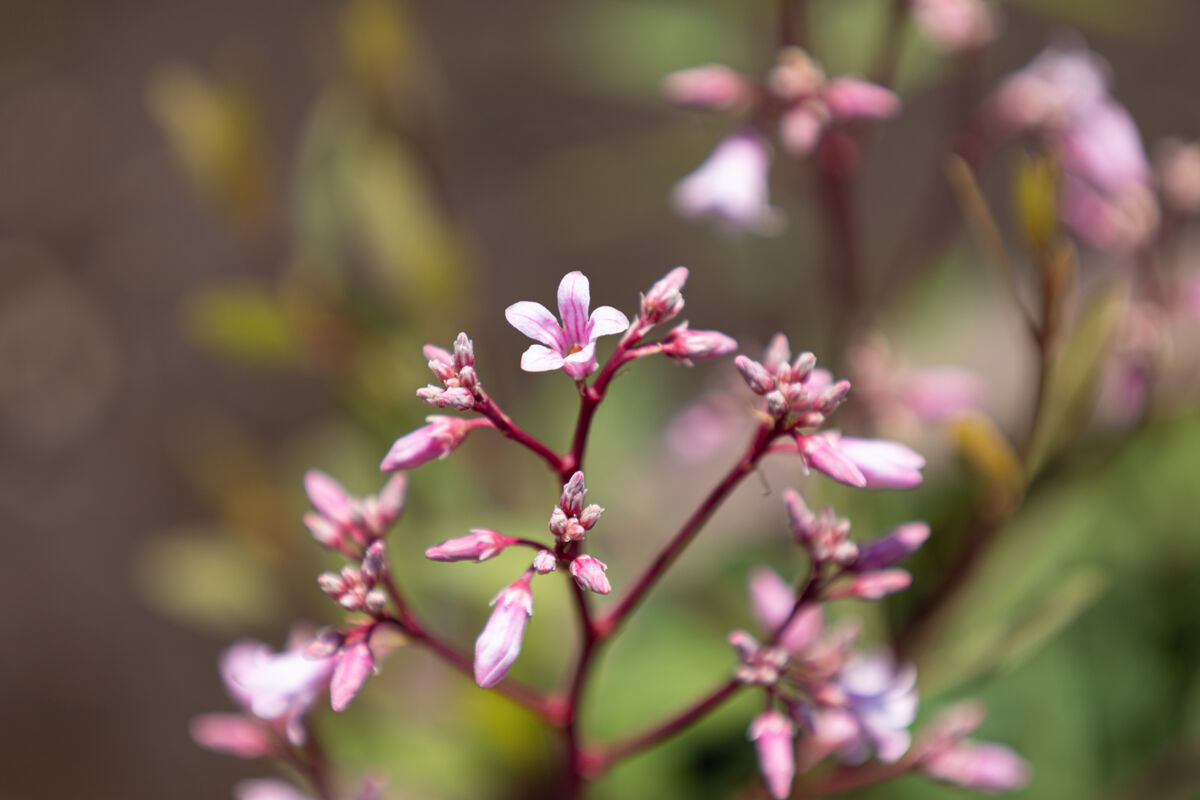
Apocynum venetum

Nymphaea alba
Giacomo Radi | Rights reservedFreshwater environments populated by the white water lily (Nymphaea alba) have also declined, together with wet meadows rich in orchids such as Anacamptis laxiflora. But other plants have appeared that were never recorded before 2021, including an orchid, Epipactis microphylla, and a species of sedge, Carex punctata.
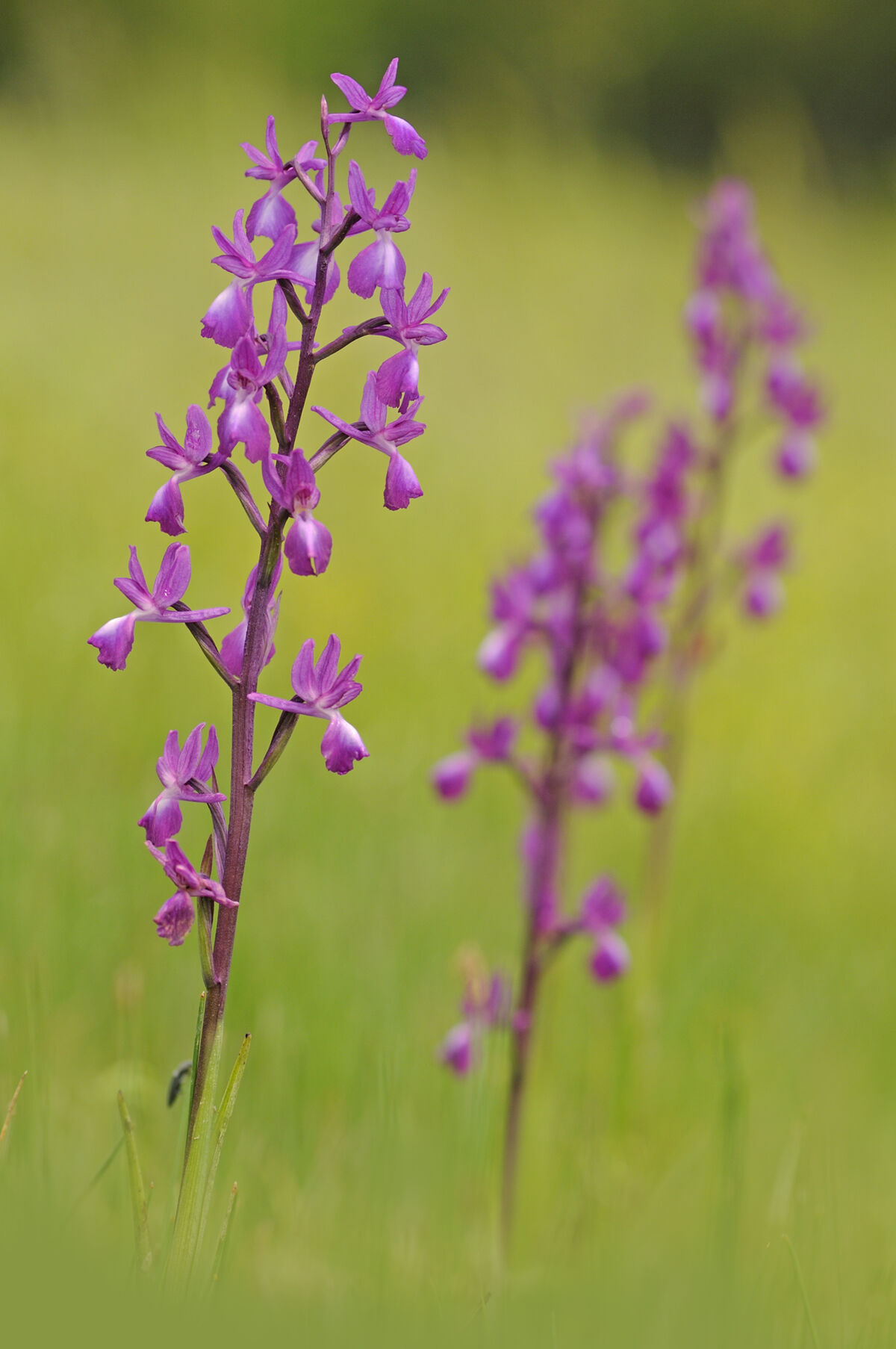
Anacamptis laxiflora
These changes and adaptations are part of the continuous dynamism of this extraordinary environment. It must be protected and respected, including its transformations, first and foremost for our own benefit.
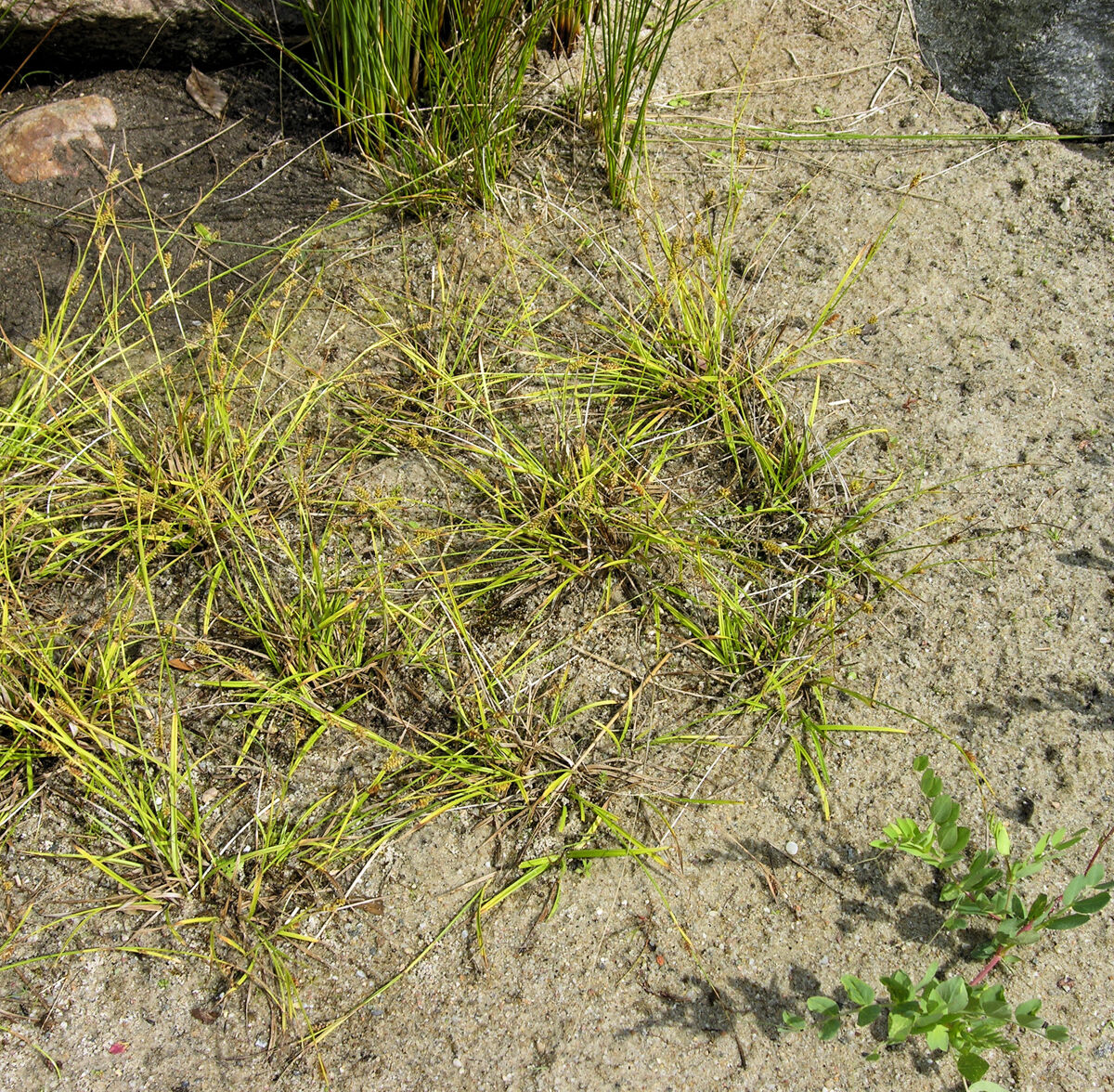
Carex puncata
A protected area supported by environmental education and social networks
Giovanni Nobili (Punta Marina Carabinieri Biodiversity Unit) explains how environmental education and awareness-raising is central to the work of the ‘Carabinieri for Biodiversity’.
At this time of great environmental change, he tells us, the forest is capable of adapting. We must realise that current levels of biodiversity cannot be conserved forever but will change over time.
He therefore emphasises the need to raise awareness among school students but also among adults and local administrators of the importance of this ecosystem, including its cultural significance.
The role of conservation
The biodiversity of Bosco della Mesola is strictly protected today to ensure that it will be preserved for decades to come. The forest is protected by the Emilia-Romagna Po Delta Regional Park, is a UNESCO Biosphere Reserve and is part of the Natura 2000 Network under the Habitats Directive. It includes Sites of Community Importance (SCI) and Special Protection Area (SPA), as well as the Bassa dei Frassini e Balanzetta Nature Reserve, established back in 1971.
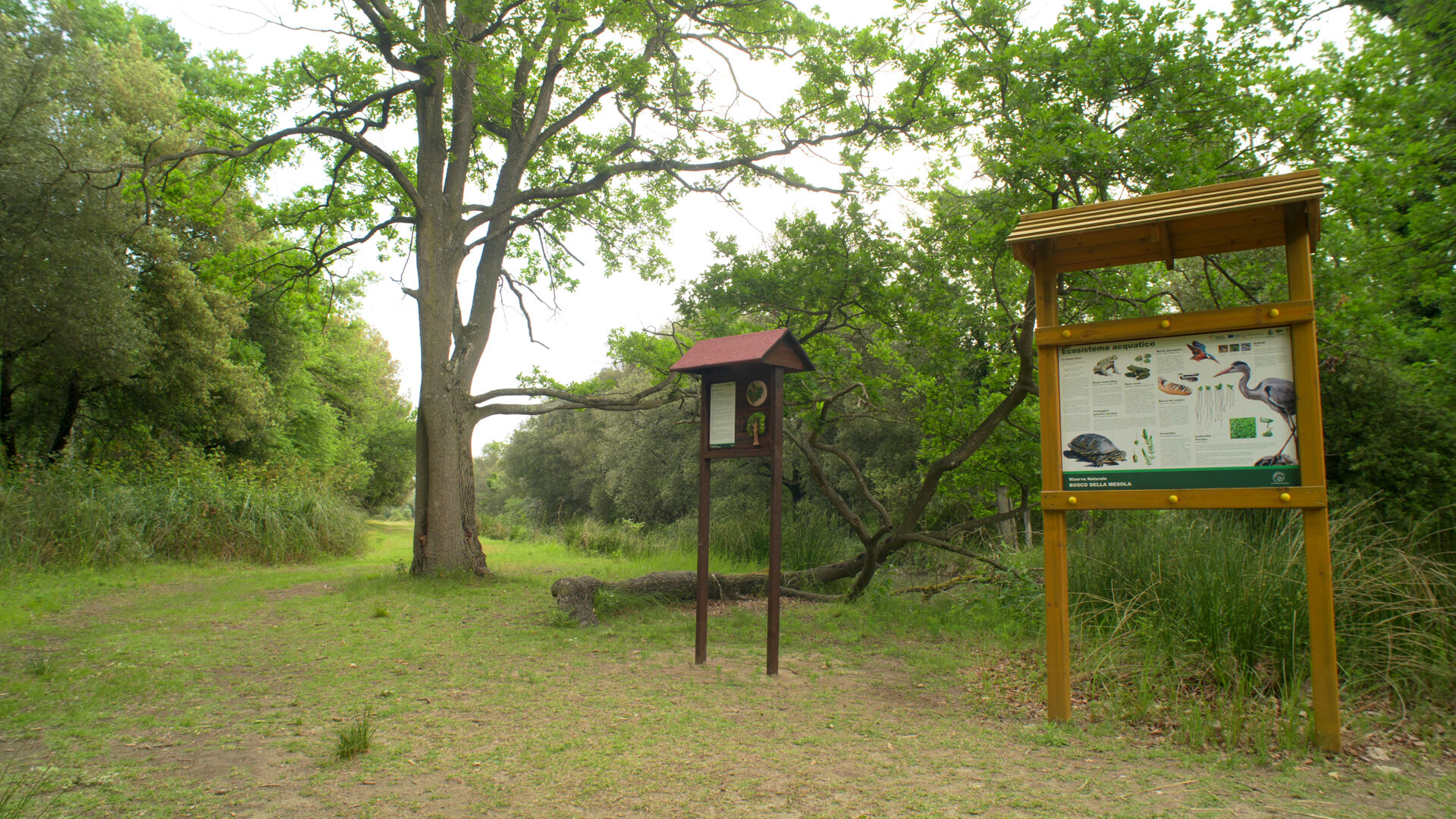
Signs in Bosco della Mesola nature reserve
These official forms of protection are essential for ensuring the survival of intact ecosystems and central to creating interconnection with the other nearby natural areas dotting the farmland of the lower Province of Ferrara in fragmented fashion. The Boscone thus becomes the starting point for an ecological network connecting the woods of Santa Giustina to the north and the Volano pine groves to the south, underpinning conservation and spreading biodiversity, even in an area with dense human settlement.
Creation of networks of protected areas can ensure the survival of natural ecosystems even in the most industrialised, populated, heavily farmed regions. Where there is the will, there is a way.
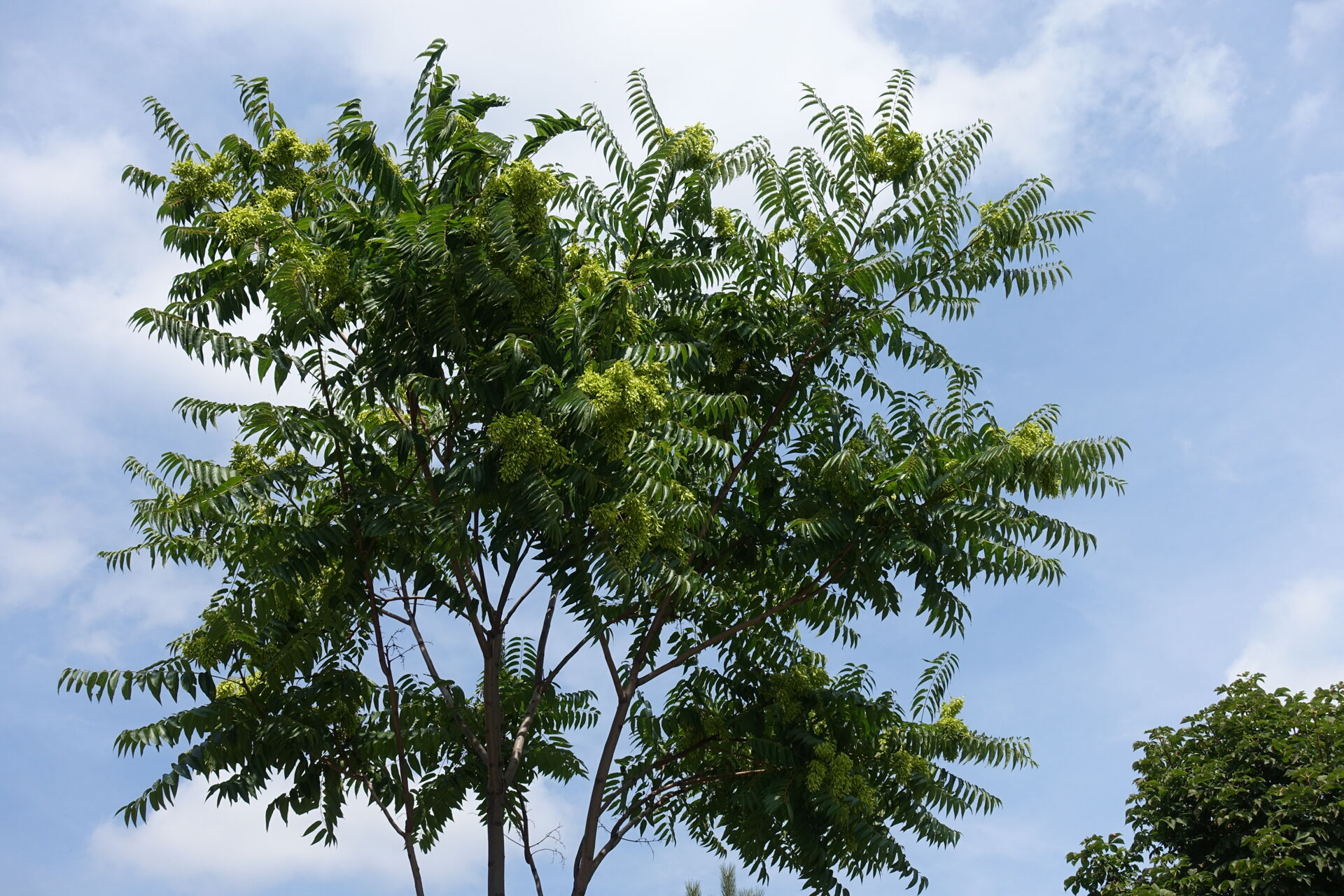
Ailanthus (Ailanthus altissima)
Anna | Rights reserved | Adobe StockIt should however be recalled that the Bosco della Mesola ecosystems are still threatened on several fronts. As regards plant life, the ongoing rise in alien species such as ailanthus (Ailanthus altissima) and pokeweed (Phytolacca americana) in ruderal areas is a cause for concern, although their frequency is currently quite low.
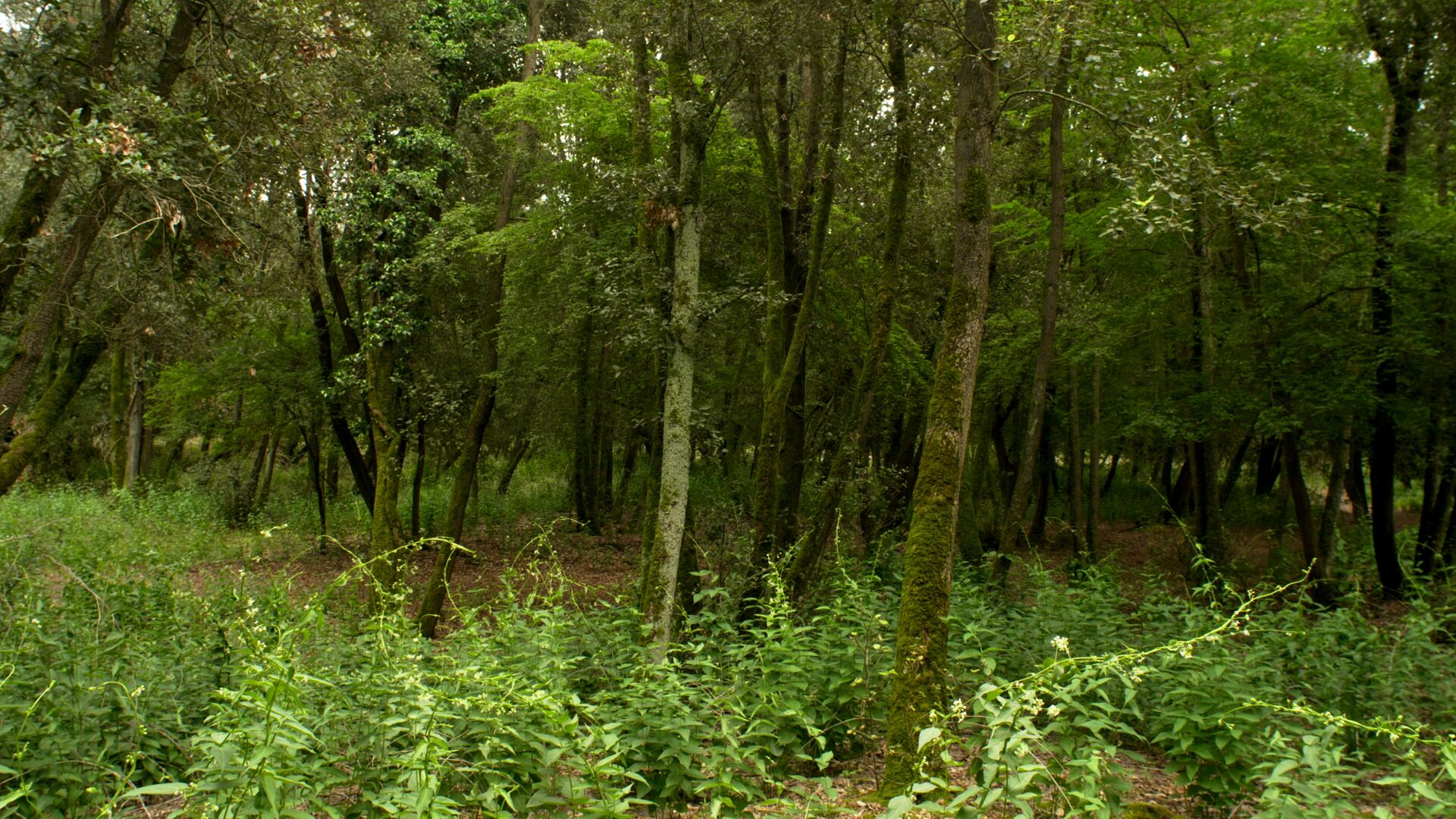
Bosco della Mesola
Luca Parodi | Rights reservedAlso worrying is the increasing presence of nitrophilous species, adapted to high nitrogen concentrations. The spread of this type of plants reflects the impact of farmland surrounding the forest, and in particular the use of fertilisers.
Furthermore, the rising sea level, in turn linked to rising temperatures, is leading to increased soil salinity in the south-eastern part of the Reserve. This is resulting in changes in the composition and distribution of hygrophilous communities.
Wetlands in Bosco della Mesola
Alexandra Nicoleta Muresan (National Research Council - CNR) explains how the Mesola Forest Nature Reserve has a high level of plant biodiversity (mentioning reeds and rushes of the genus Phragmites, or duckweed of the Lemna genus) and animal diversity (including the macrozoobenthos community, whose members are considered excellent bio-indicators of water quality).
She also mentions the changes that Mesola Forest has undergone as a result of salt wedge intrusion, a natural phenomenon that has been intensified by human action.
Mesola Forest offers several ecosystem services, she tells us, reflecting the natural and landscape value of this environment.
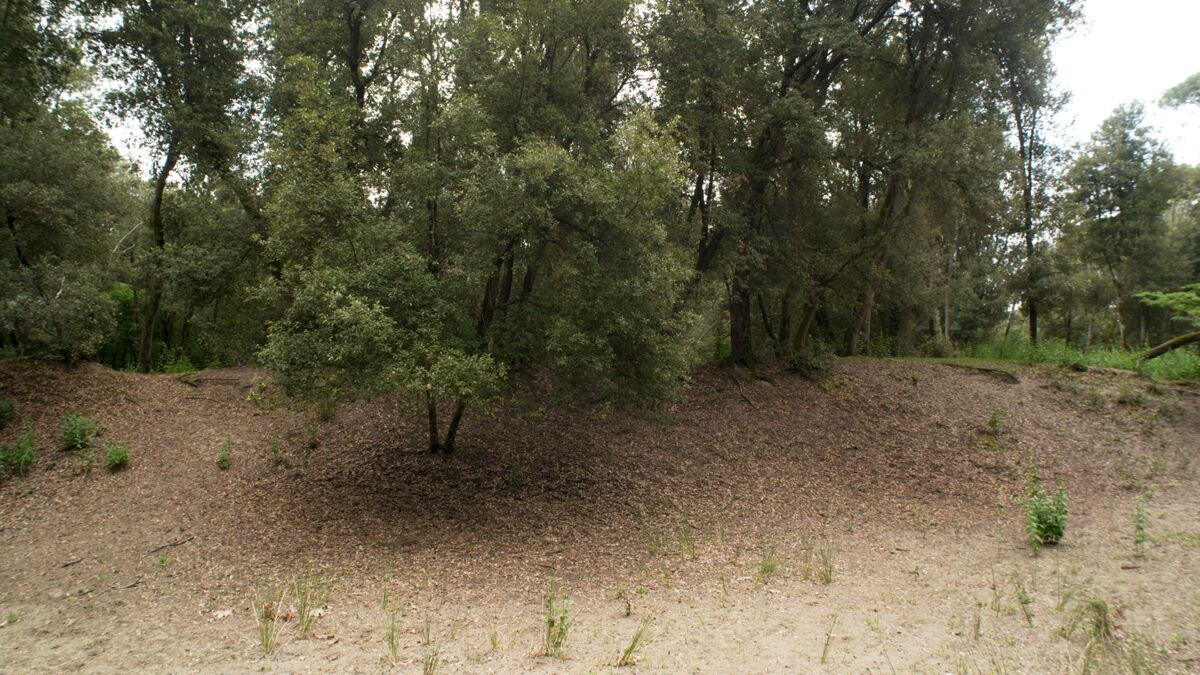
A well-known saying says, ‘live and let live’. Thanks to its unbroken history and the important protective measures adopted to date, the great range of environments and plant and animal life found in the Bosco della Mesola has survived. Its enormous biodiversity and the ecosystem services it provides are thus also conserved.
The forest’s great natural value, on the one hand, and the significant environmental challenges it faces, on the other, explain why measures for protecting natural areas – ranging from reducing human-induced disruption to the conservation of biodiversity – must continue to be a priority.

