
Mountain forests
Guardians of the mountains
Forests protect mountains and all organisms living there, including human beings. With their roots, trees consolidate the soil and reduce landslides, while their trunks prevent avalanches. Their foliage and roots absorb water from rain and snow, releasing it slowly and protecting the valleys from the risk of flooding. Forests also play an important part by storing carbon in the wood of trees, avoiding its release into the atmosphere as greenhouses gases.
In the past, forests were seen as environments to be exploited to extract resources such as timber and to supply food by gathering fruit and hunting. It is becoming increasingly clear today that the greatest benefits can be obtained from forests by protecting their natural state and biodiversity.
Not just trees
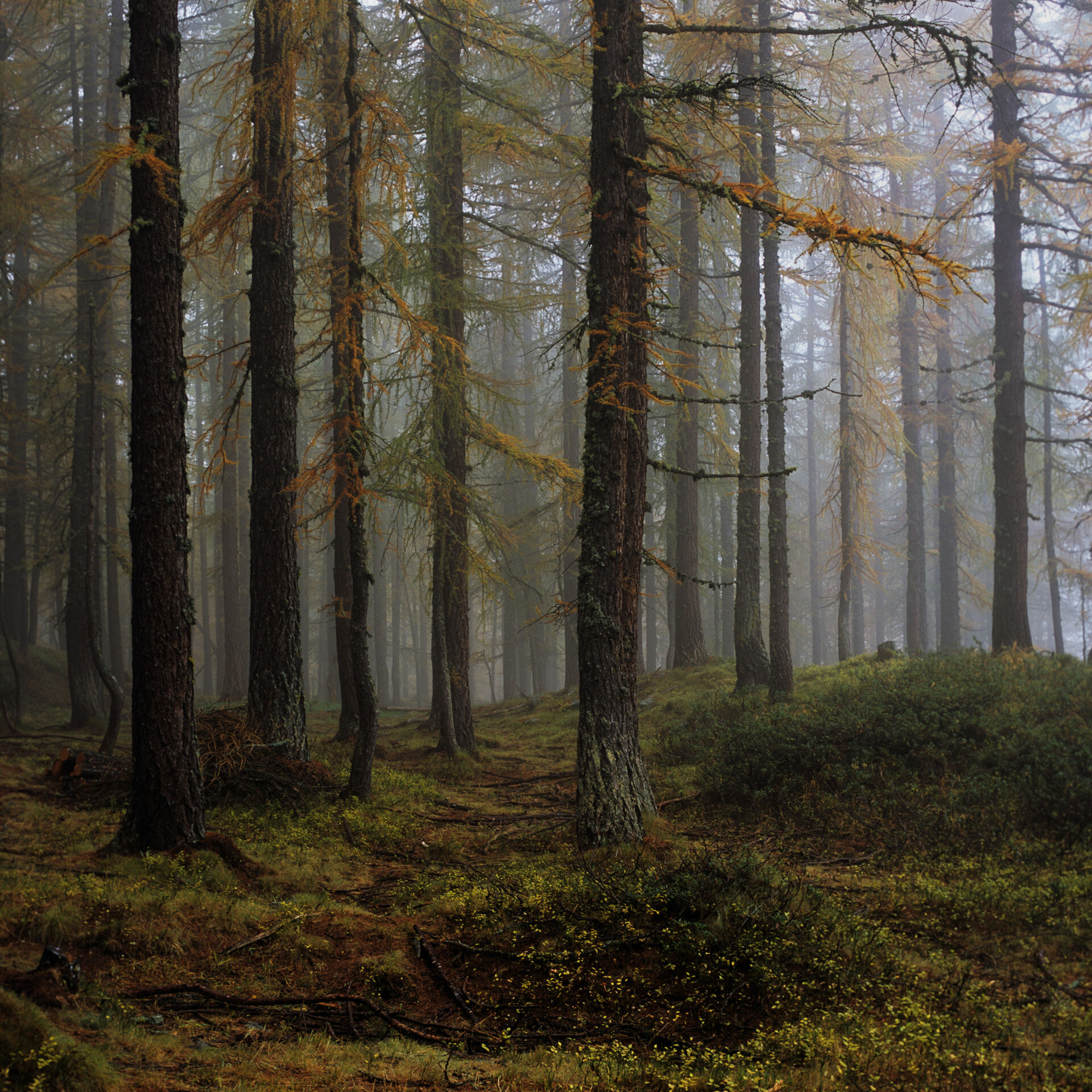
Forests are so much more than ‘groups of trees’. They are, rather, complex communities of plant and animal species that depend for their existence and development on sets of mutual interactions and environmental characteristics. They also alter the environment, bringing about that particular dynamism known as ‘forest succession’.
Certain conifers can survive in arid climate conditions and nutrient-poor soils, such as the Scots pine (Pinus sylvestris), which tends to form open forests.
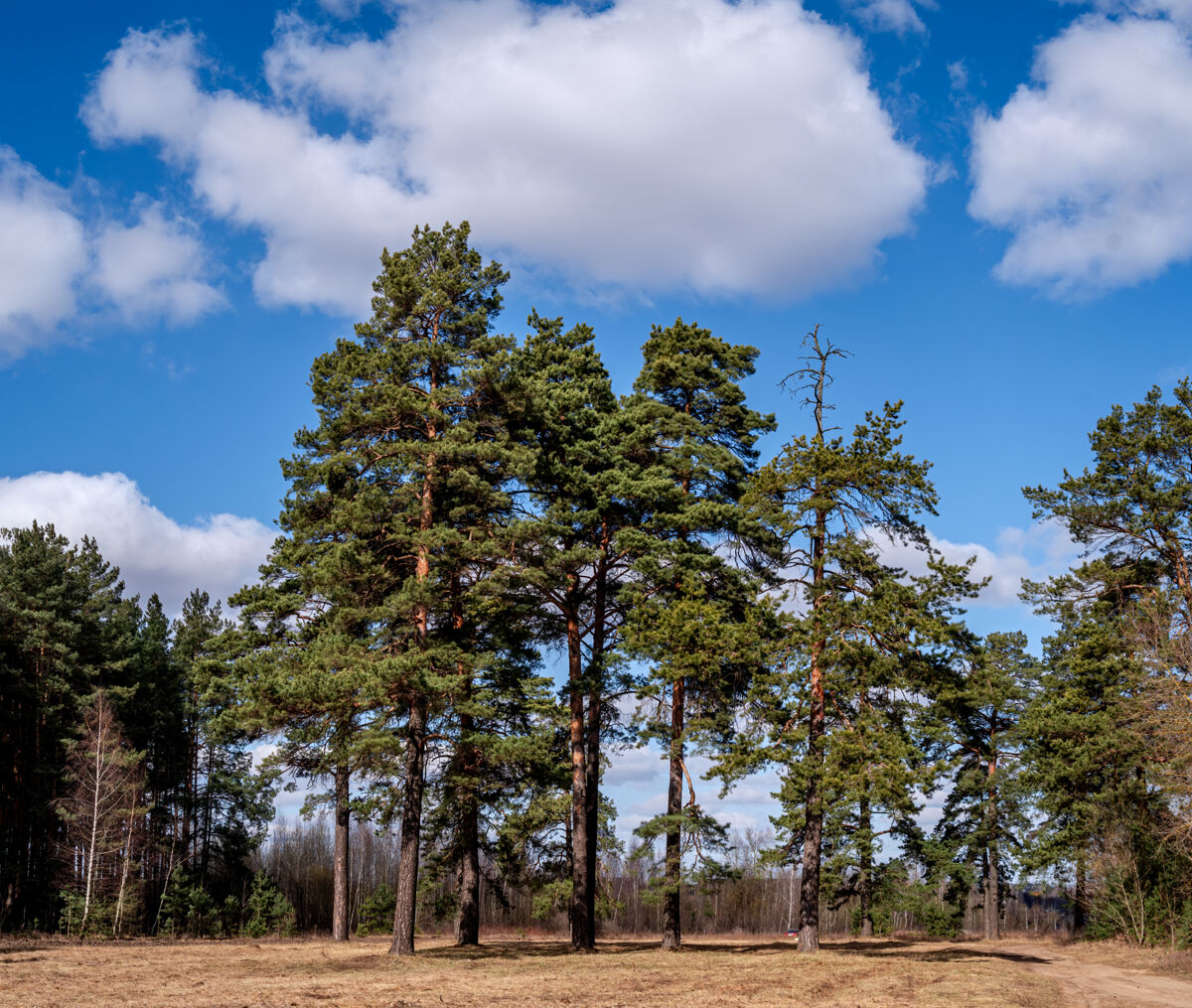
Scots pine (Pinus sylvestris)
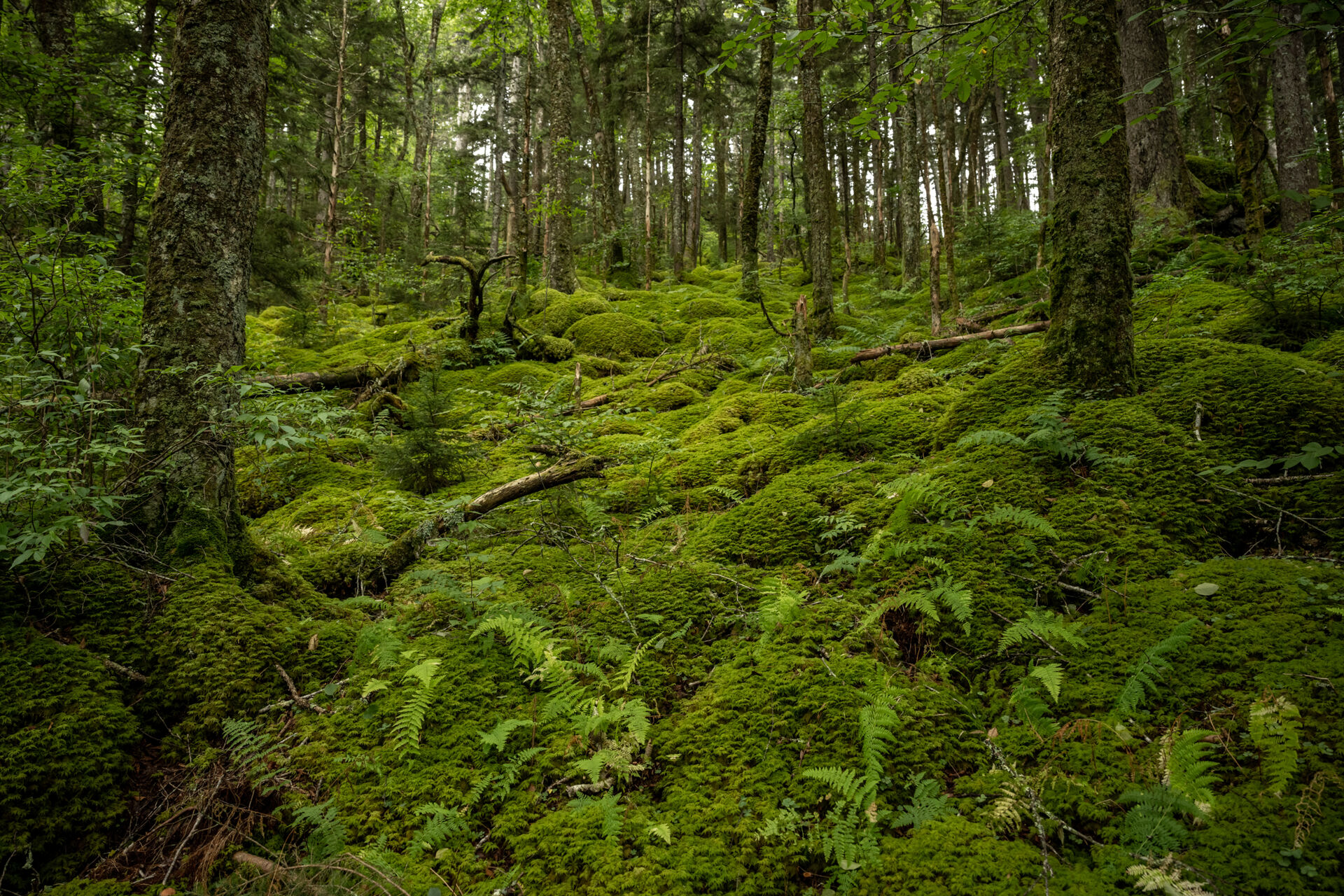
Forests where the Norway spruce (Picea abies) predominates, on the other hand, tend to have undergrowth naturally enriched by a range of fragrant herbaceous species, such as heather, rhododendrons and blueberries.
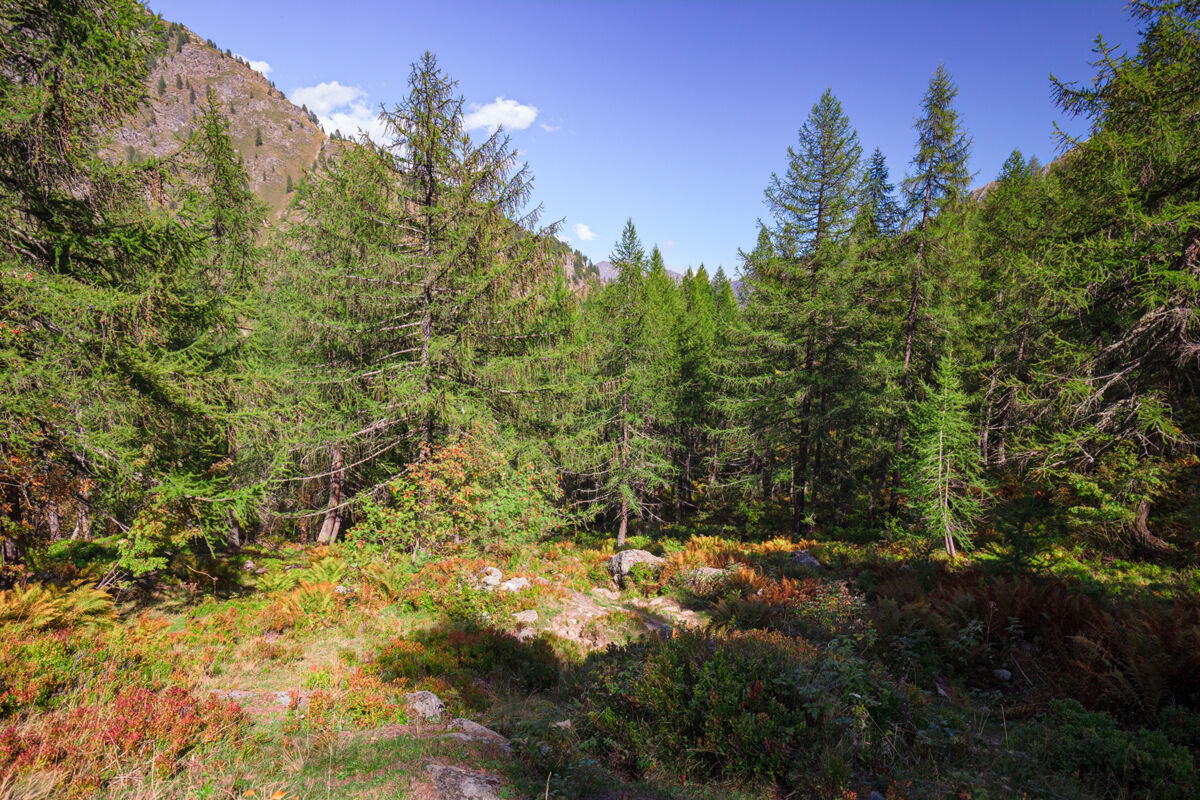
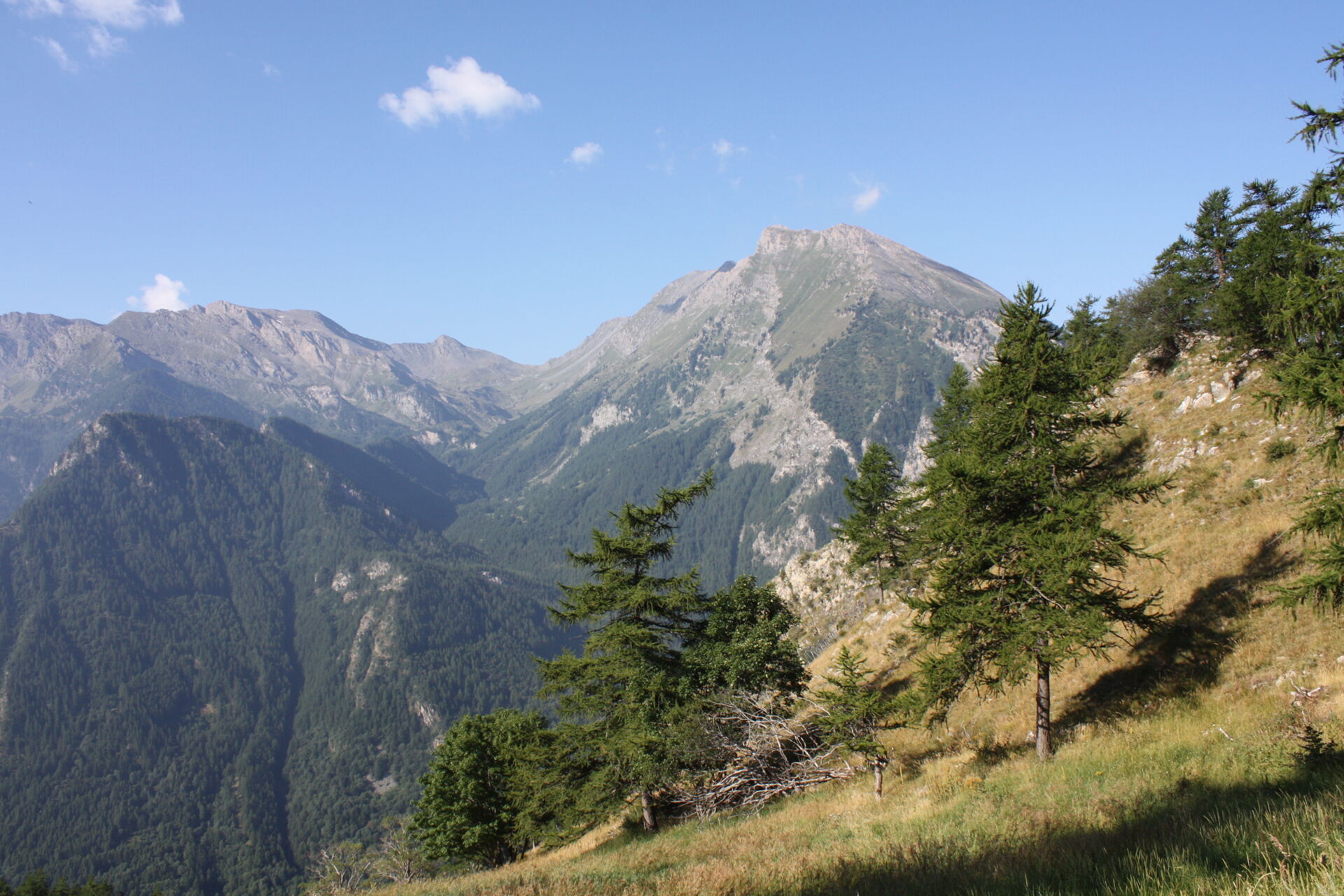
Larch trees with a mountain background. Monte Albergian
Giuseppe Bogliani | Rights reservedOther forest types are dominated by larch (Larix decidua) or mixed larch and Swiss pine (Pinus cembra) growth.
Larch forests tend to have few undergrowth species because, unlike other conifers, they lose their foliage in autumn, which decomposes slowly, covering the soil and preventing the development of other species of plant.
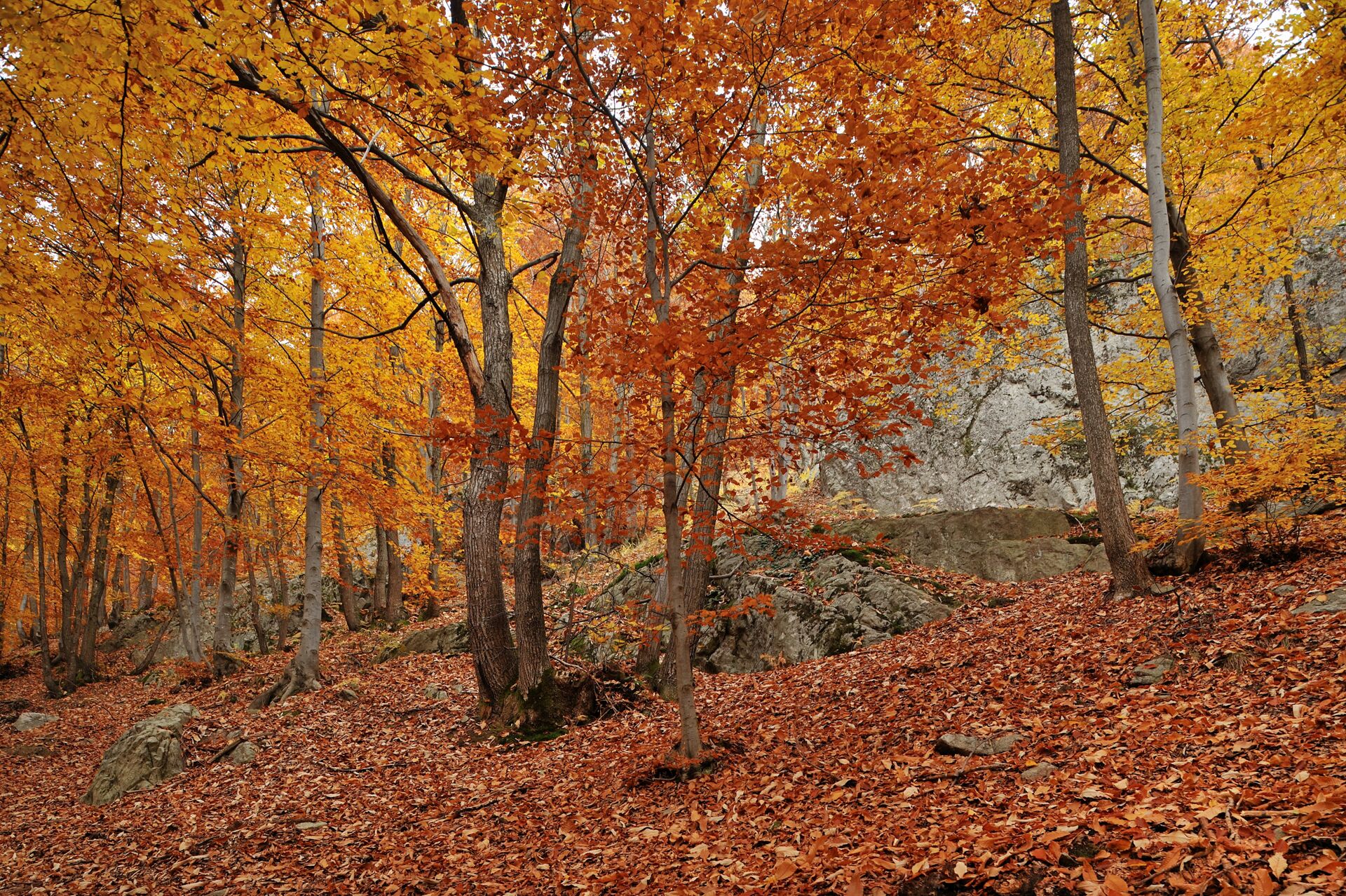
Beech forest
Antonello Provenzale | Rights reservedThe slopes of mountain environments are also populated by deciduous forests, such as dense beech (Fagus sylvatica) woods.
The few species forming the undergrowth in beech forests only find space in springtime, when there is more sunlight before growth of tree foliage has begun.
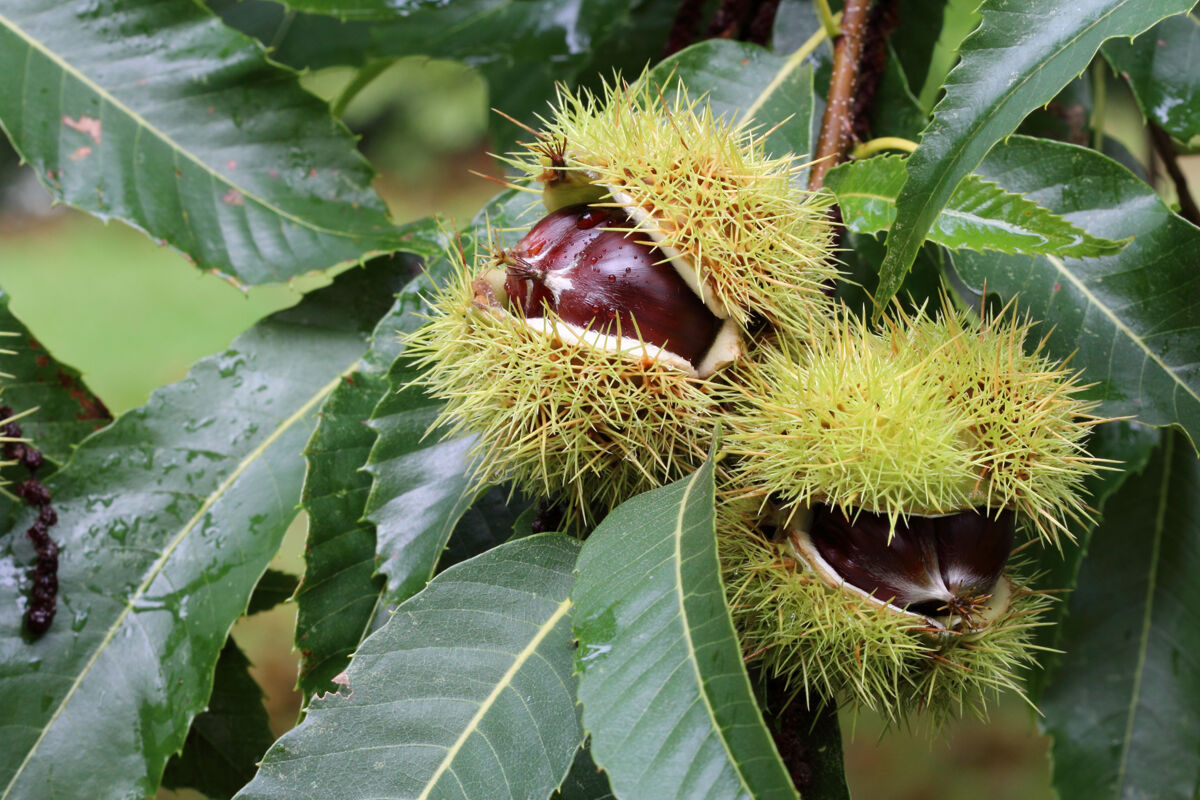
Human intervention has in many cases profoundly altered mountain forests. The composition of forests in almost all of the Alps and Apennines has undergone changes over the centuries to benefit forestry practices. The sweet chestnut (Castanea sativa) is a case in point. Found up to an altitude of about 1,000 metres, it has been cultivated in many parts of Europe since the Middle Ages for its fruit and timber.
But how are forests born? How do the mountainsides acquire their valuable and very useful covering?
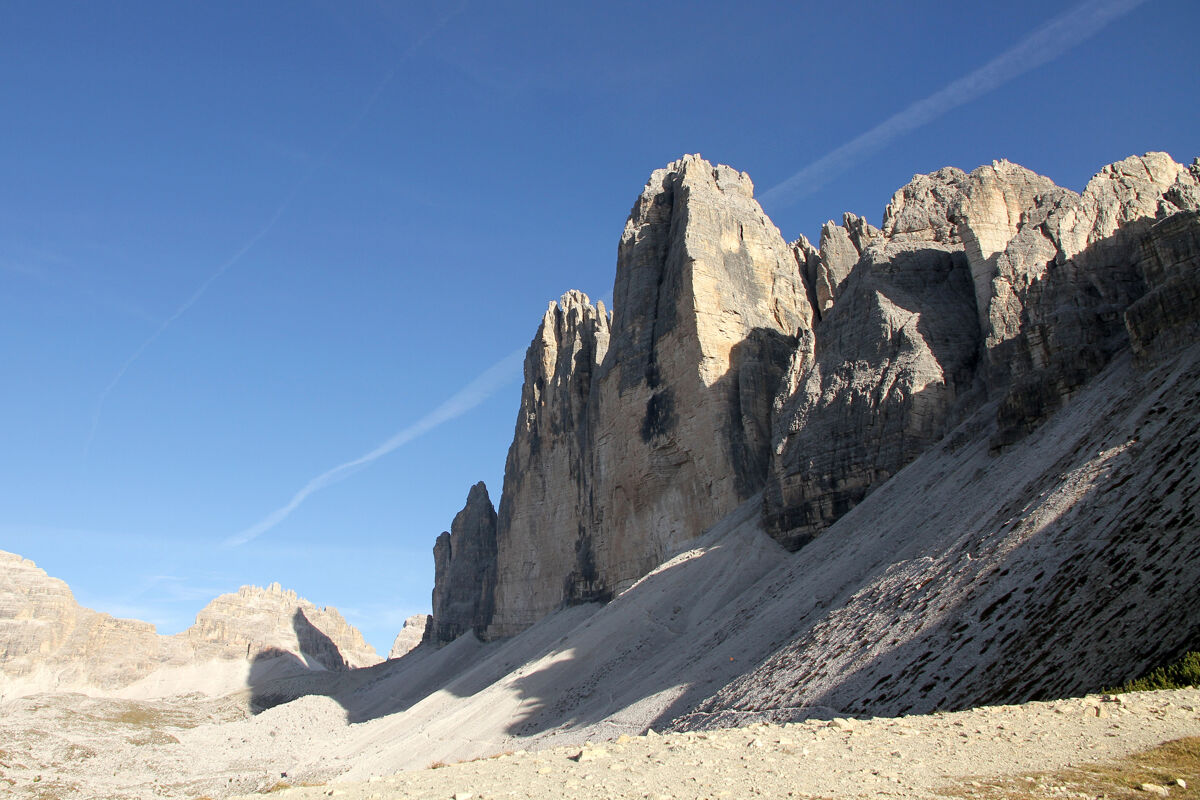
Observation of periglacial environments (for example, in the Central and Western Alps) and the scree slopes formed by rock debris (commonly found in the Dolomites) gives an idea of what just-formed mountainsides must have looked like, bereft of soil and vegetation.
The first life forms to develop are the ‘pioneer species’, in other words the first organisms to colonise bare land. These include lichens, which use algal-fungal symbiosis to survive even in the absence of soil.
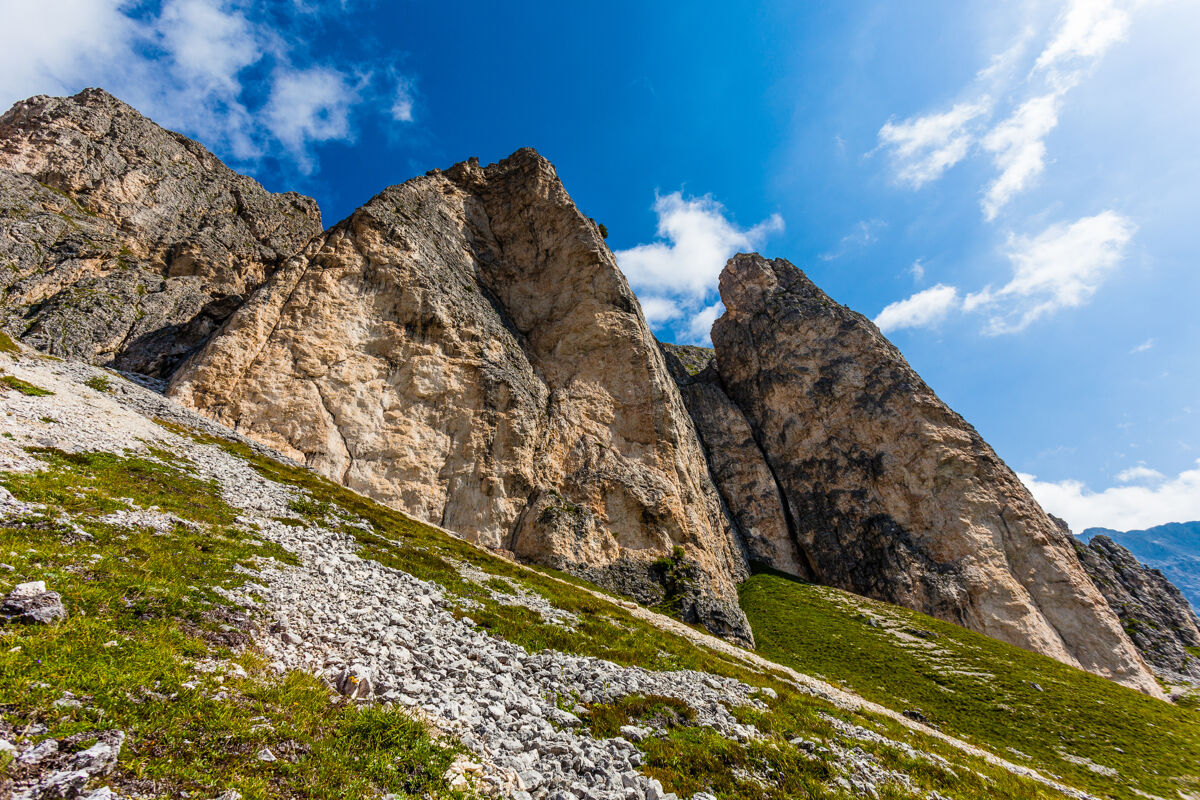
At lower altitudes, soil formation enables the development of shrubs such as rhododendrons (Rhododendron) and bog pines (Pinus mugo). Only at a later stage do these sparse bushes give way to woodland.
At higher altitudes, on the other hand, grassland is formed, whereas on unstable slopes the constant release and movement of debris prevents all but pioneer plants from developing.
Climate and soil characteristics determine which species of tree will predominate in forests.
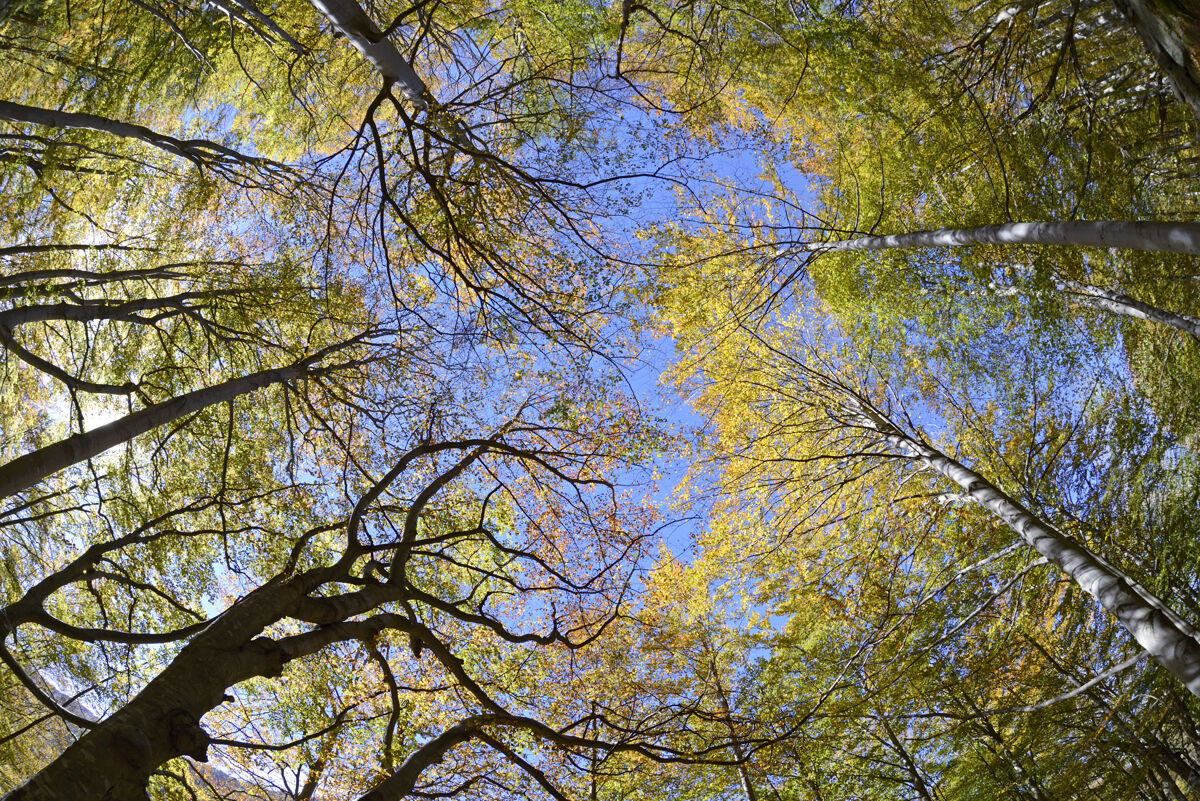
Beech forests develop in deep, mature soil between an altitude of 900 and 1400 metres in temperate areas with relatively abundant rainfall. Italian beech forests are most commonly found in the Apennines.
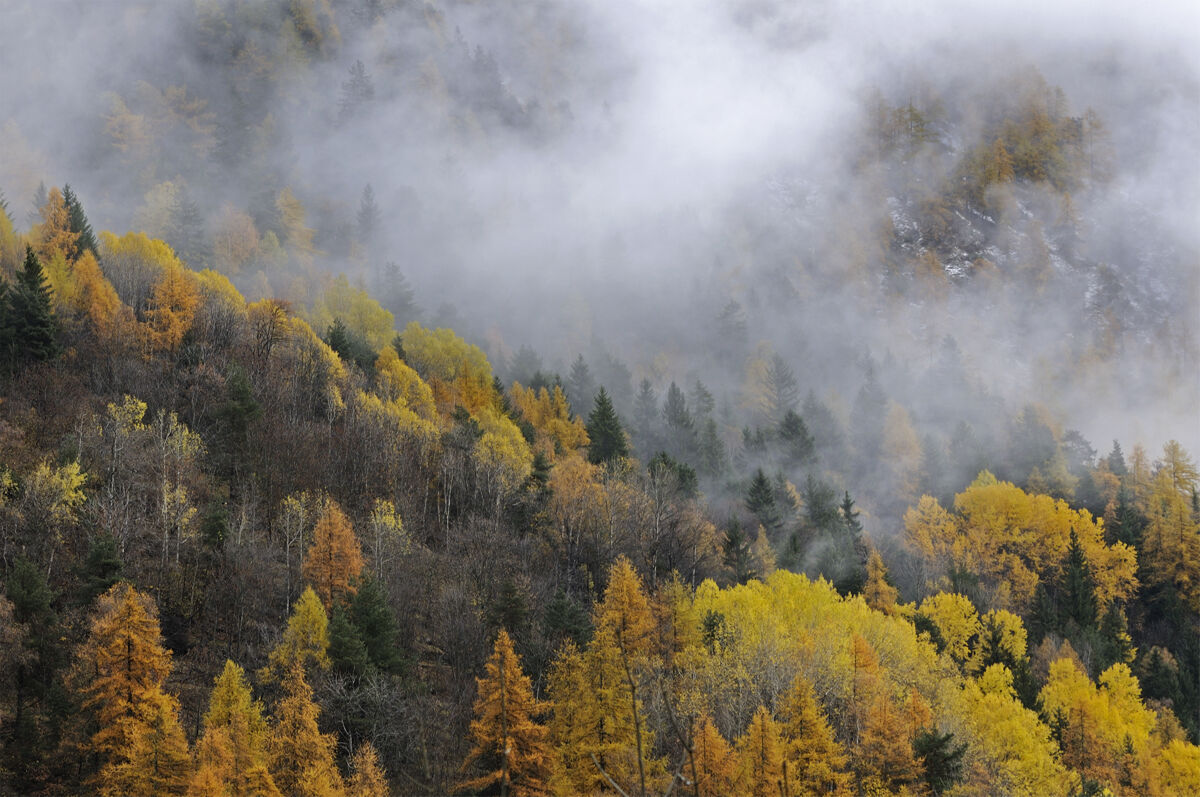
The Norway spruce grows at the upper edge of the treeline, at altitudes of up to 2000 metres. It is found mainly in the Alps and can form ‘pure forests’ or mixed woods with beeches and European silver firs (Abies alba) at lower altitudes or with larches higher up.
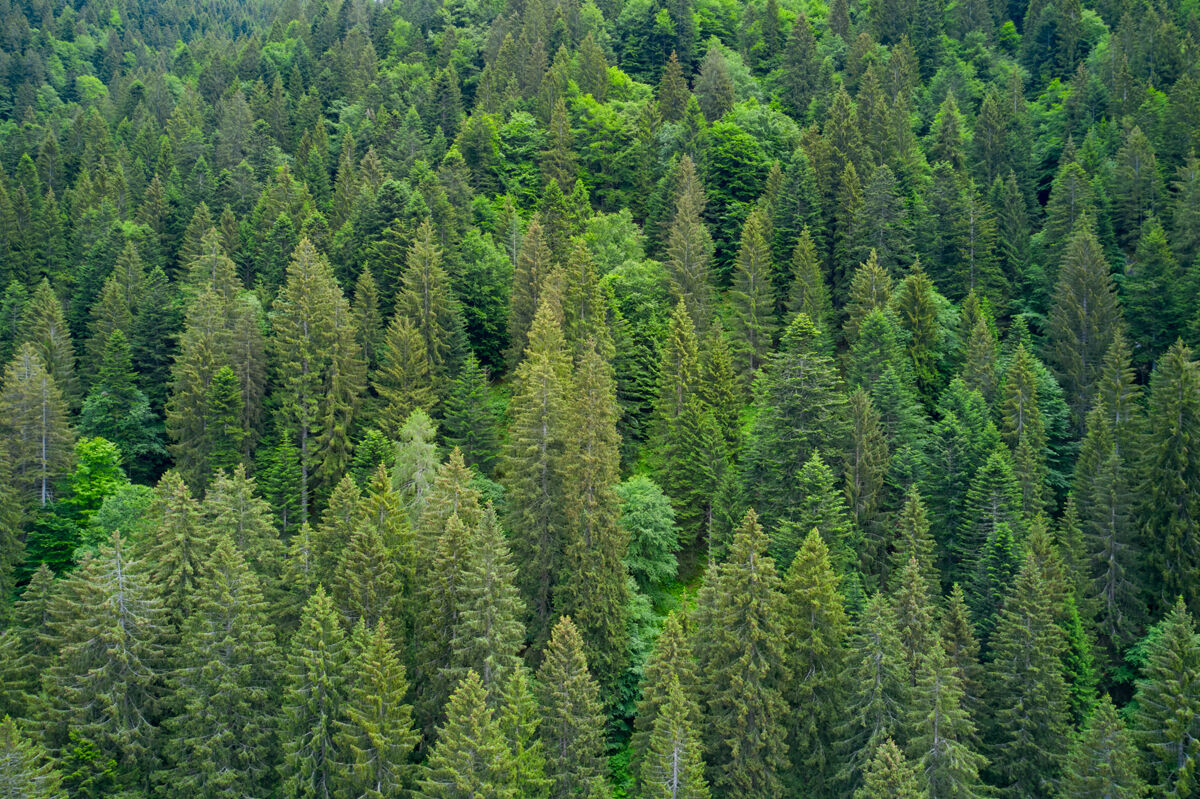
The European silver fir prefers dry soils in shaded areas and can withstand low temperatures but not exposure to the wind. It forms pure fir forests but also survives well mixed with beech trees. Most commonly found in the Alps, the tree is also found in scattered communities in the Apennines, as the result of human plantation.
The forest life cycle and the role of animals
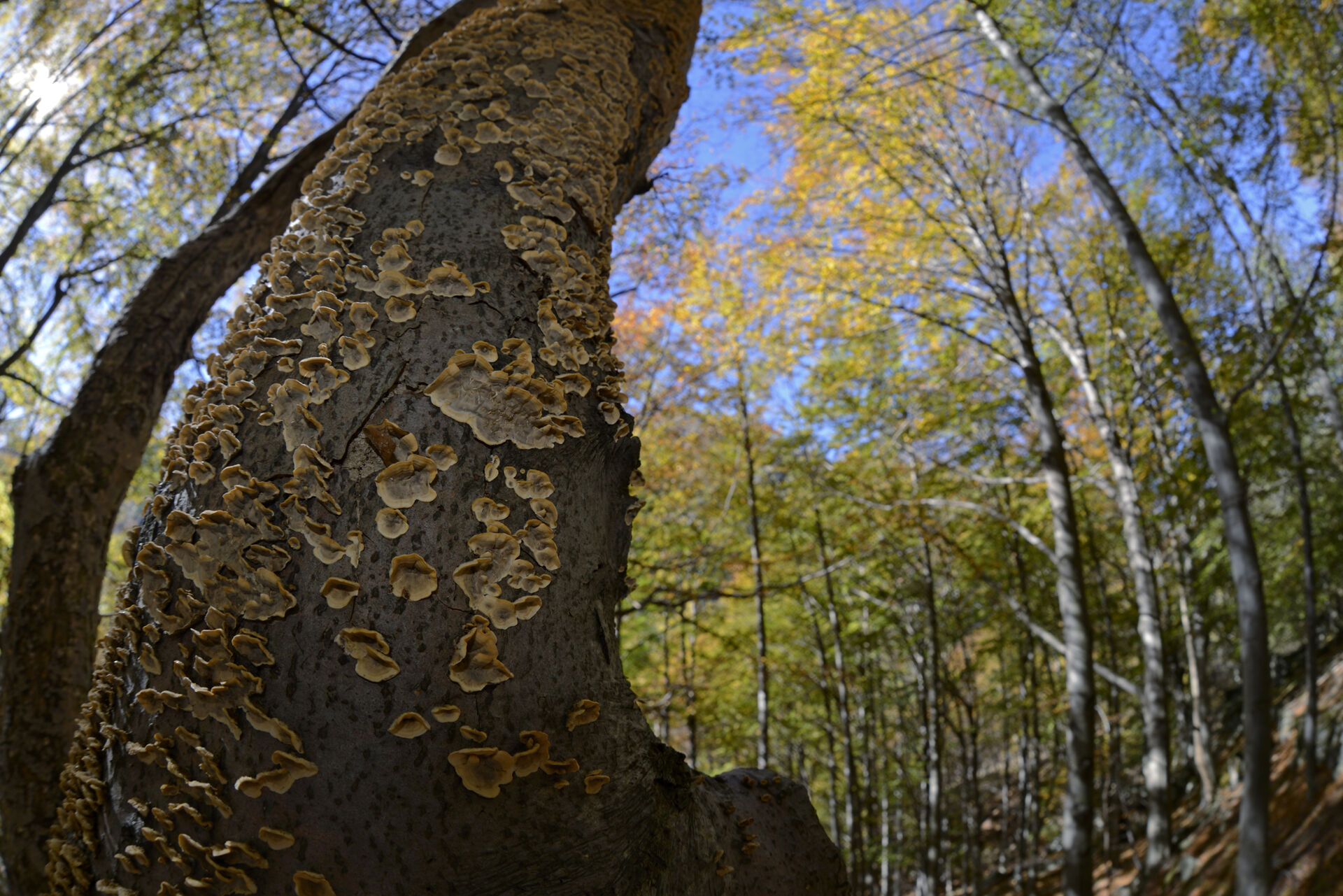
Funghi saproxilici in the Ticino nature park
Nicola Destefano | Rights reservedThe vast majority of tree-produced organic substances are consumed after the death of the plant.
Trunks, branches and leaves provide nutrition for bacteria and fungi performing a crucial function: decomposing organic matter and thus making its constituent elements available again as part of biogeochemical cycles.
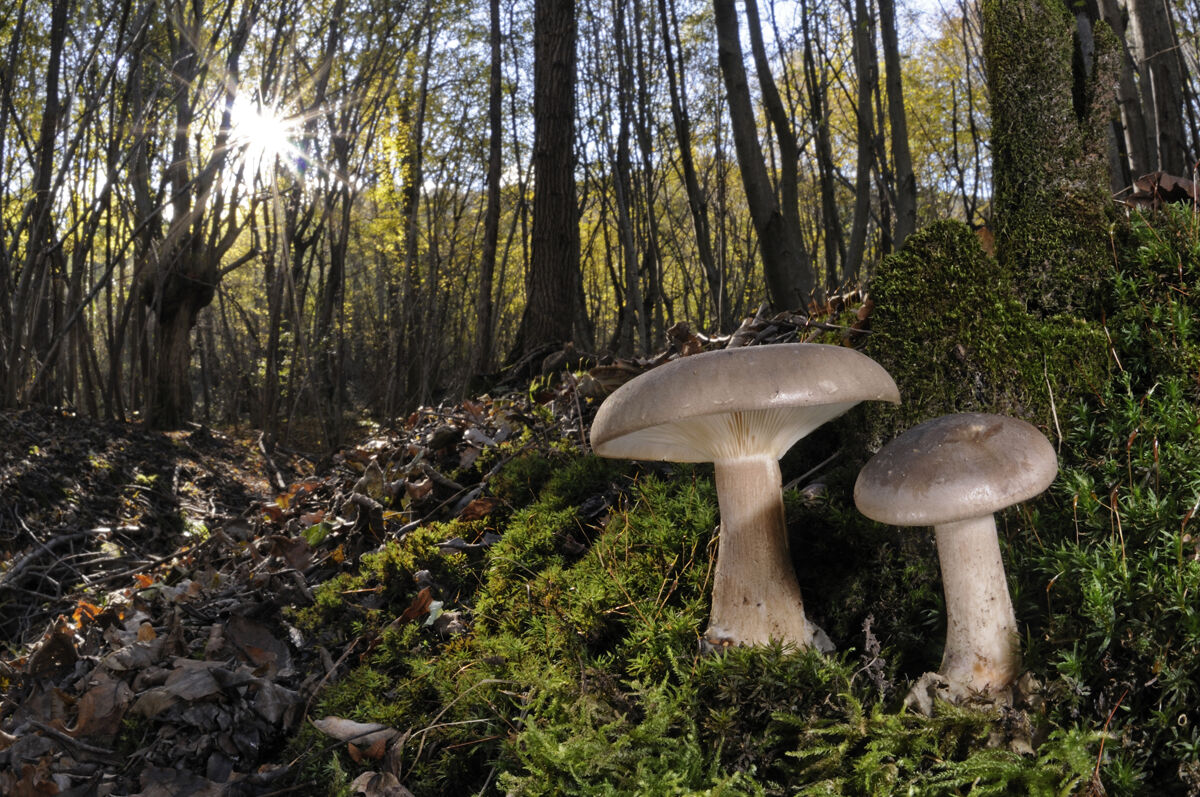
Clitocybe nebularis
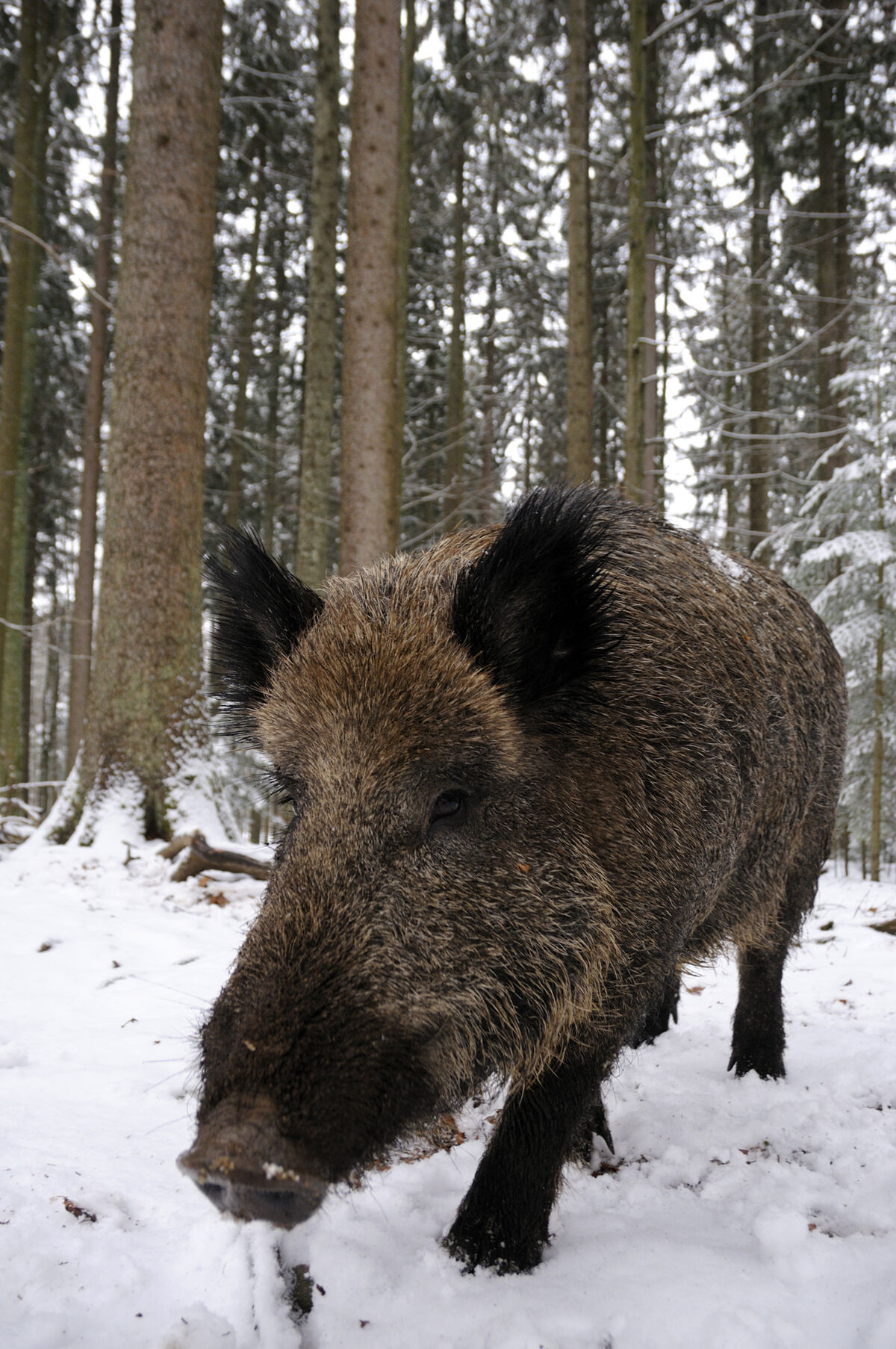
Animals also play an active role in forest metabolism and the dynamic changes taking place in this environment.
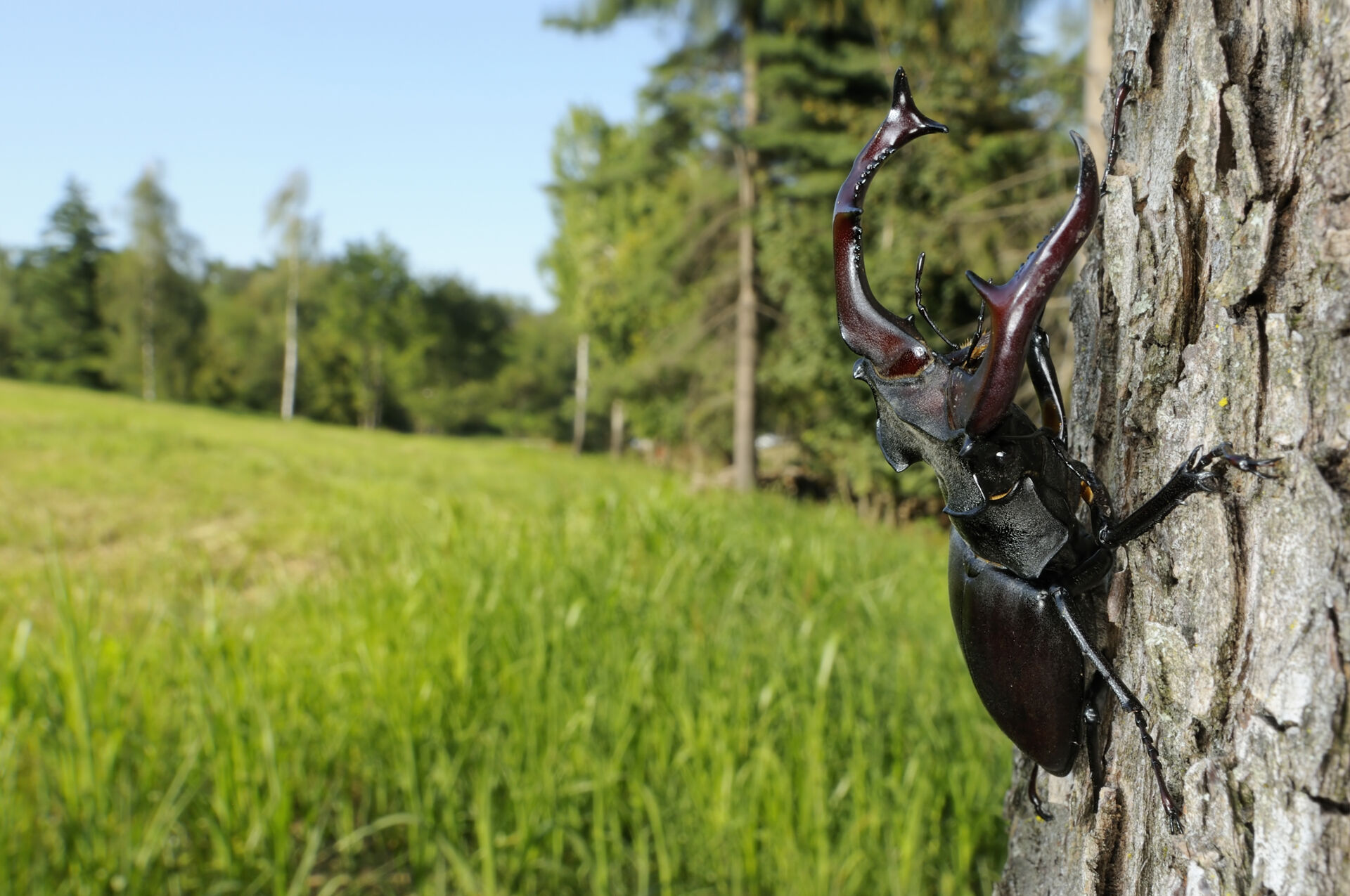
Among those contributing to the consumption of organic matter are earthworms and large insects such as the Alpine longhorn beetle (Rosalia alpina) and European stag beetle (Lucanus cervus), whose larvae dig tunnels into dead or rotting tree trunks to feed off the wood.
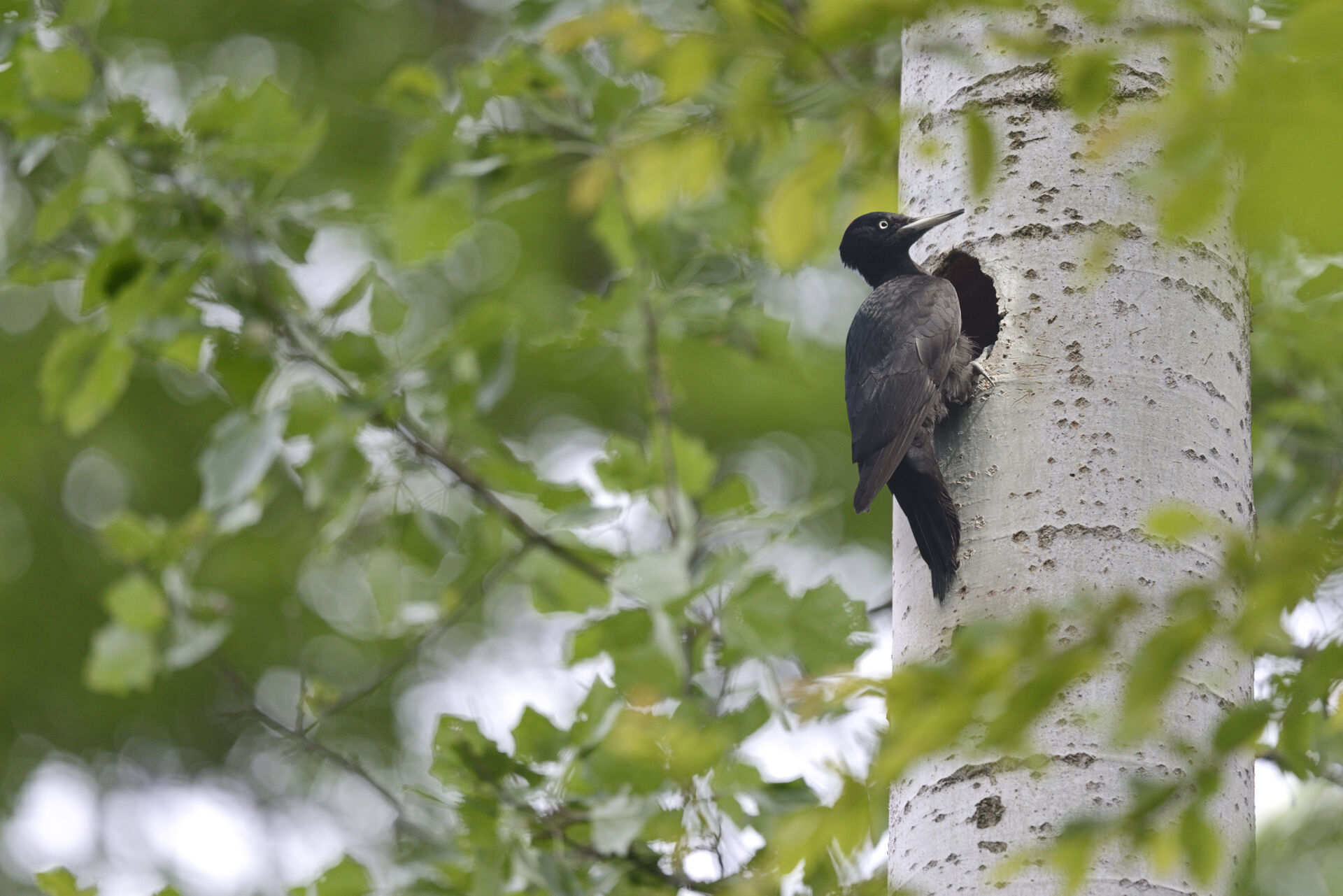
Various species of bird also transform woodland. Some feed off fruit, thus encouraging dispersion and growth of new trees, while others perform more specific functions, such as the various species of woodpecker.
The Latin name of the Eurasian jay, Garrulus glandarius, is derived from the feeding habits of this species, whose diet mainly consist of acorns (Glandem).
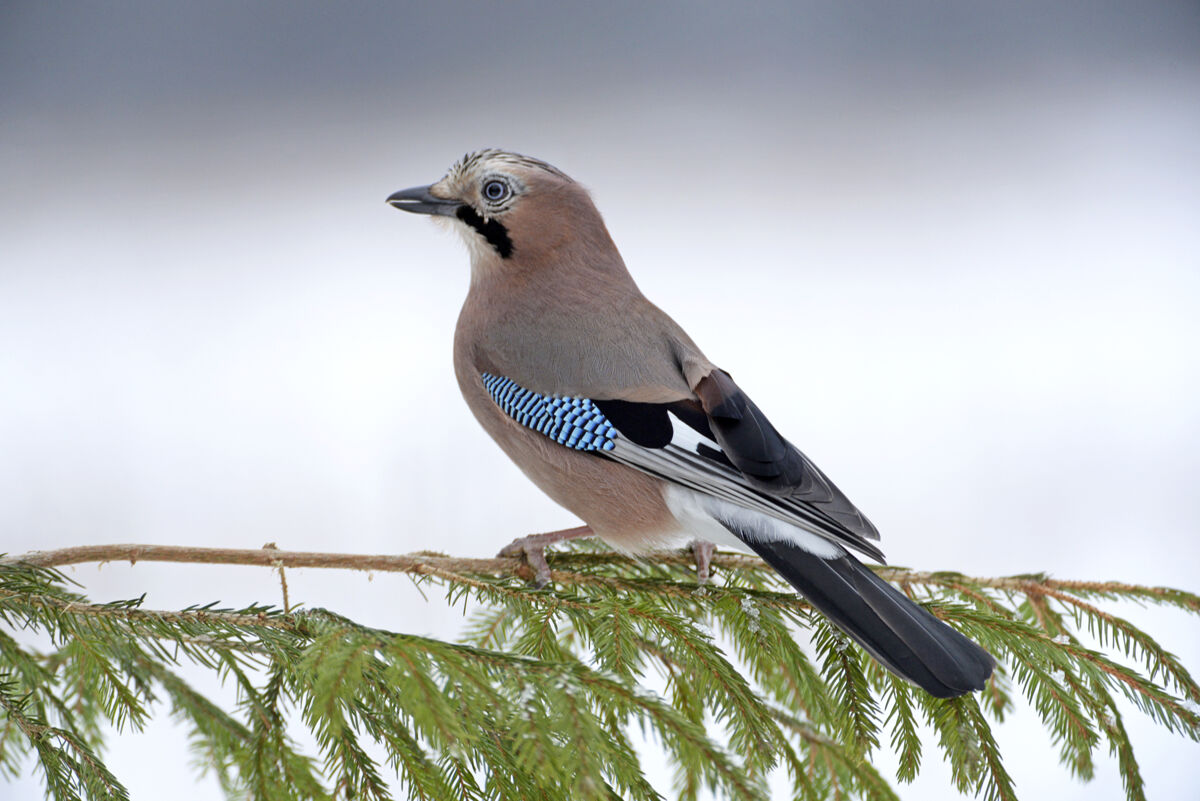
Eurasian jay, Garrulus glandarius
Woodpeckers, such as the great spotted woodpecker (Dendrocopos major), use their beaks to dig into wood and pull out larvae for food. Their beaks also transport mushroom spores from one tree to another, encouraging the decomposition of dead wood.
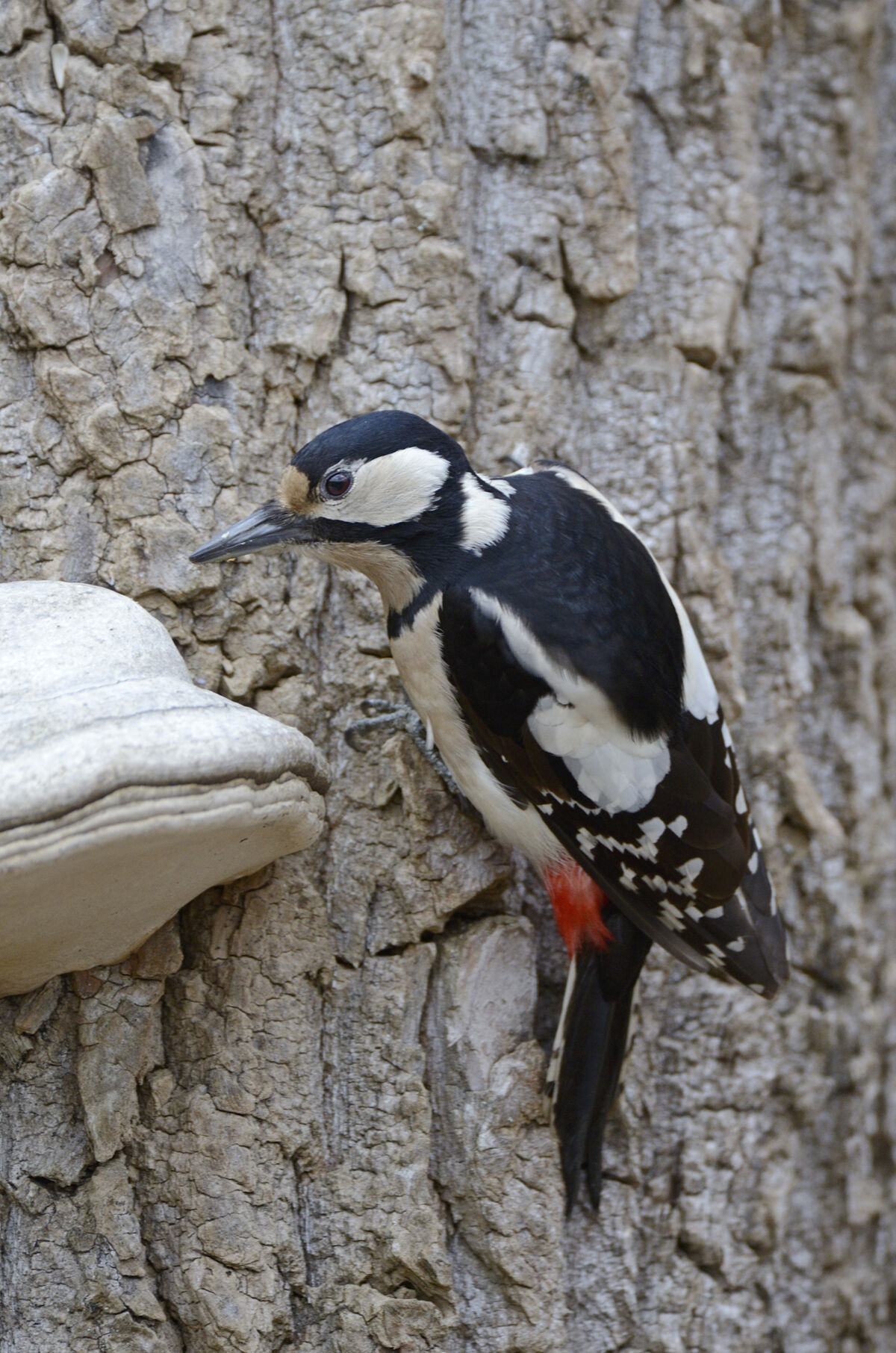
Dendrocopos major
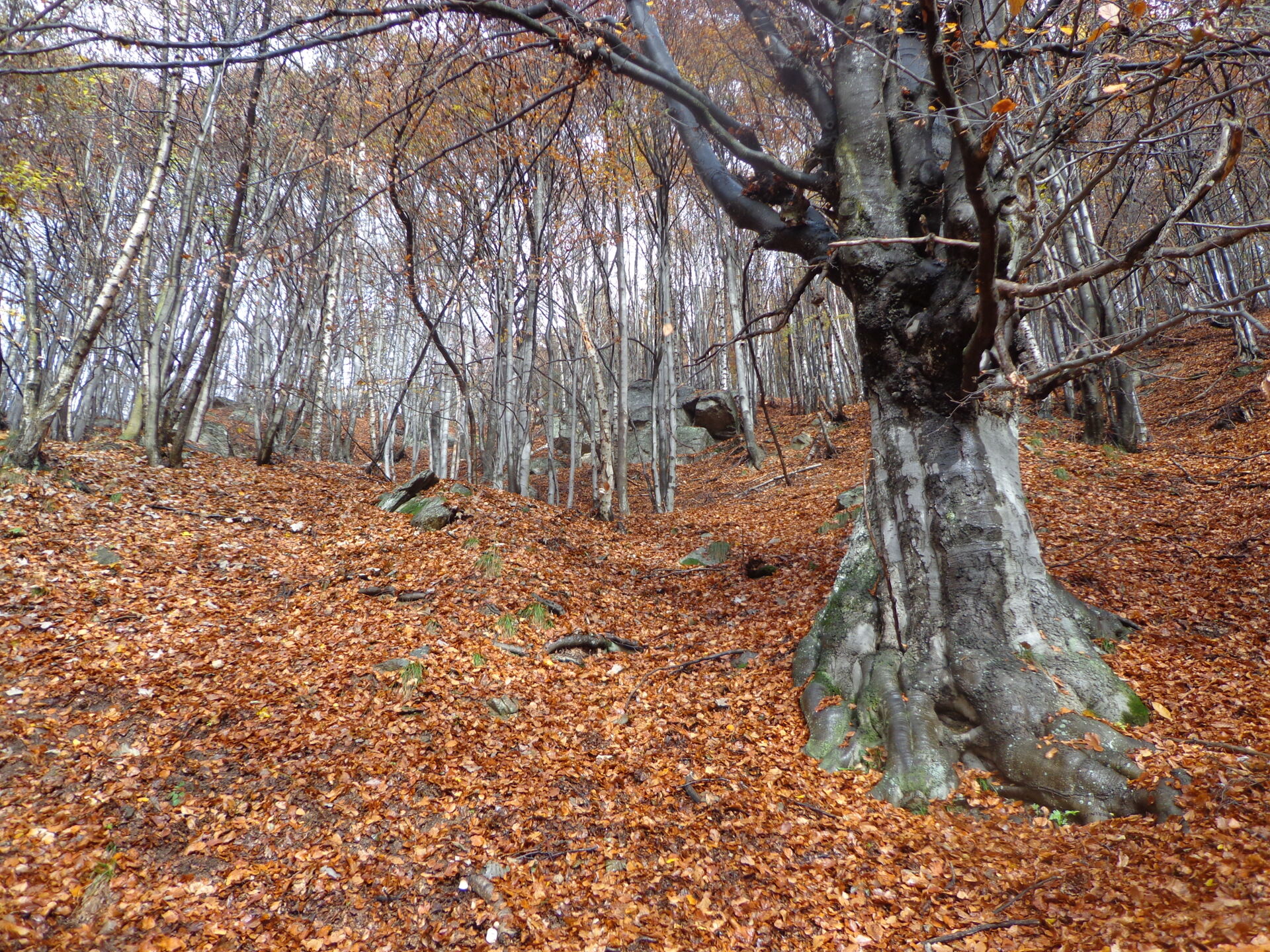
Italian wood, Val Grande di Lanzo
Giuseppe Bogliani | Rights reservedLeaves, while still green, can serve as food for various species, including small animals and plant-eating insects, as well as large herbivores such as red deer (Cervus elaphus) and roe deer (Capreolus capreolus).
Grazing, stripping of bark and rubbing of antlers on shrubs and small trees slow the growth of some plant species, indirectly benefitting other plants and contributing to shaping the appearance of woodlands.
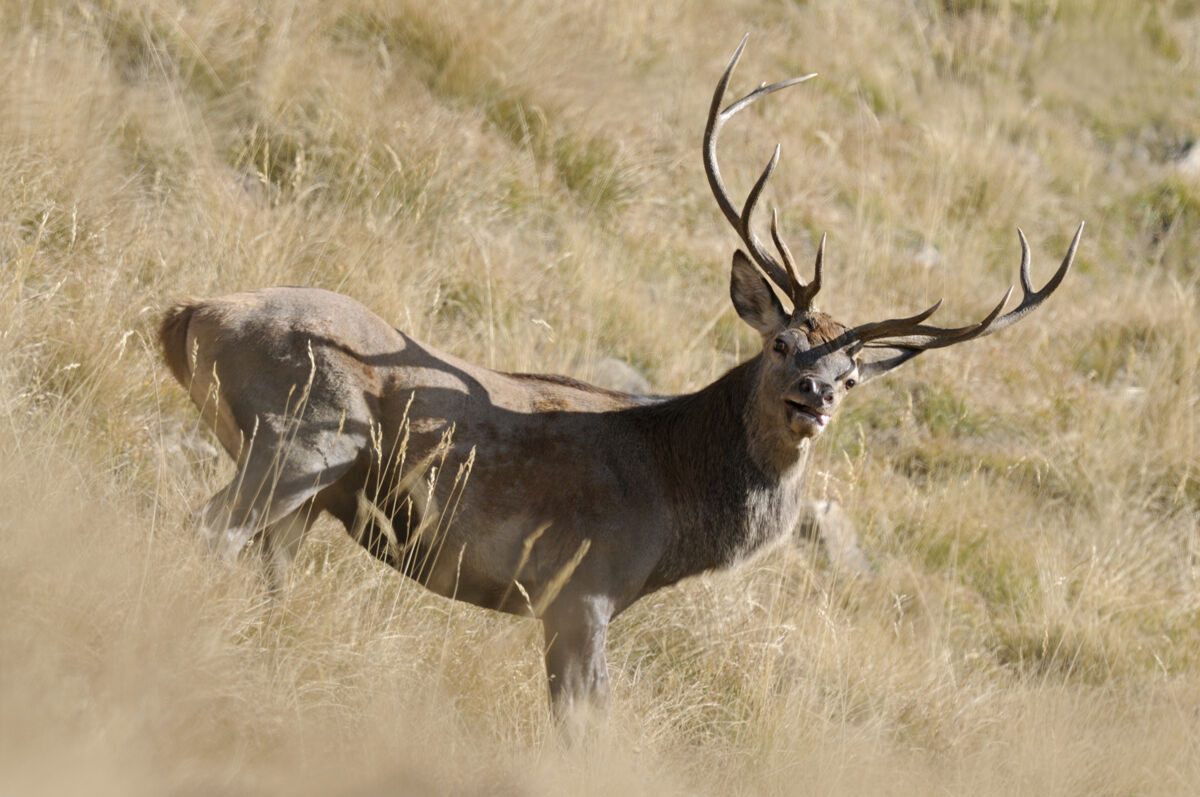
Red deer (Cervus elaphus)
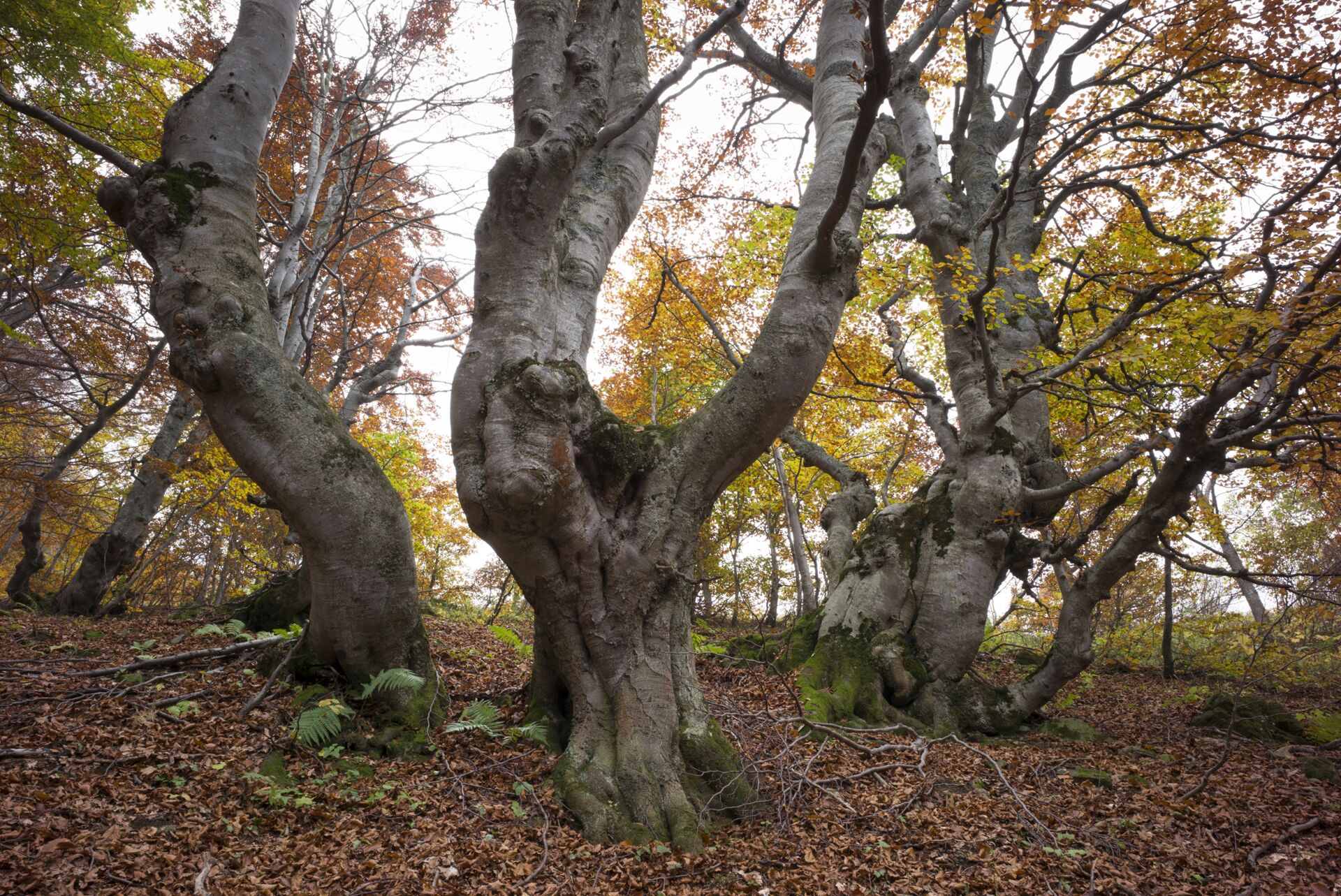
Forest reserve of Palanfrè in the Maritime Alps, south-western Piedmont
Antonello Provenzale | Rights reservedThe wolf (Canis lupus) is a good example of how wildlife, and in particular large predators, can shape their forest surroundings.
Like all predators at the top of the food chain, wolves play an important role in forest ecosystems. They control herbivore populations, thus indirectly regulating the vegetation growth.
For this very reason, wolves have for some decades been the subject of numerous projects aimed at conservation and promotion of coexistence, albeit not always easy, with human settlements in Italy.
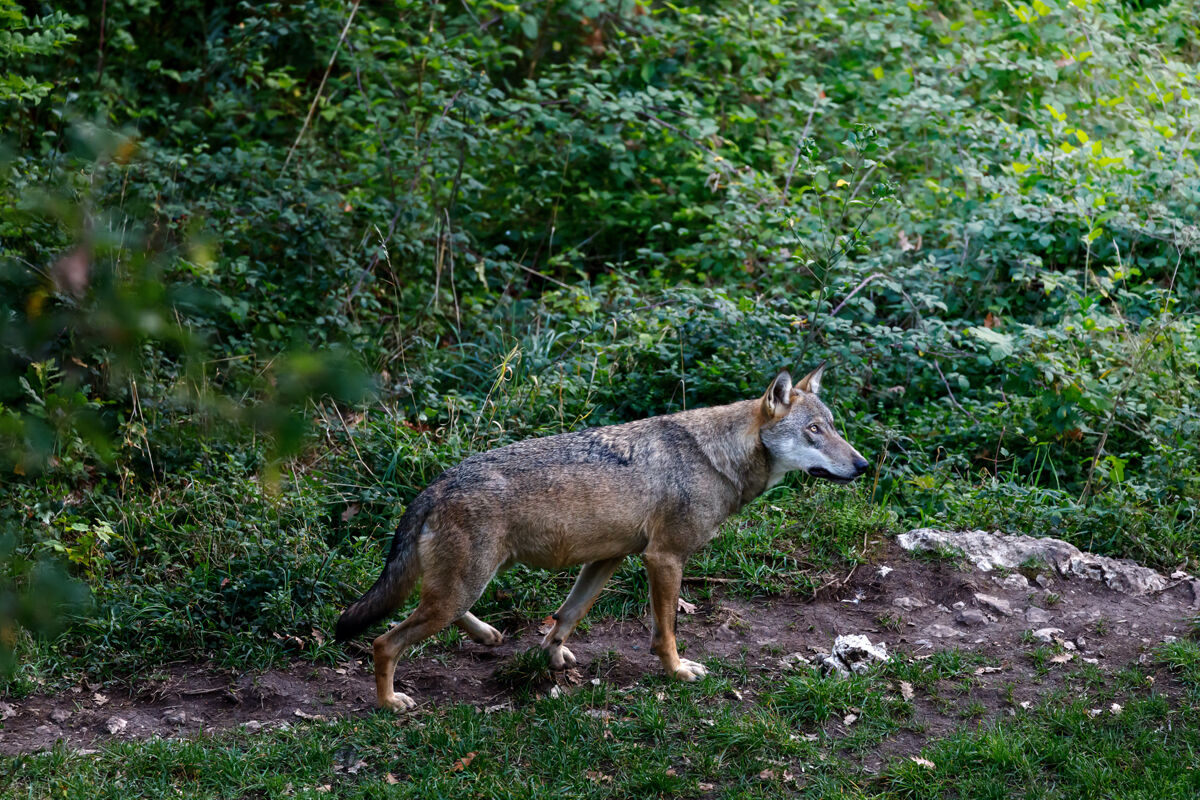
Canis lupus italicus
The return of the wolf: coexistence is possible
Francesca Marucco (University di Turin) explains how the wolf was completely wiped out in the Alps in the early 20th century. A small population remained in the central-eastern Apennines and, between 1990 and 2000, was taken as the starting point for natural recolonisation.
The wolf, she adds, plays an essential role within the ecosystem. Despite being a superpredator, it can also prey on domesticated animals, bringing it into conflict with human activities. Systems of prevention are therefore needed (electric fencing, guard dogs and the presence of farmers).
She stresses that knowledge is the only tool we have against ignorance, allowing us to develop long-term coexistence and effective conservation strategies.
Changes in the Italian mountain forests
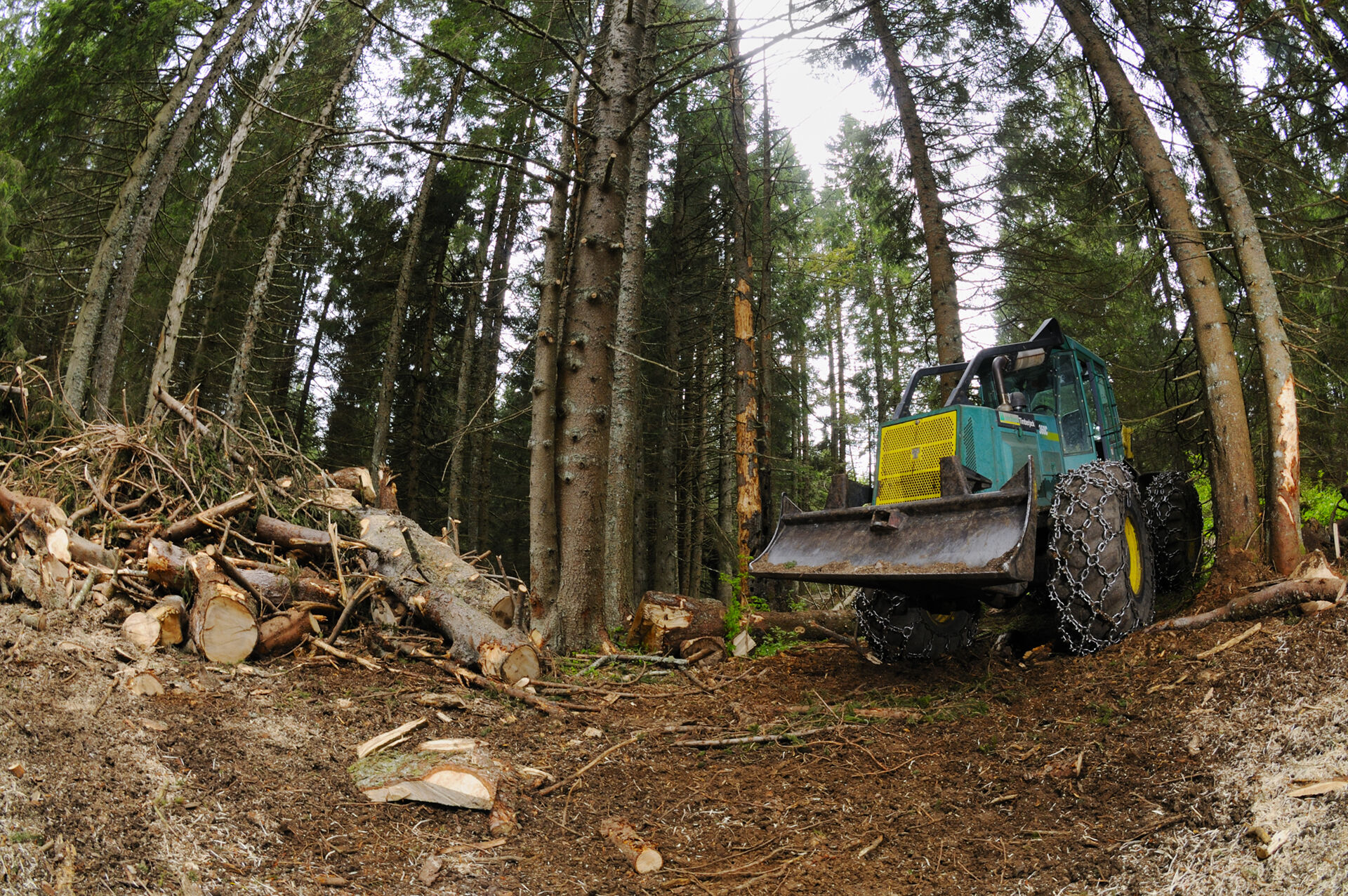
Were it not for the considerable human presence, Italy would largely be covered with forests. Instead, the demand for farmland has led to the almost total disappearance of forests on the plains and hills.
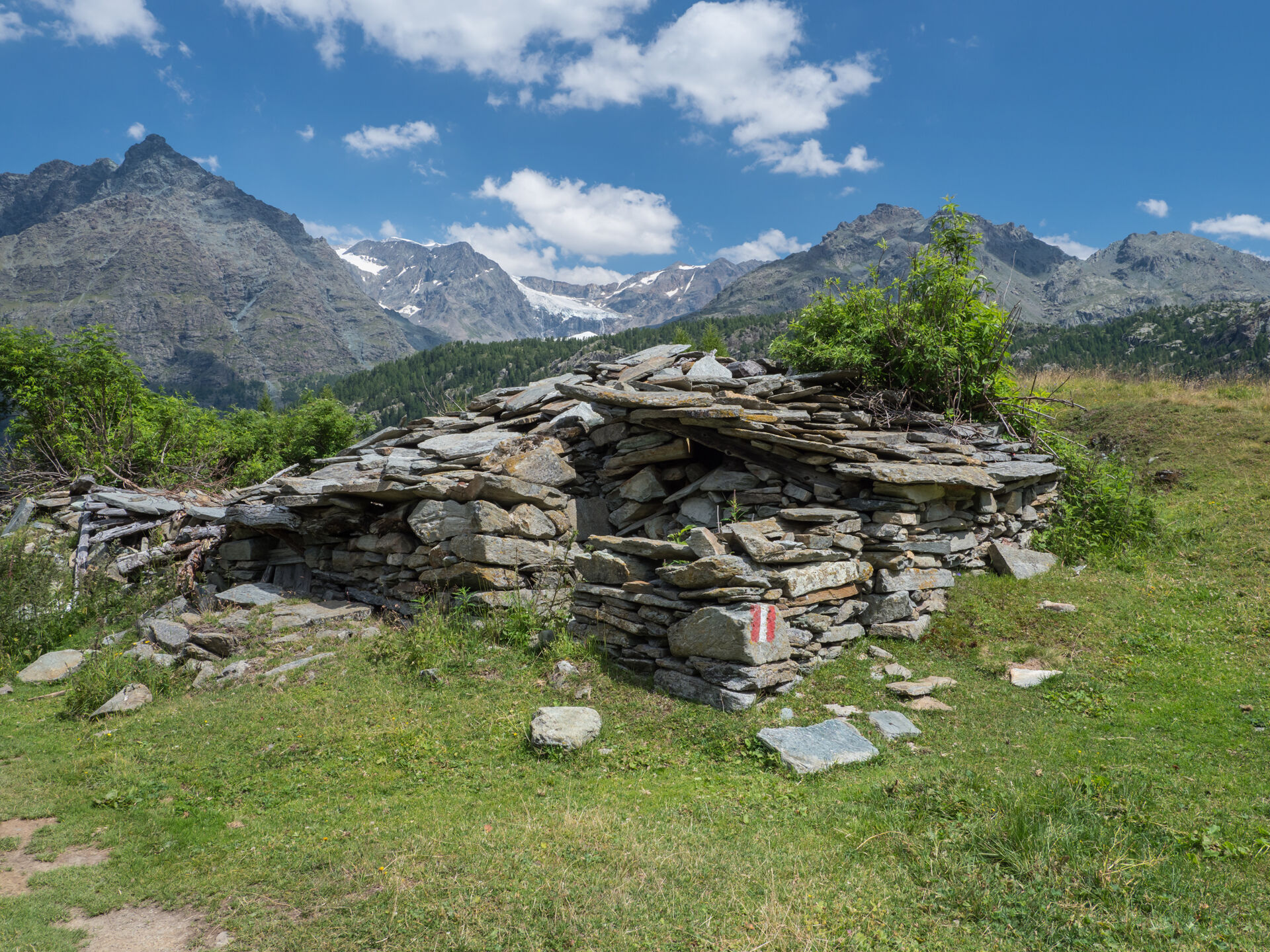
However, the abandonment of mountain areas since the Second World War, together with the rising of temperatures, has enabled forests to recolonise land that was once cultivated or grazed. This trend can be seen across all in Italy (as well as in European mountain regions), albeit unevenly, as reflected in the forest area estimates published in national forest surveys.
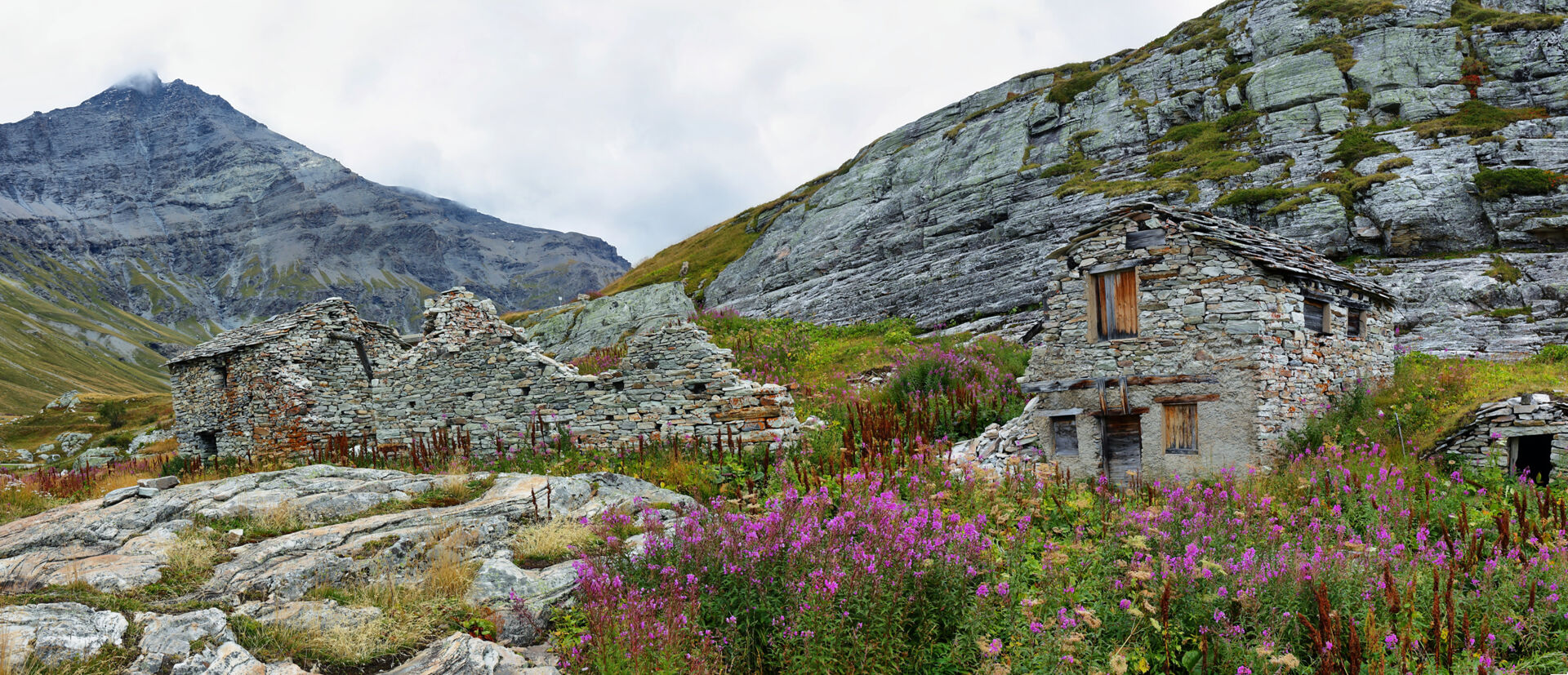
The abandonment of high-mountain pastureland and the rising temperatures are causing forest to extend higher into the mountains, reaching ever greater altitudes.
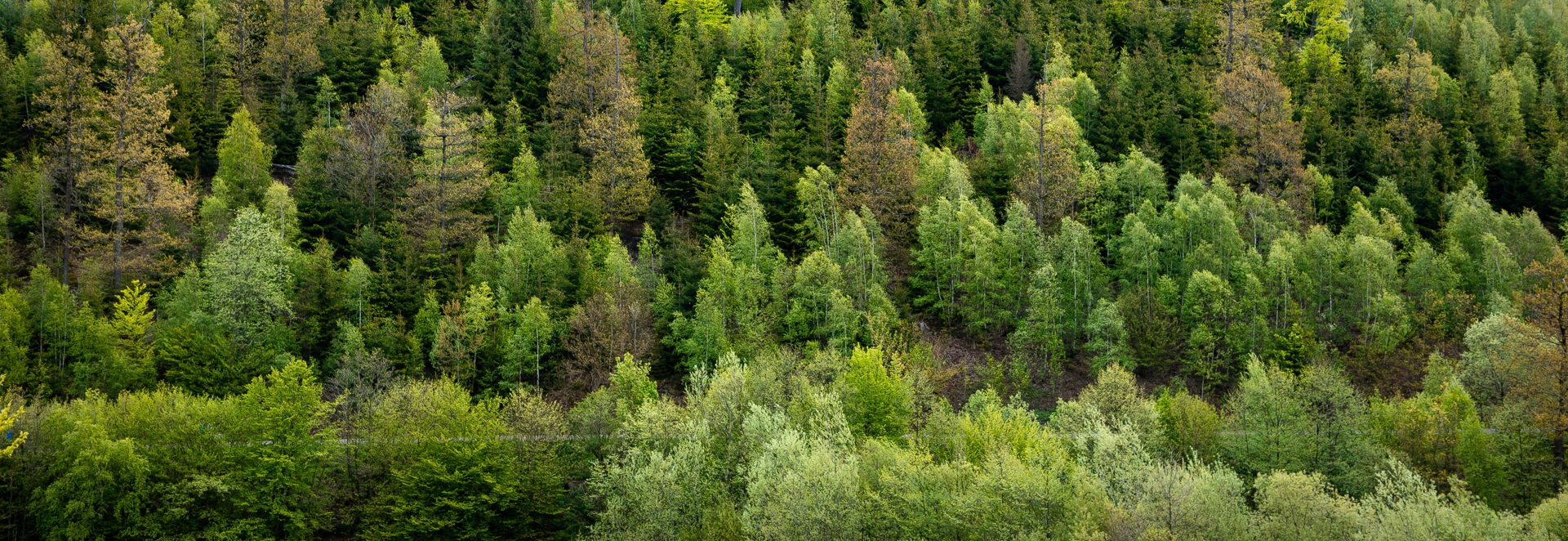
In the period 1985-2005, Italian forest area increased by about 80,000 hectares per year and by over 50,000 hectares per year in subsequent years.
In 2015, the total forest area in Italy was about 11 million hectares, about one third of the country's total area of 30 million hectares.
Estimating the increase in forest area is an important tool for assessing human impact on ecosystems and for developing effective sustainability plans.
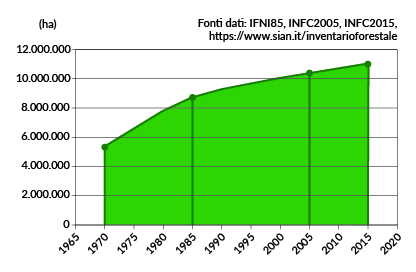
Graph of the variation of the forest area, where on the ordinate axis there are the hectares and on the abscissa axis the time scale that goes from 1970 to 2015. The graph shows a marked increase in forest cover from the 70s to 2005 where it reaches a peak of 10 million hectares. Growth continues, albeit less marked, up to 11 million hectares in the following ten years,until 2015.
Considerable scientific debate surrounds the significance and application of some forest monitoring methods.
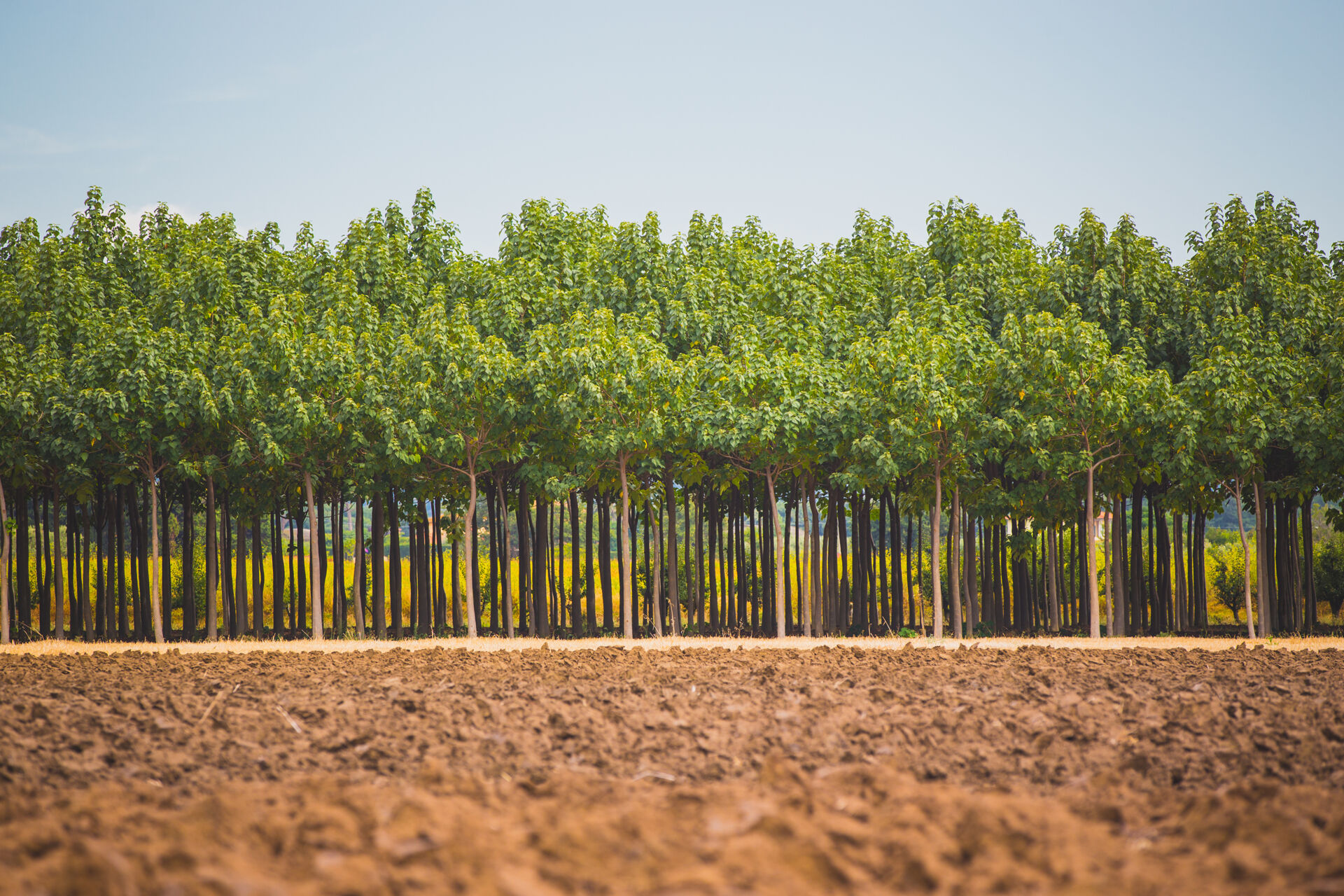
Data are often based on satellite measurements that provide information on tree-coverage but do not allow plantations to be easily distinguished from natural forest ecosystems.
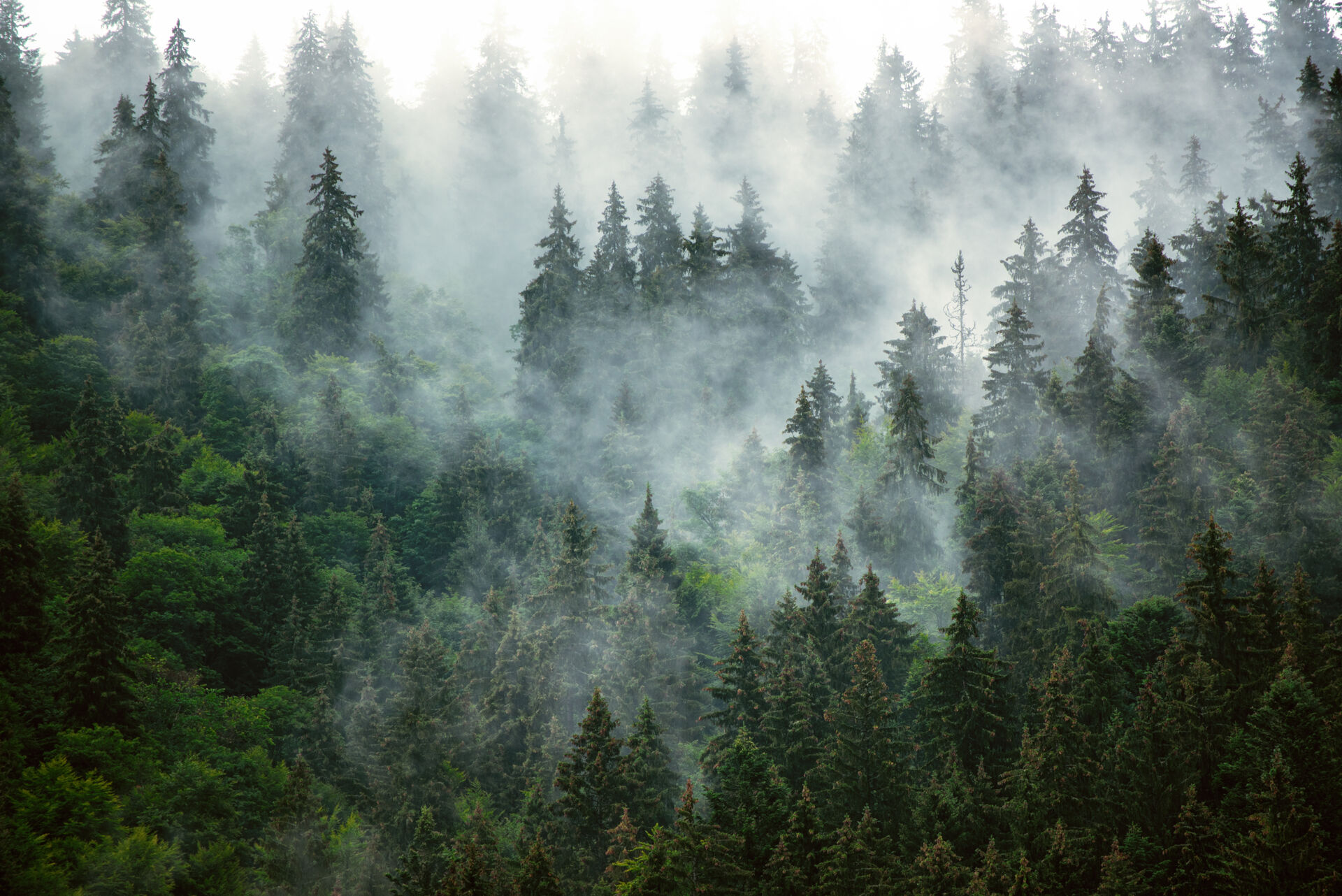
Forest ecosystems are made up of either old, intact or naturalising woodland, which represents an irreplaceable reserve of biodiversity and complex ecosystem functions. Plantations are quite different, their presence often indicating that deforestation has taken place to make way for artificial forestry initiatives.
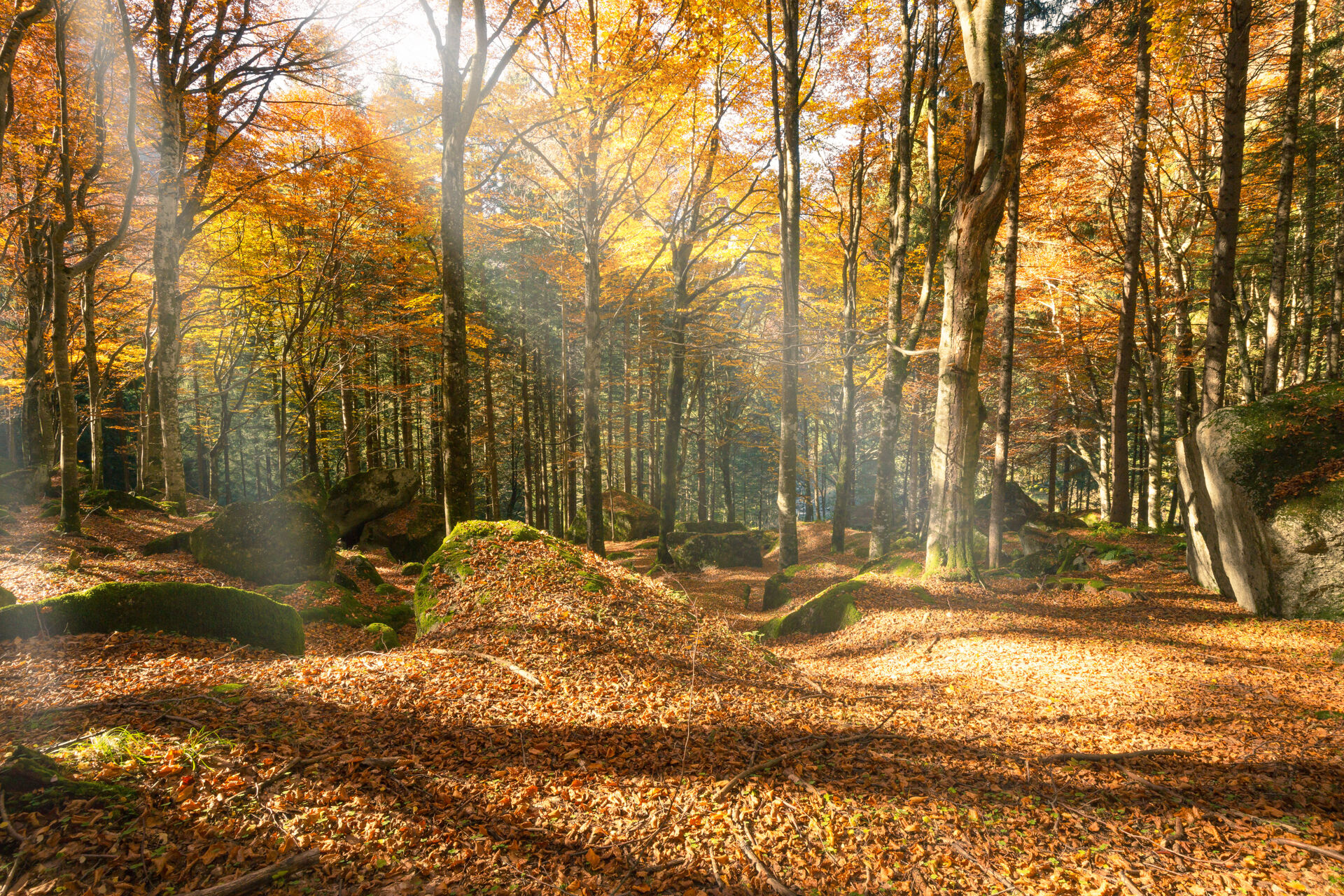
However, restoring former forest cover can be a difficult task due to the huge changes in soil use and intentional or accidental introduction of exotic species. These factors could prevent forest area from recovering within a few centuries, as it might have done without the severe impact of human activities.
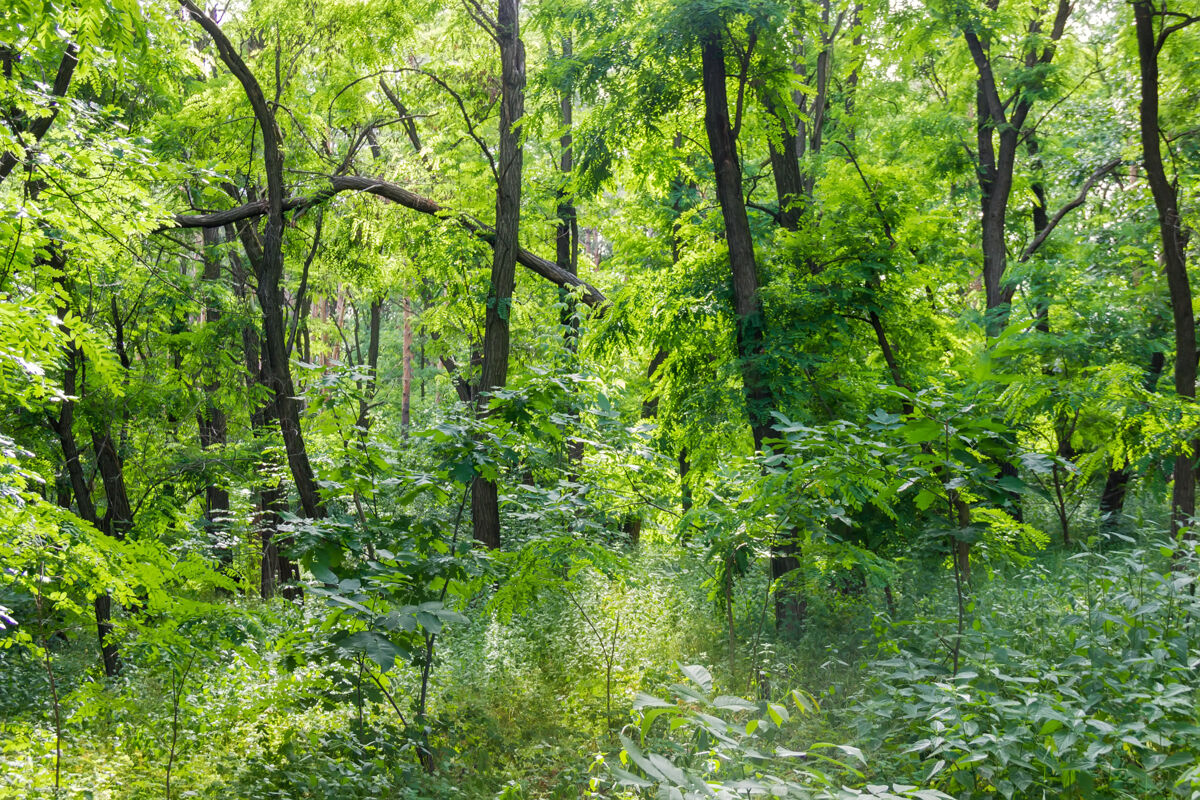
Climate change has also an additional and significant indirect impact affecting the extent and wealth of Italian forests. One possible effect of climate change is the increased frequency and intensity of extreme weather events.
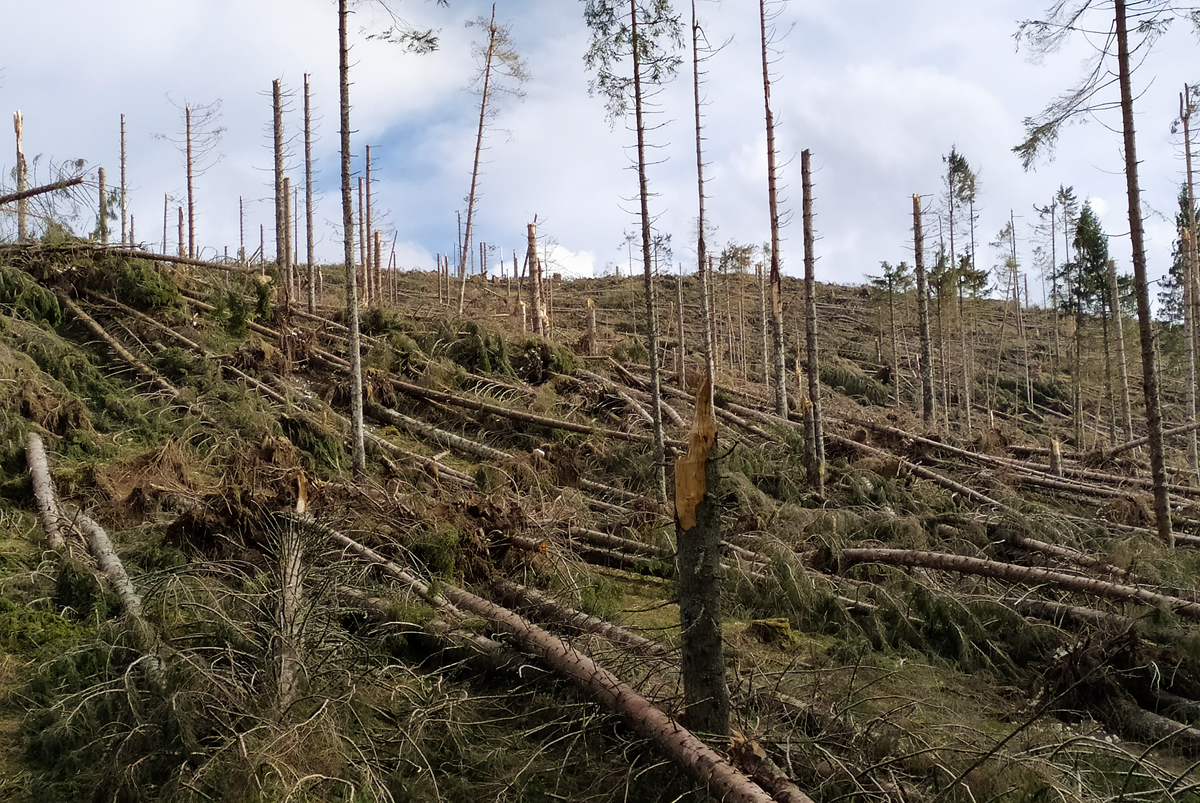
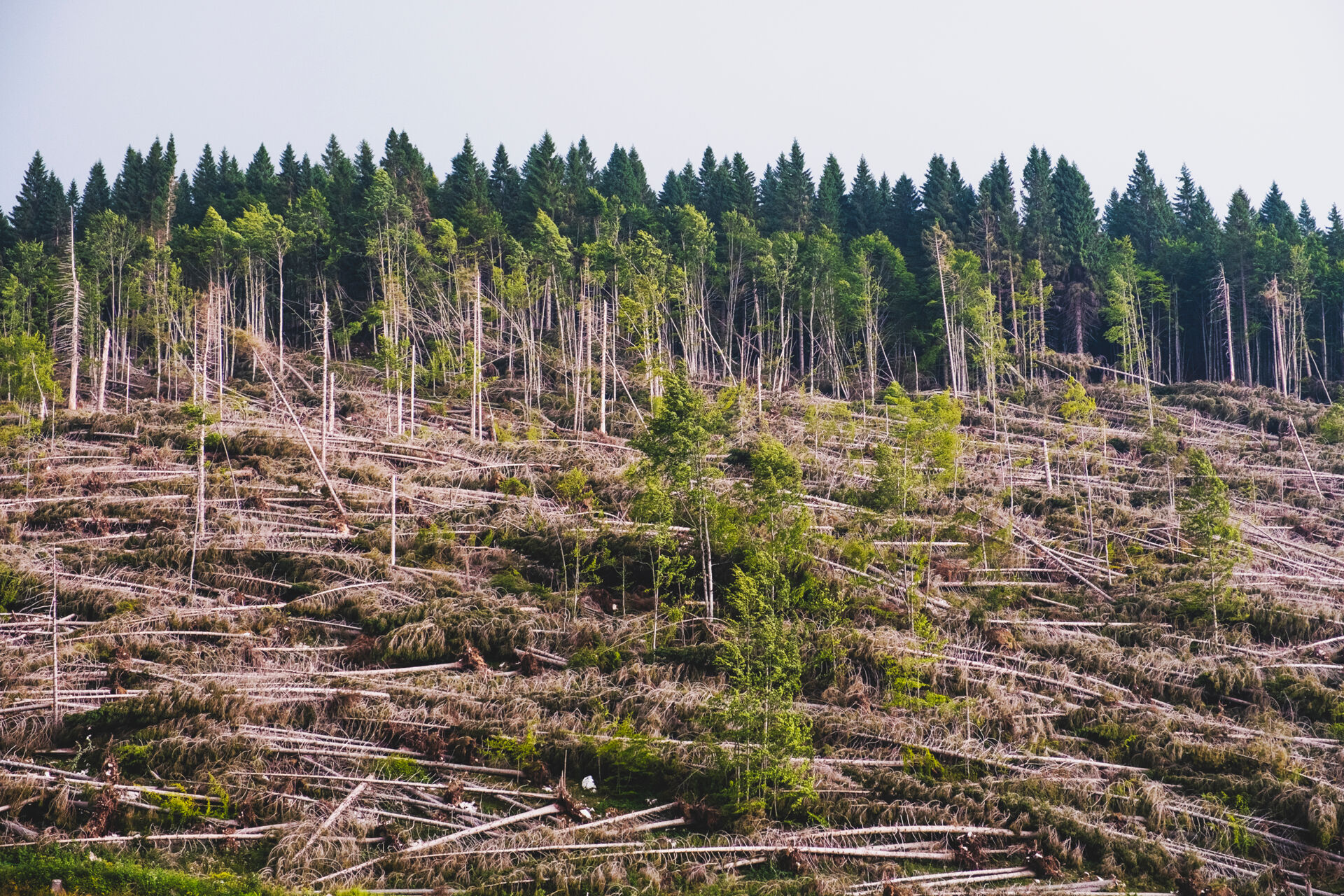
Storm Vaia (also known as Storm Adrian), which affected a considerable area of Northern Italy from 26 to 30 October 2018, was one of the worst disasters to have hit Italian forests in living memory.
The storm brought with it very strong winds between 100 and 200 km/h, which destroyed vast areas of woodland in the central and eastern Alps. It is estimated that this freak event felled 42 million trees covering 41,000 hectares.
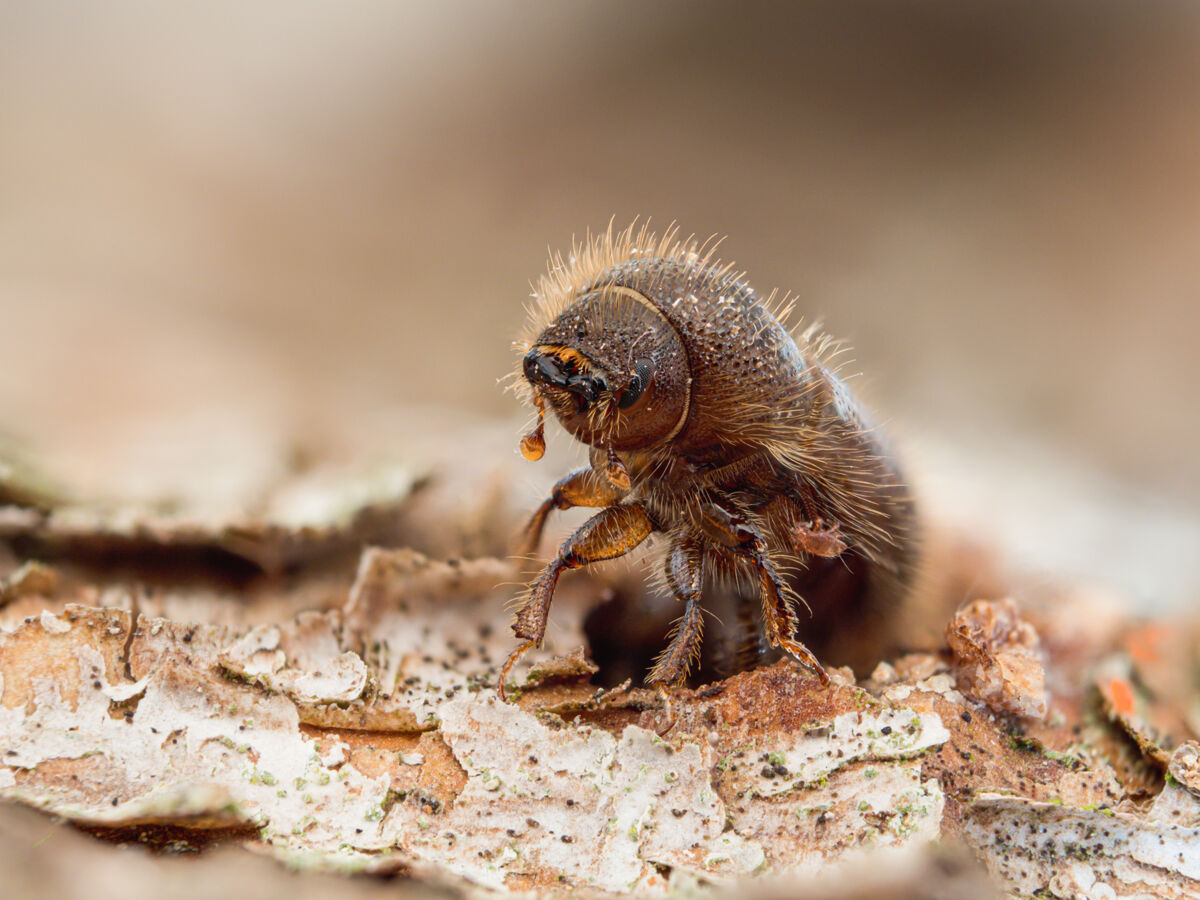
Ips typographus
Particularly hard-hit were monospecific managed lots of Norway spruce (Picea abies), where trees of the same age and of only one species were grown.
This already negative scenario is further affected by European spruce bark beetle (Ips typographus) infestation. This insect feeds on the part of the trunk between the bark and the wood. Numbers are growing due to the extraordinary number of felled trunks and are threatening to attack the surviving forests.
Storm Vaia is a sad example of the damage that can be caused locally by rapid climate change, particularly in areas with little diversity in terms of tree type and age.
This event should serve as a timely reminder of the importance of caring for woodland, protecting natural forests and promoting their biodiversity.
Forests need to be carefully monitored and forest management choices and selection of tree species need to be carefully weighed to protect naturalness: today this is really the only viable strategy to enable the safeguarding of biodiversity and the balance of such complex ecosystems, as well as for ensuring the health and safety of the country as a whole.

